
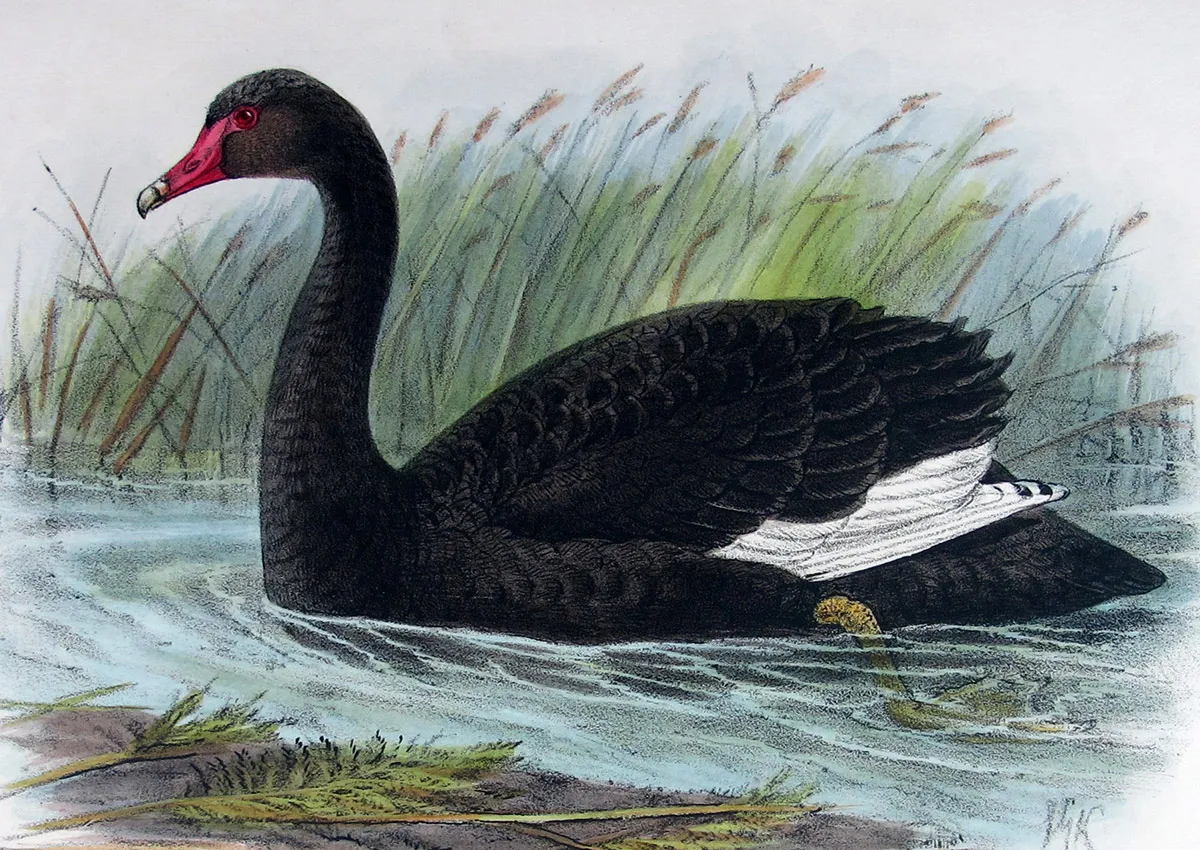
J.G. Keulemans: Precision and Passion in Ornithological Illustration
Johannes Gerardus Keulemans: Master of Ornithological Illustration
Among the great names of nineteenth-century bird illustration, Johannes Gerardus Keulemans occupies a place of exceptional importance. Born in Rotterdam and later active in London’s scientific world, he became one of the defining visual interpreters of ornithology, giving form to birdlife from Europe, Australia, Ceylon and many other regions through plates of extraordinary precision and quiet elegance.
Selected Iconic — Ornithological Plates by Keulemans
View full plate details and condition reports.
| |
|
|
Browse The Birds of Australia collection →
Keulemans’ career unfolded at the crossroads of exploration, taxonomy and the artistic rediscovery of nature. At a time when scientific expeditions were revealing the diversity of distant continents and islands, he became one of the great visual voices of natural history. His engravings and lithographs transformed collected specimens into compositions of authority, balance and living presence.
The signature elements of his style — crisp outlines, poised poses, luminous yet controlled coloration — make his plates instantly recognizable. Rooted in the finest traditions of nineteenth-century lithography and often enriched by delicate hand-colouring, his works combine scientific accuracy with a rare sense of visual grace.
From Europe to Ceylon, Australia and Rare Zoological Works
Across his long career, Keulemans contributed to a remarkable range of landmark natural history publications. His hand appears in works devoted to European birds, Australian avifauna, tropical island species and rare zoological discoveries. This breadth is central to his importance: Keulemans was not the illustrator of a single region, but a visual interpreter of the world’s birdlife.
Among his most refined contributions are the plates prepared for Gregory M. Mathews’ monumental The Birds of Australia, where his late-career work helped establish the visual identity of one of the great ornithological projects of the early twentieth century. Equally compelling is his work connected to the tropical birdlife of Ceylon, today Sri Lanka, where hornbills, barbets, cuckoos, woodpeckers and birds of prey become both scientific records and highly decorative works of natural history art.
Beyond Australia and Ceylon, Keulemans’ wider legacy extends through works such as The Birds of Europe and the rare zoological publications of the late nineteenth century, including material associated with the scientific world of Walter Rothschild. Together, these works reveal the range of an artist capable of moving from familiar European species to the most exotic subjects of tropical and colonial-era natural history.
Heritage Stories
Keulemans’ illustrations belong to the golden age of ornithological publishing, when scientific discovery, collecting and visual culture were deeply interconnected. His work shaped the appearance of major bird books and continues to speak to collectors, museums and interiors that value the harmony between science and beauty.
Explore related Prantique stories and collections: The Birds of Australia, Mathews & The Birds of Australia, H. Goodchild, Henrik Grönvold and Roland Green.
For readers wishing to better understand antique prints — from technique and paper to collecting criteria — explore our guide: Antique Prints Guide.
Related posts
-
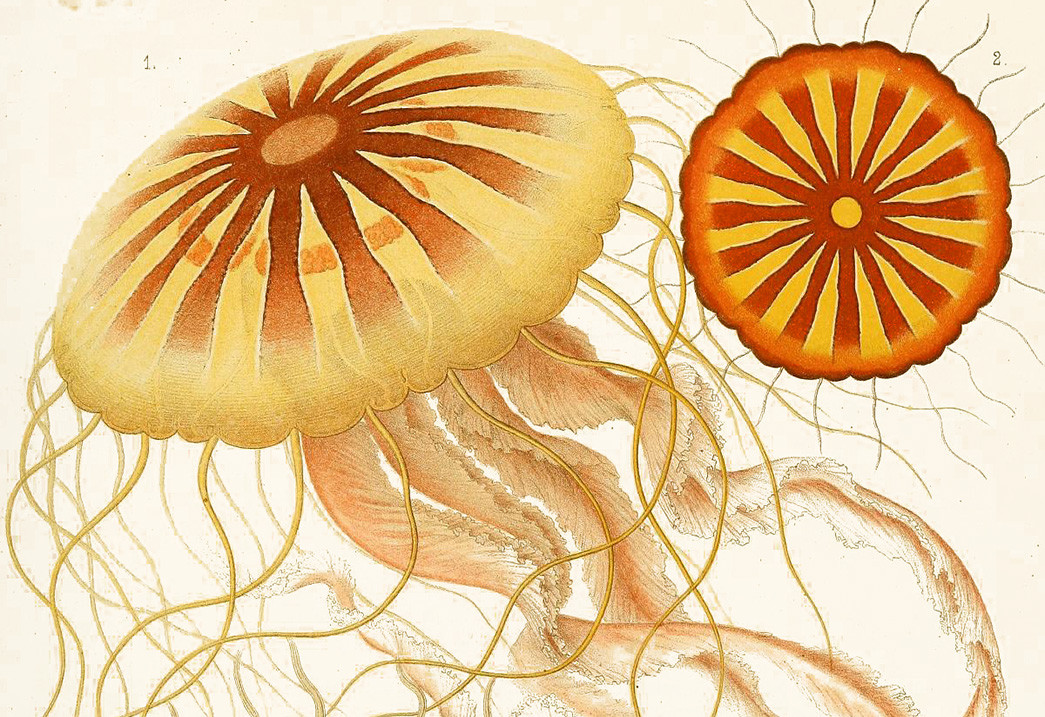 Ernst Haeckel and the Sublime Art of Das System der Medusen
A scientific monograph that became a gallery of natural elegance. The German biologist Ernst Haeckel was fascinated...Read more
Ernst Haeckel and the Sublime Art of Das System der Medusen
A scientific monograph that became a gallery of natural elegance. The German biologist Ernst Haeckel was fascinated...Read more -
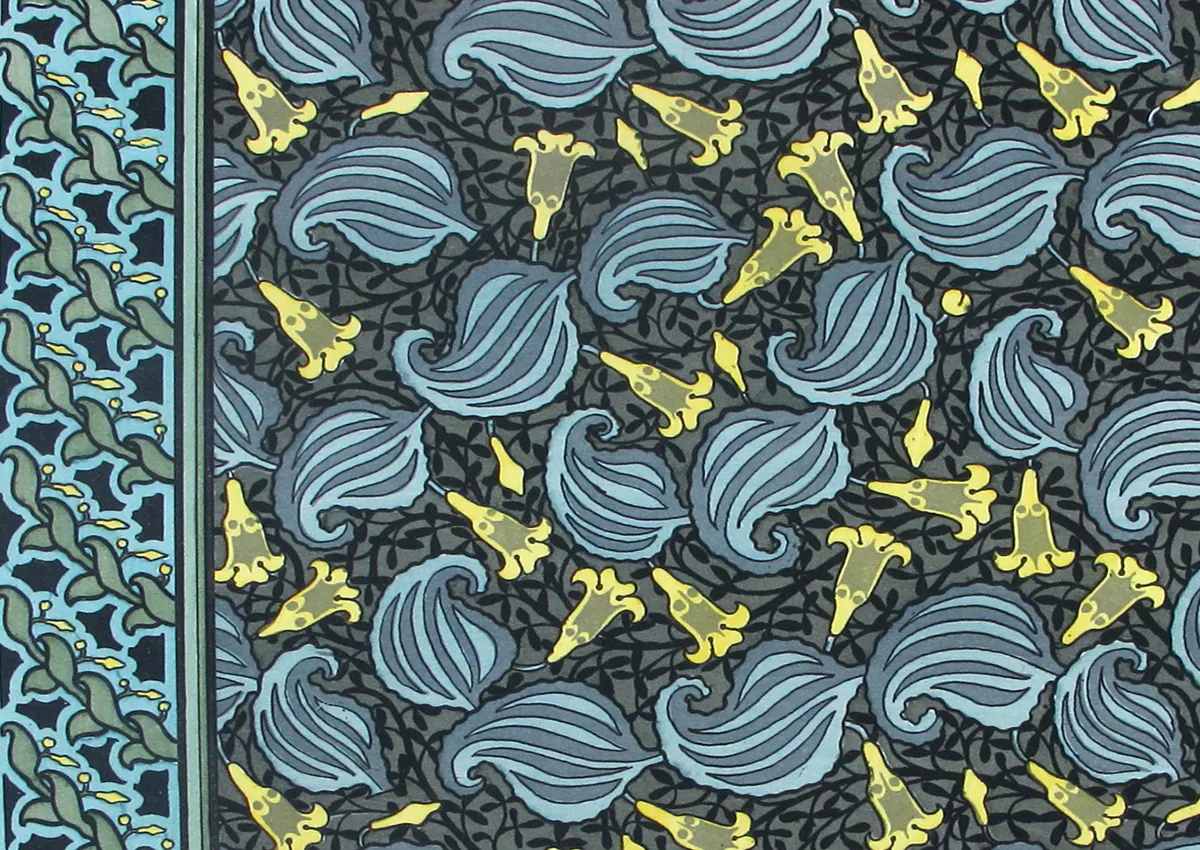 Eugène Grasset and the Art of Nature: The Origins of Modern Floral Design
In the heart of the Art Nouveau movement, Eugène Grasset stood out as one of the first artists to merge scientific...Read more
Eugène Grasset and the Art of Nature: The Origins of Modern Floral Design
In the heart of the Art Nouveau movement, Eugène Grasset stood out as one of the first artists to merge scientific...Read more -
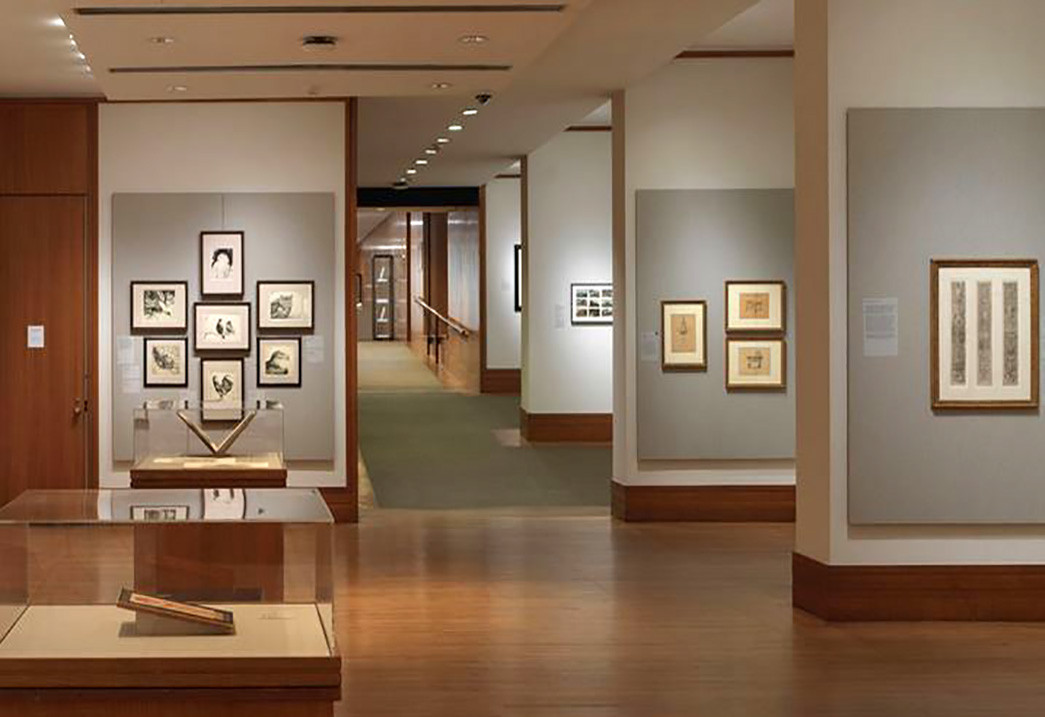 Émile-Allain Séguy: Nature, Color, and the Decorative Avant-Garde
A Life Between Science and Style. Séguy’s art is more than decoration. It is a reminder that even in the age of...Read more
Émile-Allain Séguy: Nature, Color, and the Decorative Avant-Garde
A Life Between Science and Style. Séguy’s art is more than decoration. It is a reminder that even in the age of...Read more -
 Henrik Grönvold: A Scandinavian Eye for Ornithological Grace
Henrik Grönvold (1858–1940) was a master of early 20th-century ornithological illustration, celebrated for his calm...Read more
Henrik Grönvold: A Scandinavian Eye for Ornithological Grace
Henrik Grönvold (1858–1940) was a master of early 20th-century ornithological illustration, celebrated for his calm...Read more -
 Roland Green: Dynamic Vision and Field-Born Precision in Bird Art
A vivid portrait of Roland Green, the British wildlife artist who brought motion, energy, and field observation to...Read more
Roland Green: Dynamic Vision and Field-Born Precision in Bird Art
A vivid portrait of Roland Green, the British wildlife artist who brought motion, energy, and field observation to...Read more
Leave a comment