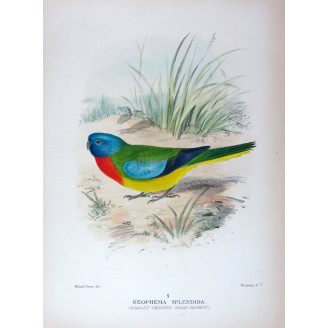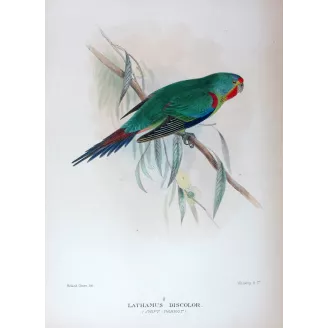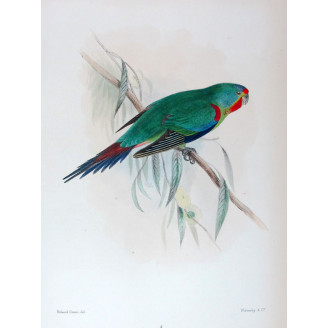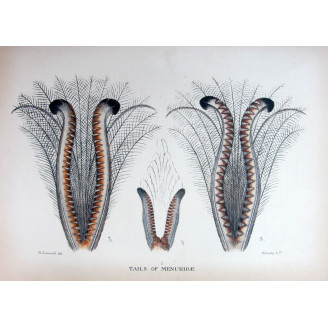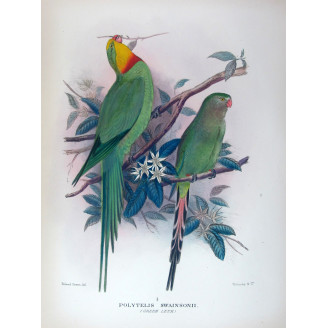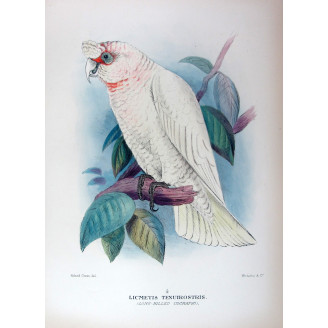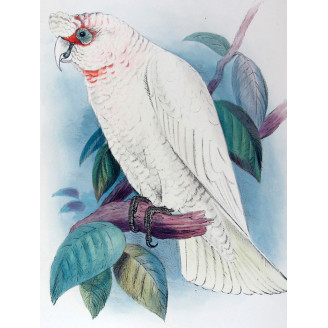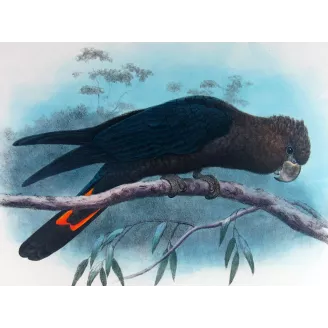

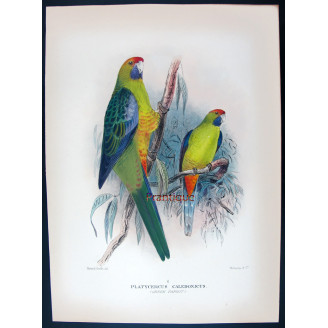
Antique lithograph of the Bare-eyed Cockatoo by Roland Green.
 Delivery policy
Your print will be carefully prepared and shipped worldwide via trusted couriers (UPS or similar).
 Authentic antique prints
Original engravings from the 17th–19th century.
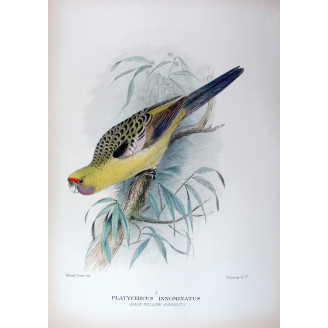
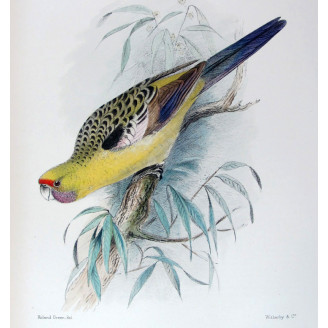
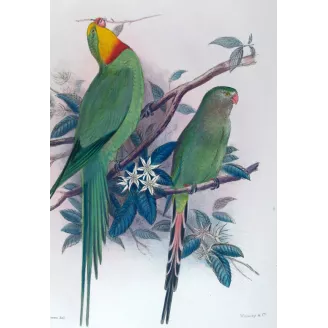
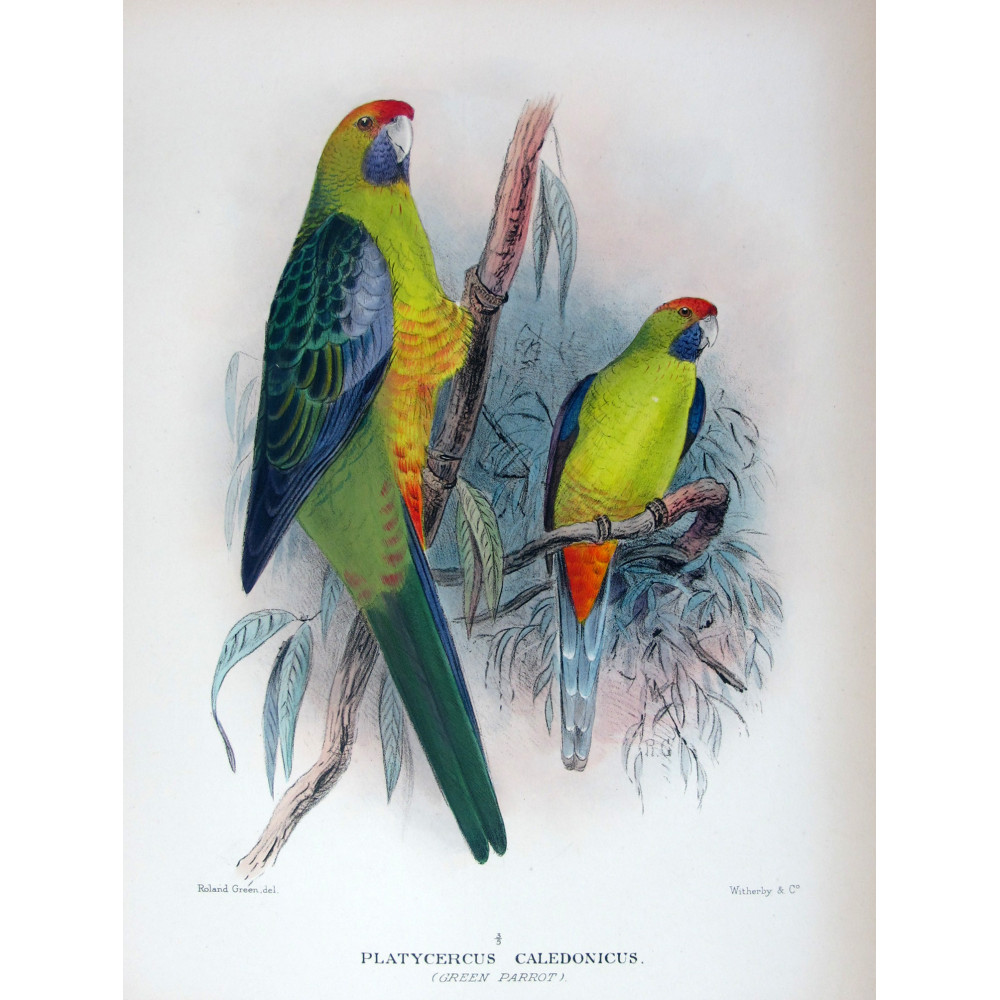
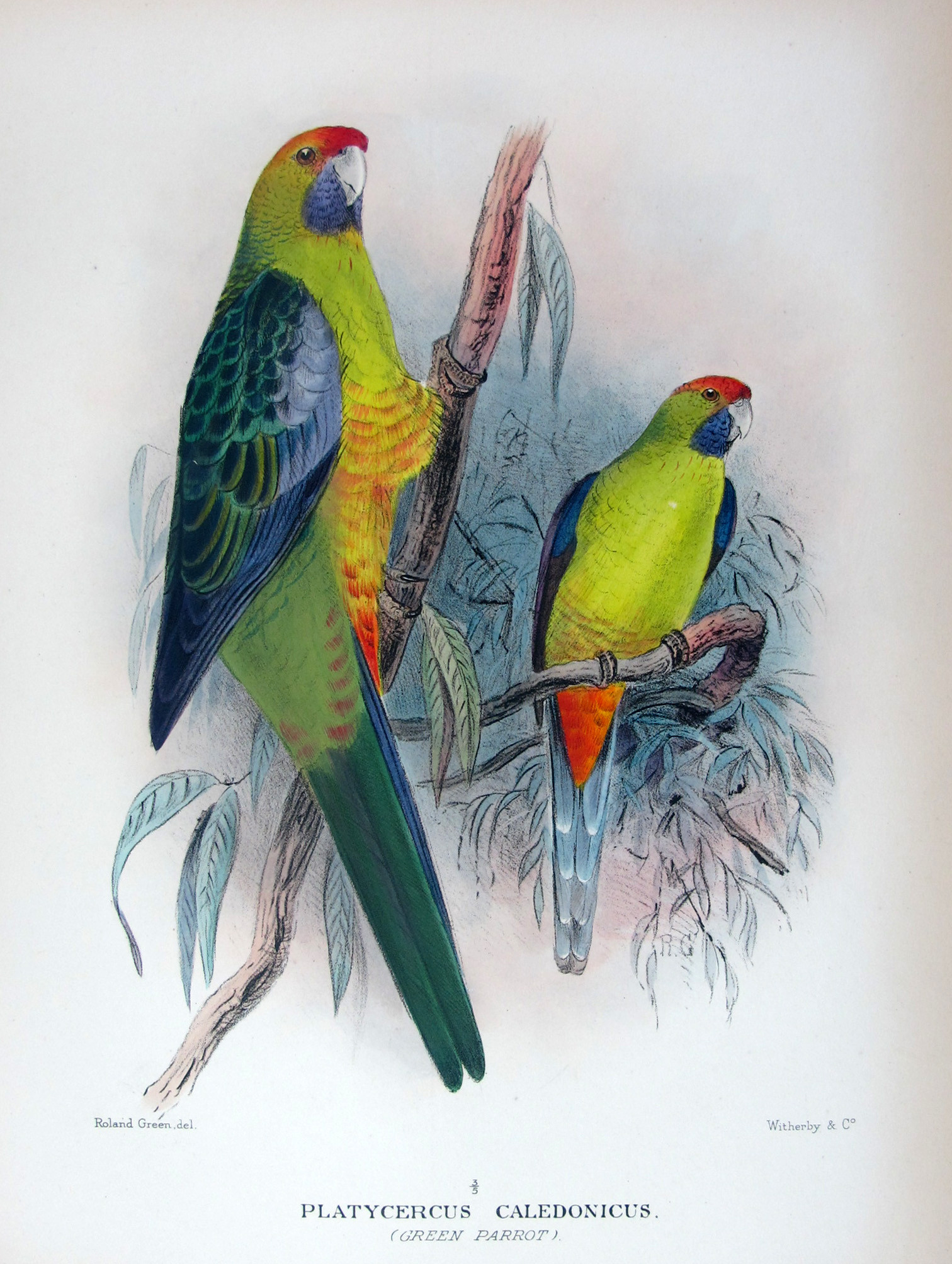
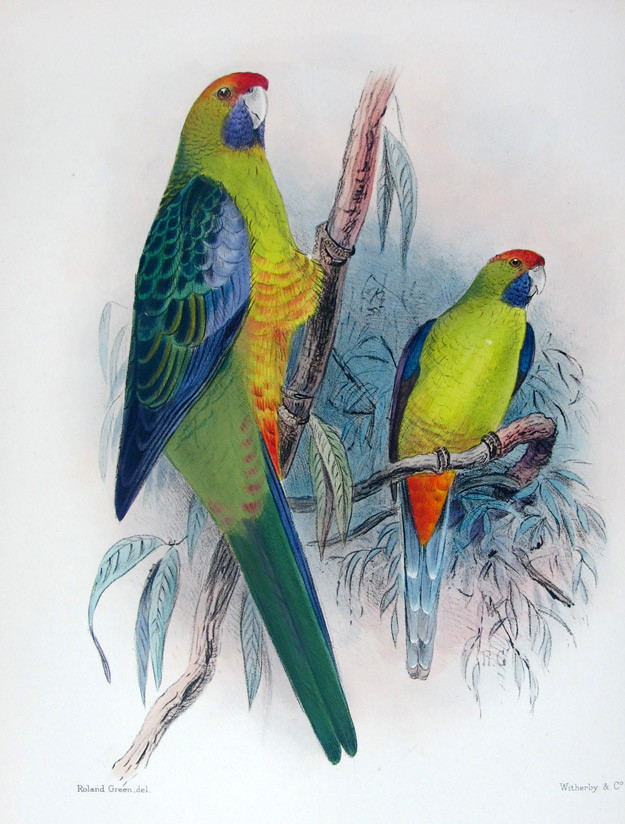
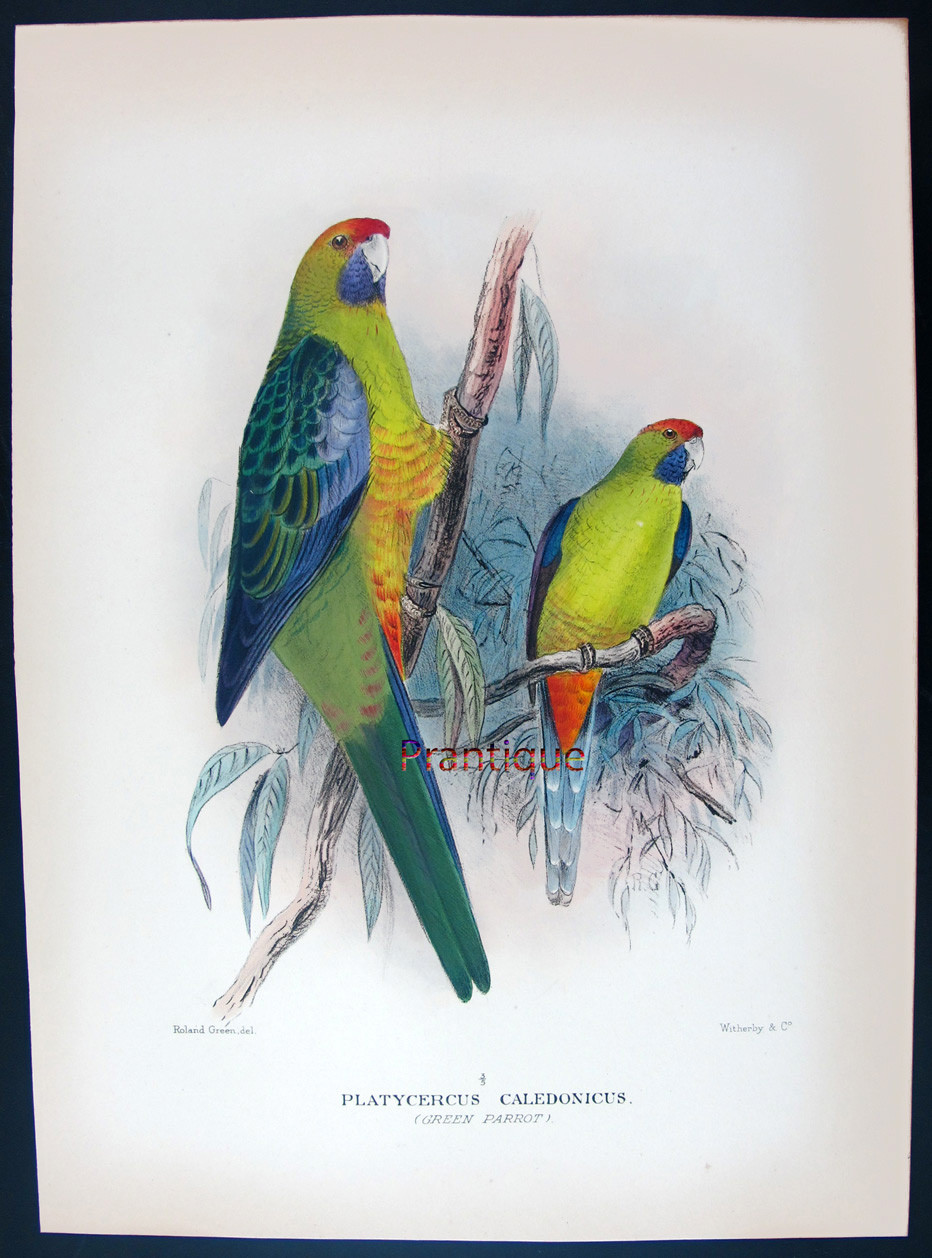
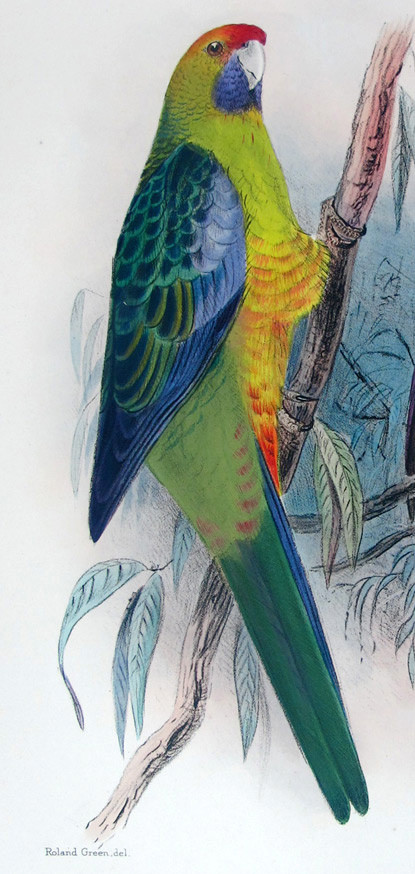
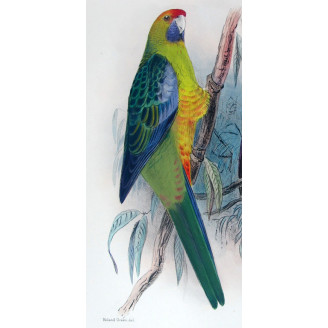
This original early twentieth-century hand-colored lithograph depicts Platycercus caledonicus, the Green Rosella. The plate forms part of The Birds of Australia, Gregory M. Mathews’ authoritative ornithological publication, illustrated here by Roland Green.
Two individuals are arranged across intersecting branches, their vivid plumage unfolding in layered colour fields that combine scientific clarity with decorative richness.
— • —
Green constructs the composition around chromatic layering. The dominant lime-green body tones are enriched by warm yellow transitions along the breast, while flashes of orange and red at the shoulder introduce heat and depth. The wings reveal deep blue and teal panels articulated with meticulous feather modelling.
The pairing enhances visual rhythm: one bird extends forward along the branch, the other angles upward, creating a dynamic diagonal interplay. The subdued blue-grey foliage ensures that the birds remain the focal point while preserving atmospheric cohesion.
Native to Tasmania and southeastern Australia, the Green Rosella is distinguished by its luminous green plumage and warm-toned shoulder markings. Its vibrant coloration makes it one of the more visually expressive members of the rosella group.
For early twentieth-century ornithologists, such richly patterned parrots provided an opportunity to document regional diversity while celebrating the chromatic vitality of Australian avifauna.
This lithograph originates from The Birds of Australia, Gregory M. Mathews’ ambitious early twentieth-century ornithological enterprise. Conceived as a definitive scientific record, the work united rigorous taxonomy with the refined artistry of leading wildlife illustrators. Discover the broader historical vision in our editorial feature: Gregory M. Mathews and The Birds of Australia .
The plate was illustrated by Roland Green, whose disciplined structural approach and chromatic sensitivity are particularly evident in richly coloured rosella species such as this.
Very good antique condition. Fresh original hand-coloring with strong lithographic impression. Printed on fine early twentieth-century wove paper. Minor age toning slightly more visible along the outer margins, consistent with age.
For further insight into Roland Green’s contribution to ornithological illustration: Roland Green – Dynamic Vision and Field-Born Precision in Bird Art
Specific References
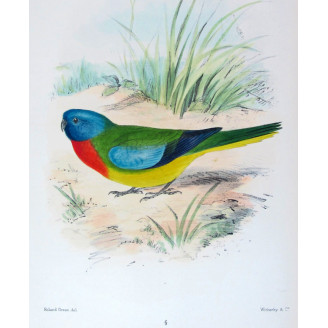
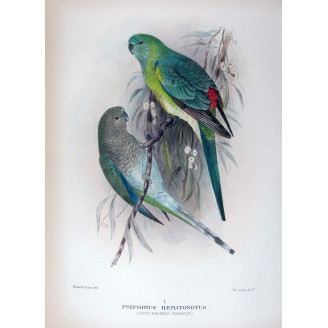
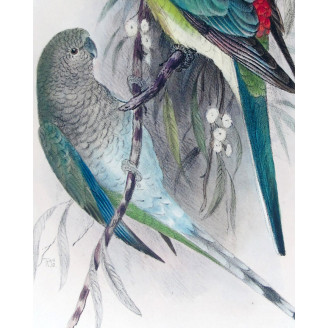
Antique lithograph of the Scarlet-chested Grass Parrot by Roland Green.
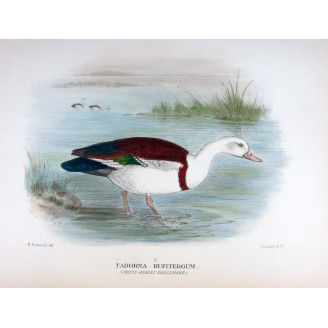
Original lithograph of the White-headed Sheldrake by Henrik Grønvold (Tadorna rufitergum).
Original lithograph of the Lyrebird Tail Study (Tails of Menuridae) by Henrik Grønvold
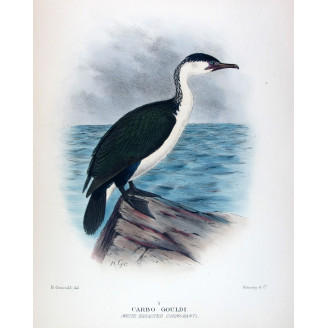
White-breasted Cormorant from Mathews' Birds of Australia, drawn by Grönvold.
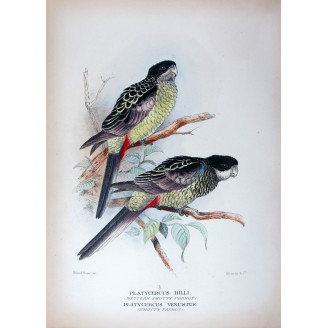
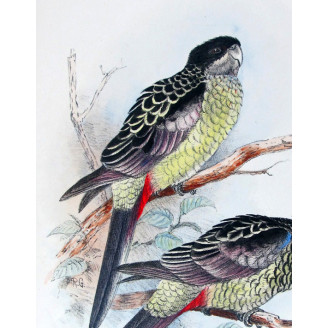
Antique lithograph of the Western Smutty Parrot & Smutty Parrot by Roland Green.
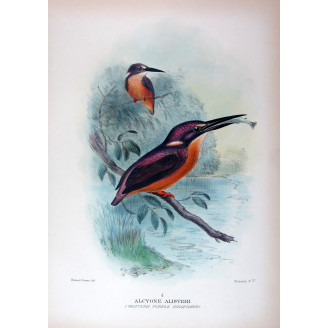
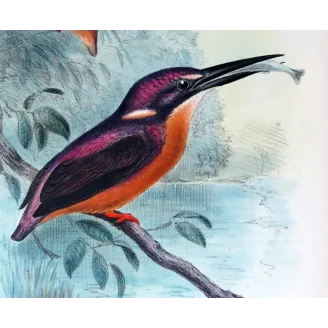
Original lithograph of the Western Purple Kingfisher (Alcyone alisteri) by Roland Green
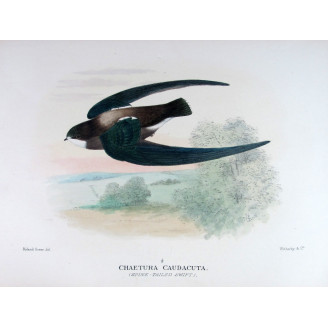
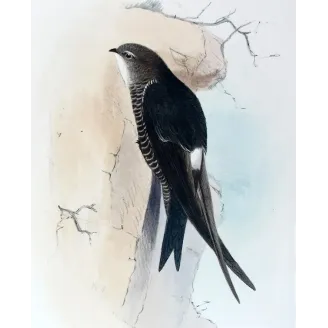
Spine-tailed Swift (Chaetura caudacuta) – Original lithograph by Roland Green
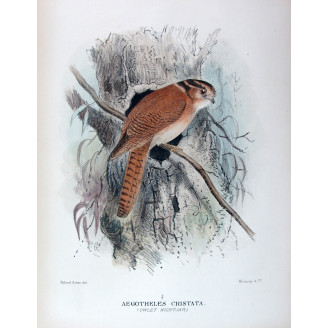
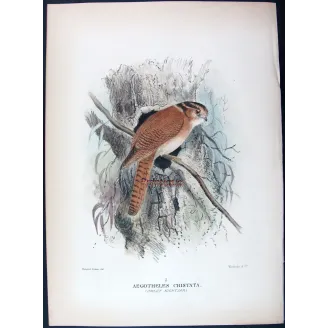
Original lithograph of the Owlet Nightjar by Roland Green from Mathews' Birds of Australia.
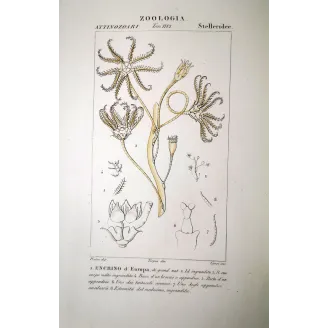
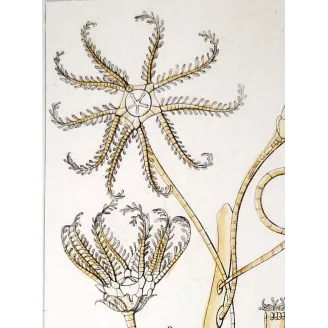
Elegant antique depiction of a crinoid with anatomical studies and fine detailing.
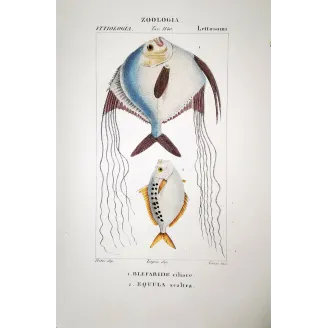
Delicate 19th-century hand-colored engraving of a ponyfish with companion species, ideal for marine-themed interiors and collectors.
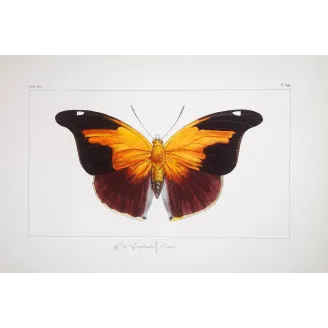
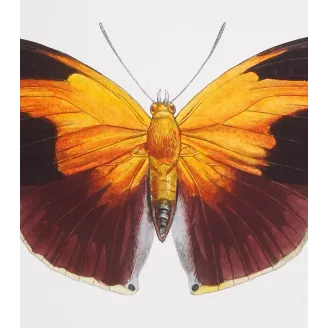
Original 1835 hand-colored engraving of Nymphalis orion, drawn and engraved by Pauquet under the scientific direction of Hippolyte Lucas for Exotic Butterflies.
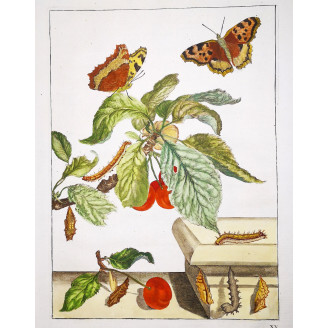
Original 1774 engraving by Jacob L'Admiral: Large Tortoiseshell on Sweet Cherry.
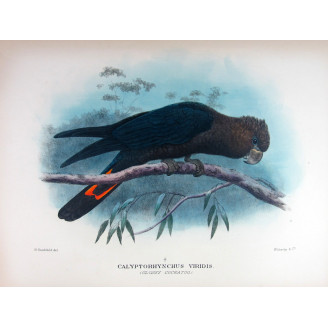
Glossy Cockatoo print by H. Goodchild, dark tones and rare presence on the plate
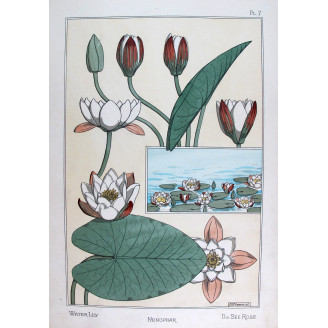
This second edition of the Water-Lily plate (No. 7) captures all the refined serenity of Plate 9, with slight variations in layout and ornamental balance.
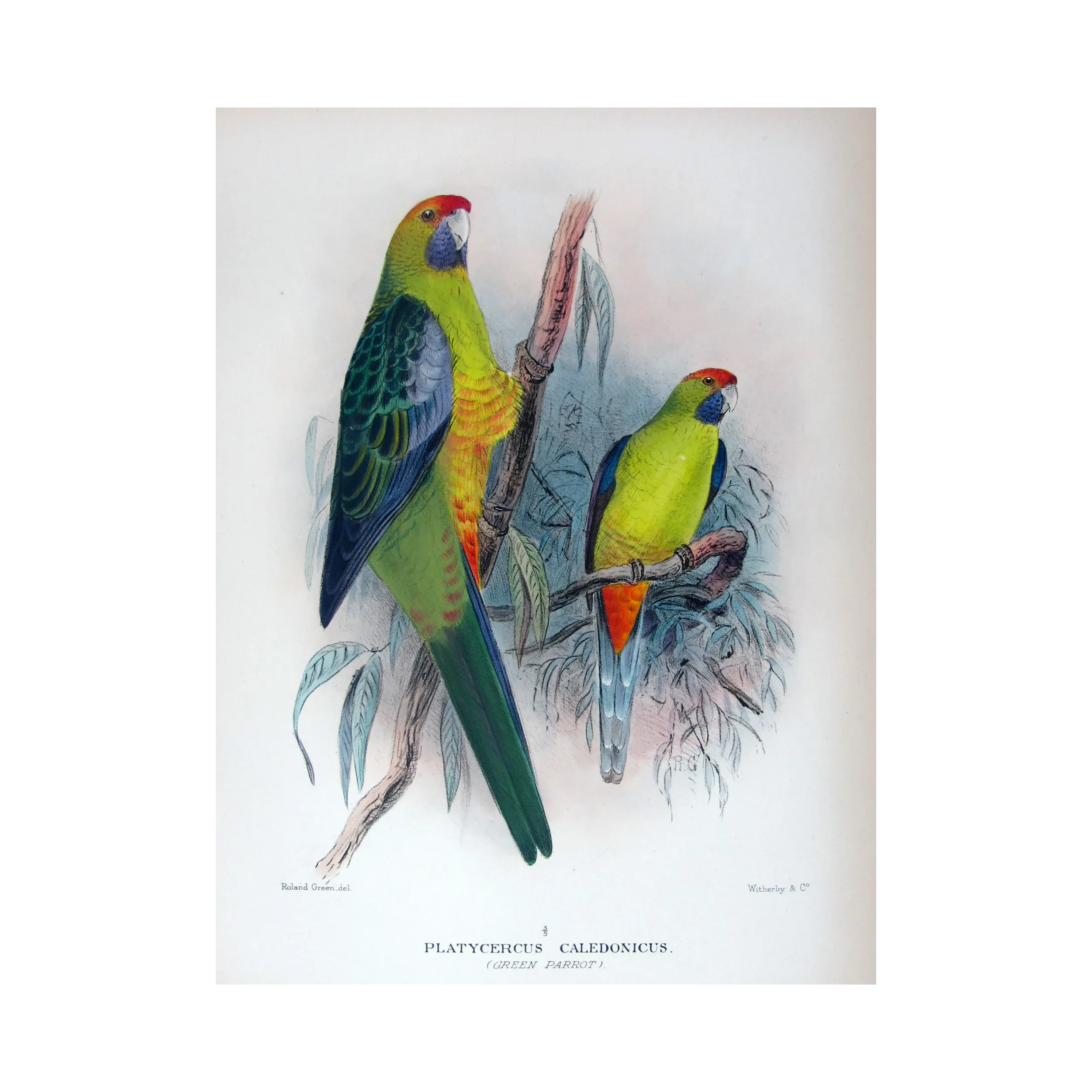
Antique lithograph of the Bare-eyed Cockatoo by Roland Green.