
Pierre Jean François Turpin (1775–1840) was a French botanical illustrator known for the clarity, accuracy, and delicate beauty of his work. Recognized as one of the finest natural history artists of the early 19th century, Turpin combined scientific precision with refined artistic sensitivity, contributing significantly to the visual language of botanical science.
+393518963937
Shopping Cart
(0)
Art & Artists
-
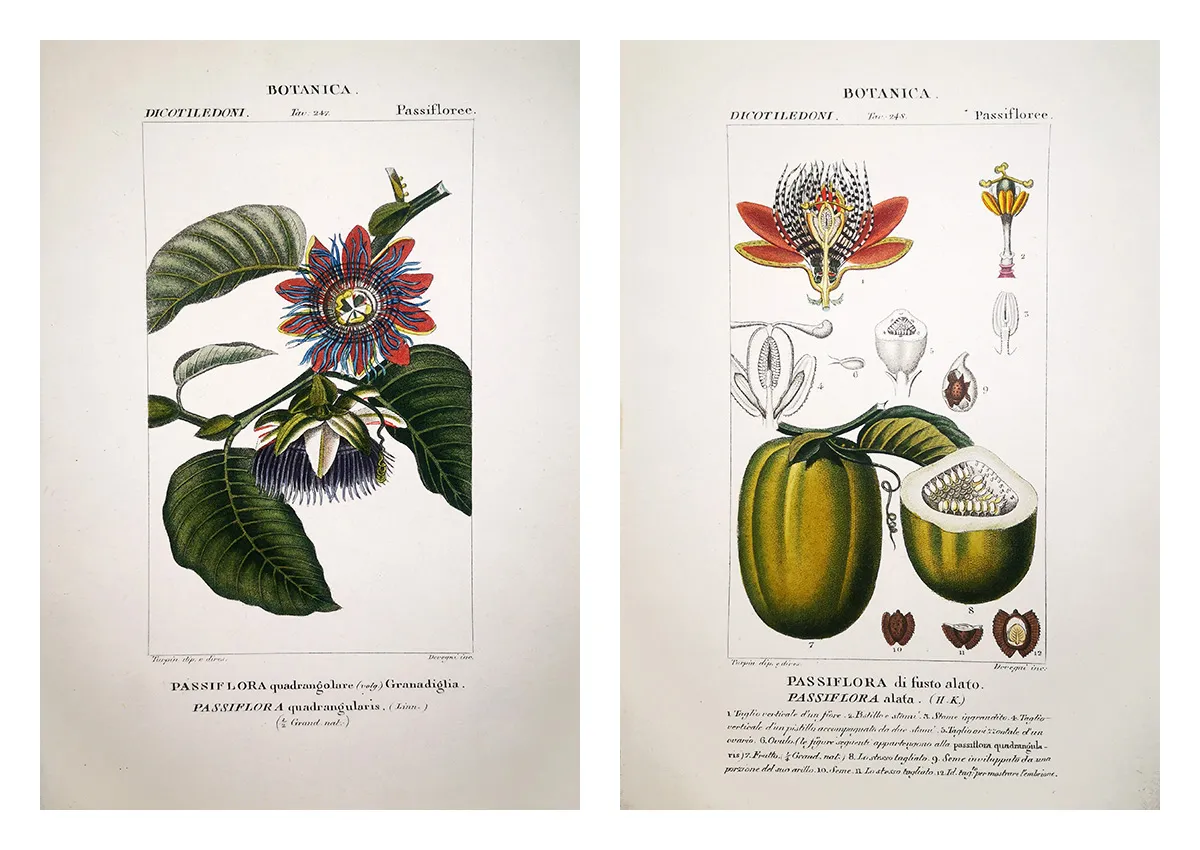 Pierre Jean François Turpin: The Botanical Illustrator of Natural HarmonyRead more
 -
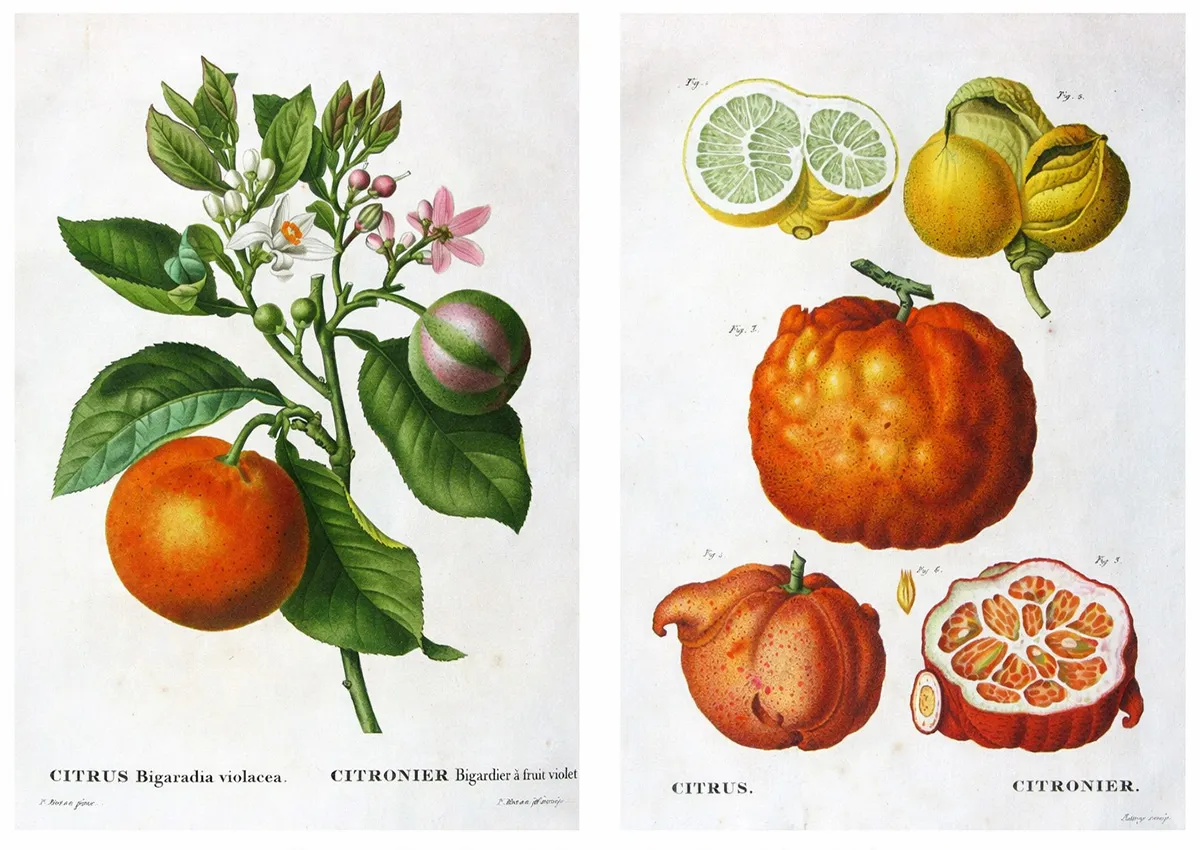 Pancrace Bessa: the Naturalist Painter of Botanical GraceRead more
In the pantheon of botanical illustration, Pancrace Bessa (1772–1846) occupies a graceful, luminous place. A student of both Gérard van Spaendonck and a close collaborator of Pierre-Joseph Redouté, Bessa developed a style that blended scientific precision with exquisite pictorial sensitivity.
-
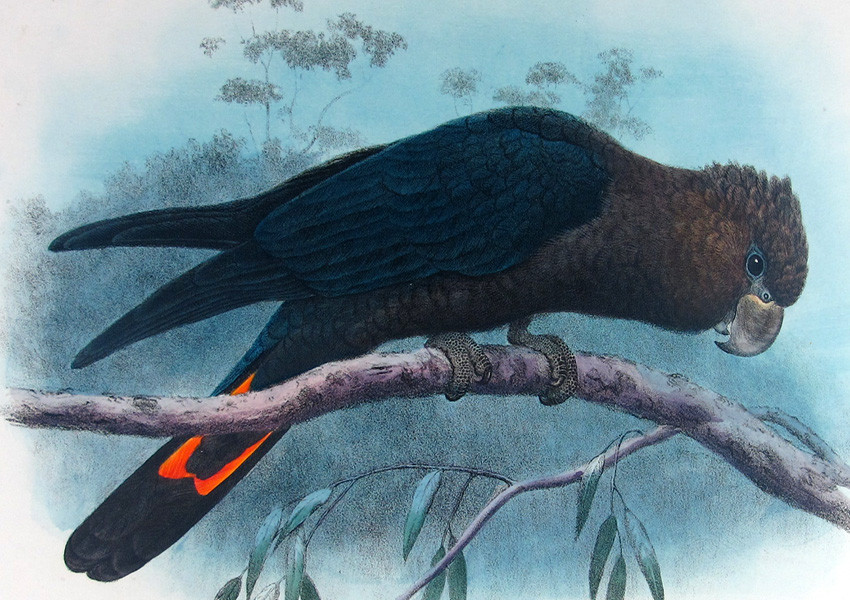 H. Goodchild – Shadows and Structure: The Quiet Precision Behind Australia's Avian DramaRead more
H. Goodchild’s hand-coloured engravings for Gregory M. Mathews’ monumental work The Birds of Australia reveal a quiet mastery of form and restraint.His birds, poised in dignified stillness, embody both scientific precision and artistic grace — a subtle voice within one of ornithology’s grandest achievements.
-
 Roland Green: Dynamic Vision and Field-Born Precision in Bird ArtRead more
A vivid portrait of Roland Green, the British wildlife artist who brought motion, energy, and field observation to the pages of Mathews’ The Birds of Australia.
-
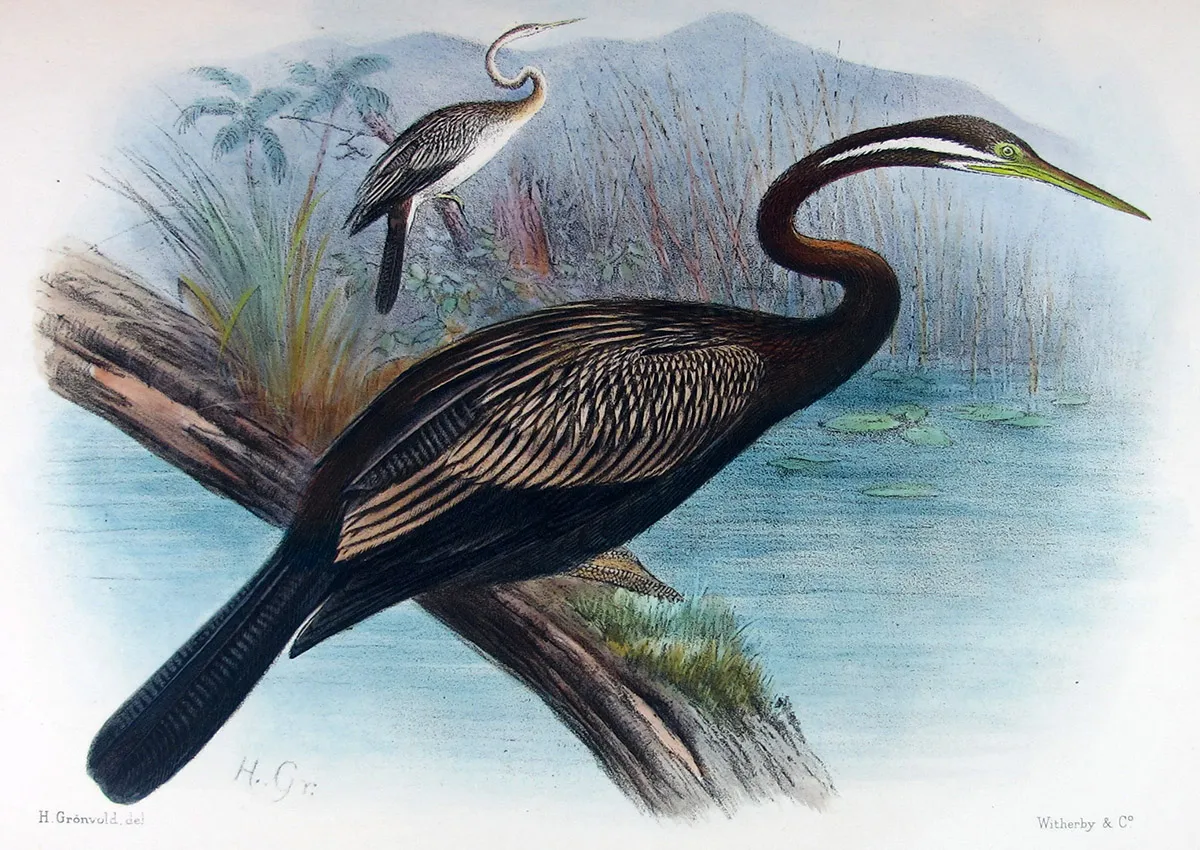 Henrik Grönvold: A Scandinavian Eye for Ornithological GraceRead more
Henrik Grönvold (1858–1940) was a master of early 20th-century ornithological illustration, celebrated for his calm compositions, refined colors, and contributions to Mathews’ “The Birds of Australia.”
-
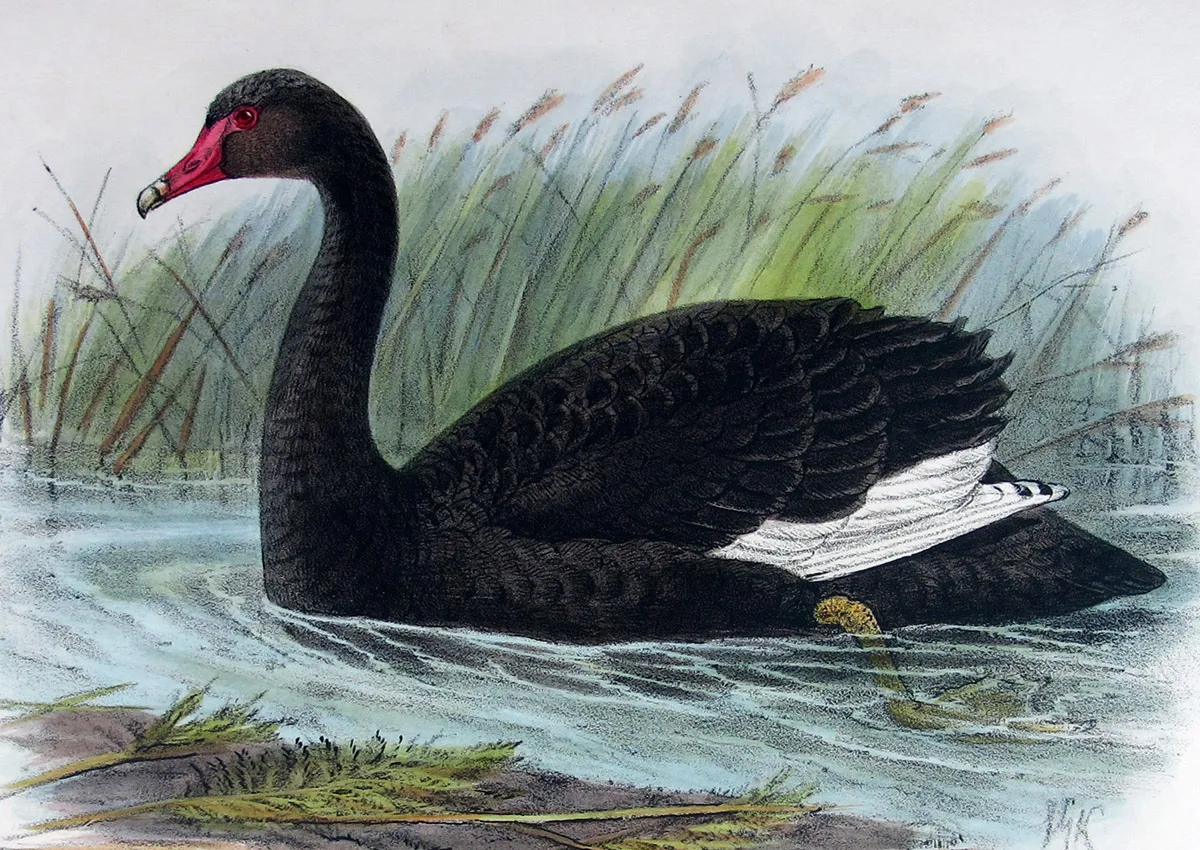 J.G. Keulemans: Precision and Passion in Ornithological IllustrationRead more
Johannes G. Keulemans, the master illustrator of 19th-century ornithology, blended scientific precision with poetic calm. His hand-colored bird engravings remain timeless icons of natural history art, treasured by collectors and perfect for refined interior spaces seeking beauty, heritage, and quiet elegance.
-
 Émile-Allain Séguy: Nature, Color, and the Decorative Avant-GardeRead more
A Life Between Science and Style. Séguy’s art is more than decoration. It is a reminder that even in the age of machines, nature remains the most enduring source of pattern, color, and wonder.
-
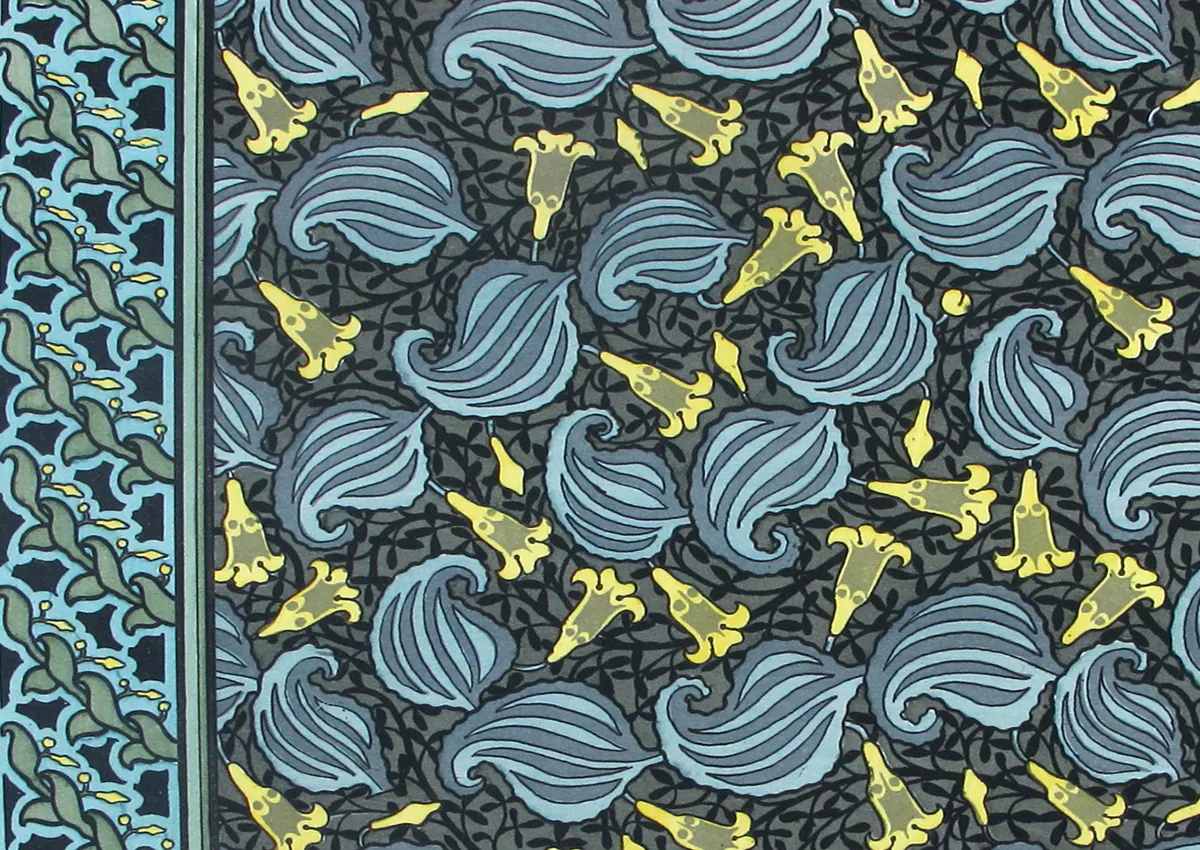 Eugène Grasset and the Art of Nature: The Origins of Modern Floral DesignRead more
In the heart of the Art Nouveau movement, Eugène Grasset stood out as one of the first artists to merge scientific observation with ornamental beauty. With his celebrated 1896 work La Plante et ses Applications Ornementales, Grasset created a bridge between the botanical world and the applied arts, transforming natural plant forms into decorative masterpieces. In this article, we introduce the man behind the work and the enduring relevance of this iconic collection.
-
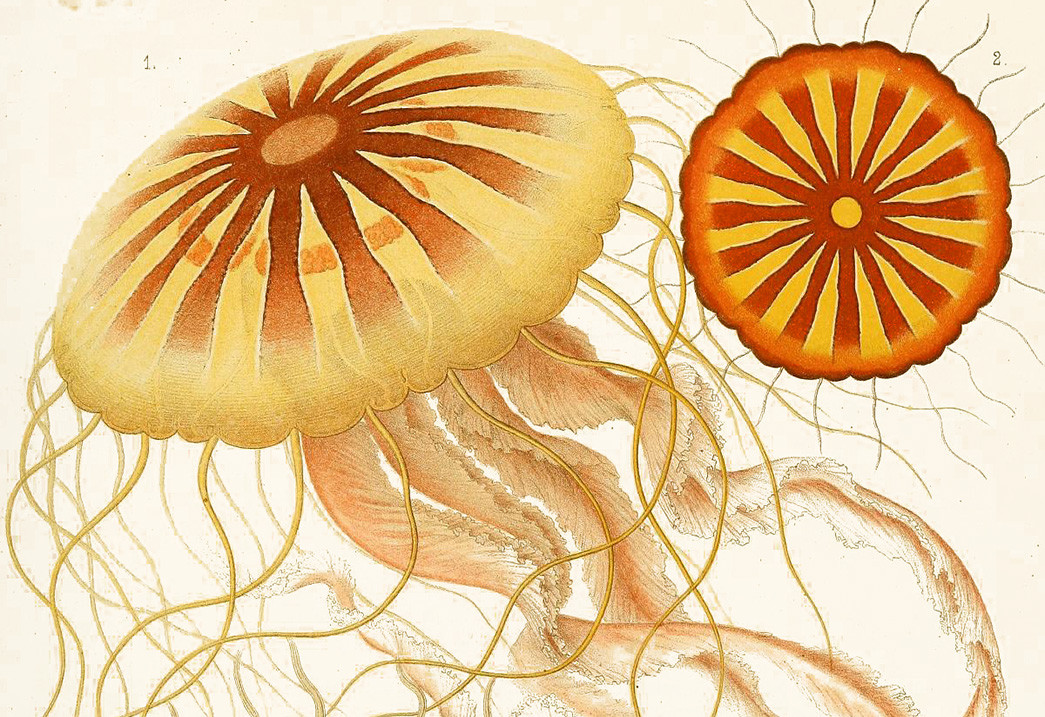 Ernst Haeckel and the Sublime Art of Das System der MedusenRead more
A scientific monograph that became a gallery of natural elegance. The German biologist Ernst Haeckel was fascinated by medusae, the umbrella-shaped animals commonly called jellyfish. For Haeckel, whose imagination was shaped in the Romantic era, medusae expressed the exuberant yet fragile beauty of Nature.