
Pierre Jean François Turpin: The Botanical Illustrator of Natural Harmony
Pierre Jean François Turpin: The Botanical Artist of Enlightened Science
Pierre Jean François Turpin stands among the greatest botanical illustrators of the 19th century. Born in 1775 in Vire, Normandy, Turpin’s path was not originally destined for art. He served in the French army during the late 1790s and was stationed in the Caribbean, where he met the botanist Pierre-Antoine Poiteau. This encounter sparked a lifelong collaboration and helped shape one of the most refined careers in the history of botanical illustration.
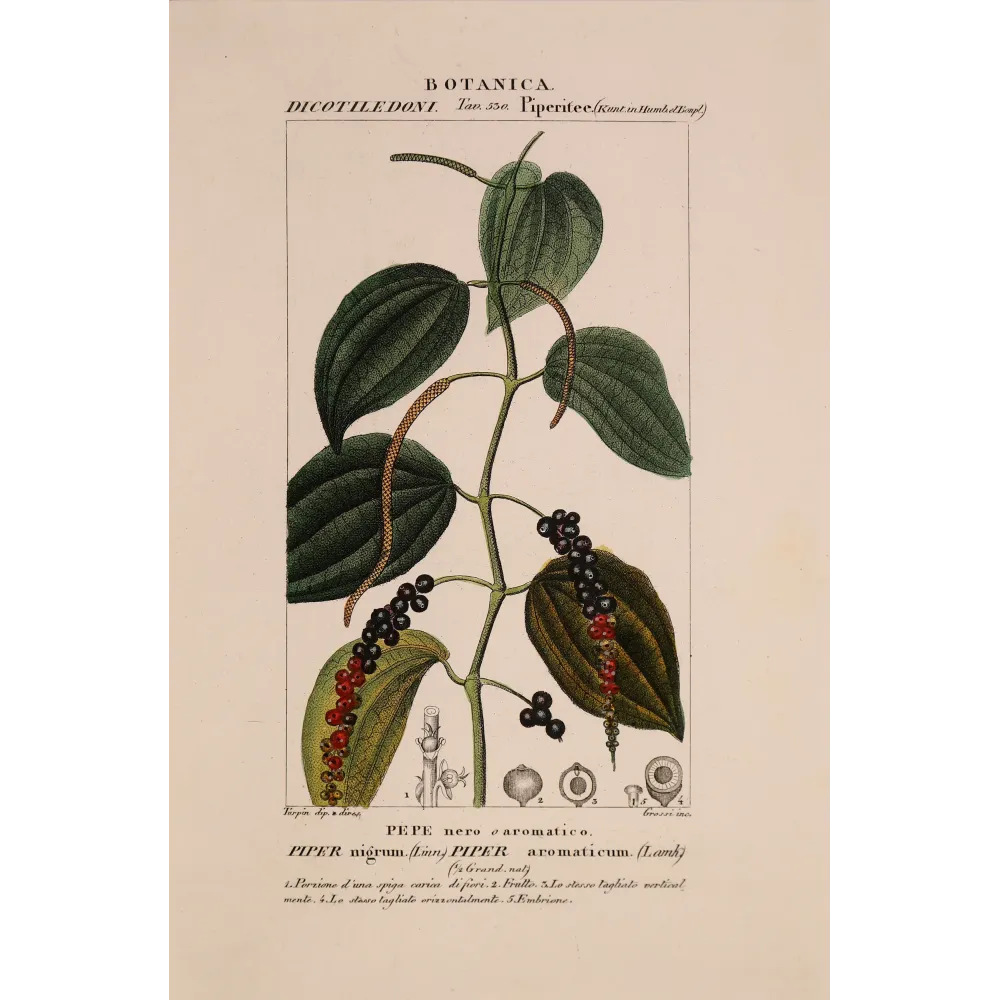
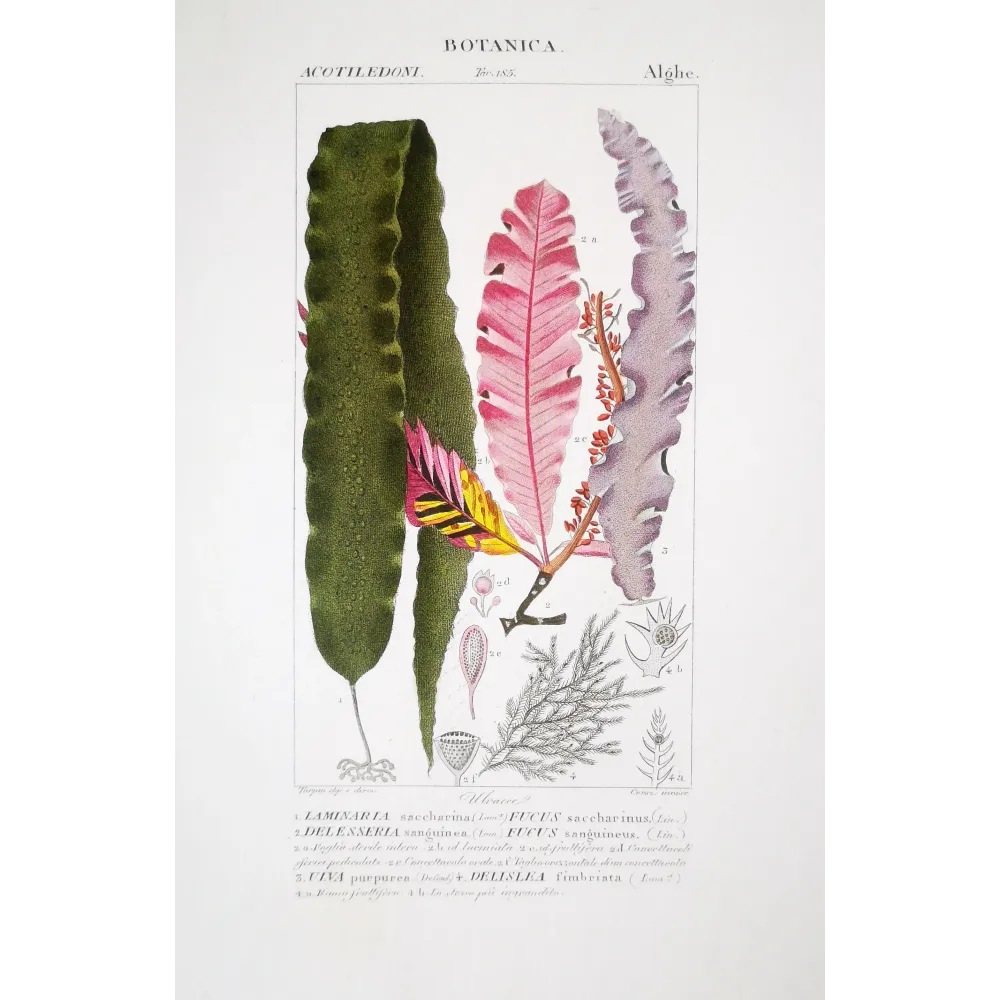
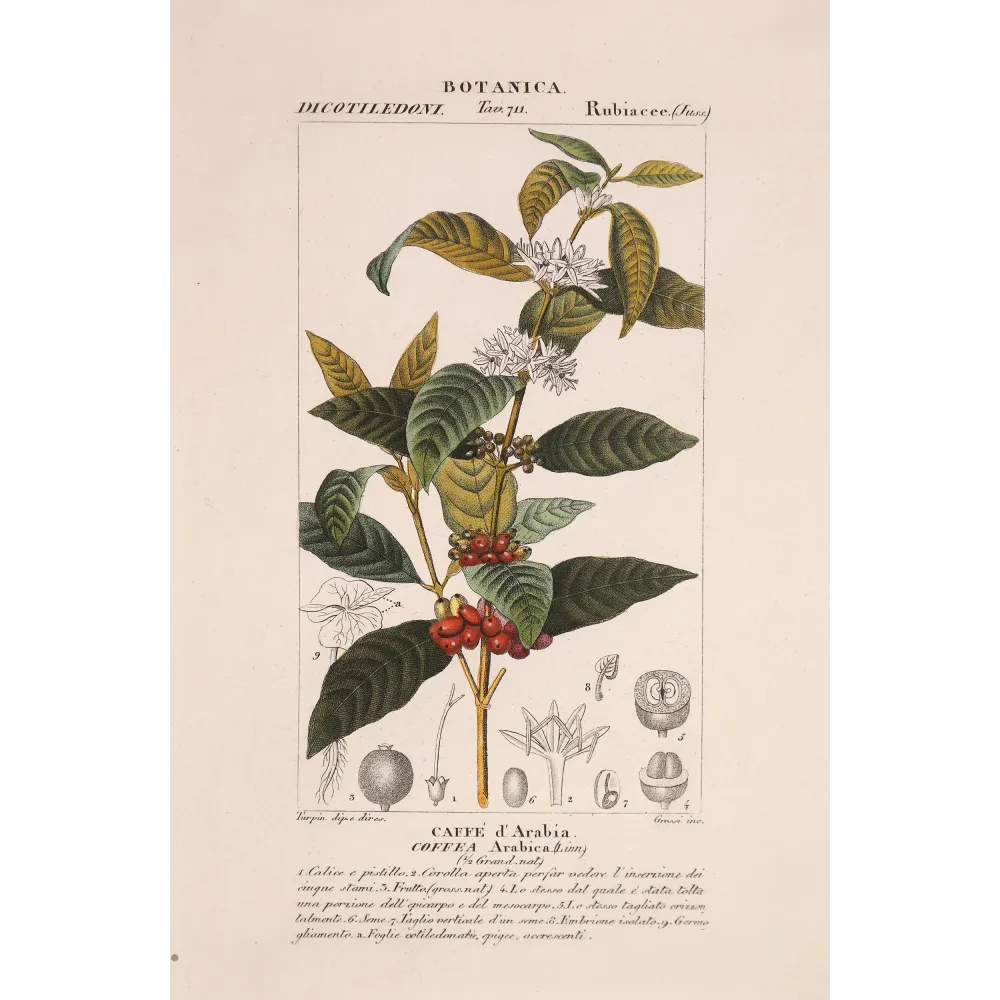
Selected Originals — Botanical Plates from Turpin’s World
View full plate details and curated selection.
 |
 |
 |
Browse the Turpin – Botanical Prints collection →
Turpin’s botanical engravings belong to a moment when natural science sought both exactitude and beauty. His plates made complex plant structures legible without sacrificing elegance, and they helped define the visual language of nineteenth-century botany. Whether depicting cultivated species, medicinal plants or exotic specimens, Turpin approached each subject with clarity, compositional control, and a remarkable sensitivity to form.
His work reflects the collaboration between artist, botanist and engraver that underpinned many of the great natural history publications of the period. The result is a body of images that is both scientifically useful and visually refined — botanical studies that function as documents of knowledge, but also as decorative works of enduring appeal.
Precision, Clarity, and Botanical Elegance
What distinguishes Turpin’s engravings is the balance between observation and aesthetic order. Leaves, flowers, fruits and sectional details are arranged with discipline, yet never appear dry or mechanical. The page remains alive, guided by a visual rhythm that gives even scientific analysis a sense of grace.
His signature appears on numerous plates as “Turpin dis.”, a mark associated with some of the finest illustrated botanical works of the era. In these engravings, one finds not only taxonomy and structure, but also a cultivated image of nature — ideal for collectors who value antique prints that unite scholarship, beauty, and historical presence.
Today, Turpin’s plates resonate with both natural history collectors and interior designers seeking refined visual material. Their tall formats, luminous hand-colouring, and balanced compositions make them especially suited to studies, libraries, and spaces shaped by quiet intellectual character.
Heritage Stories
Turpin’s work belongs to the great age of illustrated natural history, when artists played a central role in transmitting scientific knowledge. His engravings reveal how botanical imagery could educate, classify, and delight at once — transforming specimens into lasting visual culture.
For a wider curatorial perspective on antique natural history imagery, explore: The Hidden Nobility of Nature in Antique Prints.
Related posts
-
 Ernst Haeckel and the Sublime Art of Das System der Medusen
A scientific monograph that became a gallery of natural elegance. The German biologist Ernst Haeckel was fascinated...Read more
Ernst Haeckel and the Sublime Art of Das System der Medusen
A scientific monograph that became a gallery of natural elegance. The German biologist Ernst Haeckel was fascinated...Read more -
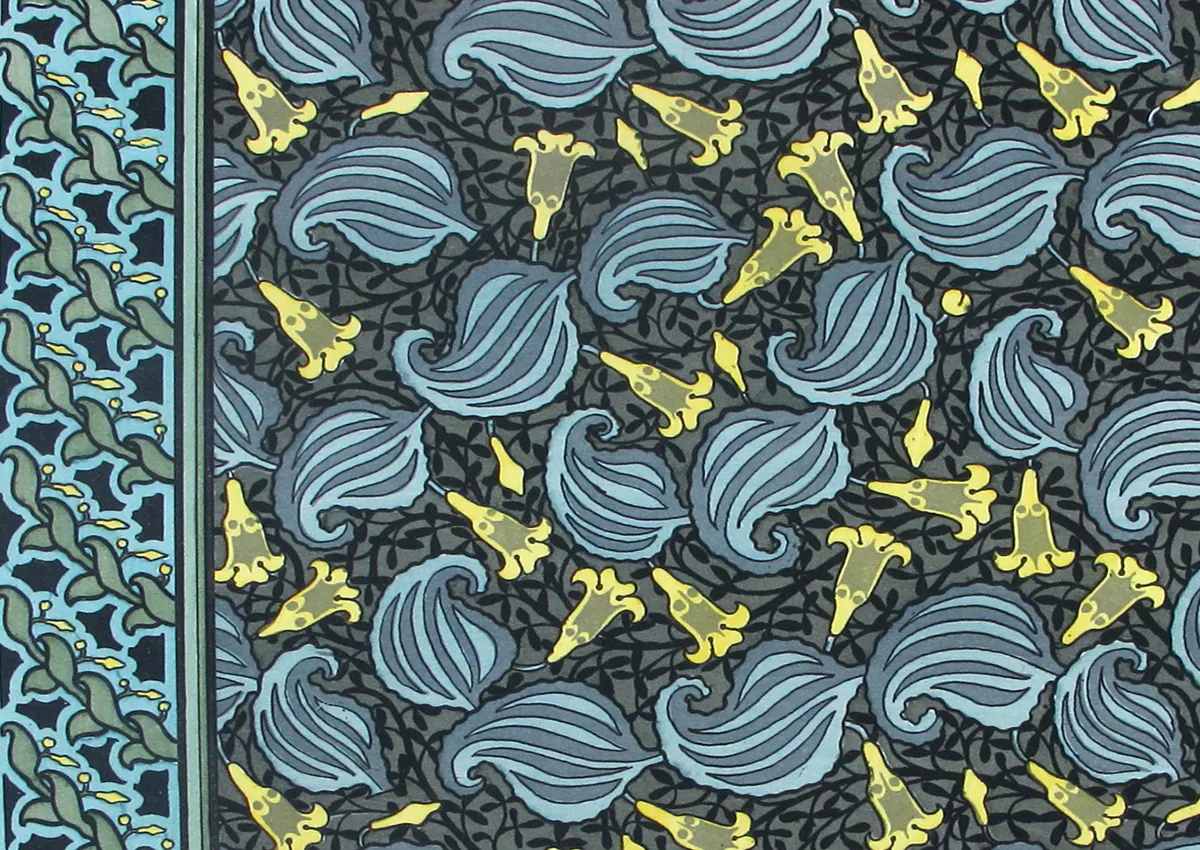 Eugène Grasset and the Art of Nature: The Origins of Modern Floral Design
In the heart of the Art Nouveau movement, Eugène Grasset stood out as one of the first artists to merge scientific...Read more
Eugène Grasset and the Art of Nature: The Origins of Modern Floral Design
In the heart of the Art Nouveau movement, Eugène Grasset stood out as one of the first artists to merge scientific...Read more -
 Émile-Allain Séguy: Nature, Color, and the Decorative Avant-Garde
A Life Between Science and Style. Séguy’s art is more than decoration. It is a reminder that even in the age of...Read more
Émile-Allain Séguy: Nature, Color, and the Decorative Avant-Garde
A Life Between Science and Style. Séguy’s art is more than decoration. It is a reminder that even in the age of...Read more -
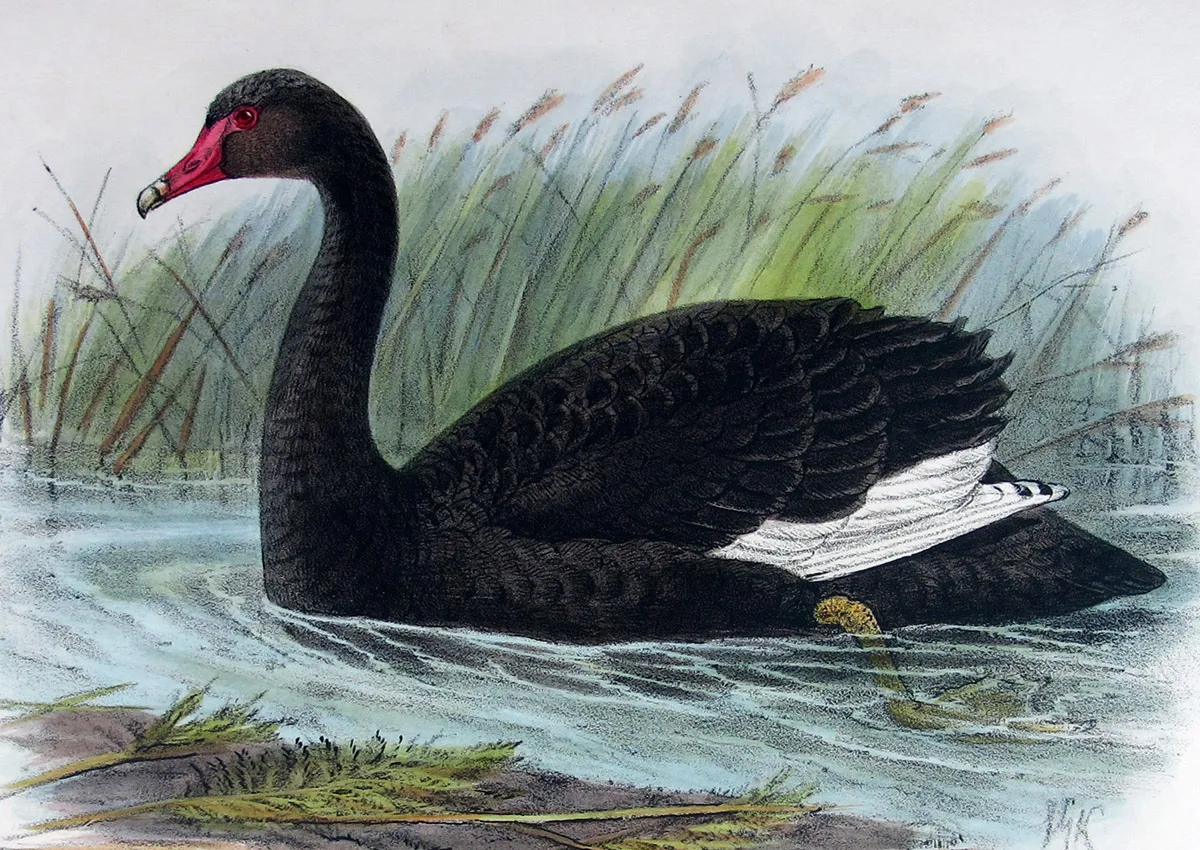 J.G. Keulemans: Precision and Passion in Ornithological Illustration
Johannes G. Keulemans, the master illustrator of 19th-century ornithology, blended scientific precision with poetic...Read more
J.G. Keulemans: Precision and Passion in Ornithological Illustration
Johannes G. Keulemans, the master illustrator of 19th-century ornithology, blended scientific precision with poetic...Read more -
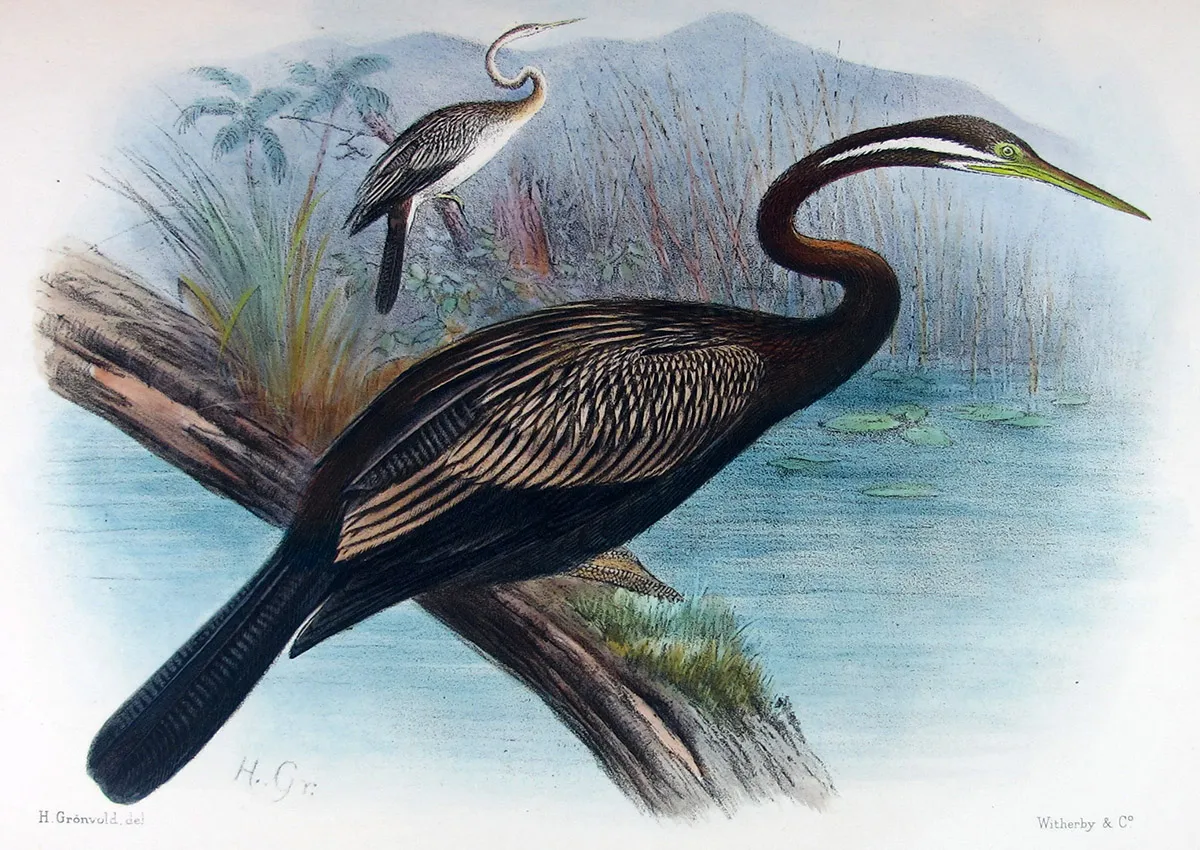 Henrik Grönvold: A Scandinavian Eye for Ornithological Grace
Henrik Grönvold (1858–1940) was a master of early 20th-century ornithological illustration, celebrated for his calm...Read more
Henrik Grönvold: A Scandinavian Eye for Ornithological Grace
Henrik Grönvold (1858–1940) was a master of early 20th-century ornithological illustration, celebrated for his calm...Read more
Leave a comment