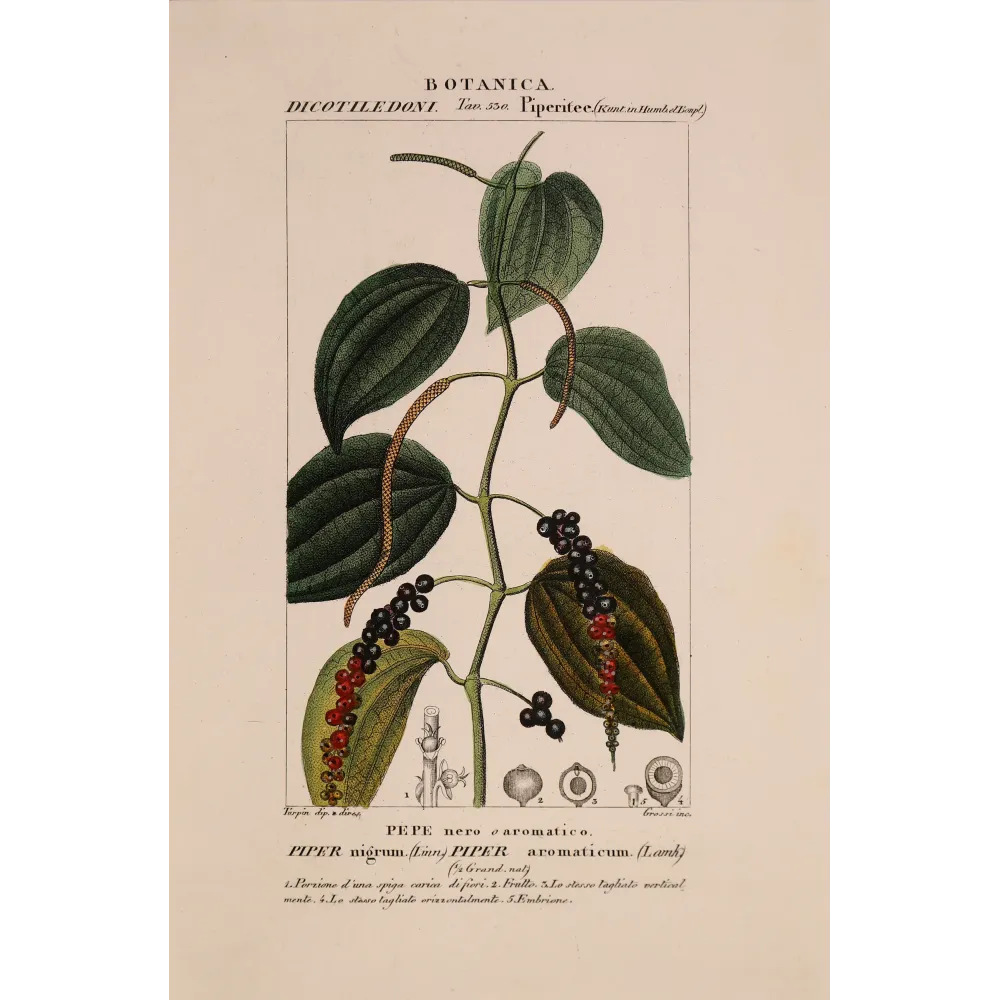
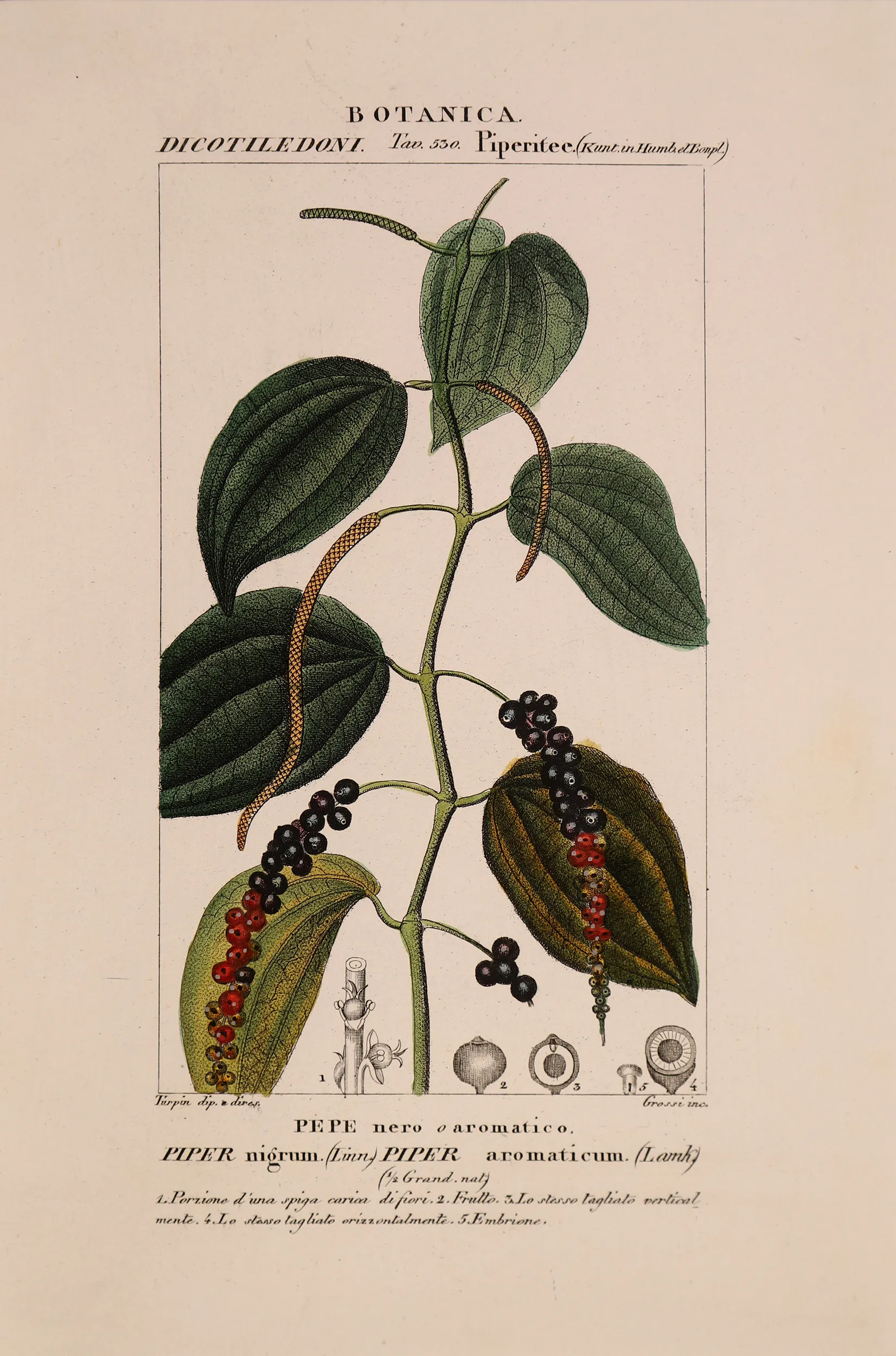
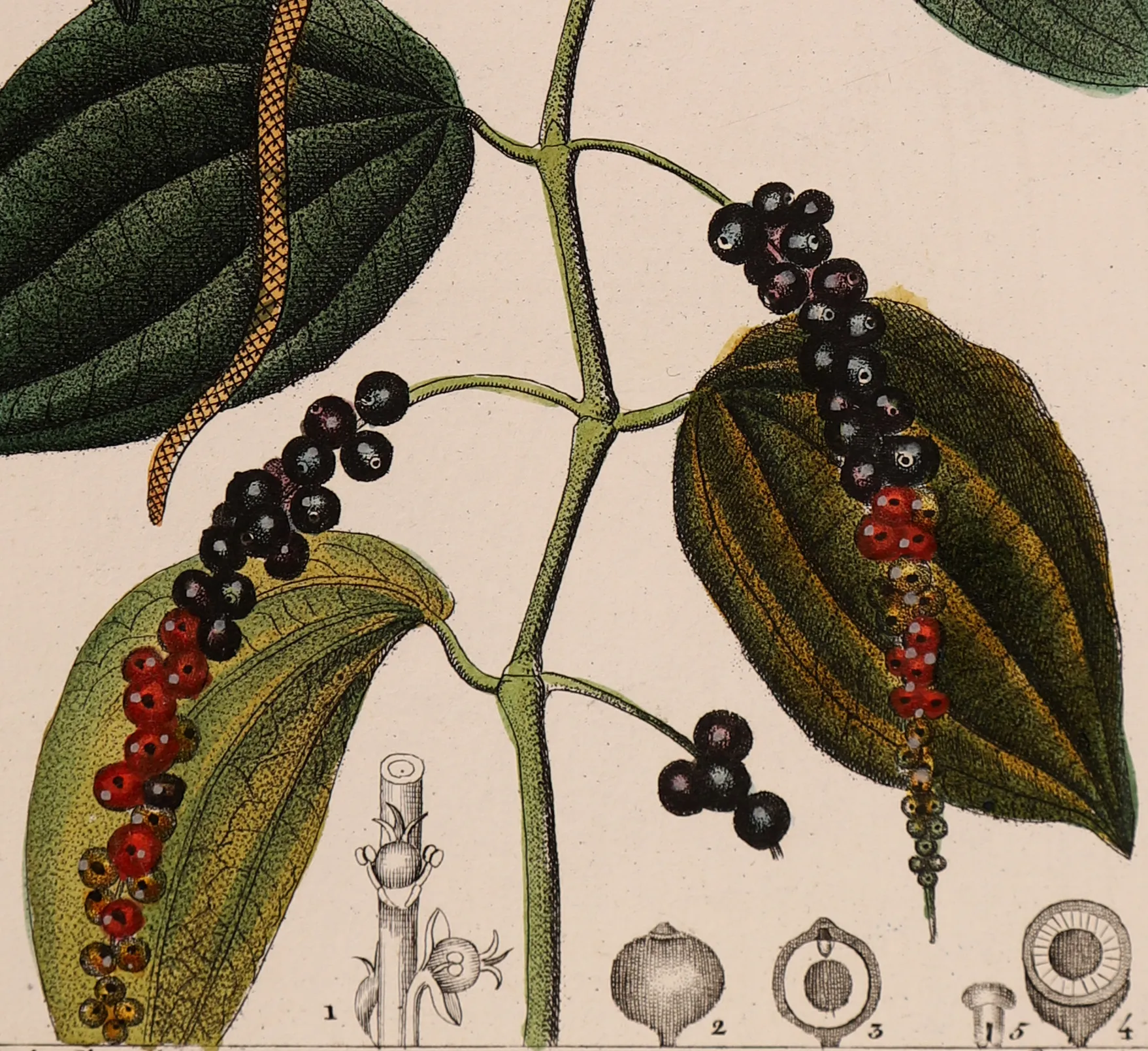
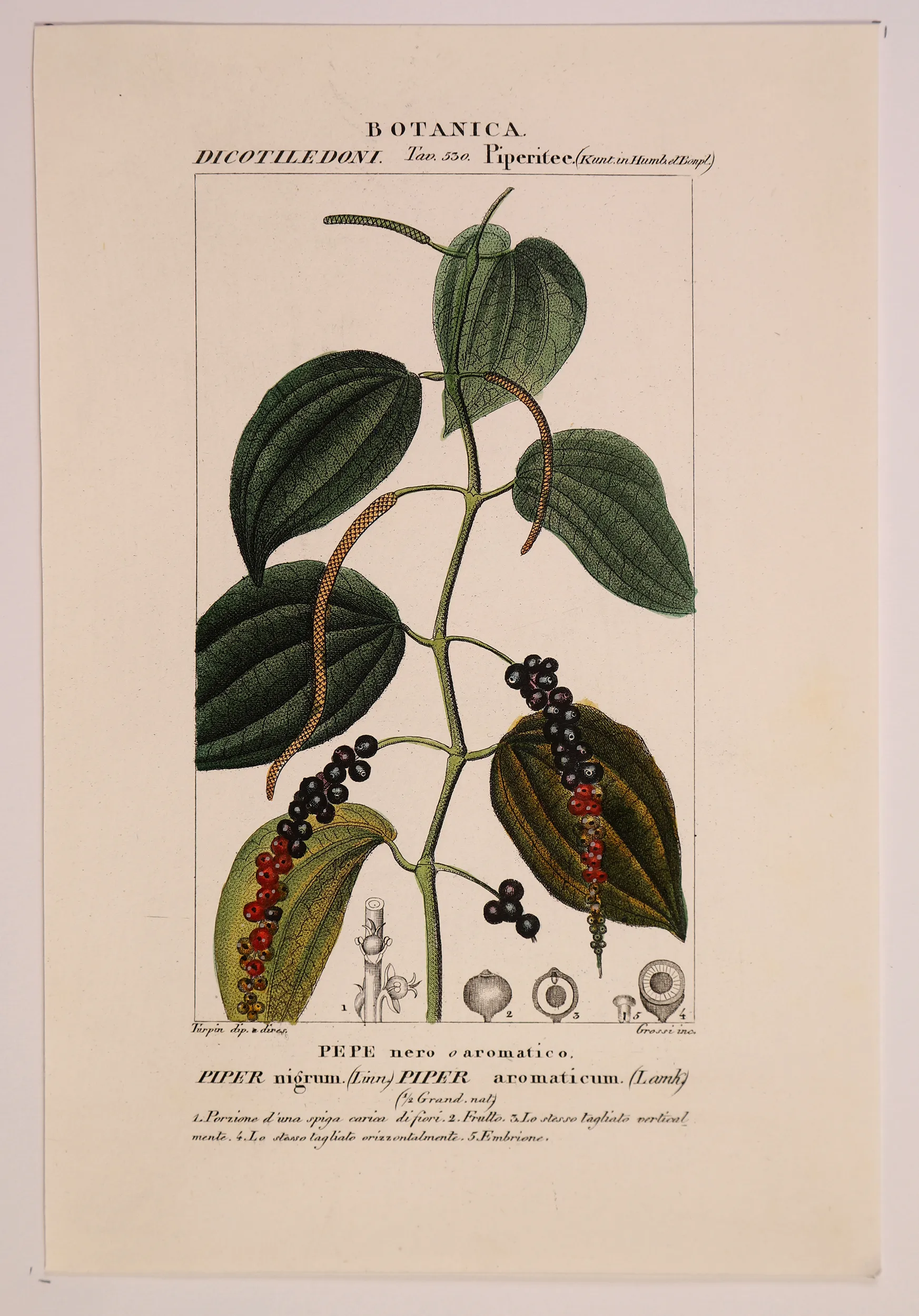
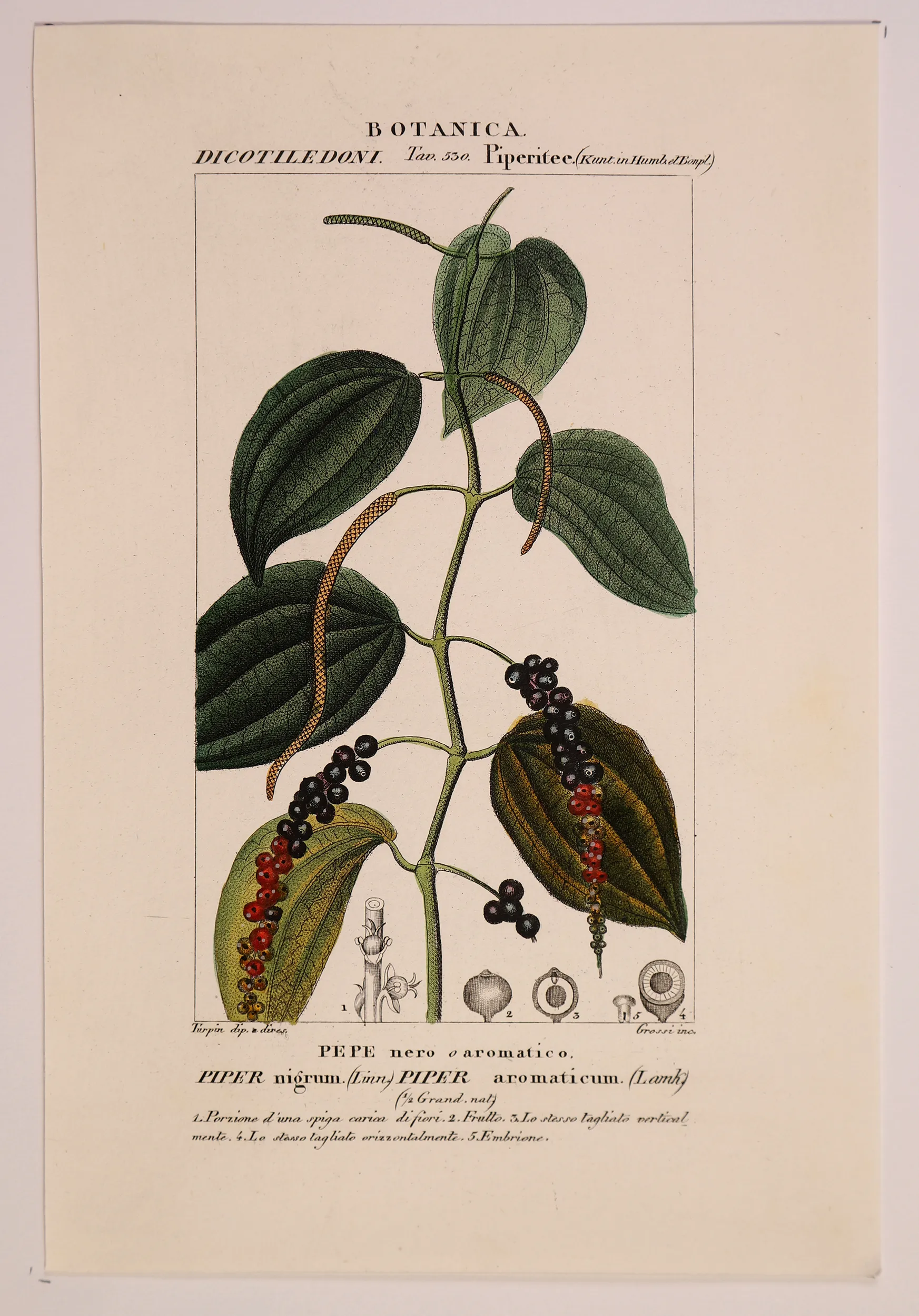

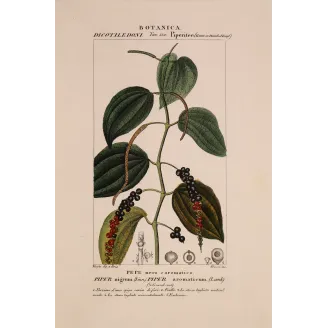
Detailed depiction of the black pepper vine with fruiting spikes and leaves.
 Delivery policy
Your print will be carefully prepared and shipped worldwide via trusted couriers (UPS or similar).
 Authentic antique prints
Original engravings from the 17th–19th century.
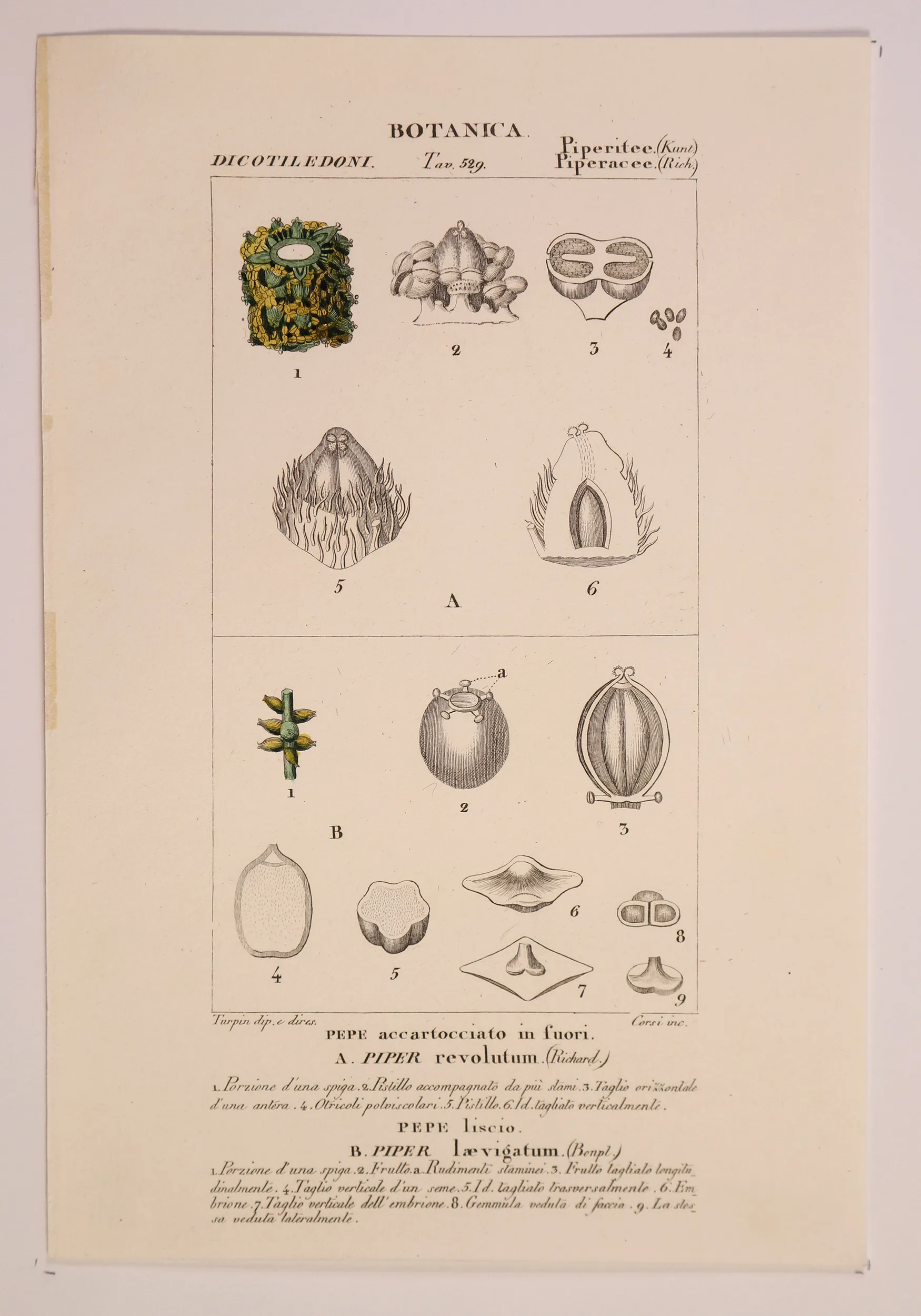
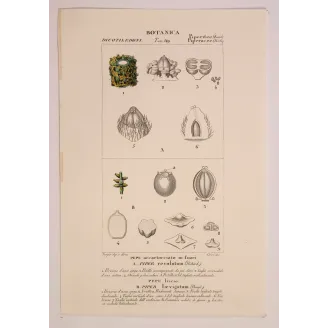
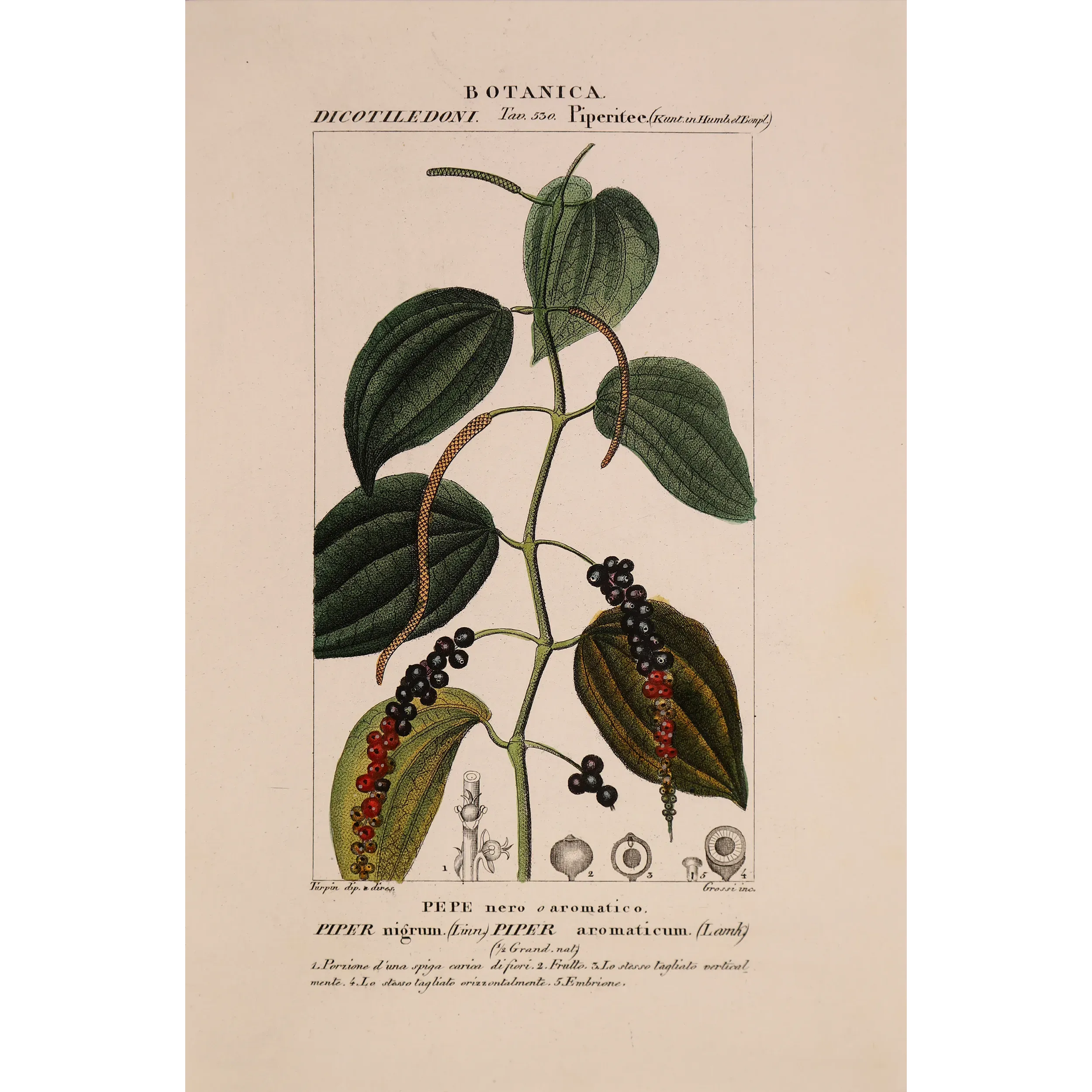
This curated pair brings together two original early nineteenth-century engravings dedicated to pepper, presented as a complete scientific and cultural study. The first plate depicts the pepper plant in fruit, illustrating the characteristic spikes bearing berries at different stages of ripeness. The second plate complements this living portrait with comparative anatomical studies of related Piperaceae species, transforming a familiar spice into an object of botanical scrutiny.
Seen together, the two sheets embody the encyclopedic ambition of the period: to unite observation, classification and visual authority. Pepper is not treated as a mere culinary ingredient, but as a plant of global consequence — and as a scientific subject worthy of close morphological attention.
Both plates belong to the Italian edition of the Dizionario di Scienze Naturali (Florence, Battelli press), a monumental early nineteenth-century undertaking dedicated to cataloguing the natural world through refined copperplate engraving and controlled hand-colouring.
— • —
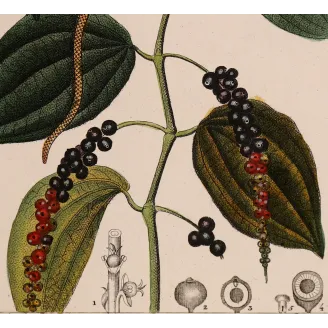
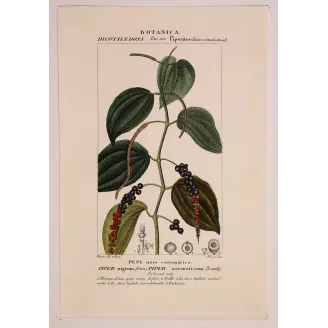
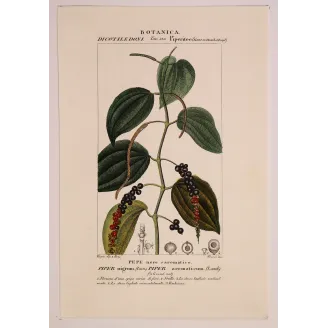
The first plate is structured around a slender climbing stem, anchored by broad, heart-shaped leaves and pendant fruiting spikes. The alternation between red berries and darkened mature fruit conveys developmental stages with immediate clarity, while the restrained green palette maintains compositional balance. The image reads as both botanical portrait and decorative specimen study.
The second plate adopts a more analytical register. Arranged in measured compartments, it presents magnified structures, sectional views and comparative forms, offering an anatomical vocabulary that underpins the first sheet’s living depiction. The pairing creates a dialogue between nature observed and nature explained — an elegant synthesis characteristic of high-quality natural history illustration.
Piper nigrum, commonly known as black pepper, is one of the most historically significant cultivated plants in global trade. Native to the Malabar Coast of India, pepper became a central commodity in European maritime expansion from the fifteenth century onward, shaping oceanic routes, commercial monopolies and colonial rivalries. Its dried berries circulated as objects of value well beyond the kitchen, functioning as a commodity of power in early modern economies. By the early nineteenth century, naturalists sought to integrate such economically pivotal plants into systematic botanical classification. The accompanying analytical plate deepens this understanding by presenting comparative studies within the Piperaceae family, clarifying the morphology of spikes, fruit and seed. Together, these engravings offer not only a botanical record but a visual document of the forces that connected science, commerce and empire.
This pair belongs to the historic Dizionario di Scienze Naturali, once preserved within a noble library and today housed in the Sacchetti Collection. Each sheet reflects a period in which scientific ambition was matched by exceptional artisanal execution — from the precision of the engraved copperplate line to the luminous hand-colouring applied individually to every print.
Such works were conceived not merely as decorative images, but as authoritative visual instruments of knowledge. To explore the broader story of these rare prints and their refined provenance, we invite you to read our editorial feature “Not Just Another Print”.
Both engravings are in exceptional antique condition, remarkably close to “like brand new.” The sheets present clean margins and crisp, well-inked impressions. The paper is smooth early nineteenth-century wove paper (non-laid). No watermark has been observed. The original hand-colouring remains fresh and balanced, with no visible losses. The engraved credits “Turpin dis.” are present, confirming the original drawings by Pierre Jean François Turpin.
For further context on Pierre Jean François Turpin and his contribution to nineteenth-century botanical science, see our editorial feature:
Pierre Jean François Turpin – The Botanical Illustrator of Natural Harmony
Specific References
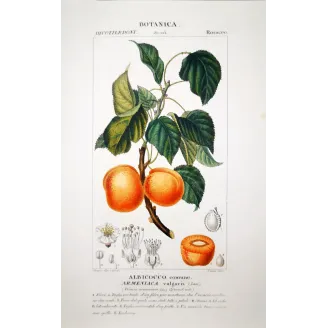
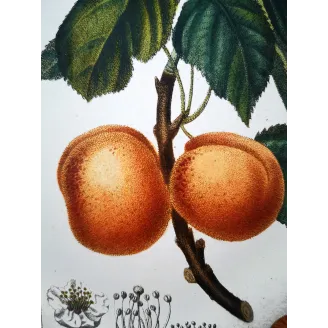
Original 19th-century botanical engraving of the common apricot, showing its velvety orange fruits and lush green leaves, rendered with great naturalistic balance.
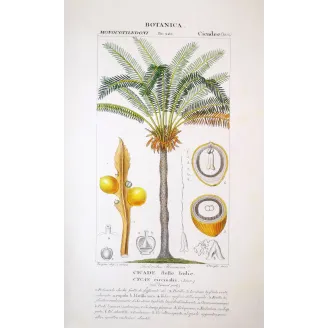
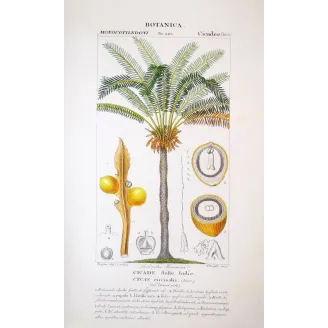
A detailed antique plate of Cycas circinalis, the Indian Sago Palm, showing the female specimen and fruit anatomy.
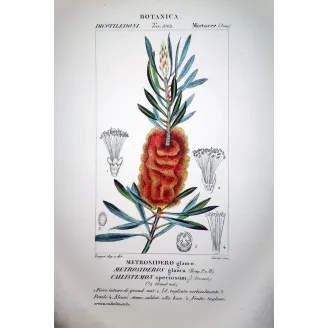
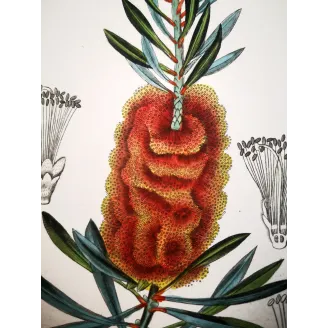
Stunning antique print of the red-flowering Callistemon, also known as bottlebrush.
A complete set of 22 original hand-colored lithographs of ferns by Turpin, from the Dizionario di Scienze Naturali (c. 1830).
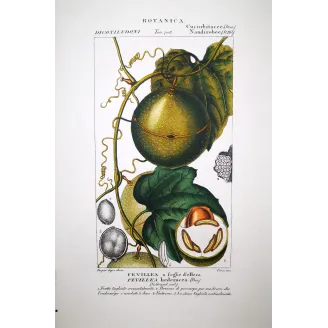
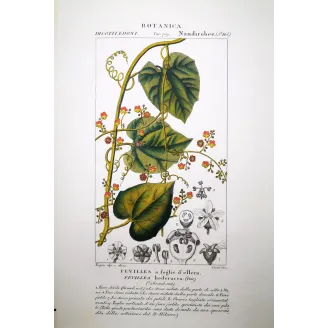
A coordinated pair of engravings depicting *Fevillea hederacea*, with intricate tendrils and elegant fruit structure, hand-colored with precision.
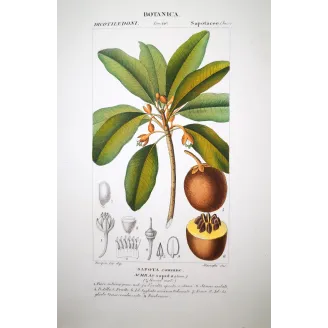
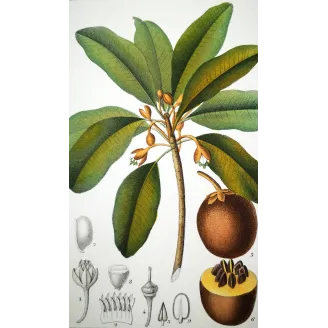
A warm-toned botanical engraving of *Achras sapota*, featuring its rounded fruit and large green leaves with exquisite texture.
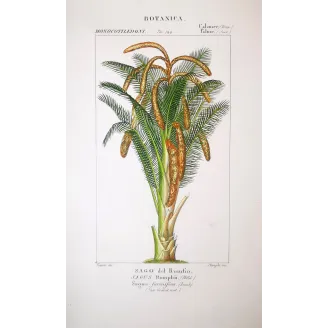
A pair of plates dedicated to the sago palm tree and its structural details.
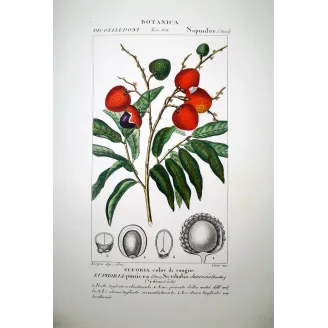
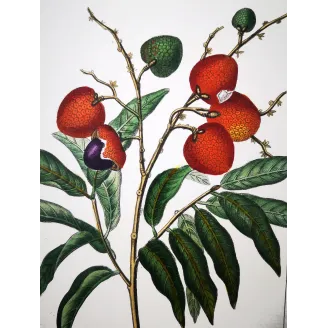
A striking hand-colored engraving of *Euphoria punicea*, displaying vivid red fruits and lush foliage in a refined 19th-century botanical composition.
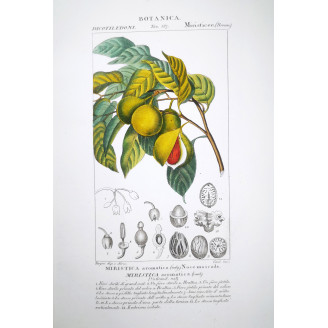
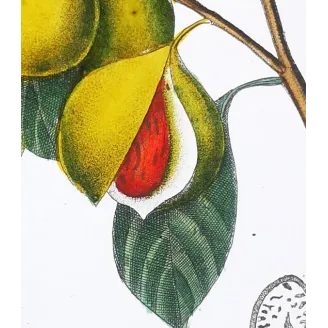
Striking botanical print of nutmeg fruit with cutaway sections and seed structure.
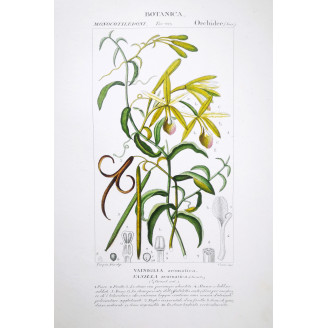
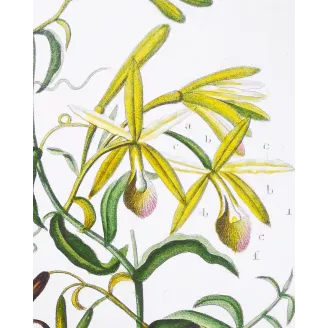
Delicate orchid illustration showing flower, pod and internal anatomy of vanilla.
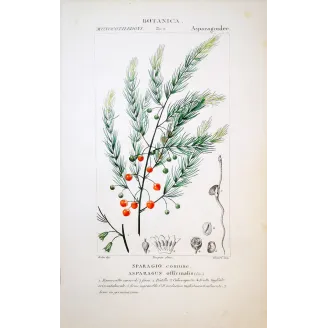
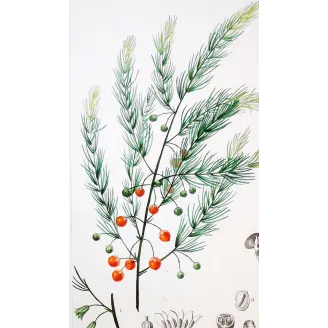
Botanical print of Asparagus officinalis by Turpin, featuring vivid orange berries.
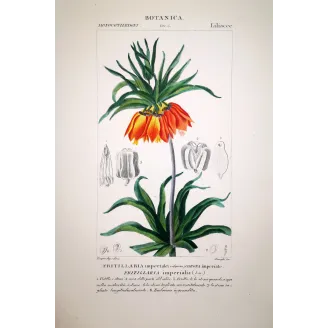
Striking antique print of Fritillaria imperialis with bright orange crown flowers.
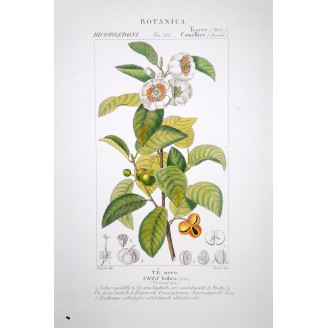
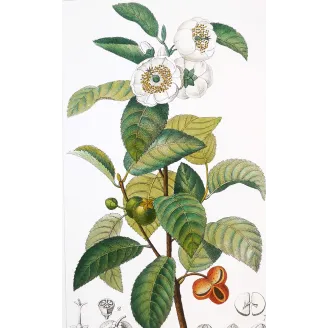
Delicate and detailed illustration of the tea plant, with floral and seed elements beautifully depicted.
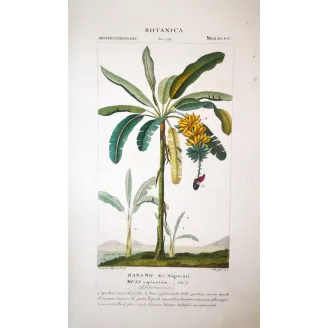
Antique botanical illustrations of the banana tree and its floral anatomy by Turpin.
Detailed depiction of the black pepper vine with fruiting spikes and leaves.