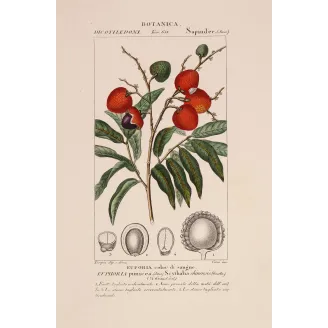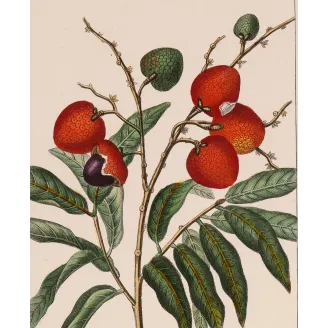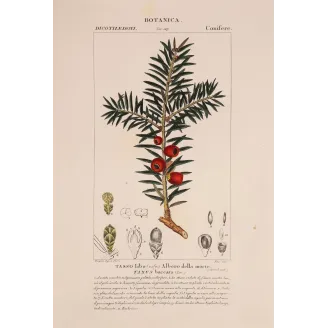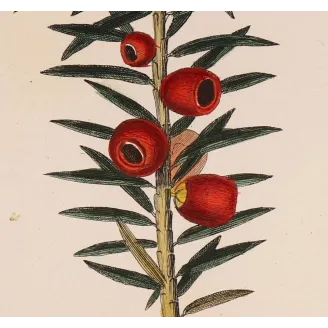
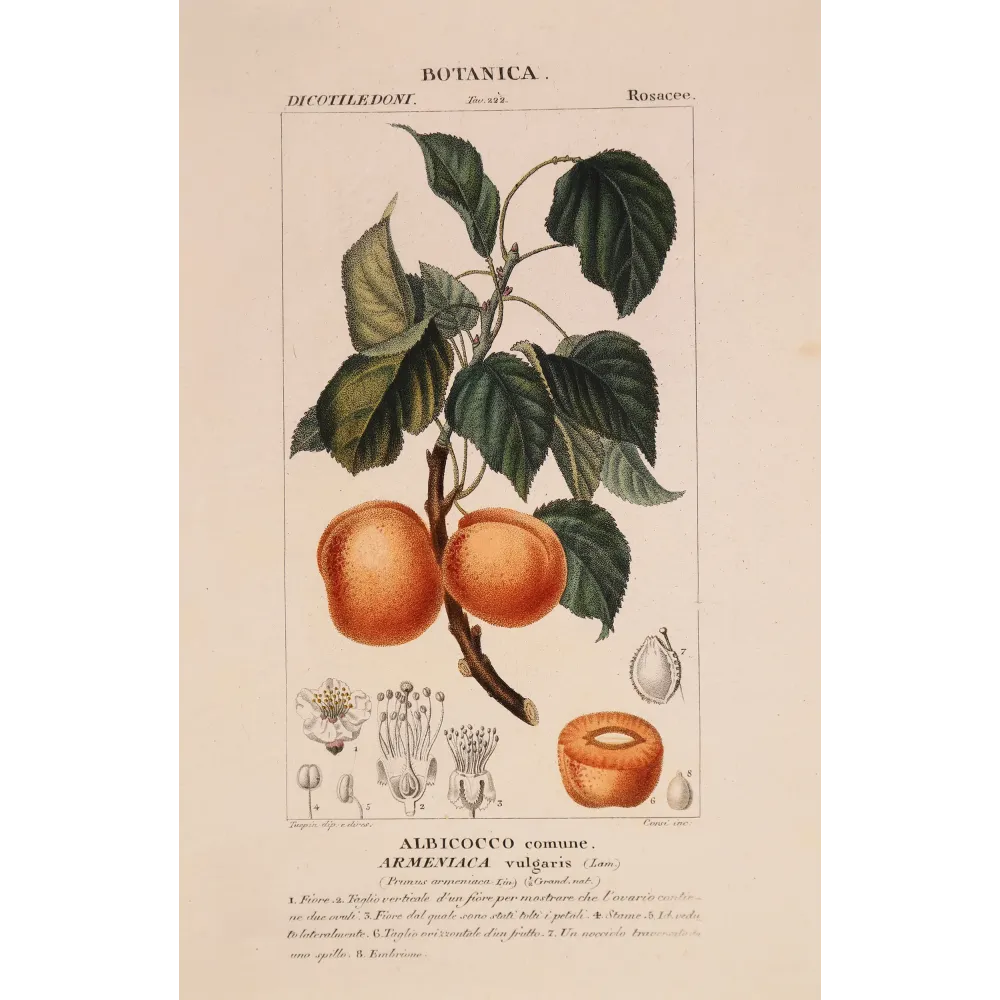
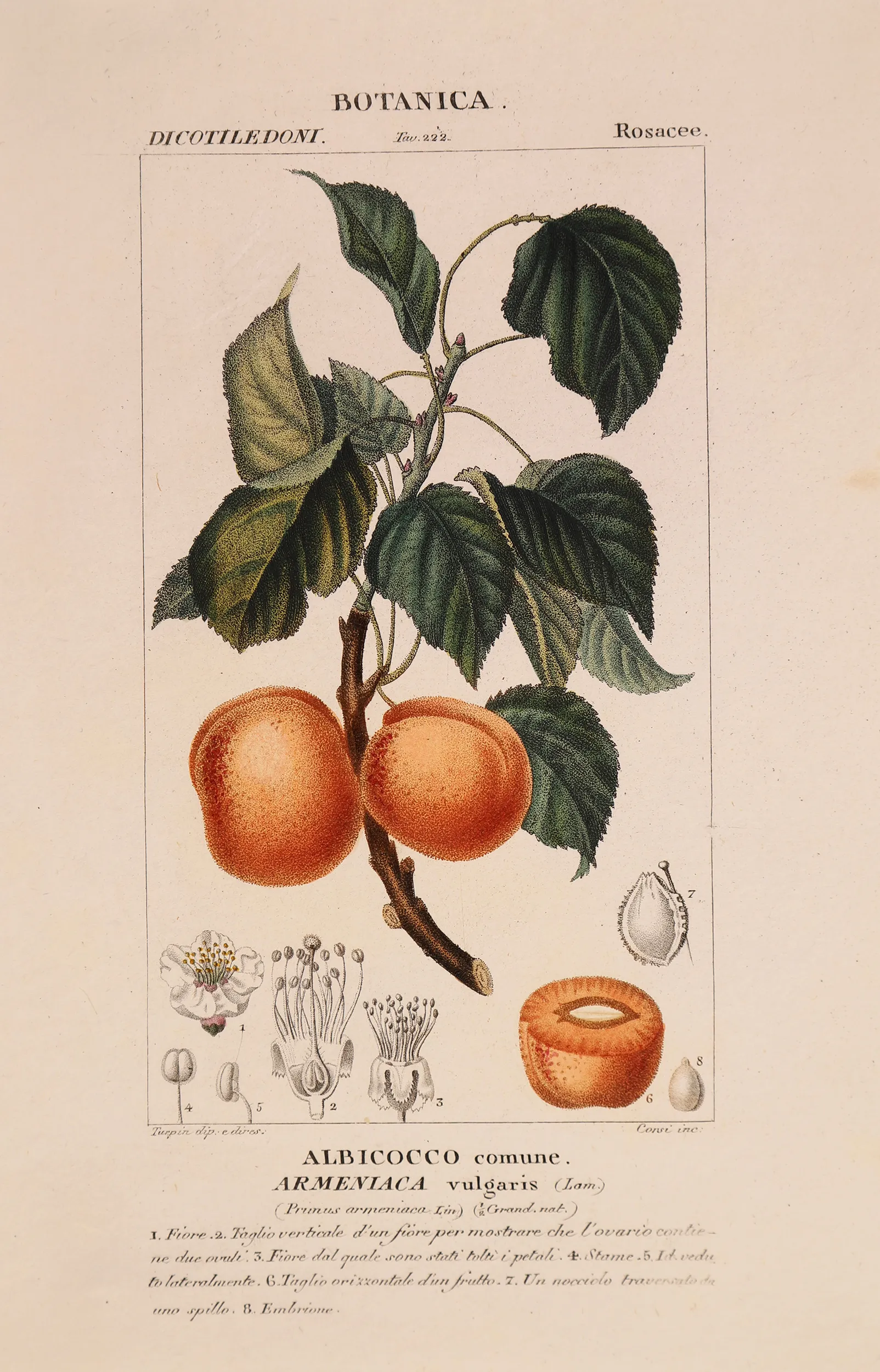
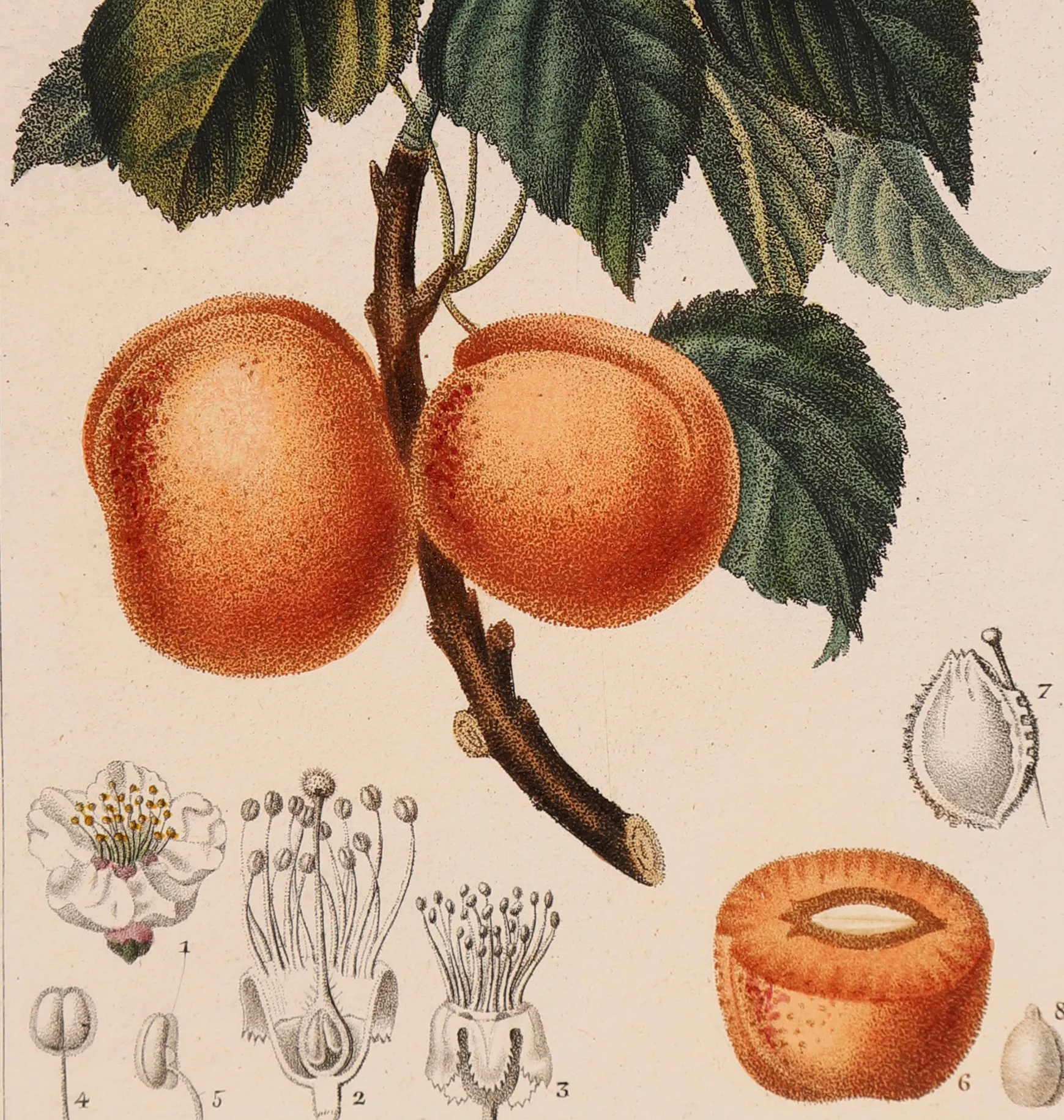
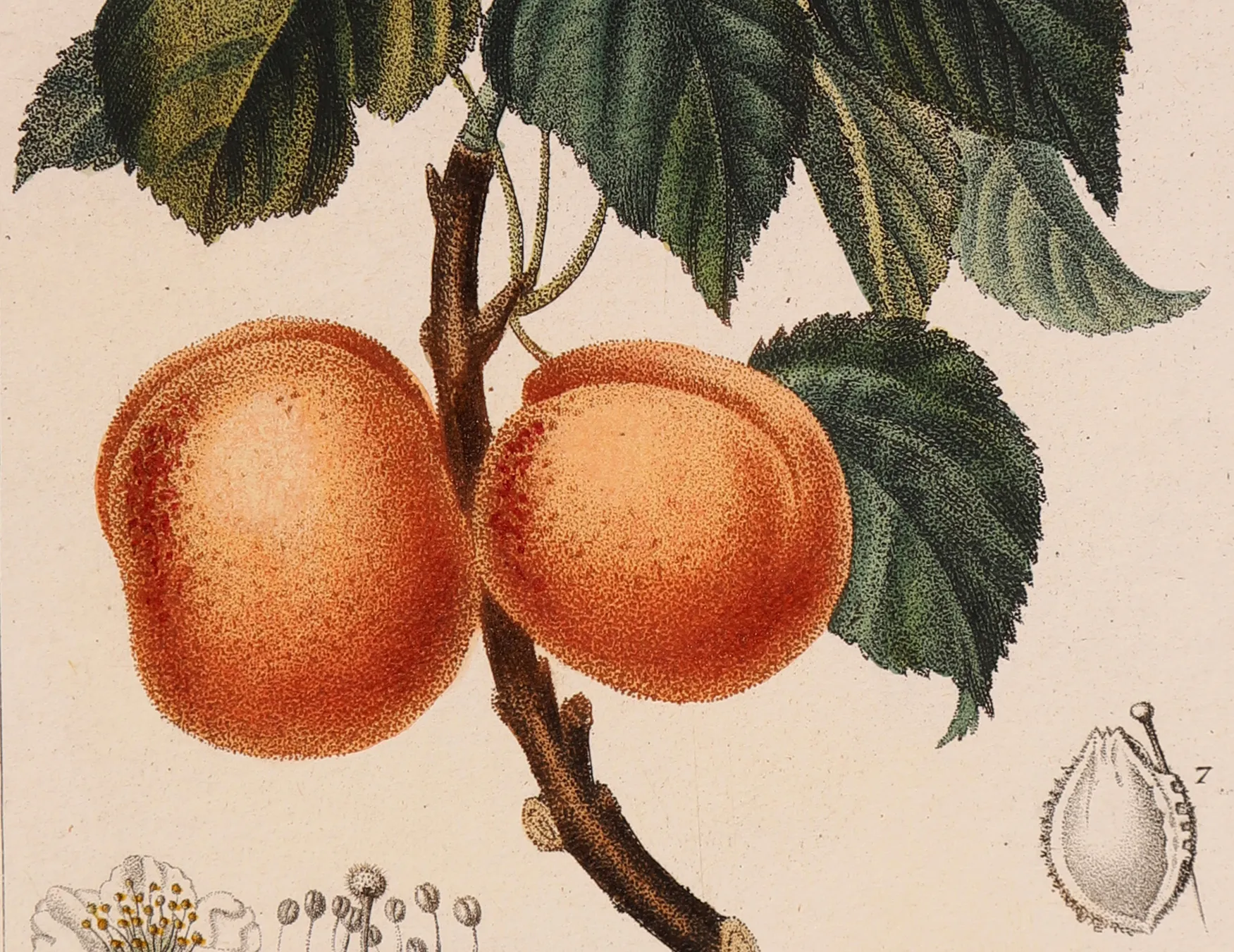

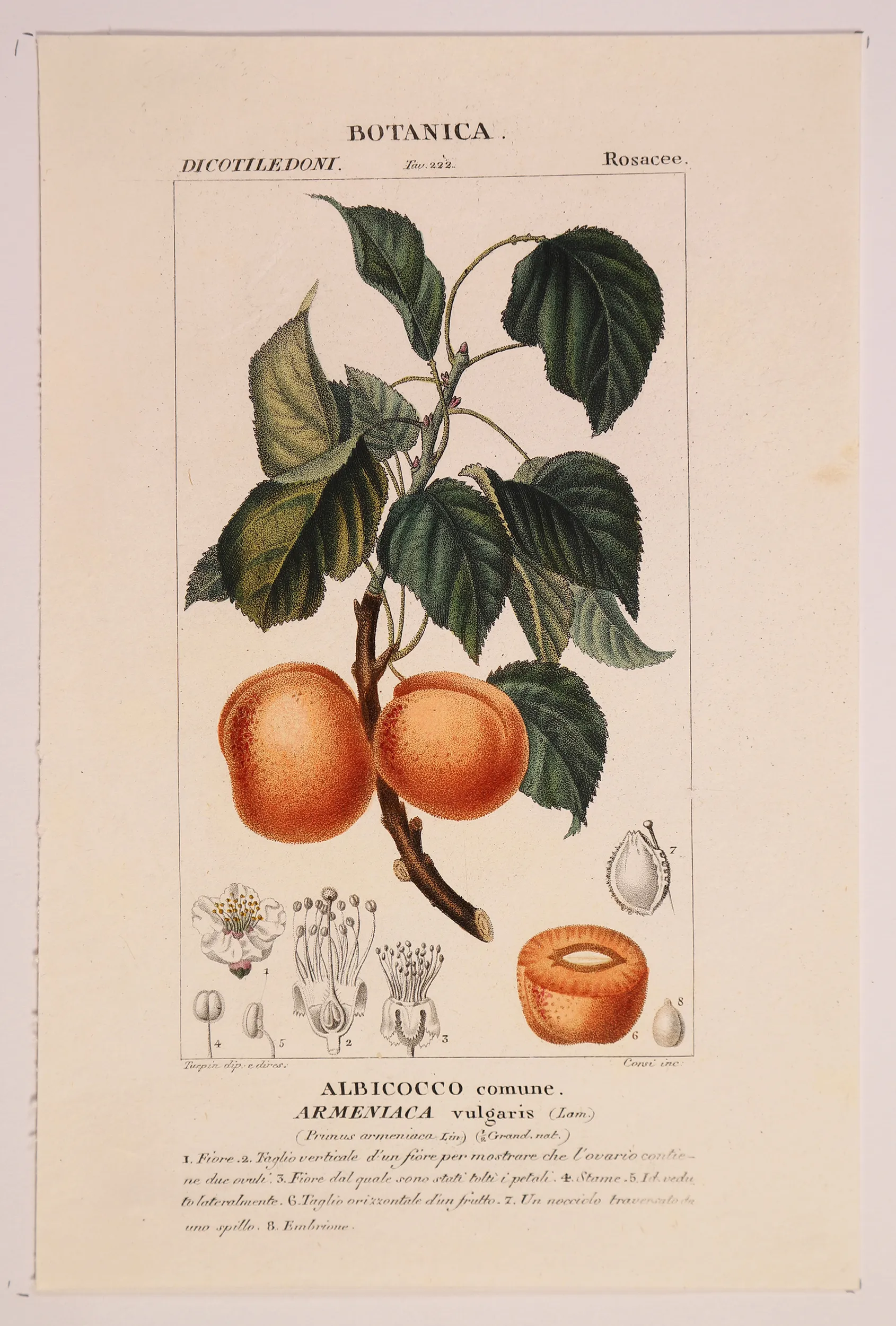
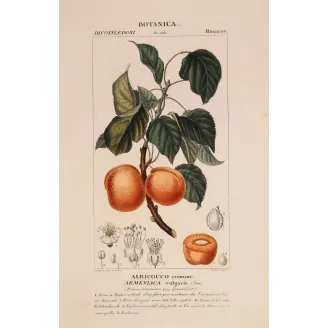
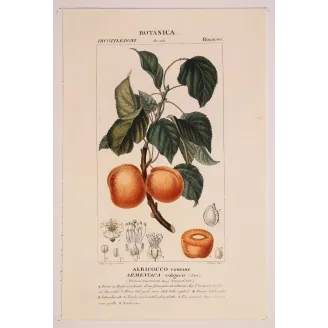
Original 19th-century botanical engraving of the common apricot, showing its velvety orange fruits and lush green leaves, rendered with great naturalistic balance.
 Delivery policy
Your print will be carefully prepared and shipped worldwide via trusted couriers (UPS or similar).
 Authentic antique prints
Original engravings from the 17th–19th century.
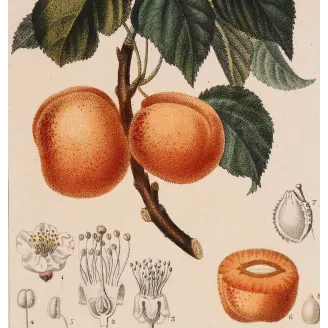
This original hand-colored engraving presents the common apricot, historically titled Albicocco comune and identified as Armeniaca vulgaris. The plate combines a refined fruiting branch with analytical details of blossom, stone, and sectional views, offering a compact yet complete botanical profile of one of the most beloved orchard fruits.
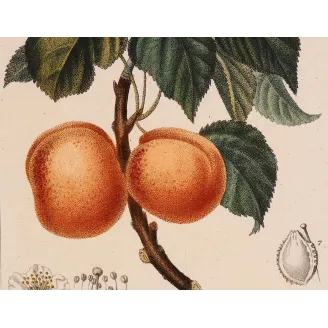
Turpin balances scientific clarity with a distinctly decorative presence: the two ripe apricots are rendered with soft tonal transitions — from honeyed gold to deep orange blush — creating a natural sense of volume and ripeness. The surrounding leaf mass frames the fruit without overcrowding the field, preserving an elegant, airy composition.
The plate belongs to the Italian edition of the Dizionario di Scienze Naturali (Florence, Battelli press), a monumental encyclopedic undertaking of the early nineteenth century dedicated to cataloguing the natural world through disciplined observation and refined engraving.
— • —
The composition is anchored by two luminous fruits placed slightly off-center, creating a calm asymmetry that feels both studied and natural. The apricots are treated as sculptural forms: delicate stippling and smooth gradients articulate the skin’s softness, while subtle shadowing gives the fruit convincing weight.
Below, the analytical register introduces flower structure and seed anatomy with measured spacing. This dual-language approach — ornamental abundance above, scientific precision below — is characteristic of Turpin at his most effective and makes the plate highly versatile for interior display.
Armeniaca (apricot) belongs to the Rosaceae family and has long been cultivated across Europe for both its fruit and its orchard value. In early nineteenth-century natural history publications, fruit trees occupied a special place: they connected botanical classification to everyday life, agriculture, and taste. By combining fruit, blossom, and internal structure in a single plate, works like the Dizionario di Scienze Naturali helped standardize visual knowledge of cultivated species — not as generic “fruit,” but as identifiable forms with reproducible traits.
This plate forms part of the historic Dizionario di Scienze Naturali, once preserved within a noble library and today housed in the Sacchetti Collection. Each engraving embodies a period when scientific investigation was supported by exceptional artisanal skill — from the precision of the engraved copperplate line to the carefully applied hand-colouring executed sheet by sheet.
Such works were conceived not as decorative ephemera, but as authoritative visual documents of knowledge. To explore the broader story of these rare prints and their refined provenance, we invite you to read our editorial feature “Not Just Another Print”.
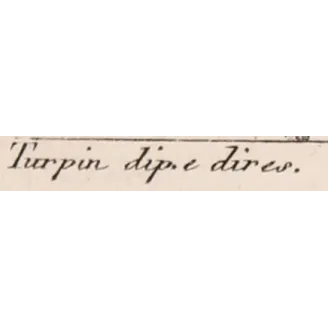
The engraving is preserved in excellent antique condition. The sheet shows clean margins and a crisp, well-defined impression. The paper is original early nineteenth-century smooth wove paper. No watermark has been observed. The hand-coloring remains fresh and well-balanced, with particularly fine tonal control in the apricot skins and foliage. The engraved credit to Turpin is present on the plate.
For further context on Pierre Jean François Turpin and his contribution to nineteenth-century botanical science, see our editorial feature:
Pierre Jean François Turpin – The Botanical Illustrator of Natural Harmony
Specific References
Graceful composition of bay laurel with fruits, blossoms, and internal flower structure.
A striking hand-colored engraving of *Euphoria punicea*, displaying vivid red fruits and lush foliage in a refined 19th-century botanical composition.
Vibrant caper plant illustration with both flowers and fruiting structures.
A unique lot of 7 hand-colored antique prints depicting various species of algae, illustrated by Turpin and Prêtre.
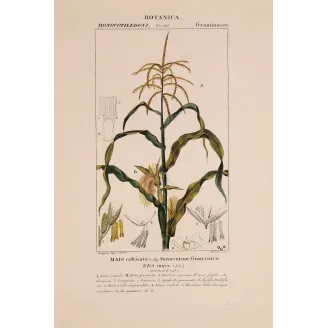
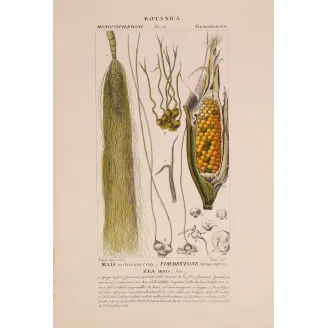
Double plate of cultivated maize (Zea mays) from Turpins botanical series.
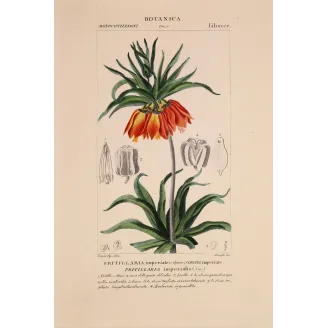
Striking antique print of Fritillaria imperialis with bright orange crown flowers.
Elegant hand-colored plate of the juniper plant with berries and cone structure.
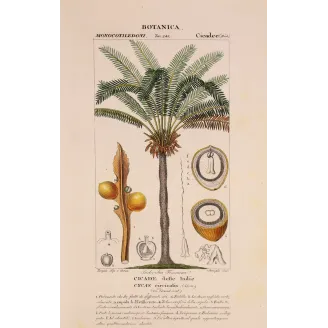
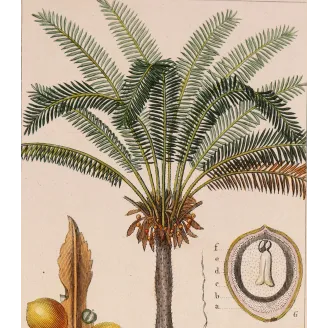
A detailed antique plate of Cycas circinalis, the Indian Sago Palm, showing the female specimen and fruit anatomy.
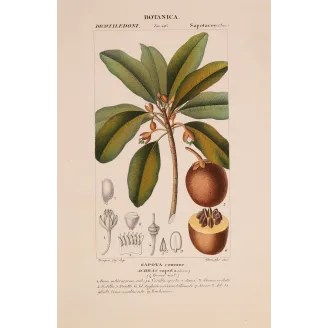
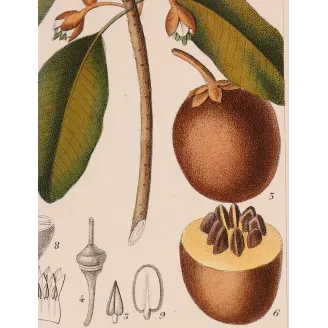
A warm-toned botanical engraving of *Achras sapota*, featuring its rounded fruit and large green leaves with exquisite texture
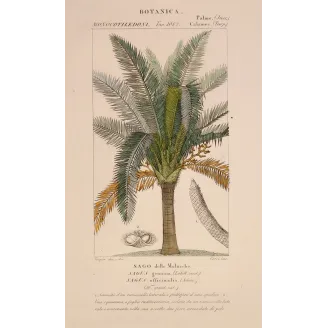
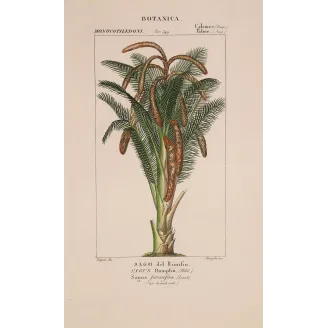
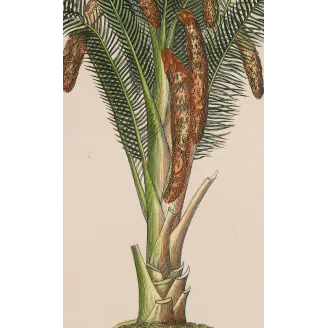
A pair of plates dedicated to the sago palm tree and its structural details.
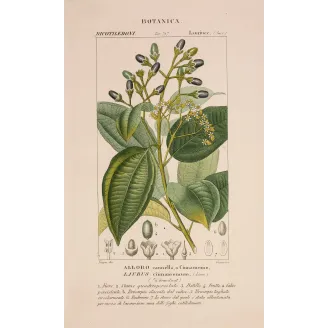
Finely detailed print of Laurus cinnamomum by Turpin, from the Dizionario di Scienze Naturali.
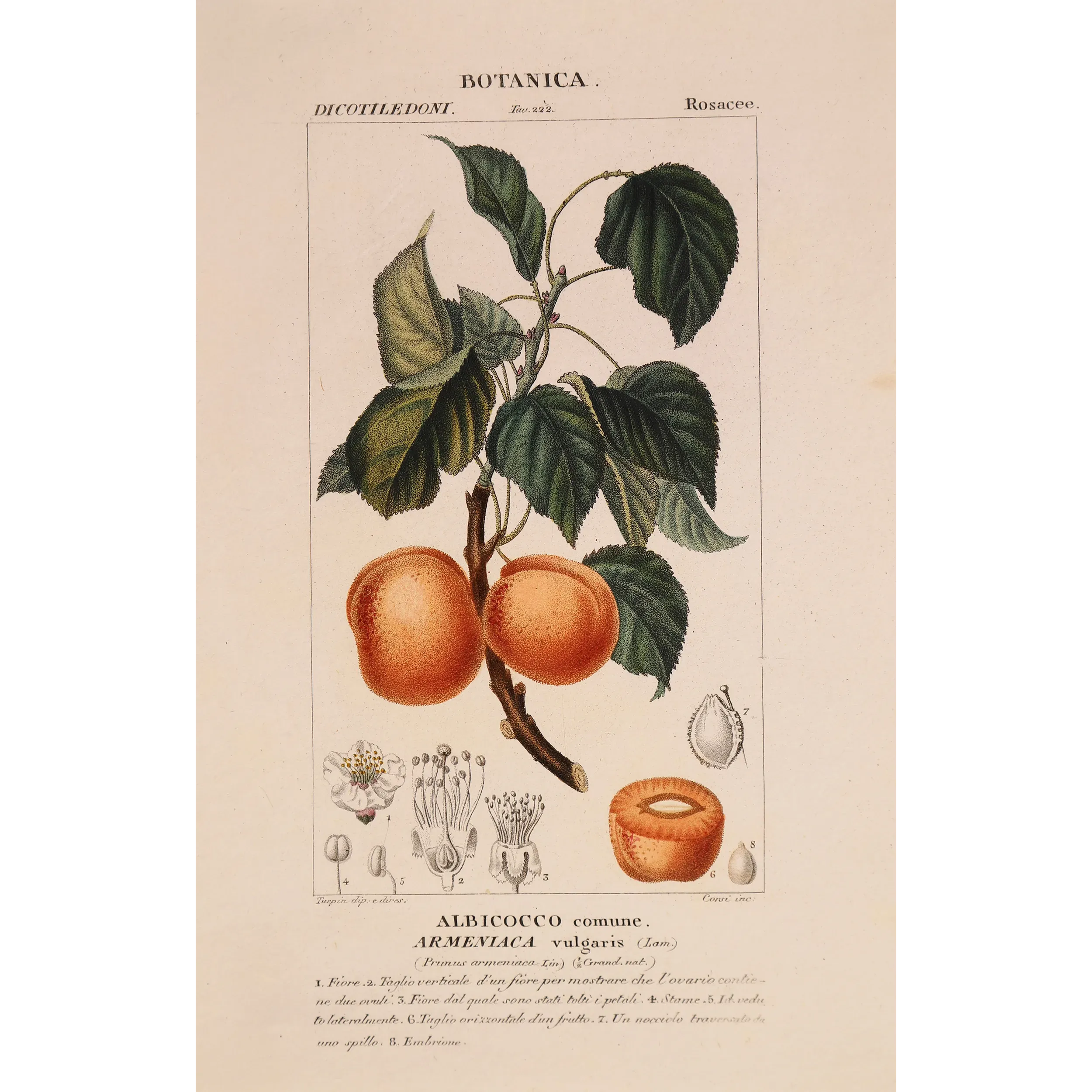
Original 19th-century botanical engraving of the common apricot, showing its velvety orange fruits and lush green leaves, rendered with great naturalistic balance.