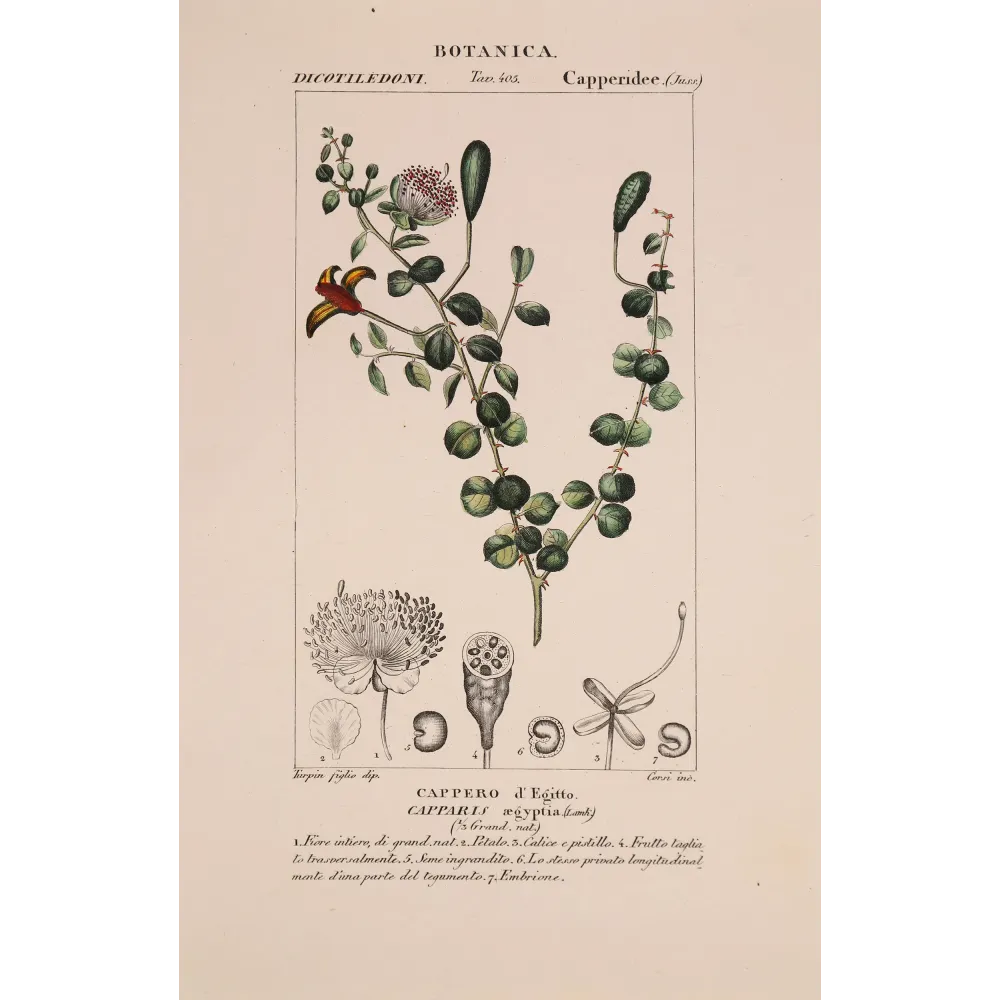
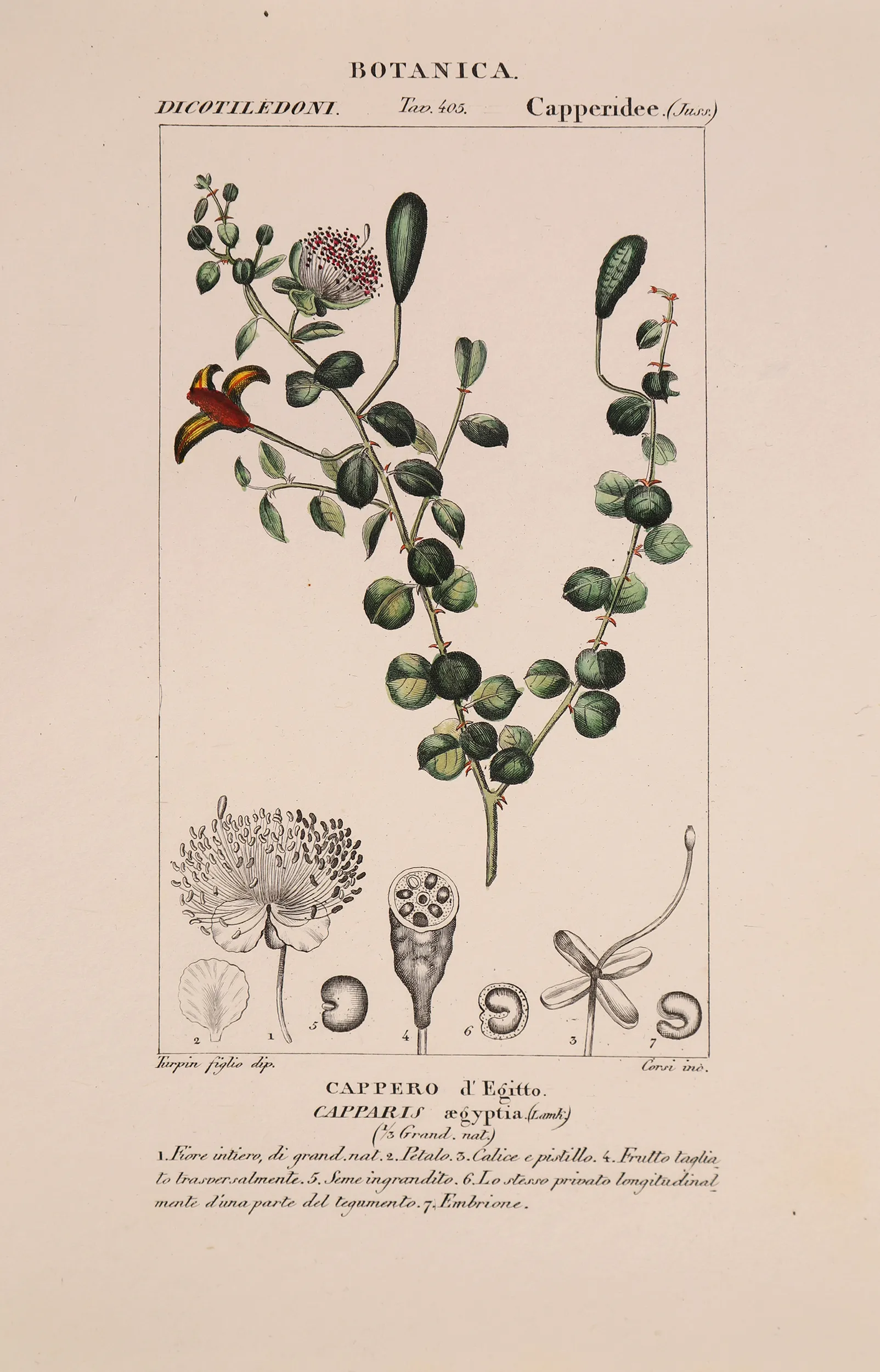
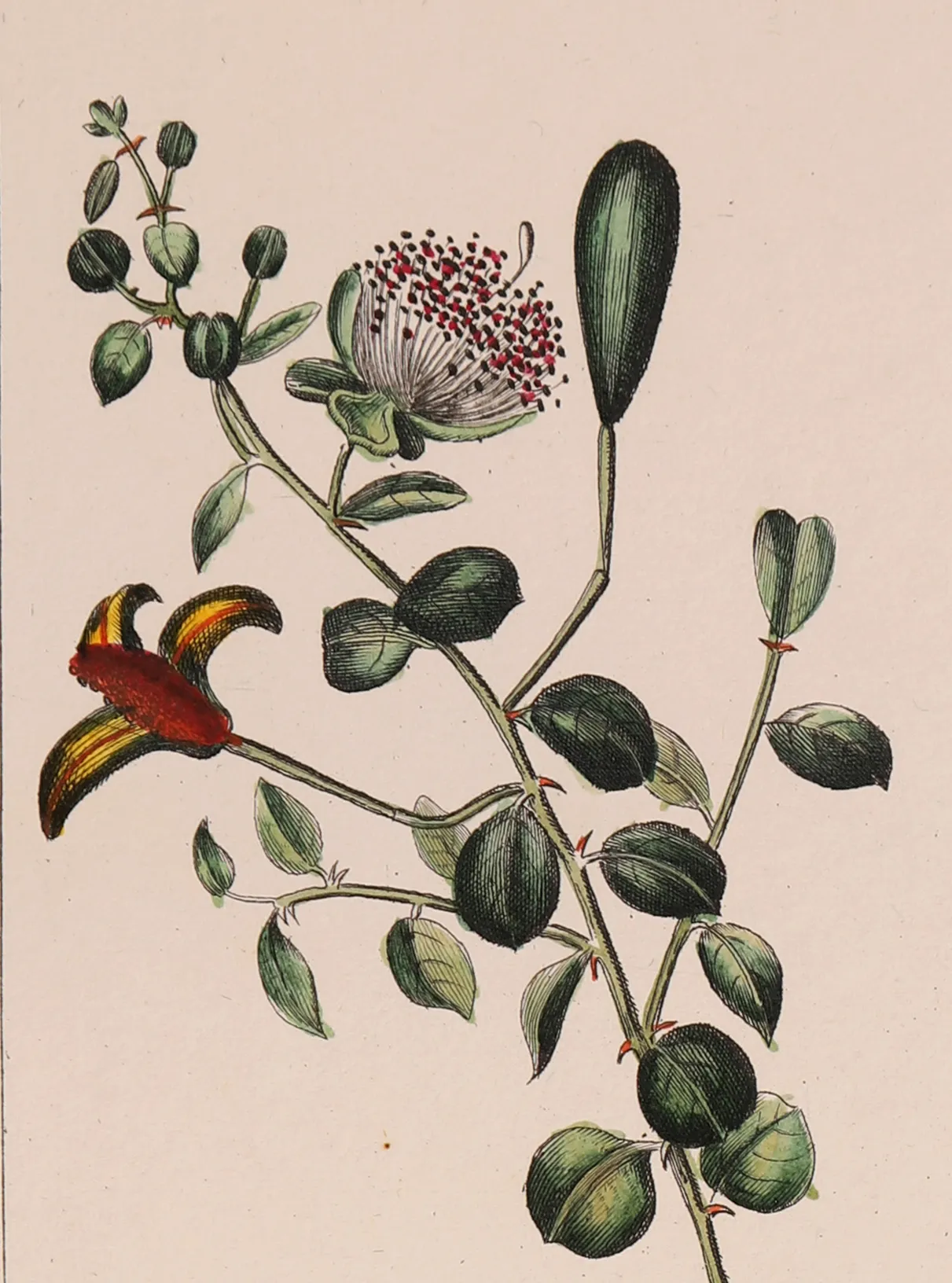

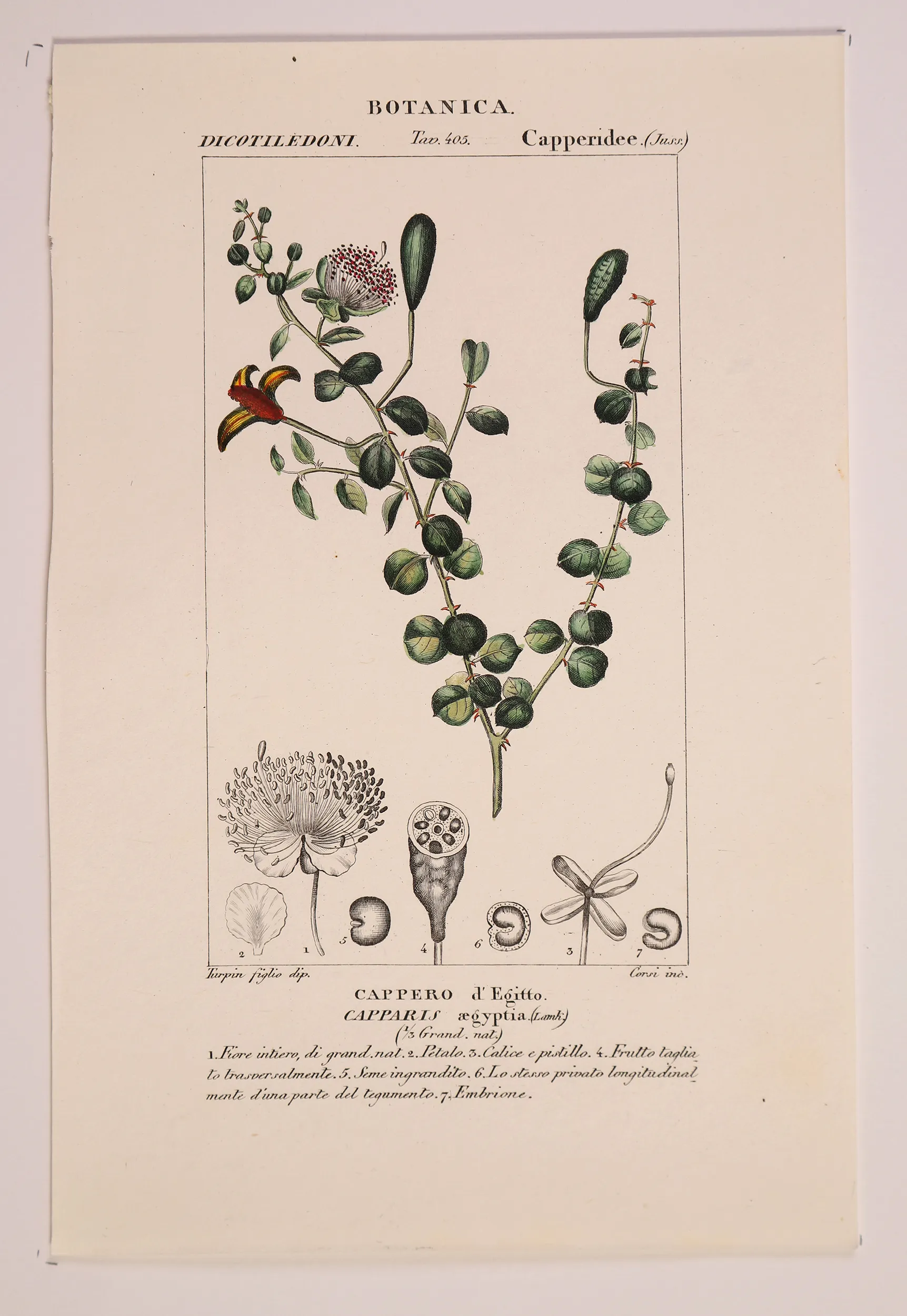
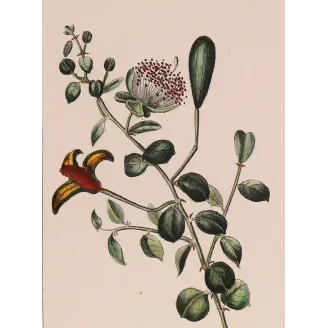
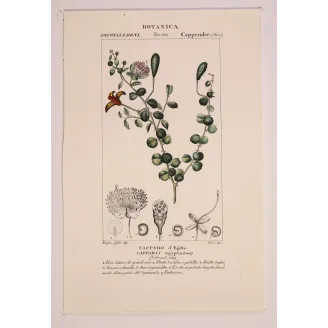
Vibrant caper plant illustration with both flowers and fruiting structures.
 Delivery policy
Your print will be carefully prepared and shipped worldwide via trusted couriers (UPS or similar).
 Authentic antique prints
Original engravings from the 17th–19th century.
This finely engraved plate depicts Capparis aegyptia, commonly known as the Egyptian caper. The specimen is rendered with botanical precision, presenting both flowering and fruiting stages within a clear vertical composition that reflects early nineteenth-century scientific discipline.
Turpin’s drawing isolates the plant against a neutral background, allowing the rounded leaves and elongated floral structures to articulate themselves with clarity. The delicate pink stamens of the blossom introduce a subtle chromatic accent within a predominantly green palette.
The engraving forms part of the Italian edition of the Dizionario di Scienze Naturali (Florence, Battelli press), a monumental encyclopedic project dedicated to documenting plant diversity through systematic observation and refined copperplate engraving.
— • —
The composition unfolds in two primary branches that establish gentle asymmetry while maintaining visual balance. The rounded leaves provide rhythmic repetition, contrasted by the elongated floral filaments that radiate outward with controlled elegance. The fruit pods, rendered with subtle shading, add dimensional weight to the lower register.
The analytical figures beneath the principal specimen clarify floral structure and reproductive detail, reinforcing the scientific integrity of the plate. The restrained hand-colouring enhances botanical legibility without excess, preserving tonal harmony across the sheet.
Capparis aegyptia, a Mediterranean species within the caper family (Capparidaceae), thrives in arid coastal regions and rocky terrains. The plant is best known for its unopened flower buds — capers — which have been valued since antiquity in Mediterranean cuisine. Beyond its culinary role, the caper fascinated early botanists for its distinctive floral morphology, particularly its elongated stamens and specialized fruiting capsules. In the context of early nineteenth-century natural history, such species contributed to broader efforts to classify plant families based on reproductive structures. Its presence in the Dizionario di Scienze Naturali reflects both regional botanical interest and the encyclopedic ambition to document economically and ecologically significant flora.
This plate forms part of the historic Dizionario di Scienze Naturali, once preserved within a noble library and today housed in the Sacchetti Collection. Each engraving reflects a period when scientific scholarship was supported by exceptional artisanal execution — from the precision of the engraved copperplate line to the carefully balanced hand-colouring applied individually to every sheet.
Such works stand as authoritative visual documents of knowledge rather than mere decorative images. To explore the broader story of these rare prints and their refined provenance, we invite you to read our editorial feature “Not Just Another Print”.
The engraving is in excellent antique condition. The sheet presents clean margins and a clear impression. The paper is smooth early nineteenth-century wove paper (non-laid). No watermark has been observed. The original hand-colouring remains fresh and well preserved. The engraved credit “Turpin dis.” is present, confirming the original drawing by Pierre Jean François Turpin.
For further context on Pierre Jean François Turpin and his contribution to nineteenth-century botanical science, see our editorial feature:
Pierre Jean François Turpin – The Botanical Illustrator of Natural Harmony
Specific References
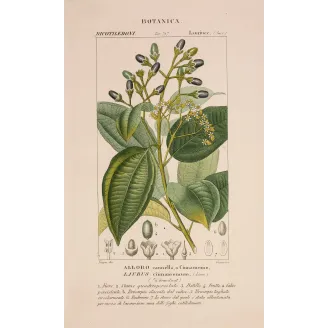
Finely detailed print of Laurus cinnamomum by Turpin, from the Dizionario di Scienze Naturali.
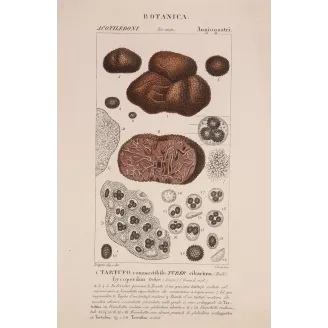
Unusual and fascinating botanical study of truffle morphology, rich in scientific detail.
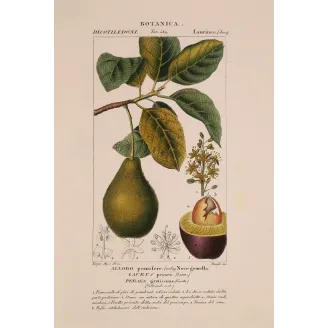
Botanical plate of avocado with whole fruit, seed, and internal anatomy.
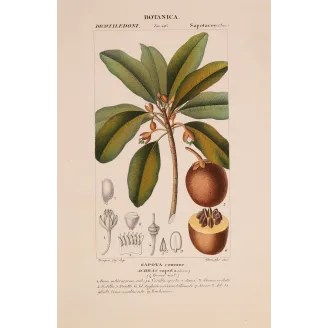
A warm-toned botanical engraving of *Achras sapota*, featuring its rounded fruit and large green leaves with exquisite texture
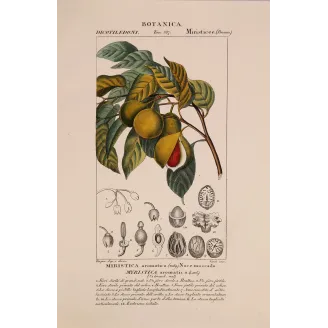
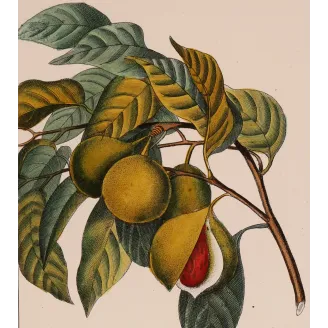
Striking botanical print of nutmeg fruit with cutaway sections and seed structure.
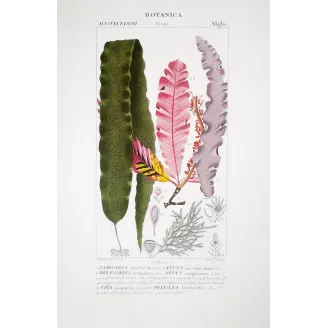
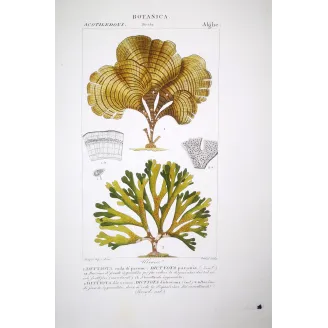
A unique lot of 7 hand-colored antique prints depicting various species of algae, illustrated by Turpin and Prêtre.
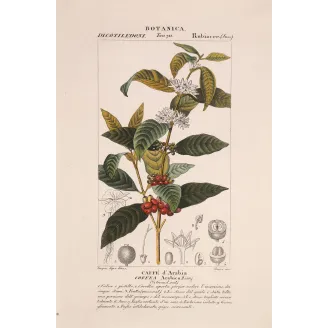
Botanical plate of Coffea arabica with vivid red berries and detailed floral structure.
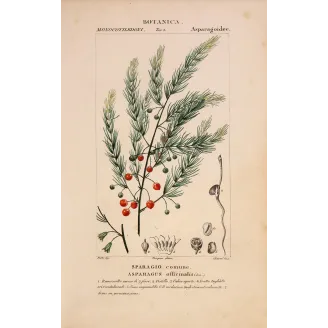
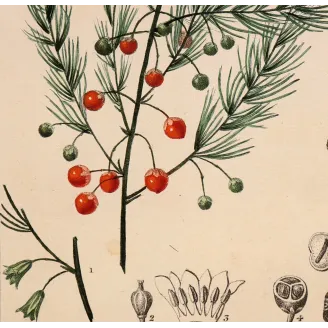
Botanical print of Asparagus officinalis by Turpin, featuring vivid orange berries.
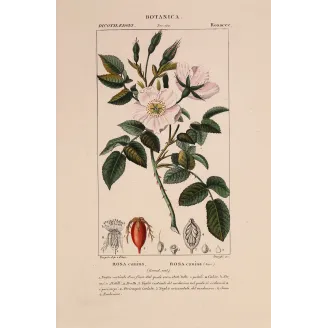
Delicate dog rose flower with soft pink petals and fine botanical details.
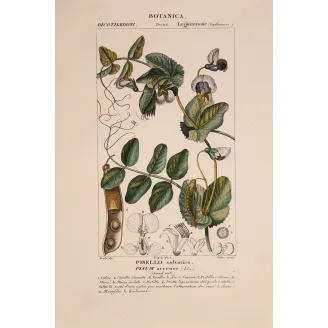
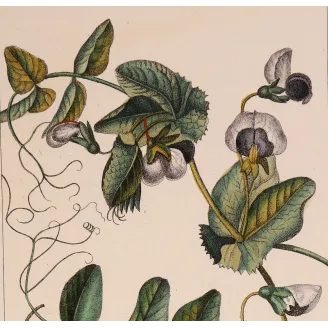
Colorful botanical illustration of Pisum arvense, wild pea, engraved by Turpin.
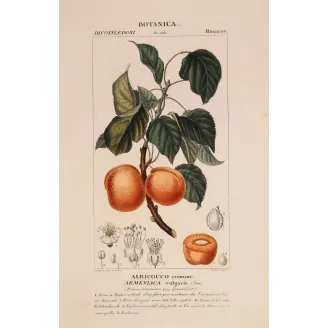
Original 19th-century botanical engraving of the common apricot, showing its velvety orange fruits and lush green leaves, rendered with great naturalistic balance.
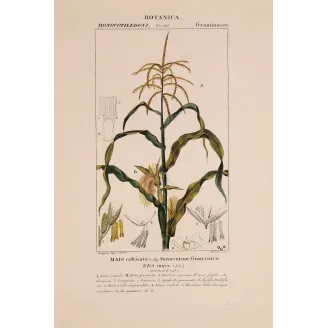
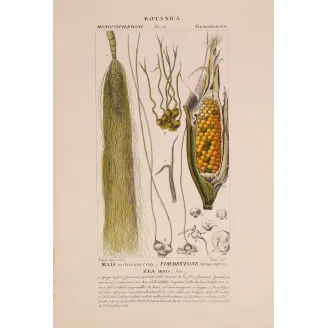
Double plate of cultivated maize (Zea mays) from Turpins botanical series.
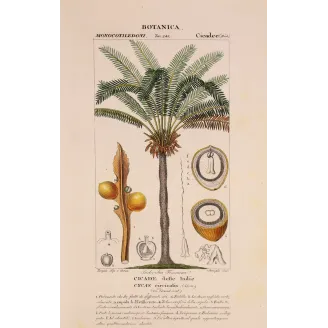
A detailed antique plate of Cycas circinalis, the Indian Sago Palm, showing the female specimen and fruit anatomy.
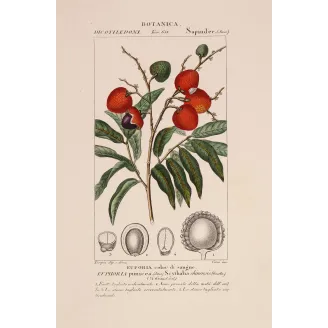
A striking hand-colored engraving of *Euphoria punicea*, displaying vivid red fruits and lush foliage in a refined 19th-century botanical composition.
Beautiful antique flower print of Solandra, with large trumpet-shaped bloom.
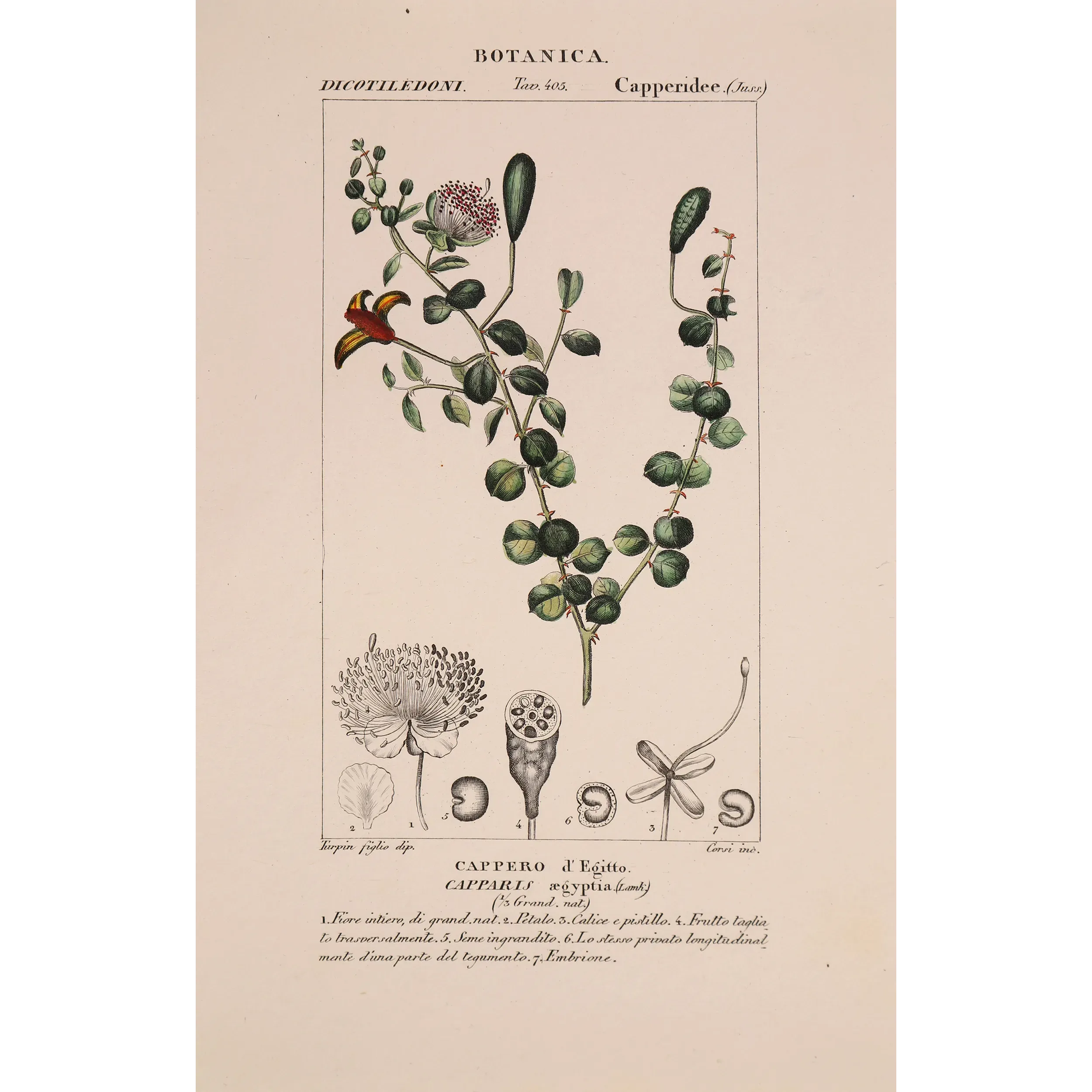
Vibrant caper plant illustration with both flowers and fruiting structures.