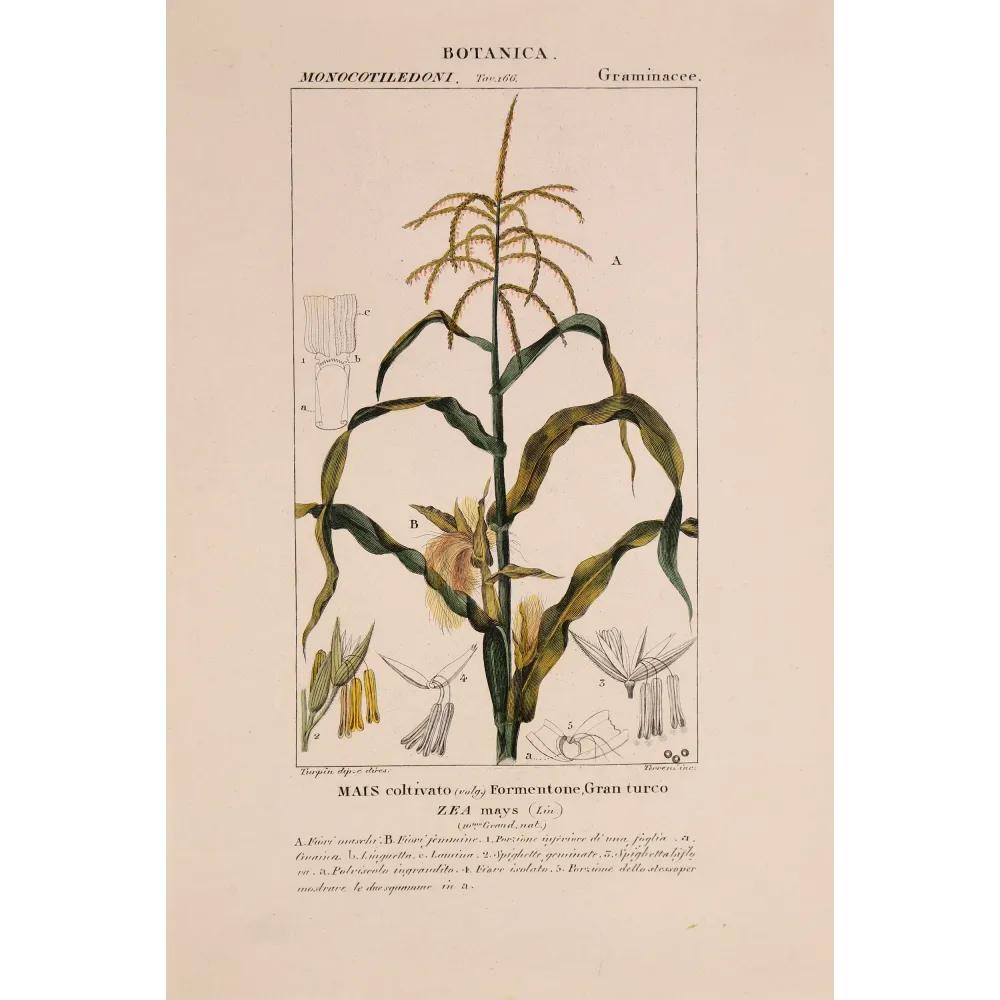
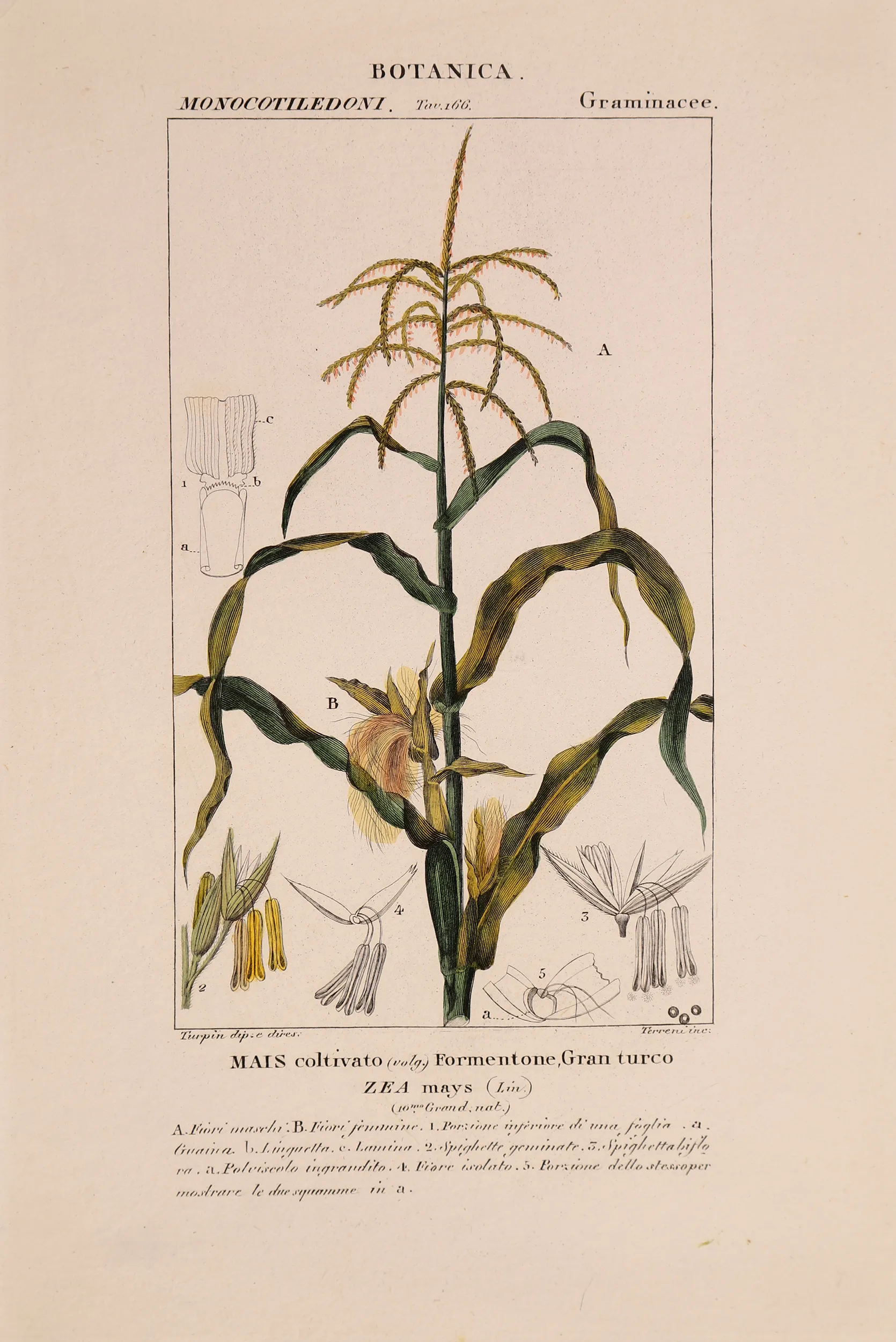
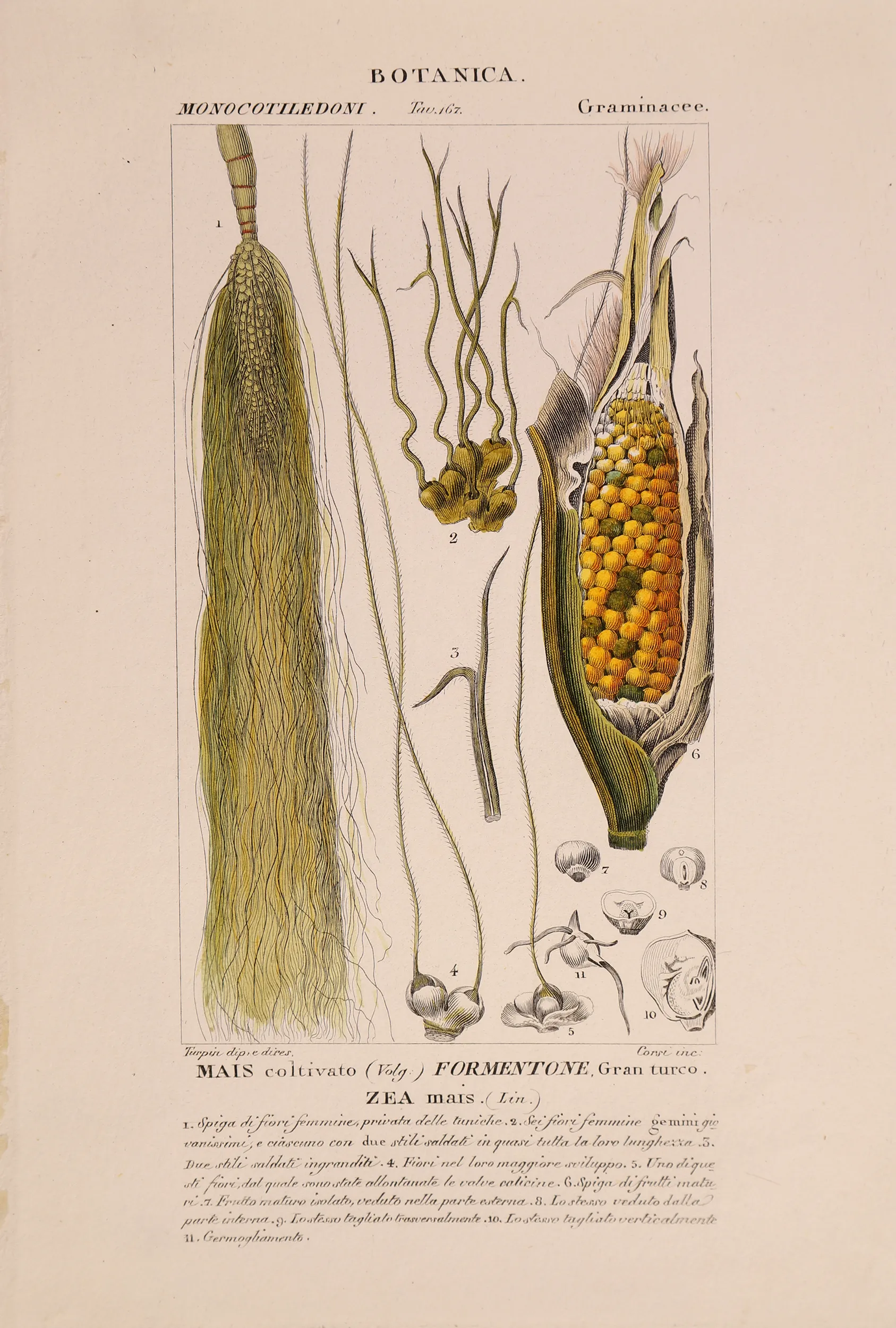
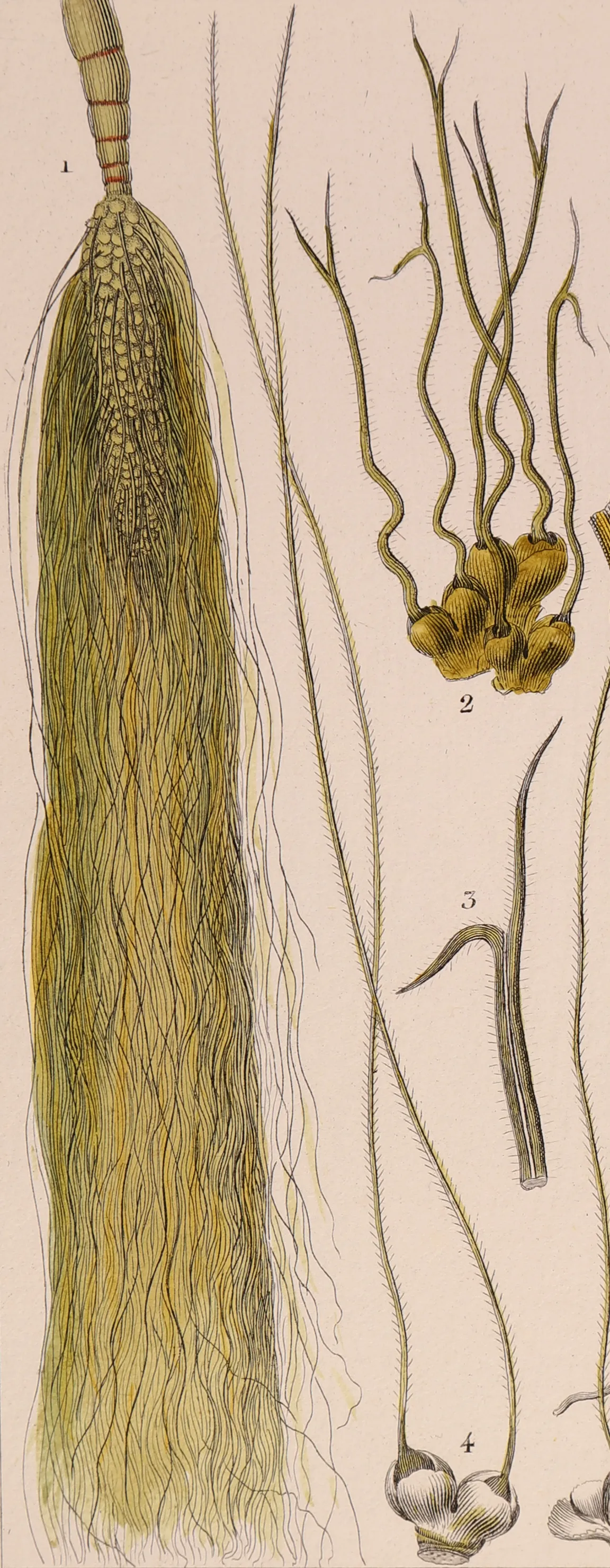
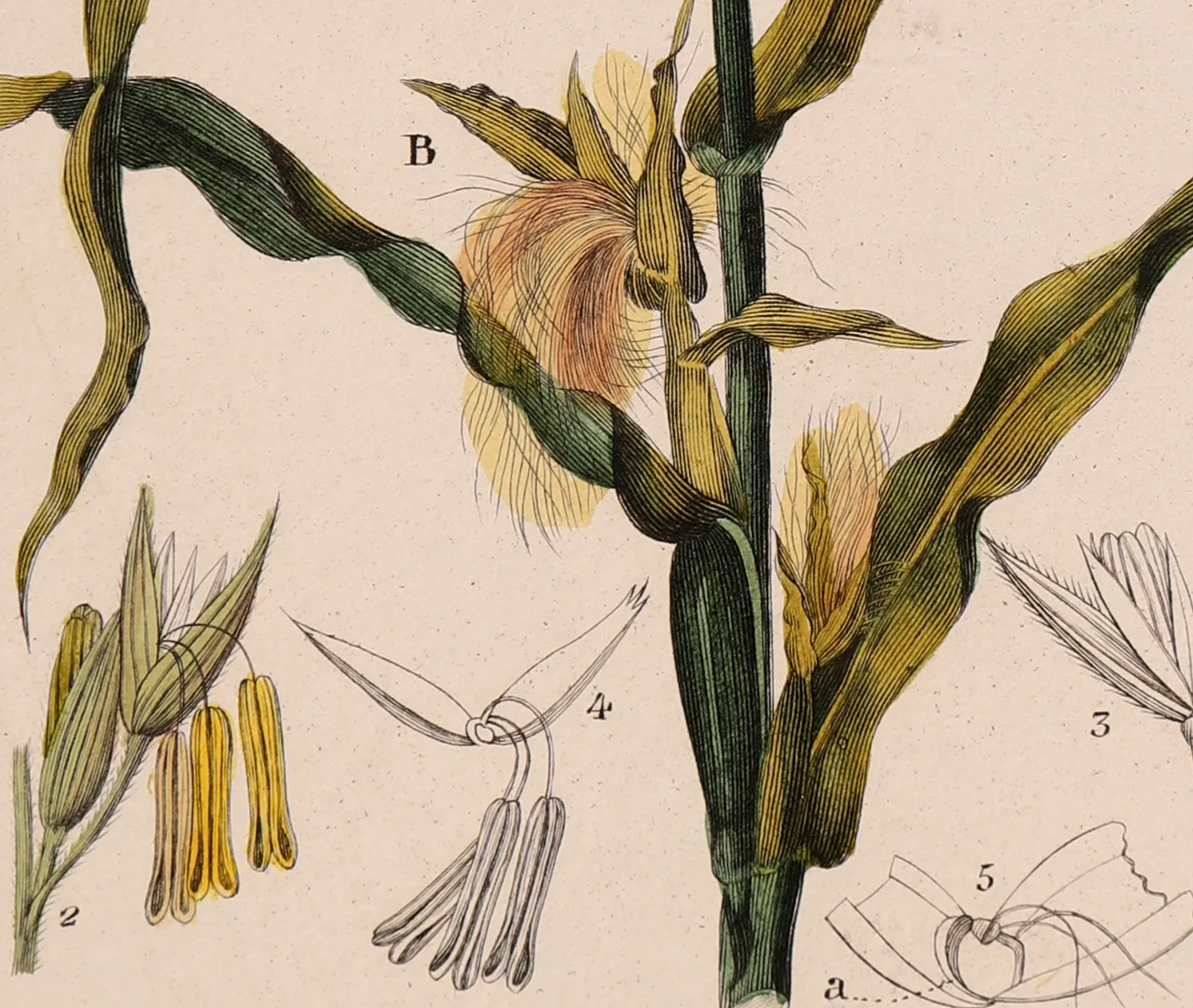

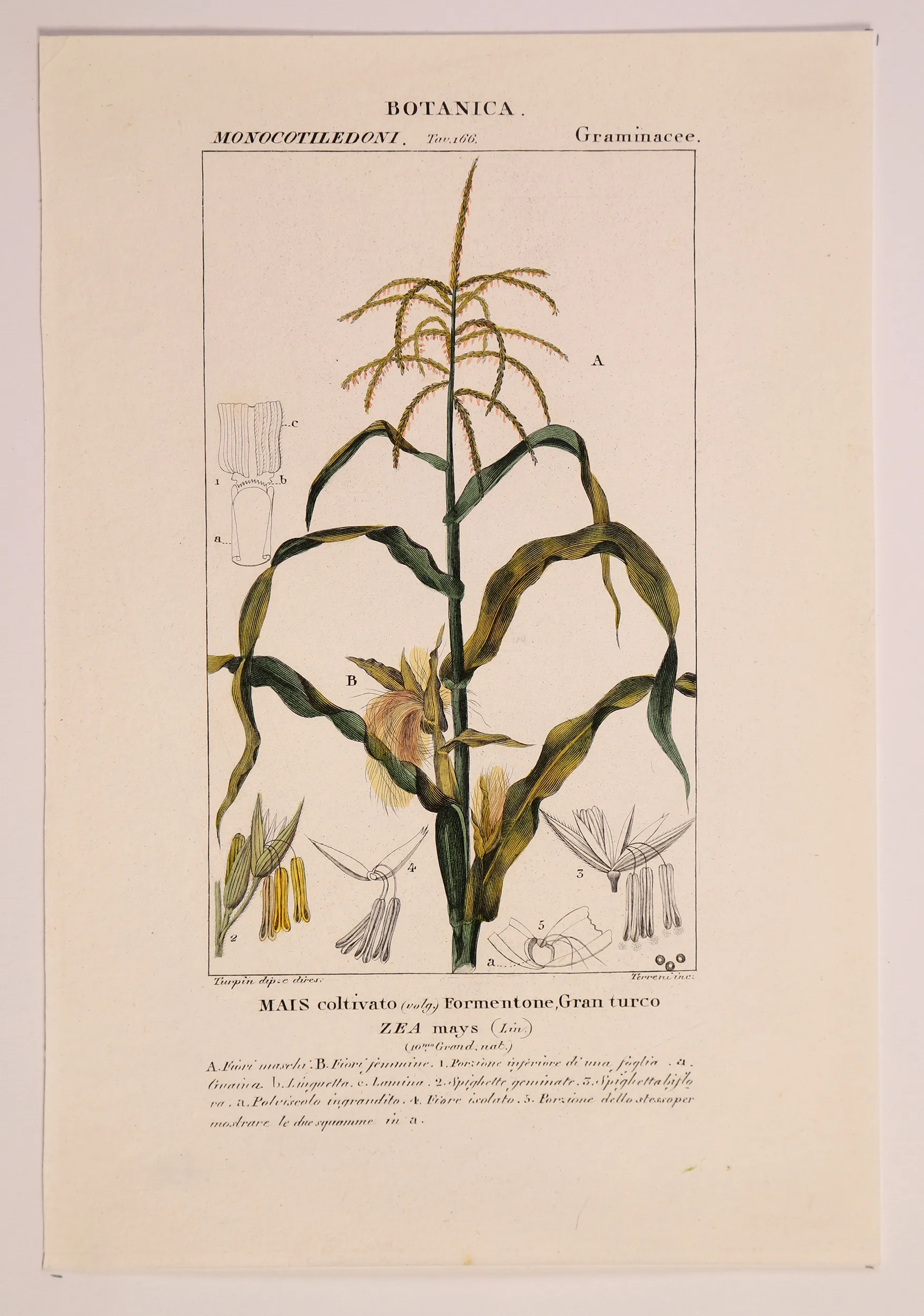
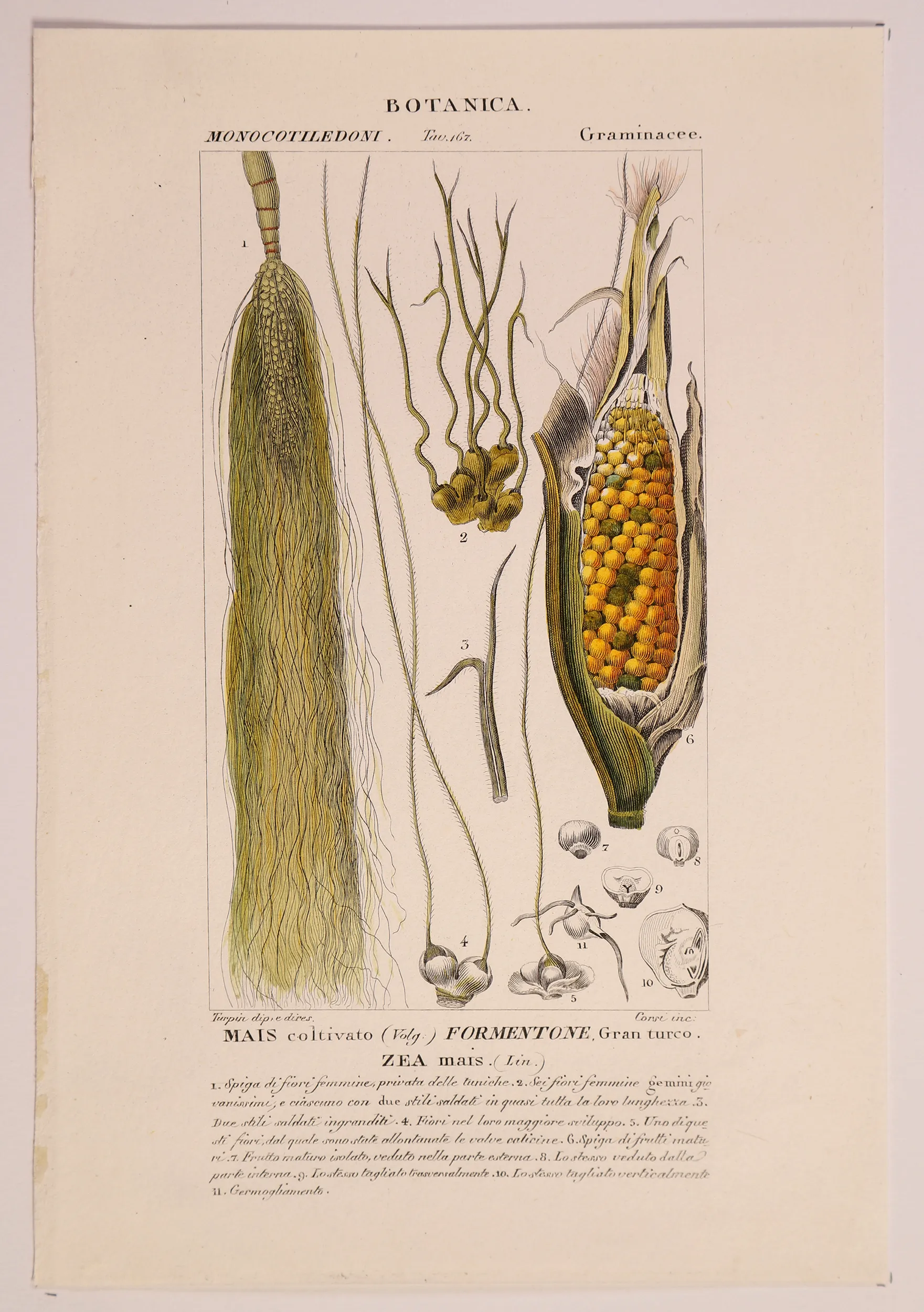
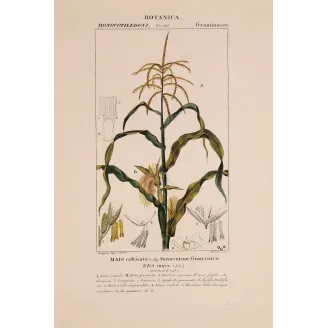
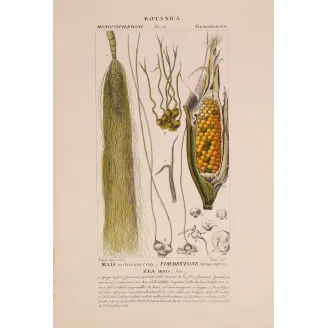
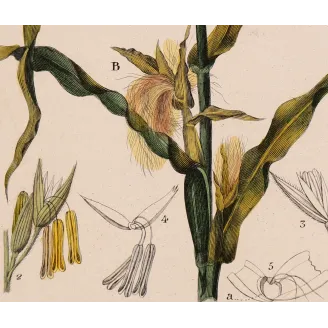
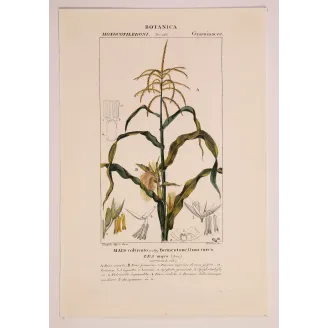
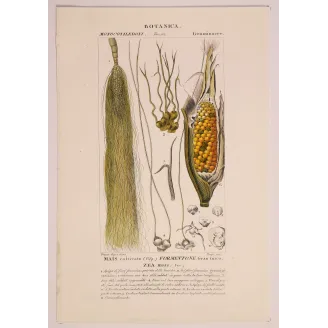
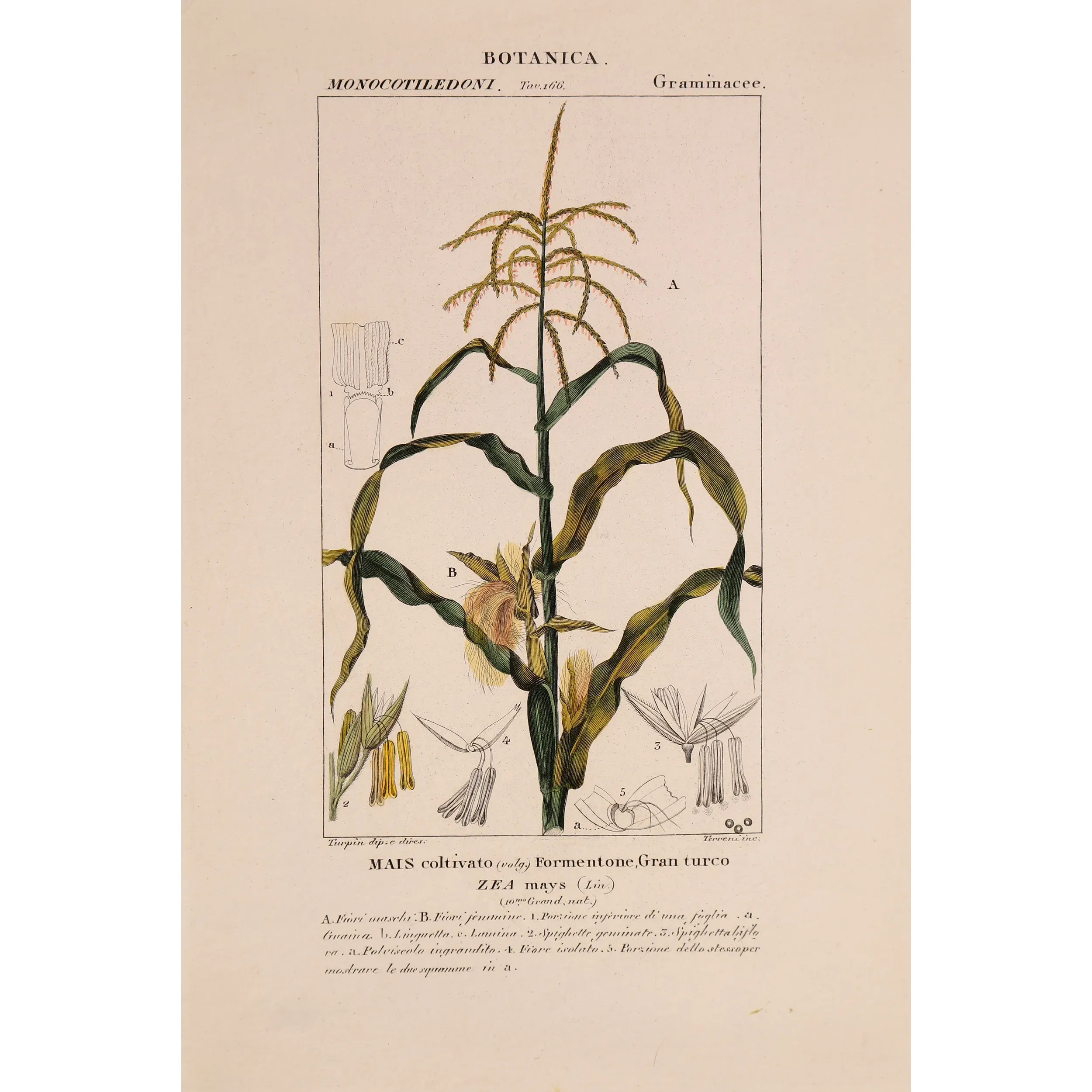
Double plate of cultivated maize (Zea mays) from Turpins botanical series.
 Delivery policy
Your print will be carefully prepared and shipped worldwide via trusted couriers (UPS or similar).
 Authentic antique prints
Original engravings from the 17th–19th century.
This refined micro-bundle brings together two original hand-colored engravings dedicated to Zea mays, the cultivated maize — known in nineteenth-century Italy as “Formentone” or “Gran Turco.” One plate presents the complete plant in its agricultural stature; the companion sheet offers an analytical study of the female inflorescence, kernels, and reproductive structures. Together, they form a coherent scientific study of one of the most transformative crops in global history.
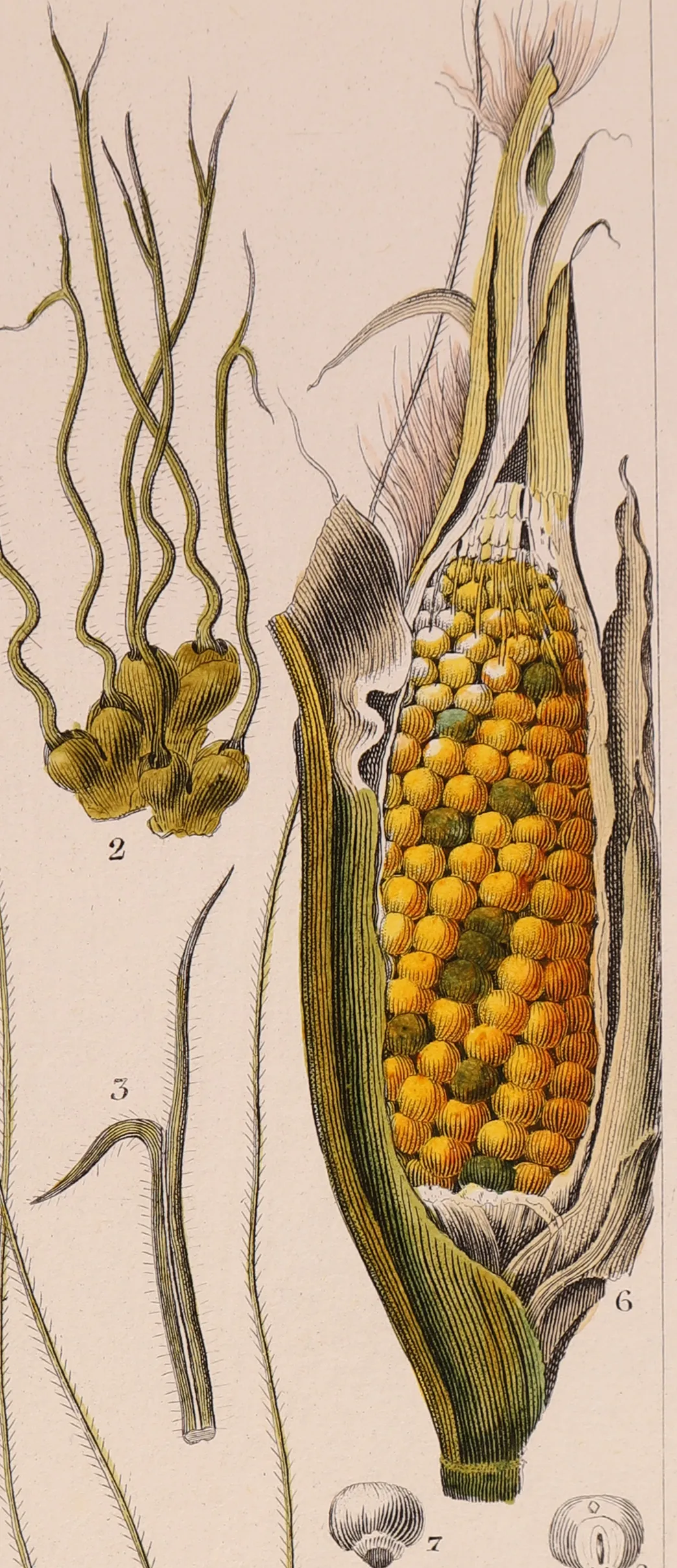
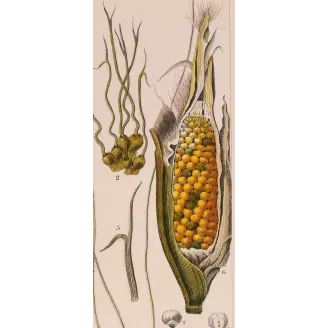
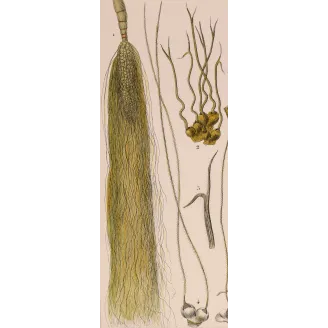
Turpin renders the tall central stalk with architectural clarity, while the pendant tassels and broad leaves introduce rhythmic movement. The second plate isolates the ear, silk, and sectional views with disciplined precision, transforming a staple food into a subject of morphological investigation.
Both engravings belong to the Italian edition of the Dizionario di Scienze Naturali (Florence, Battelli press), a monumental early nineteenth-century encyclopedic enterprise dedicated to cataloguing the natural world through refined copperplate engraving and systematic observation.
— • —
The primary plate is vertically structured, with the maize stalk rising in balanced proportion. The green and yellow tonal transitions create subtle depth without overwhelming the composition. The tassel crown establishes lightness at the upper register, while the developing ear provides chromatic weight at mid-height.
The companion analytical plate emphasizes structure over monumentality. The exposed kernels, silk threads, and sectional diagrams are arranged with measured spacing, preserving scientific clarity. Displayed together, the pair creates a dialogue between organism and anatomy — cultivation and classification — making the ensemble both visually refined and intellectually grounded.
Zea mays is one of the most consequential cultivated plants in human history. Originating in the Americas and introduced to Europe in the sixteenth century, maize rapidly transformed agricultural systems, diets, and rural economies. By the early nineteenth century, it had become a staple crop across parts of Italy and central Europe. Its inclusion in the Dizionario di Scienze Naturali reflects not exotic curiosity, but agricultural centrality. For Enlightenment botanists, maize represented both economic sustenance and morphological complexity — a grass whose reproductive structure warranted detailed analytical study.
These plates form part of the historic Dizionario di Scienze Naturali, once preserved within a noble library and today housed in the Sacchetti Collection. Each engraving embodies a period when agricultural science and artisanal engraving intersected — from the precision of the copperplate line to the carefully applied hand-colouring executed sheet by sheet.
Such works were conceived as authoritative visual documents of knowledge, bridging cultivation and classification. To explore the broader story of these rare prints and their refined provenance, we invite you to read our editorial feature “Not Just Another Print”.
Both engravings are in Like Brand New (LBN) antique condition. The sheets retain clean, well-preserved margins and sharp, clearly defined impressions. The original smooth early nineteenth-century wove paper remains stable and fresh in appearance. No watermark has been observed. The hand-colouring is balanced and well preserved across both plates.
For further context on Pierre Jean François Turpin and his contribution to nineteenth-century botanical science, see our editorial feature:
Pierre Jean François Turpin – The Botanical Illustrator of Natural Harmony
Specific References
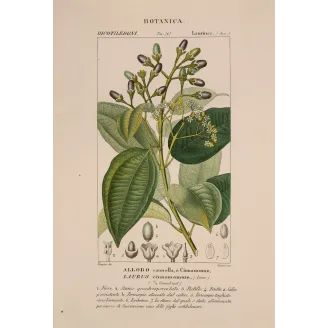
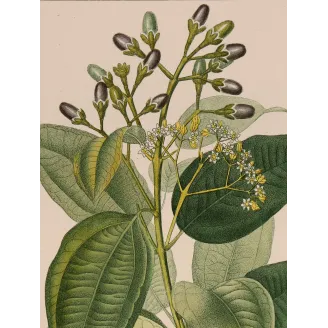
Elegant illustration of Laurus cinnamomum, showing leaves, flowers and seeds.
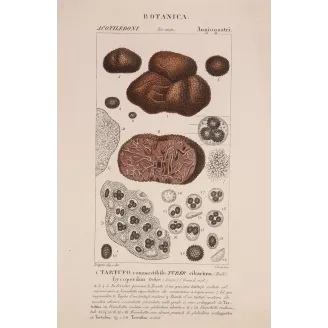
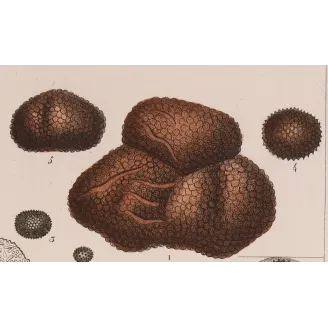
Unusual and fascinating botanical study of truffle morphology, rich in scientific detail.
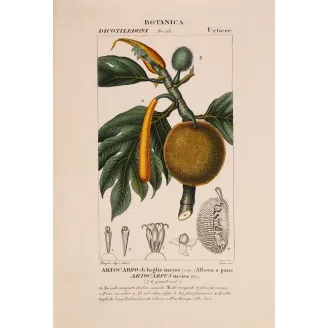
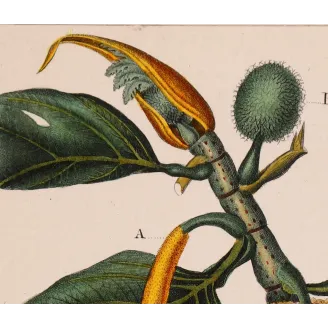
An extraordinary 19th-century engraving of *Artocarpus incisa*, the breadfruit tree, showcasing its bold leaves and unique fruit texture.
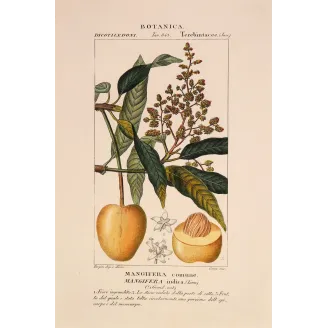
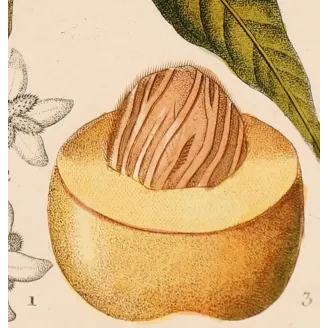
Vibrant hand-colored depiction of *Mangifera indica*, the mango tree, highlighting its lush leaves, golden fruit, and floral details.
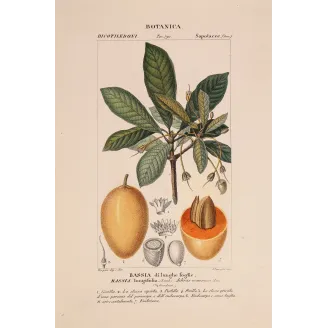
A rare depiction of *Bassia longifolia*, showing its elongated leaves and fruit sections in precise scientific detail and soft hand-colored tones.
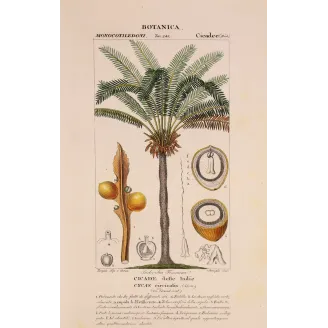
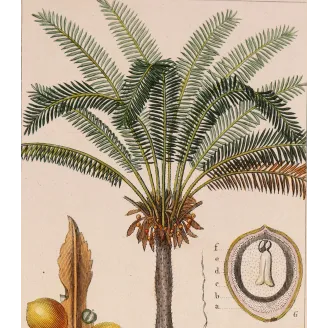
A detailed antique plate of Cycas circinalis, the Indian Sago Palm, showing the female specimen and fruit anatomy.
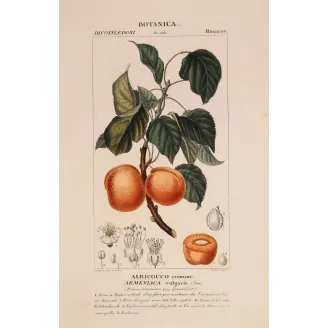
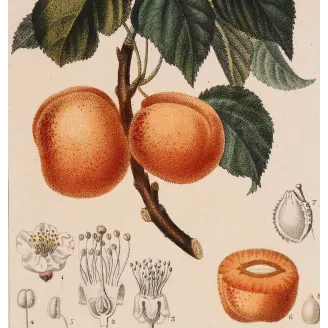
Original 19th-century botanical engraving of the common apricot, showing its velvety orange fruits and lush green leaves, rendered with great naturalistic balance.
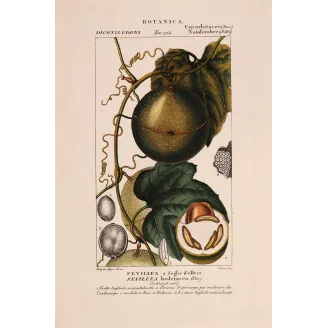
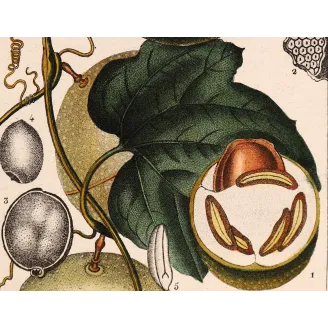
A coordinated pair of engravings depicting *Fevillea hederacea*, with intricate tendrils and elegant fruit structure, hand-colored with precision.
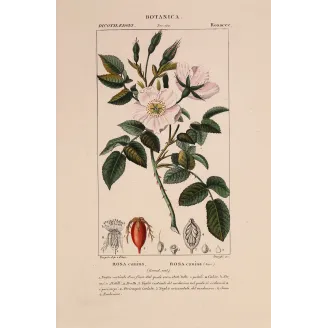
Delicate dog rose flower with soft pink petals and fine botanical details.
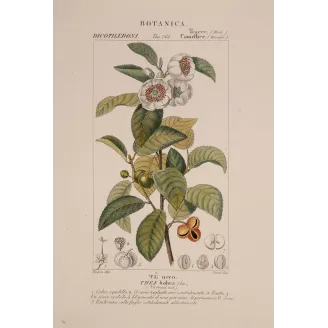
Delicate and detailed illustration of the tea plant, with floral and seed elements beautifully depicted.
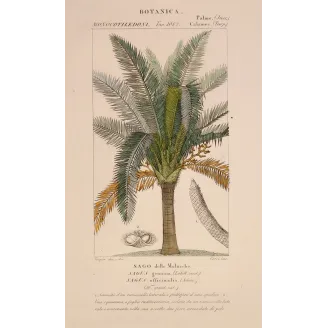
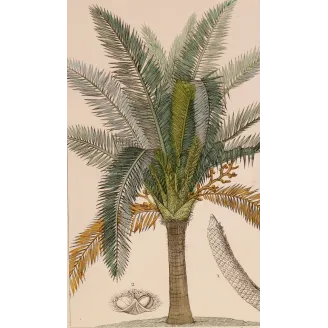
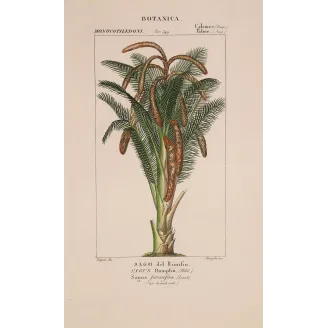
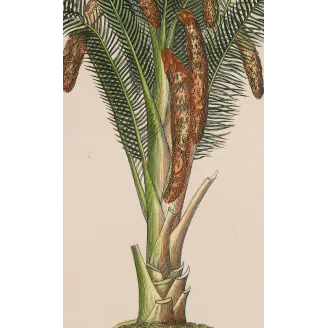
A pair of plates dedicated to the sago palm tree and its structural details.
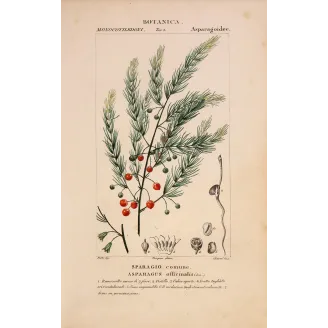
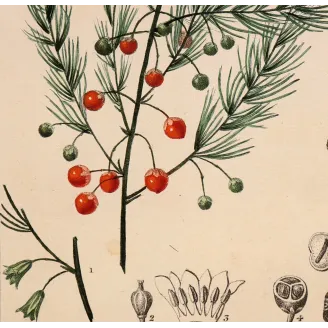
Botanical print of Asparagus officinalis by Turpin, featuring vivid orange berries.
Double plate of cultivated maize (Zea mays) from Turpins botanical series.