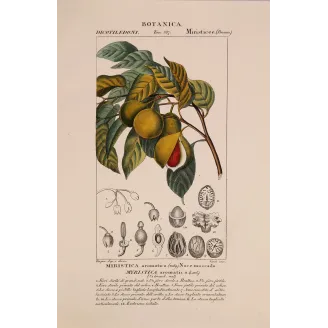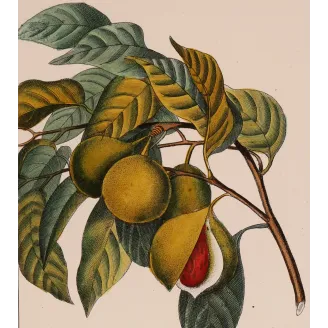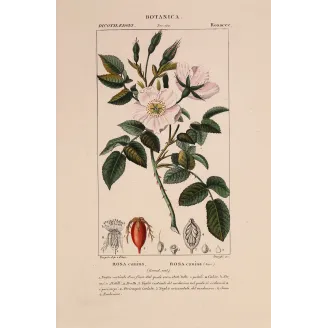
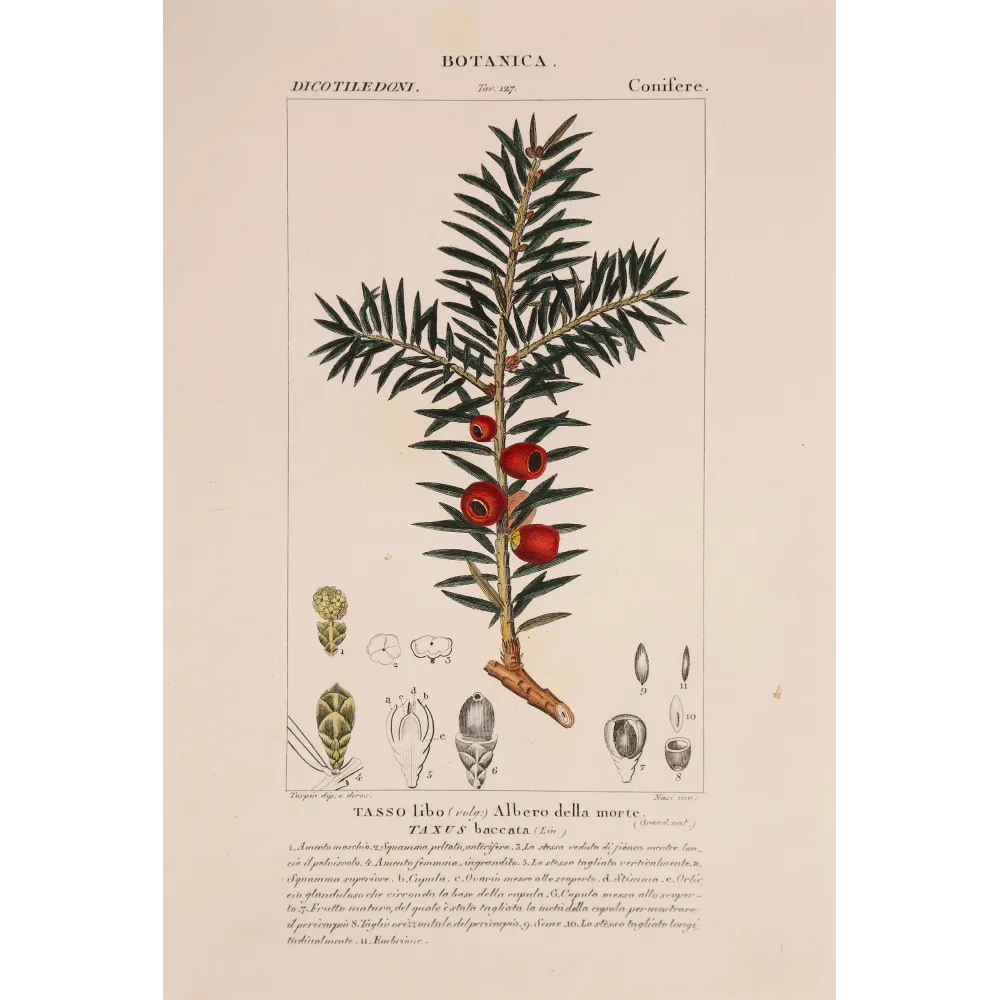
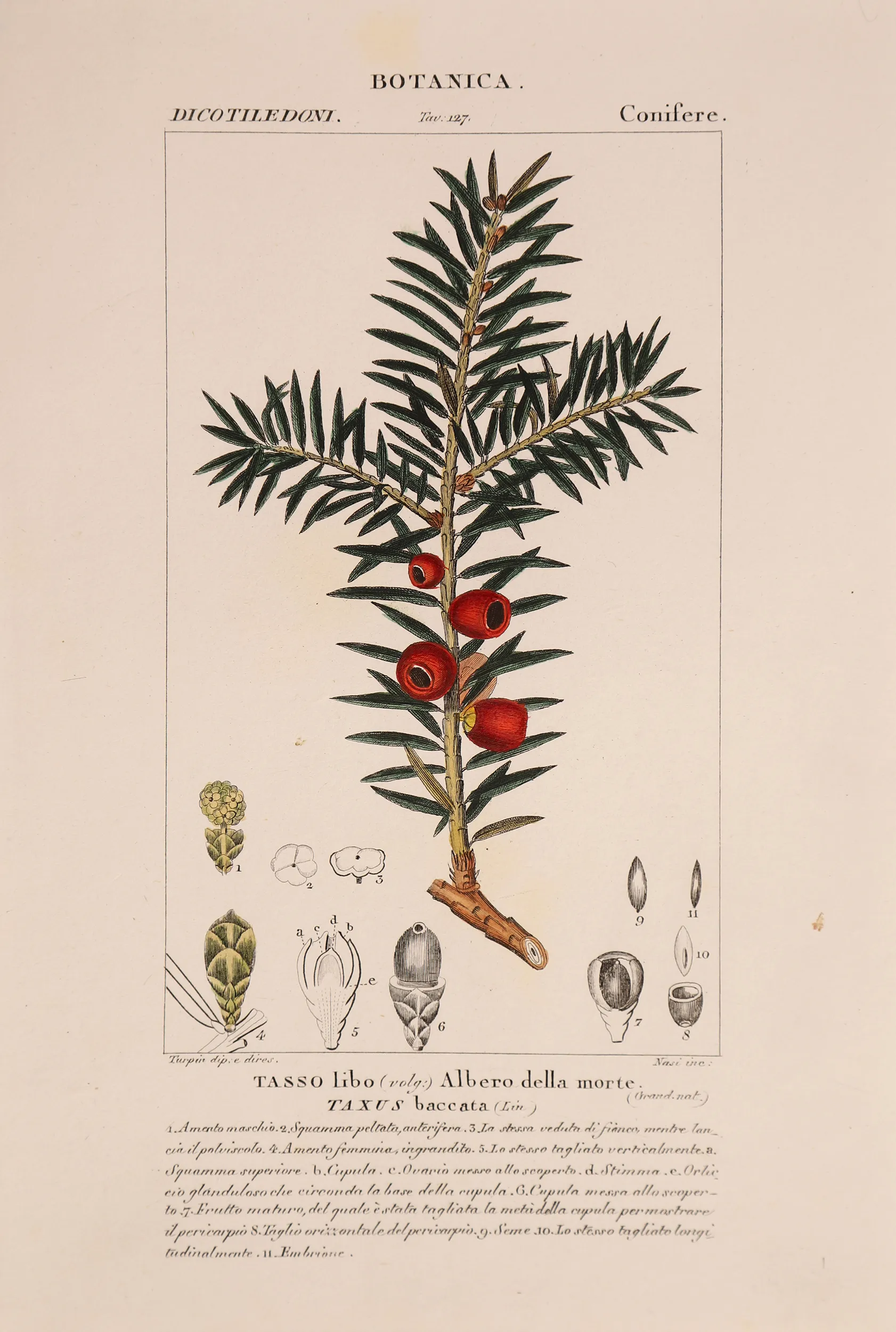
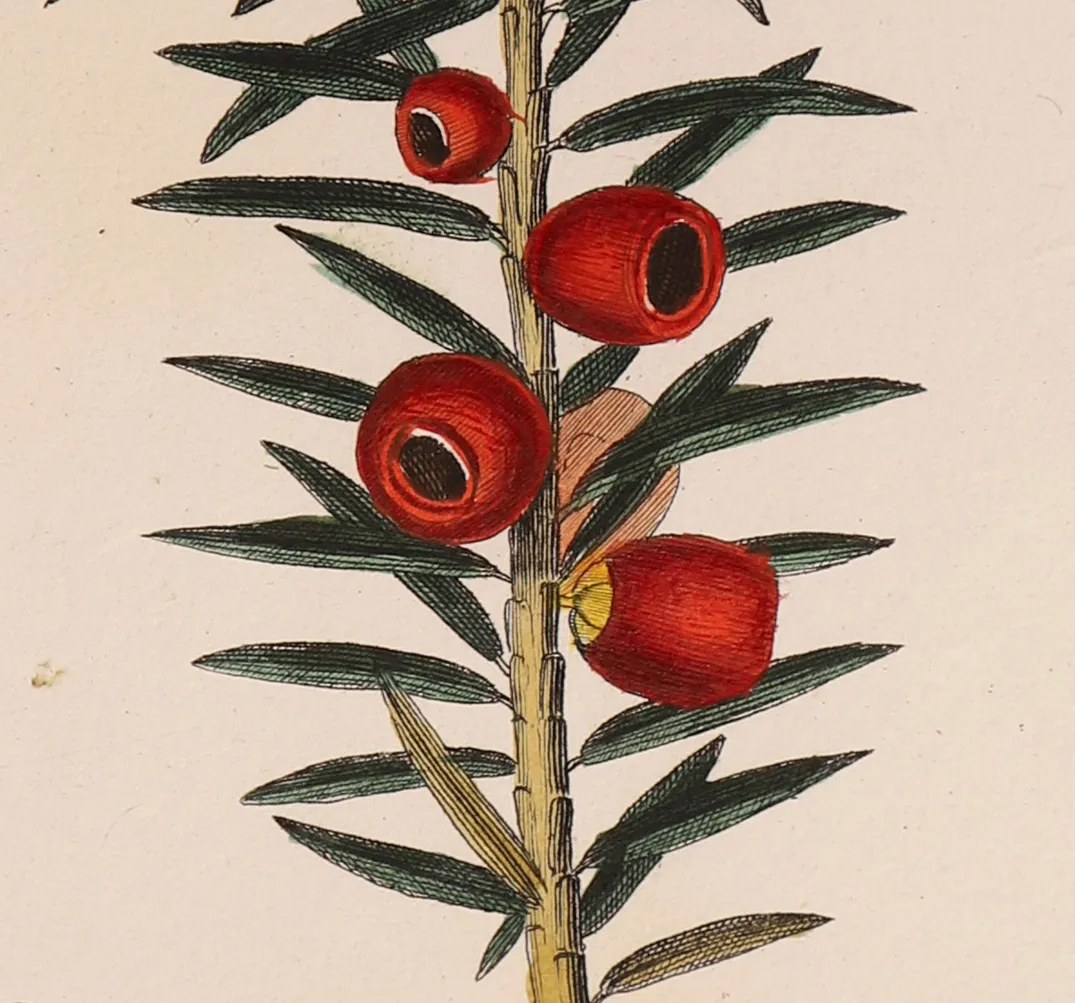
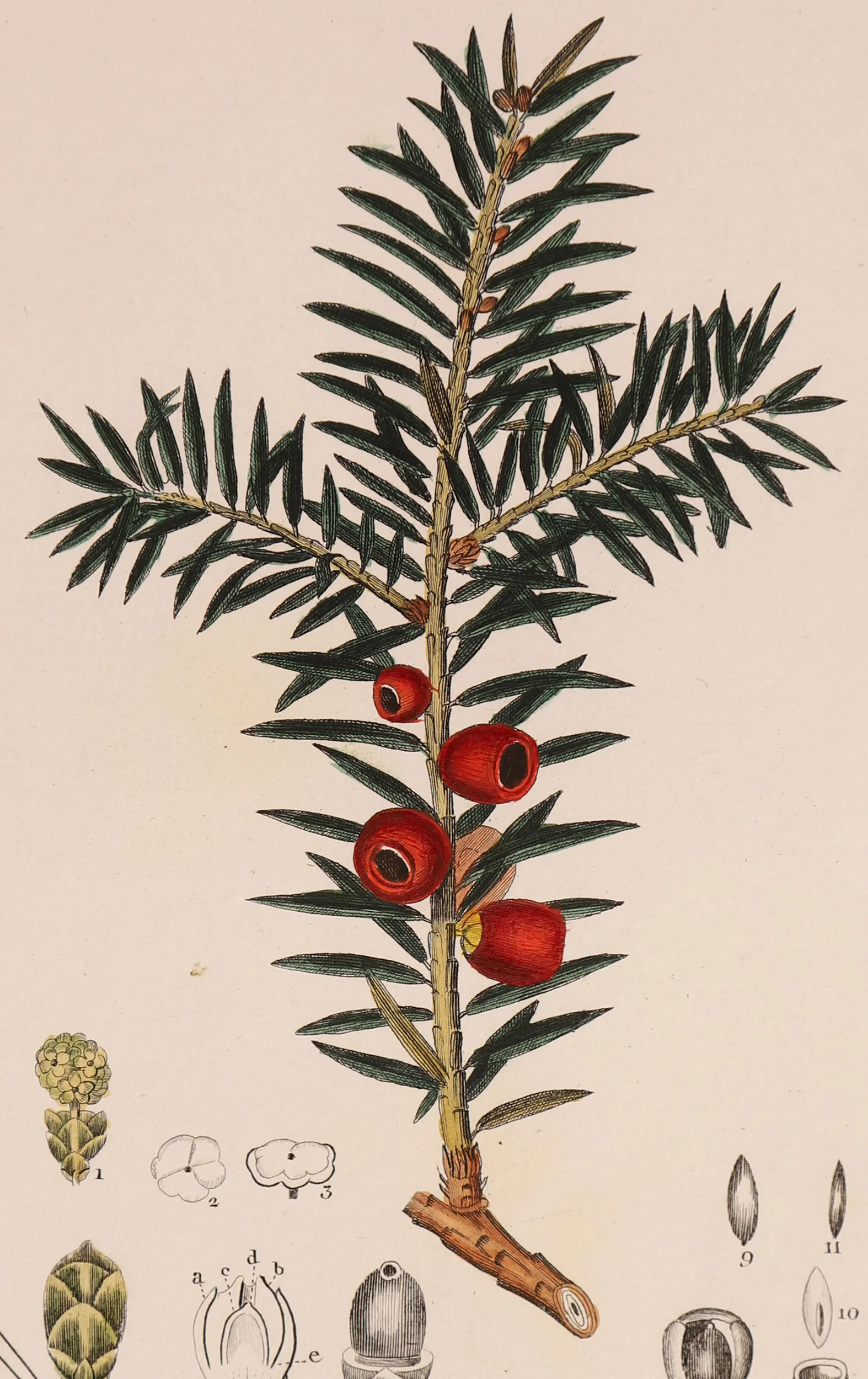

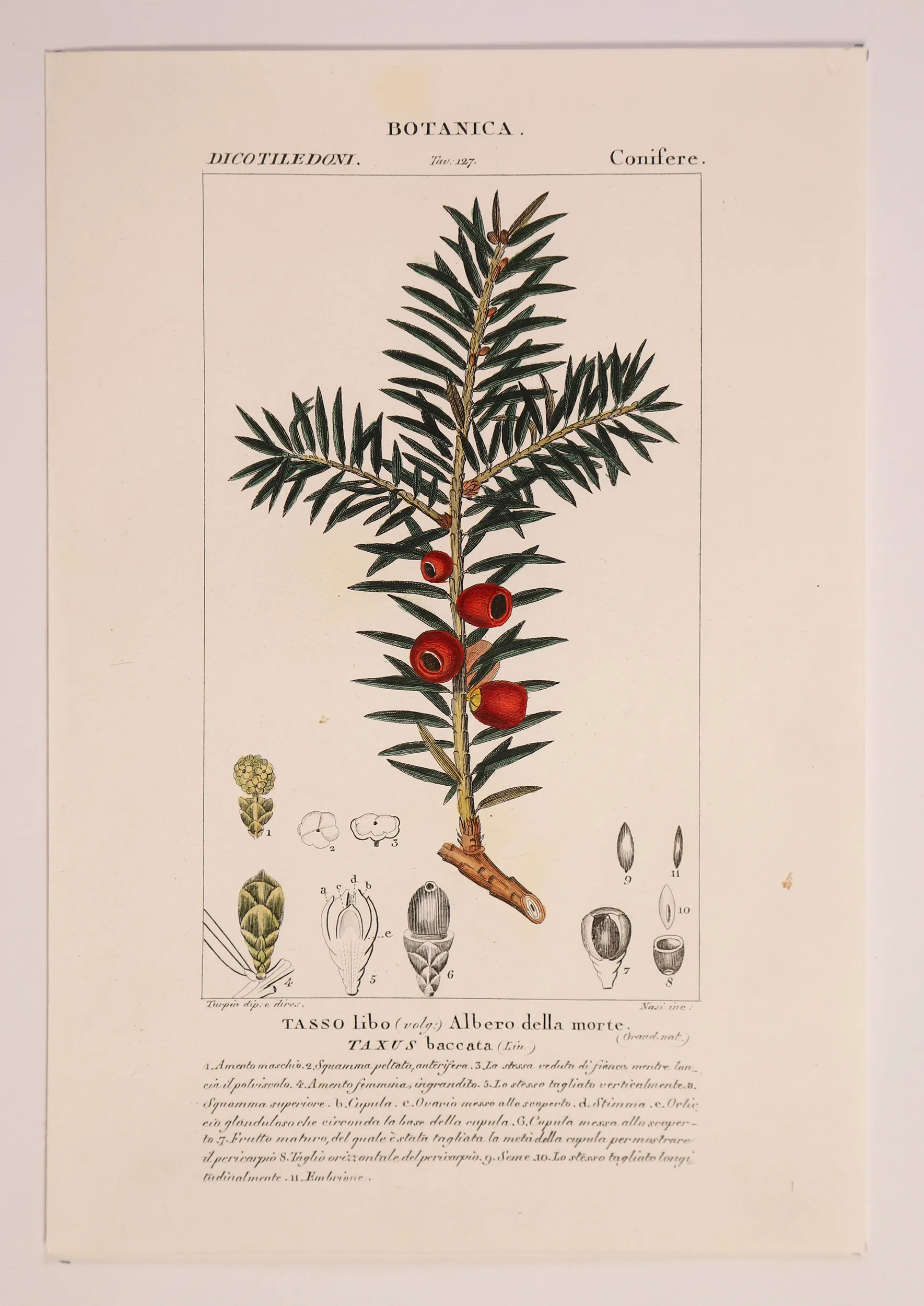
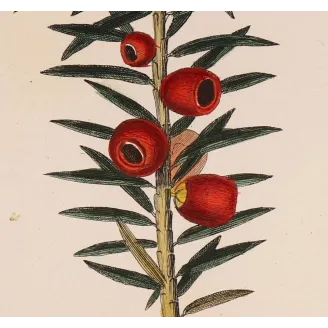
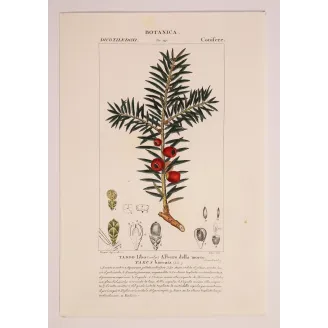
Antique botanical of the poisonous yew tree, with vivid red arils.
 Delivery policy
Your print will be carefully prepared and shipped worldwide via trusted couriers (UPS or similar).
 Authentic antique prints
Original engravings from the 17th–19th century.
This original hand-colored engraving presents Taxus baccata, the European yew, rendered with disciplined precision and structural clarity. The plate combines a complete branch with characteristic red arils and a sequence of botanical dissections, offering both visual restraint and scientific depth.
Turpin’s composition is austere and balanced: dark evergreen needles arranged in measured symmetry along the stem, punctuated by luminous red fruits that provide subtle chromatic contrast. The anatomical figures placed below articulate seed structure and reproductive detail, grounding the image firmly in systematic botanical study.
The engraving belongs to the Italian edition of the Dizionario di Scienze Naturali (Florence, Battelli press), an early nineteenth-century encyclopedic undertaking dedicated to cataloguing the natural world through refined copperplate engraving and careful observation.
— • —
The composition is linear and controlled, defined by the vertical stem and horizontal branching. Deep green tonal fields dominate the visual space, while the red arils create focal accents of restrained intensity. The contrast between the living branch and the precisely rendered sectional views below introduces a dialogue between organic growth and analytical method.
Displayed individually, the plate offers a quiet, contemplative presence. Its chromatic sobriety makes it particularly suitable for interiors that favor heritage tones and botanical understatement.
Taxus baccata, native to Europe and parts of western Asia, has long occupied a distinctive place in botanical, cultural, and symbolic history. Frequently planted in churchyards and formal gardens, the yew became associated with longevity, endurance, and solemnity. At the same time, its botanical characteristics — evergreen foliage, fleshy arils surrounding a single seed, and toxic properties — made it an important subject in early modern natural history. Its inclusion in encyclopedic works such as the Dizionario di Scienze Naturali reflects the period’s effort to reconcile cultural familiarity with systematic classification.
This plate forms part of the historic Dizionario di Scienze Naturali, once preserved within a noble library and today housed in the Sacchetti Collection. Each engraving embodies a period when scientific inquiry and artisanal skill converged — from the precision of the engraved copperplate line to the carefully applied hand-colouring executed sheet by sheet.
Such works were conceived as authoritative visual documents of knowledge. To explore the broader story of these rare prints and their refined provenance, we invite you to read our editorial feature “Not Just Another Print”.
The engraving is in excellent antique condition. The sheet presents clean margins and a crisp, well-defined impression. The original early nineteenth-century smooth wove paper remains stable and well preserved. No watermark has been observed. The hand-colouring retains balanced tonal depth, with particularly well-preserved greens and vivid red accents in the arils.
For further context on Pierre Jean François Turpin and his contribution to nineteenth-century botanical science, see our editorial feature:
Pierre Jean François Turpin – The Botanical Illustrator of Natural Harmony
Specific References
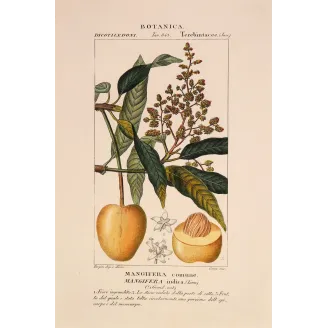
Vibrant hand-colored depiction of *Mangifera indica*, the mango tree, highlighting its lush leaves, golden fruit, and floral details.
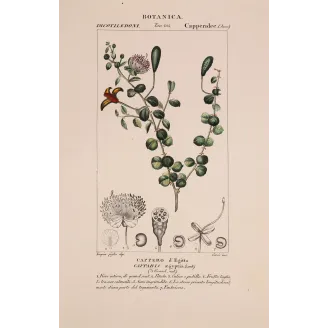
Vibrant caper plant illustration with both flowers and fruiting structures.
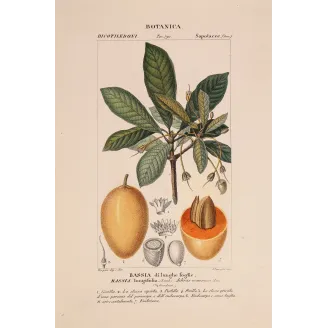
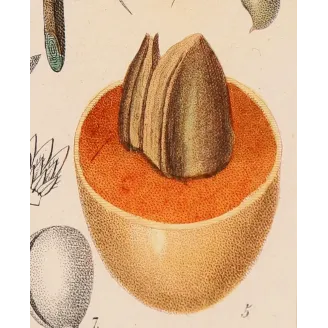
A rare depiction of *Bassia longifolia*, showing its elongated leaves and fruit sections in precise scientific detail and soft hand-colored tones.
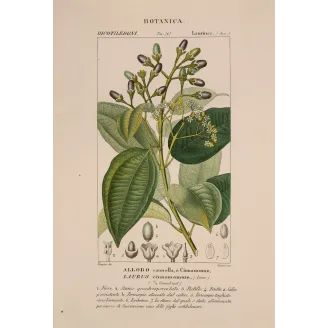
Elegant illustration of Laurus cinnamomum, showing leaves, flowers and seeds.
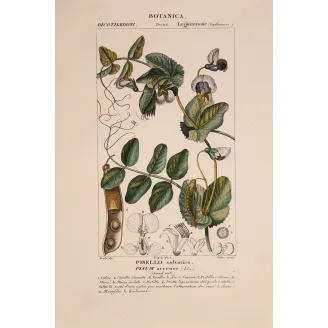
Colorful botanical illustration of Pisum arvense, wild pea, engraved by Turpin.
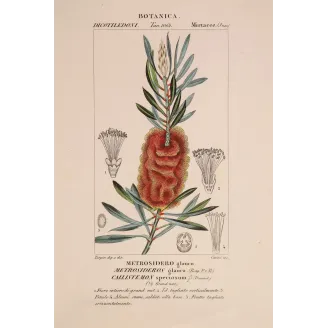
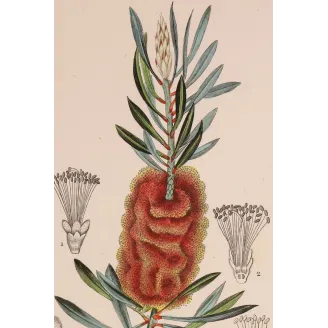
Stunning antique print of the red-flowering Callistemon, also known as bottlebrush.
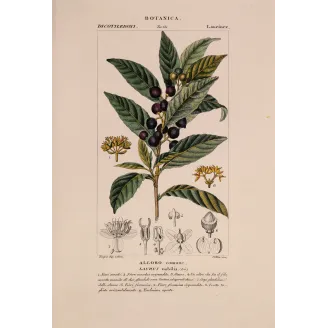
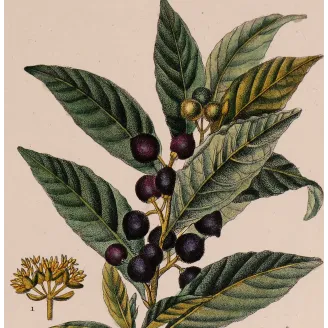
Graceful composition of bay laurel with fruits, blossoms, and internal flower structure.
Striking botanical print of nutmeg fruit with cutaway sections and seed structure.
Delicate dog rose flower with soft pink petals and fine botanical details.
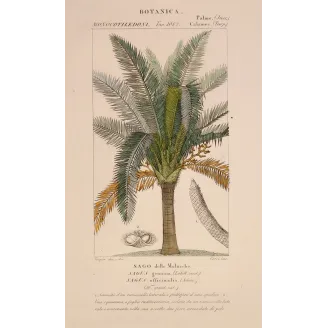
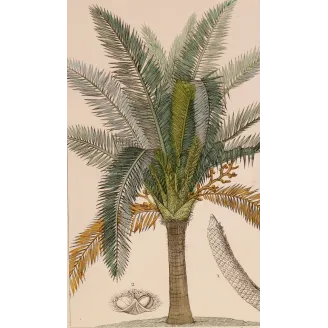
A pair of plates dedicated to the sago palm tree and its structural details.
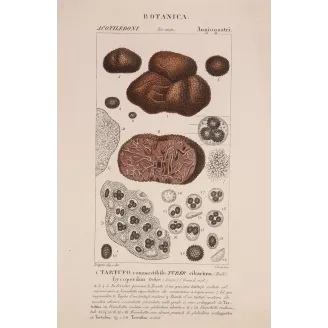
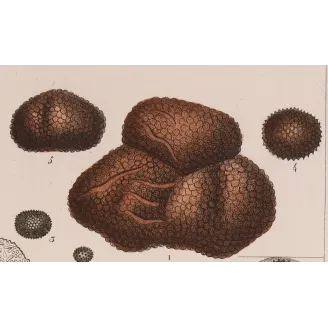
Unusual and fascinating botanical study of truffle morphology, rich in scientific detail.
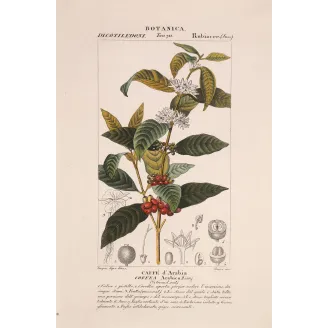
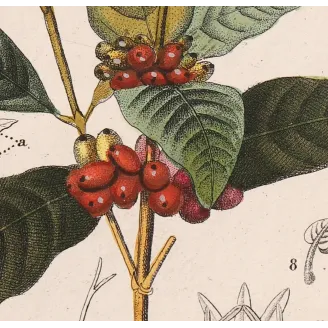
Botanical plate of Coffea arabica with vivid red berries and detailed floral structure.
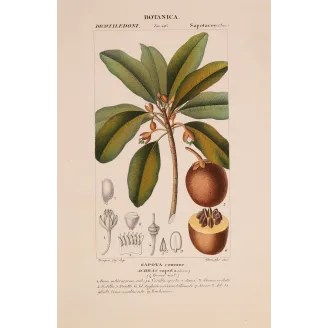
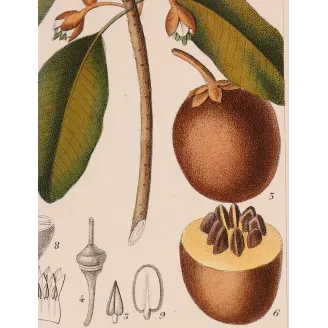
A warm-toned botanical engraving of *Achras sapota*, featuring its rounded fruit and large green leaves with exquisite texture
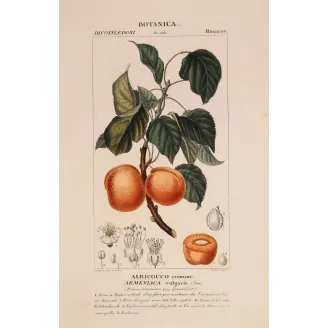
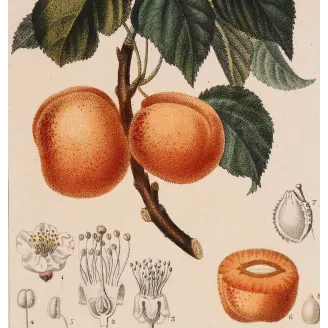
Original 19th-century botanical engraving of the common apricot, showing its velvety orange fruits and lush green leaves, rendered with great naturalistic balance.
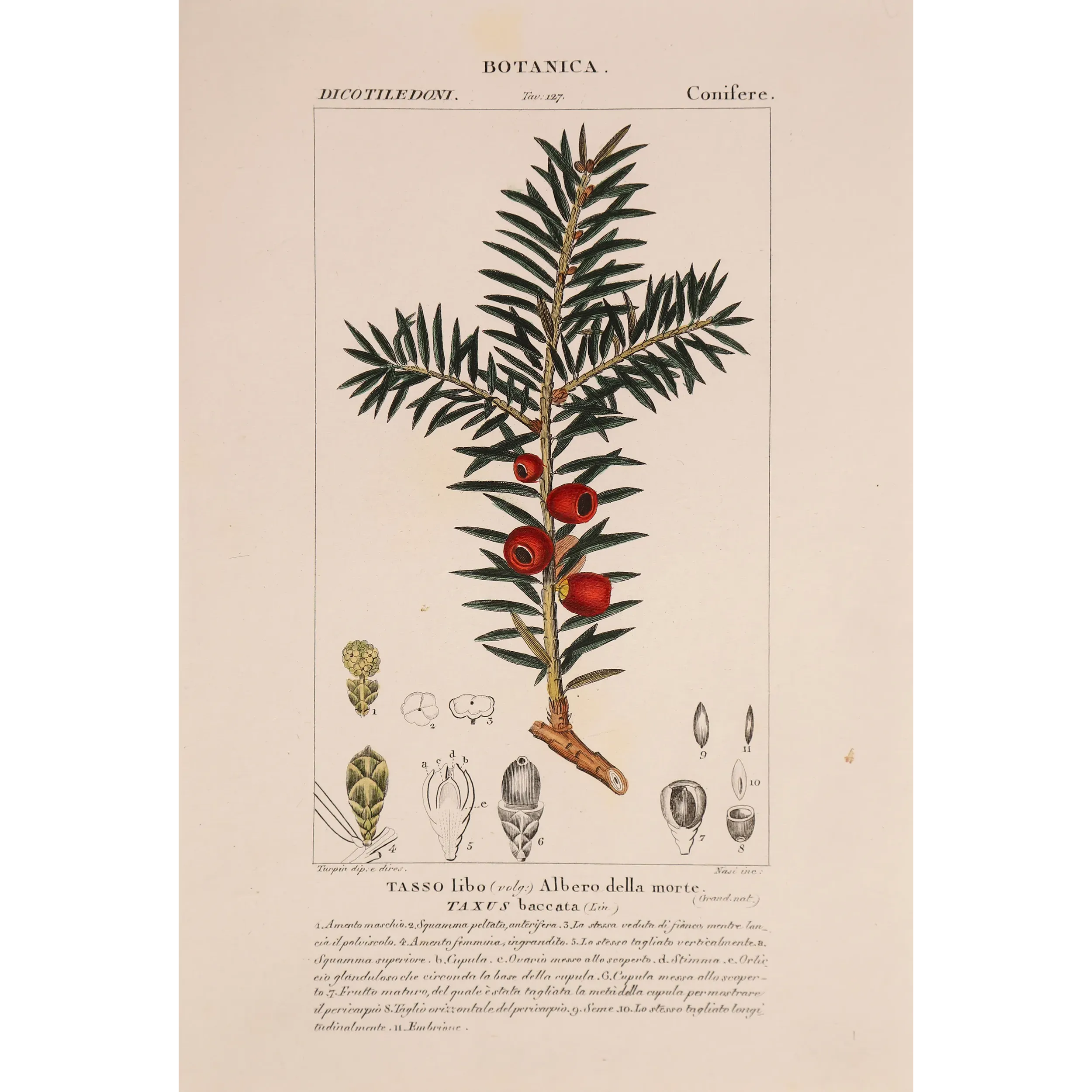
Antique botanical of the poisonous yew tree, with vivid red arils.