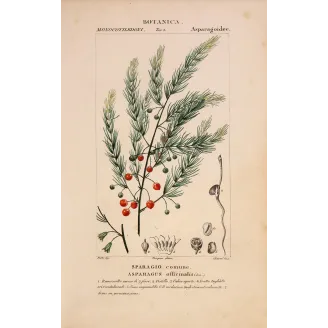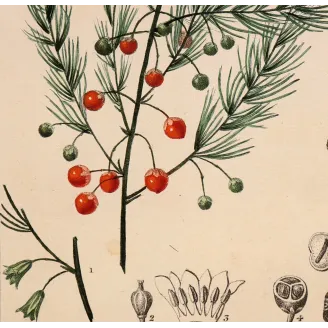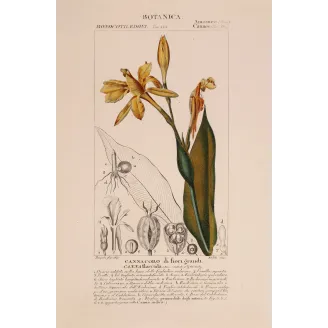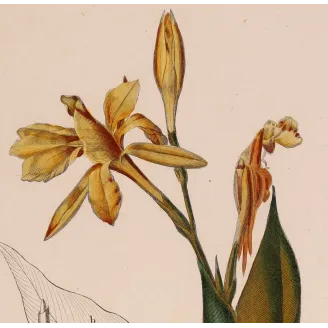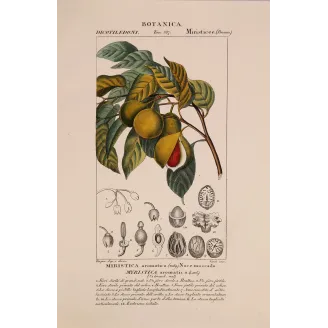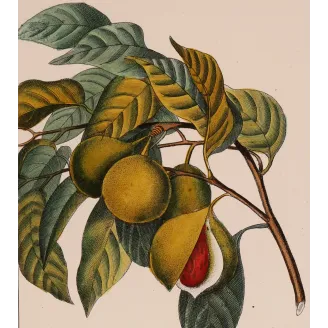
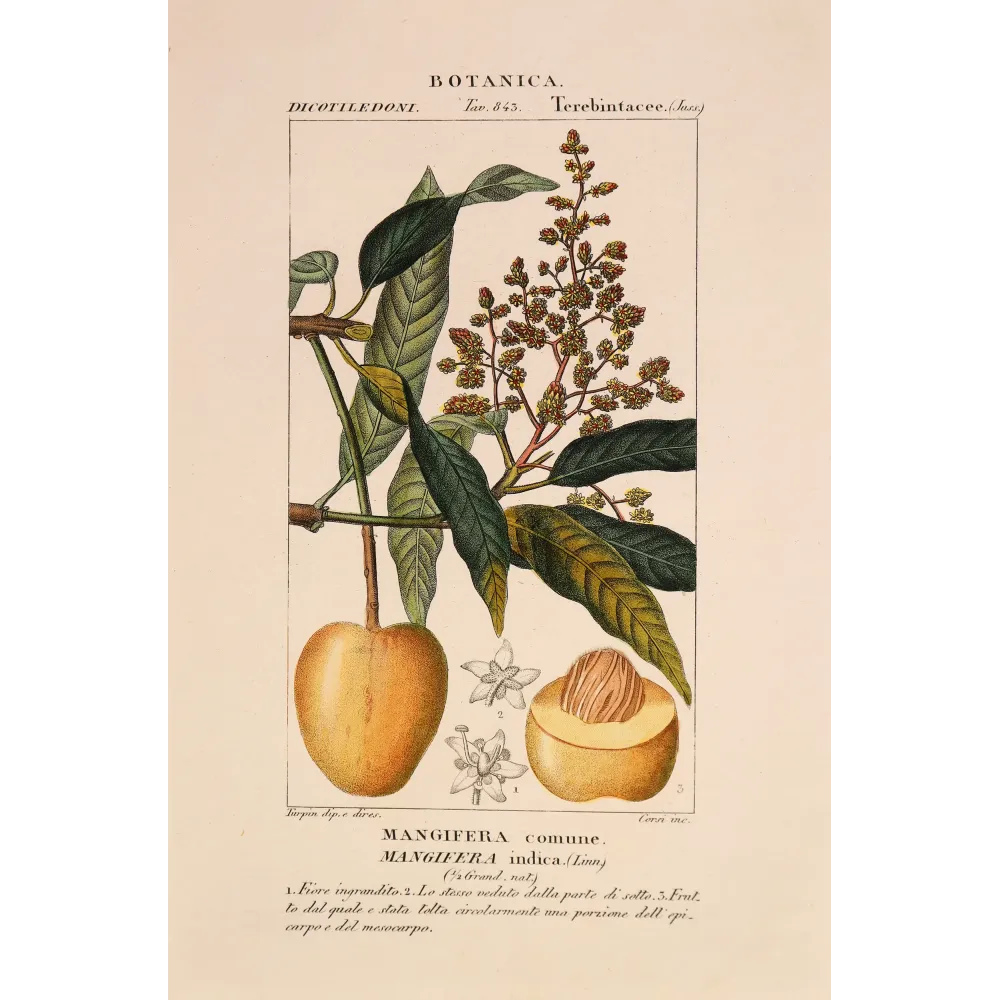
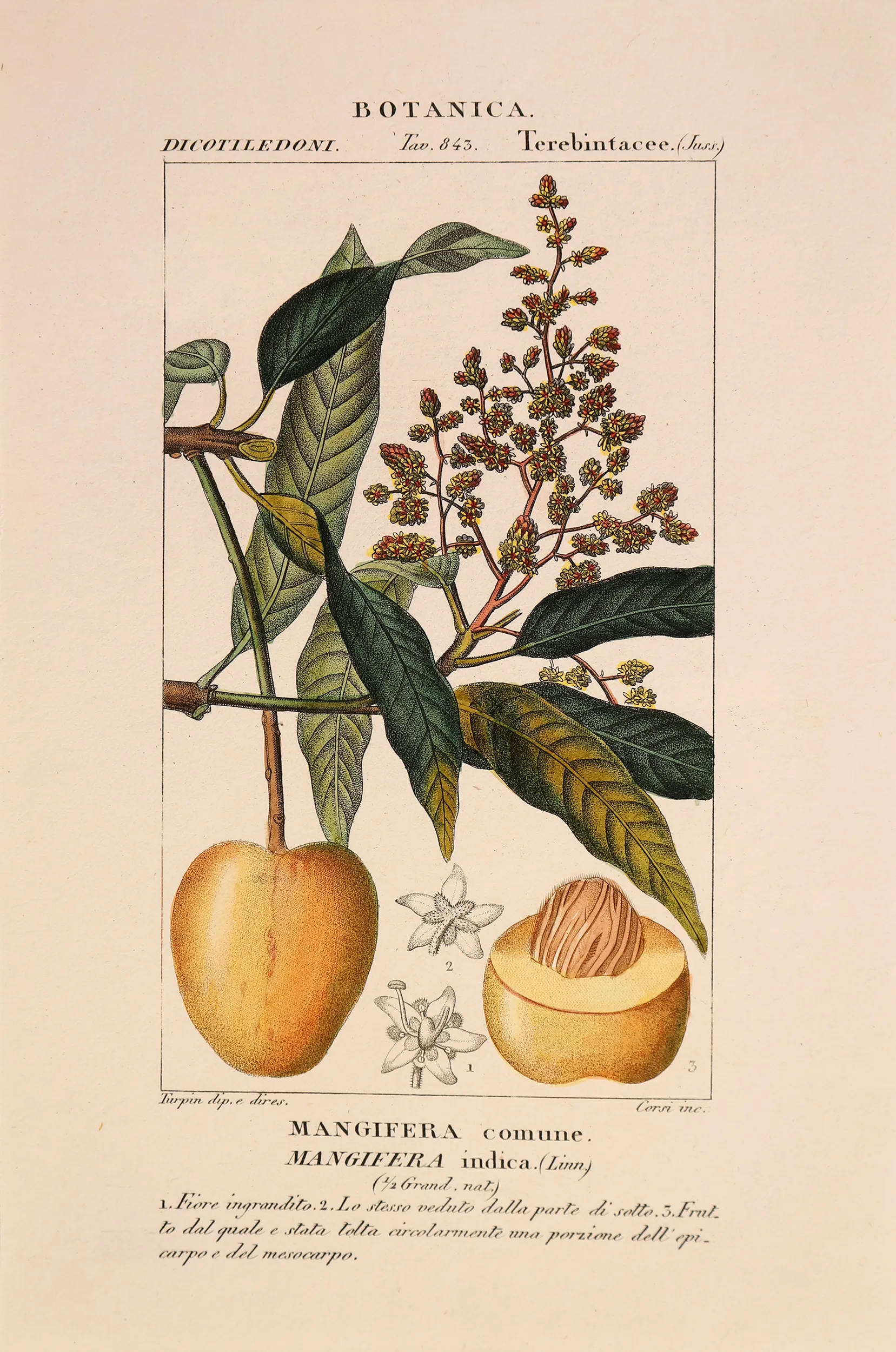

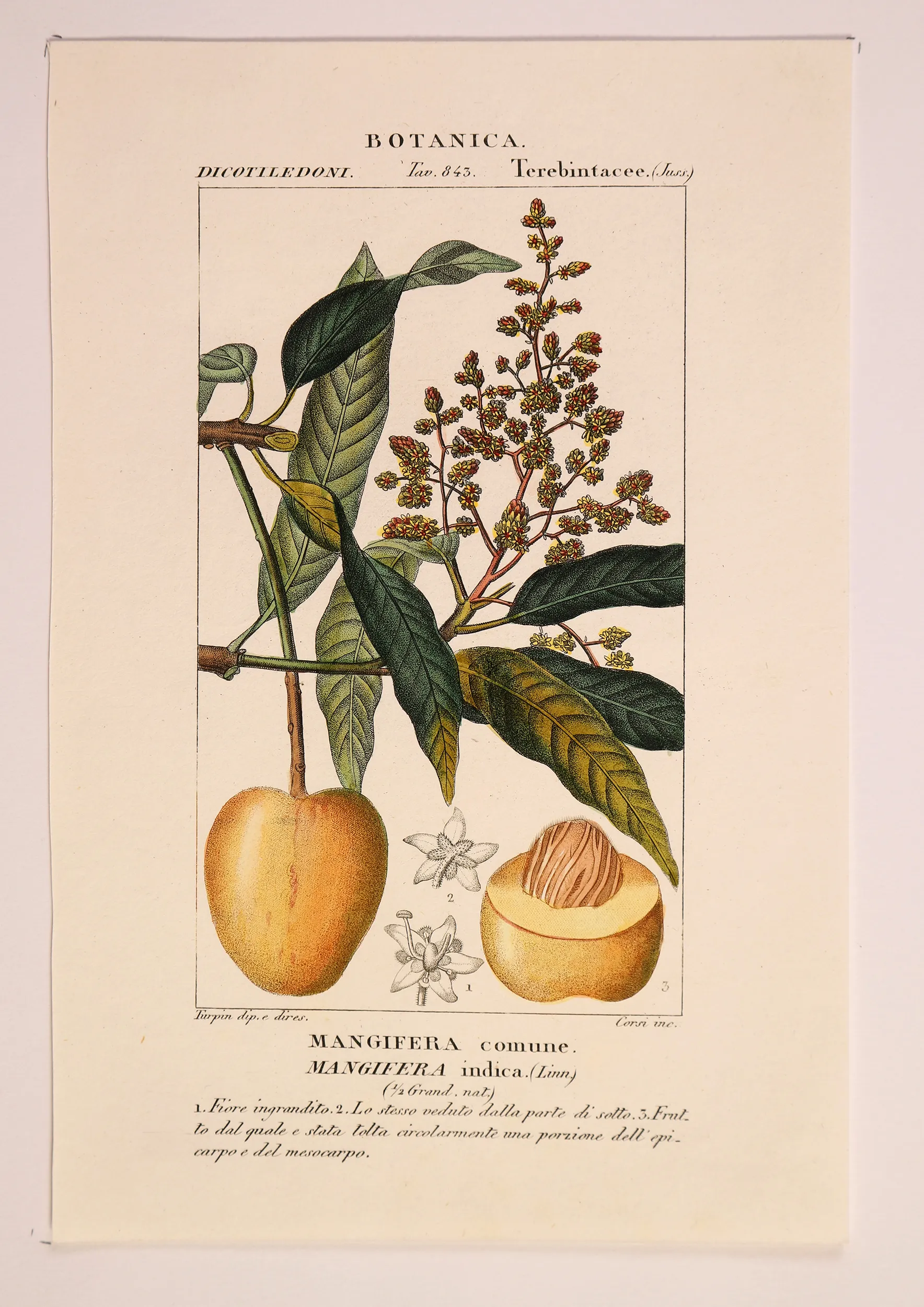
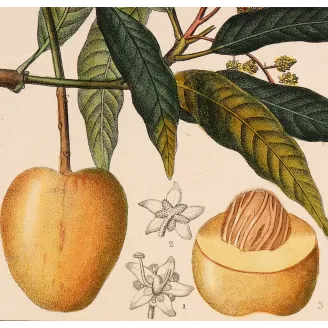
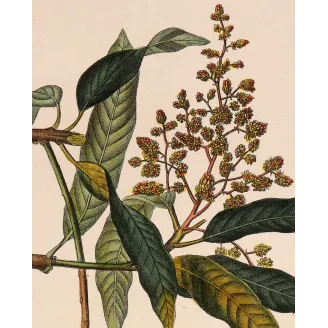
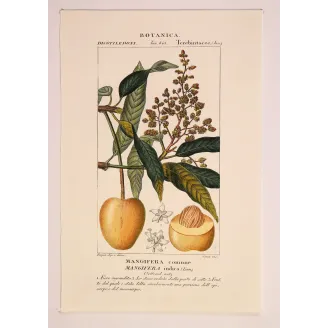
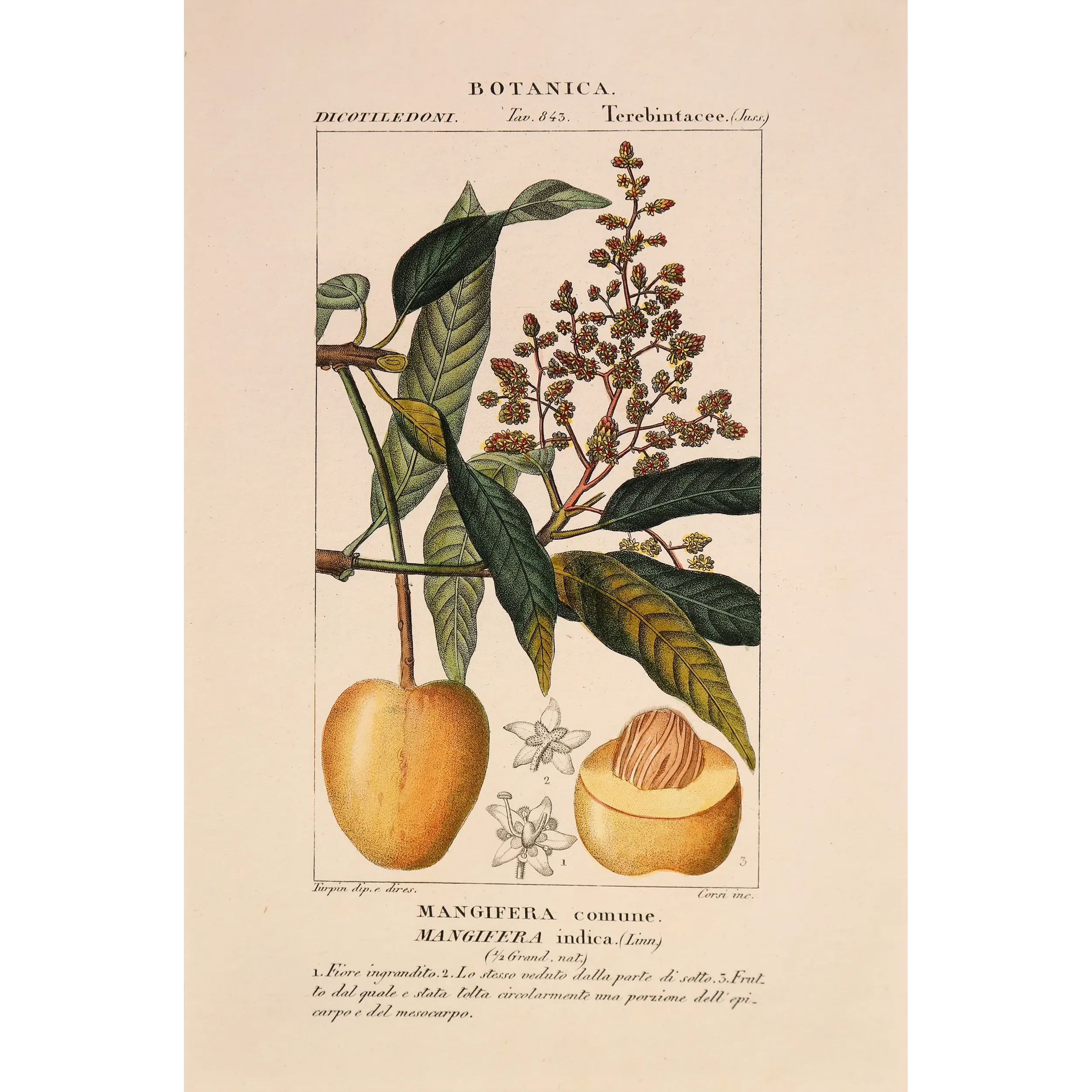
Vibrant hand-colored depiction of *Mangifera indica*, the mango tree, highlighting its lush leaves, golden fruit, and floral details.
 Delivery policy
Your print will be carefully prepared and shipped worldwide via trusted couriers (UPS or similar).
 Authentic antique prints
Original engravings from the 17th–19th century.
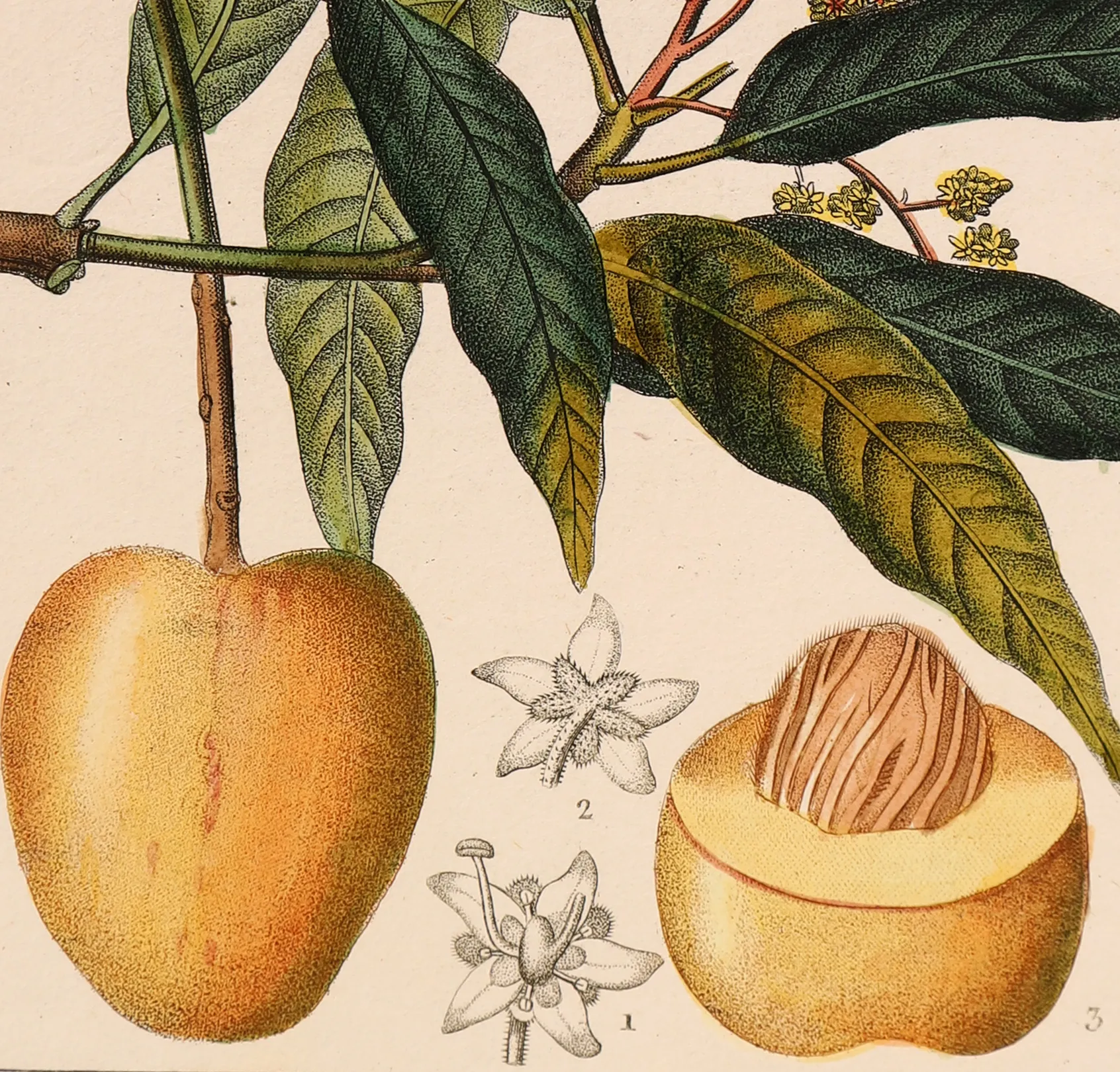
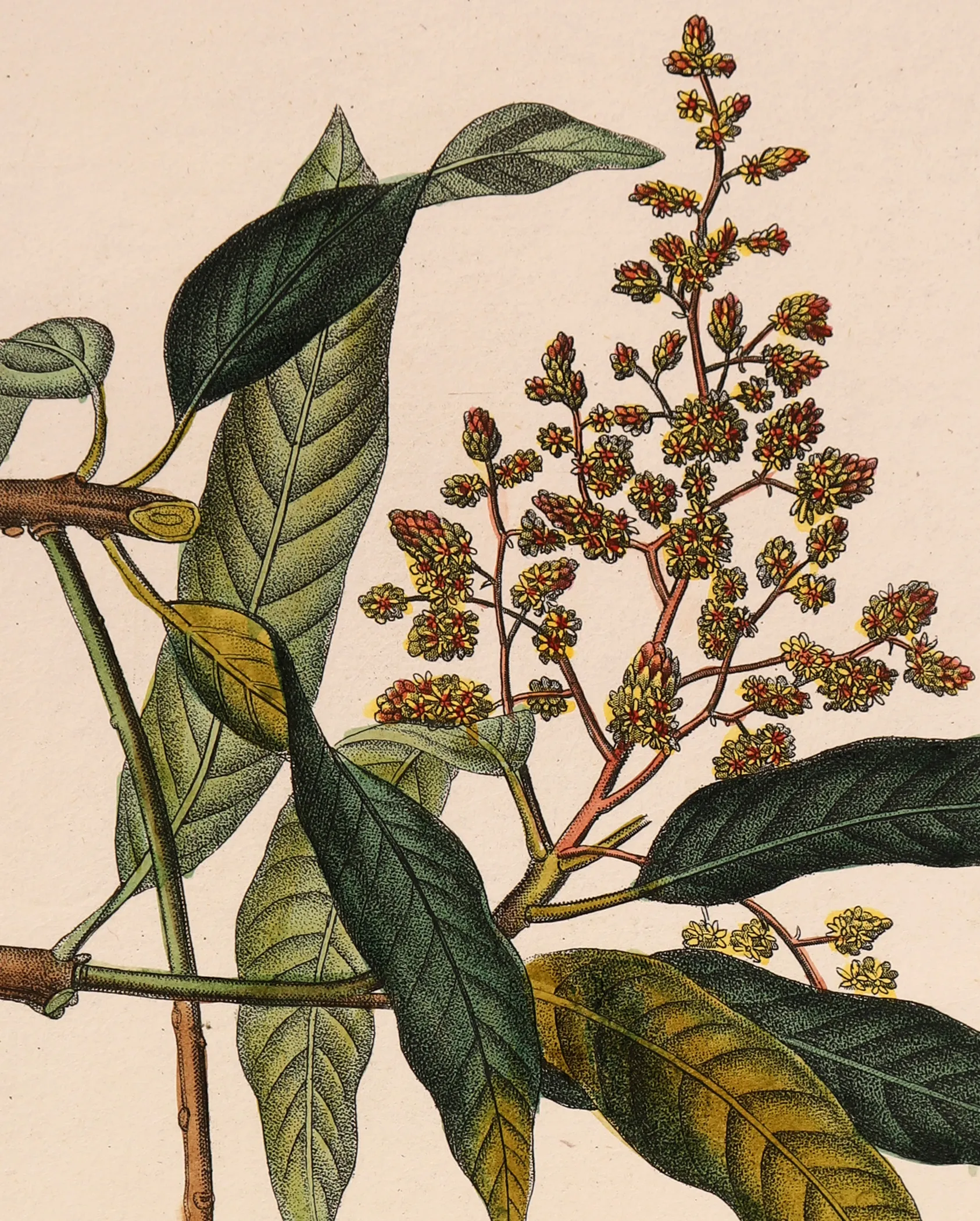
This original hand-colored engraving presents Mangifera indica, the mango, depicted with both botanical discipline and compositional elegance. The plate combines a fruiting branch with enlarged floral detail and a sectional study of the fruit, offering a complete visual account of one of the most culturally significant fruit trees of the Indian subcontinent.
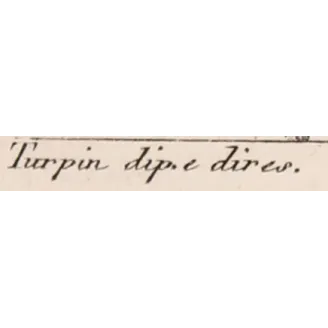
The elongated fruit, rendered with soft tonal transitions from golden yellow to warm amber, anchors the composition with quiet monumentality. Above, the delicate inflorescence contrasts with the broad, dark green leaves, introducing rhythm and vertical balance. Turpin’s refined linework allows the subject to retain clarity without sacrificing aesthetic restraint.
The engraving belongs to the Italian edition of the Dizionario di Scienze Naturali (Florence, Battelli press), a monumental early nineteenth-century encyclopedic publication dedicated to systematic natural history.
— • —
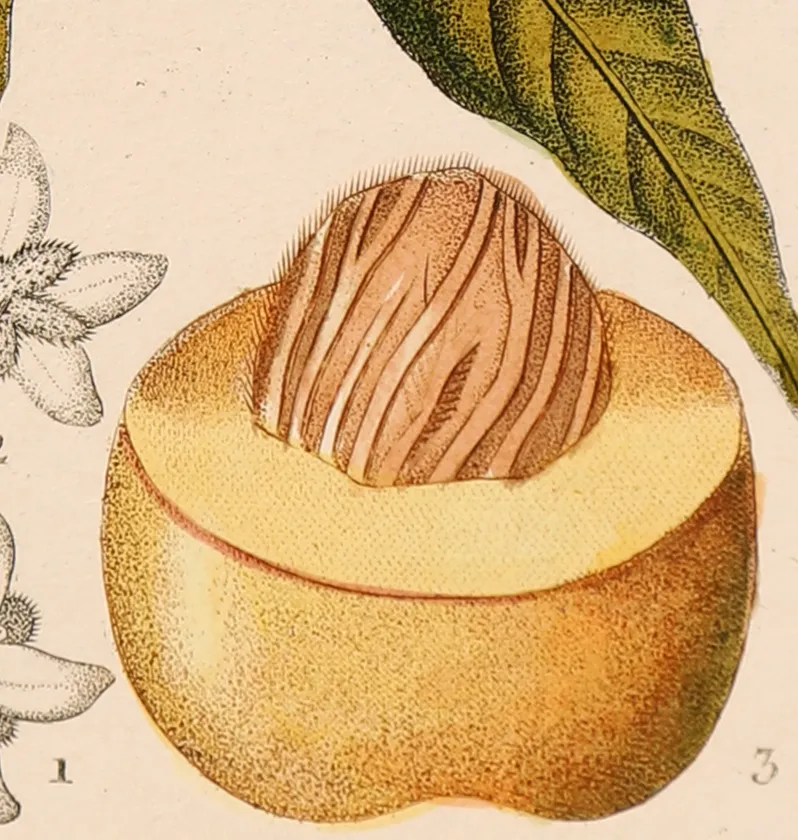
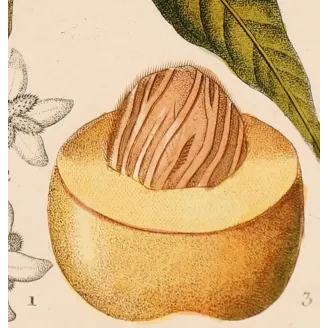
The plate is structured around vertical ascent: from the weight of the fruit to the lightness of the flowering branch. The cut section below introduces anatomical precision, revealing the fibrous interior and central seed. The color palette remains warm yet controlled, allowing the image to function equally as a scientific document and as a refined decorative focal point.
Unlike more purely ornamental botanical subjects, this engraving retains a measured intellectual presence—its authority grounded in clarity and proportion.
Mangifera indica is native to South Asia and has been cultivated in India for millennia. Beyond its culinary value, the mango occupies a symbolic role in Indian art and architecture, often associated with fertility, prosperity, and abundance. Its distinctive curved form influenced decorative motifs that travelled across regions, eventually appearing in European textile design.
Within early nineteenth-century European publishing, such species can be understood as part of Turpin’s “fruits of the global age” — plants that entered botanical literature alongside expanding commercial networks and scientific exchange between Asia and Europe. The engraving therefore reflects not only a tropical fruit, but the circulation of ideas, goods, and forms that defined an increasingly interconnected world.
This plate forms part of the historic Dizionario di Scienze Naturali, once preserved within a noble library and today housed in the Sacchetti Collection. Each engraving embodies a period when scientific investigation was supported by exceptional artisanal skill — from the precision of the engraved copperplate line to the carefully applied hand-colouring executed sheet by sheet.
To explore the refined provenance of these works, we invite you to read our editorial feature “Not Just Another Print”.
The engraving is preserved in excellent antique condition. The sheet presents clean margins and a sharp, well-defined impression. The original early nineteenth-century smooth wove paper remains stable and evenly toned. No watermark has been observed. The hand-colouring retains clarity, particularly in the fruit’s subtle tonal gradations and the deep green foliage.
For further context on Pierre Jean François Turpin and his contribution to nineteenth-century botanical science, see our editorial feature:
Pierre Jean François Turpin – The Botanical Illustrator of Natural Harmony
Specific References
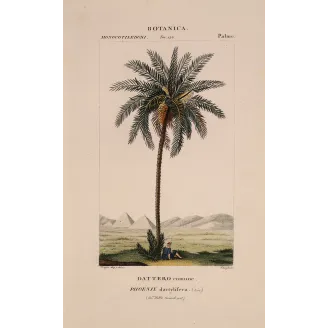
Detailed antique illustrations of the date palm tree and its floral and fruit anatomy.
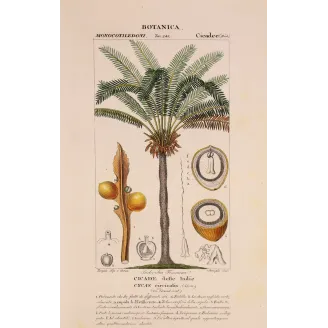
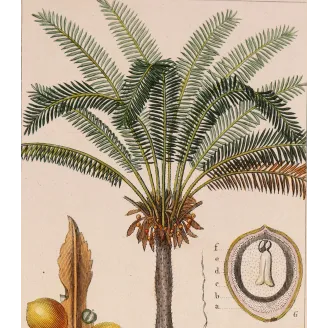
A detailed antique plate of Cycas circinalis, the Indian Sago Palm, showing the female specimen and fruit anatomy.
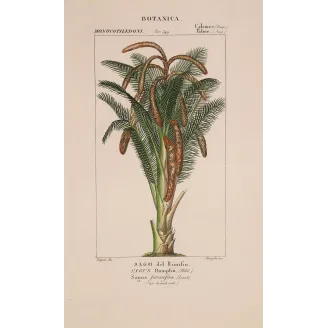
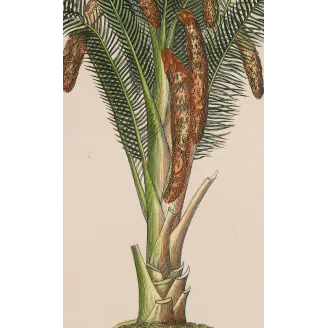
A pair of plates dedicated to the sago palm tree and its structural details.
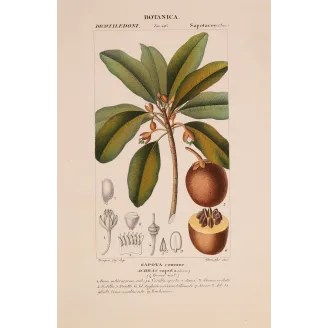
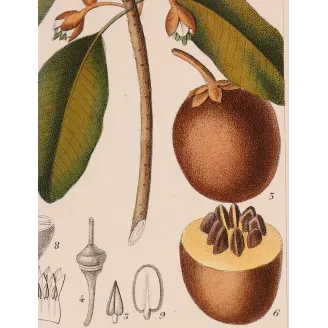
A warm-toned botanical engraving of *Achras sapota*, featuring its rounded fruit and large green leaves with exquisite texture
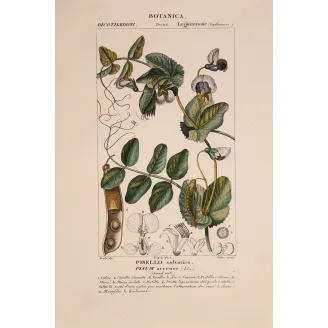
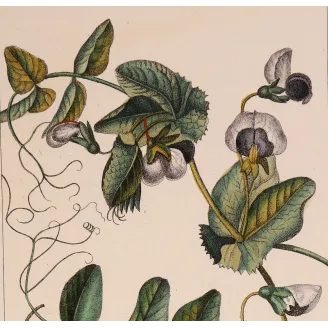
Colorful botanical illustration of Pisum arvense, wild pea, engraved by Turpin.
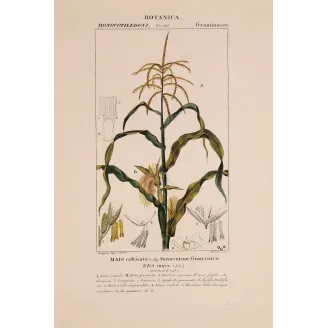
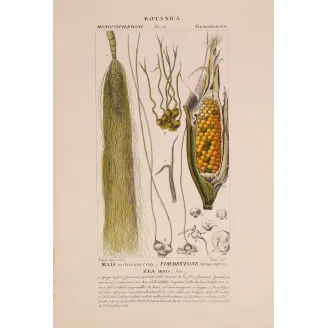
Double plate of cultivated maize (Zea mays) from Turpins botanical series.
Botanical print of Asparagus officinalis by Turpin, featuring vivid orange berries.
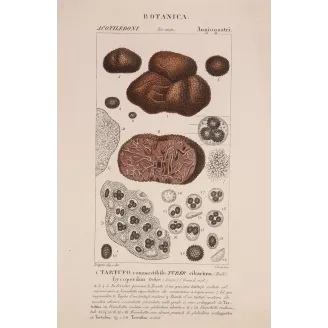
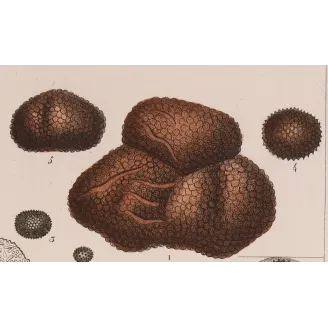
Unusual and fascinating botanical study of truffle morphology, rich in scientific detail.
A complete set of 22 original hand-colored lithographs of ferns by Turpin, from the Dizionario di Scienze Naturali (c. 1830).
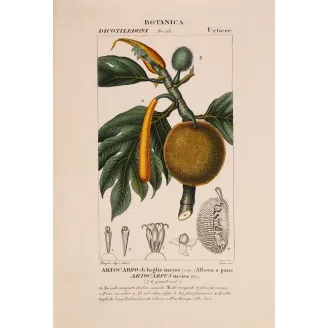
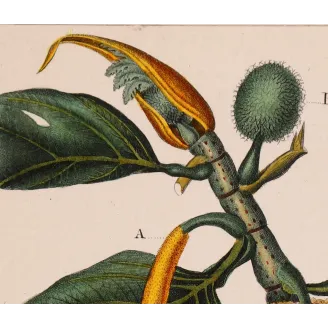
An extraordinary 19th-century engraving of *Artocarpus incisa*, the breadfruit tree, showcasing its bold leaves and unique fruit texture.
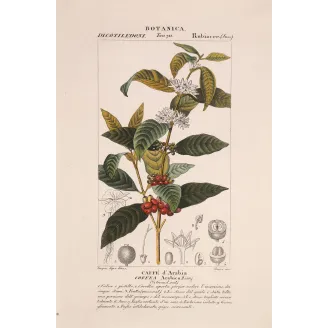
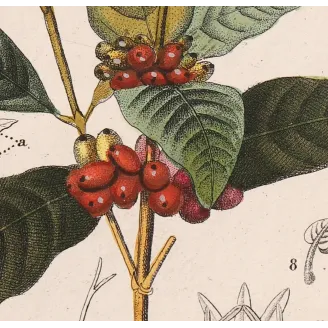
Botanical plate of Coffea arabica with vivid red berries and detailed floral structure.
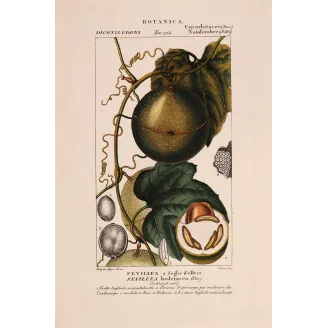
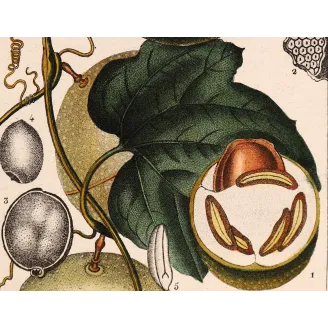
A coordinated pair of engravings depicting *Fevillea hederacea*, with intricate tendrils and elegant fruit structure, hand-colored with precision.
Striking botanical print of nutmeg fruit with cutaway sections and seed structure.
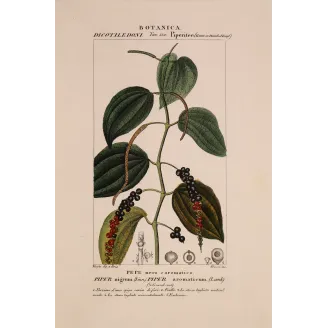
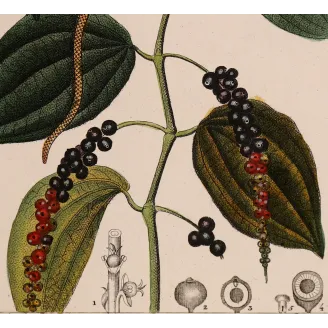
Detailed depiction of the black pepper vine with fruiting spikes and leaves.
A pair of plates dedicated to the sago palm tree and its structural details.
Vibrant hand-colored depiction of *Mangifera indica*, the mango tree, highlighting its lush leaves, golden fruit, and floral details.