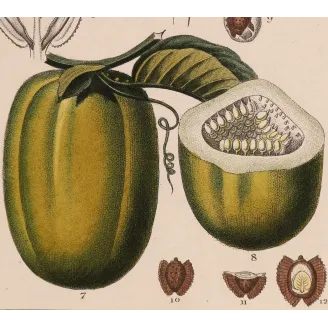
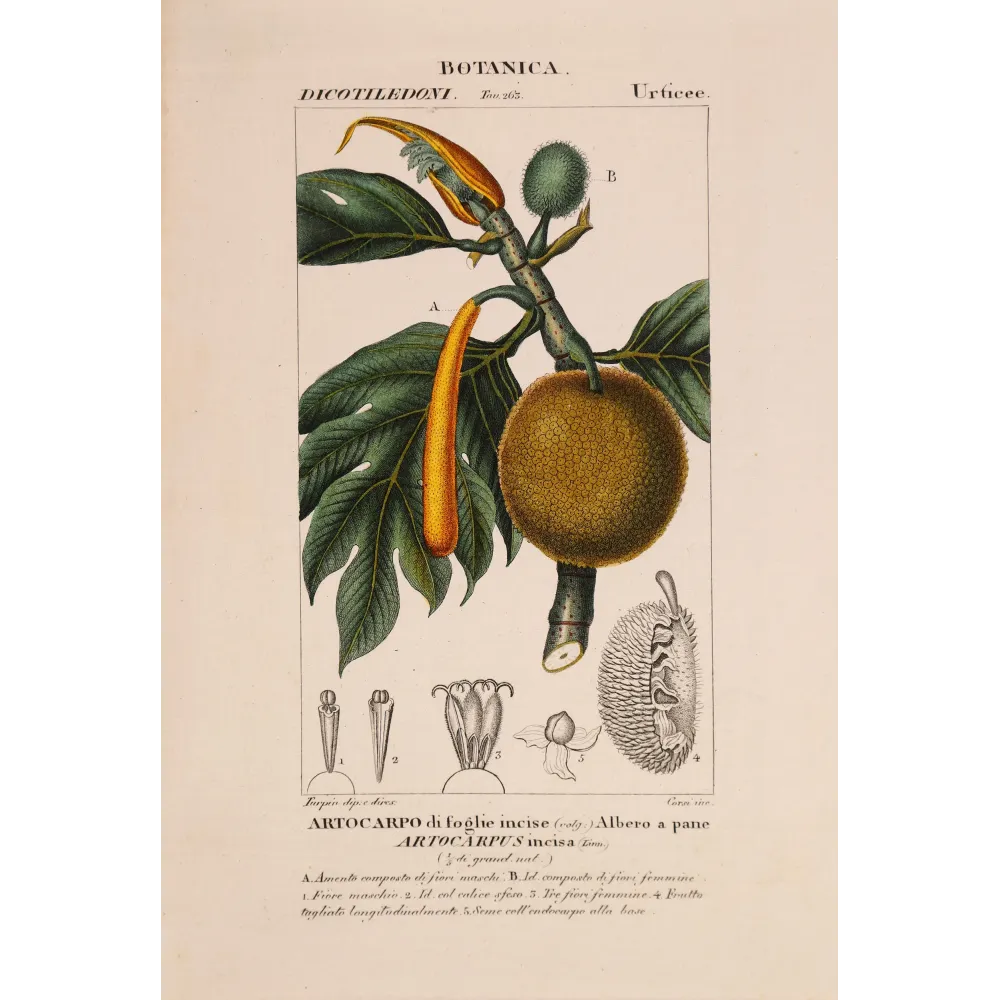
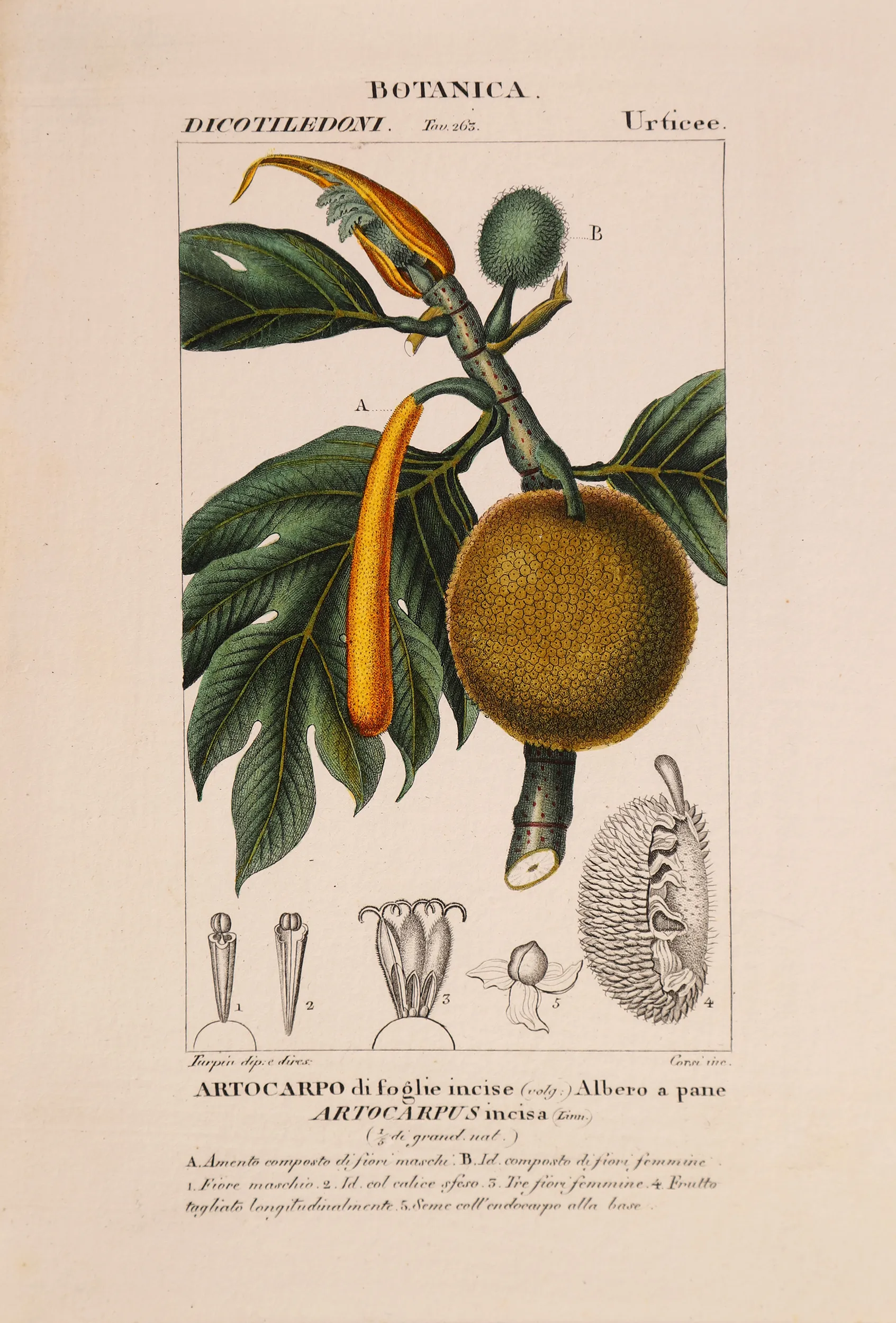
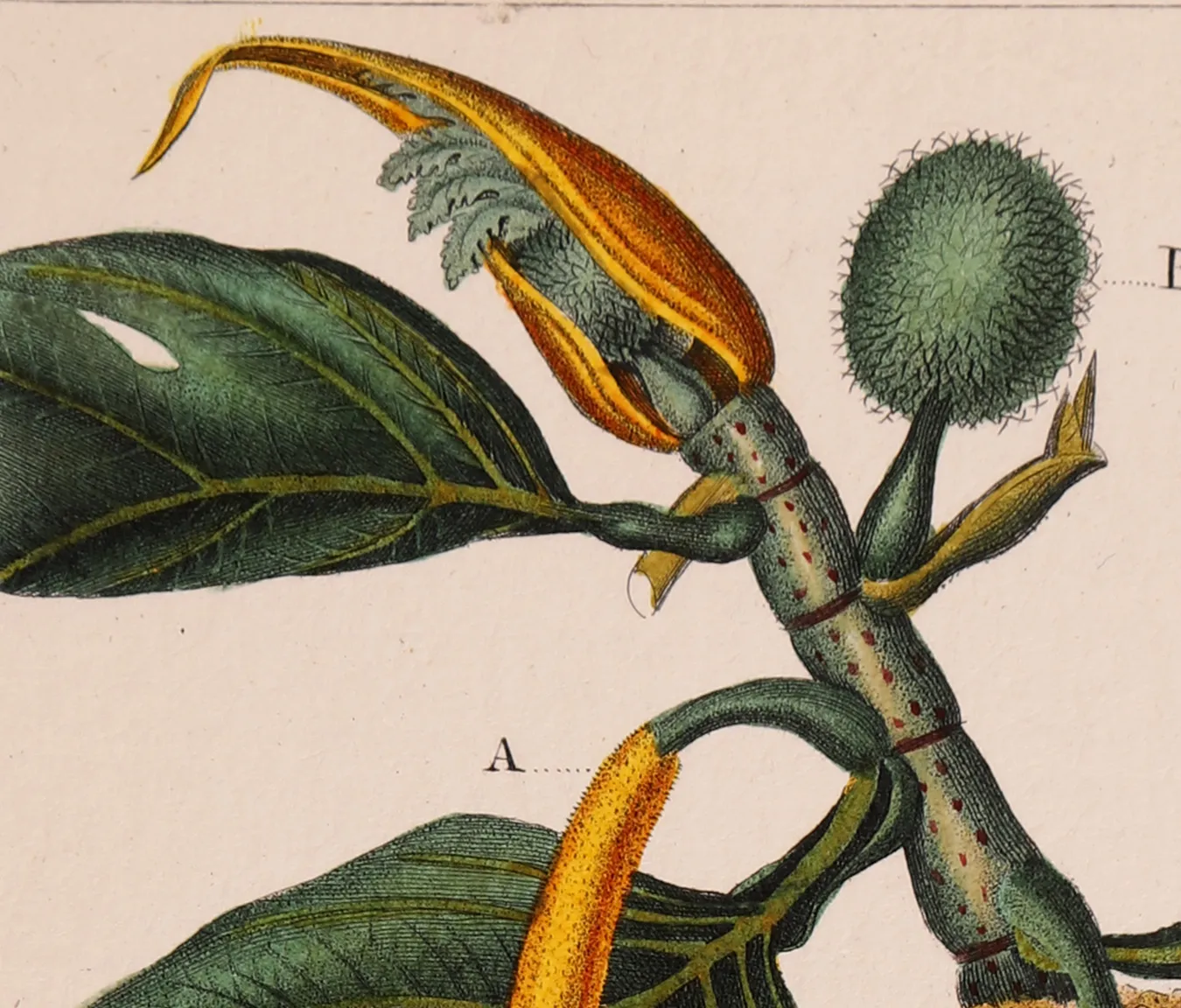
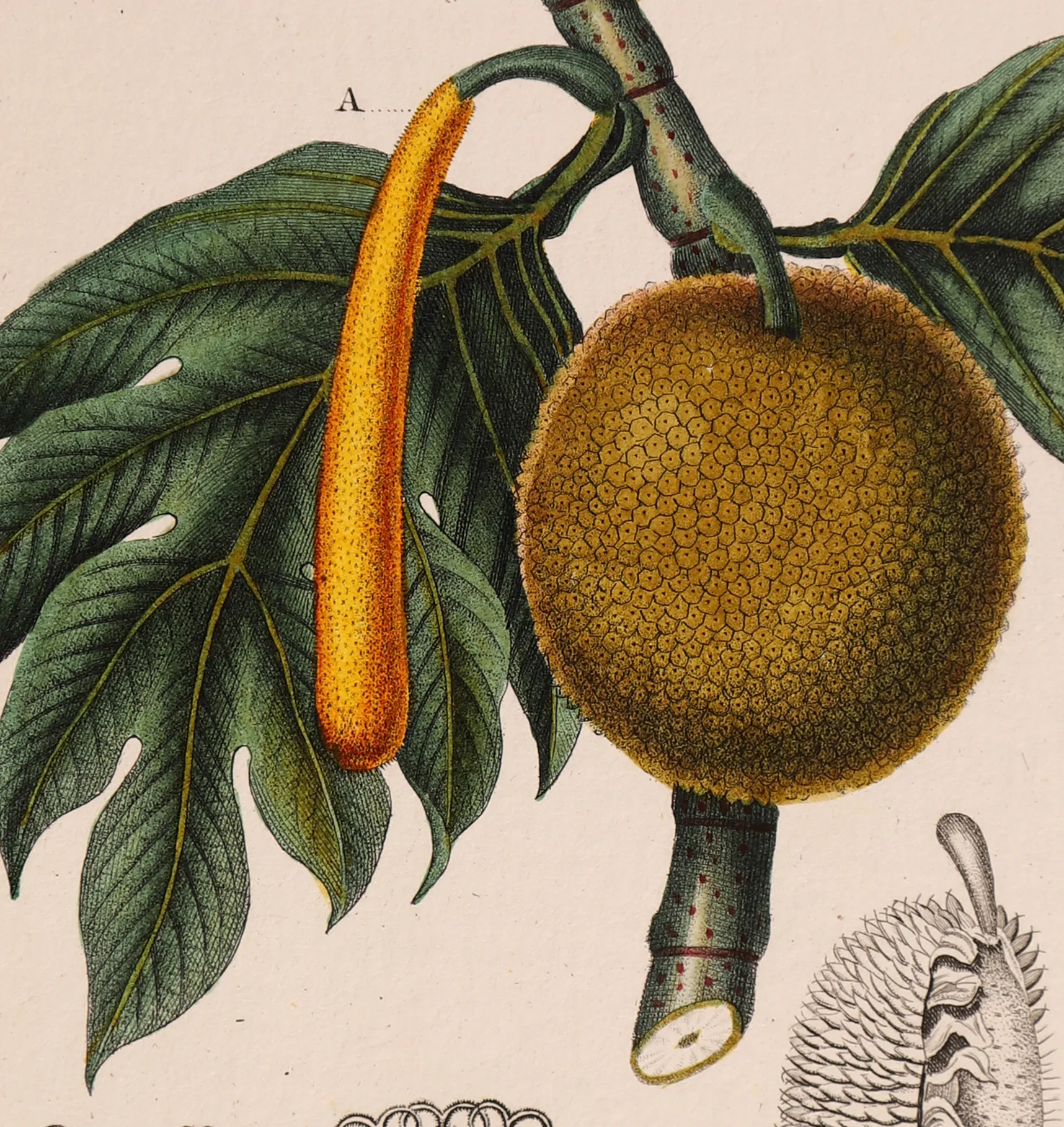

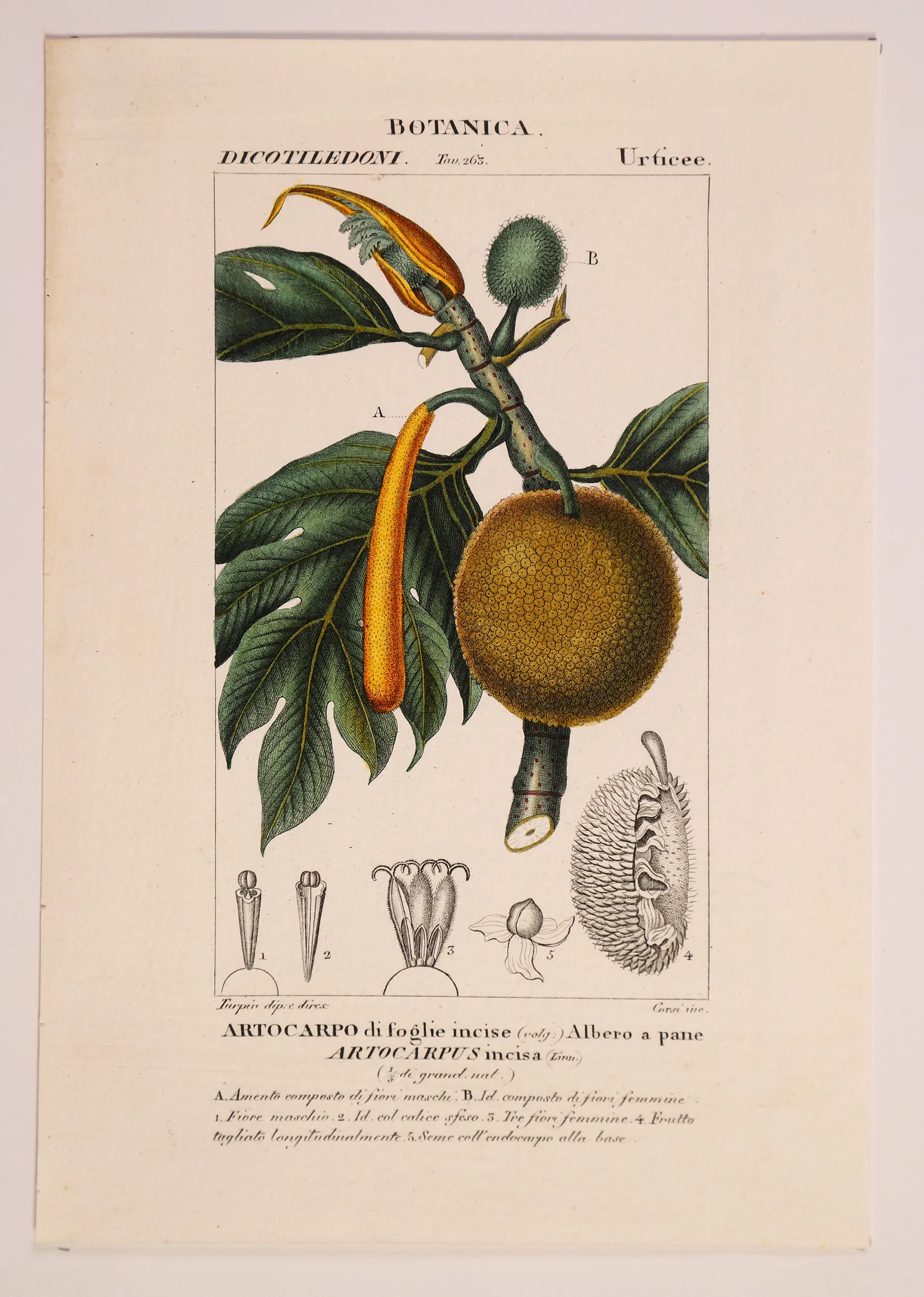
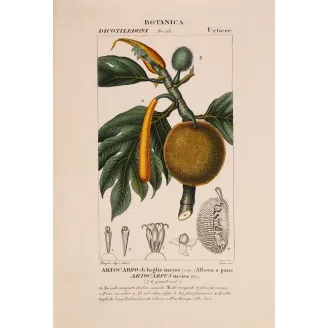
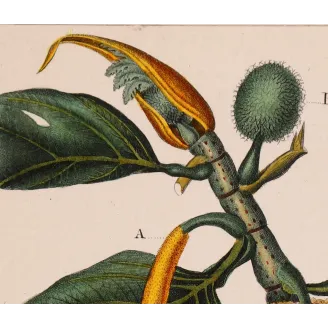
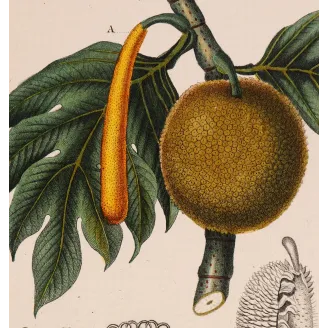
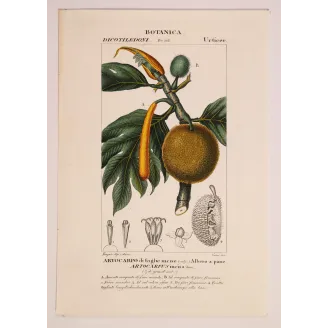
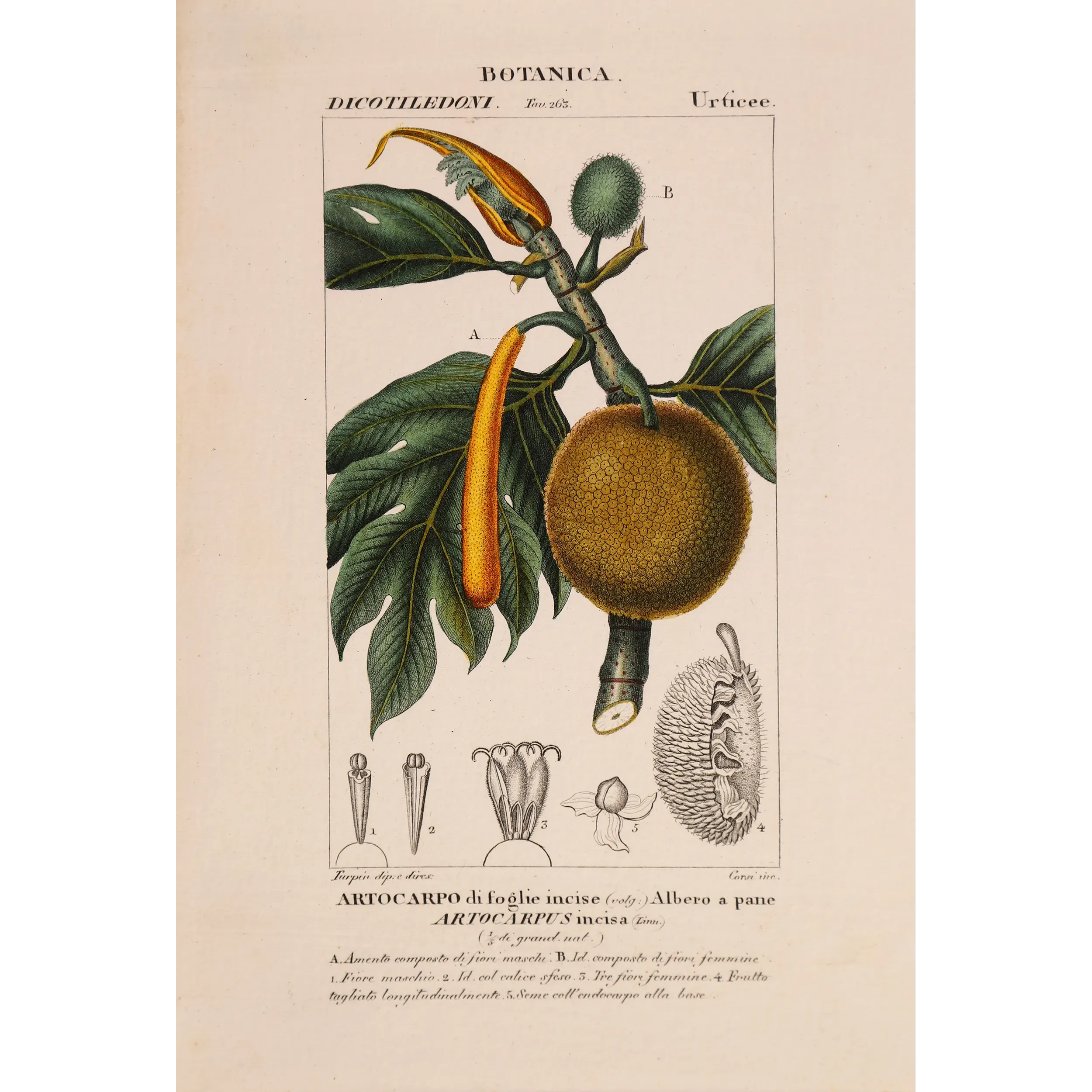
An extraordinary 19th-century engraving of *Artocarpus incisa*, the breadfruit tree, showcasing its bold leaves and unique fruit texture.
 Delivery policy
Your print will be carefully prepared and shipped worldwide via trusted couriers (UPS or similar).
 Authentic antique prints
Original engravings from the 17th–19th century.
This original hand-colored engraving depicts Artocarpus altilis, the breadfruit, rendered with botanical clarity and structural precision. The plate presents the large, textured fruit suspended beneath deeply lobed leaves, accompanied by floral and sectional studies that complete the scientific representation.
The spherical fruit dominates the composition with quiet authority. Its patterned surface, articulated through delicate gradations of green and muted ochre, contrasts with the dramatic architecture of the foliage above. The leaves, broad and deeply incised, introduce movement and rhythm, balancing mass with elegance.
The engraving belongs to the Italian edition of the Dizionario di Scienze Naturali (Florence, Battelli press), one of the most ambitious early nineteenth-century encyclopedic works devoted to systematic natural history.
— • —
The composition is structured around contrast: the weight of the fruit against the sculptural spread of the leaves. Turpin’s linework maintains botanical rigor while allowing the subject to retain decorative strength. The restrained palette—earthy greens softened by pale highlights—gives the plate a grounded, almost architectural presence.
Unlike more delicate orchard fruits, the breadfruit projects solidity and volume. It functions visually as an anchor piece, capable of holding space within an interior while retaining scientific composure.
Artocarpus altilis is native to the Pacific Islands, where it served for centuries as a fundamental staple crop. Rich in carbohydrates and capable of sustaining entire communities, the breadfruit became deeply embedded in local agricultural systems and cultural identity.
By the late eighteenth and early nineteenth centuries, European expeditions sought to transport breadfruit across oceans as part of broader colonial and commercial experiments in food supply. Within Turpin’s visual language, the species stands as one of the “fruits of the global age” — a plant whose image entered European botanical literature alongside maritime exploration and the reconfiguration of agricultural economies.
This plate forms part of the historic Dizionario di Scienze Naturali, once preserved within a noble library and today housed in the Sacchetti Collection. Each engraving reflects a period when scientific inquiry was inseparable from artisanal excellence — the engraved copperplate line meticulously printed and the color applied by hand to each individual sheet.
To explore the refined provenance of these works, we invite you to read our editorial feature “Not Just Another Print”.
The engraving is preserved in excellent antique condition. The sheet presents clean margins and a crisp, well-defined impression. The original early nineteenth-century smooth wove paper remains stable and evenly toned. No watermark has been observed. The hand-coloring retains depth, particularly within the fruit’s textured surface and the sculptural foliage.
For further context on Pierre Jean François Turpin and his contribution to nineteenth-century botanical science, see our editorial feature:
Pierre Jean François Turpin – The Botanical Illustrator of Natural Harmony
Specific References
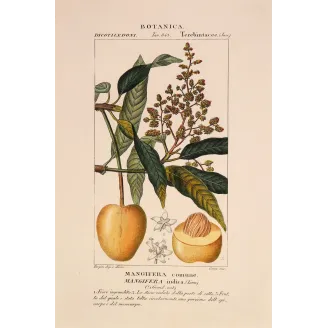
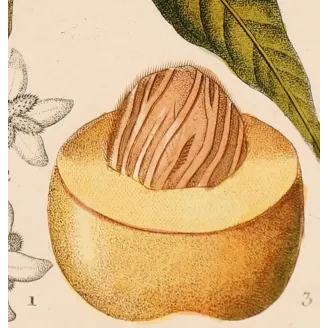
Vibrant hand-colored depiction of *Mangifera indica*, the mango tree, highlighting its lush leaves, golden fruit, and floral details.
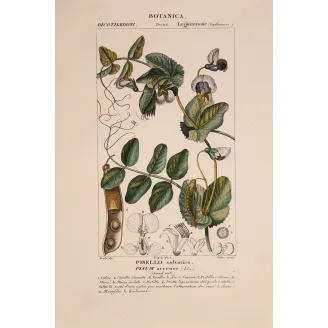
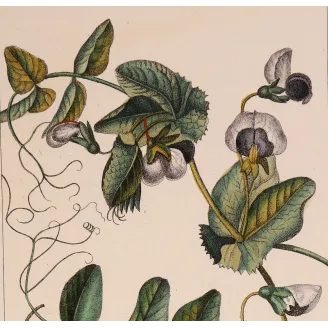
Colorful botanical illustration of Pisum arvense, wild pea, engraved by Turpin.
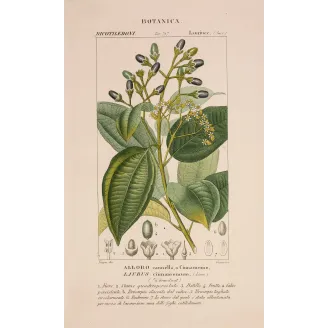
Finely detailed print of Laurus cinnamomum by Turpin, from the Dizionario di Scienze Naturali.
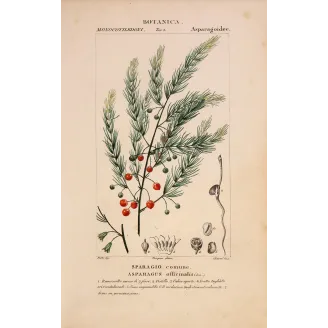
Botanical print of Asparagus officinalis by Turpin, featuring vivid orange berries.
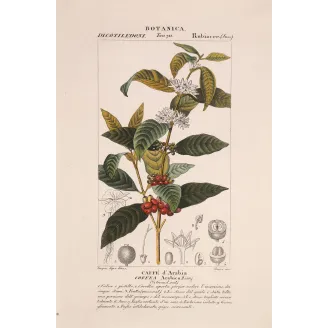
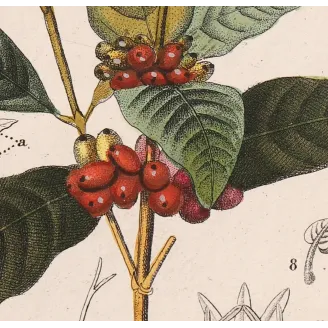
Botanical plate of Coffea arabica with vivid red berries and detailed floral structure.
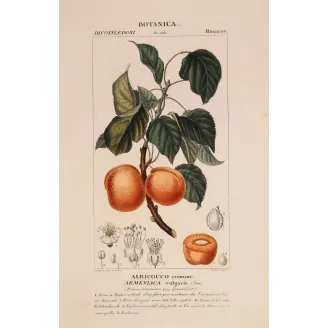
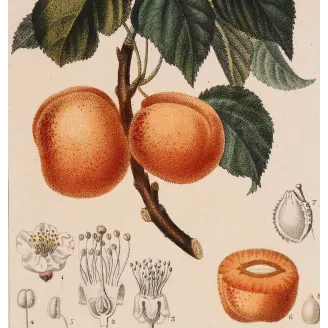
Original 19th-century botanical engraving of the common apricot, showing its velvety orange fruits and lush green leaves, rendered with great naturalistic balance.
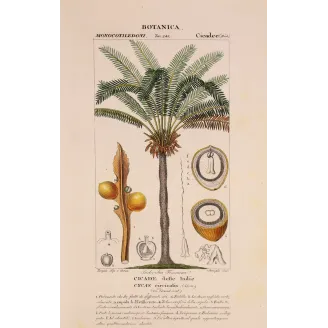
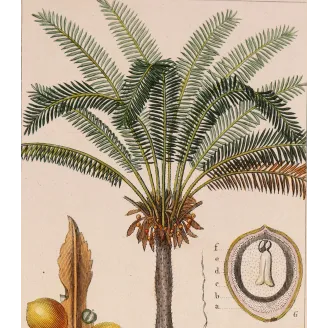
A detailed antique plate of Cycas circinalis, the Indian Sago Palm, showing the female specimen and fruit anatomy.
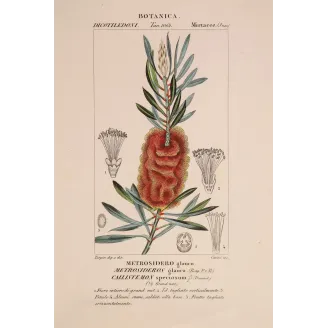
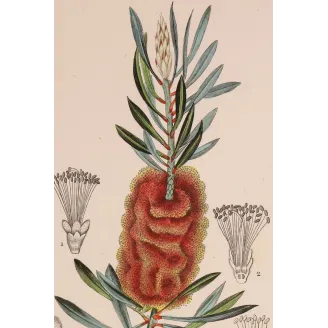
Stunning antique print of the red-flowering Callistemon, also known as bottlebrush.
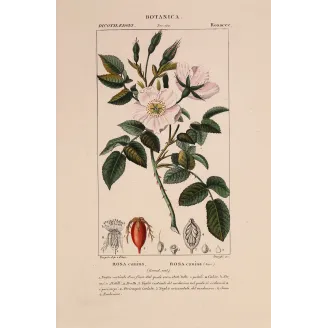
Delicate dog rose flower with soft pink petals and fine botanical details.
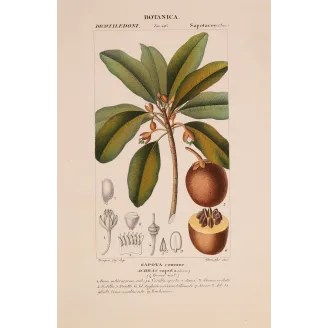
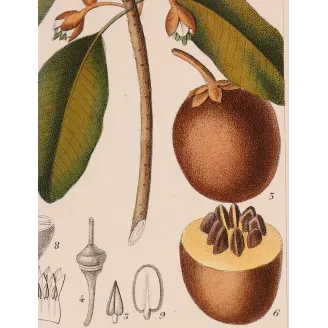
A warm-toned botanical engraving of *Achras sapota*, featuring its rounded fruit and large green leaves with exquisite texture
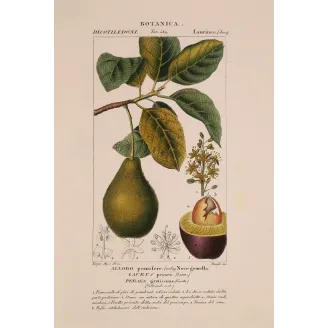
Botanical plate of avocado with whole fruit, seed, and internal anatomy.
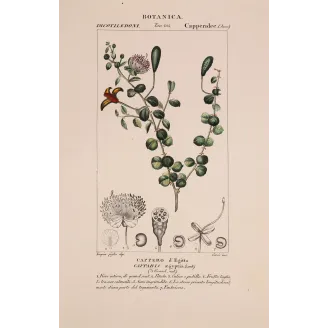
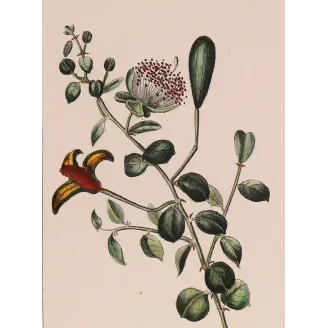
Vibrant caper plant illustration with both flowers and fruiting structures.
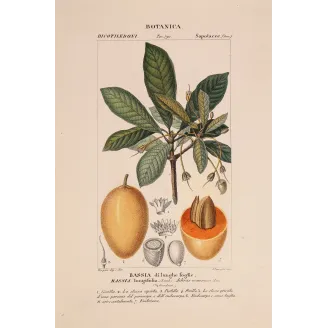
A rare depiction of *Bassia longifolia*, showing its elongated leaves and fruit sections in precise scientific detail and soft hand-colored tones.
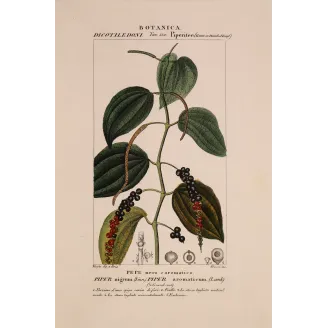
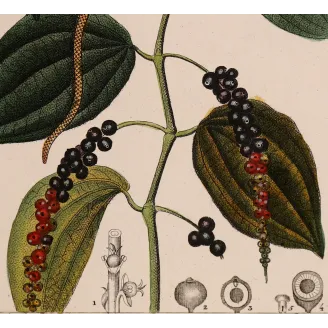
Detailed depiction of the black pepper vine with fruiting spikes and leaves.
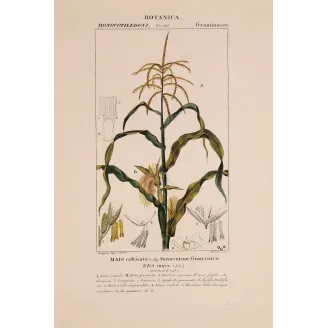
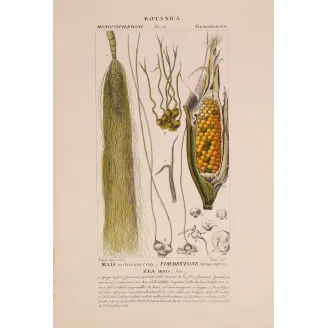
Double plate of cultivated maize (Zea mays) from Turpins botanical series.
An extraordinary 19th-century engraving of *Artocarpus incisa*, the breadfruit tree, showcasing its bold leaves and unique fruit texture.