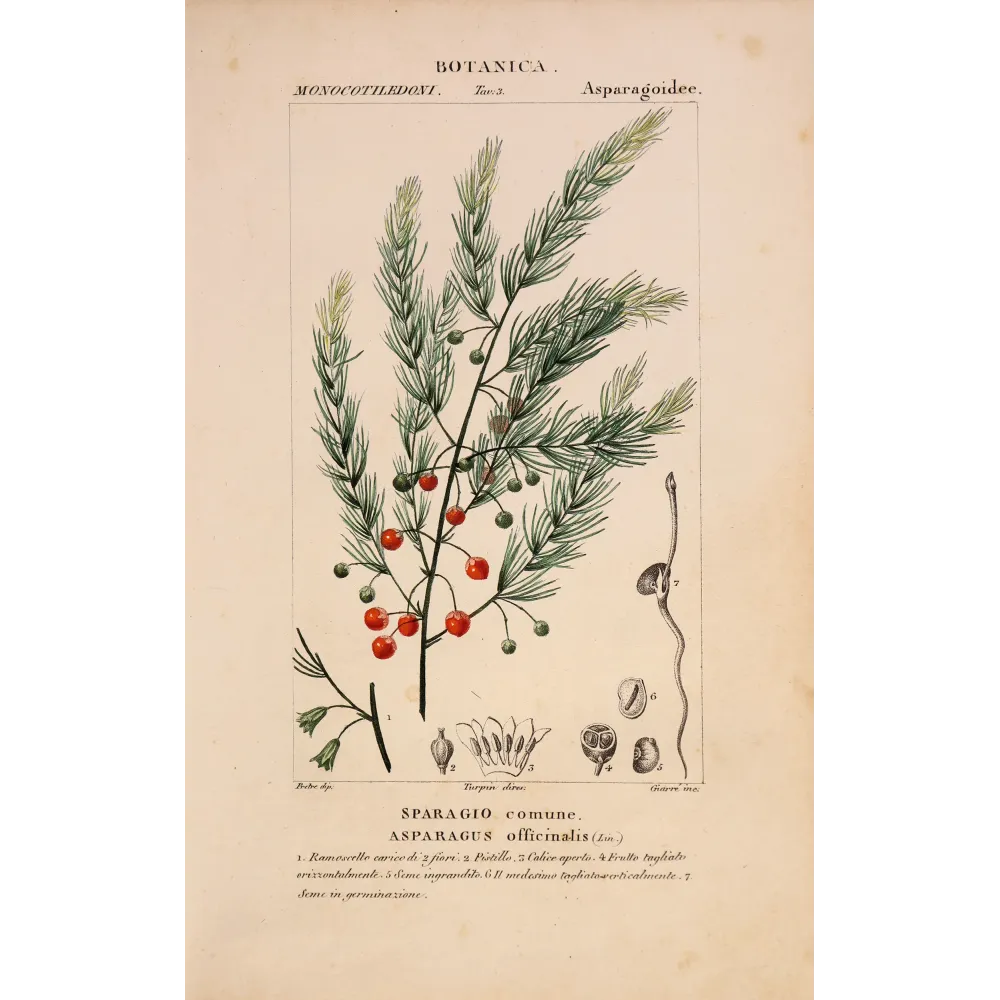
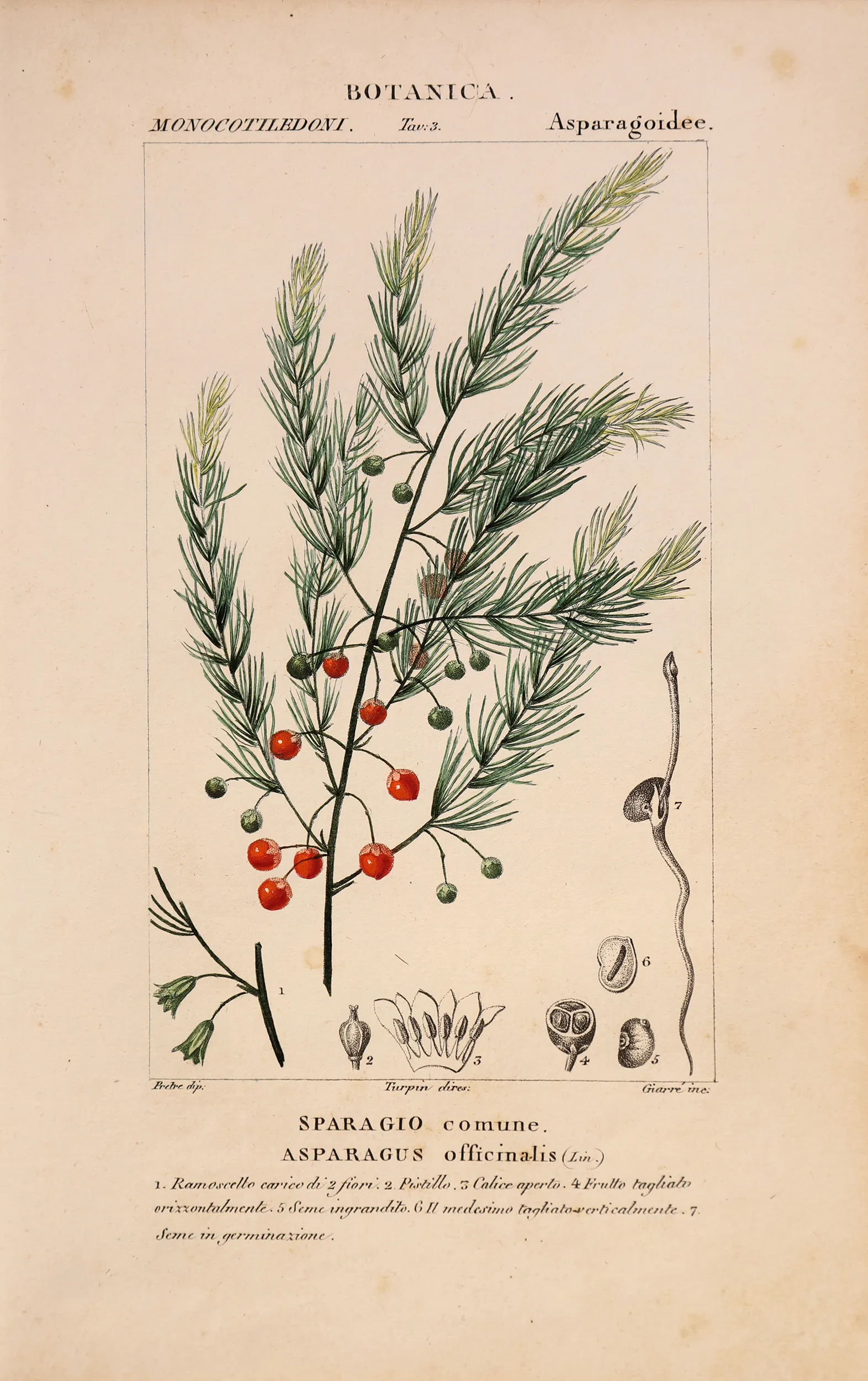
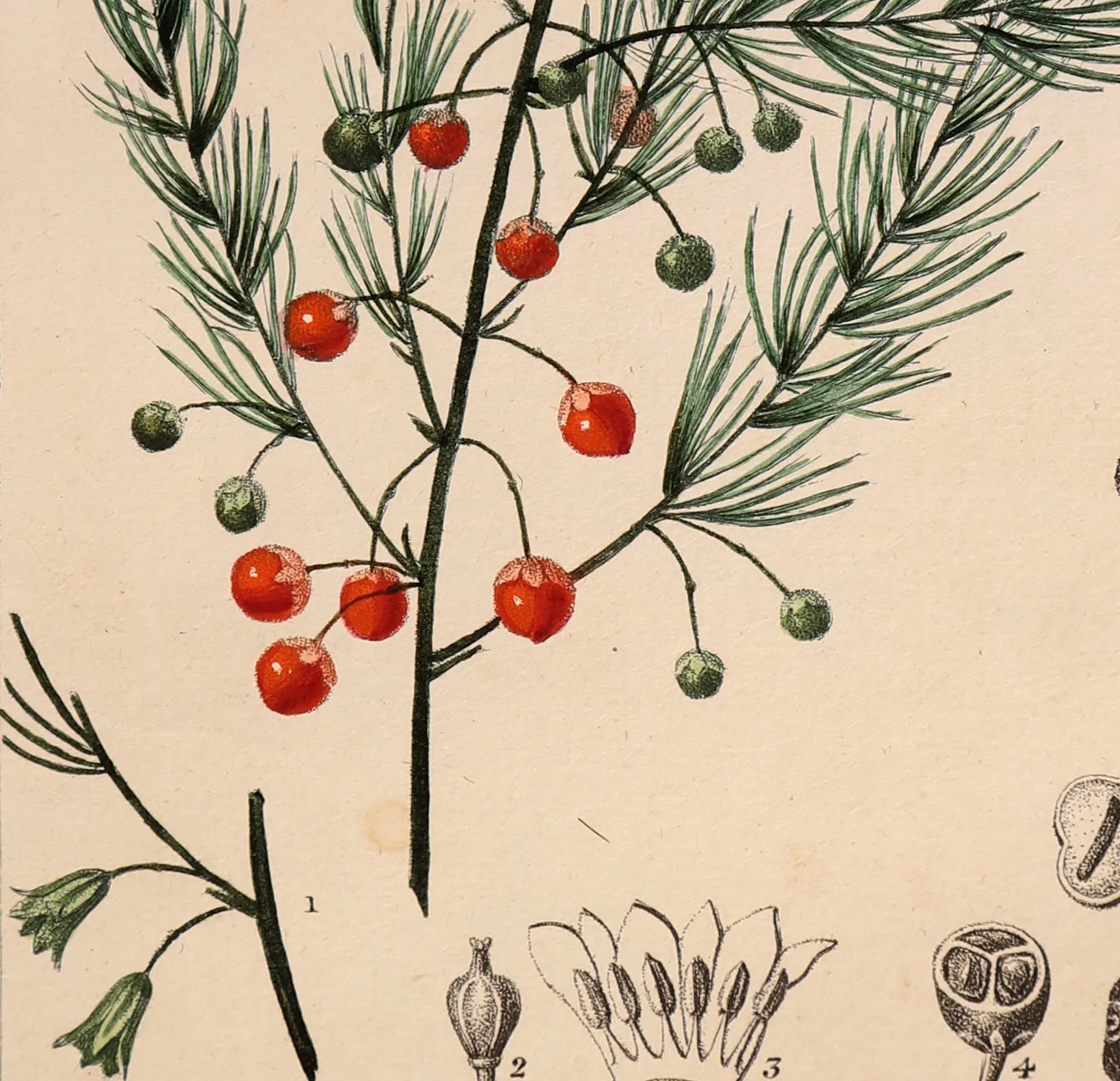

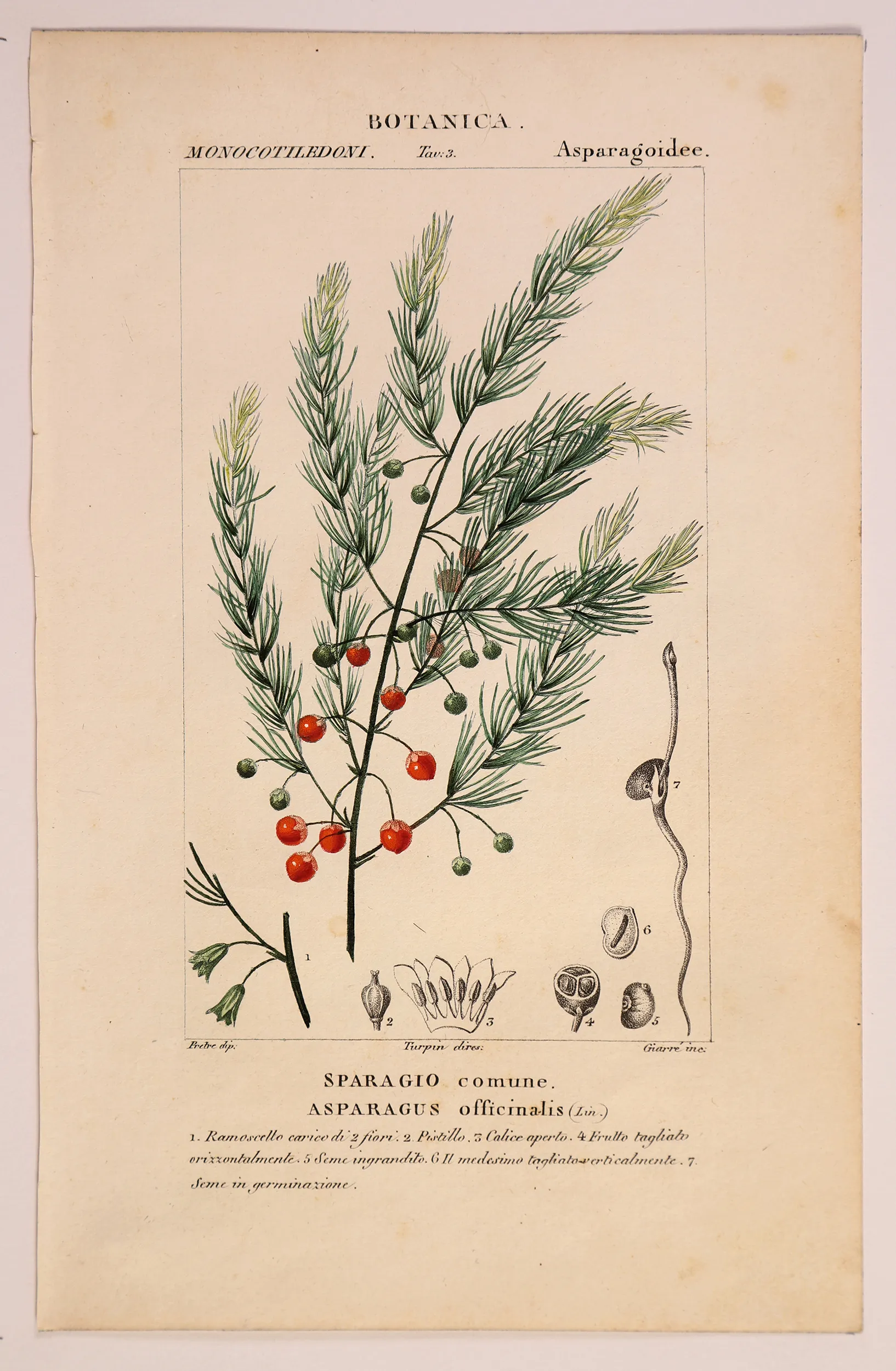
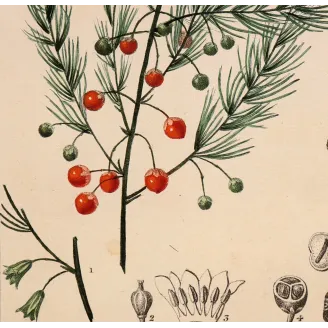
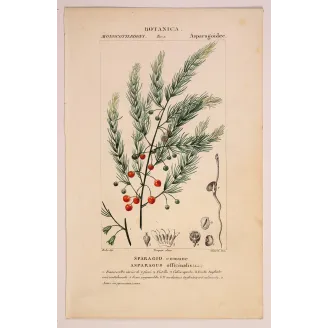
Botanical print of Asparagus officinalis by Turpin, featuring vivid orange berries.
 Delivery policy
Your print will be carefully prepared and shipped worldwide via trusted couriers (UPS or similar).
 Authentic antique prints
Original engravings from the 17th–19th century.
This refined engraving presents Asparagus officinalis, the common asparagus, illustrated with botanical clarity and delicate compositional balance. The plate combines the slender vegetative form with flowers, fruit, and analytical dissections, offering a systematic representation of one of Europe’s most enduring cultivated plants.
Turpin renders the feathery cladodes with exceptional lightness, creating a fine architectural lattice of green. The bright red berries punctuate the composition with restrained chromatic accents, establishing a subtle dialogue between botanical structure and ornamental refinement.
The engraving belongs to the Italian edition of the Dizionario di Scienze Naturali (Florence, Battelli press), an early nineteenth-century encyclopedic enterprise devoted to documenting both cultivated and wild plant species through disciplined copperplate engraving.
— • —
The composition is vertically light and rhythmically structured. The thin branching stems create an almost calligraphic movement across the page, while the small spherical fruits introduce measured points of visual gravity. The restrained palette — soft greens with discreet red accents — enhances the sense of botanical delicacy without sacrificing scientific clarity.
Displayed independently, the plate offers understated elegance. It is particularly suited to interiors that appreciate botanical subtlety and refined detail rather than bold exoticism.
Asparagus officinalis has been cultivated in Europe since antiquity, valued both as a seasonal vegetable and for its medicinal associations in classical herbals. By the early nineteenth century, asparagus was a well-established agricultural crop across Italy and France. Its inclusion in the Dizionario di Scienze Naturali reflects Enlightenment botany’s dual attention to structural morphology and cultivated utility. The plant’s unusual leaf-like cladodes and berry-bearing reproductive cycle offered naturalists a subject of subtle anatomical interest.
This plate forms part of the historic Dizionario di Scienze Naturali, once preserved within a noble library and today housed in the Sacchetti Collection. Each engraving embodies a period when agricultural science and artisanal engraving intersected — from the precision of the copperplate line to the careful hand-colouring executed sheet by sheet.
Such works were conceived as authoritative visual documents of knowledge. To explore the broader story of these rare prints and their refined provenance, we invite you to read our editorial feature “Not Just Another Print”.
The engraving is in excellent antique condition. The sheet presents clean margins and a sharp, well-defined impression. The original early nineteenth-century smooth wove paper remains stable and well preserved. No watermark has been observed. The hand-colouring is balanced and fresh, with well-preserved tonal clarity.
For further context on Pierre Jean François Turpin and his contribution to nineteenth-century botanical science, see our editorial feature:
Pierre Jean François Turpin – The Botanical Illustrator of Natural Harmony
Specific References
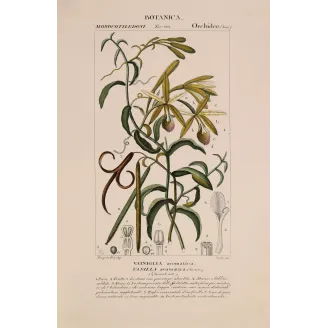
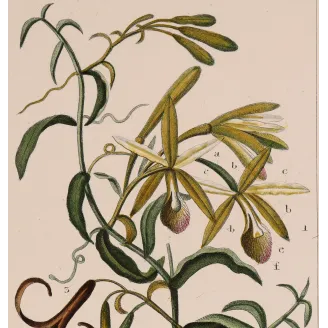
Delicate orchid illustration showing flower, pod and internal anatomy of vanilla.
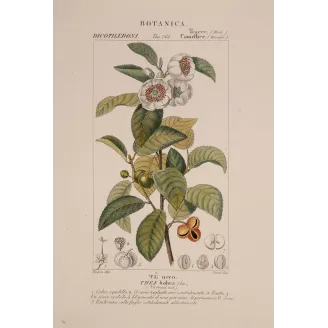
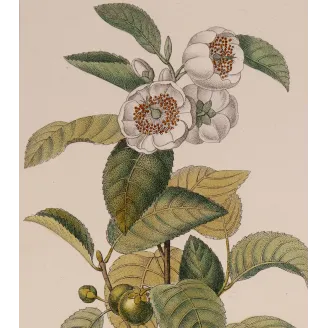
Delicate and detailed illustration of the tea plant, with floral and seed elements beautifully depicted.
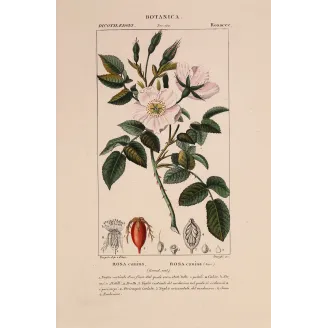
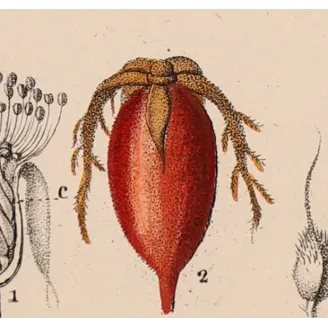
Delicate dog rose flower with soft pink petals and fine botanical details.
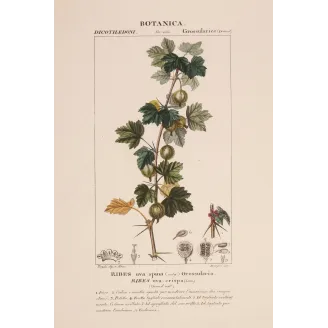
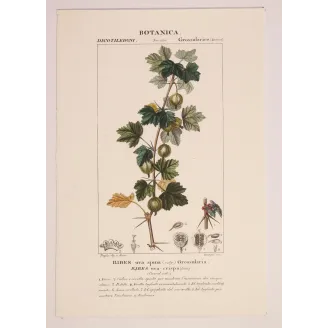
A charming depiction of *Ribes uva-crispa*, the gooseberry plant, detailed with its spiny stems and translucent green fruits.
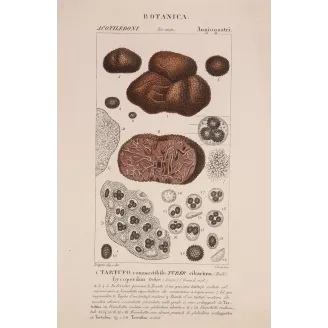
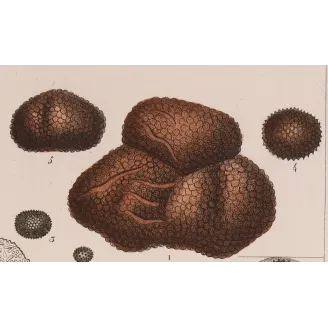
Unusual and fascinating botanical study of truffle morphology, rich in scientific detail.
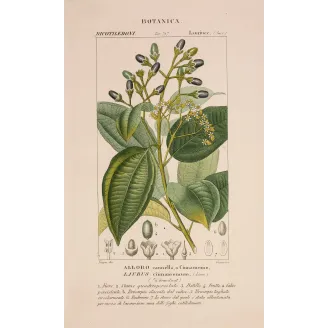
Finely detailed print of Laurus cinnamomum by Turpin, from the Dizionario di Scienze Naturali.
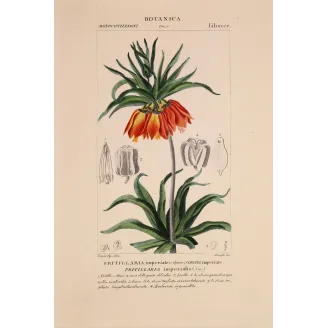
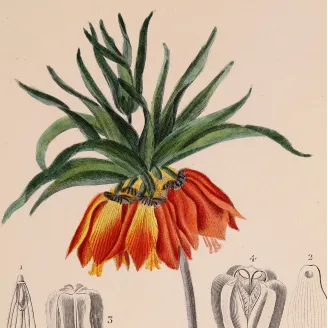
Striking antique print of Fritillaria imperialis with bright orange crown flowers.
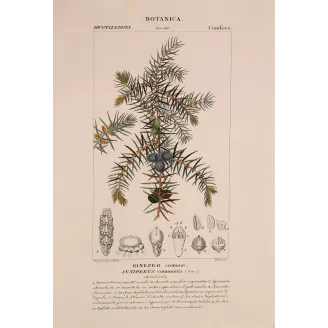
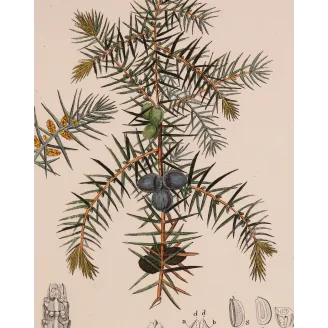
Elegant hand-colored plate of the juniper plant with berries and cone structure.
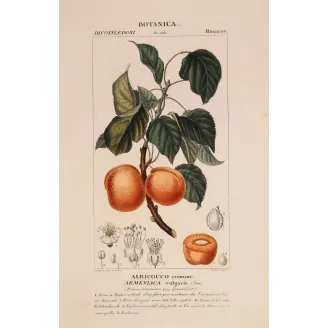
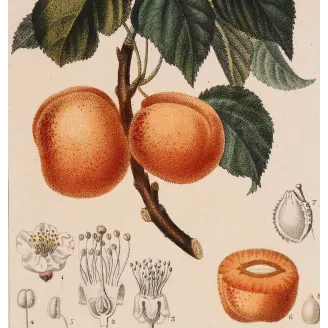
Original 19th-century botanical engraving of the common apricot, showing its velvety orange fruits and lush green leaves, rendered with great naturalistic balance.
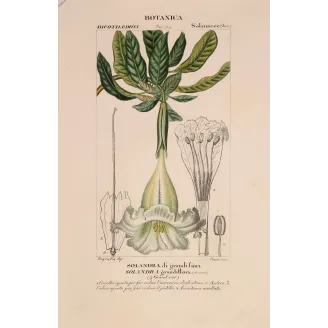
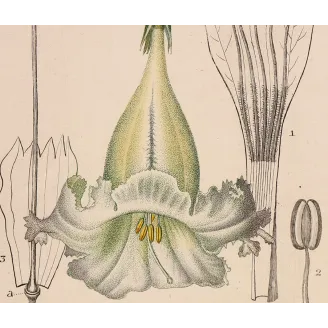
Beautiful antique flower print of Solandra, with large trumpet-shaped bloom.
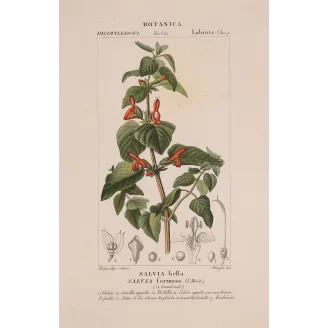
Vivid botanical plate of Salvia formosa, with striking red-orange tubular flowers.
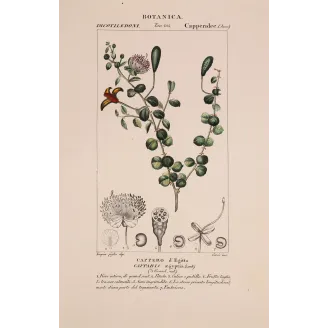
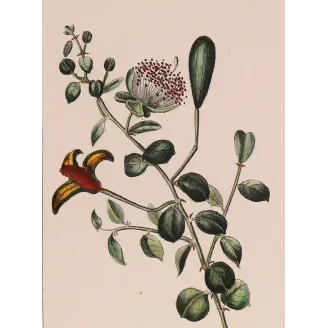
Vibrant caper plant illustration with both flowers and fruiting structures.
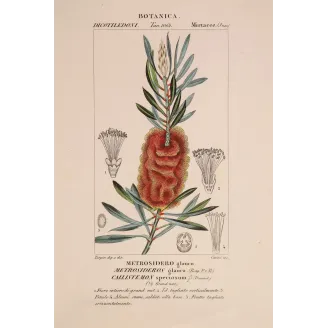
Stunning antique print of the red-flowering Callistemon, also known as bottlebrush.
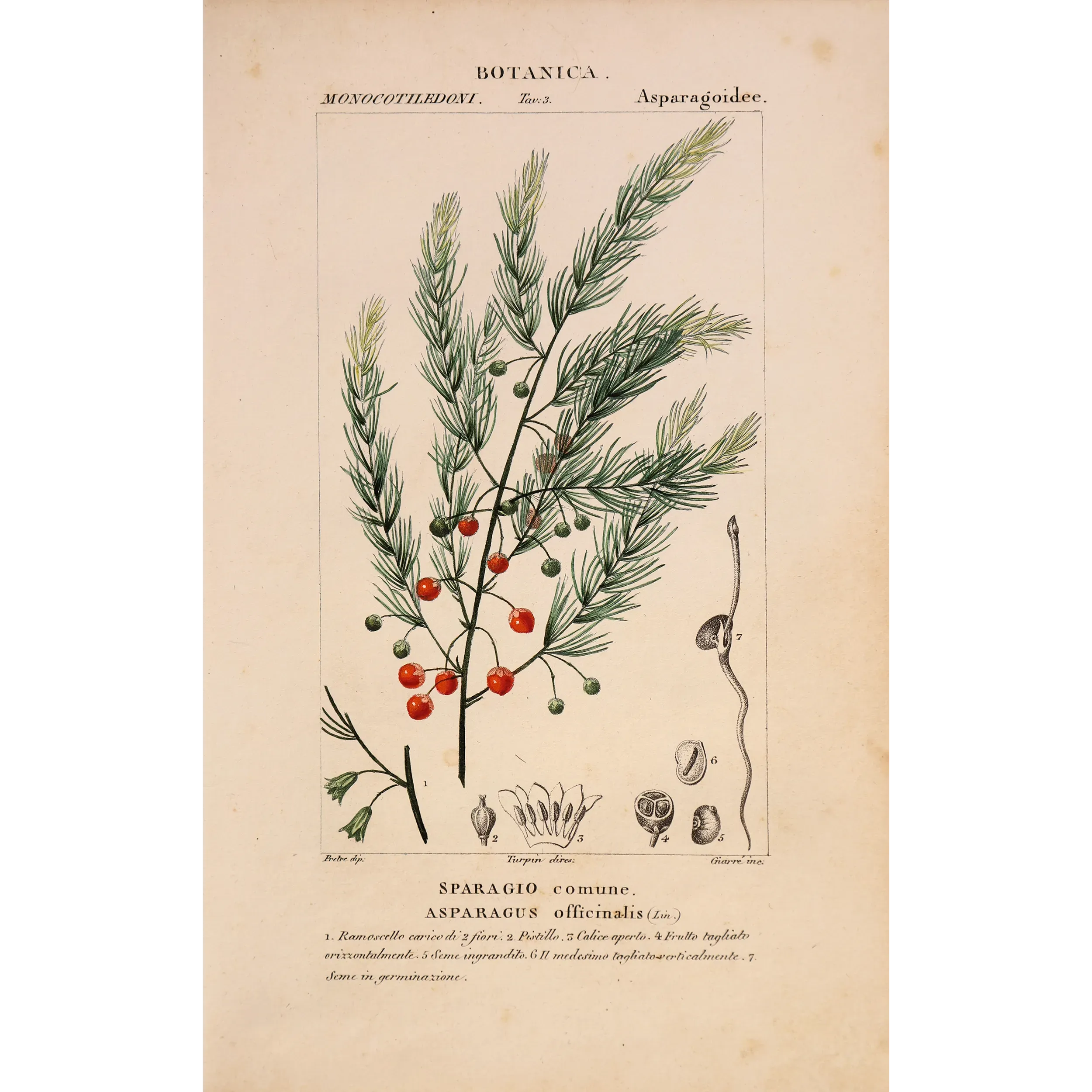
Botanical print of Asparagus officinalis by Turpin, featuring vivid orange berries.