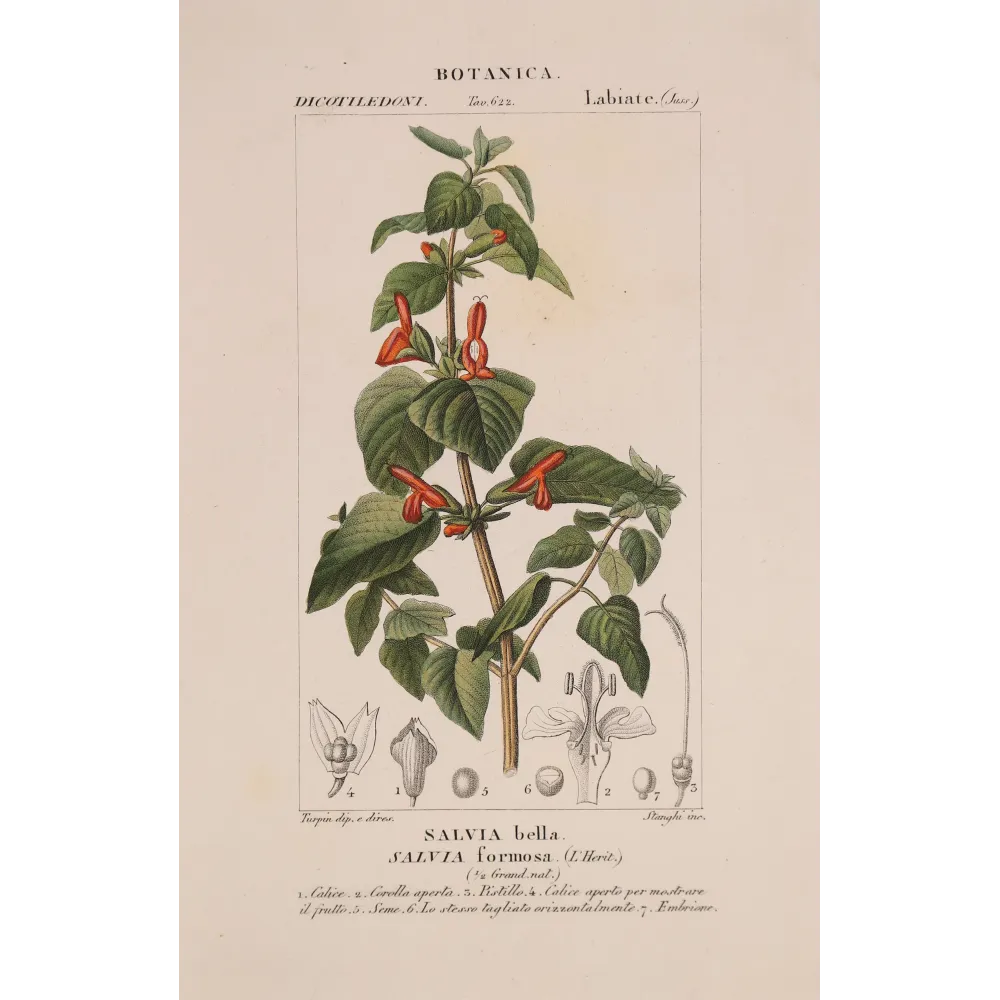
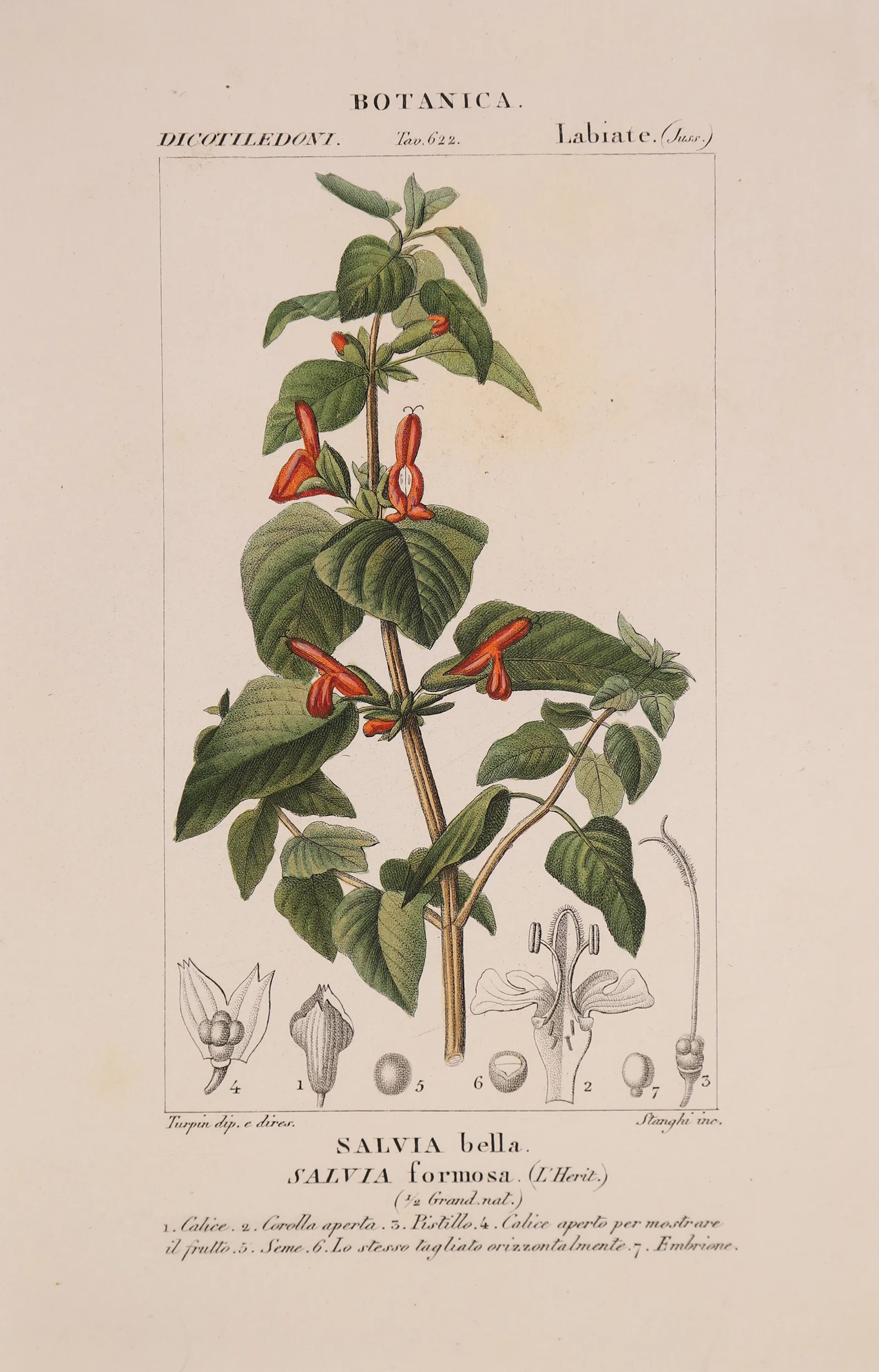
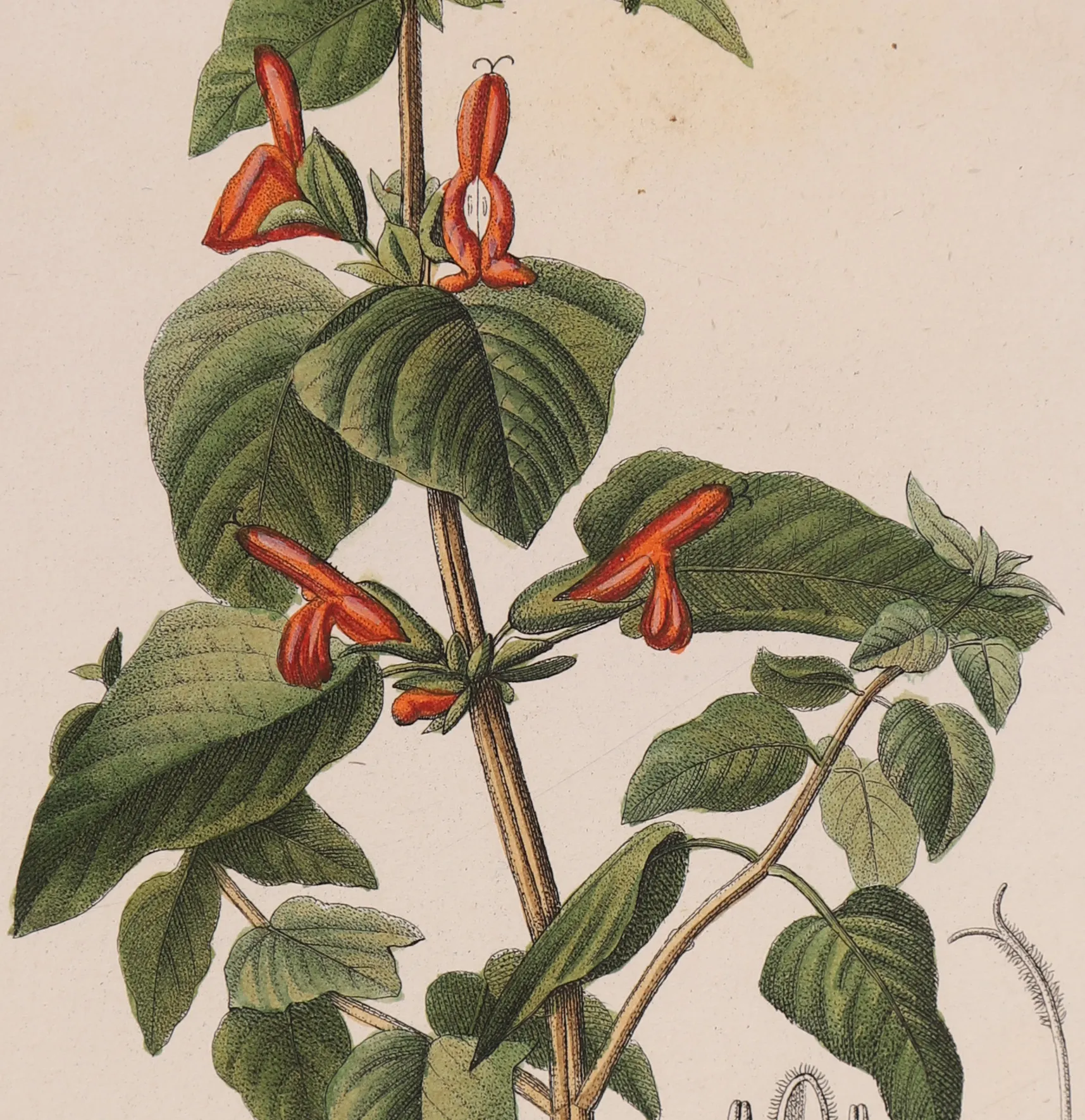

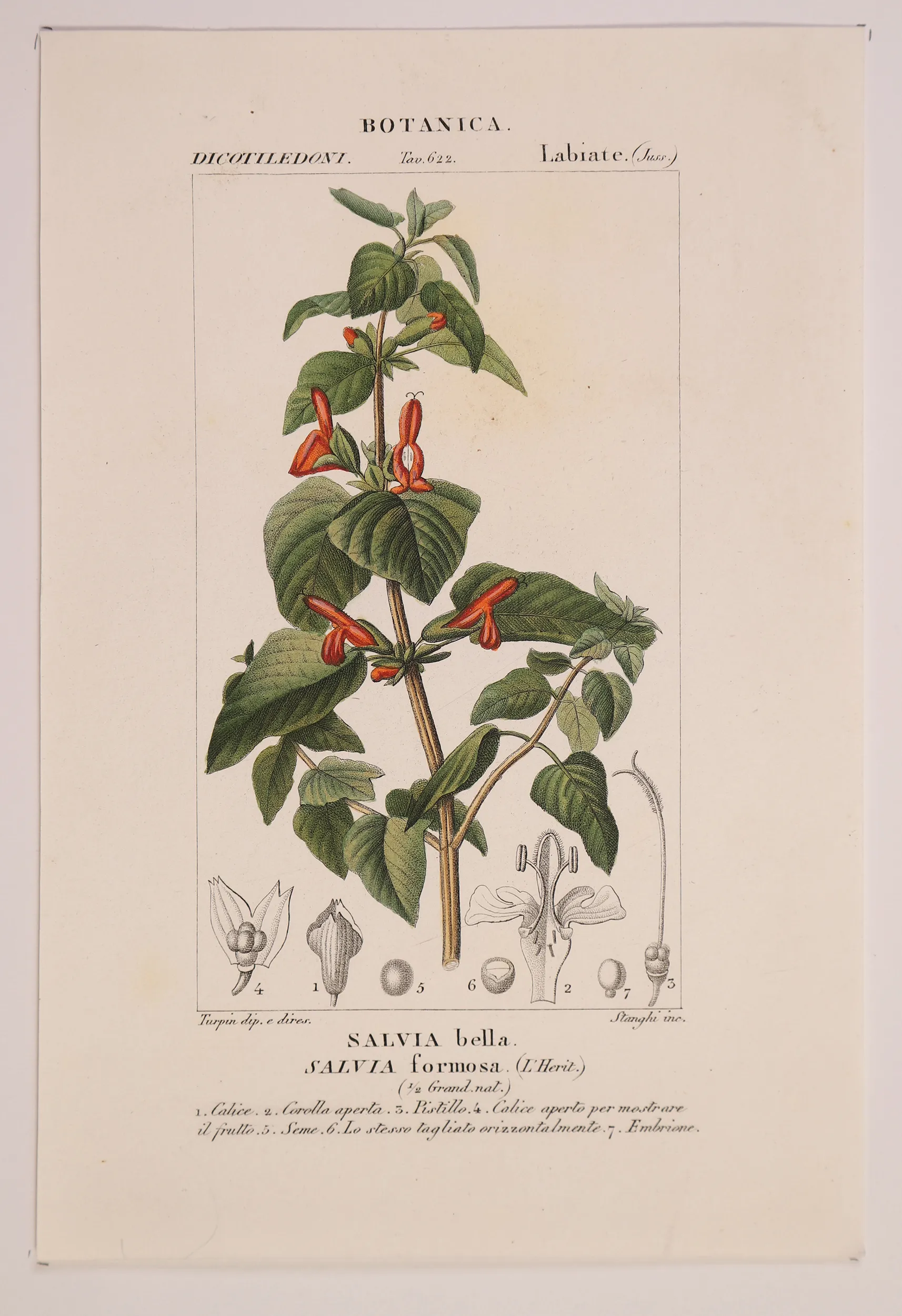
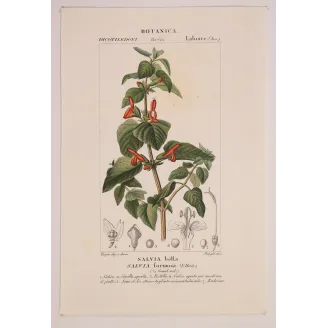
Vivid botanical plate of Salvia formosa, with striking red-orange tubular flowers.
 Delivery policy
Your print will be carefully prepared and shipped worldwide via trusted couriers (UPS or similar).
 Authentic antique prints
Original engravings from the 17th–19th century.
This refined early nineteenth-century engraving depicts Salvia formosa, here presented with its distinctive tubular blossoms emerging in vivid tones of orange and crimson against a field of measured green foliage. The vertical structure of the stem gives the composition both clarity and balance, allowing the flowering nodes to punctuate the sheet with rhythmic intervals.
Executed for the Italian edition of the Dizionario di Scienze Naturali, the plate exemplifies the disciplined elegance characteristic of Pierre Jean François Turpin’s botanical work. Scientific clarity is paired with decorative restraint, creating an image that functions equally as documentation and as a refined visual object.
The result is a botanical portrait that feels both precise and quietly ornamental — an image of cultivated order rendered with exceptional control.
— • —
The composition is anchored by a slender central stem, from which broad ovate leaves unfold in alternating directions. The foliage displays subtle tonal gradations, from deep olive to lighter translucent greens, enhancing the perception of depth without overwhelming the sheet.
The tubular blossoms provide the chromatic focal point. Their warm orange-red hue introduces visual intensity while remaining harmoniously integrated within the composition. Below, carefully arranged analytical figures present sectional views and floral structures, reinforcing the scientific register while preserving overall compositional equilibrium.
Salvia formosa, a species within the Lamiaceae family, belongs to a genus long valued for both ornamental and aromatic qualities. Salvias were cultivated widely in botanical gardens of the eighteenth and nineteenth centuries, admired for their distinctive bilabiate flowers and architectural growth. Beyond their decorative appeal, members of the genus played roles in traditional herbal practice and horticultural experimentation. In early nineteenth-century botanical literature, such species were integrated into increasingly systematic classifications, reflecting the broader scientific effort to stabilise plant taxonomy. This engraving captures that moment of transition, presenting the plant not merely as an ornament, but as a subject of structured botanical inquiry.
This plate forms part of the historic Dizionario di Scienze Naturali, once preserved within a noble library and today housed in the Sacchetti Collection. Each engraving reflects the exceptional craftsmanship of early nineteenth-century scientific publishing, where engraved copperplates and hand-applied colour combined to create enduring visual records of the natural world.
To explore the broader cultural and artistic context of these prints, we invite you to read our editorial feature “Not Just Another Print”.
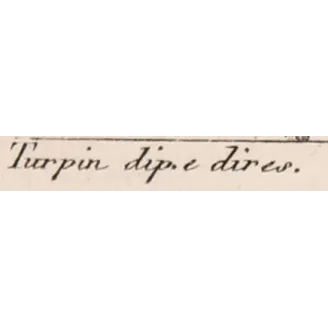
The engraving is in exceptional antique condition, remarkably close to “like brand new.” The sheet presents clean margins and a crisp, well-inked impression. The paper is smooth early nineteenth-century wove paper (non-laid). No watermark has been observed. The original hand-colouring remains fresh and well preserved. The engraved credit “Turpin dis.” is present, confirming the original drawing by Pierre Jean François Turpin.
For further context on Pierre Jean François Turpin and his refined botanical vision, see our editorial feature:
Pierre Jean François Turpin – The Botanical Illustrator of Natural Harmony
Specific References
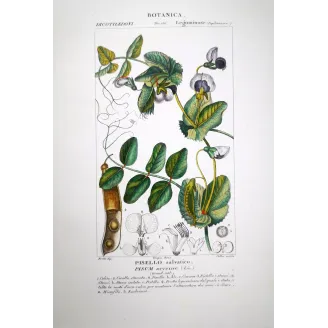
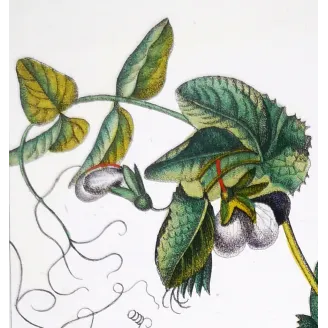
Colorful botanical illustration of Pisum arvense, wild pea, engraved by Turpin.
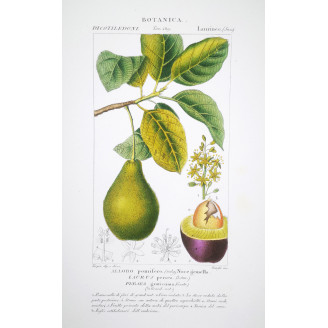
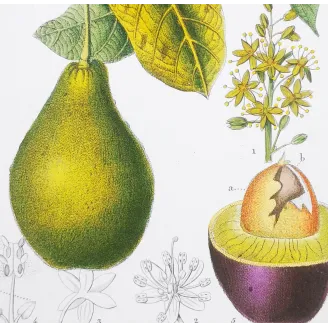
Botanical plate of avocado with whole fruit, seed, and internal anatomy.
A complete set of 22 original hand-colored lithographs of ferns by Turpin, from the Dizionario di Scienze Naturali (c. 1830).
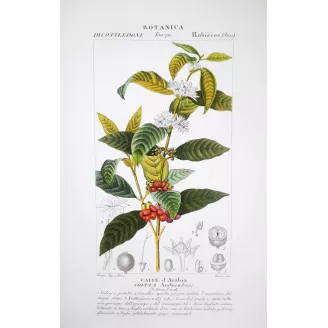
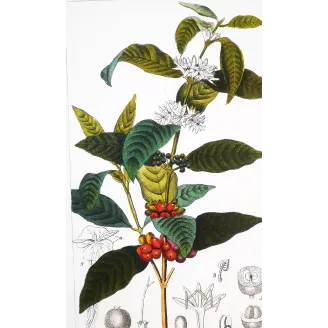
Botanical plate of Coffea arabica with vivid red berries and detailed floral structure.
A unique lot of 7 hand-colored antique prints depicting various species of algae, illustrated by Turpin and Prêtre.
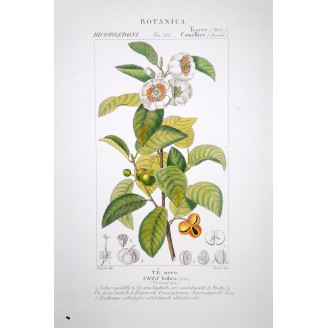
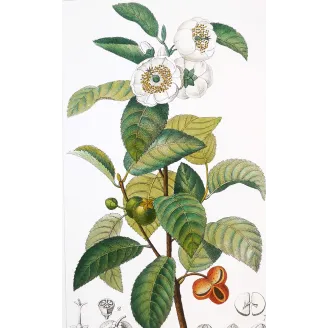
Delicate and detailed illustration of the tea plant, with floral and seed elements beautifully depicted.
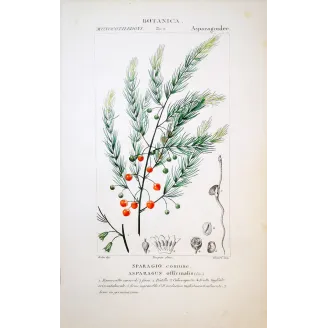
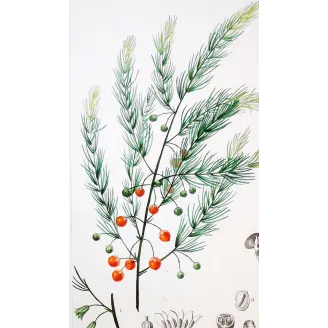
Botanical print of Asparagus officinalis by Turpin, featuring vivid orange berries.
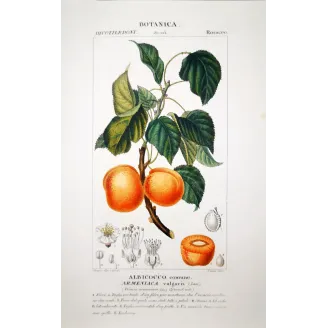
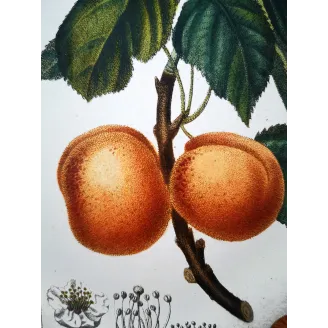
Original 19th-century botanical engraving of the common apricot, showing its velvety orange fruits and lush green leaves, rendered with great naturalistic balance.
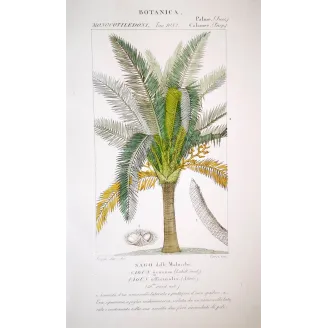
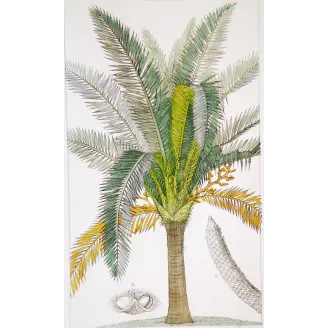
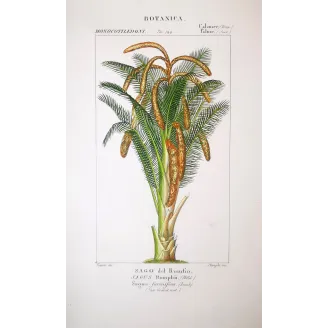
A pair of plates dedicated to the sago palm tree and its structural details.
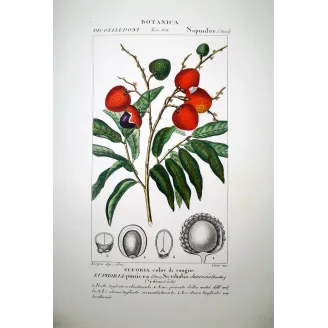
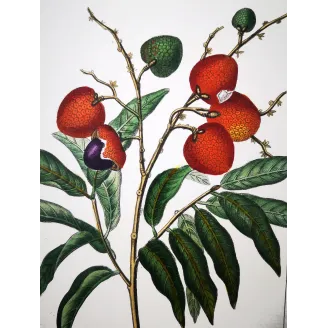
A striking hand-colored engraving of *Euphoria punicea*, displaying vivid red fruits and lush foliage in a refined 19th-century botanical composition.
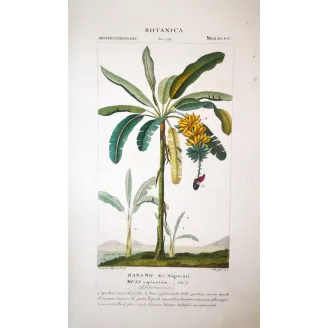
Antique botanical illustrations of the banana tree and its floral anatomy by Turpin.
Vibrant caper plant illustration with both flowers and fruiting structures.
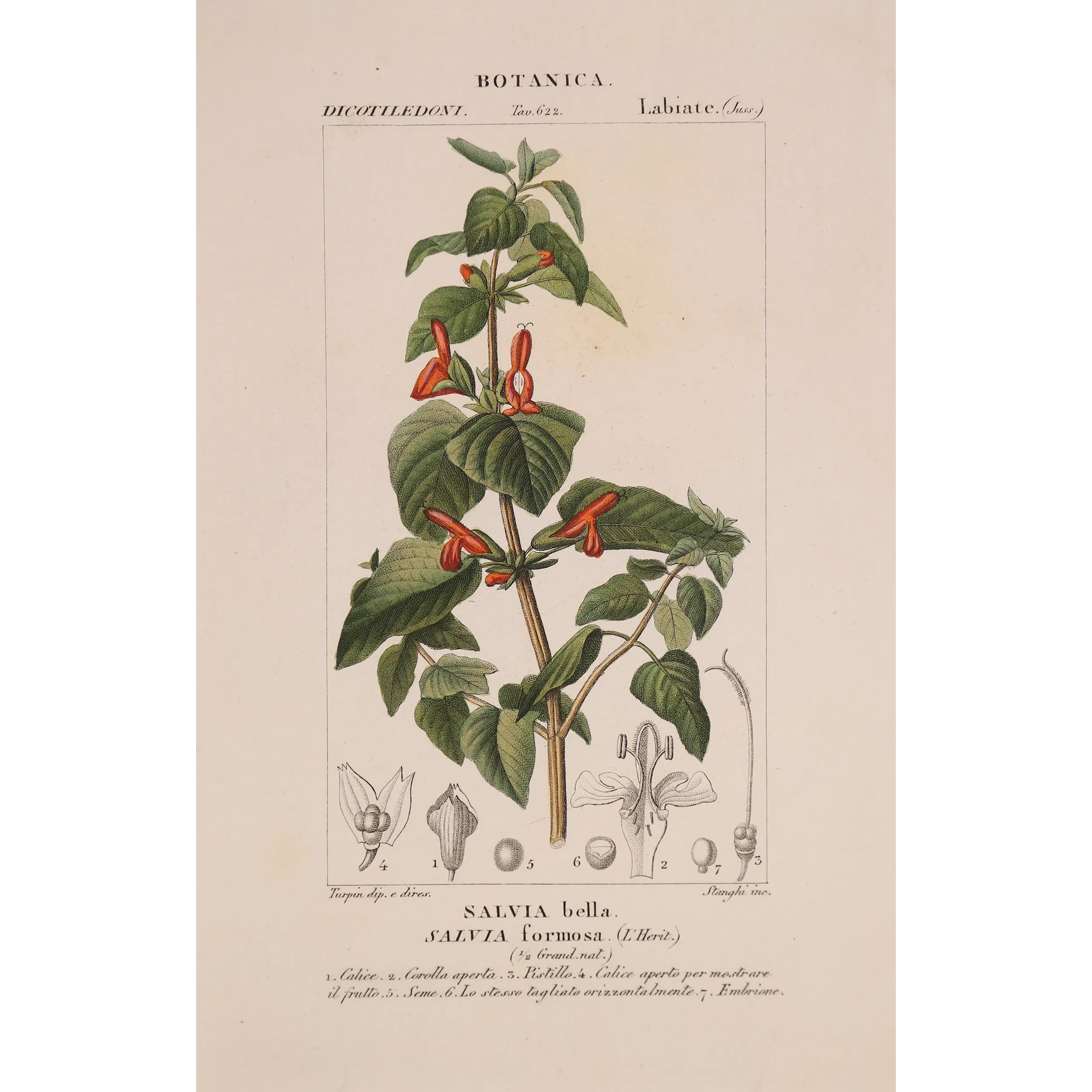
Vivid botanical plate of Salvia formosa, with striking red-orange tubular flowers.