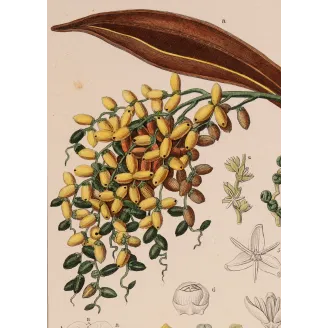
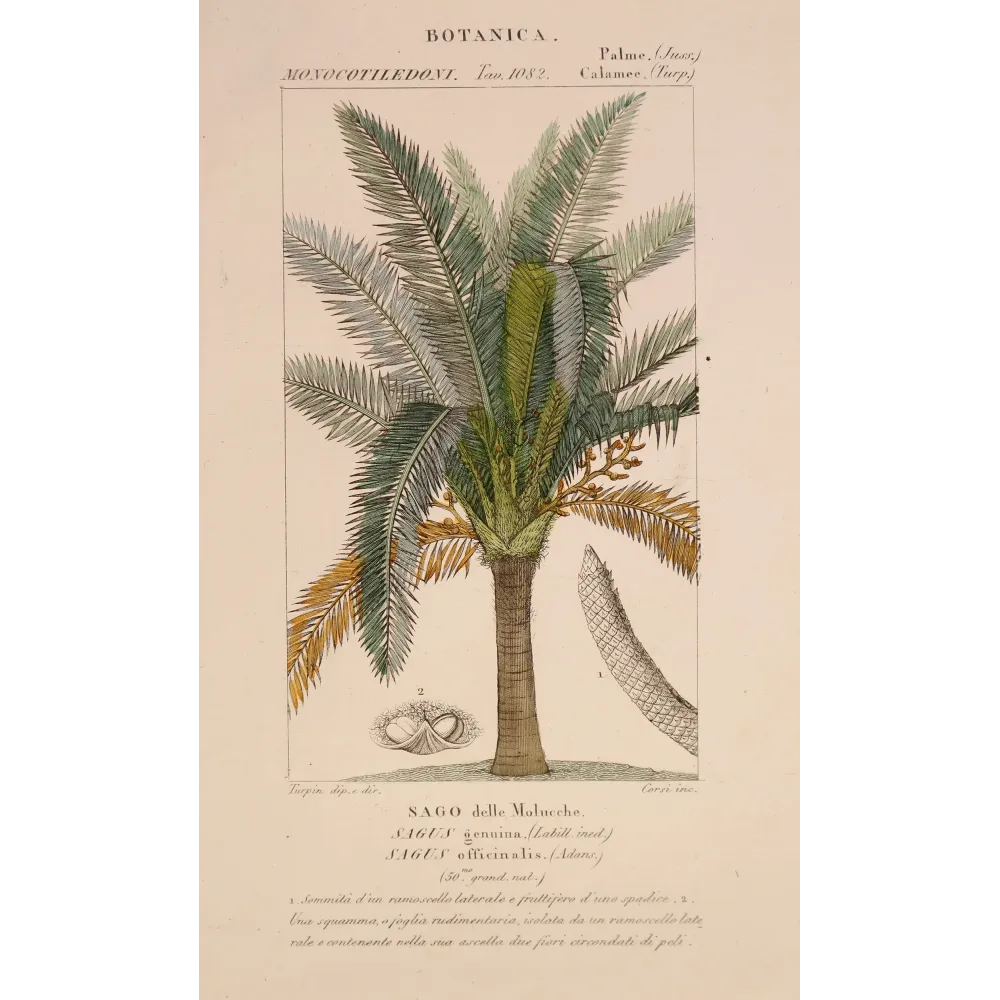
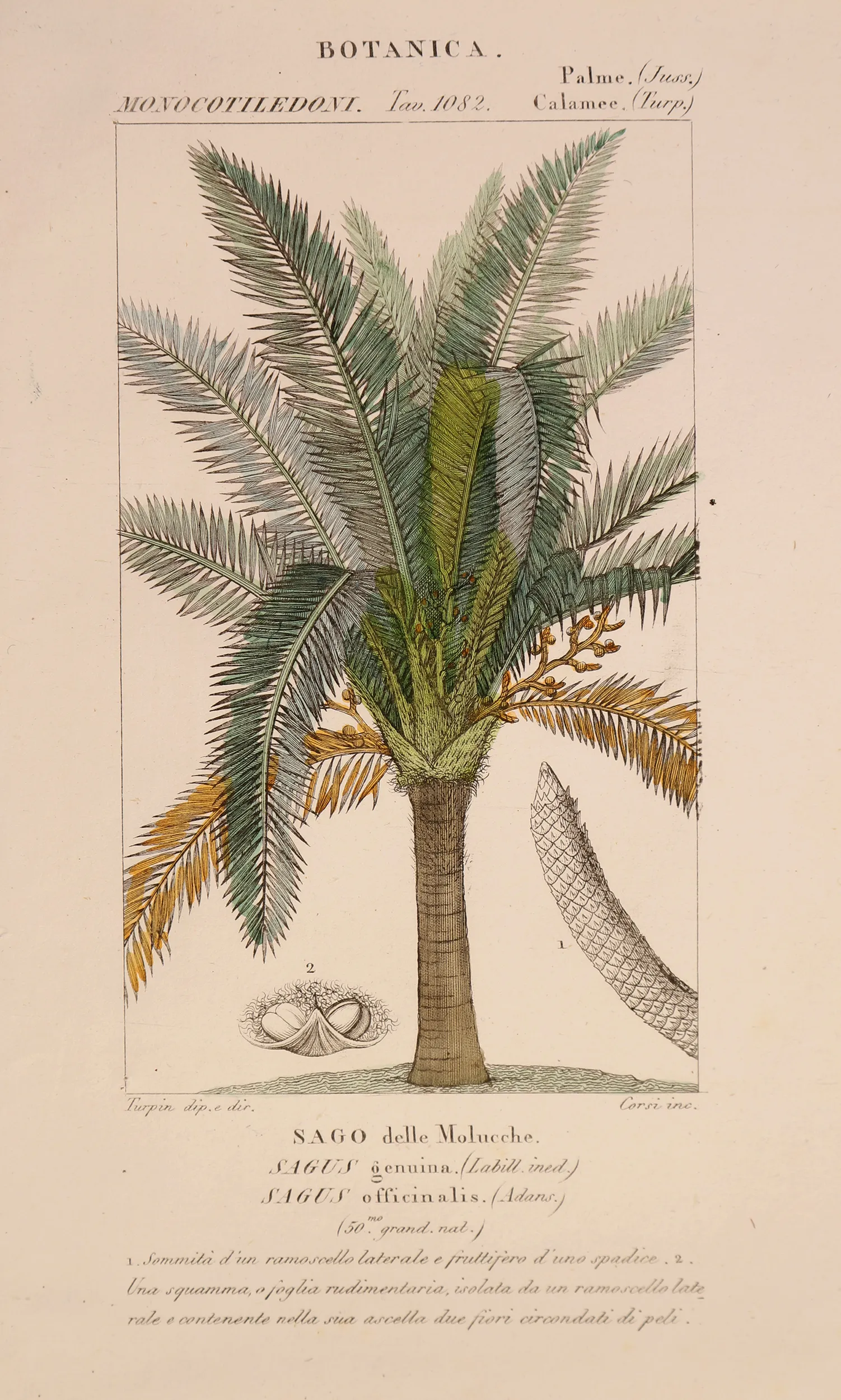
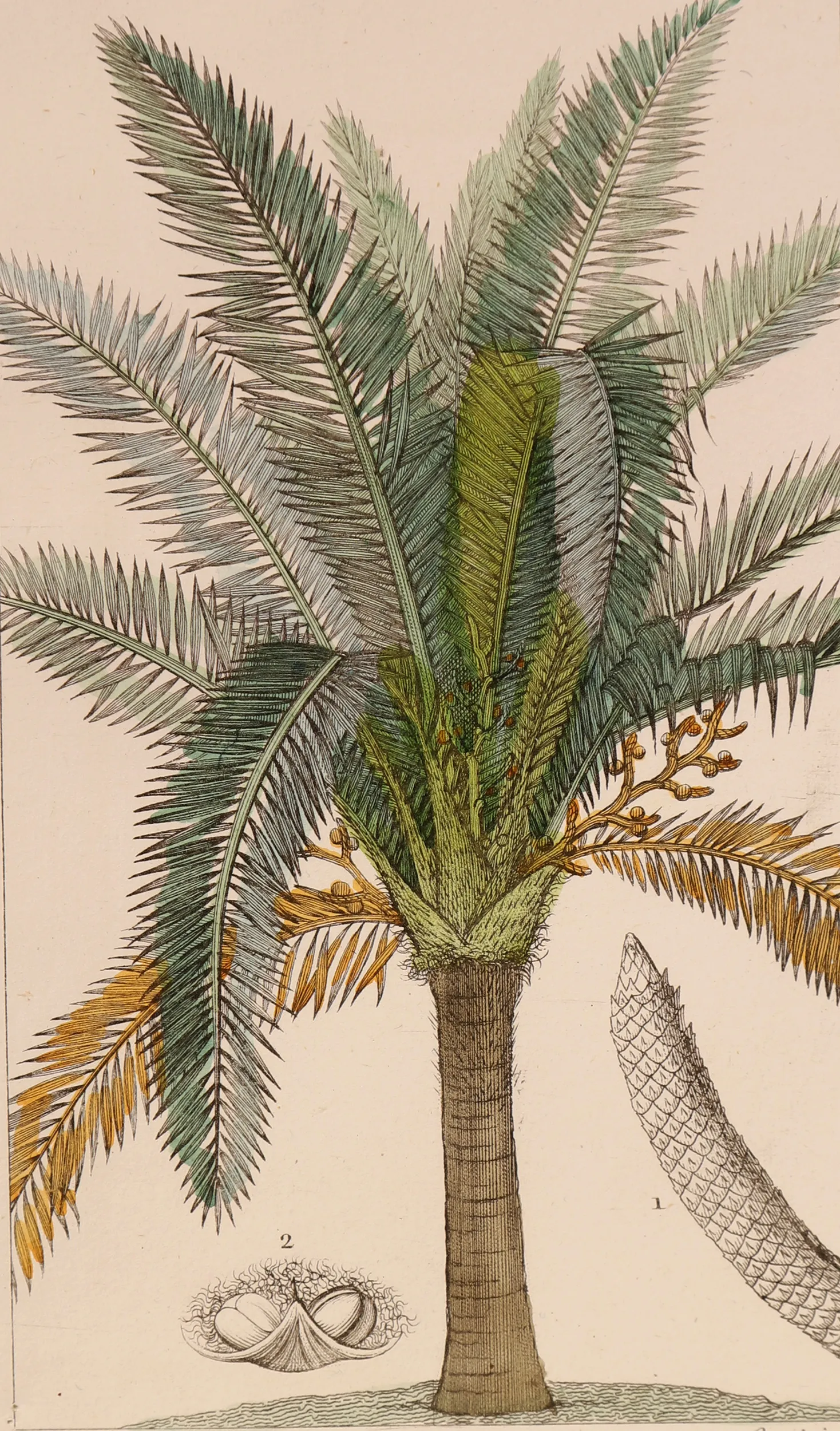

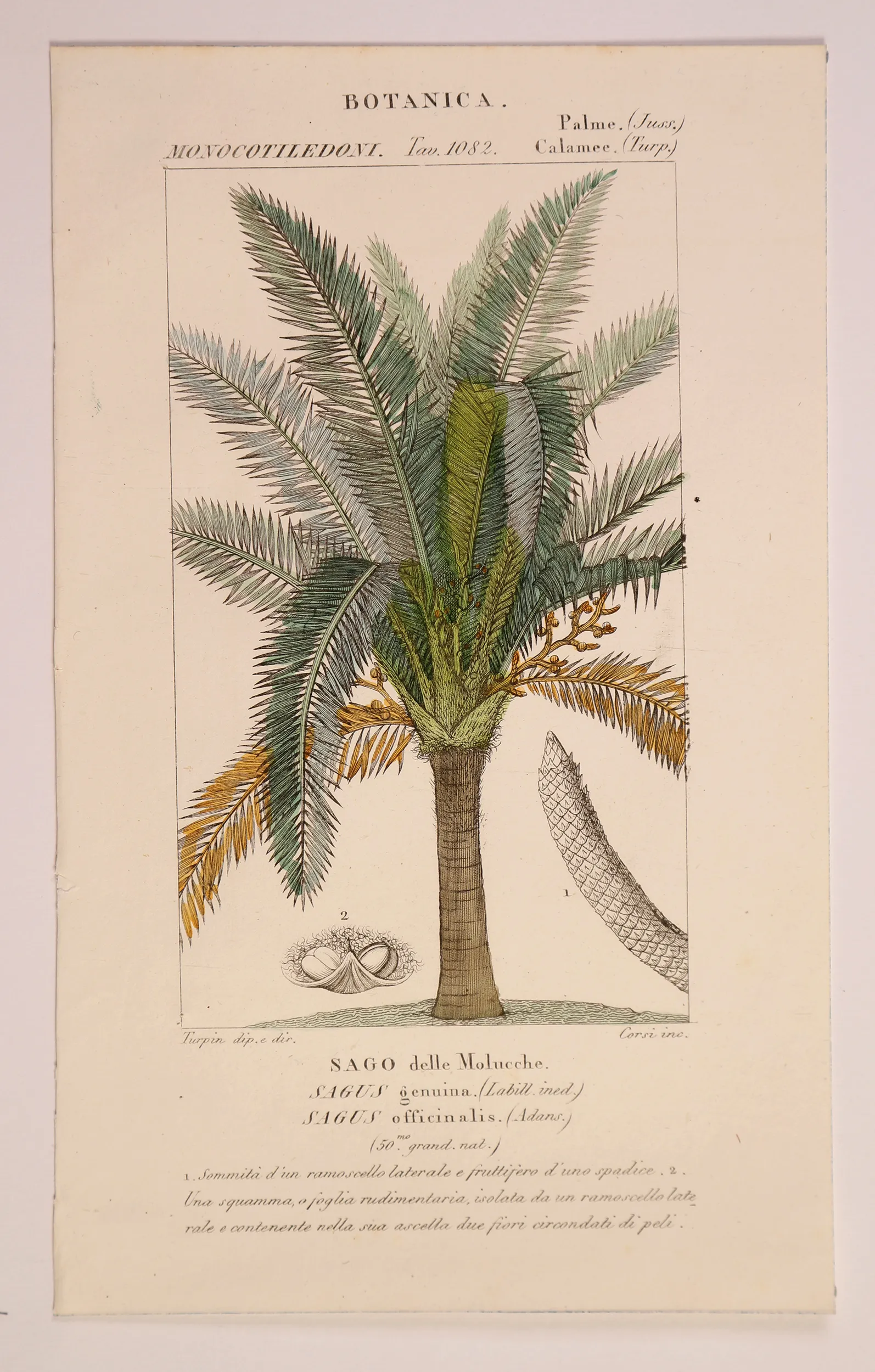
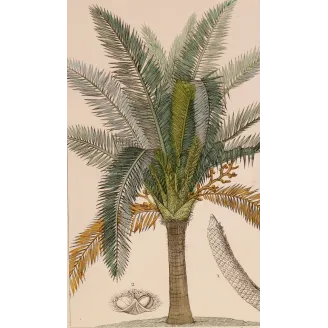
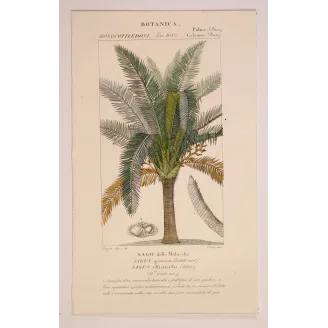
A splendid tropical palm: the true sago of the Moluccas.
 Delivery policy
Your print will be carefully prepared and shipped worldwide via trusted couriers (UPS or similar).
 Authentic antique prints
Original engravings from the 17th–19th century.
This original engraving presents the Sago Palm of the Moluccas, identified as Sagus genuina and Sagus officinalis, illustrated with compositional clarity and scientific restraint. The plate combines the full arboreal structure with analytical details of inflorescence and fruiting elements, offering a systematic representation of one of the most economically significant tropical palms of the early modern world.
Turpin renders the tall trunk and radiating fronds with measured architectural balance, while the golden reproductive structures introduce a luminous contrast against the controlled green palette. The engraving translates a utilitarian species into a disciplined botanical study — precise, legible, and visually composed.
The plate belongs to the Italian edition of the Dizionario di Scienze Naturali (Florence, Battelli press), a monumental early nineteenth-century encyclopedic enterprise dedicated to cataloguing global flora through careful observation and refined copperplate engraving.
— • —
The composition is vertically organized around a sturdy central trunk rising into a crown of finely articulated fronds. The warm yellow inflorescences create subtle chromatic tension within the otherwise restrained spectrum of greens and muted browns.
The auxiliary botanical details are positioned with measured spacing, preserving equilibrium and avoiding visual congestion. The generous margins enhance the sense of clarity, allowing the sheet to function equally as scientific document and refined decorative object.
The Sago Palm of the Moluccas occupied a central place in early nineteenth-century economic botany. Indigenous communities processed its pith into sago starch — a staple food capable of long preservation and transport. During the period of European maritime expansion, the Moluccan archipelago became synonymous with botanical wealth, linking plant science to global trade networks. Within the encyclopedic framework of the Dizionario di Scienze Naturali, such species represented not exotic ornament, but strategic botanical knowledge: plants tied to sustenance, commerce, and colonial-era scientific mapping.
This plate forms part of the historic Dizionario di Scienze Naturali, once preserved within a noble library and today housed in the Sacchetti Collection. Each engraving embodies a period when scientific investigation was supported by exceptional artisanal skill — from the precision of the engraved copperplate line to the carefully applied hand-colouring executed sheet by sheet.
Such works were conceived not as decorative ephemera, but as authoritative visual documents of knowledge. To explore the broader story of these rare prints and their refined provenance, we invite you to read our editorial feature “Not Just Another Print”.
The engraving is in Like Brand New (LBN) antique condition. The sheet presents clean, well-preserved margins and a sharp, well-defined impression. The original smooth early nineteenth-century wove paper remains stable and fresh in appearance. No watermark has been observed. The hand-colouring remains balanced and well preserved.
For further context on Pierre Jean François Turpin and his contribution to nineteenth-century botanical science, see our editorial feature:
Pierre Jean François Turpin – The Botanical Illustrator of Natural Harmony
Specific References
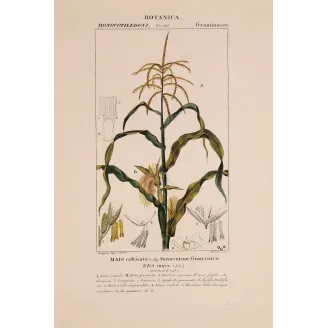
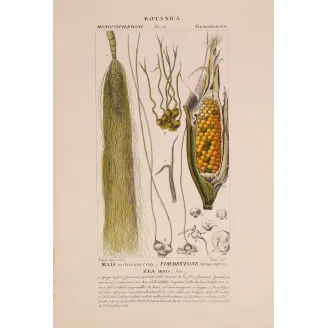
Double plate of cultivated maize (Zea mays) from Turpins botanical series.
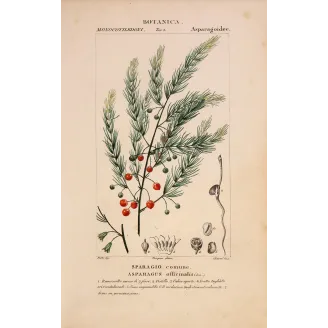
Botanical print of Asparagus officinalis by Turpin, featuring vivid orange berries.
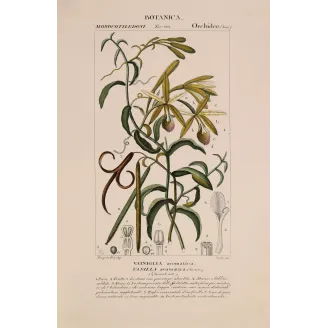
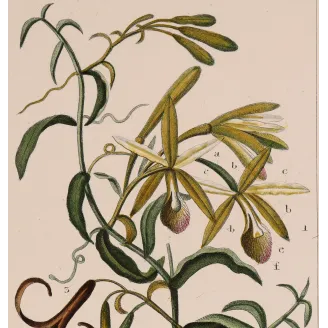
Delicate orchid illustration showing flower, pod and internal anatomy of vanilla.
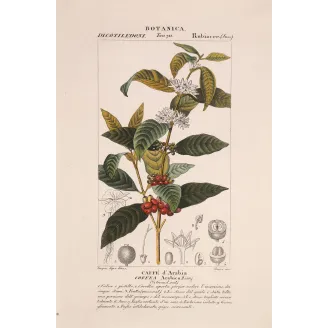
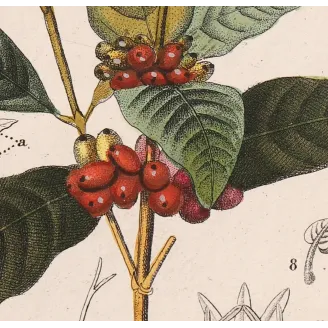
Botanical plate of Coffea arabica with vivid red berries and detailed floral structure.
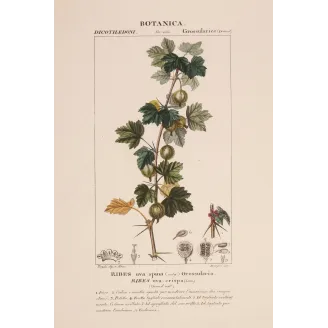
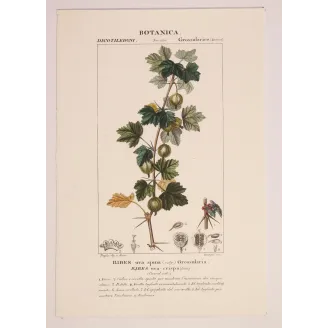
A charming depiction of *Ribes uva-crispa*, the gooseberry plant, detailed with its spiny stems and translucent green fruits.
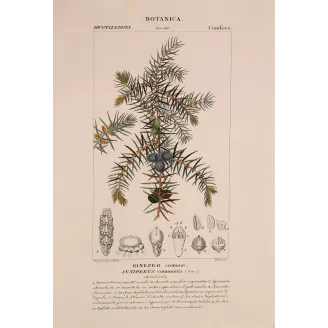
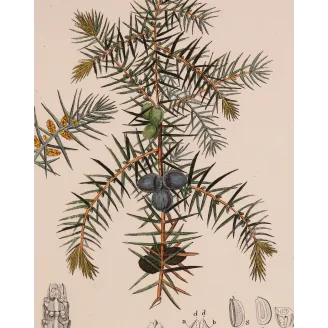
Elegant hand-colored plate of the juniper plant with berries and cone structure.
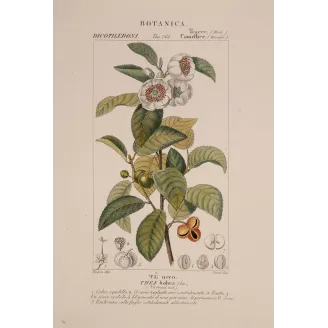
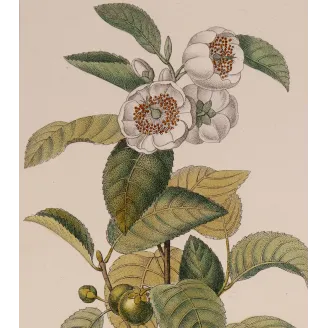
Delicate and detailed illustration of the tea plant, with floral and seed elements beautifully depicted.
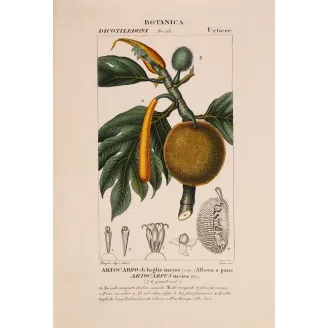
An extraordinary 19th-century engraving of *Artocarpus incisa*, the breadfruit tree, showcasing its bold leaves and unique fruit texture.
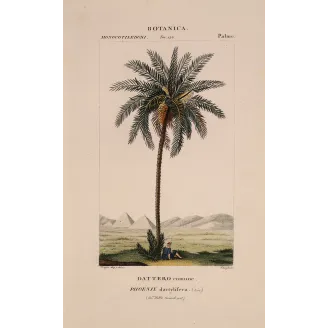
Detailed antique illustrations of the date palm tree and its floral and fruit anatomy.
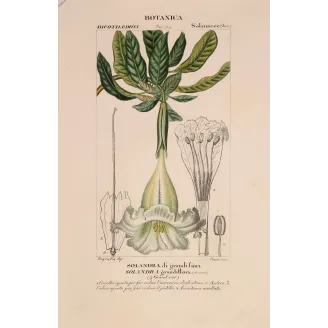
Beautiful antique flower print of Solandra, with large trumpet-shaped bloom.
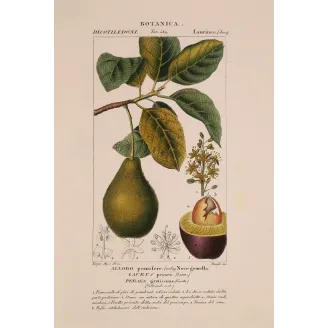
Botanical plate of avocado with whole fruit, seed, and internal anatomy.
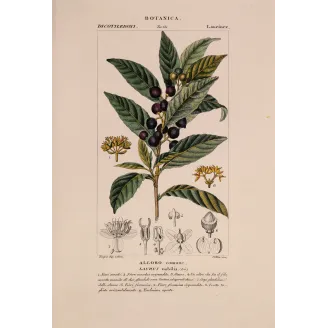
Graceful composition of bay laurel with fruits, blossoms, and internal flower structure.
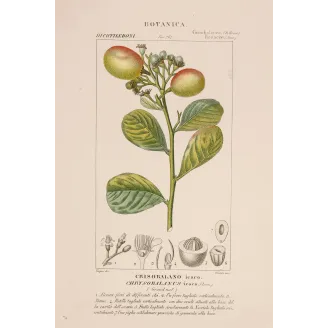
Elegant hand-colored botanical engraving of *Chrysobalanus icaco*, showing the round fruits and smooth glossy leaves in rich natural hues.
Finely detailed print of Laurus cinnamomum by Turpin, from the Dizionario di Scienze Naturali.
Vibrant hand-colored depiction of *Mangifera indica*, the mango tree, highlighting its lush leaves, golden fruit, and floral details.
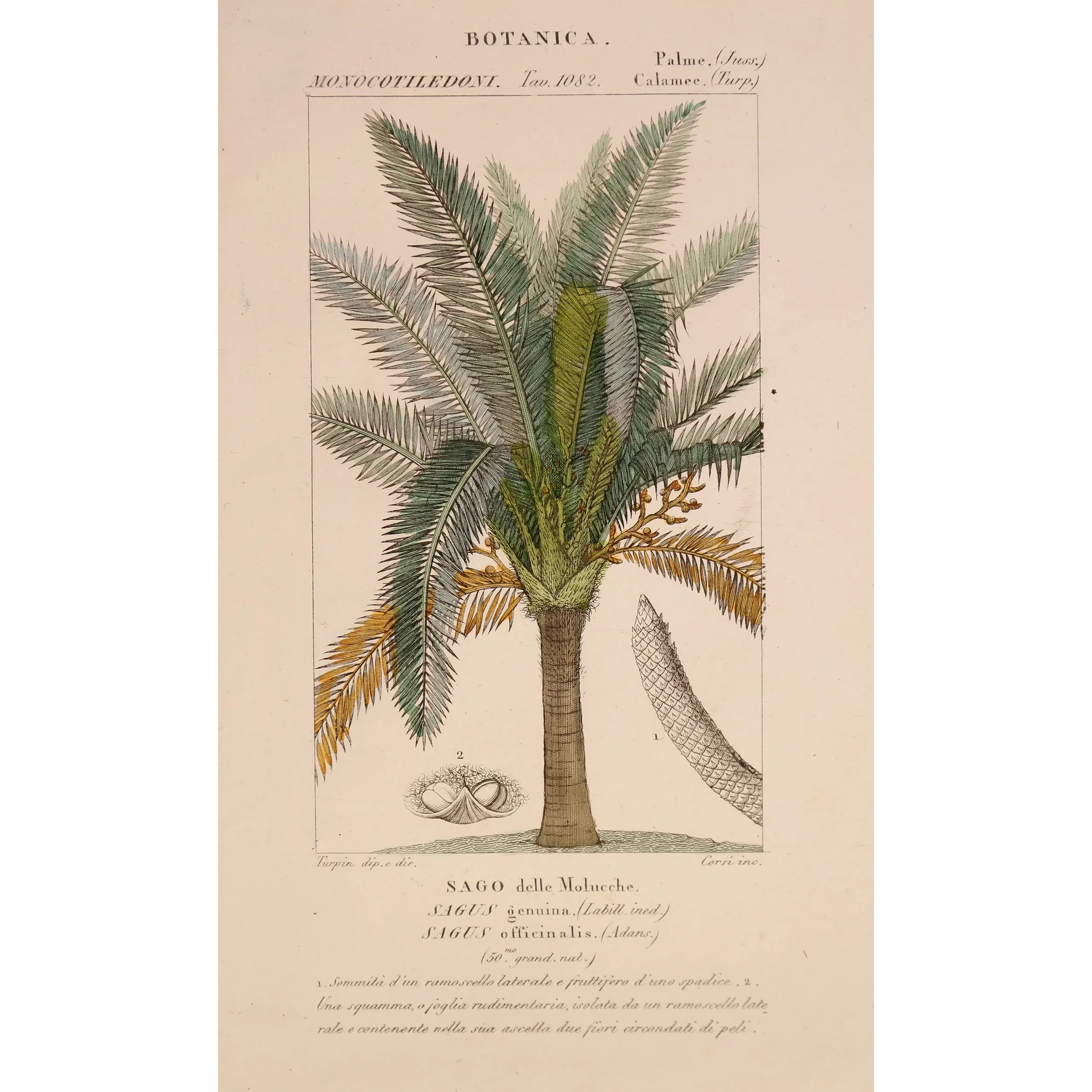
A splendid tropical palm: the true sago of the Moluccas.