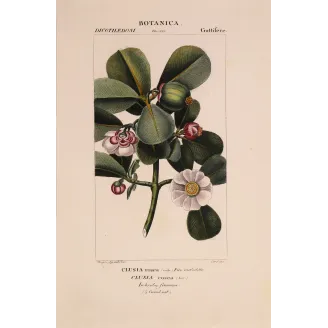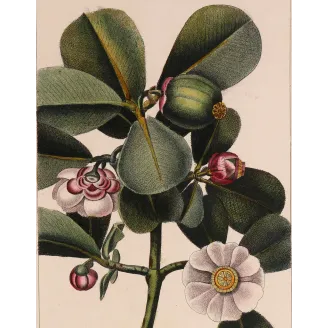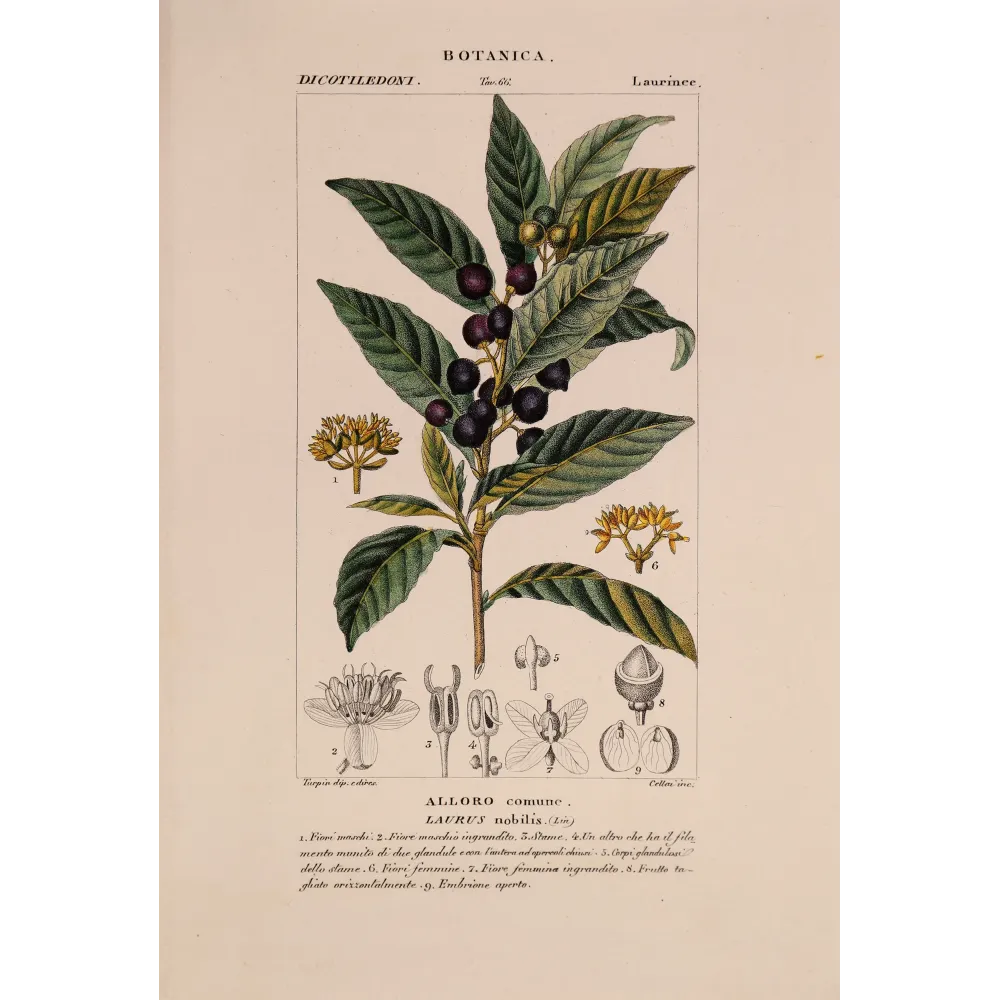
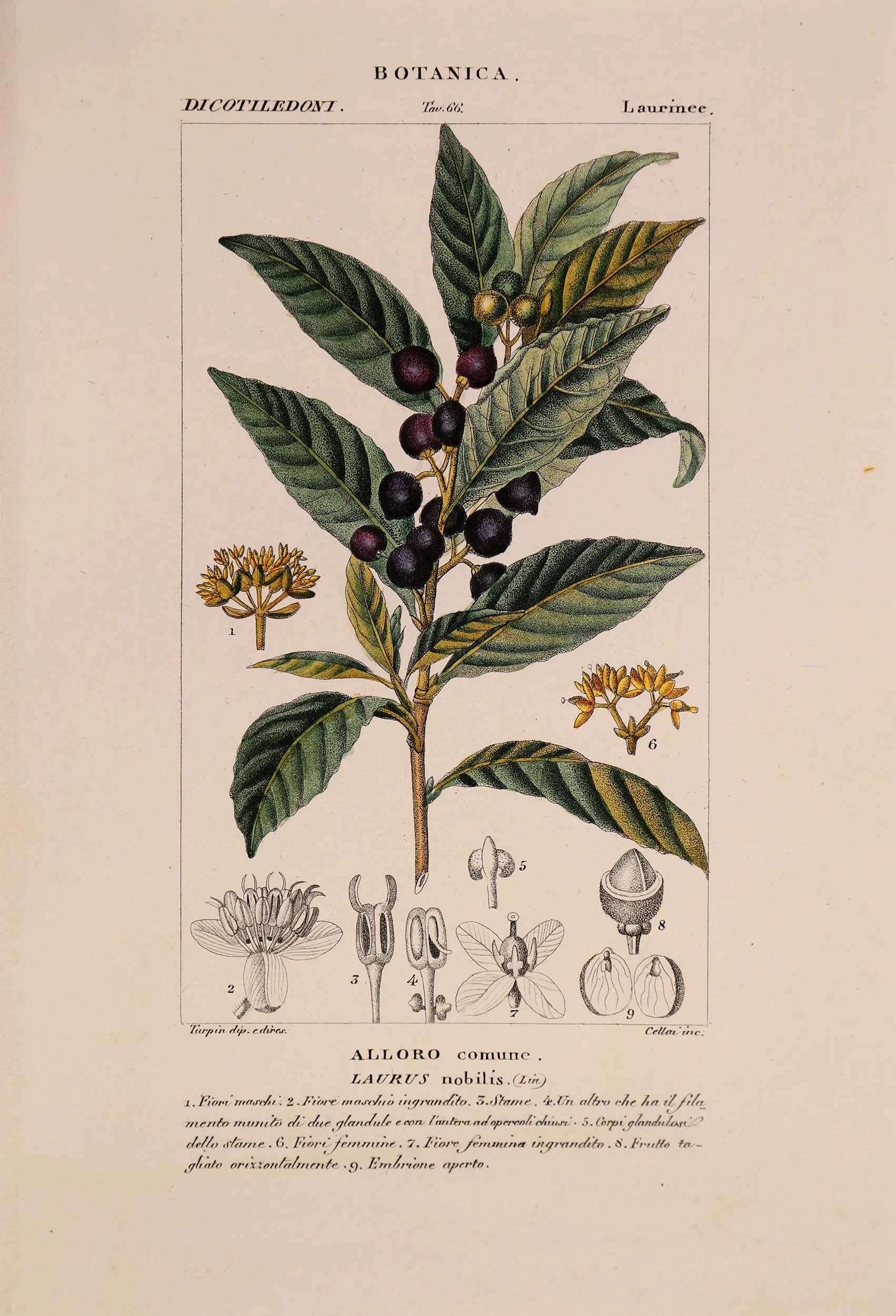
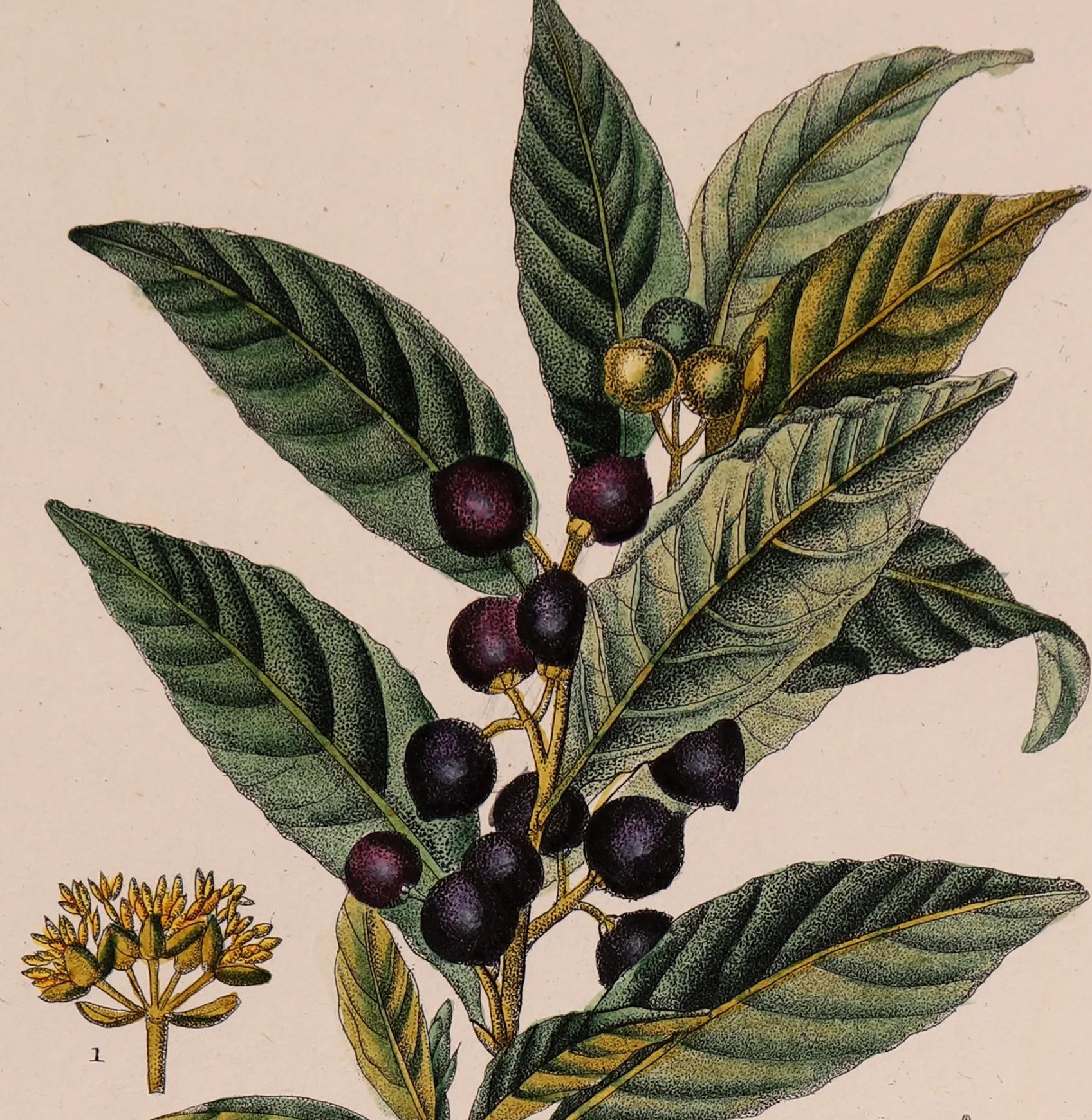

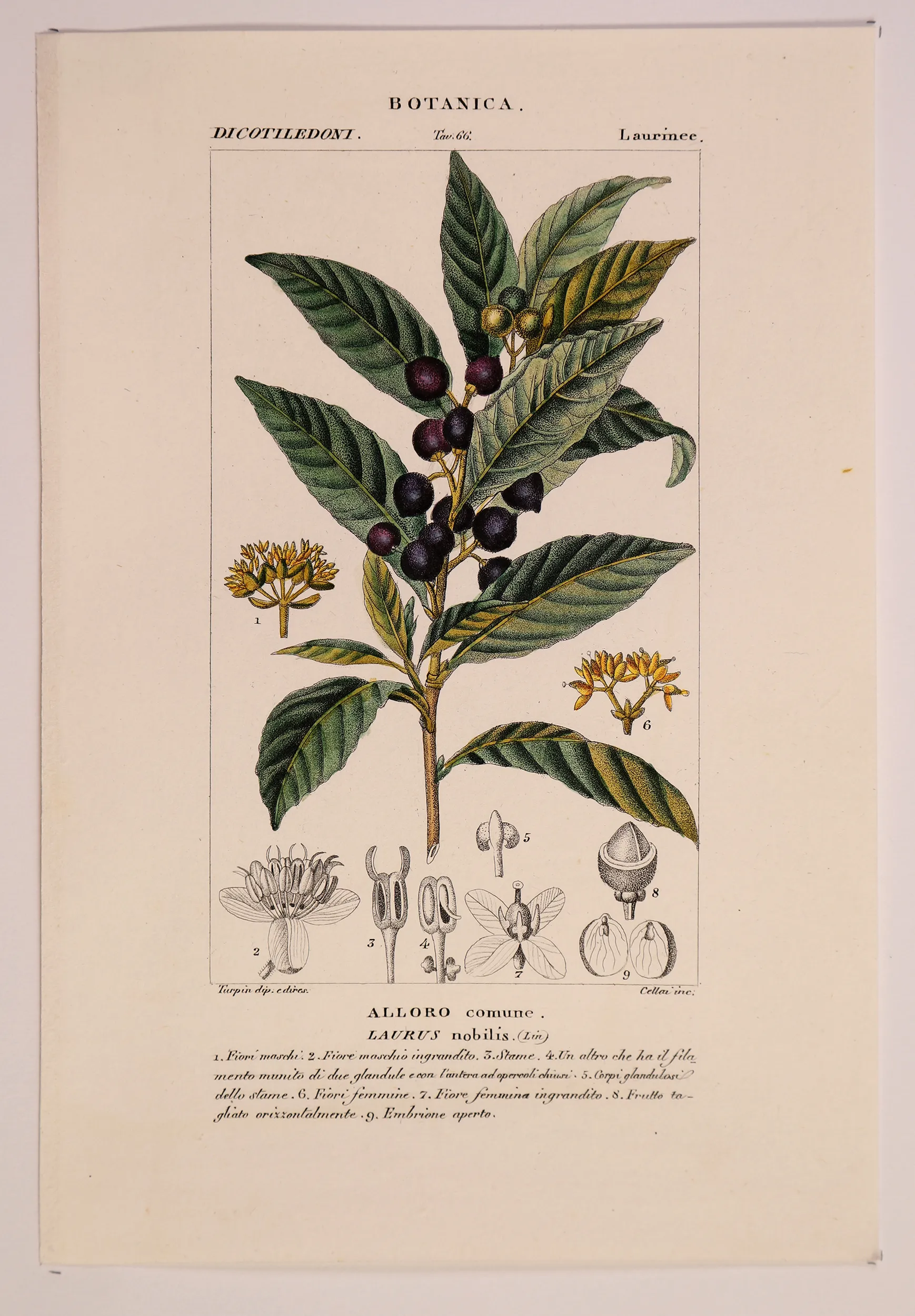
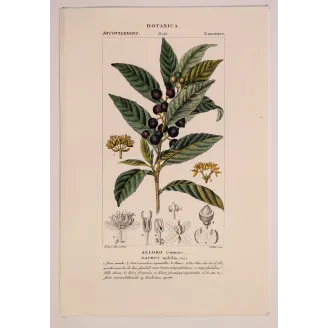
Graceful composition of bay laurel with fruits, blossoms, and internal flower structure.
 Delivery policy
Your print will be carefully prepared and shipped worldwide via trusted couriers (UPS or similar).
 Authentic antique prints
Original engravings from the 17th–19th century.
This original early nineteenth-century engraving presents Laurus nobilis, the common laurel, rendered with refined botanical precision and luminous hand-colouring. The vertical composition balances elegant foliage with clusters of dark violet fruits and delicate yellow blossoms, capturing both the ornamental grace and structural clarity of this historically revered plant.
The plate belongs to the Italian edition of the Dizionario di Scienze Naturali (Florence, Battelli press), a monumental encyclopedic project dedicated to documenting the natural world through disciplined observation and artisanal engraving. Here, the laurel is shown not merely as a culinary herb, but as a botanical subject of scientific authority.
Supplementary anatomical details along the lower margin illustrate the flower and fruit structures, reinforcing the scientific character of the sheet while preserving its decorative elegance.
— • —
The composition is structured around a central vertical stem, creating architectural stability. Broad, glossy leaves form a rhythmic pattern of layered greens, ranging from deep olive to luminous yellow-green. The spherical violet-black berries introduce a strong chromatic accent, providing visual depth and contrast against the lighter foliage.
The engraving achieves a balance between scientific neutrality and decorative presence. The leaf venation is rendered with disciplined clarity, while the subtle gradation of colour preserves the living vitality of the plant. The result is a sheet that functions equally well in a botanical cabinet, a study, or a refined interior setting.
Laurus nobilis has occupied a central place in Mediterranean culture since antiquity. In classical Greece and Rome, laurel wreaths symbolised victory, honour and poetic inspiration. Beyond symbolism, the plant has long been valued for its aromatic leaves and medicinal properties. By the early nineteenth century, such historically significant species were incorporated into systematic botanical classification, bridging ancient tradition with modern scientific inquiry. This engraving preserves that intellectual transition — where symbolism and taxonomy converge.
This engraving forms part of the historic Dizionario di Scienze Naturali, preserved within the distinguished Sacchetti Collection. Each sheet reflects a period in which natural history was documented with exceptional precision, combining engraved copperplate craftsmanship with careful hand-colouring.
To discover more about the refined provenance and editorial significance of these works, we invite you to explore our feature “Not Just Another Print”.
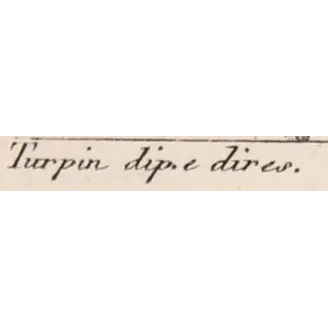
The engraving is in exceptional antique condition, remarkably close to “like brand new.” The sheet presents clean margins and a sharp, well-inked impression. The paper is smooth early nineteenth-century wove paper (non-laid). No watermark has been observed. The original hand-colouring remains fresh and well balanced, with no visible losses. The engraved credit “Turpin dis.” confirms the original drawing by Pierre Jean François Turpin.
For further context on Pierre Jean François Turpin and his role in botanical illustration, see our editorial feature:
Pierre Jean François Turpin – The Botanical Illustrator of Natural Harmony
Specific References
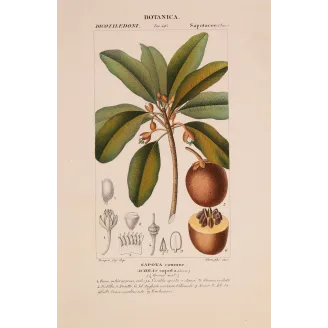
A warm-toned botanical engraving of *Achras sapota*, featuring its rounded fruit and large green leaves with exquisite texture
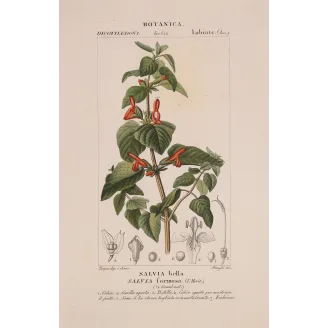
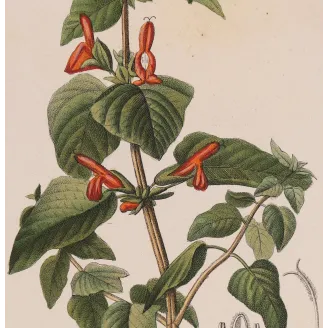
Vivid botanical plate of Salvia formosa, with striking red-orange tubular flowers.
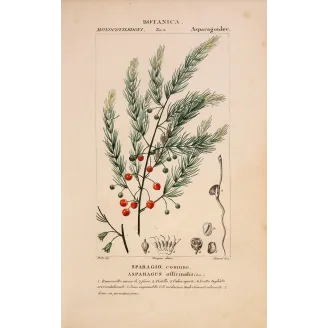
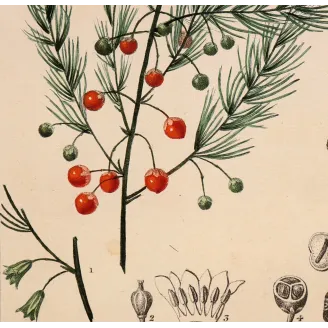
Botanical print of Asparagus officinalis by Turpin, featuring vivid orange berries.
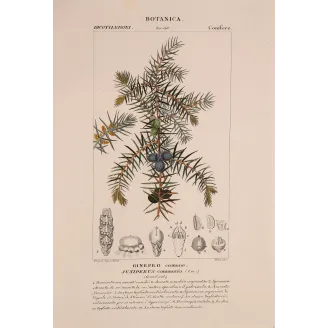
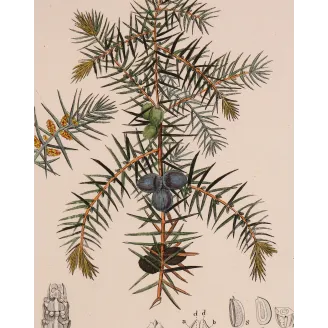
Elegant hand-colored plate of the juniper plant with berries and cone structure.
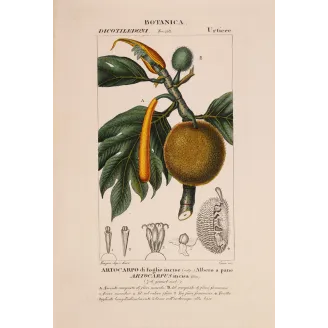
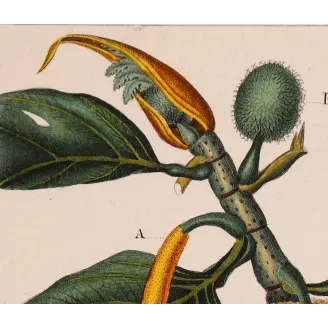
An extraordinary 19th-century engraving of *Artocarpus incisa*, the breadfruit tree, showcasing its bold leaves and unique fruit texture.
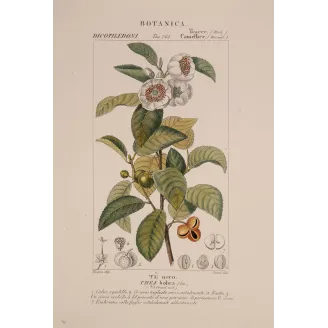
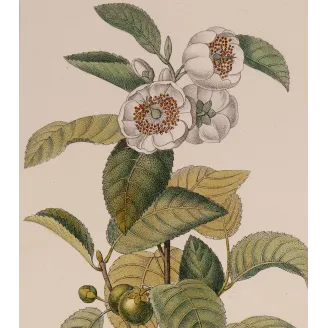
Delicate and detailed illustration of the tea plant, with floral and seed elements beautifully depicted.
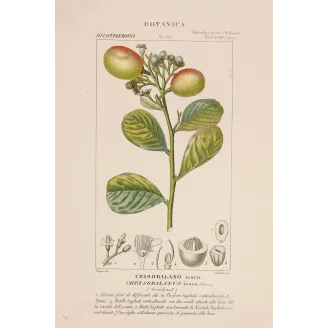
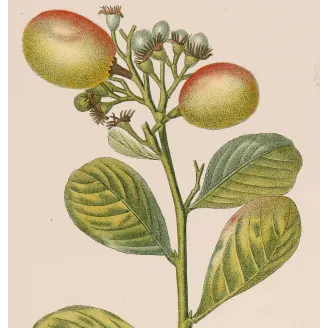
Elegant hand-colored botanical engraving of *Chrysobalanus icaco*, showing the round fruits and smooth glossy leaves in rich natural hues.
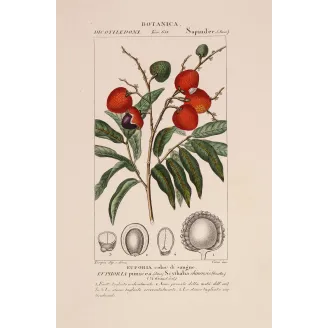
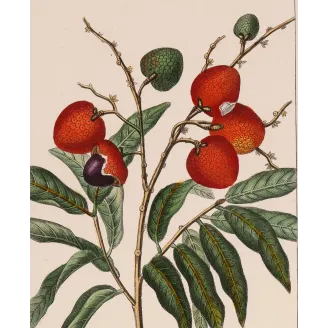
A striking hand-colored engraving of *Euphoria punicea*, displaying vivid red fruits and lush foliage in a refined 19th-century botanical composition.
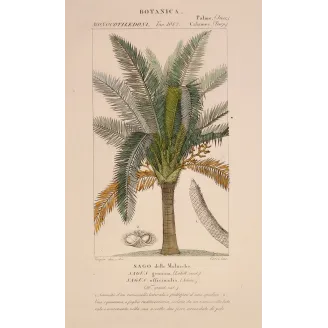
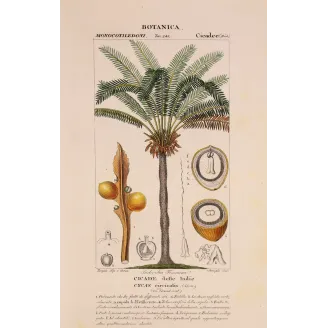
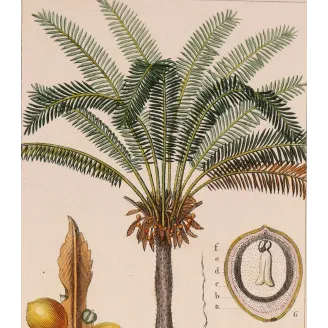
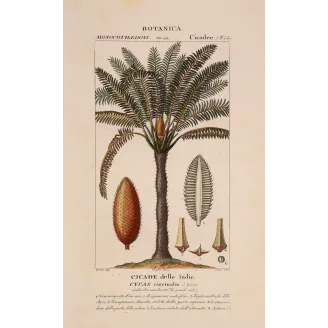
A detailed antique plate of Cycas circinalis, the Indian Sago Palm, showing the female specimen and fruit anatomy.
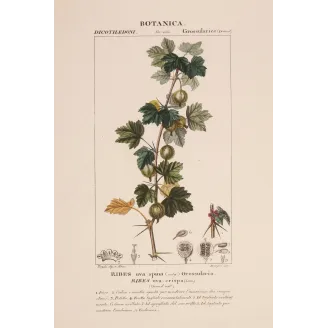
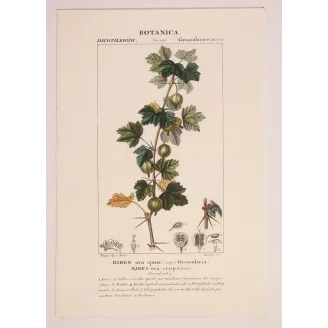
A charming depiction of *Ribes uva-crispa*, the gooseberry plant, detailed with its spiny stems and translucent green fruits.
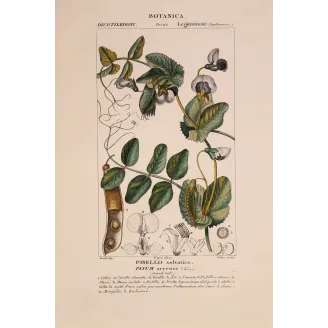
Colorful botanical illustration of Pisum arvense, wild pea, engraved by Turpin.
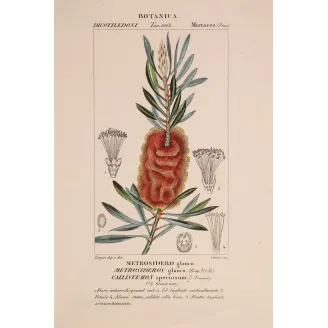
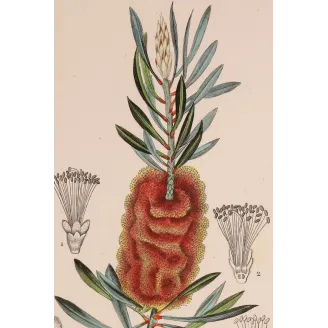
Stunning antique print of the red-flowering Callistemon, also known as bottlebrush.
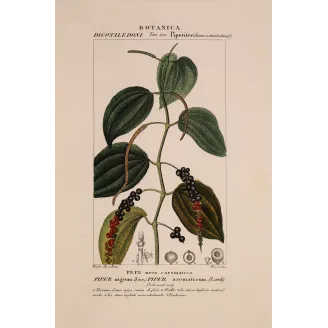
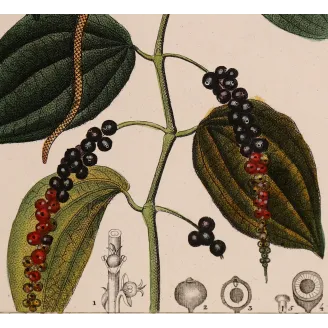
Detailed depiction of the black pepper vine with fruiting spikes and leaves.
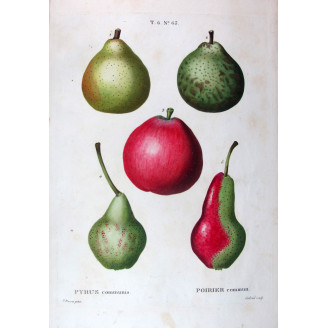
A refined study of French cultivated pear varieties, distinguished by subtle chromatic contrasts and carefully modelled forms. This hand-colored engraving reflects Pancrace Bessa’s ability to elevate orchard subjects through balance, restraint, and quiet visual authority.
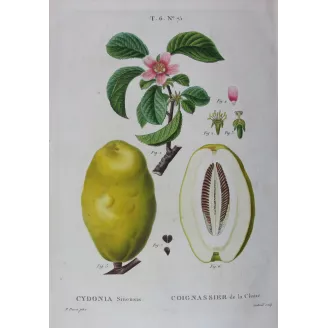
Chinese Quince Coignassier de la Chine Original hand-colored botanical engraving by Pancrace Bessa.
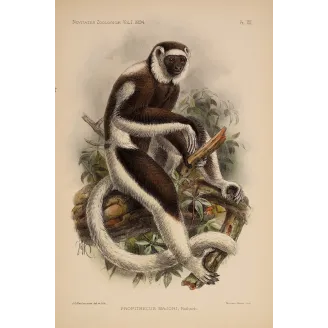
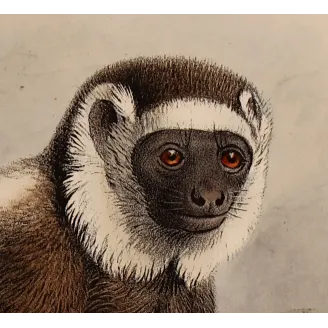
Original hand-coloured lithograph by John Gerrard Keulemans from Novitates Zoologicae, Volume I, Plate XII, published in 1894. Depicting Propithecus majori (Major's Sifaka), the composition combines precise anatomical observation with an unusually expressive portrayal of a living primate. Selective gum arabic remains visible on the pupils and across the darker fur of the forelimb, thigh and body. Printed by Mintern Bros. on substantial wove paper and preserved in very good condition.
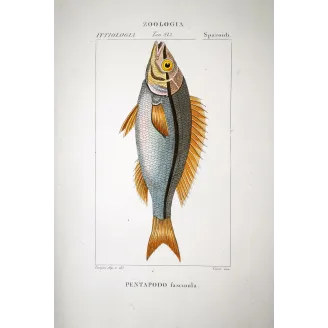
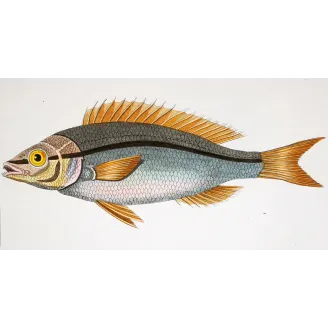
Elegant Pentapodus fish with shimmering orange-silver tones and refined aquatic poise.
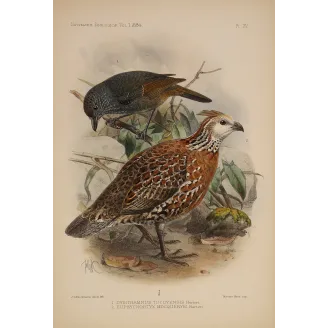
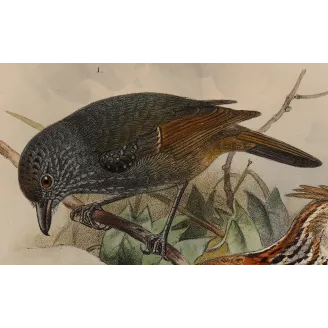
Original hand-coloured lithograph by John Gerrard Keulemans from Novitates Zoologicae, Volume I, Plate XV, published in 1894. The composition presents a Venezuelan White-streaked Antvireo above a richly patterned Crested Bobwhite, using vertical placement to suggest two distinct ecological levels within the same natural environment. Selective gum arabic remains visible on the pupils of both subjects and more extensively across the plumage of the lower bird. Printed by Mintern Bros. on substantial wove paper and preserved in very good condition.
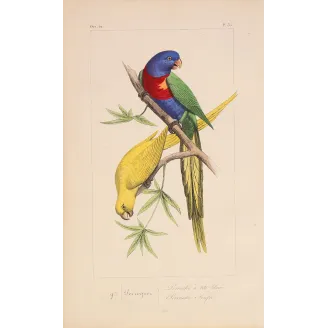
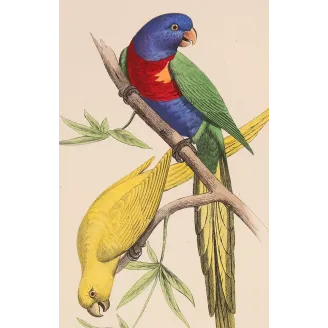
Highly decorative 19th-century engraving of exotic parakeets with vivid blue, red and yellow plumage. A striking and colorful antique bird print.
Original nineteenth-century hand-colored engraving depicting the Purple-throated Carib (Eulampis jugularis), one of the most spectacular Caribbean hummingbirds illustrated in Ludwig Reichenbach’s Trochilinarum Enumeratio.
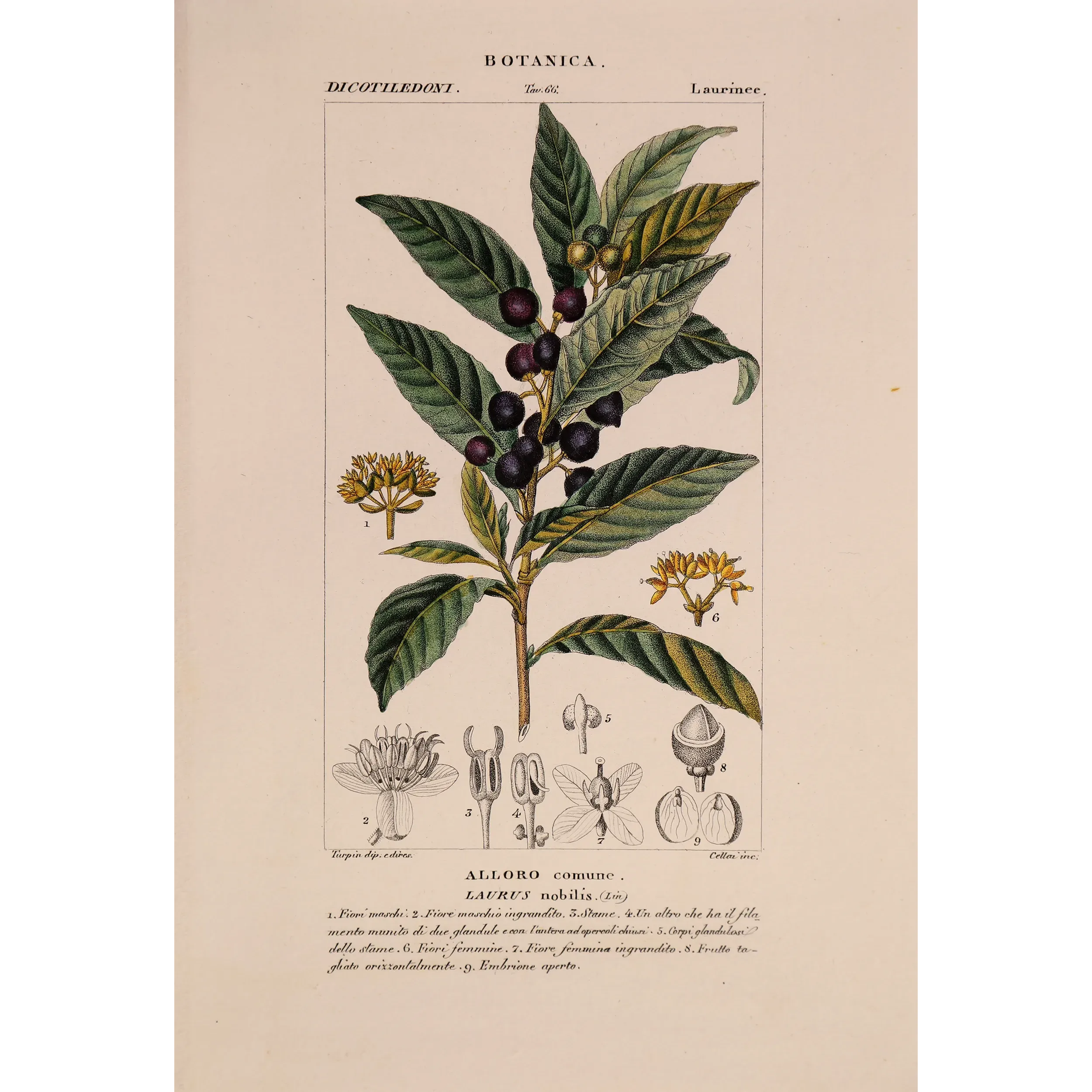
Graceful composition of bay laurel with fruits, blossoms, and internal flower structure.