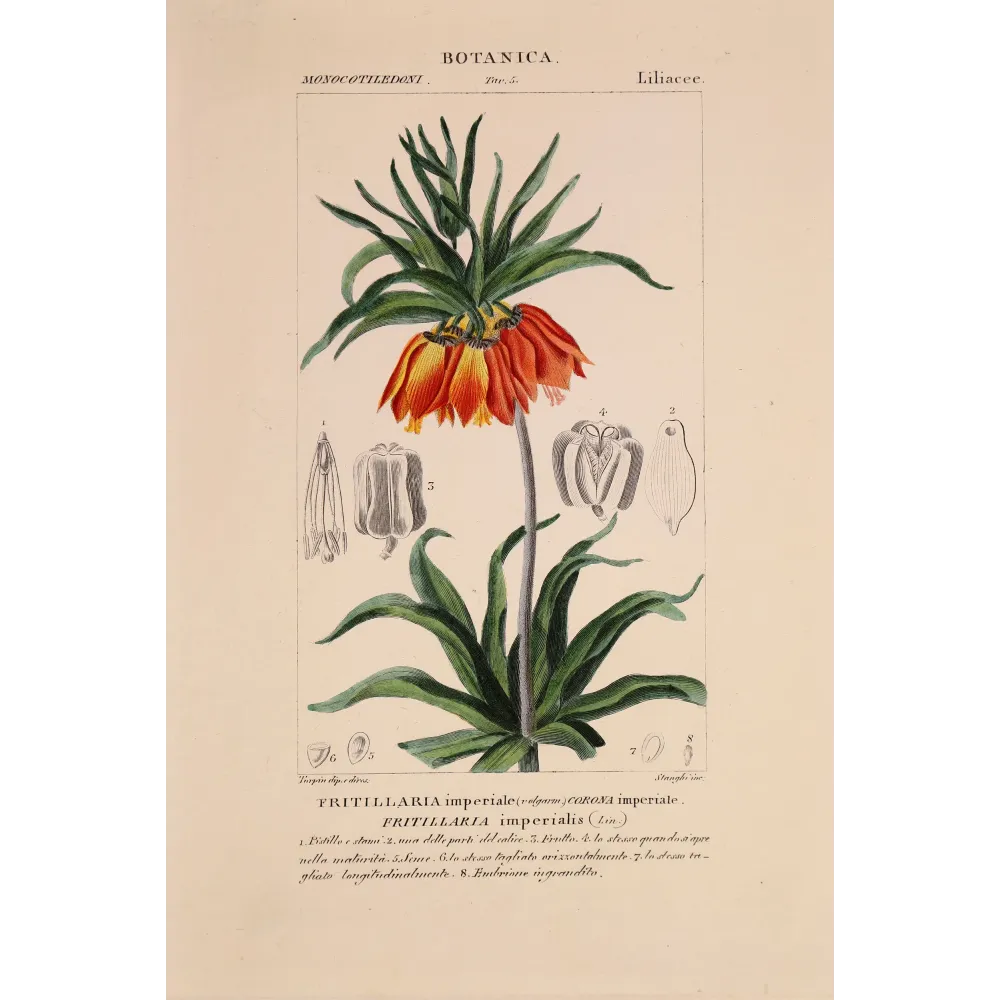
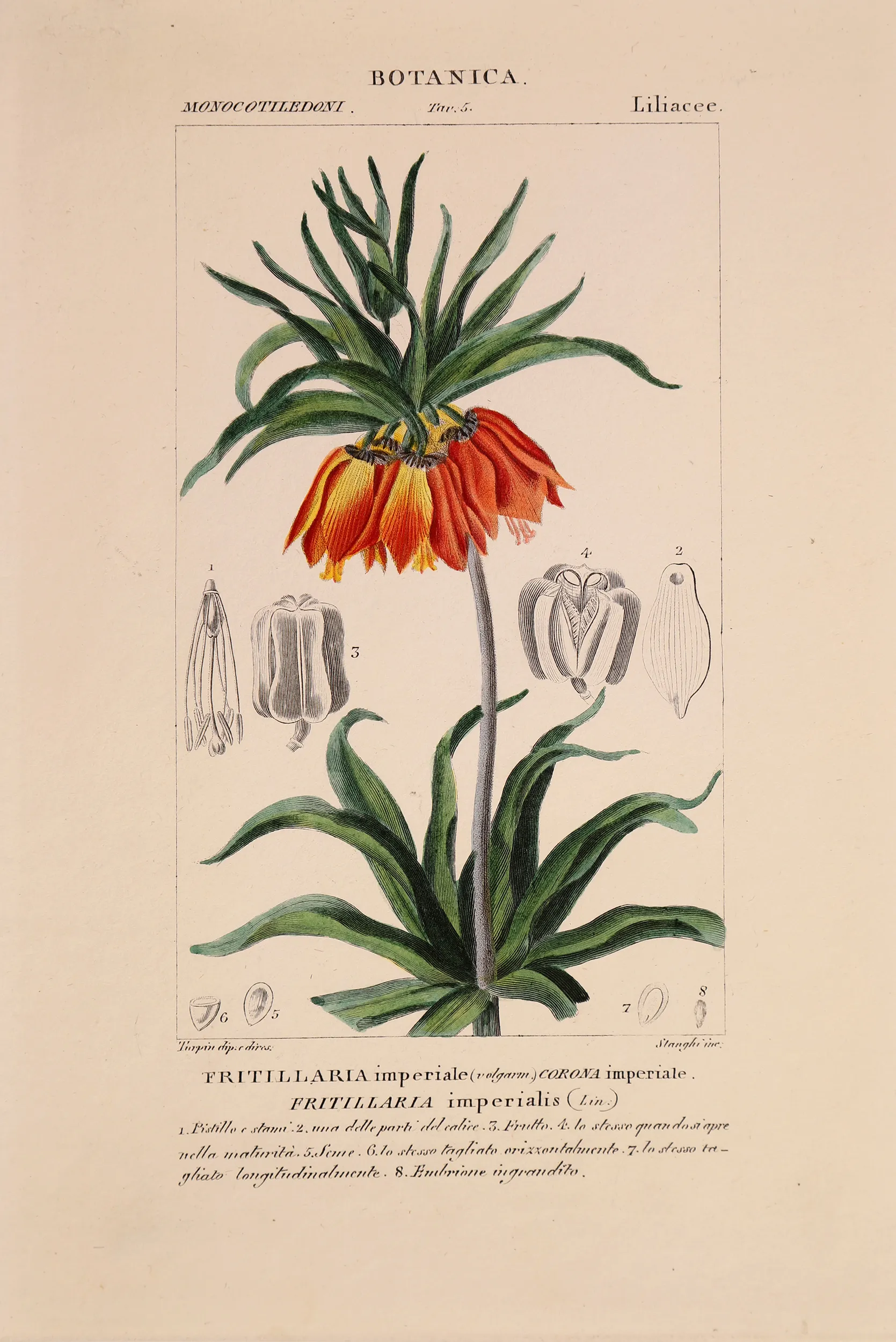
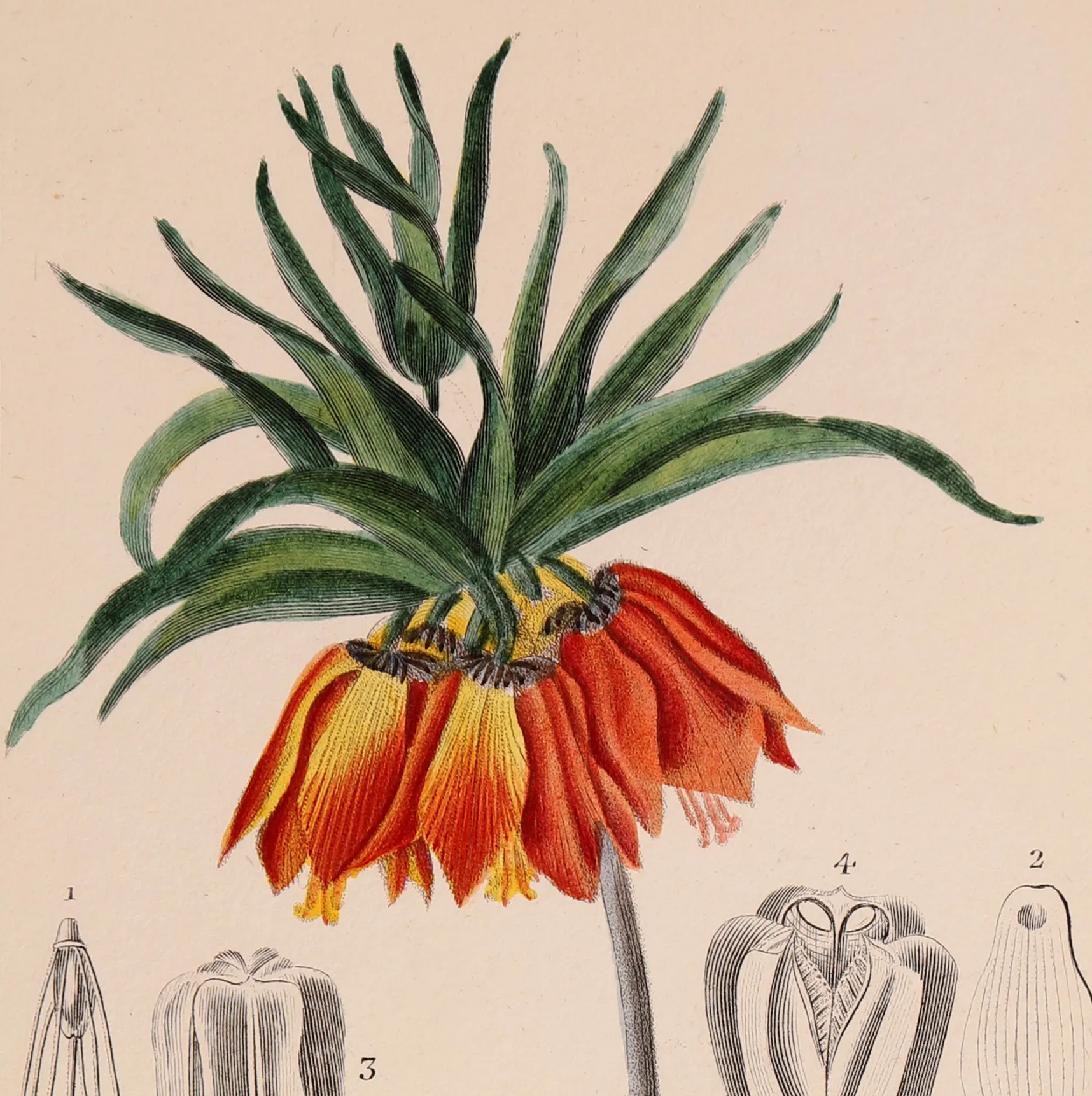

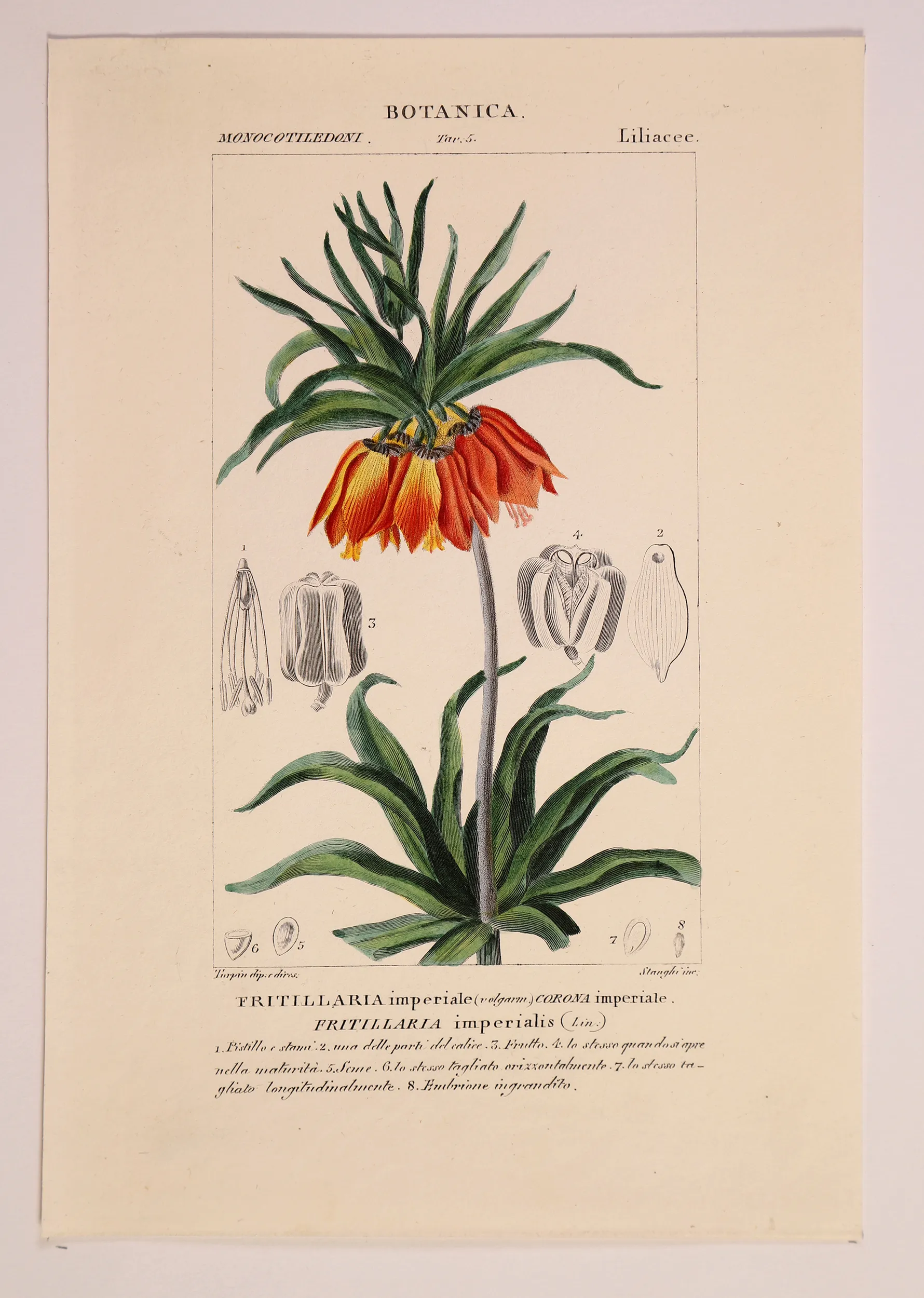
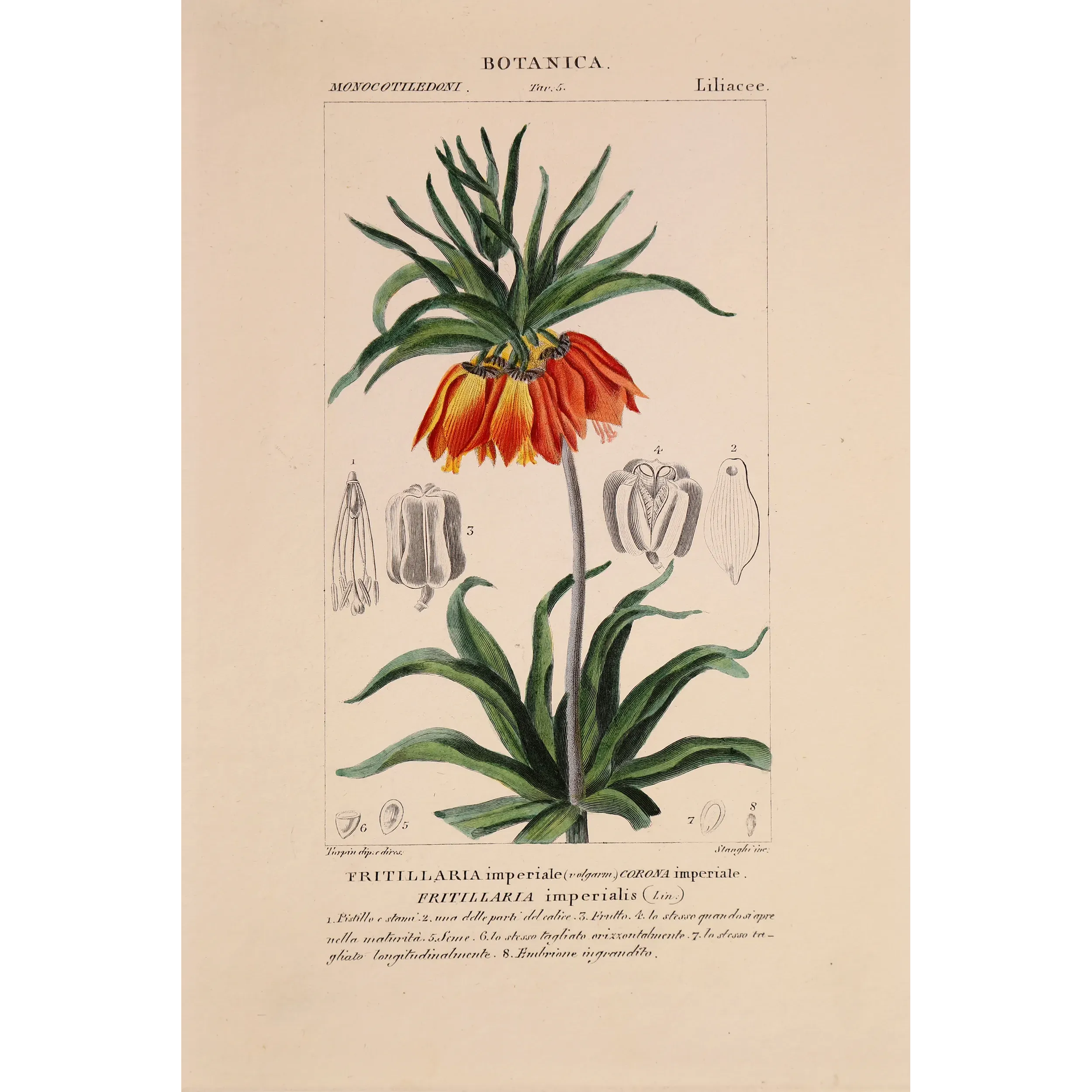
Striking antique print of Fritillaria imperialis with bright orange crown flowers.
 Delivery policy
Your print will be carefully prepared and shipped worldwide via trusted couriers (UPS or similar).
 Authentic antique prints
Original engravings from the 17th–19th century.
This striking engraving presents the Crown Imperial, Fritillaria imperialis, illustrated with dramatic clarity and refined botanical restraint. The plate combines the complete flowering specimen with analytical dissections of its floral structure, offering a systematic study of one of the most celebrated ornamental plants in European garden history.
Turpin renders the tall central stem with disciplined simplicity, allowing the pendulous crown of orange-red blossoms to dominate the composition. Above them, the tufted green bracts create a distinctive silhouette — a natural “crown” that gives the species its theatrical presence and unmistakable identity.
The engraving belongs to the Italian edition of the Dizionario di Scienze Naturali (Florence, Battelli press), an early nineteenth-century encyclopedic enterprise devoted to documenting the natural world through refined copperplate engraving and careful observation.
— • —
The composition is architecturally vertical, rising toward a single focal event: the crowned ring of pendulous flowers. The saturated orange-red tones are balanced by deep, cool greens, producing a bold but controlled chromatic harmony. The botanical dissections are placed with measured spacing, preserving clarity and avoiding visual clutter.
Displayed independently, the plate offers an almost sculptural presence. It reads at once as a scientific document and as a decorative statement — particularly suited to interiors that welcome strong botanical forms and confident color accents.
Fritillaria imperialis, native to parts of western Asia, became one of the most prized ornamental bulbs in early modern European gardens. By the eighteenth and nineteenth centuries, it was widely cultivated as a symbol of botanical fashion and horticultural prestige, admired for its unusual architecture and intense coloration. In the context of natural history publishing, the Crown Imperial represented more than decorative novelty: its distinctive floral structure made it an ideal subject for botanical illustration, combining immediate recognizability with anatomical interest. Its inclusion in encyclopedic works such as the Dizionario di Scienze Naturali reflects the period’s close relationship between garden culture, plant science, and the taxonomy of ornamentals.
This plate forms part of the historic Dizionario di Scienze Naturali, once preserved within a noble library and today housed in the Sacchetti Collection. Each engraving embodies a period when scientific observation and artisanal skill were inseparable — from the precision of the engraved copperplate line to the carefully applied hand-colouring executed sheet by sheet.
Such works were conceived as authoritative visual documents of knowledge. To explore the broader story of these rare prints and their refined provenance, we invite you to read our editorial feature “Not Just Another Print”.
The engraving is in excellent antique condition. The sheet presents clean margins and a sharp, well-defined impression. The original early nineteenth-century smooth wove paper remains stable and well preserved. No watermark has been observed. The hand-colouring retains strong tonal clarity, with well-preserved saturation in the blossoms and balanced greens in the foliage.
For further context on Pierre Jean François Turpin and his contribution to nineteenth-century botanical science, see our editorial feature:
Pierre Jean François Turpin – The Botanical Illustrator of Natural Harmony
Specific References
Elegant hand-colored plate of the juniper plant with berries and cone structure.
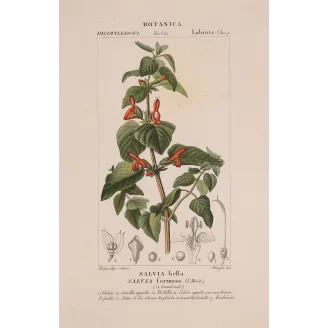
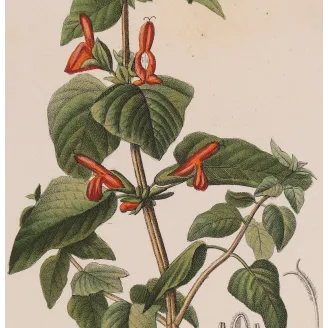
Vivid botanical plate of Salvia formosa, with striking red-orange tubular flowers.
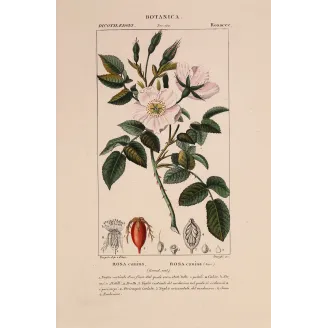
Delicate dog rose flower with soft pink petals and fine botanical details.
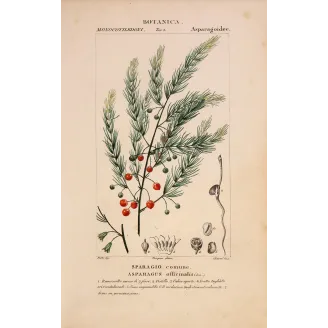
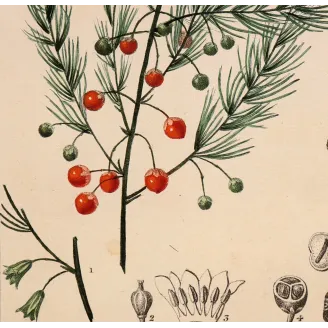
Botanical print of Asparagus officinalis by Turpin, featuring vivid orange berries.
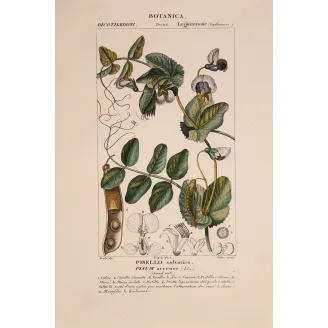
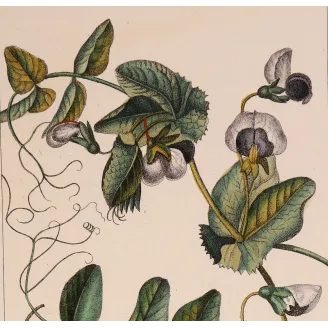
Colorful botanical illustration of Pisum arvense, wild pea, engraved by Turpin.
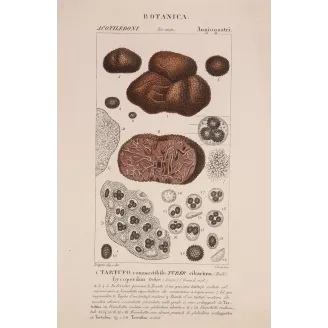
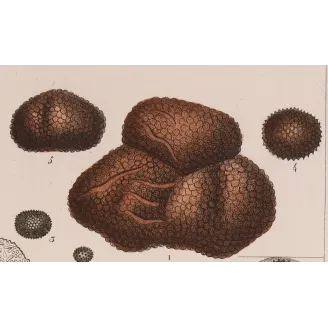
Unusual and fascinating botanical study of truffle morphology, rich in scientific detail.
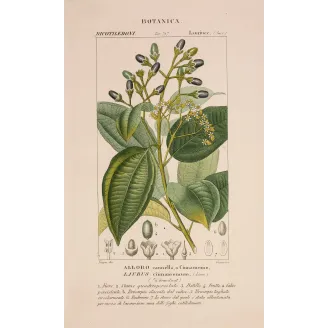
Finely detailed print of Laurus cinnamomum by Turpin, from the Dizionario di Scienze Naturali.
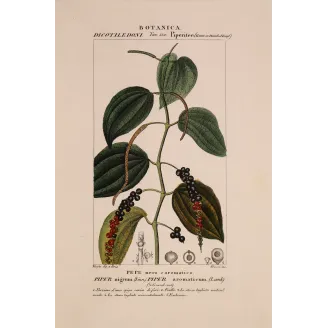
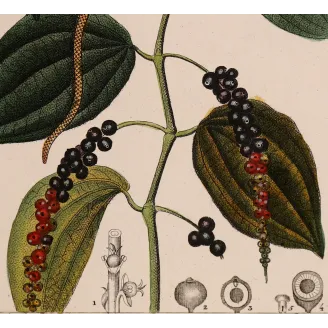
Detailed depiction of the black pepper vine with fruiting spikes and leaves.
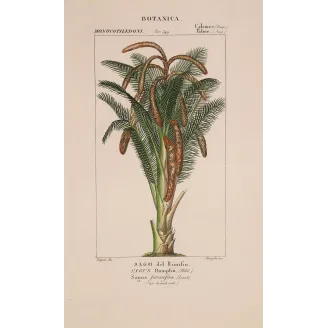
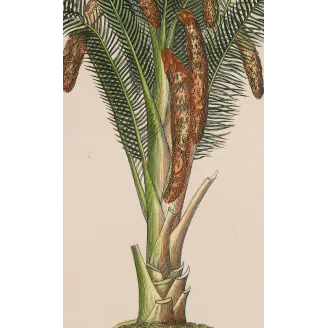
A pair of plates dedicated to the sago palm tree and its structural details.
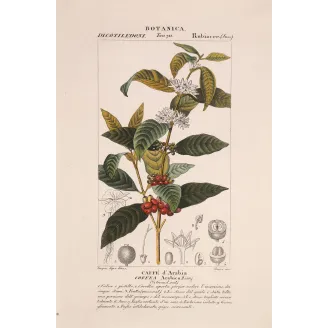
Botanical plate of Coffea arabica with vivid red berries and detailed floral structure.
A complete set of 22 original hand-colored lithographs of ferns by Turpin, from the Dizionario di Scienze Naturali (c. 1830).
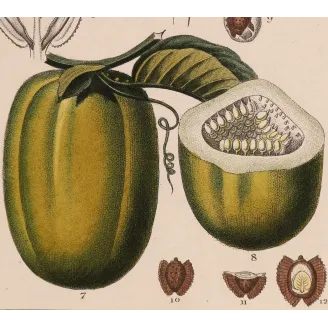
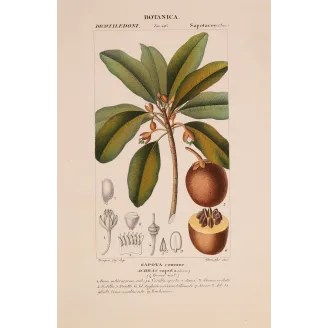
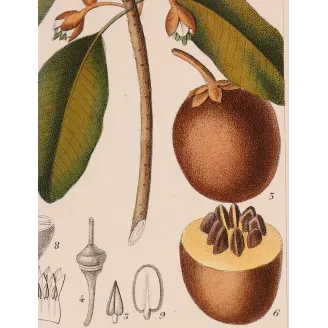
A warm-toned botanical engraving of *Achras sapota*, featuring its rounded fruit and large green leaves with exquisite texture
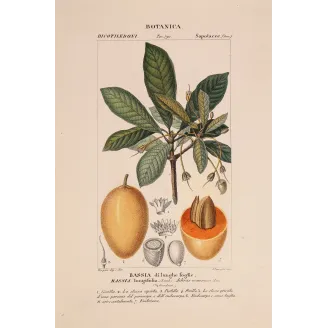
A rare depiction of *Bassia longifolia*, showing its elongated leaves and fruit sections in precise scientific detail and soft hand-colored tones.
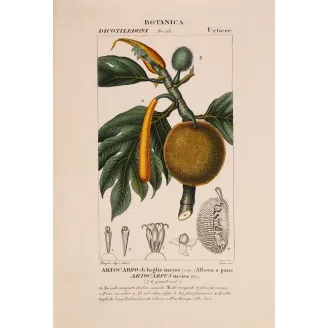
An extraordinary 19th-century engraving of *Artocarpus incisa*, the breadfruit tree, showcasing its bold leaves and unique fruit texture.
Striking antique print of Fritillaria imperialis with bright orange crown flowers.