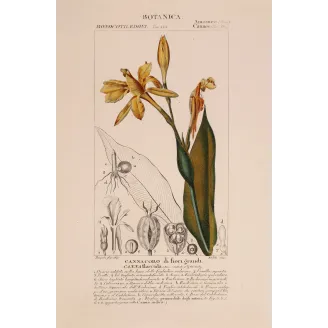
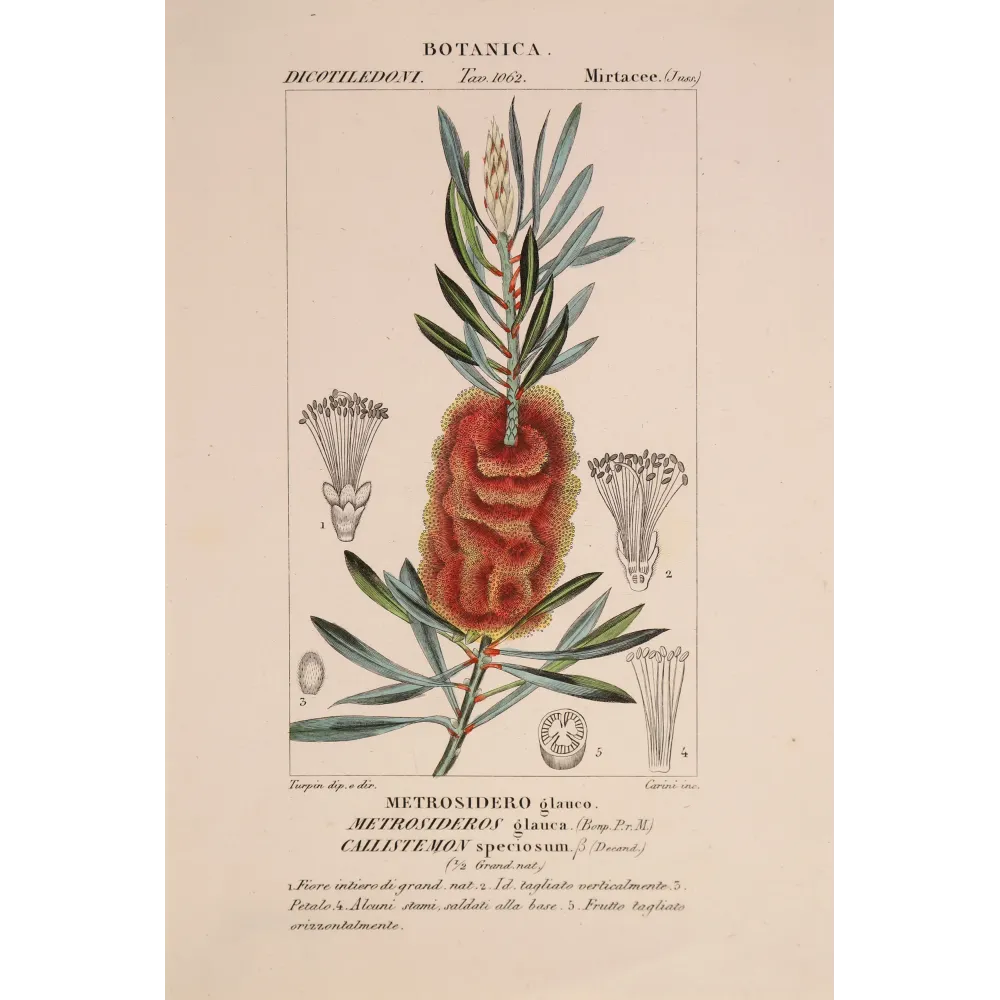
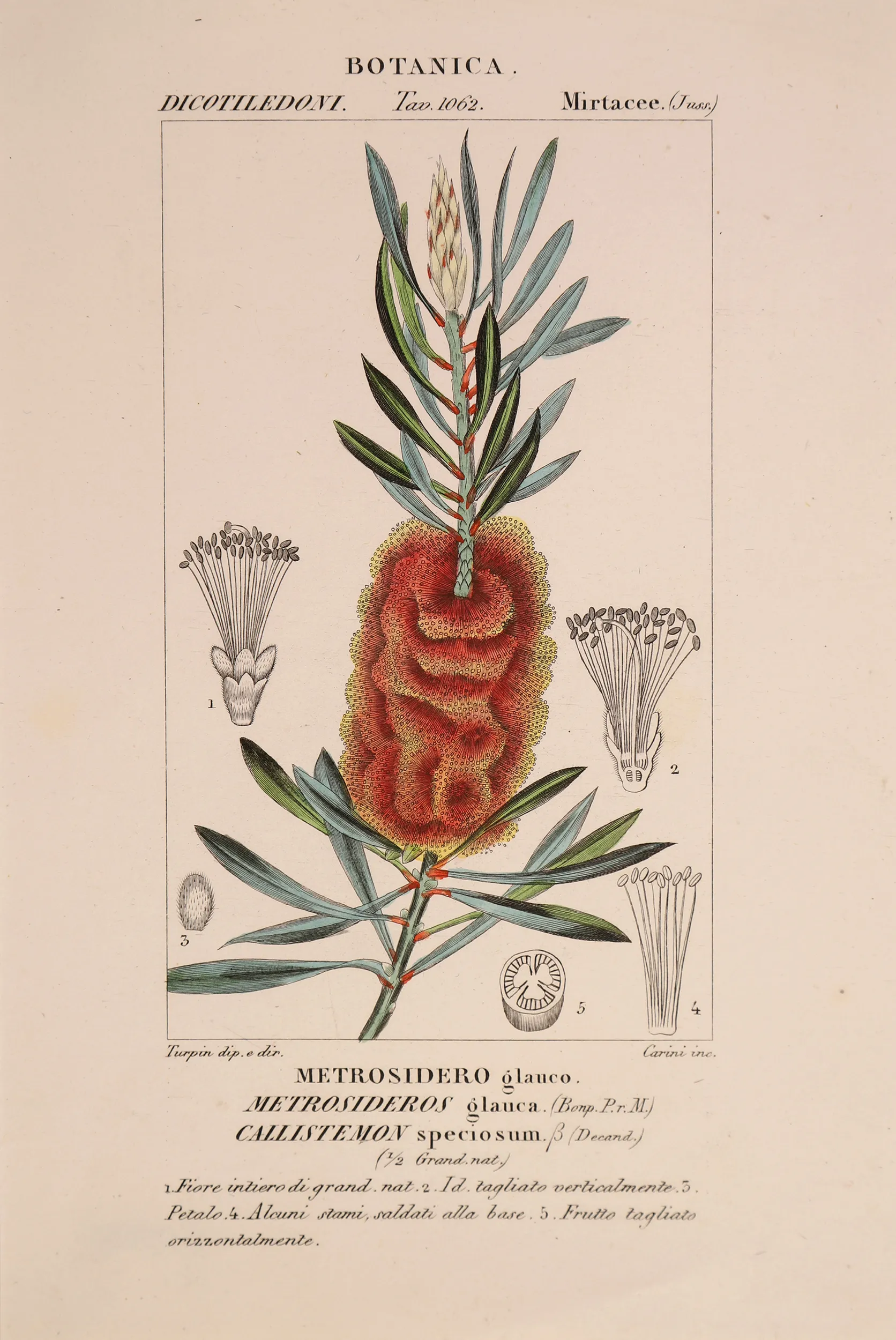
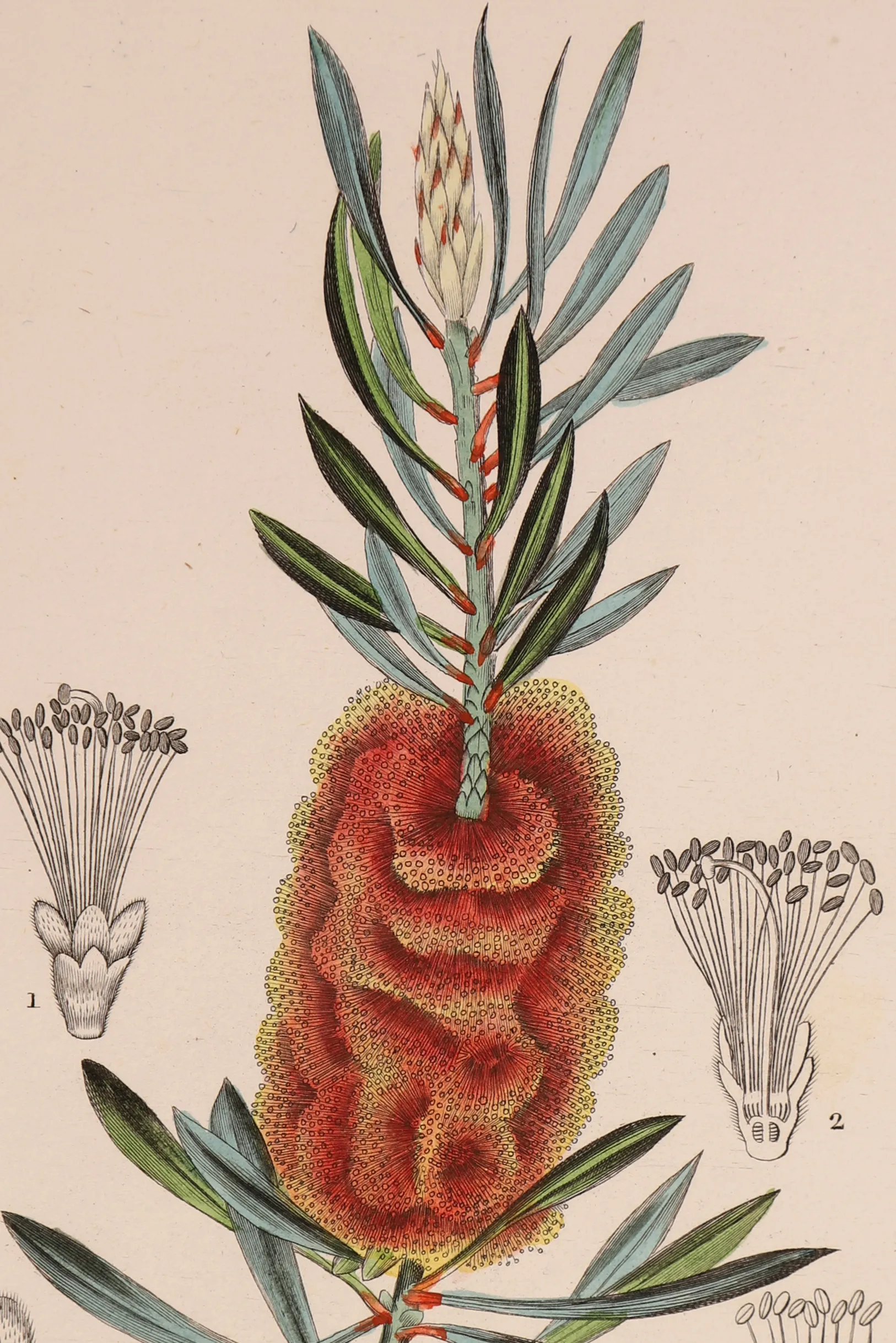

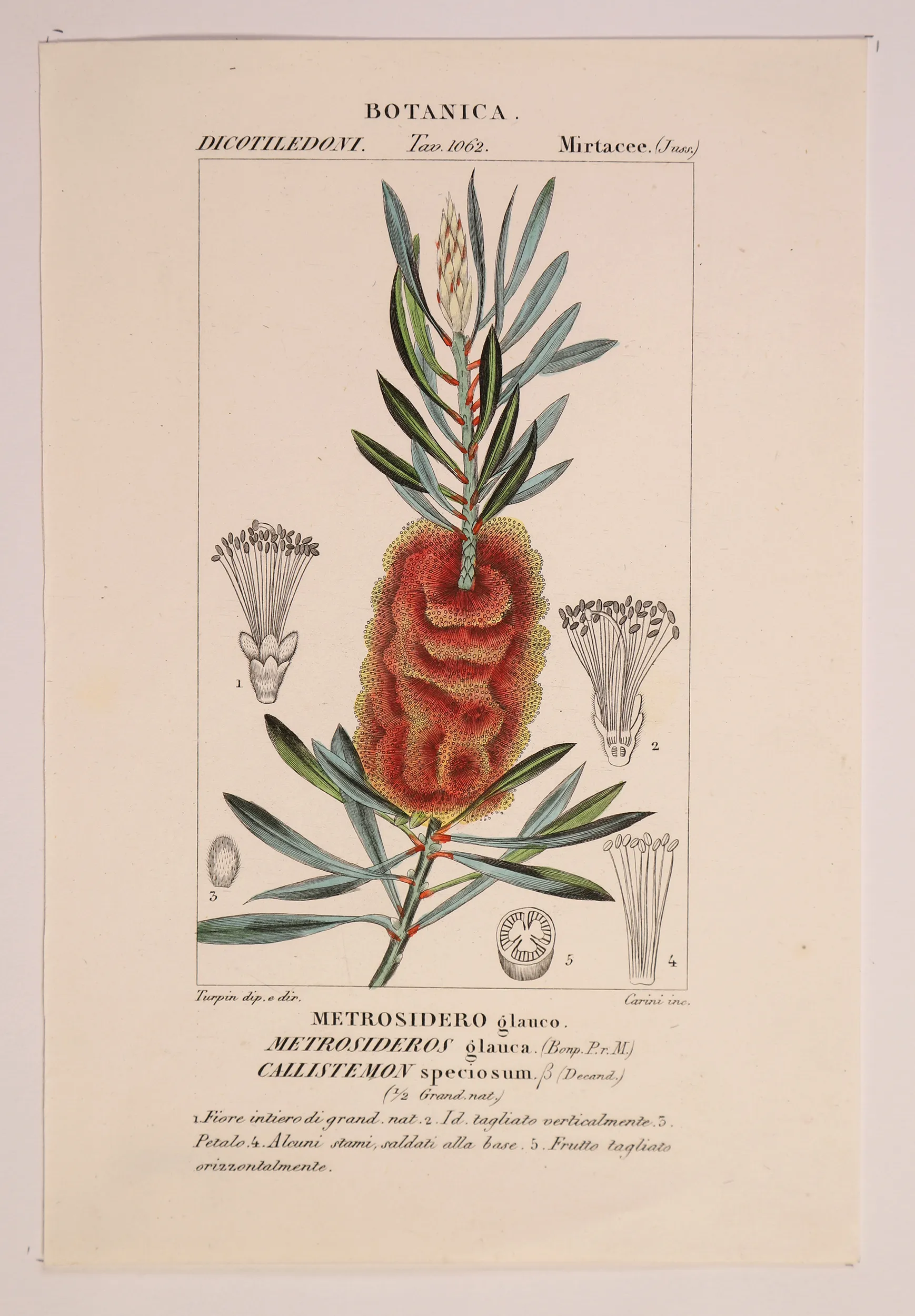
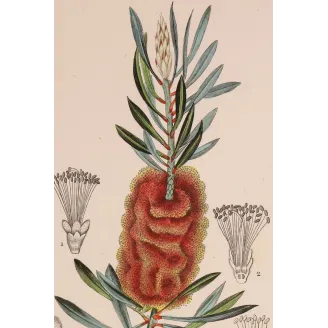
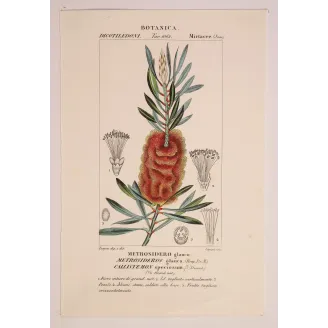
Stunning antique print of the red-flowering Callistemon, also known as bottlebrush.
 Delivery policy
Your print will be carefully prepared and shipped worldwide via trusted couriers (UPS or similar).
 Authentic antique prints
Original engravings from the 17th–19th century.
This original hand-colored engraving presents Metrosideros glauca, also associated with Callistemon speciosum, a striking flowering species known for its cylindrical “bottlebrush” inflorescence. The plate combines the full flowering branch with detailed anatomical studies, uniting ornamental spectacle with botanical discipline.
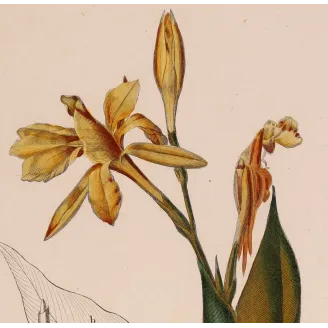
Turpin renders the dense red-orange flower spike with remarkable control, allowing the fine radiating stamens to create a textured halo of color. The cool-toned, elongated leaves provide structural counterbalance, establishing a refined chromatic dialogue between deep green-blue foliage and saturated floral intensity.
The engraving belongs to the Italian edition of the Dizionario di Scienze Naturali (Florence, Battelli press), an early nineteenth-century encyclopedic undertaking devoted to documenting the natural world through precise copperplate engraving and careful scientific observation.
— • —
The composition is vertically organized around the dense cylindrical bloom, which functions as a visual core. The thousands of fine stamens generate a textured surface that reads almost like a woven textile of color. Below and above, the linear leaves articulate space and preserve balance, preventing the central mass from overwhelming the structure.
The accompanying dissections introduce measured clarity: sectional views of floral components and fruit structure reinforce the engraving’s scientific authority. Displayed individually, the plate offers both vibrancy and compositional discipline — particularly effective in interiors seeking a refined botanical accent with strong color presence.
Metrosideros and related genera such as Callistemon are native to Australia and surrounding regions, entering European botanical awareness during periods of expanding global exploration. Their distinctive inflorescences — composed predominantly of elongated stamens — challenged conventional floral representation and became emblematic of exotic botanical diversity. In nineteenth-century natural history, such species exemplified the integration of newly documented flora into structured classification systems and encyclopedic illustration.
This plate forms part of the historic Dizionario di Scienze Naturali, once preserved within a noble library and today housed in the Sacchetti Collection. Each engraving embodies a period when scientific curiosity and artisanal craftsmanship converged — from the precision of the engraved copperplate line to the carefully applied hand-colouring executed sheet by sheet.
Such works were conceived as authoritative visual documents of knowledge. To explore the broader story of these rare prints and their refined provenance, we invite you to read our editorial feature “Not Just Another Print”.
The engraving is in excellent antique condition. The sheet presents clean margins and a crisp, well-defined impression. The original early nineteenth-century smooth wove paper remains stable and well preserved. No watermark has been observed. The hand-colouring retains vivid chromatic clarity, with particularly well-preserved reds and balanced tonal depth in the foliage.
For further context on Pierre Jean François Turpin and his contribution to nineteenth-century botanical science, see our editorial feature:
Pierre Jean François Turpin – The Botanical Illustrator of Natural Harmony
Specific References
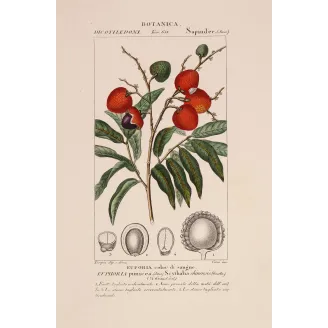
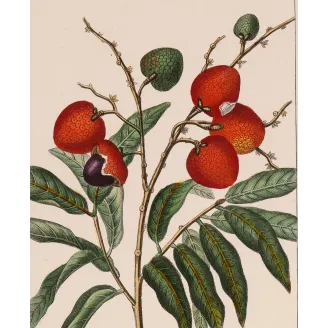
A striking hand-colored engraving of *Euphoria punicea*, displaying vivid red fruits and lush foliage in a refined 19th-century botanical composition.
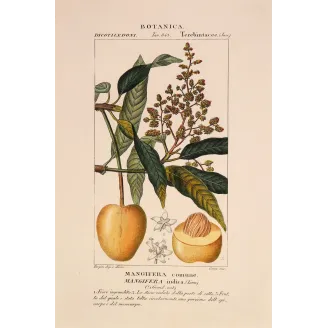
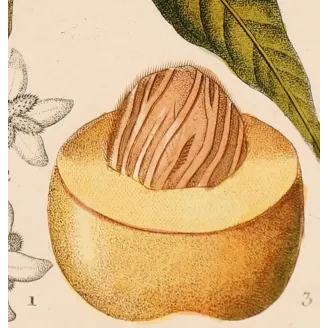
Vibrant hand-colored depiction of *Mangifera indica*, the mango tree, highlighting its lush leaves, golden fruit, and floral details.
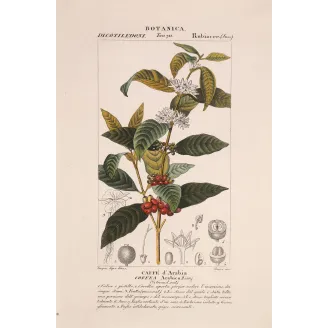
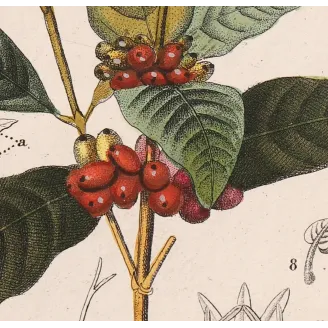
Botanical plate of Coffea arabica with vivid red berries and detailed floral structure.
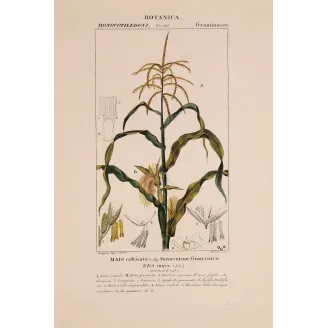
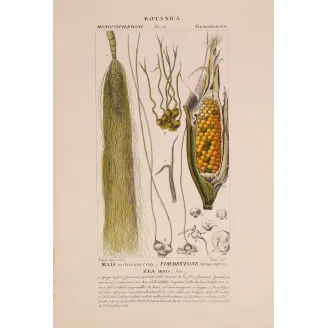
Double plate of cultivated maize (Zea mays) from Turpins botanical series.
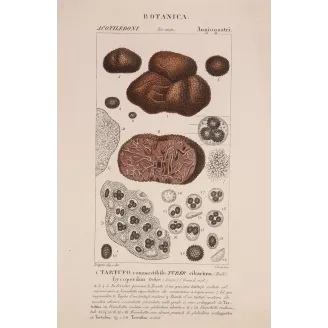
Unusual and fascinating botanical study of truffle morphology, rich in scientific detail.
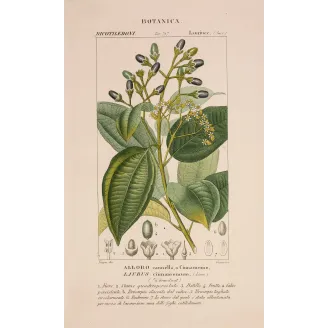
Finely detailed print of Laurus cinnamomum by Turpin, from the Dizionario di Scienze Naturali.
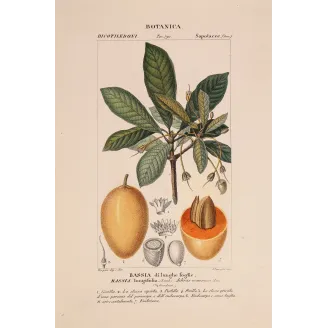
A rare depiction of *Bassia longifolia*, showing its elongated leaves and fruit sections in precise scientific detail and soft hand-colored tones.
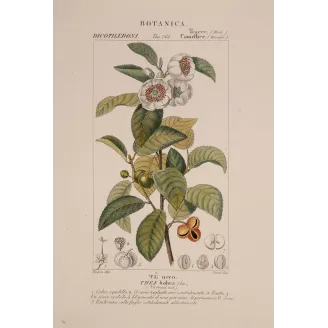
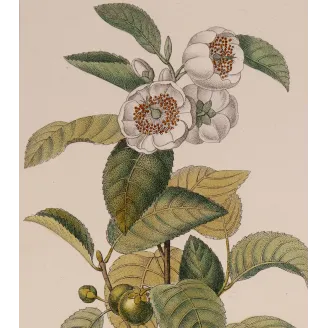
Delicate and detailed illustration of the tea plant, with floral and seed elements beautifully depicted.
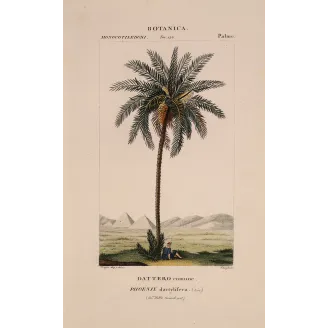
Detailed antique illustrations of the date palm tree and its floral and fruit anatomy.
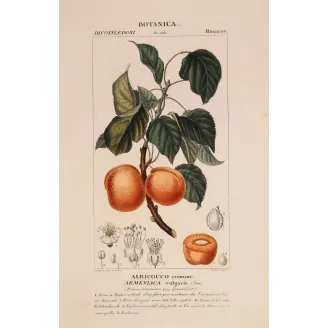
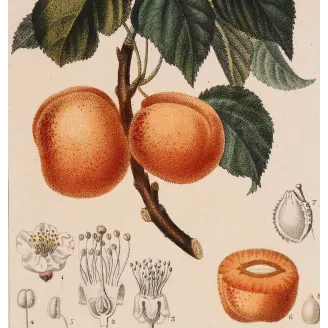
Original 19th-century botanical engraving of the common apricot, showing its velvety orange fruits and lush green leaves, rendered with great naturalistic balance.
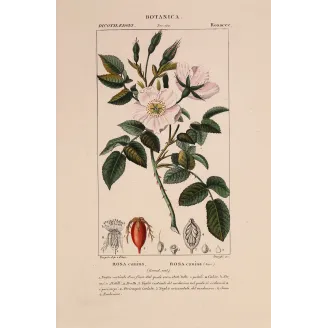
Delicate dog rose flower with soft pink petals and fine botanical details.
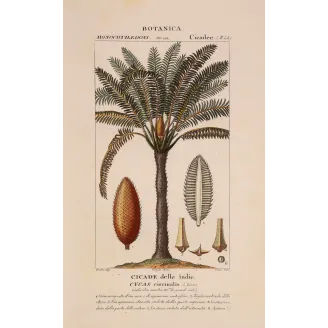
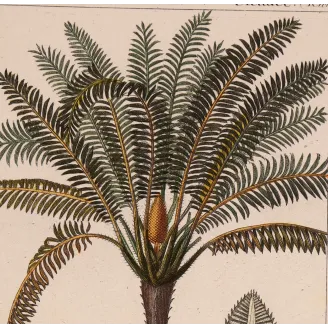
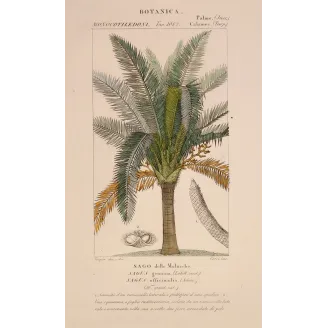
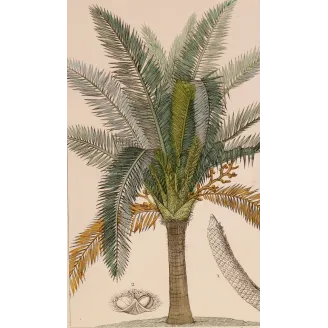
A pair of plates dedicated to the sago palm tree and its structural details.
Lively Hawthorn branch with crisp green leaves and clusters of rich red berries, a classic countryside motif for warm, welcoming interiors.
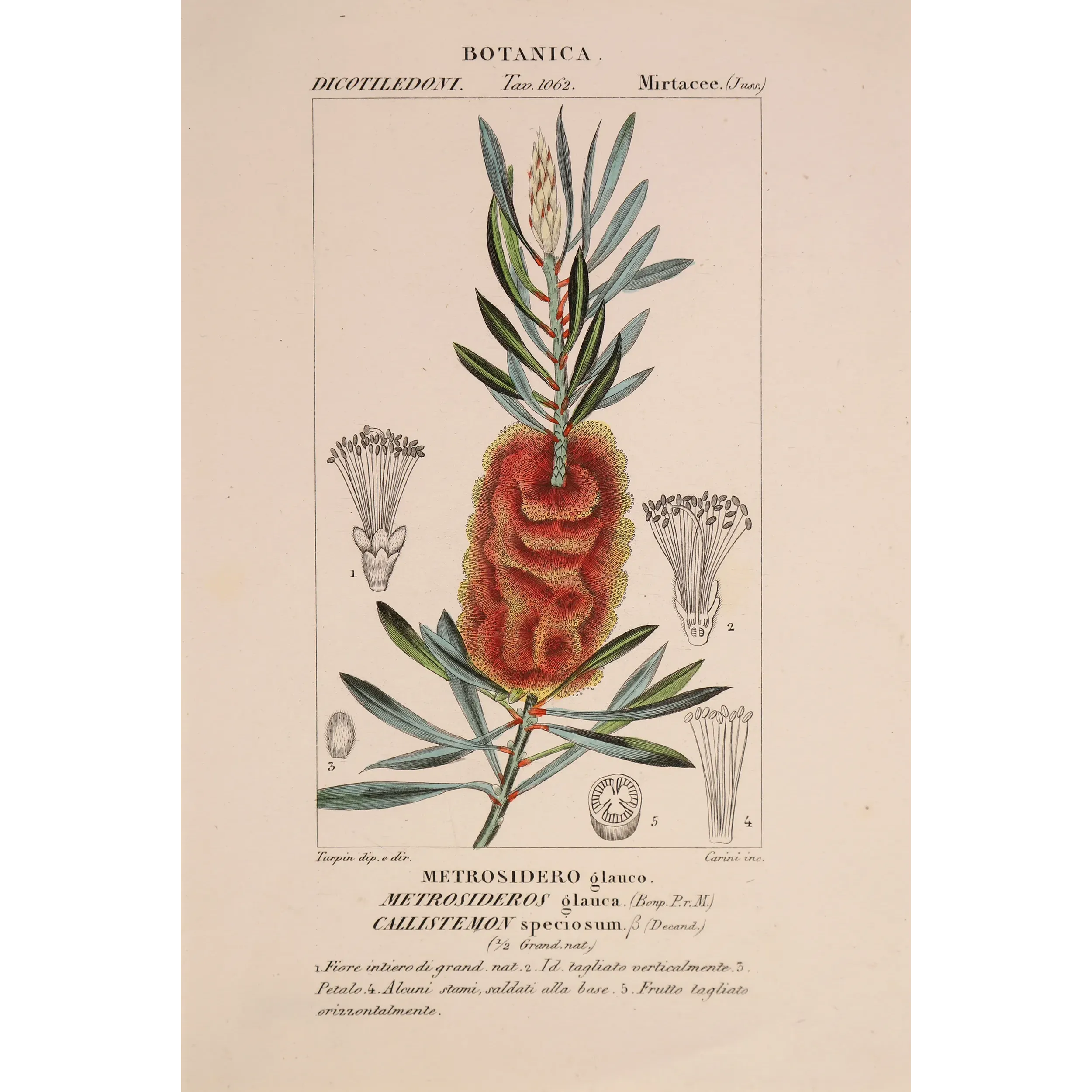
Stunning antique print of the red-flowering Callistemon, also known as bottlebrush.