
Pauquet: The Engraver Behind the Exotic Butterflies
Pauquet: The Engraver-Artists Behind Exotic Butterflies
In the nineteenth century, natural history was not only written — it was engraved. Behind many of the finest scientific plates of the era stand specialists capable of transforming fragile museum specimens into enduring images. Among these names, the Pauquet brothers — Hippolyte and Polydore Pauquet — deserve particular attention: engravers and draughtsmen whose collaborative work helped shape the visual language of exotic zoology in print.
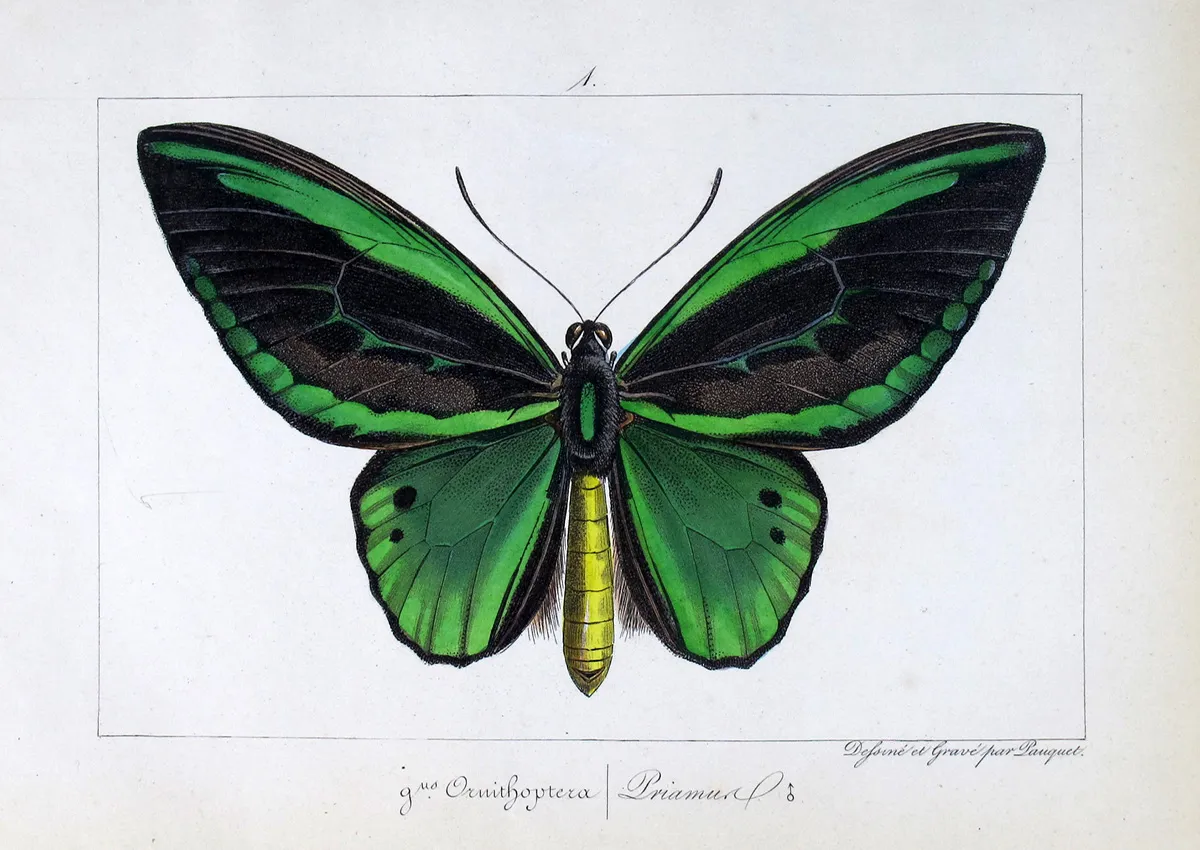
On plates associated with Exotic Butterflies, the name “Pauquet” is frequently credited directly on the sheet — a notable sign of authorship in an age when artists were often eclipsed by scientific editors. This signature, however, reflects a shared practice: the result of a close collaboration between the two brothers, who worked interchangeably across drawing and engraving.
Their contribution was not merely technical. The Pauquet brothers drew, composed, and engraved with a disciplined clarity that allows each butterfly to appear both anatomically exact and visually monumental — balancing scientific observation with a refined sense of composition.
Selected Originals — Engravings Drawn and Engraved by the Pauquet Brothers
View full plate details and condition reports.
Browse the Lucas – Exotic Butterflies collection →
From Specimen to Copperplate: Precision as Aesthetic
Working under the scientific direction of naturalists such as Hippolyte Lucas, the Pauquet brothers translated real specimens — often preserved in cabinets or museum collections — into copperplate engravings designed to be coloured entirely by hand. Their process reflects a synthesis of observation and interpretation, where precision becomes a form of visual refinement.
What distinguishes their work is the clarity of line, the balance of symmetry, and a controlled sense of scale that gives each butterfly a sculptural presence. Isolated against a clean ground, the subject echoes the display logic of a museum specimen — yet is elevated into a composition of striking elegance.
Once printed, colour was applied by hand with refined restraint. The aim was not decorative exaggeration, but a faithful translation of nature: luminous greens, velvety blacks, and delicate tonal transitions, often unified by a subtle finishing layer that enhances depth and harmony.
Heritage Stories
The engravings signed “Pauquet” belong to a wider editorial enterprise: Exotic Butterflies, produced in the golden age of natural history publishing. Under Hippolyte Lucas’ scientific direction, specimens from collections and cabinets were translated into plates where taxonomy and visual clarity converge.
Explore the full historical context in our editorial feature: Hippolyte Lucas — Scientific Vision and the Golden Age of Exotic Butterflies .
Related posts
-
 Ernst Haeckel and the Sublime Art of Das System der Medusen
A scientific monograph that became a gallery of natural elegance. The German biologist Ernst Haeckel was fascinated...Read more
Ernst Haeckel and the Sublime Art of Das System der Medusen
A scientific monograph that became a gallery of natural elegance. The German biologist Ernst Haeckel was fascinated...Read more -
 Eugène Grasset and the Art of Nature: The Origins of Modern Floral Design
In the heart of the Art Nouveau movement, Eugène Grasset stood out as one of the first artists to merge scientific...Read more
Eugène Grasset and the Art of Nature: The Origins of Modern Floral Design
In the heart of the Art Nouveau movement, Eugène Grasset stood out as one of the first artists to merge scientific...Read more -
 Émile-Allain Séguy: Nature, Color, and the Decorative Avant-Garde
A Life Between Science and Style. Séguy’s art is more than decoration. It is a reminder that even in the age of...Read more
Émile-Allain Séguy: Nature, Color, and the Decorative Avant-Garde
A Life Between Science and Style. Séguy’s art is more than decoration. It is a reminder that even in the age of...Read more -
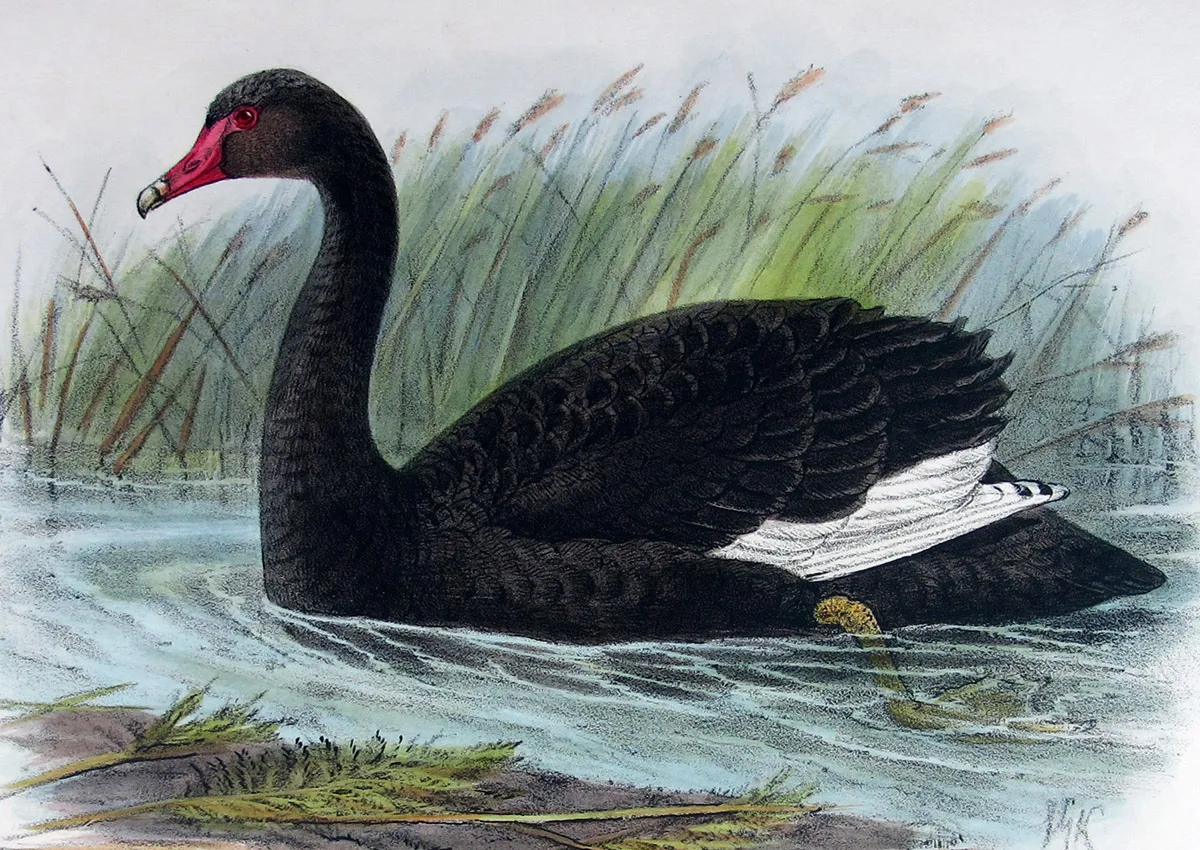 J.G. Keulemans: Precision and Passion in Ornithological Illustration
Johannes G. Keulemans, the master illustrator of 19th-century ornithology, blended scientific precision with poetic...Read more
J.G. Keulemans: Precision and Passion in Ornithological Illustration
Johannes G. Keulemans, the master illustrator of 19th-century ornithology, blended scientific precision with poetic...Read more -
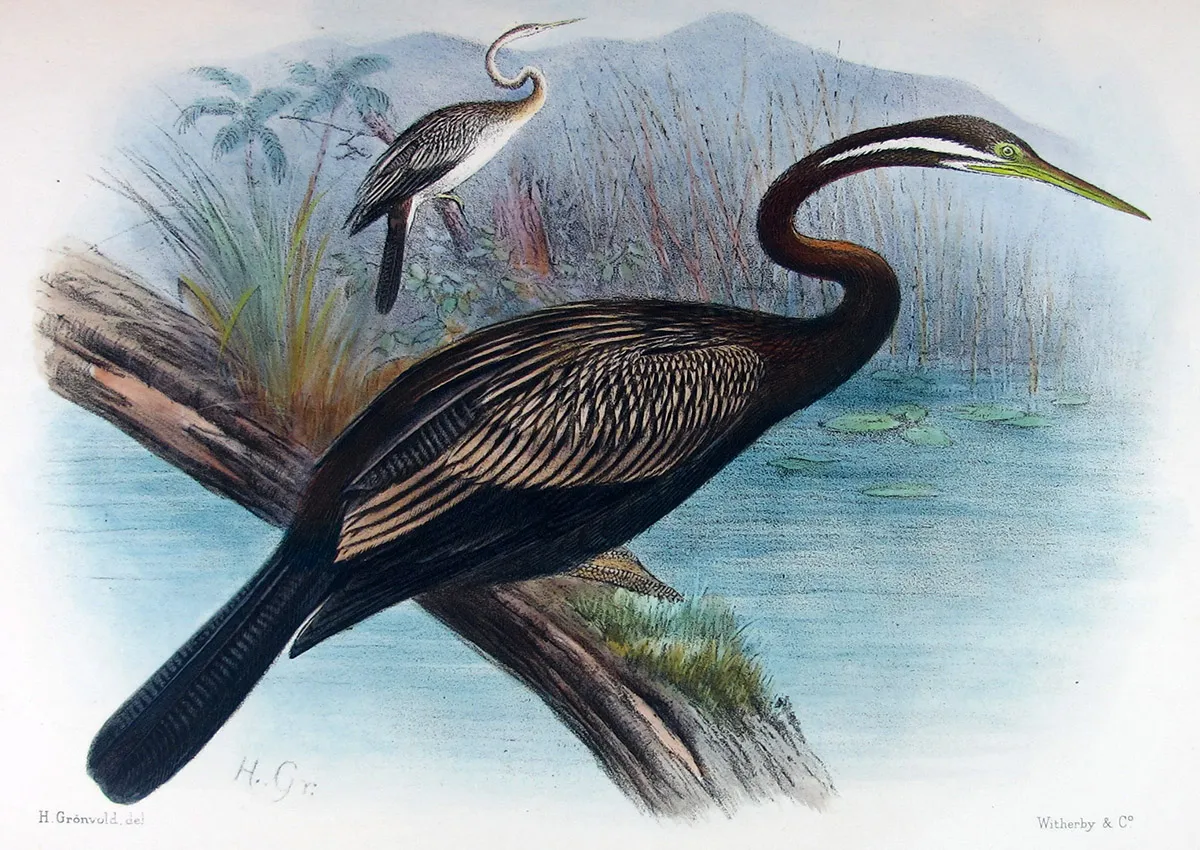 Henrik Grönvold: A Scandinavian Eye for Ornithological Grace
Henrik Grönvold (1858–1940) was a master of early 20th-century ornithological illustration, celebrated for his calm...Read more
Henrik Grönvold: A Scandinavian Eye for Ornithological Grace
Henrik Grönvold (1858–1940) was a master of early 20th-century ornithological illustration, celebrated for his calm...Read more
Leave a comment