
Philip Miller: Botanical Science and the Art of Cultivation
Philip Miller: Botanical Science and the Art of Cultivation
In the mid-eighteenth century, botany was entering a new phase of clarity and discipline, as plants began to be observed and cultivated with increasing precision. At the center of this transformation stands Philip Miller, whose work would help redefine the relationship between garden, science, and image.
Curated Selection — Exotic Botanical Watercolors
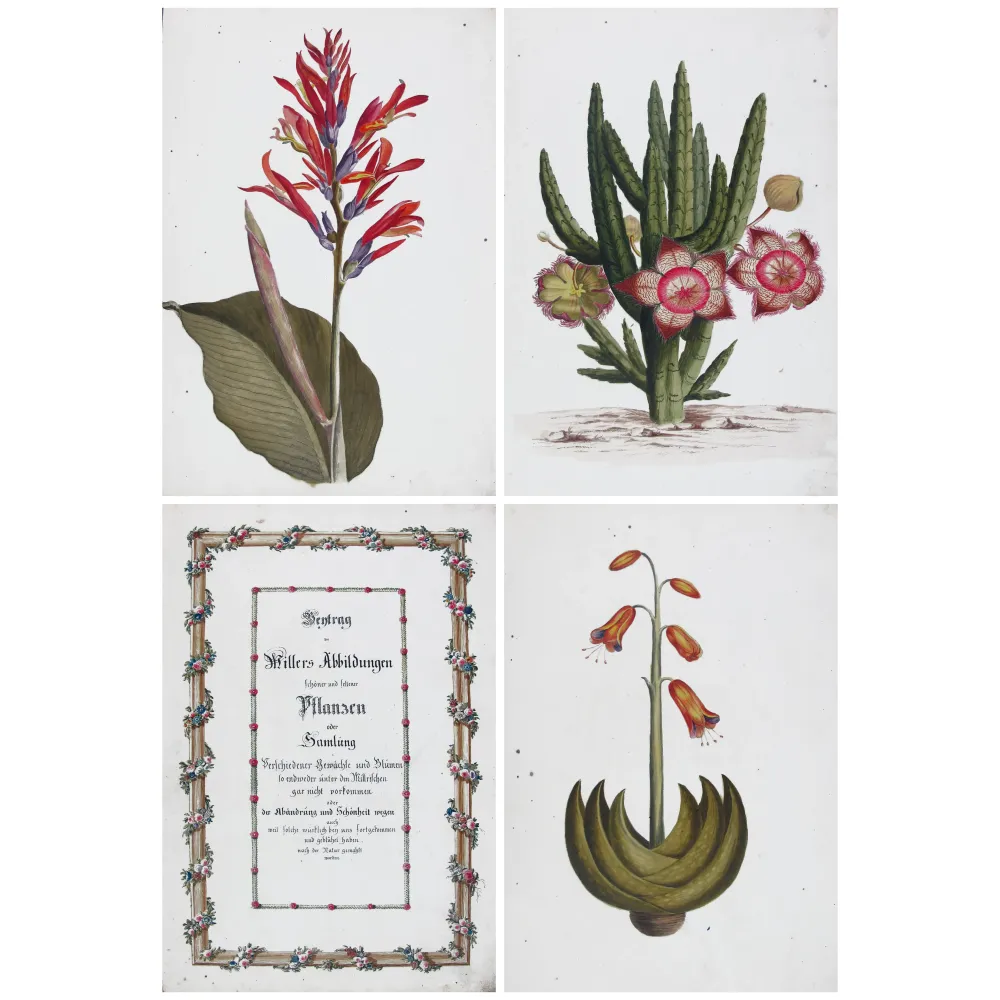
A rare opportunity to acquire a coherent group of original 18th-century botanical watercolors, unified by style, paper, and period.
Miller’s botanical engravings originate from Figures of the Most Beautiful, Useful, and Uncommon Plants, published in London between 1755 and 1760 as a visual extension of his renowned Gardeners Dictionary. The work brought together hundreds of engraved plates, each derived from living specimens cultivated under Miller’s supervision.
Alongside the original English edition, the work was later reinterpreted and expanded in a German edition published in 1766. These plates, often printed on fine Dutch laid paper with identifiable watermarks, are distinguished by their richer hand-coloring and more expressive visual language — offering a complementary perspective to the refined clarity of the London engravings.
Together, these two traditions form a unique corpus of 18th-century botanical imagery, where scientific observation and decorative sensibility coexist with remarkable balance.
From Garden to Engraving: The Birth of Modern Botanical Image
At the heart of Miller’s work lies the Chelsea Physic Garden, where plants from across the world were cultivated, studied, and carefully documented. This unique environment allowed for direct observation, ensuring that each engraving was grounded in real botanical specimens rather than second-hand interpretation.
To bring this vision to life, Miller collaborated with some of the finest botanical artists and engravers of the period, including Georg Dionysius Ehret, Johann Sebastian Mueller, and Richard Lancake. Their work translated botanical knowledge into precise and elegant compositions, each contributing in a distinct way to the visual richness of the publication.
Today, these engravings are not only historical documents, but also highly sought-after decorative works — ideal for refined interiors, collectors, and those seeking authentic 18th-century botanical art.
Heritage Stories
Philip Miller’s work reflects the intellectual climate of the Enlightenment, when botanical knowledge expanded through global exploration and systematic study. The engravings associated with his publication also reveal the contribution of the artists and engravers who transformed cultivated specimens into enduring visual works.
Discover more about the artistic personalities connected with Miller’s botanical world:
Georg Dionysius Ehret — The Art of Botanical Precision →
Johann Sebastian Mueller — The Precision of Botanical Engraving →
Richard Lancake — Botanical Observation and Engraved Form →
Related posts
-
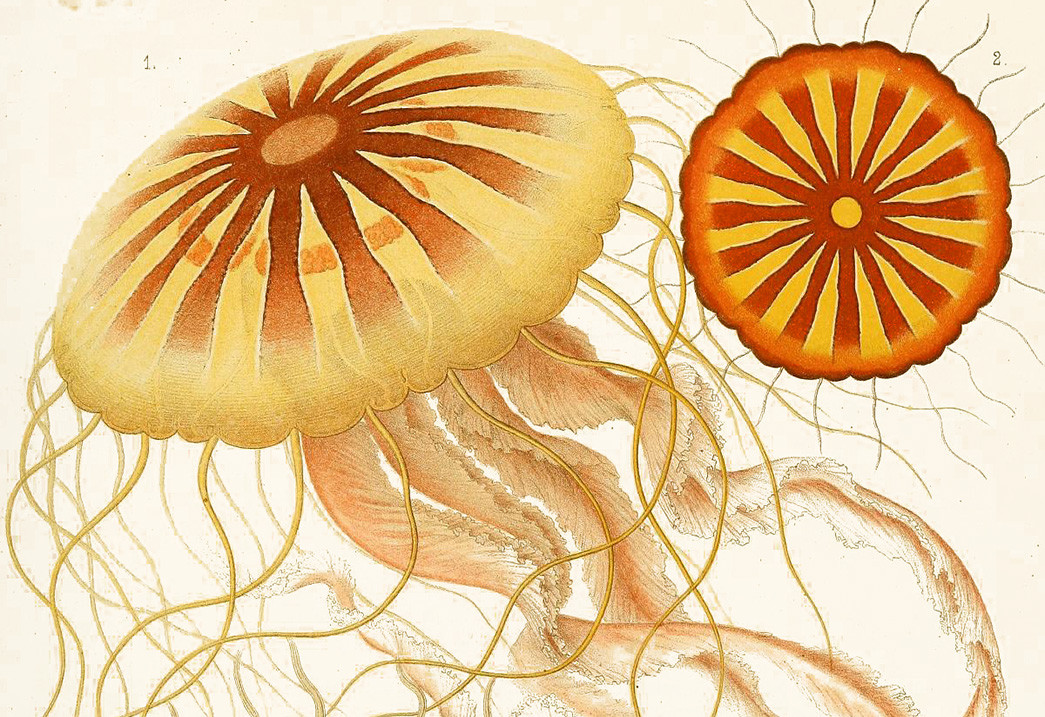 Ernst Haeckel and the Sublime Art of Das System der Medusen
A scientific monograph that became a gallery of natural elegance. The German biologist Ernst Haeckel was fascinated...Read more
Ernst Haeckel and the Sublime Art of Das System der Medusen
A scientific monograph that became a gallery of natural elegance. The German biologist Ernst Haeckel was fascinated...Read more -
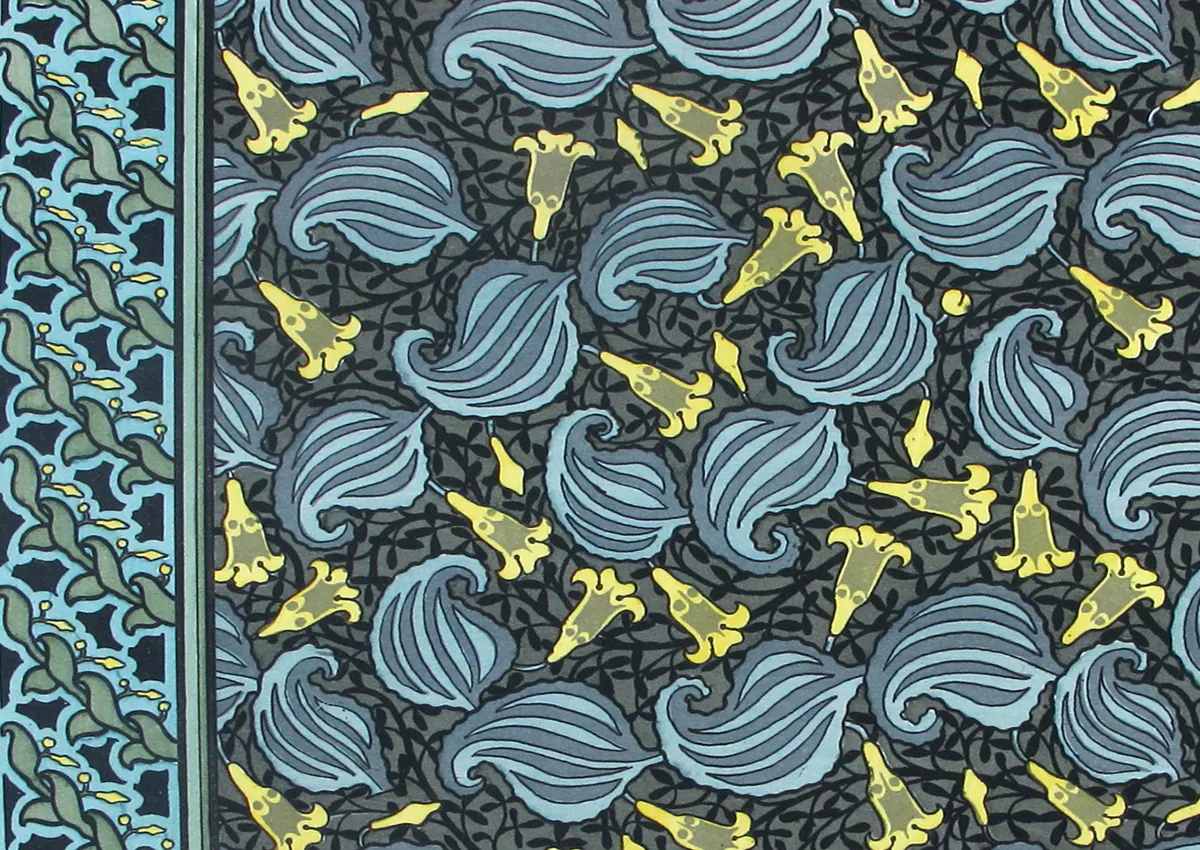 Eugène Grasset and the Art of Nature: The Origins of Modern Floral Design
In the heart of the Art Nouveau movement, Eugène Grasset stood out as one of the first artists to merge scientific...Read more
Eugène Grasset and the Art of Nature: The Origins of Modern Floral Design
In the heart of the Art Nouveau movement, Eugène Grasset stood out as one of the first artists to merge scientific...Read more -
 Émile-Allain Séguy: Nature, Color, and the Decorative Avant-Garde
A Life Between Science and Style. Séguy’s art is more than decoration. It is a reminder that even in the age of...Read more
Émile-Allain Séguy: Nature, Color, and the Decorative Avant-Garde
A Life Between Science and Style. Séguy’s art is more than decoration. It is a reminder that even in the age of...Read more -
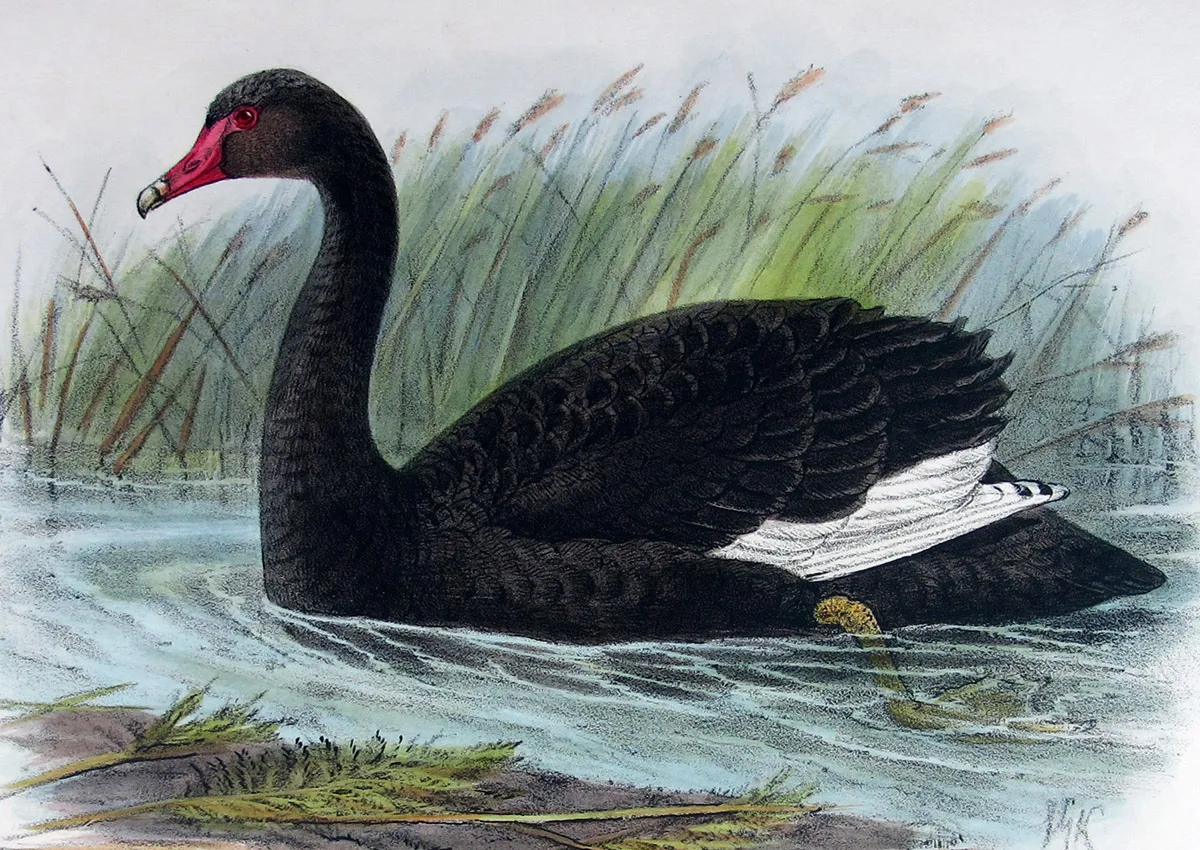 J.G. Keulemans: Precision and Passion in Ornithological Illustration
Johannes G. Keulemans, the master illustrator of 19th-century ornithology, blended scientific precision with poetic...Read more
J.G. Keulemans: Precision and Passion in Ornithological Illustration
Johannes G. Keulemans, the master illustrator of 19th-century ornithology, blended scientific precision with poetic...Read more -
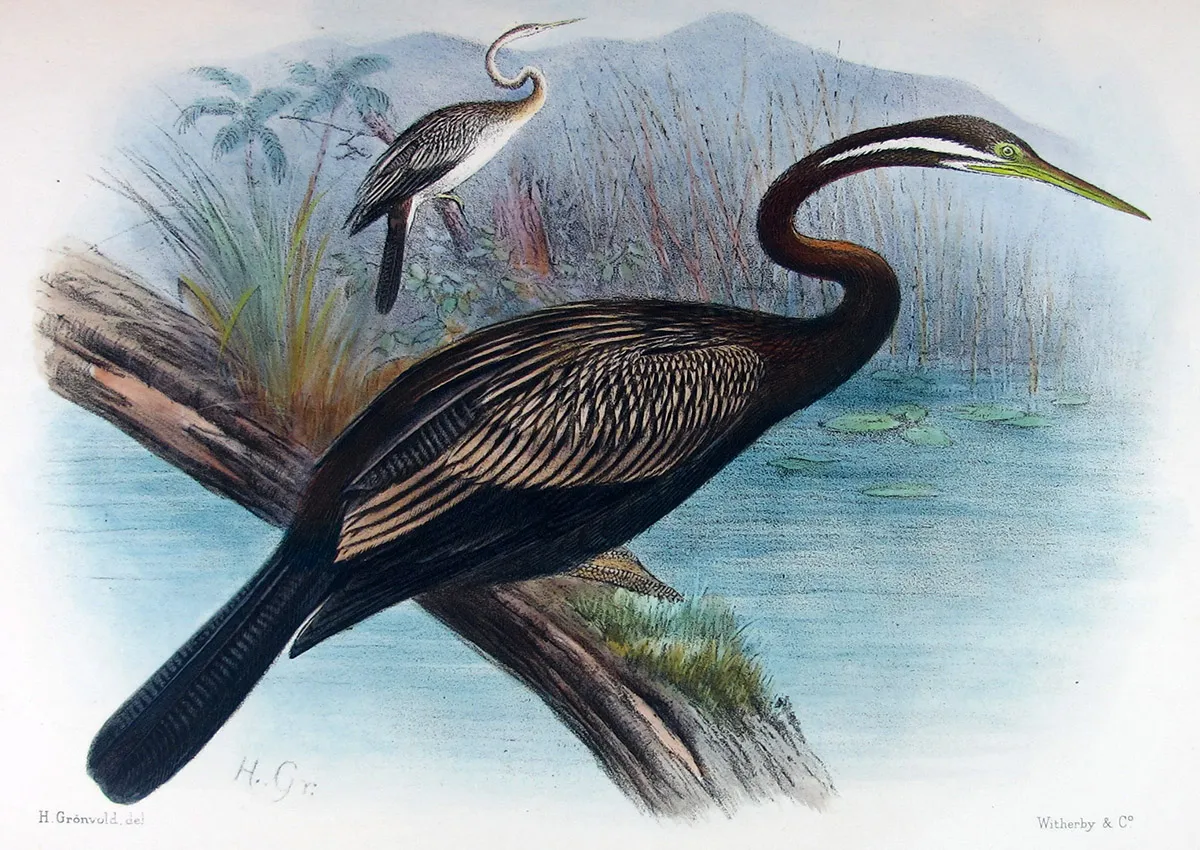 Henrik Grönvold: A Scandinavian Eye for Ornithological Grace
Henrik Grönvold (1858–1940) was a master of early 20th-century ornithological illustration, celebrated for his calm...Read more
Henrik Grönvold: A Scandinavian Eye for Ornithological Grace
Henrik Grönvold (1858–1940) was a master of early 20th-century ornithological illustration, celebrated for his calm...Read more
Leave a comment