
Georg Dionysius Ehret: The Art of Botanical Precision
Georg Dionysius Ehret: The Art of Botanical Precision
In the 18th century, botanical illustration reached a level of refinement that combined scientific clarity with artistic elegance. Among the artists who defined this transformation, Georg Dionysius Ehret stands as one of the most celebrated figures, known for his ability to translate living plants into images of extraordinary precision and balance.
Selected Original — Botanical Plate Attributed to Ehret
View full plate details and condition report.
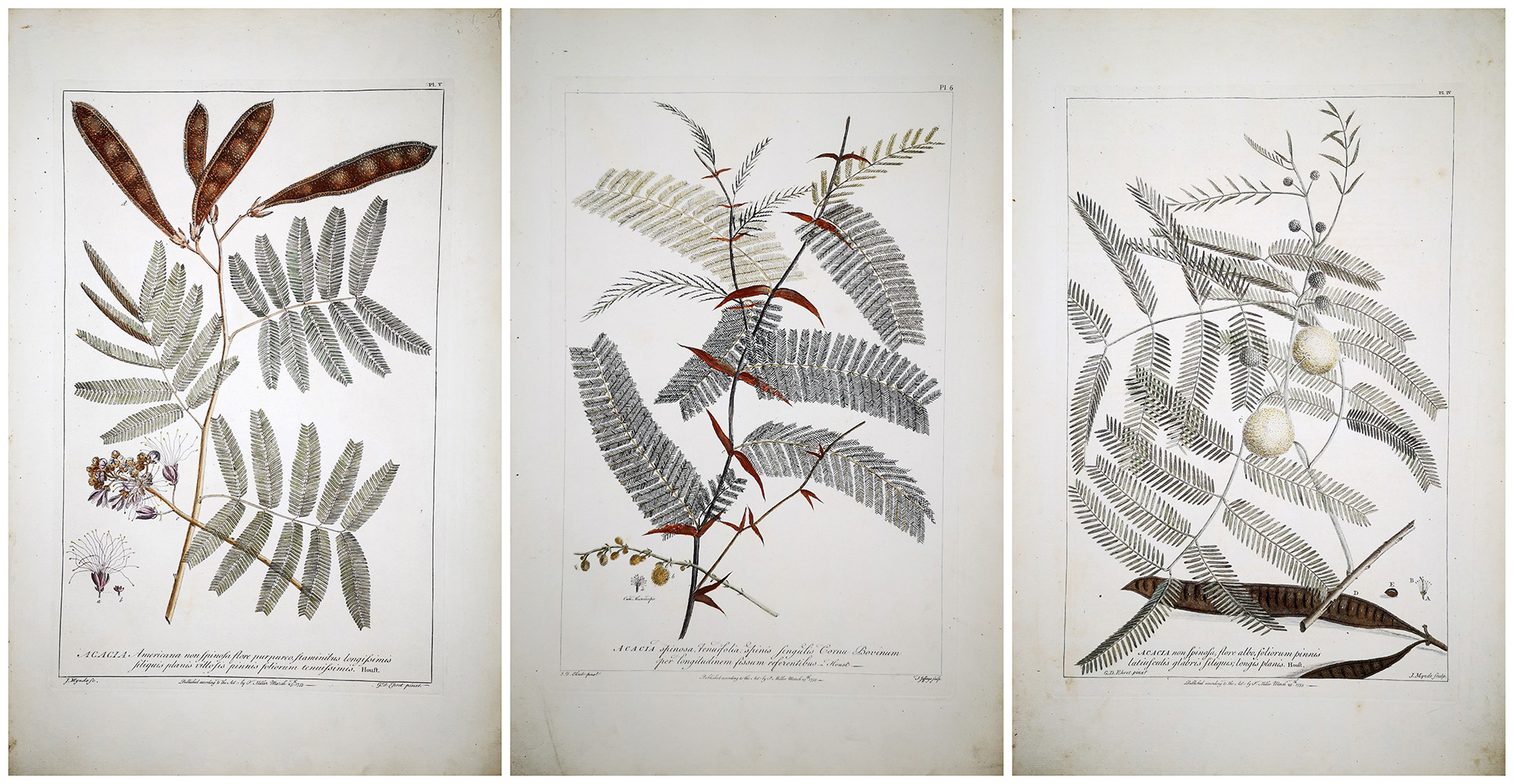
View the Acacia Botanical Suite →
Browse the Miller – Uncommon Plants collection →
Ehret collaborated with some of the most important botanical figures of his time, including Philip Miller, contributing to works that marked a turning point in the visual representation of plants. His illustrations were often based on direct observation, capturing not only botanical structure but also the subtle proportions and rhythms that define each species.
What distinguishes Ehret’s work is its clarity. Each element is carefully arranged, allowing the viewer to understand the plant at a glance while still appreciating its aesthetic qualities. This balance between scientific function and visual harmony made his work highly influential in the development of botanical illustration.
Precision, Balance, and Visual Authority
Ehret’s botanical images are defined by a sense of order and proportion. Plants are isolated against clean backgrounds, allowing their forms to emerge with clarity and strength. Leaves, flowers and stems are arranged in a way that reveals both structure and movement, without unnecessary ornament.
This approach reflects a broader shift in 18th-century science, where visual representation became an essential tool for classification and communication. Ehret’s work stands at the intersection of observation and design, offering images that are at once analytical and visually compelling.
Today, these engravings are appreciated not only for their historical importance, but for their enduring decorative appeal. Their clarity, elegance and compositional balance make them particularly suited for interiors seeking refined and intellectually grounded visual elements.
Heritage Stories
Ehret’s work reflects a defining moment in the history of botanical illustration, when artistic skill and scientific observation reached a rare balance. His collaboration with leading botanists, publishers and engravers contributed to a visual language that remains influential to this day.
To explore this network more closely, see our related features on Philip Miller, Richard Lancake, and Johann Sebastian Mueller.
Related posts
-
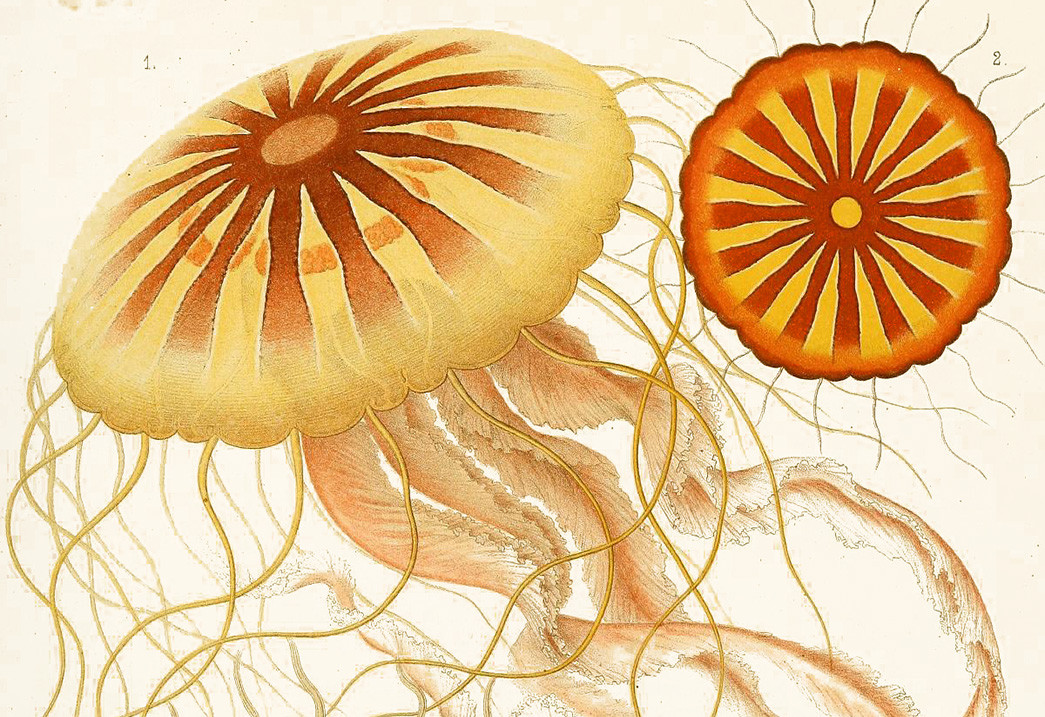 Ernst Haeckel and the Sublime Art of Das System der Medusen
A scientific monograph that became a gallery of natural elegance. The German biologist Ernst Haeckel was fascinated...Read more
Ernst Haeckel and the Sublime Art of Das System der Medusen
A scientific monograph that became a gallery of natural elegance. The German biologist Ernst Haeckel was fascinated...Read more -
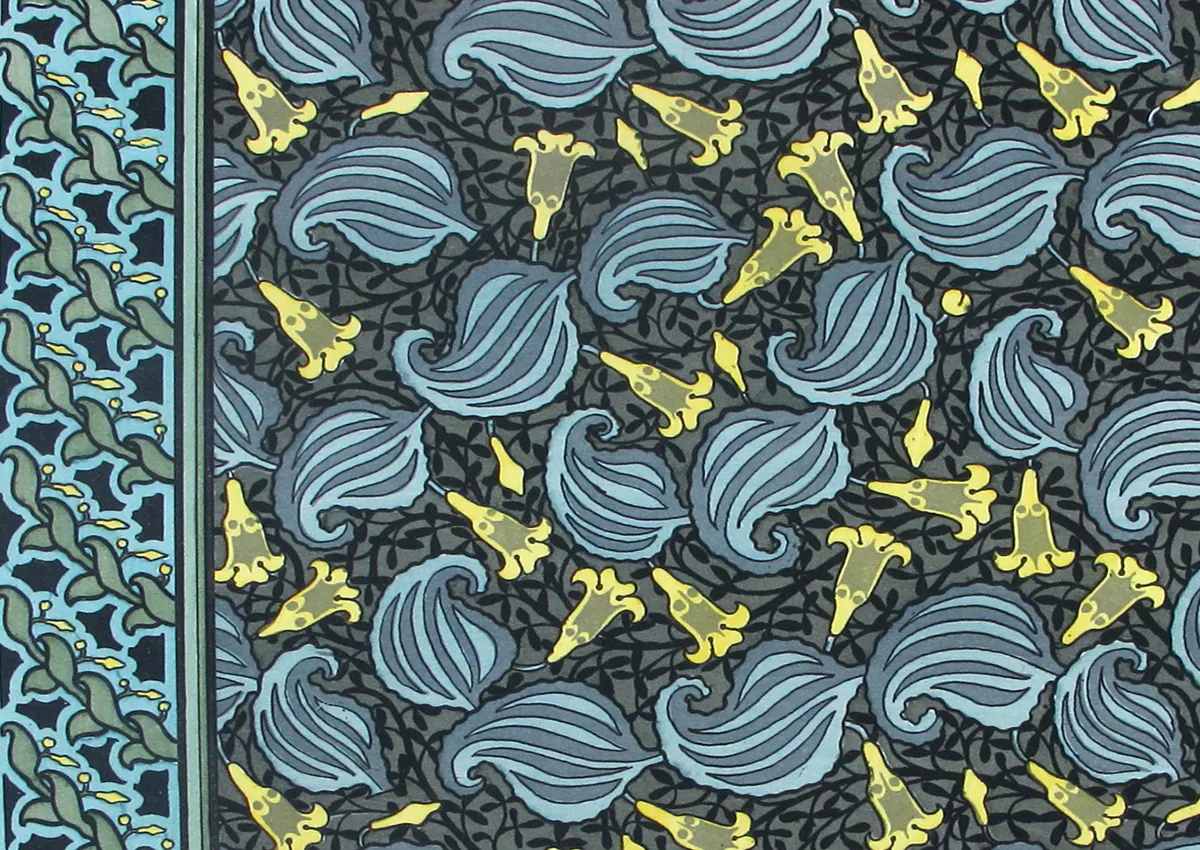 Eugène Grasset and the Art of Nature: The Origins of Modern Floral Design
In the heart of the Art Nouveau movement, Eugène Grasset stood out as one of the first artists to merge scientific...Read more
Eugène Grasset and the Art of Nature: The Origins of Modern Floral Design
In the heart of the Art Nouveau movement, Eugène Grasset stood out as one of the first artists to merge scientific...Read more -
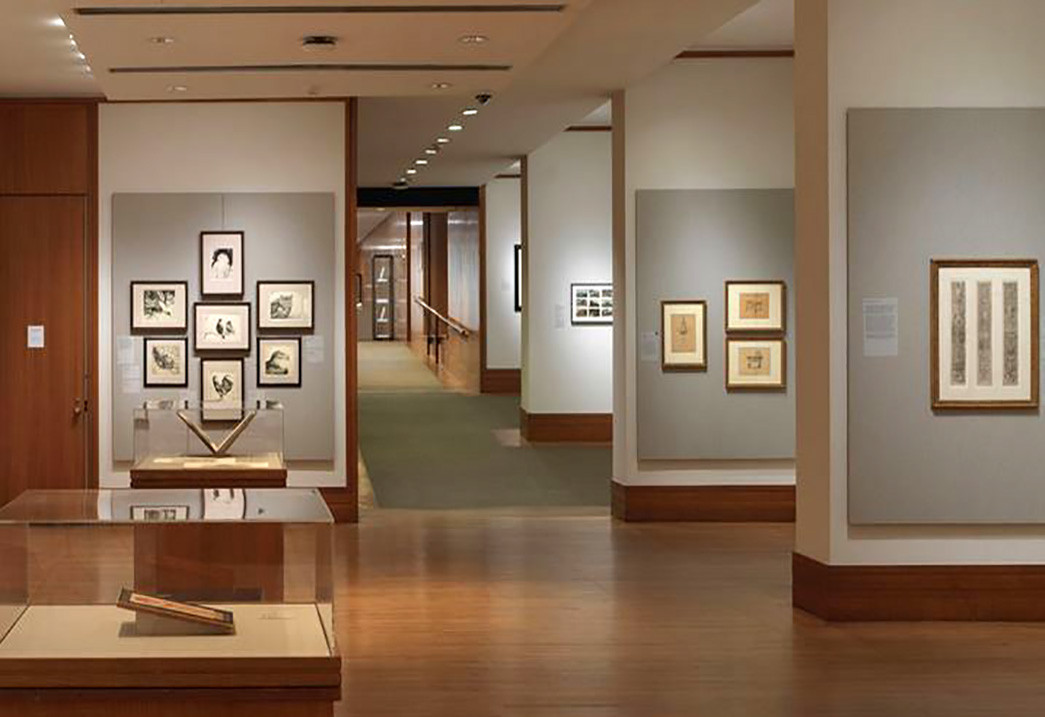 Émile-Allain Séguy: Nature, Color, and the Decorative Avant-Garde
A Life Between Science and Style. Séguy’s art is more than decoration. It is a reminder that even in the age of...Read more
Émile-Allain Séguy: Nature, Color, and the Decorative Avant-Garde
A Life Between Science and Style. Séguy’s art is more than decoration. It is a reminder that even in the age of...Read more -
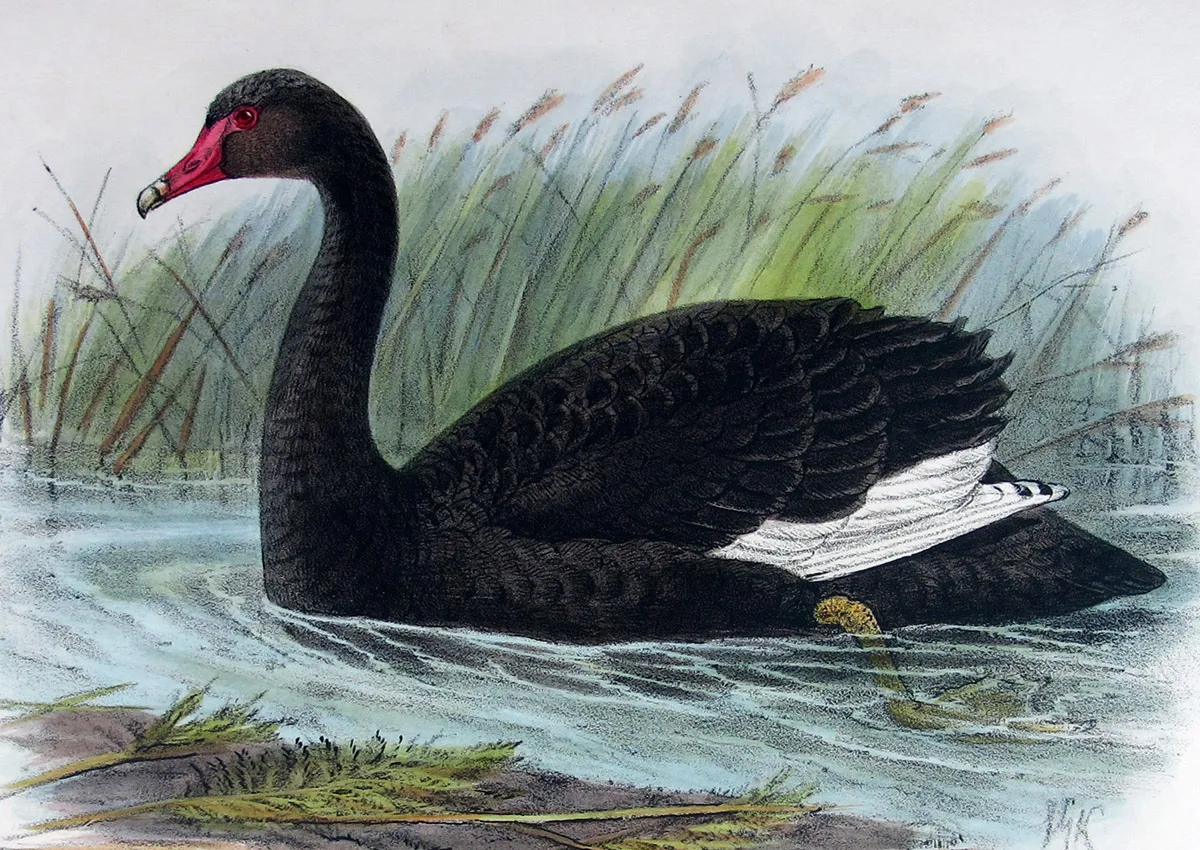 J.G. Keulemans: Precision and Passion in Ornithological Illustration
Johannes G. Keulemans, the master illustrator of 19th-century ornithology, blended scientific precision with poetic...Read more
J.G. Keulemans: Precision and Passion in Ornithological Illustration
Johannes G. Keulemans, the master illustrator of 19th-century ornithology, blended scientific precision with poetic...Read more -
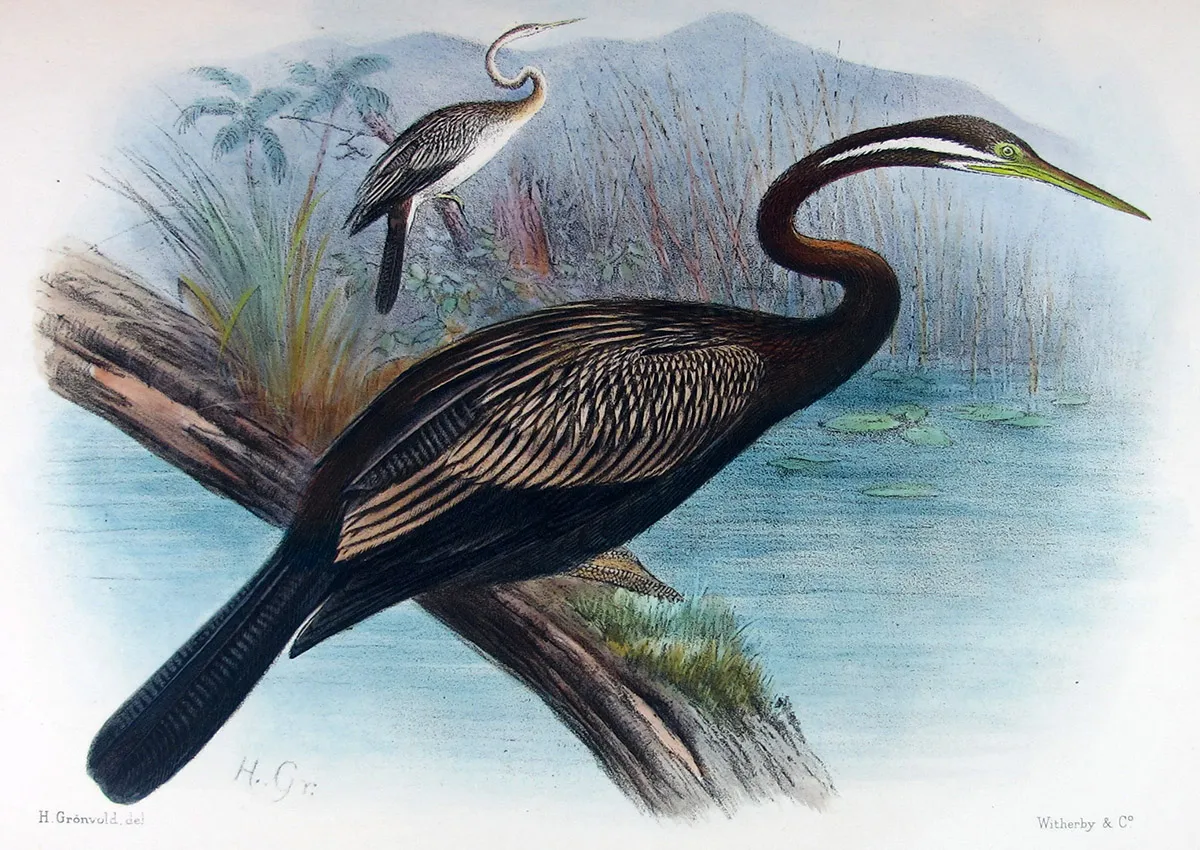 Henrik Grönvold: A Scandinavian Eye for Ornithological Grace
Henrik Grönvold (1858–1940) was a master of early 20th-century ornithological illustration, celebrated for his calm...Read more
Henrik Grönvold: A Scandinavian Eye for Ornithological Grace
Henrik Grönvold (1858–1940) was a master of early 20th-century ornithological illustration, celebrated for his calm...Read more
Leave a comment