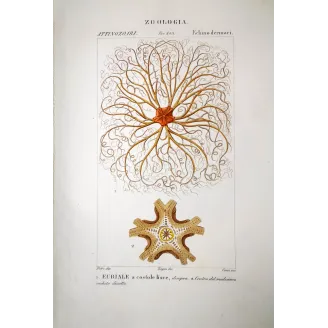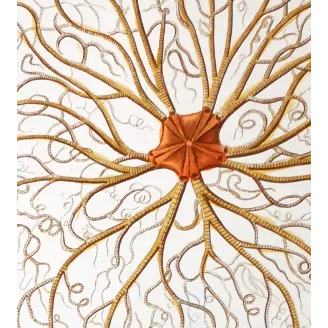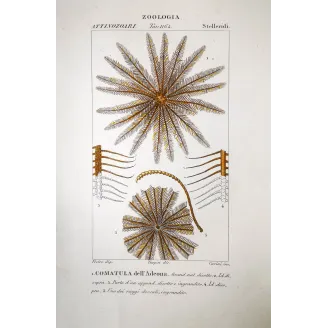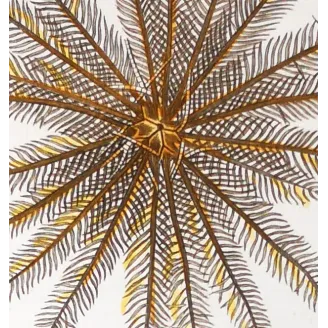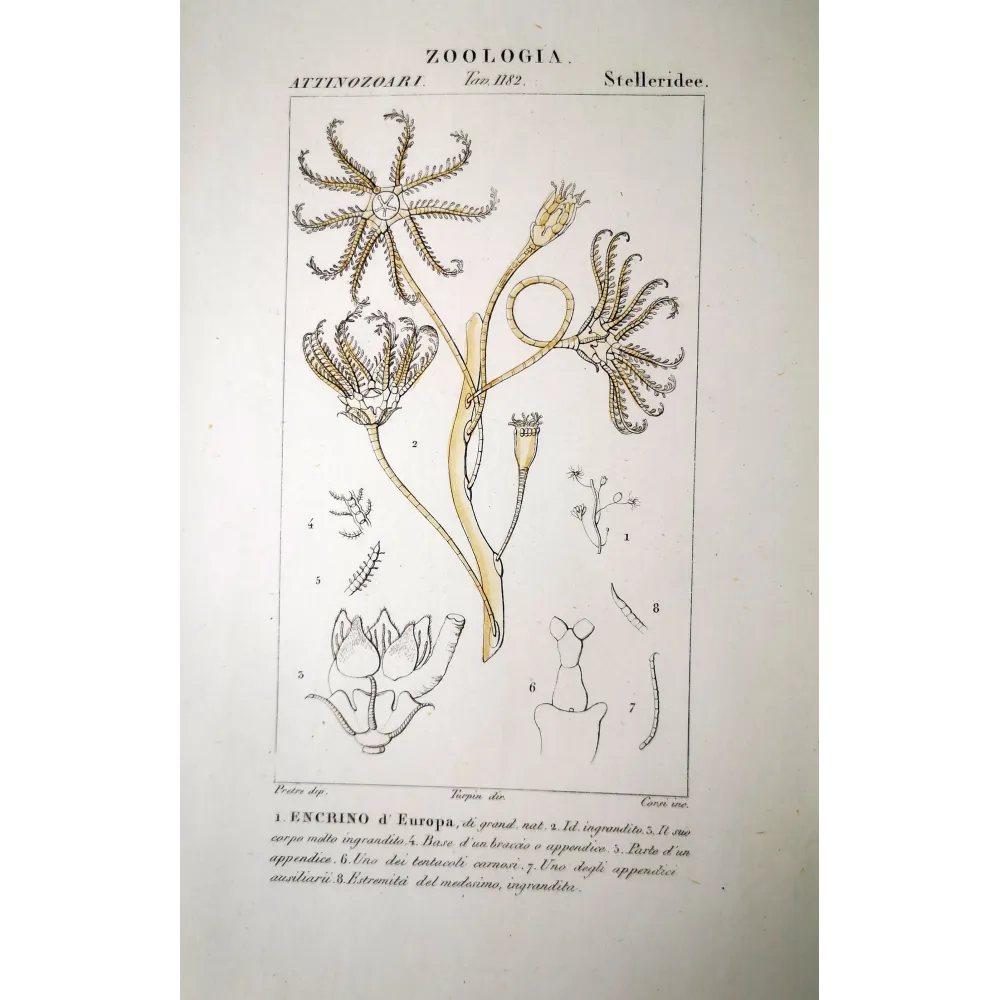
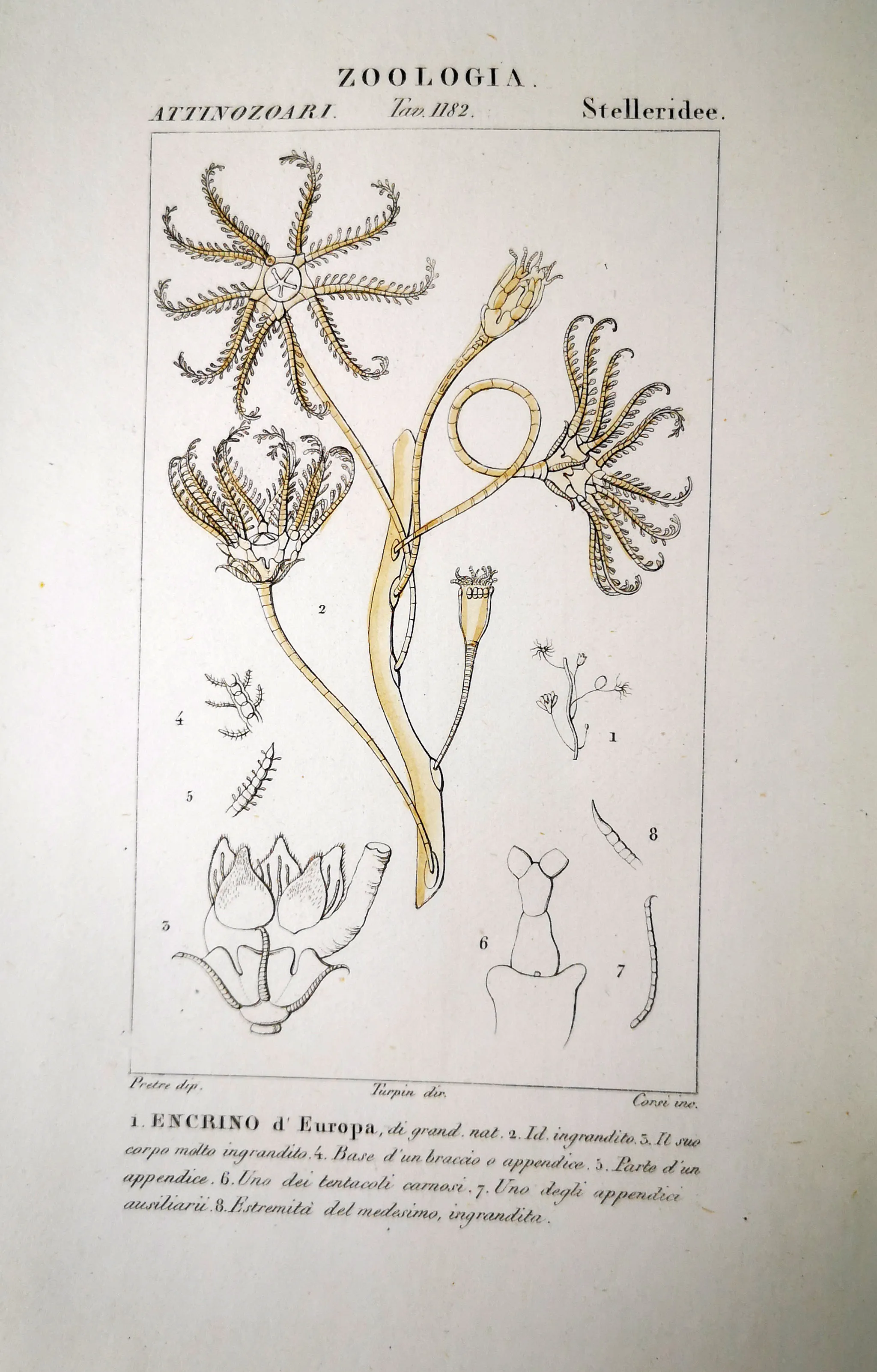
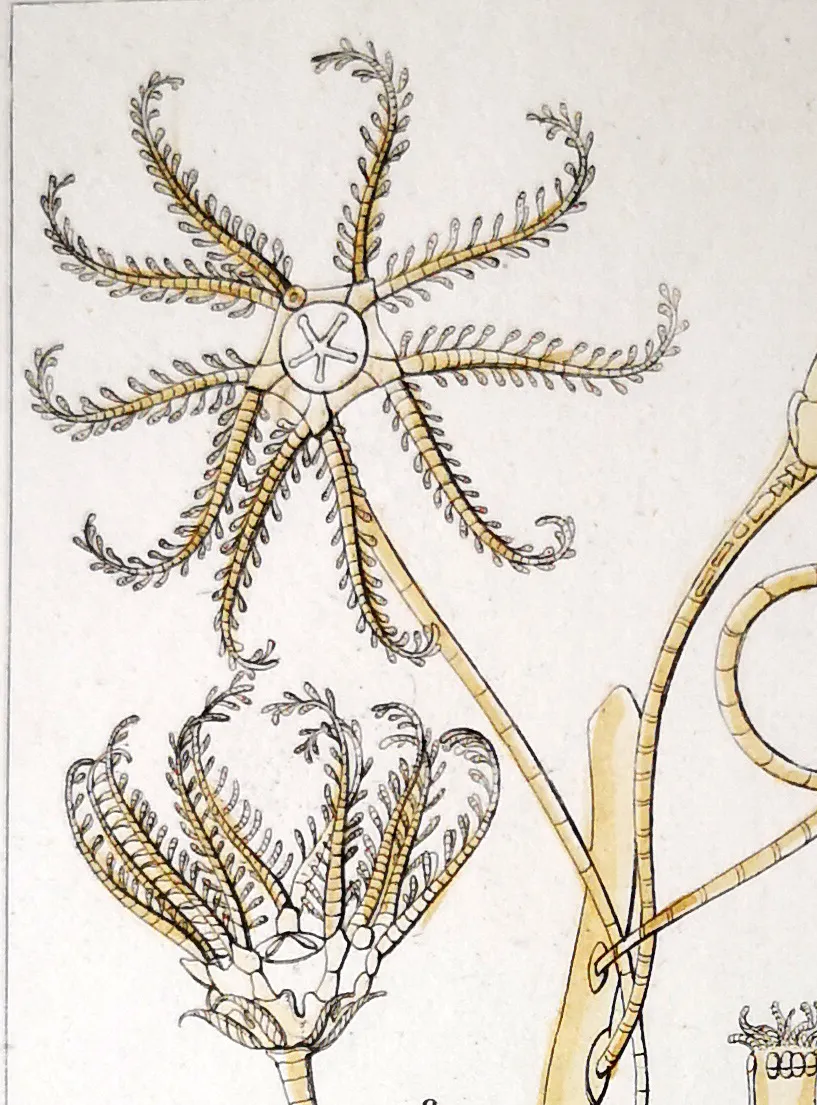
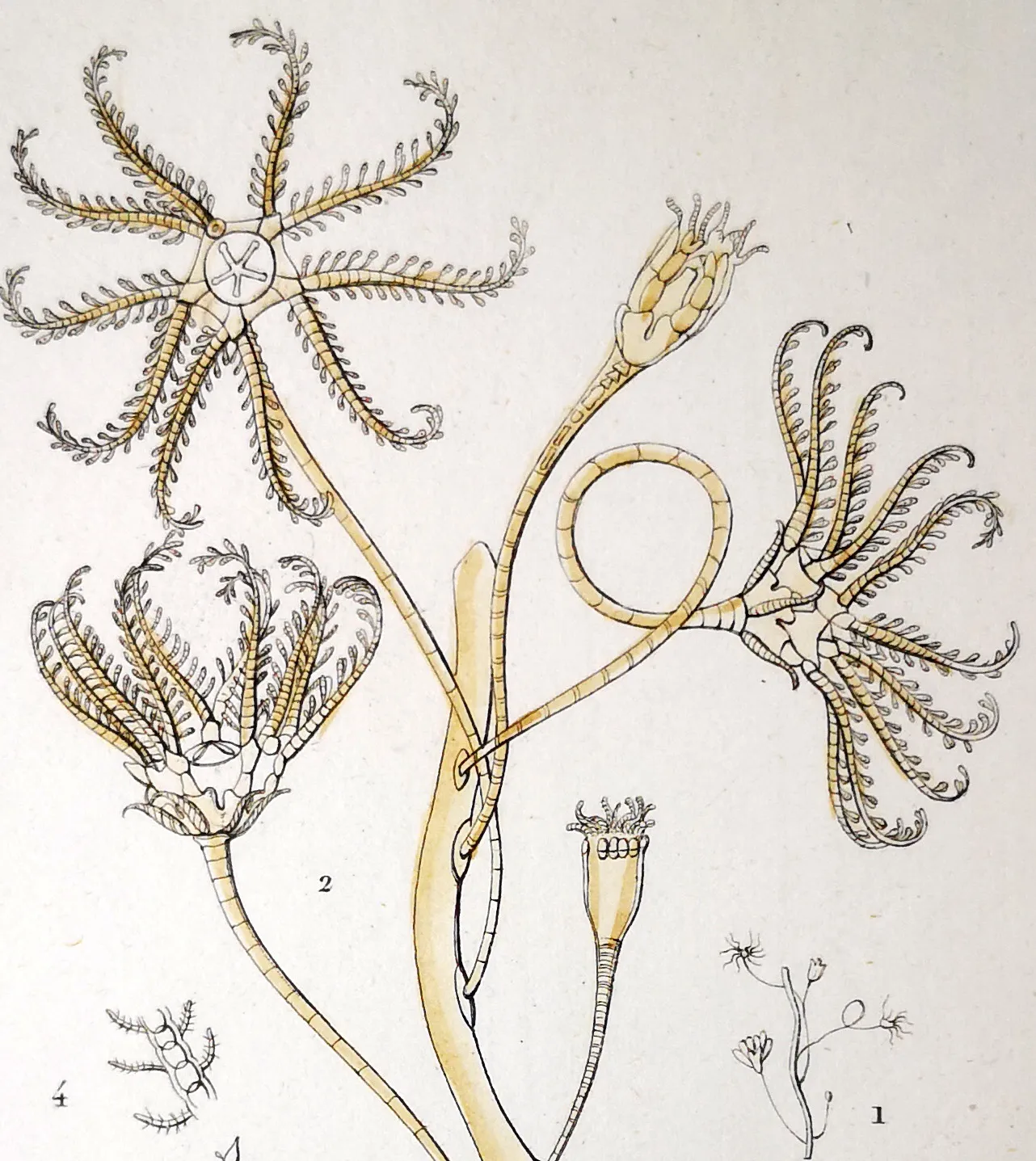
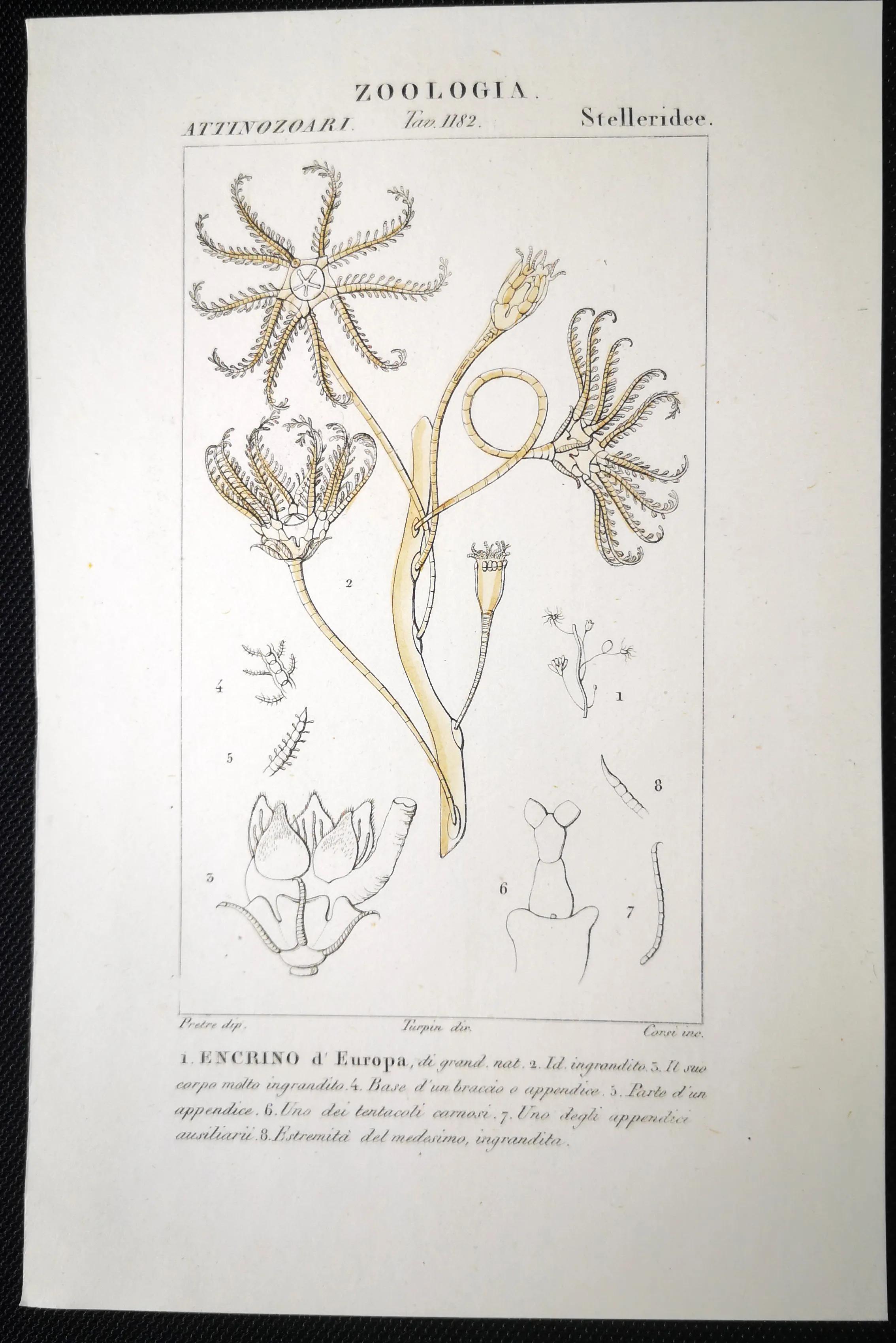
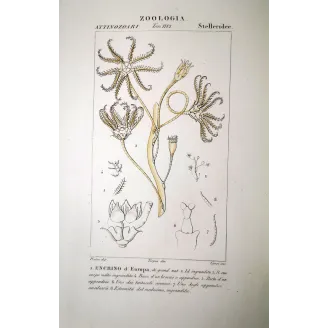
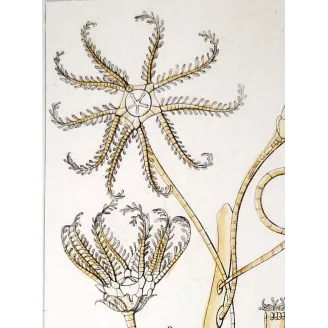
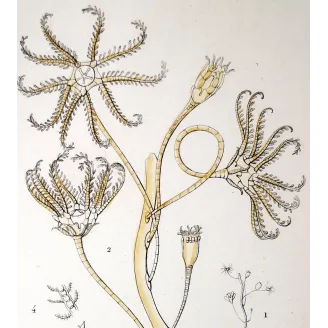
Elegant antique depiction of a crinoid with anatomical studies and fine detailing.
 Delivery policy
Your print will be carefully prepared and shipped worldwide via trusted couriers (UPS or similar).
 Authentic antique prints
Original engravings from the 17th–19th century.
This original hand-colored engraving illustrates Encrinus liliiformis, a crinoid commonly known as a sea lily, depicted in natural scale and anatomical enlargement.
Pierre Antoine Prêtre’s rendering emphasizes both the elegance of the feathery crown and the articulated stem that anchors the organism to the seafloor.
— • —
The composition unfolds vertically, like a marine botanical study. The delicate crown resembles a flowering structure, reinforcing the historic confusion between plant and animal kingdoms.
Its soft golden-beige palette gives the engraving a calm, museum-quality presence.
Crinoids are among the oldest surviving echinoderm lineages, with fossil relatives dating back over 400 million years.
During the nineteenth century, living crinoids were considered evolutionary marvels — organisms bridging ancient geological eras and contemporary seas.
This plate documents that scientific fascination, presenting the sea lily as both living specimen and relic of deep time.
The Sacchetti edition of the Dizionario di Scienze Naturali sought to catalog life in its broadest possible sense — from living organisms to those with fossil ancestry.
Crinoid plates stand as reminders of that geological ambition.
Nobility of Natural History Prints – The Sacchetti Collection
Excellent antique condition. Fine hand coloring and crisp engraved detail. No watermark observed.
Read the biography of Pierre Antoine Prêtre and explore his marine illustrations
Specific References
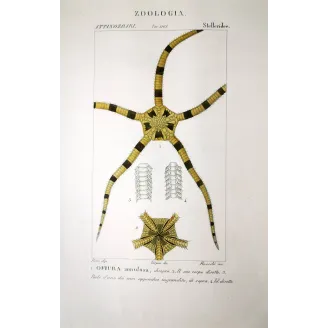
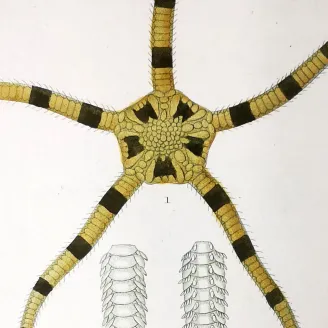
Antique print of Ophiura annulosa (brittle star) with anatomical details from a 19th-century zoological dictionary.
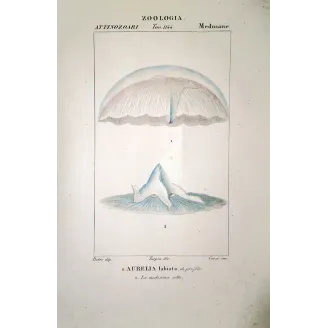
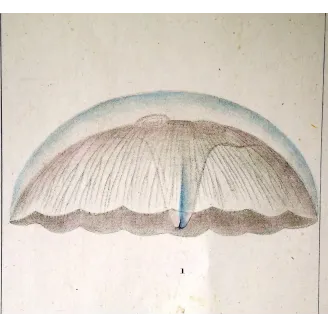
Hand-colored engraving of the moon jellyfish Aurelia labiata, drawn by Prêtre for a 19th-century zoological publication.
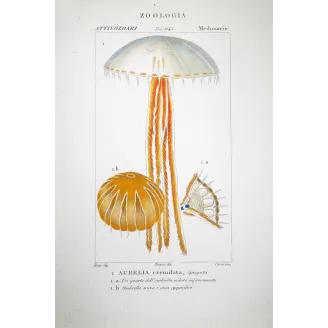
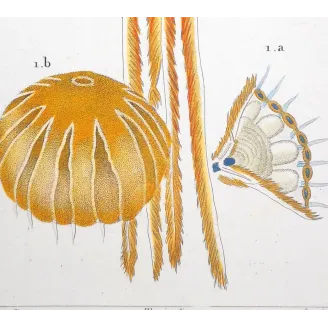
Hand-colored engraving of Aurelia crenulata, with detailed anatomical illustrations.
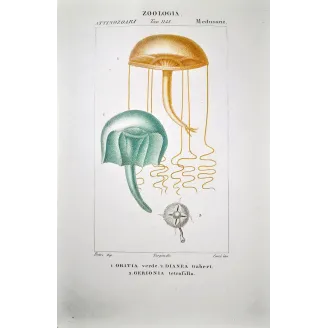
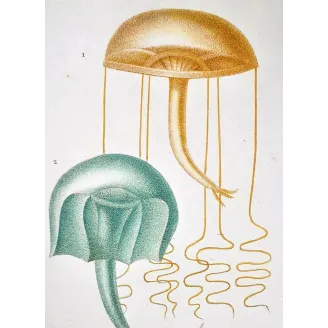
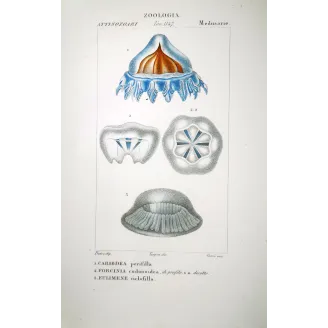
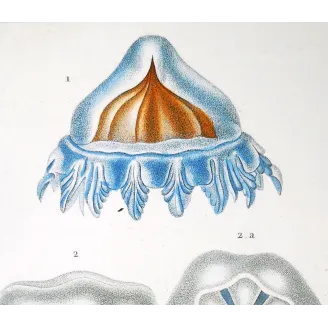
Trio of rare jellyfish types in soft tones, hand-colored lithograph by Prêtre.
Three jellyfish species illustrated in fine hand-colored lithography by Prêtre.
Antique engraving of a delicate feather star, vividly colored and highly detailed.
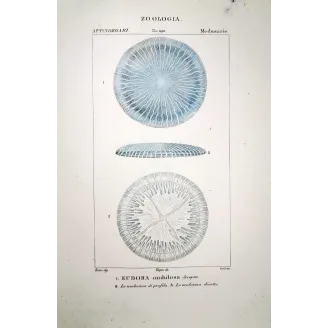
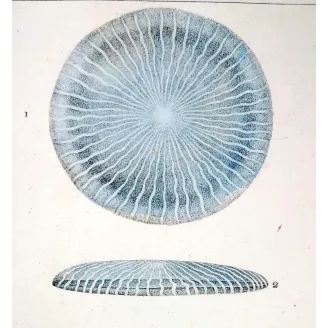
Delicate blue-toned depiction of Eudora ondulosa from three perspectives.
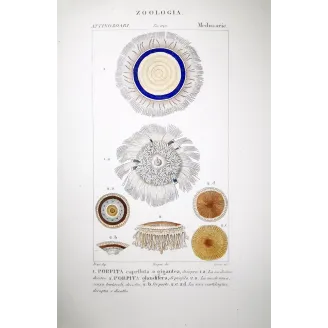
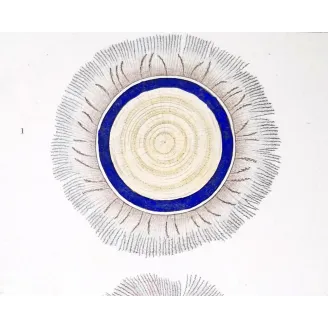
Antique illustration of the jellyfish Porpita capelluta and Porpita glandifera, from the Dizionario di Scienze Naturali.
Rare 19th-century print of the feather star Comatula of the Adeona, with anatomical details.
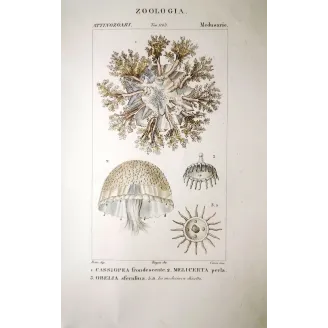
Scientific engraving of Cassiopea, Melicerta and Obelia jellyfish from the Dizionario di Scienze Naturali.
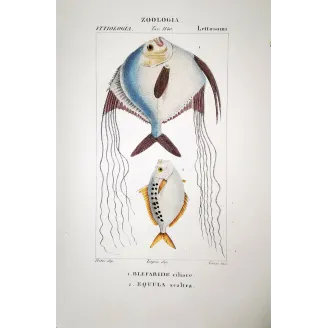
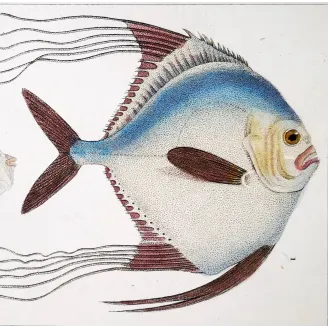
Delicate 19th-century hand-colored engraving of a ponyfish with companion species, ideal for marine-themed interiors and collectors.
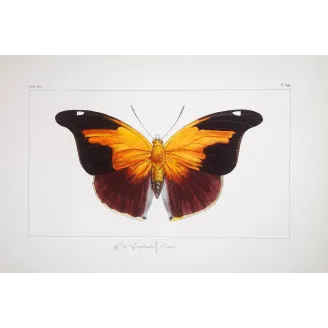
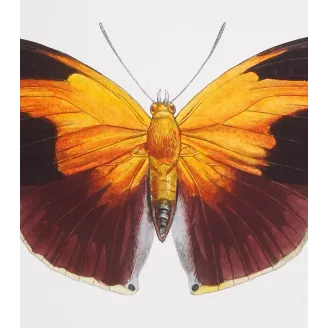
Original 1835 hand-colored engraving of Nymphalis orion, drawn and engraved by Pauquet under the scientific direction of Hippolyte Lucas for Exotic Butterflies.
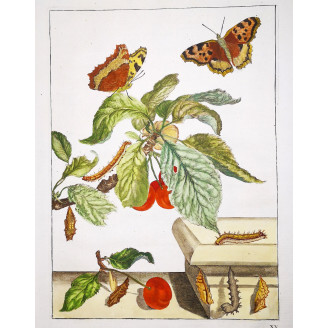
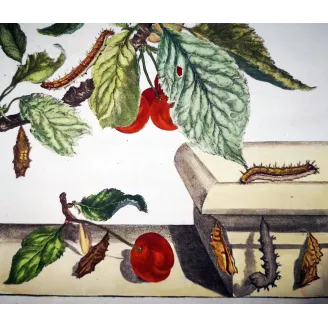
Original 1774 engraving by Jacob L'Admiral: Large Tortoiseshell on Sweet Cherry.
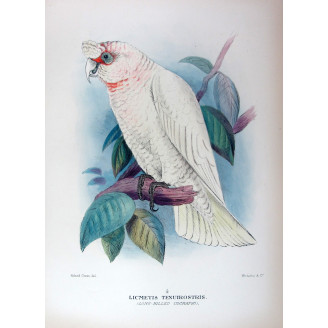
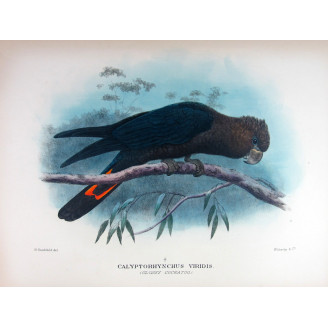
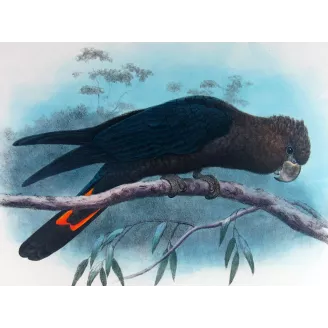
Glossy Cockatoo print by H. Goodchild, dark tones and rare presence on the plate
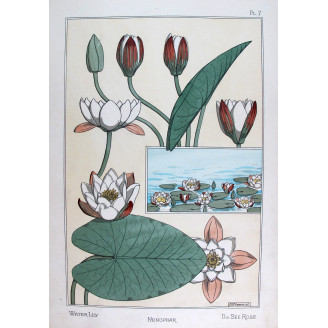
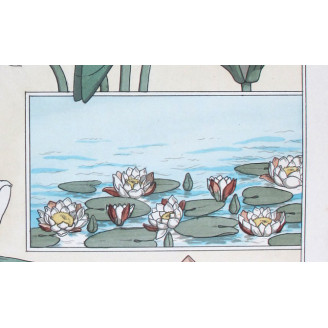
This second edition of the Water-Lily plate (No. 7) captures all the refined serenity of Plate 9, with slight variations in layout and ornamental balance.
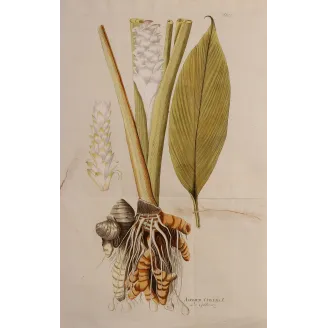
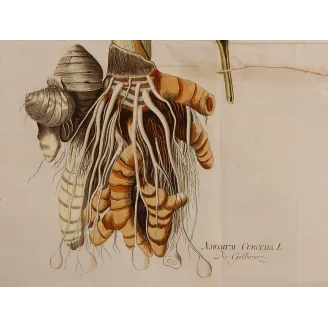
Exceptional large-format eighteenth-century botanical engraving depicting <em>Amomum Curcuma</em> L., published as Plate IV of Joseph Jacob von Plenck’s <em>Icones Plantarum Medicinalium</em>. Printed on a large folded sheet of Honig laid paper with complete watermark and contemporary hand colouring, the composition combines a remarkably refined pale inflorescence, monumental foliage and an exceptionally detailed rhizomatous structure. A powerful Plenck Statement Piece preserving both extraordinary botanical clarity and the visible material history of an eighteenth-century folded plate.
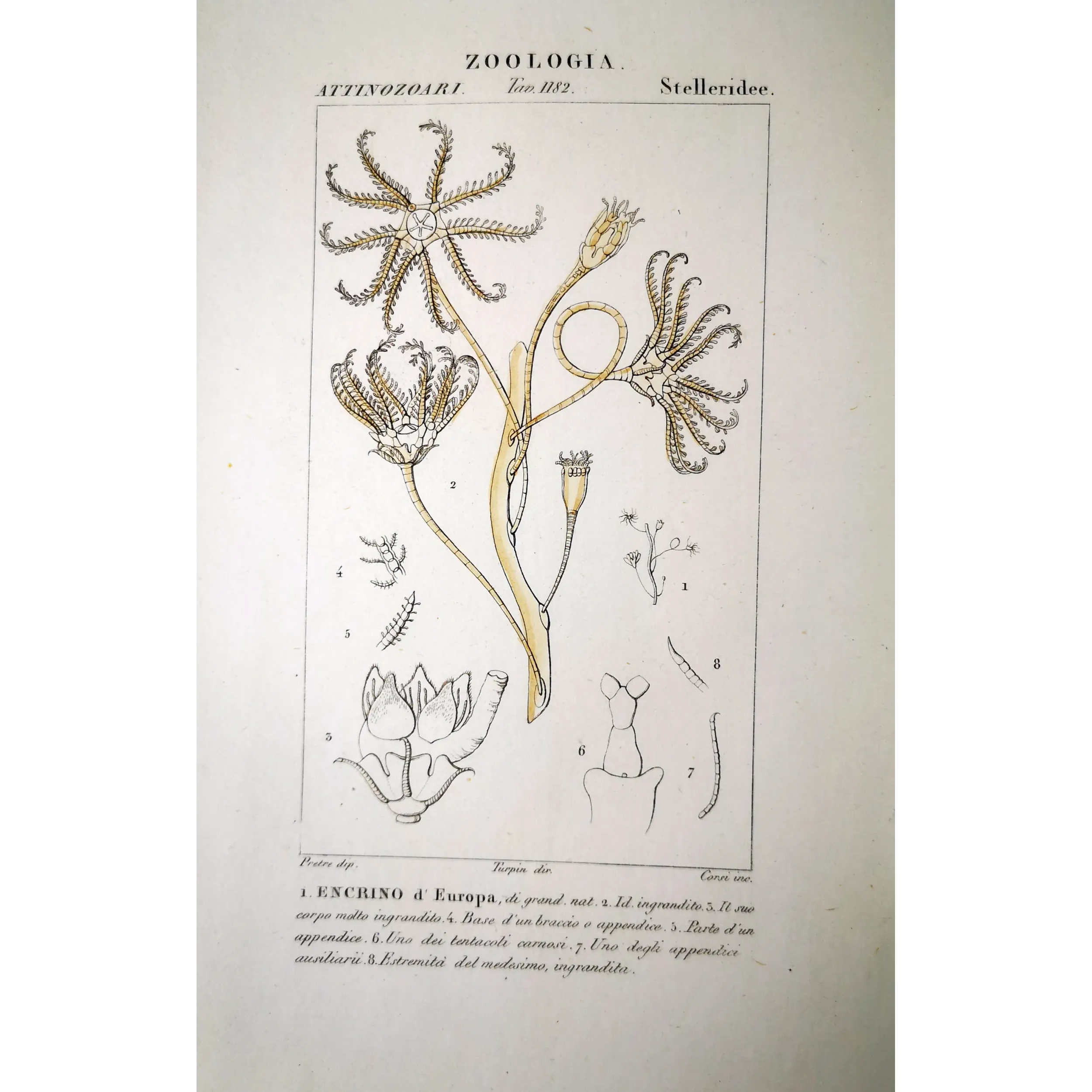
Elegant antique depiction of a crinoid with anatomical studies and fine detailing.