
In the pantheon of botanical illustration, Pancrace Bessa (1772–1846) occupies a graceful, luminous place. A student of both Gérard van Spaendonck and a close collaborator of Pierre-Joseph Redouté, Bessa developed a style that blended scientific precision with exquisite pictorial sensitivity.
+393518963937
Shopping Cart
(0)
Latest posts
-
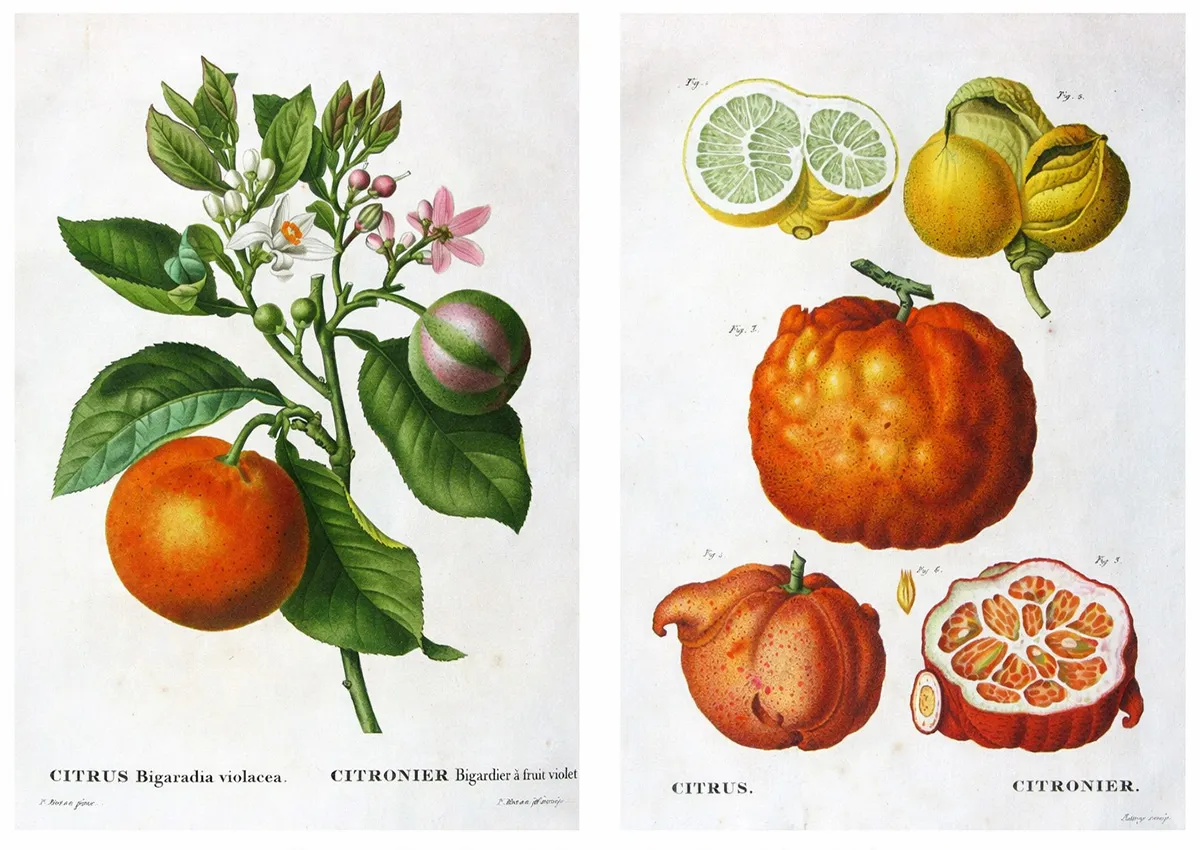 Pancrace Bessa: the Naturalist Painter of Botanical GraceRead more
 -
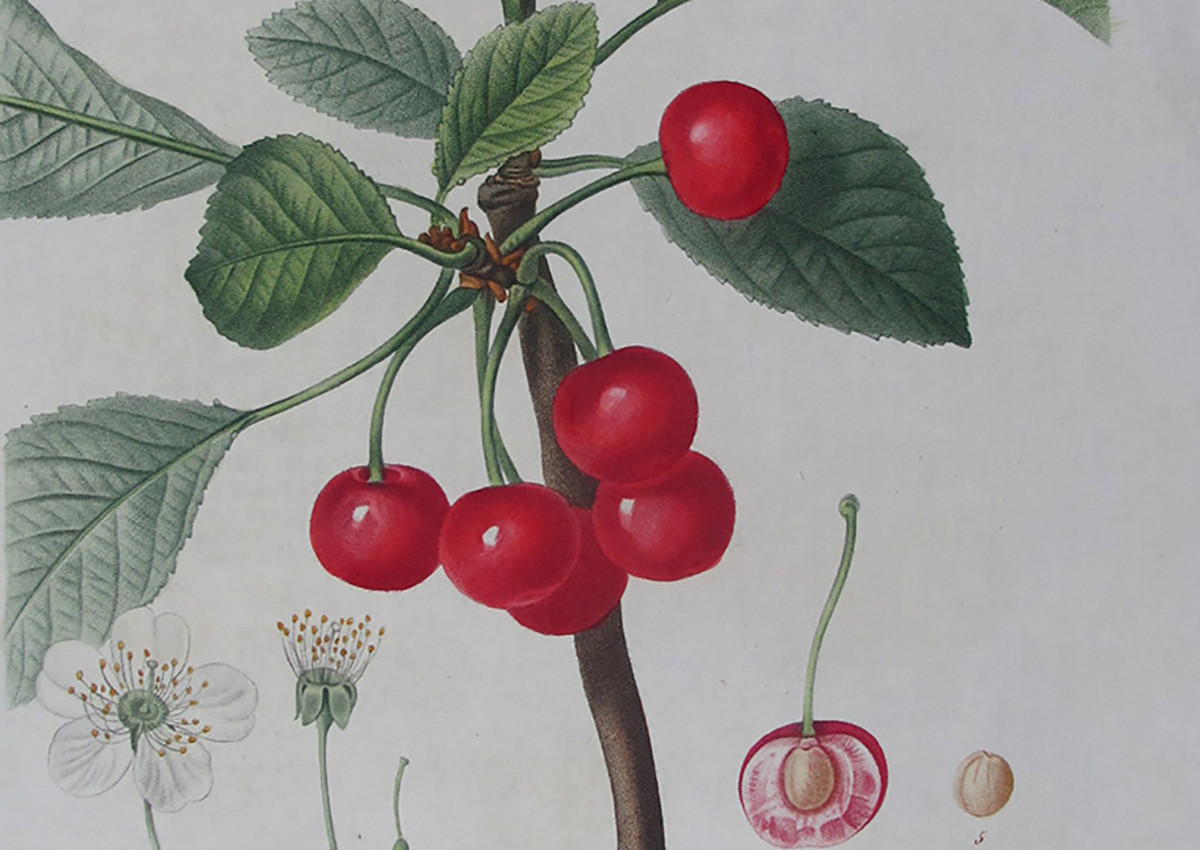 Pierre-Joseph Redouté: Botanical Illustration Beyond RosesRead more
Pierre-Joseph Redouté (1759–1840) is universally regarded as the most influential botanical illustrator of the late eighteenth and early nineteenth centuries. Working at the intersection of Enlightenment science and artistic refinement, his engravings transformed botanical illustration into a visual language capable of both scientific precision and enduring aesthetic value.
-
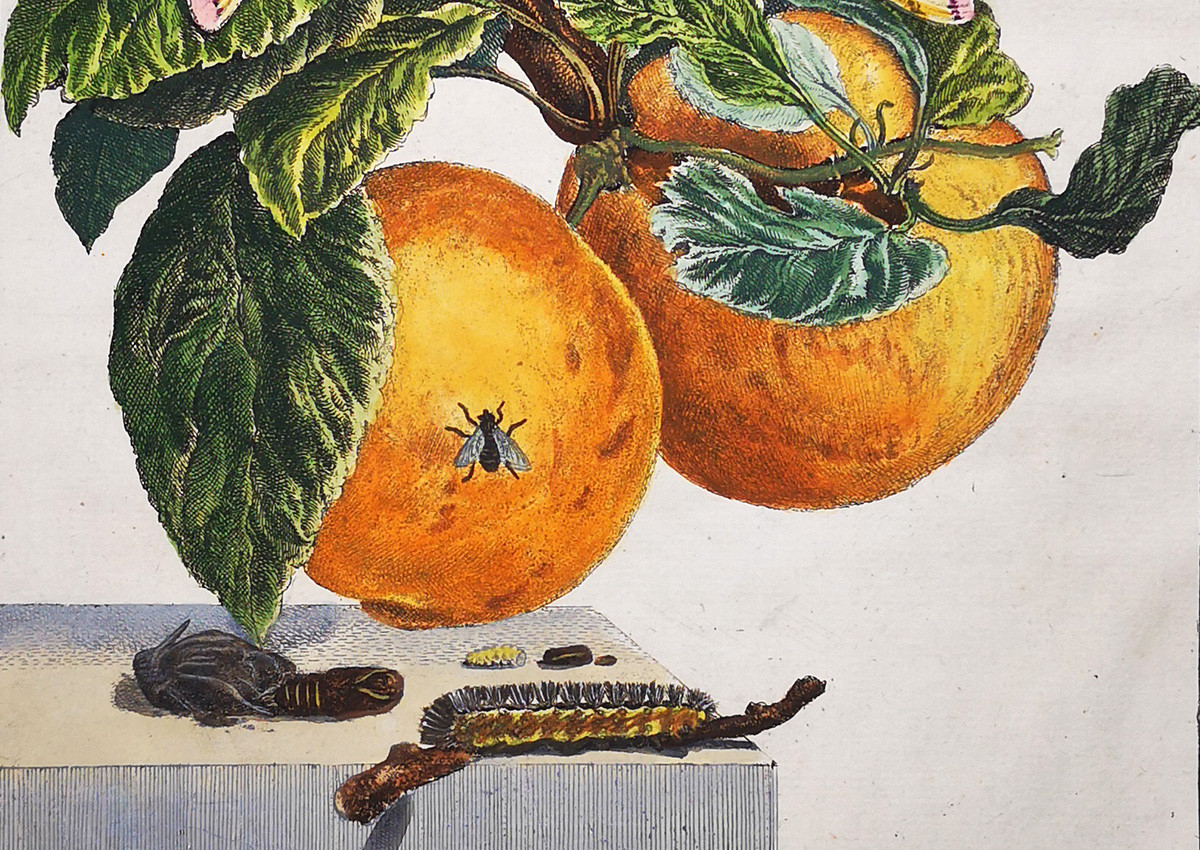 Jacob L'Admiral and the Metamorphosis of Insects – A Dutch Enlightenment Marvel (1774)Read more
In the vibrant scientific atmosphere of the 18th century, Jacob L’Admiral (1700–1775), a Dutch naturalist and engraver, published one of the most striking visual records of insect life cycles:“Auwkeurige Waarneemingen Omtrent de Veranderingen Van Veele Insekten of Gekorvene Diertjes” (1774) —or, in English: “Accurate Observations Concerning the Transformations of Various Insects or Small Crawling Creatures.” Jacob L’Admiral’s 1774 folio on insect transformations is a landmark of...
-
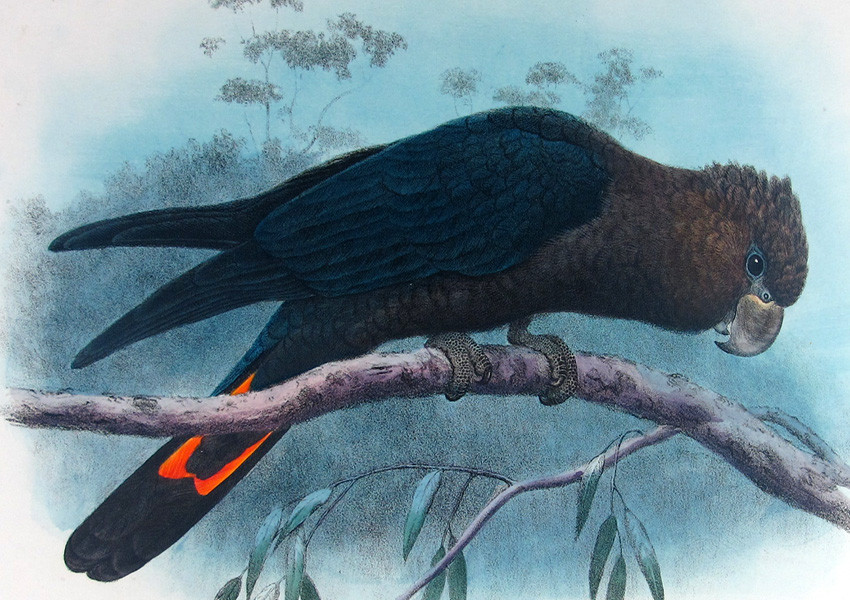 H. Goodchild – Shadows and Structure: The Quiet Precision Behind Australia's Avian DramaRead more
H. Goodchild’s hand-coloured engravings for Gregory M. Mathews’ monumental work The Birds of Australia reveal a quiet mastery of form and restraint.His birds, poised in dignified stillness, embody both scientific precision and artistic grace — a subtle voice within one of ornithology’s grandest achievements.
-
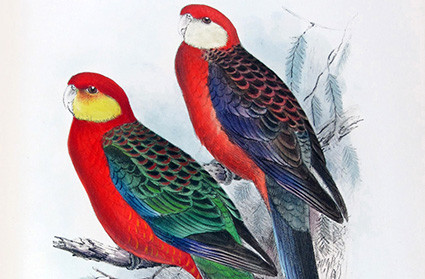 Roland Green: Dynamic Vision and Field-Born Precision in Bird ArtRead more
A vivid portrait of Roland Green, the British wildlife artist who brought motion, energy, and field observation to the pages of Mathews’ The Birds of Australia.
-
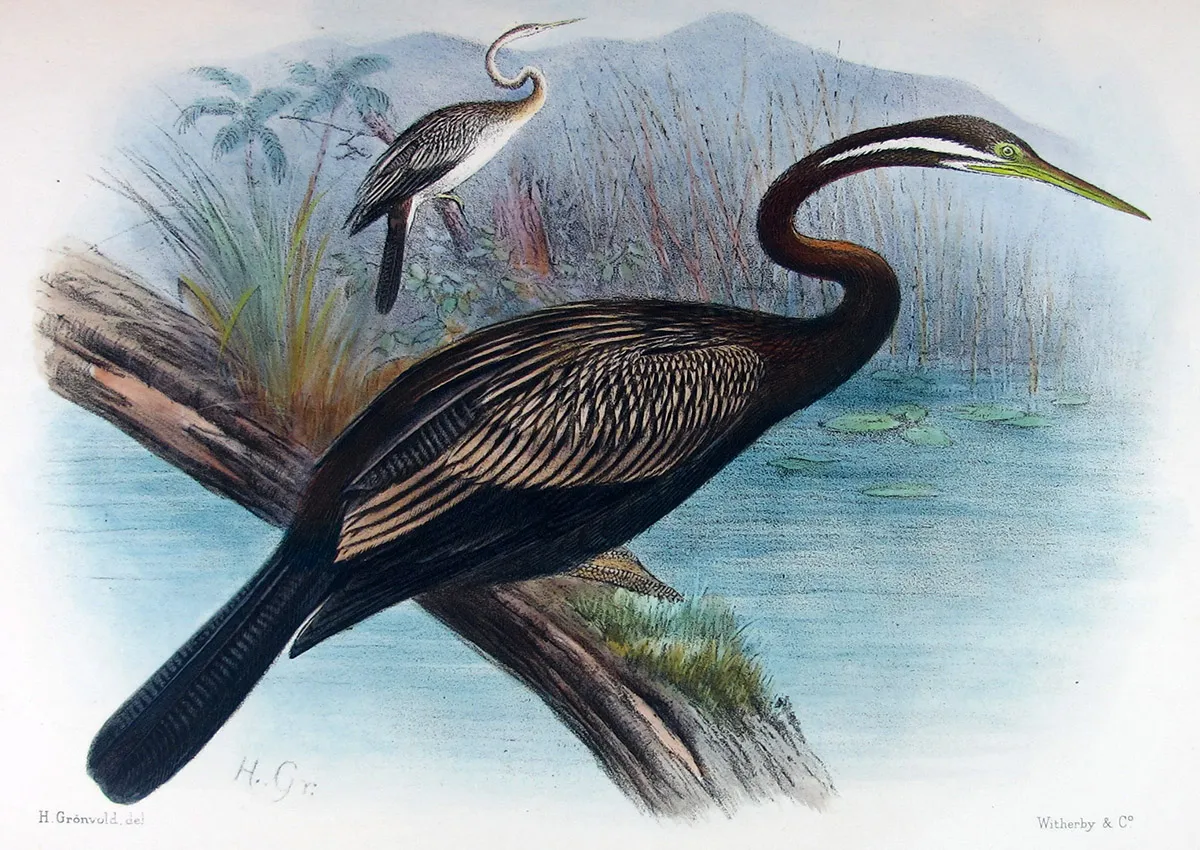 Henrik Grönvold: A Scandinavian Eye for Ornithological GraceRead more
Henrik Grönvold (1858–1940) was a master of early 20th-century ornithological illustration, celebrated for his calm compositions, refined colors, and contributions to Mathews’ “The Birds of Australia.”
-
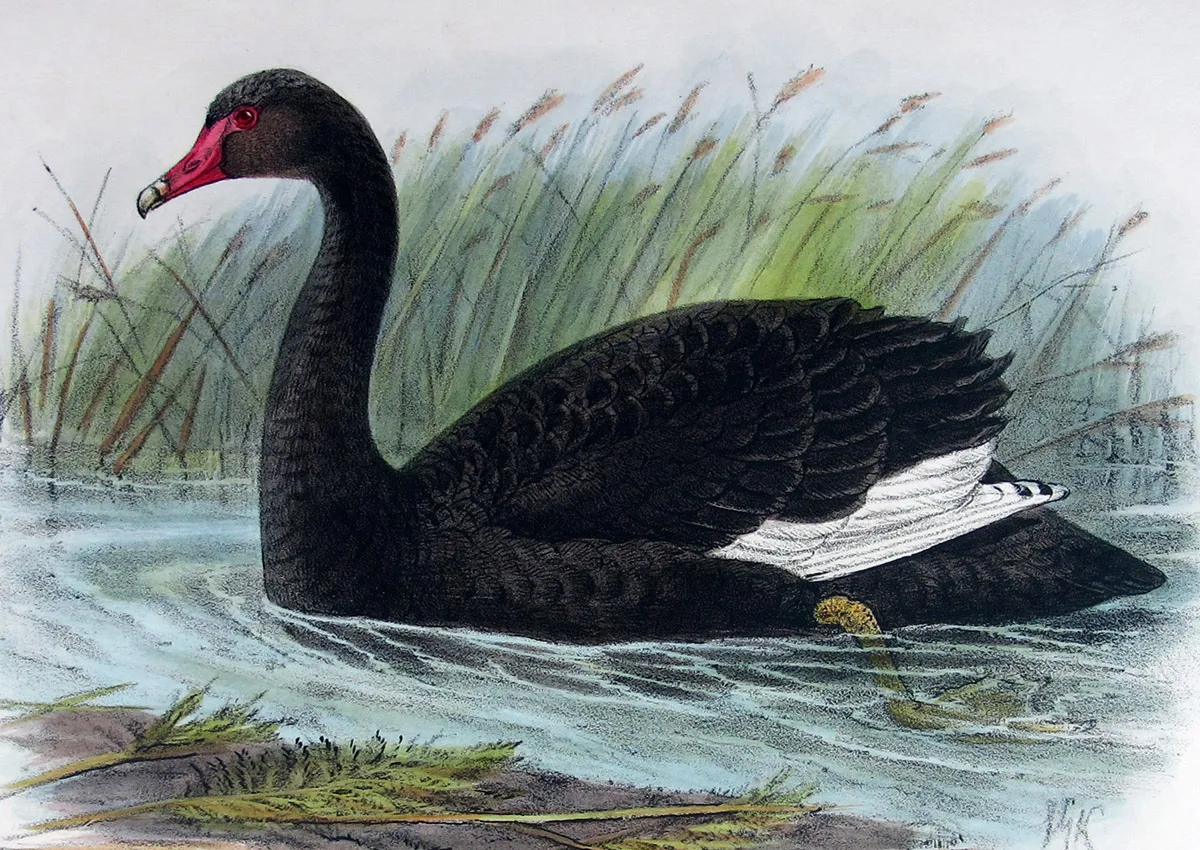 J.G. Keulemans: Precision and Passion in Ornithological IllustrationRead more
Johannes G. Keulemans, the master illustrator of 19th-century ornithology, blended scientific precision with poetic calm. His hand-colored bird engravings remain timeless icons of natural history art, treasured by collectors and perfect for refined interior spaces seeking beauty, heritage, and quiet elegance.
-
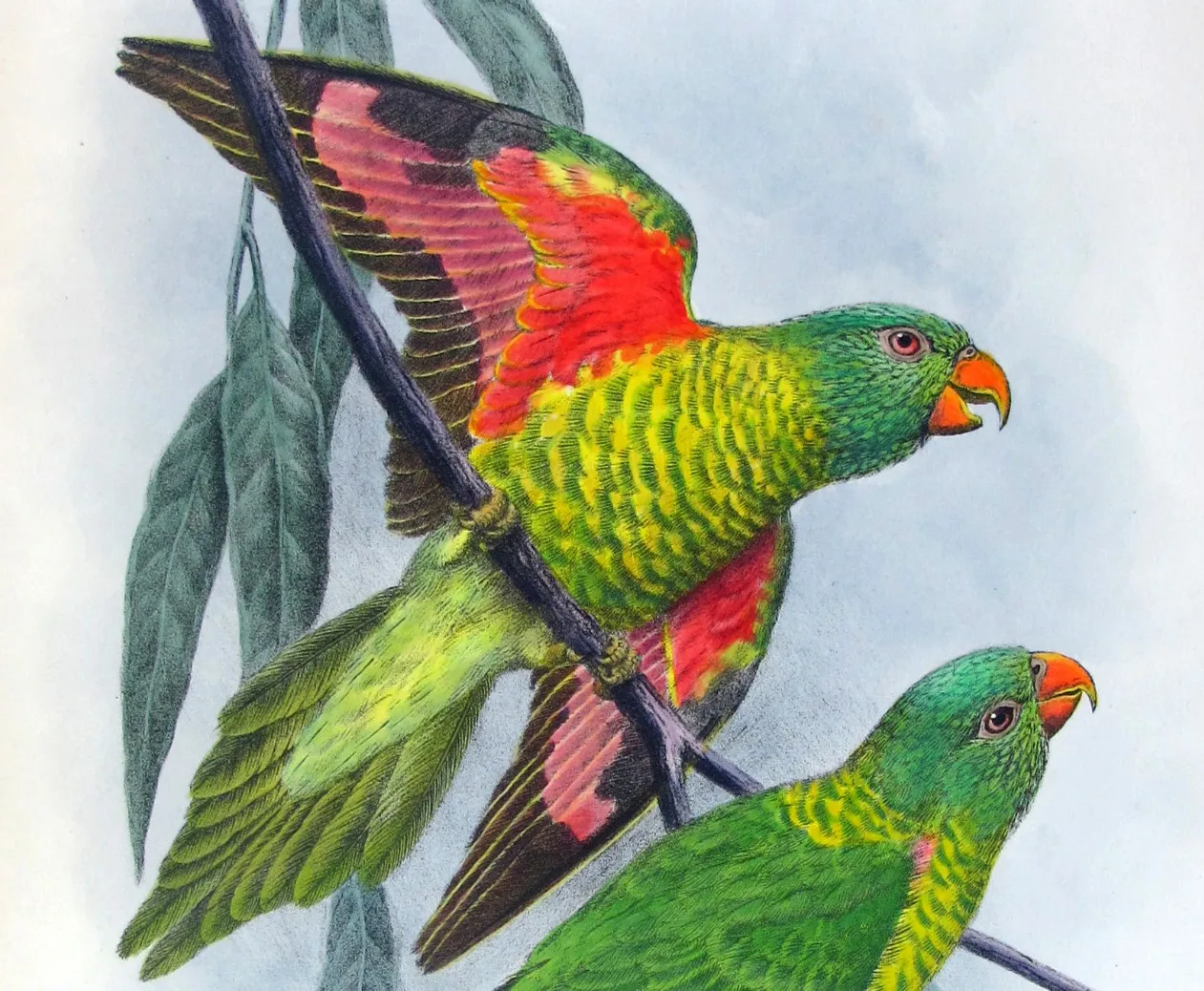 Gregory M. Mathews and The Birds of Australia: A Monument of Ornithological AmbitionRead more
Gregory M. Mathews’ The Birds of Australia is a monumental blend of taxonomy and art. This article explores the project, its leading illustrators and how the original plates still work today as both scientific documents and sophisticated wall pieces for contemporary interiors.
-
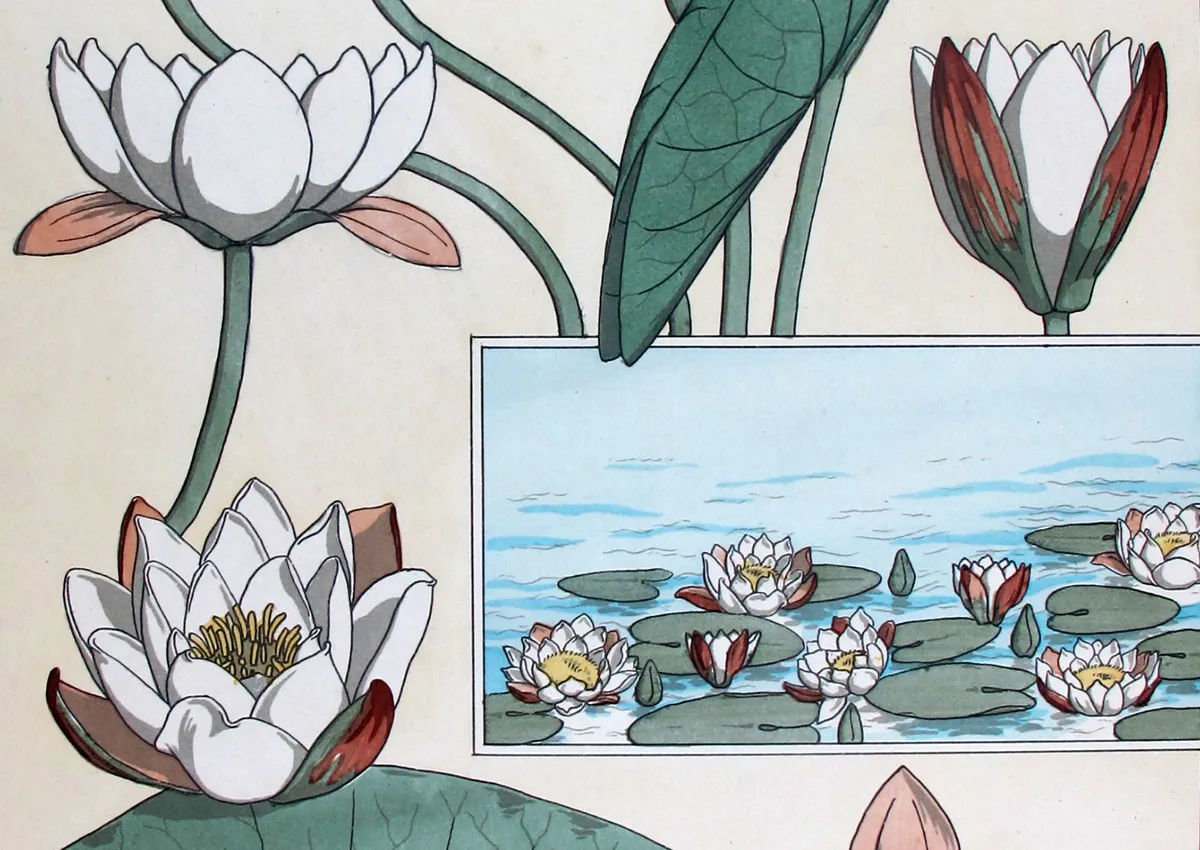 Pochoir or Lithograph? Understanding the True Technique Behind Grasset’s La PlanteRead more
In the world of antique print collecting, the difference between pochoir and color lithography is more than a technicality — it defines how we interpret, date, and value a work. For Eugène Grasset’s La Plante et ses Applications Ornementales (1896), this distinction is especially critical. Many sellers and even some collectors describe the prints from La Plante as pochoir — a term that conjures up vivid, hand-applied color and Art Deco elegance. But this is incorrect.
-
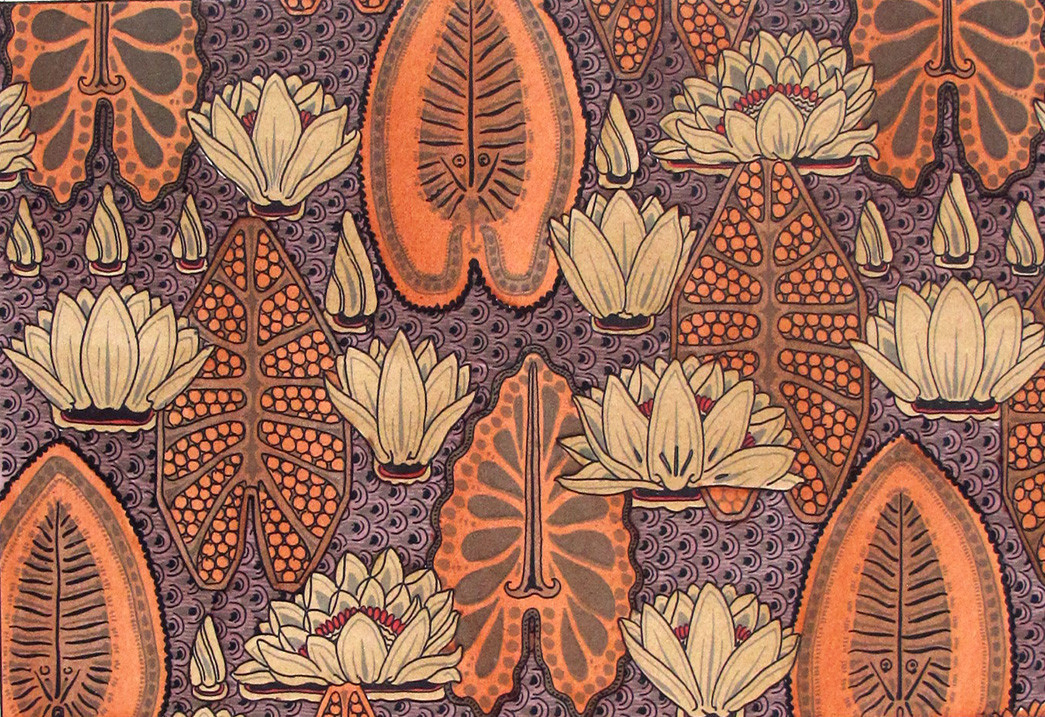 La Plante et ses Applications Ornementales: Eugène Grasset and the Birth of Modern Botanical DesignRead more
In the golden age of Art Nouveau, few works embody the marriage between art and nature as perfectly as La Plante et ses Applications Ornementales (1896). Conceived under the direction of Eugène Grasset, one of the movement’s most influential figures, this stunning folio of botanical plates redefined the role of natural forms in the decorative arts.