
Explore original hand-coloured engravings from Henry Charles Andrews' The Botanist's Repository (1797–1814), a landmark of British botanical illustration. Featuring remarkable Proteas, Camellias, Peonies and other exotic ornamental plants, this curated collection reflects Britain's fascination with newly discovered species during the great age of botanical exploration.
+393518963937
Shopping Cart
(0)
Art Print Lover’s Guide
A curated collection of articles dedicated to the art of collecting, evaluating, preserving, and understanding antique prints.
Whether you're a passionate collector or a curious admirer, this guide will help you navigate the timeless world of fine art on paper.
-
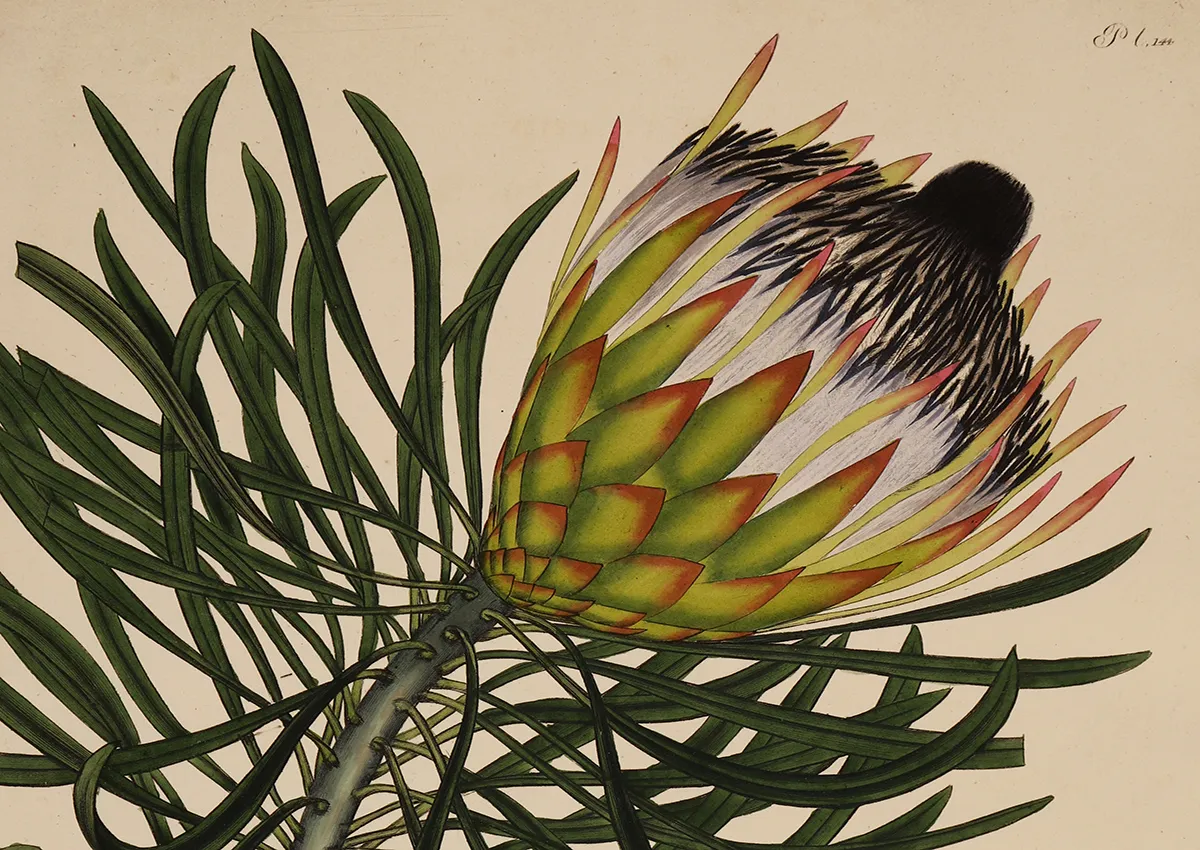 Henry Charles Andrews and Britain's Passion for Exotic PlantsRead more
 -
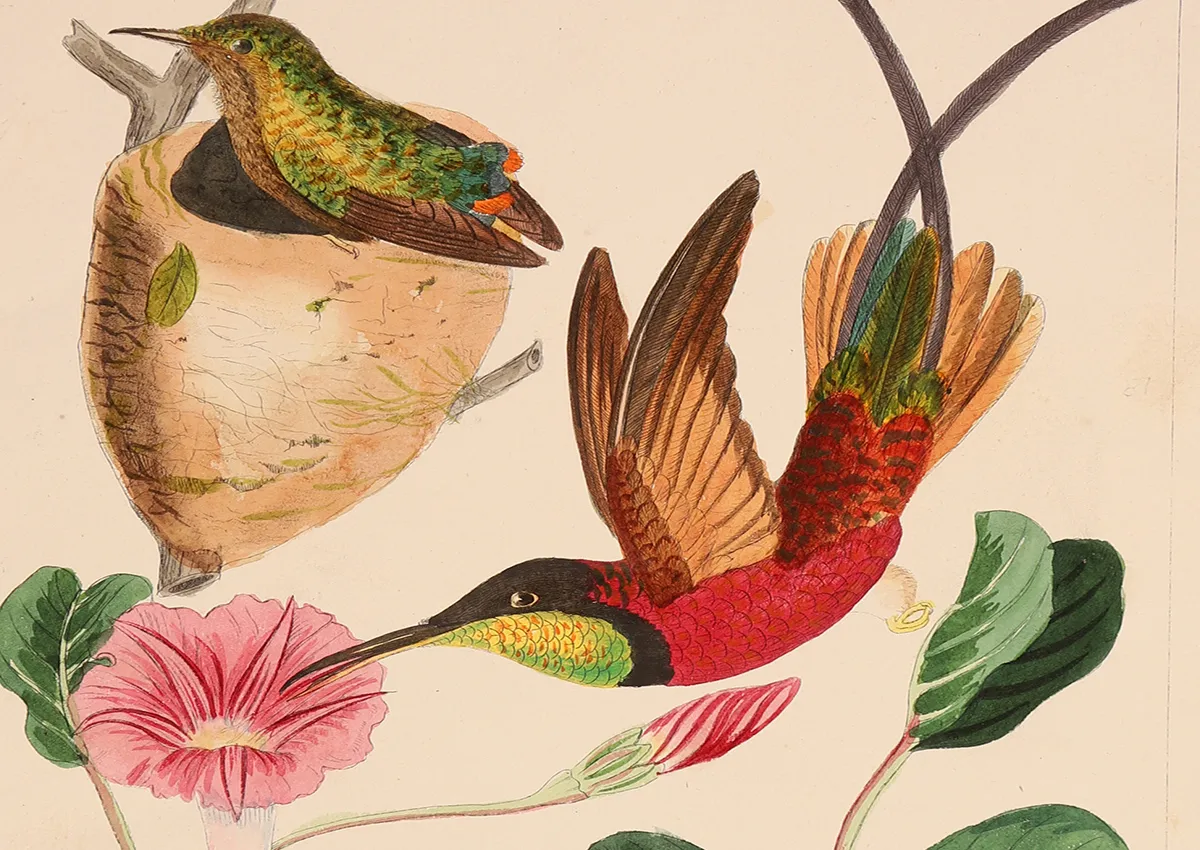 A Guide to Collecting and Decorating with Antique Bird PrintsRead more
A curatorial guide exploring why antique bird prints continue to fascinate collectors, bird lovers and interior enthusiasts, beginning with the movement, colour and wonder of nineteenth-century hummingbird illustrations.
-
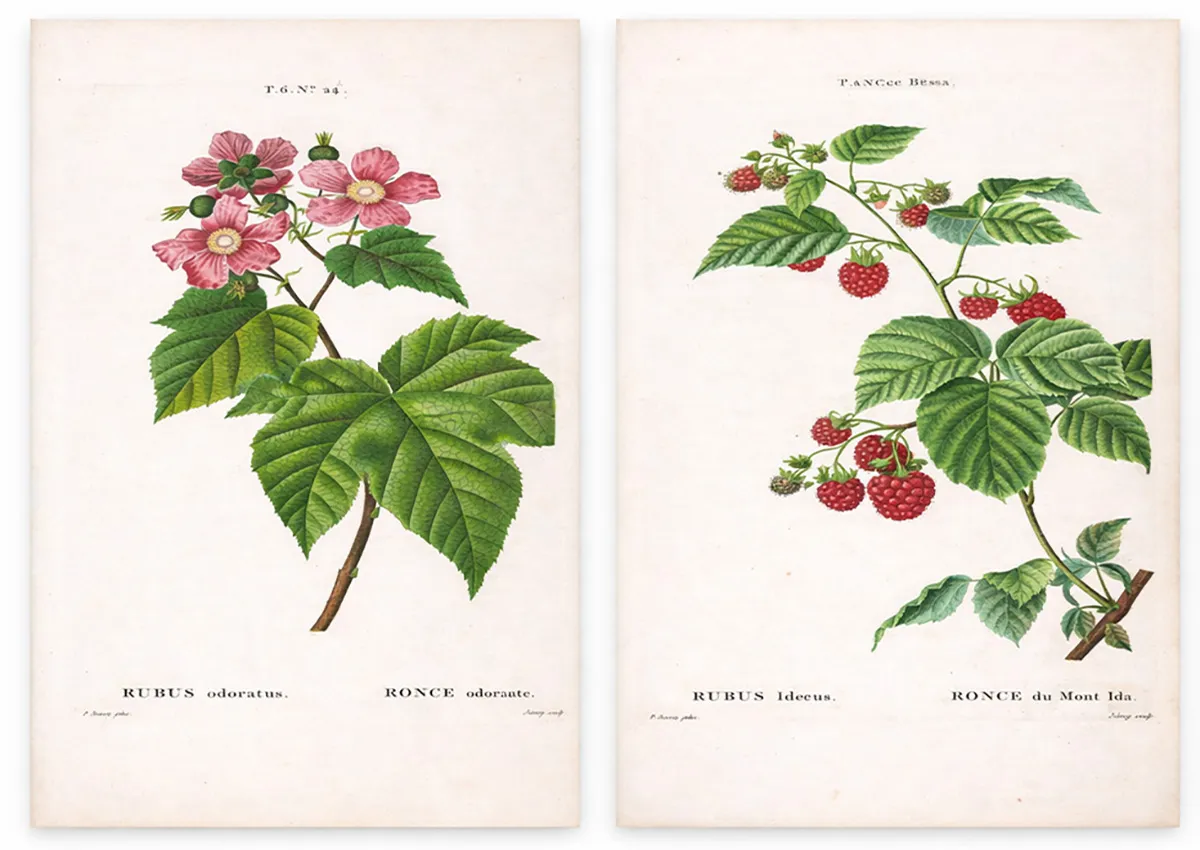 Why Antique Prints Feel Different — And Why They Quietly Transform a RoomRead more
A reflective essay on why antique botanical and natural history prints transform interiors not only through their subjects, but through paper, colour, craftsmanship and time.
-
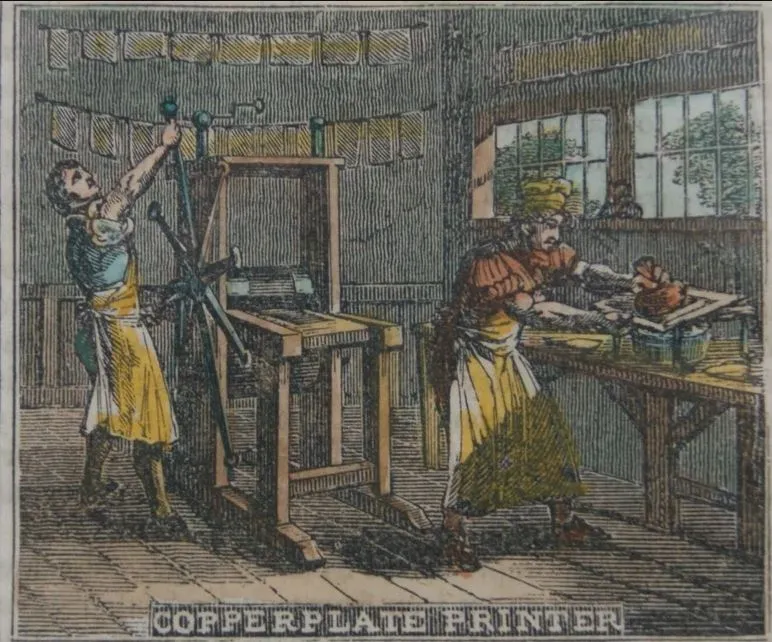 Plate Marks in Antique Prints: Reading the Printed ImpressionRead more
Plate marks are subtle physical traces left by the printing process itself. This article explores how plate impressions form, what they reveal about traditional intaglio printing, and how collectors can read them as material evidence of authenticity in antique prints.
-
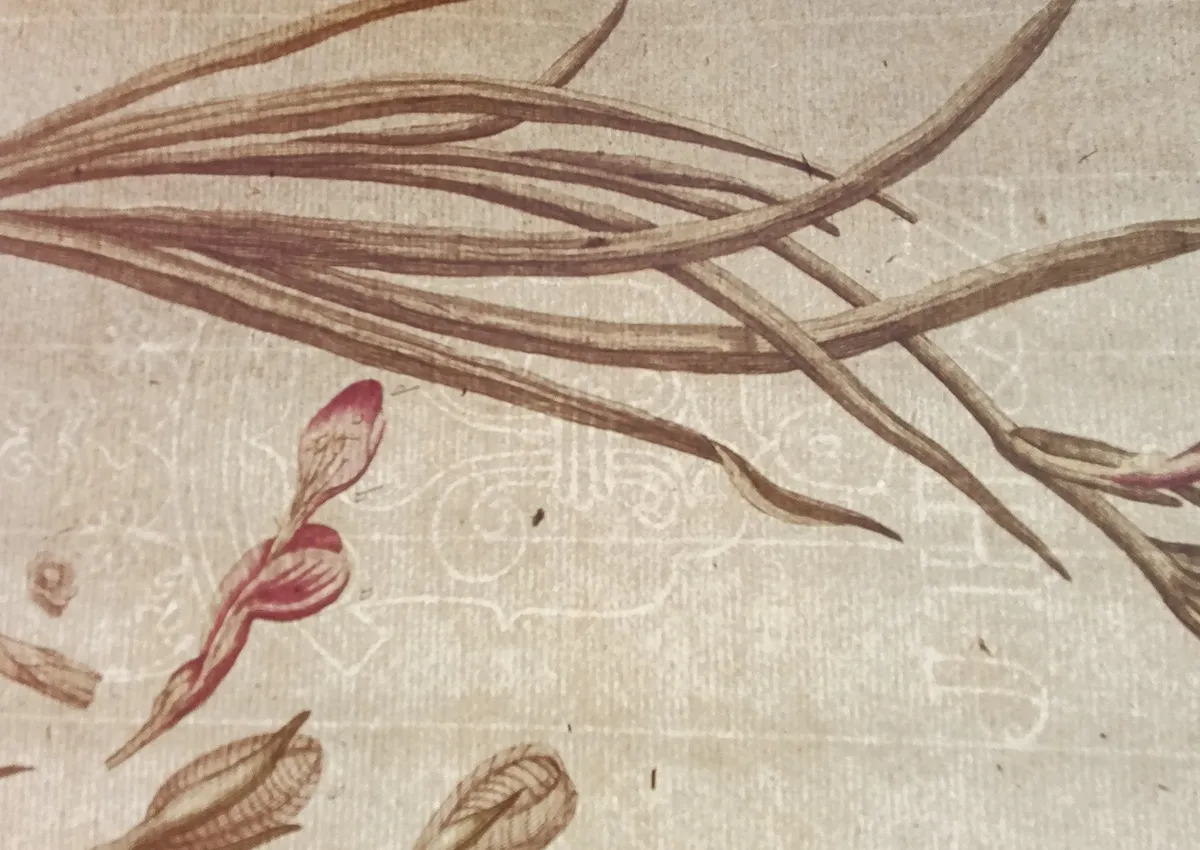 Paper in Antique Prints: Laid, Wove & WatermarksRead more
An overview of laid and wove paper in antique prints, with a focus on watermarks as material evidence for dating, authenticity, and historical context.
-
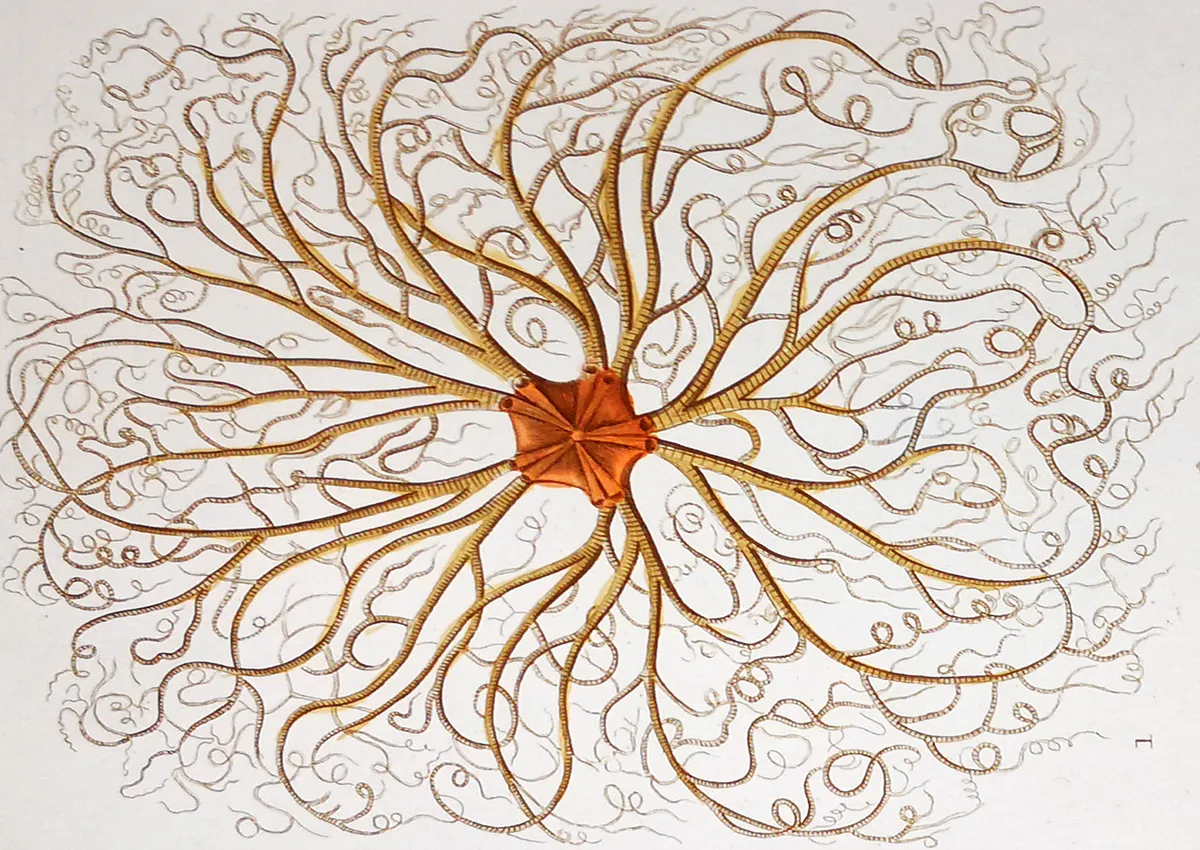 The Hidden Nobility of Natural History Prints: From the Sacchetti CollectionRead more
The Hidden Nobility of Nature Prints In the vast and fascinating world of antique natural history prints, there are works that shine not only for their beauty, but for their origin, craftsmanship, and the historical legacy they carry
-
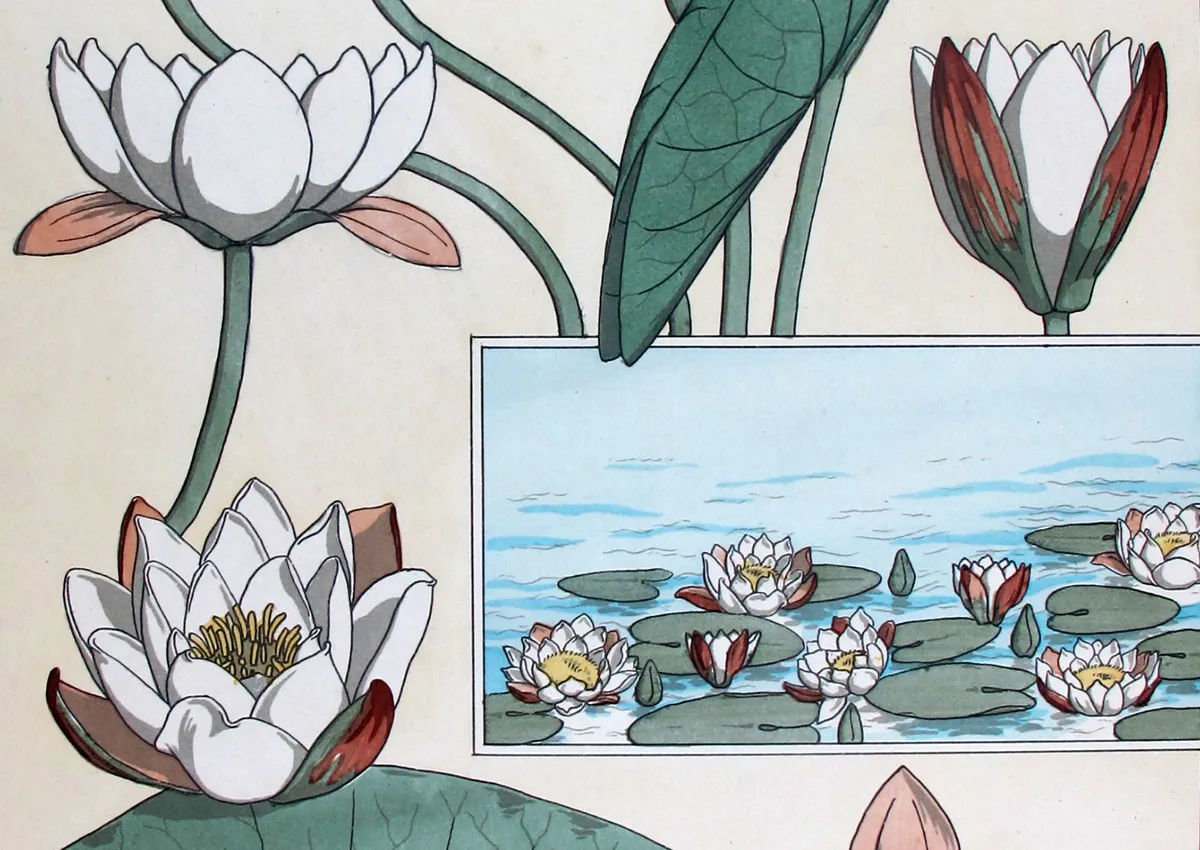 Pochoir or Lithograph? Understanding the True Technique Behind Grasset’s La PlanteRead more
In the world of antique print collecting, the difference between pochoir and color lithography is more than a technicality — it defines how we interpret, date, and value a work. For Eugène Grasset’s La Plante et ses Applications Ornementales (1896), this distinction is especially critical. Many sellers and even some collectors describe the prints from La Plante as pochoir — a term that conjures up vivid, hand-applied color and Art Deco elegance. But this is incorrect.
Showing 1 to 7 of 7 (1 Pages)