
Why Antique Prints Feel Different — And Why They Quietly Transform a Room
Why Antique Prints Feel Different — And Why They Quietly Transform a Room
It is not only what they depict — it is what they are.
This page is part of an evolving editorial project dedicated to antique prints, interiors and material culture. It complements our Antique Prints Guide.
Certain Objects Quietly Change a Room
Most rooms contain objects.
Only a few contain presence.
The distinction is difficult to describe, yet most people recognise it instinctively. A room may be beautifully furnished, carefully designed, visually coherent — and still feel somehow incomplete. Another may be simpler, quieter, even imperfect, and yet seem immediately more alive.
Often, the difference lies not in decoration itself, but in the nature of the objects that inhabit the space.
Certain things possess an unusual ability to alter atmosphere.
A nineteenth-century botanical engraving above a kitchen table. Two antique bird prints resting quietly in a study. A marine engraving in a hallway where natural light moves slowly across historic paper.
They rarely announce themselves loudly.
And yet they are noticed.
People pause. They move closer. Questions often follow.
Is this original? How old is it? How did they even make something like this?
Curiously, what captures attention is rarely only the image itself. More often, it is something harder to name. The object seems to possess a quiet form of presence.
Beyond the Image
At first glance, antique prints appear to be about their subject.
A hummingbird. A fern. A tropical bird. A shell. A jellyfish suspended in impossible symmetry.
Yet this explanation never feels entirely sufficient. Most people who place two nineteenth-century ornithological engravings in a study are not ornithologists. Few owners of botanical engravings possess specialist knowledge of taxonomy. And yet they are drawn to them.
Not necessarily because of what they depict.
But because of what they are.
A true antique print is not simply an image transferred onto paper. It is an object built slowly: the engraved line, the softness of hand-applied colour, the subtle irregularity of pigments prepared in workshops two centuries ago, the faint impression left by a copper plate pressed into dampened paper, the visible grain of historic sheets, the quiet evidence of time.
Unlike modern reproductions, antique prints still carry traces of their own making. And although the eye may not consciously register every detail, the mind often senses them immediately. We notice patience. We notice precision. We notice, somehow, that this object appears to have passed through human hands. The medium itself becomes part of the beauty.
Colours That Refuse to Disappear
There is something particularly difficult to explain about the colours of antique prints.
They do not behave like modern colour. They rarely feel loud. And yet they often seem strangely alive.
The greens of a botanical engraving. The layered feathers of a nineteenth-century bird study. The soft ochres, mineral blues and muted crimsons of marine life illustrations.
Many were originally coloured by hand inside specialist ateliers, where artisans worked patiently over printed sheets, often guided by master colour models. In natural history engravings, astonishing precision was required: feathers, leaves, scales and petals had to retain scientific credibility while remaining visually graceful.
In many fine examples, a delicate gum arabic finish still creates a faint luminosity — a quiet sheen that softens light rather than simply reflecting it.
Perhaps this explains why even people with no artistic training often respond instinctively. Children notice. Guests notice. People unfamiliar with printmaking still find themselves leaning closer.
Sometimes the reaction is unexpectedly simple:
The colours feel different.
Or:
How did they make this?
The question itself may matter more than the answer. Because hidden inside it is a recognition: that this object appears to contain more human care than we are accustomed to seeing.
Living with Time
There is a common assumption that antique prints belong only in traditional interiors: dark wood, libraries, rooms already shaped by history.
In reality, they often feel most compelling in contemporary spaces. Not because they match. But because they contrast.
A quiet botanical engraving can soften a kitchen filled with modern materials. Original bird prints in a study or home office can transform a practical workspace into something calmer, more reflective, more personal. Marine life engravings often bring unexpected elegance to smaller spaces — a hallway, a bathroom, a quiet reading corner.
What matters is rarely perfect coordination. What matters is atmosphere. The sense that an object contributes something emotionally meaningful to the room.
Not noise. Not decoration alone. But depth. Perhaps this is why authentic objects settle differently into a space. Almost as though they were waiting to be lived with.
Objects That Refuse to Disappear Into the Background
Perhaps the appeal of antique prints has little to do with nostalgia. Or even collecting.
Perhaps what we respond to is something more immediate: the visible evidence of time, the feeling that an object has survived, the quiet knowledge that what hangs on the wall was once made slowly, carefully, by people whose names we often no longer know.
This changes the experience of living beside such things. The wall becomes more than decoration. The room becomes more personal. The object becomes a conversation.
And perhaps this is why antique prints so rarely pass unnoticed. Because beyond the image itself, what we are really seeing is something increasingly rare: human time, made visible.
Living with Antique Prints
Botanical engravings often bring quiet elegance to kitchens and dining spaces. Natural history illustrations and bird prints can create calm, curiosity and personality in studies or home offices. Marine life engravings frequently work beautifully in hallways, bathrooms or smaller reflective spaces.
The most memorable interiors are rarely built around trends. More often, they are built around objects that quietly feel alive.
Continue the Journey
If this essay sparked your curiosity, you may wish to continue exploring the material history of antique prints — from paper and plate marks to printing techniques, colour and historical context — in our Antique Prints Guide.
Questions about antique prints? Whether you are a collector, researcher, decorating a study or home interior, or simply curious, we are always happy to discuss antique prints, paper, printing techniques, artists and historical context. If you are researching a specific engraving or would like help understanding what you are looking at, feel free to contact us at [email protected].
Related posts
-
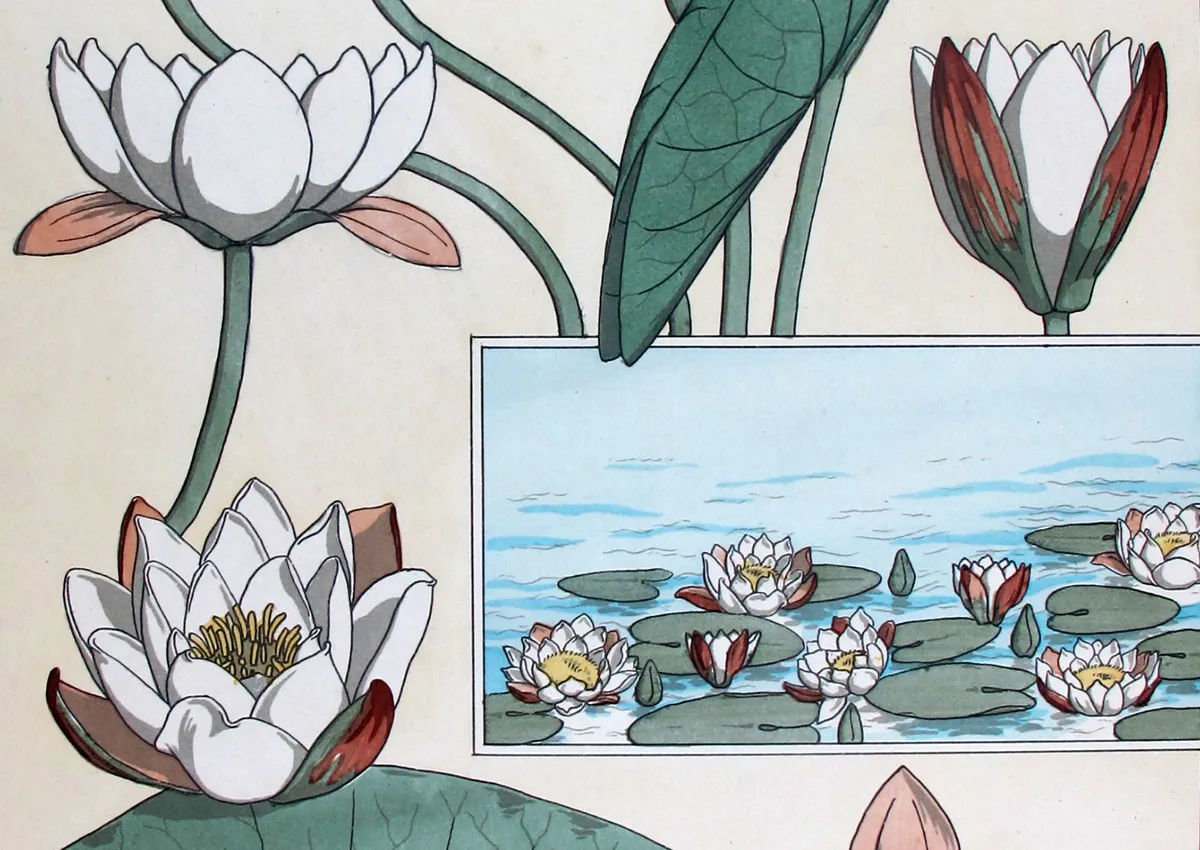 Pochoir or Lithograph? Understanding the True Technique Behind Grasset’s La Plante
In the world of antique print collecting, the difference between pochoir and color lithography is more than a...Read more
Pochoir or Lithograph? Understanding the True Technique Behind Grasset’s La Plante
In the world of antique print collecting, the difference between pochoir and color lithography is more than a...Read more -
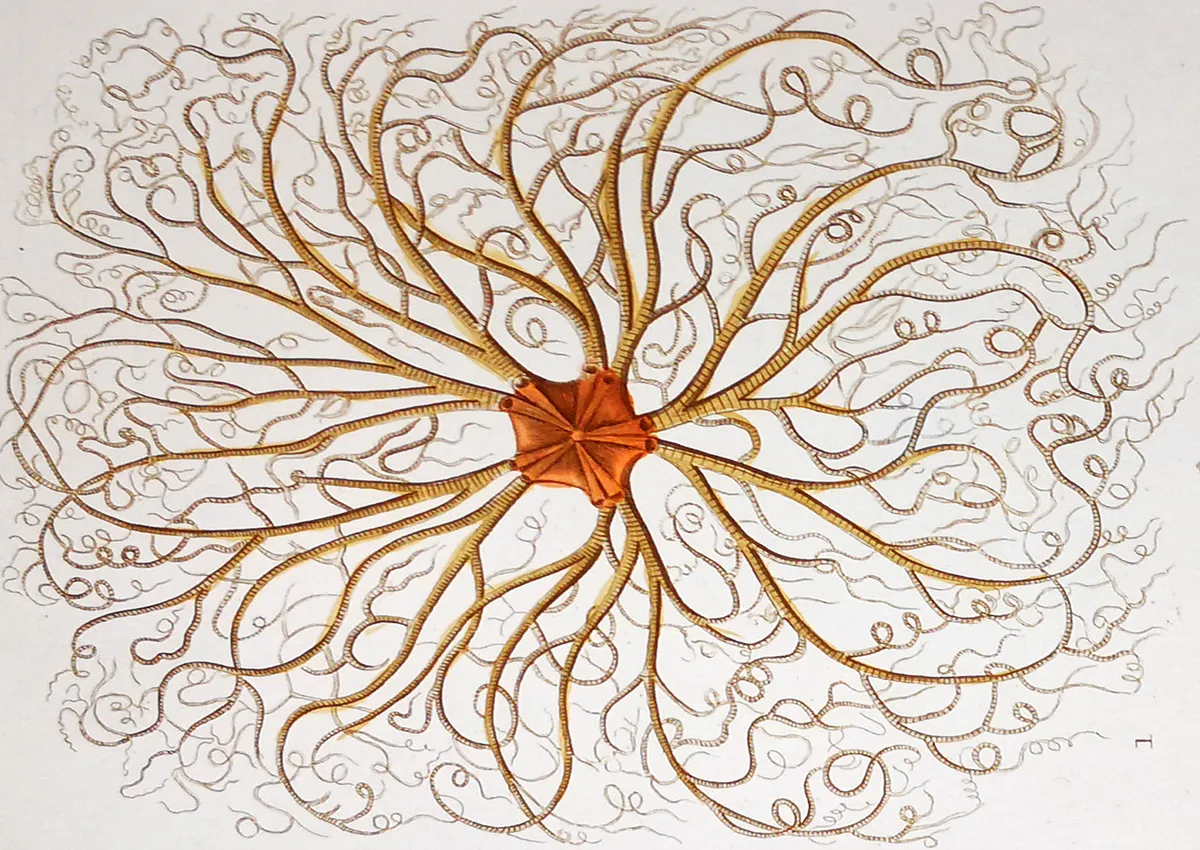 The Hidden Nobility of Natural History Prints: From the Sacchetti Collection
The Hidden Nobility of Nature Prints In the vast and fascinating world of antique natural history prints, there are...Read more
The Hidden Nobility of Natural History Prints: From the Sacchetti Collection
The Hidden Nobility of Nature Prints In the vast and fascinating world of antique natural history prints, there are...Read more -
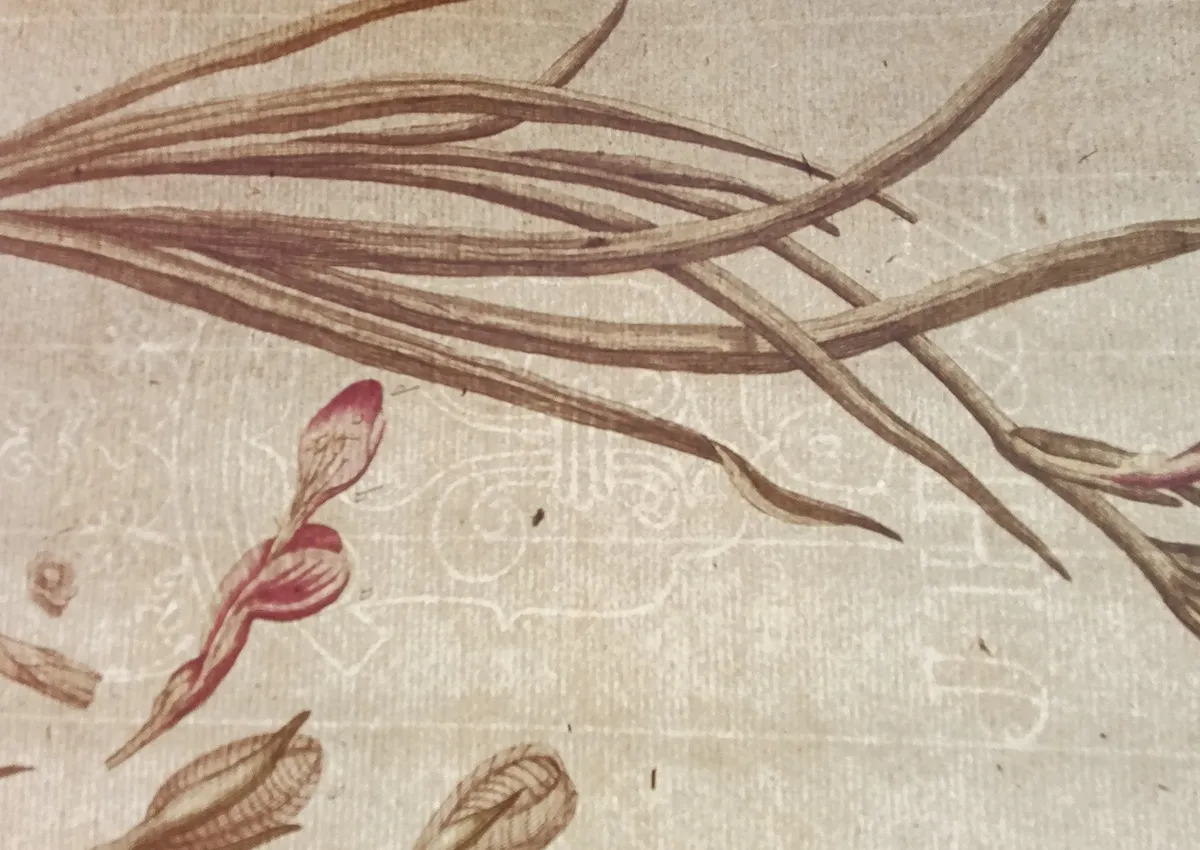 Paper in Antique Prints: Laid, Wove & Watermarks
An overview of laid and wove paper in antique prints, with a focus on watermarks as material evidence for dating,...Read more
Paper in Antique Prints: Laid, Wove & Watermarks
An overview of laid and wove paper in antique prints, with a focus on watermarks as material evidence for dating,...Read more -
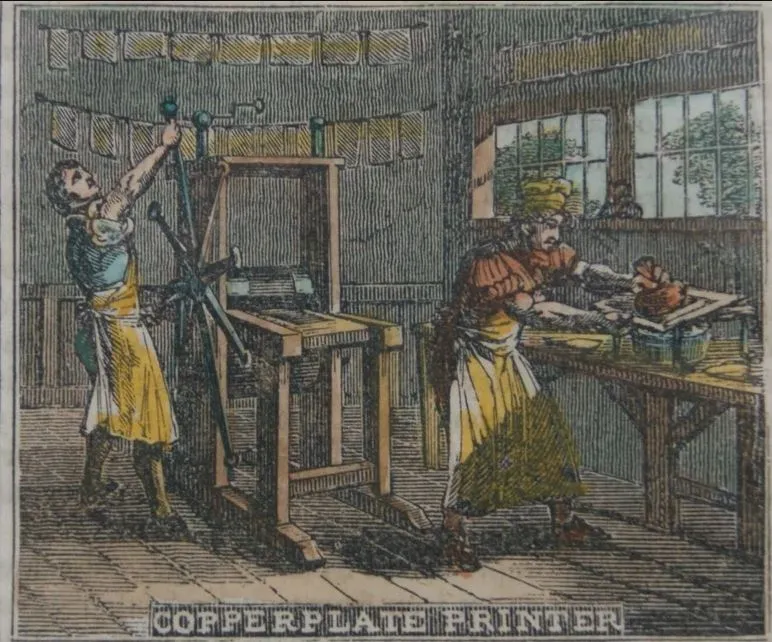 Plate Marks in Antique Prints: Reading the Printed Impression
Plate marks are subtle physical traces left by the printing process itself. This article explores how plate...Read more
Plate Marks in Antique Prints: Reading the Printed Impression
Plate marks are subtle physical traces left by the printing process itself. This article explores how plate...Read more
Leave a comment