
Abraham Munting: Botanical Curiosity and Early Natural Science
Abraham Munting: Botanical Curiosity and Early Natural Science
In the late seventeenth century, long before botany became a strictly classified science, nature was observed with a sense of wonder that blurred the boundaries between knowledge and imagination. Among the figures who embody this moment stands Abraham Munting, a Dutch botanist and physician whose work reveals a world where plants were not only studied, but staged.
Selected Originals — Botanical Plates from Munting’s Work
View full plate details and condition reports.
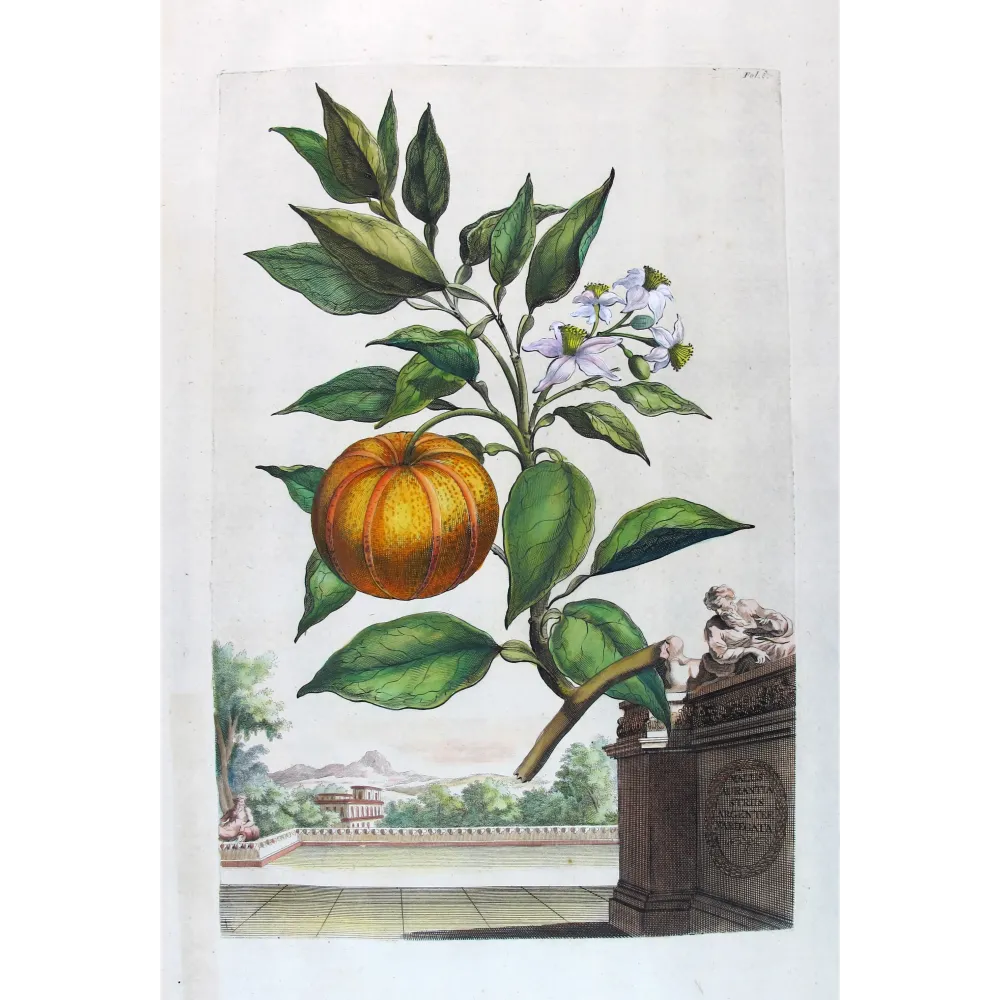 |
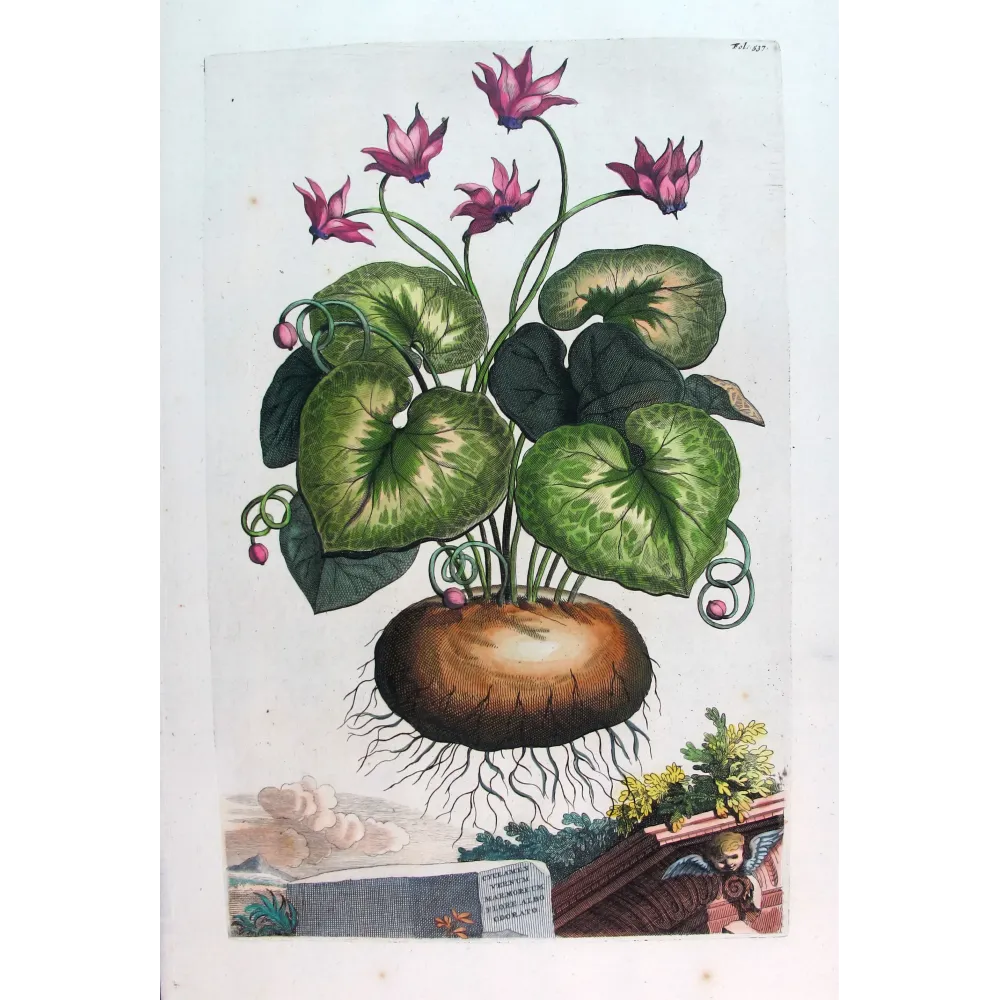 |
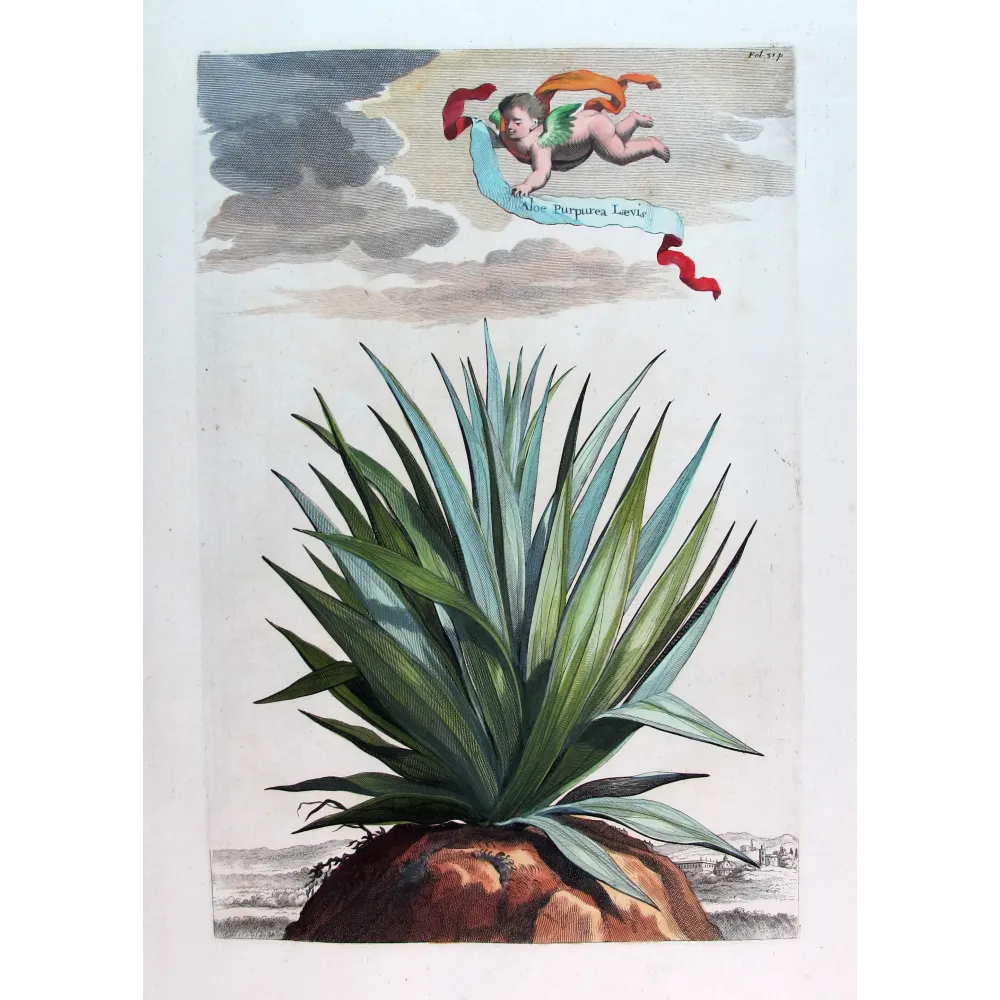 |
Browse the Munting – Botanical Prints collection →
Munting’s botanical engravings originate from his important Dutch publication Nauwkeurige Beschryving der Aardgewassen, later known under the Latinised title Phytographia Curiosa. This work presents botanical specimens in a manner that feels both scientific and theatrical, reflecting a transitional moment in the history of natural knowledge.
Entire plants are shown — roots, stems, flowers and fruits — arranged in compositions that emphasize structure, symmetry and visual impact. These are not isolated details, but complete organisms, rendered with a striking sense of presence and often placed within imaginative or architectural settings.
Roots, Structure, and the Theatre of Nature
What distinguishes Munting’s botanical engravings is the emphasis on the full architecture of the plant. Roots are not hidden, but exposed — spreading outward with intricate, sometimes unexpected forms. Stems rise with clarity, while flowers crown the composition with balance and rhythm.
Working in an era shaped by cabinets of curiosities and early botanical gardens, Munting contributed to a visual language that predates modern taxonomy. His engravings reflect both careful observation and an aesthetic instinct that transforms plants into almost sculptural forms — objects of study, but also of fascination.
Today, these engravings resonate far beyond their original scientific purpose. They appeal to collectors of early natural history, but also to contemporary interiors seeking unusual, intellectually rich imagery — where nature appears at once ordered, complex and unexpectedly dramatic.
Heritage Stories
Munting’s engravings belong to an early phase of botanical publishing, when science, collecting and visual culture were deeply interconnected. His work reflects the intellectual climate of the Dutch Golden Age, where botanical gardens, trade networks and curiosity-driven study shaped a new understanding of the natural world.
For readers wishing to better understand antique prints — from technique and paper to collecting criteria — explore our guide: Antique Prints Guide.
Related posts
-
 Ernst Haeckel and the Sublime Art of Das System der Medusen
A scientific monograph that became a gallery of natural elegance. The German biologist Ernst Haeckel was fascinated...Read more
-
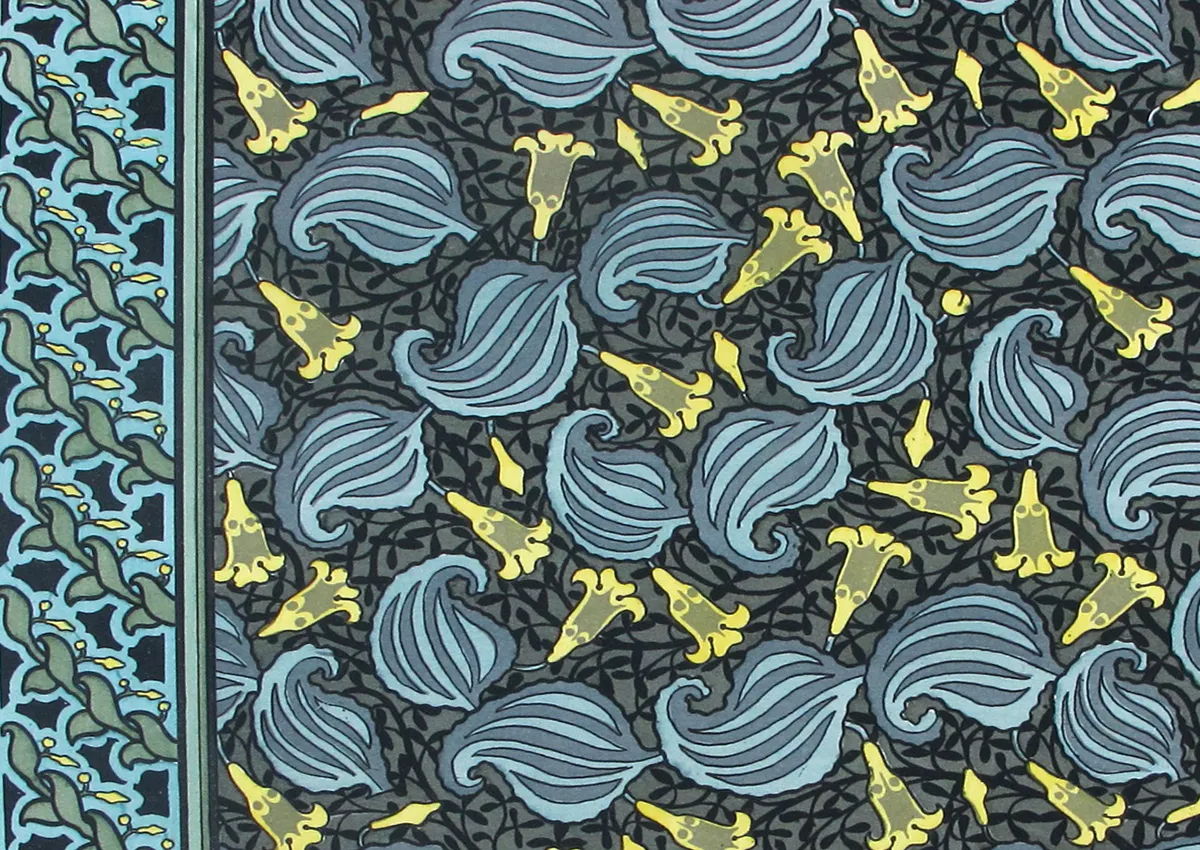 Eugène Grasset and the Art of Nature: The Origins of Modern Floral Design
In the heart of the Art Nouveau movement, Eugène Grasset stood out as one of the first artists to merge scientific...Read more
-
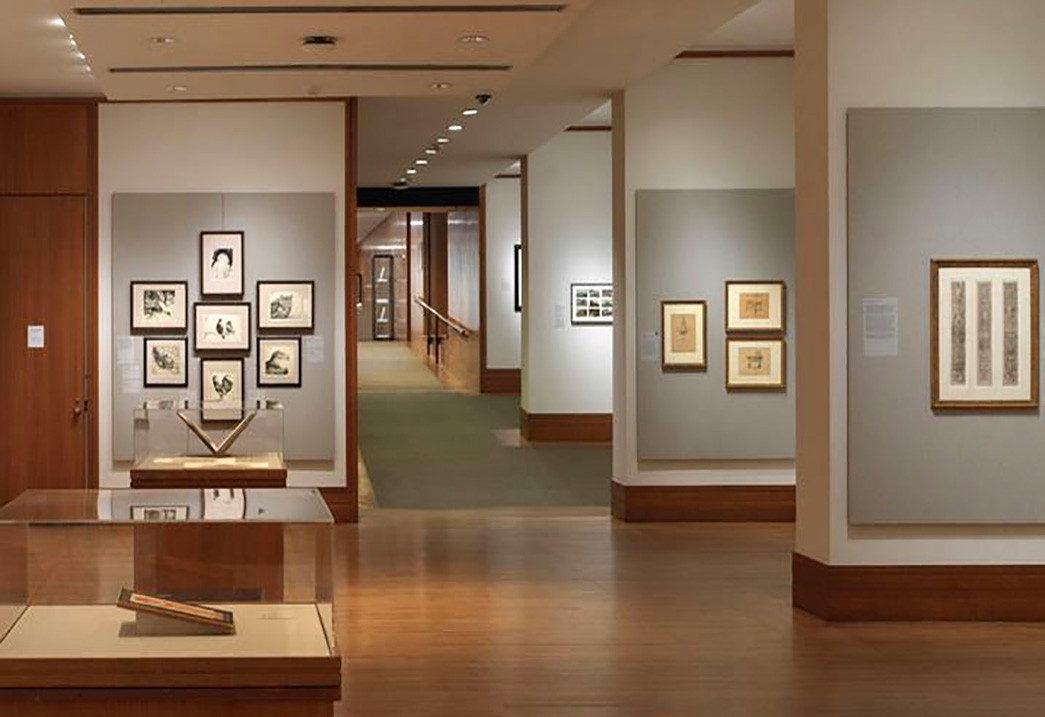 Émile-Allain Séguy: Nature, Color, and the Decorative Avant-Garde
A Life Between Science and Style. Séguy’s art is more than decoration. It is a reminder that even in the age of...Read more
-
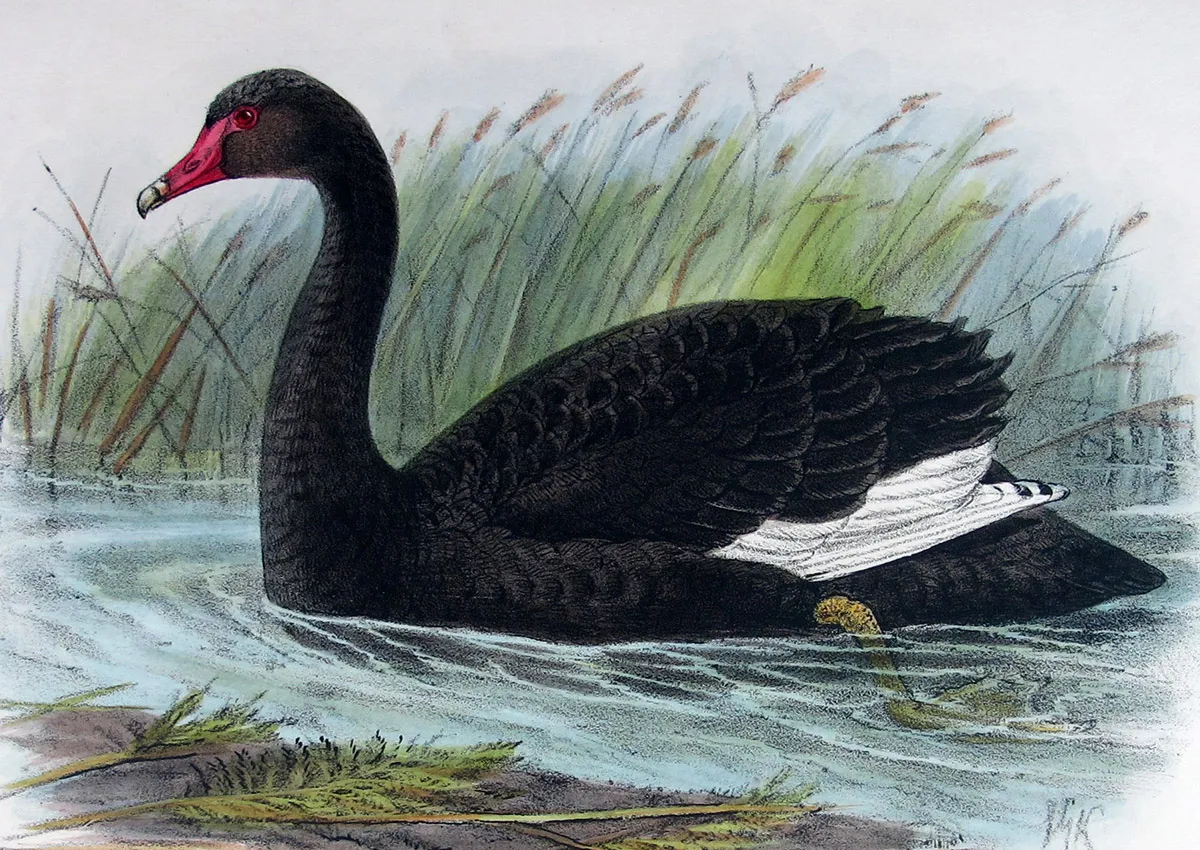 J.G. Keulemans: Precision and Passion in Ornithological Illustration
Johannes G. Keulemans, the master illustrator of 19th-century ornithology, blended scientific precision with poetic...Read more
-
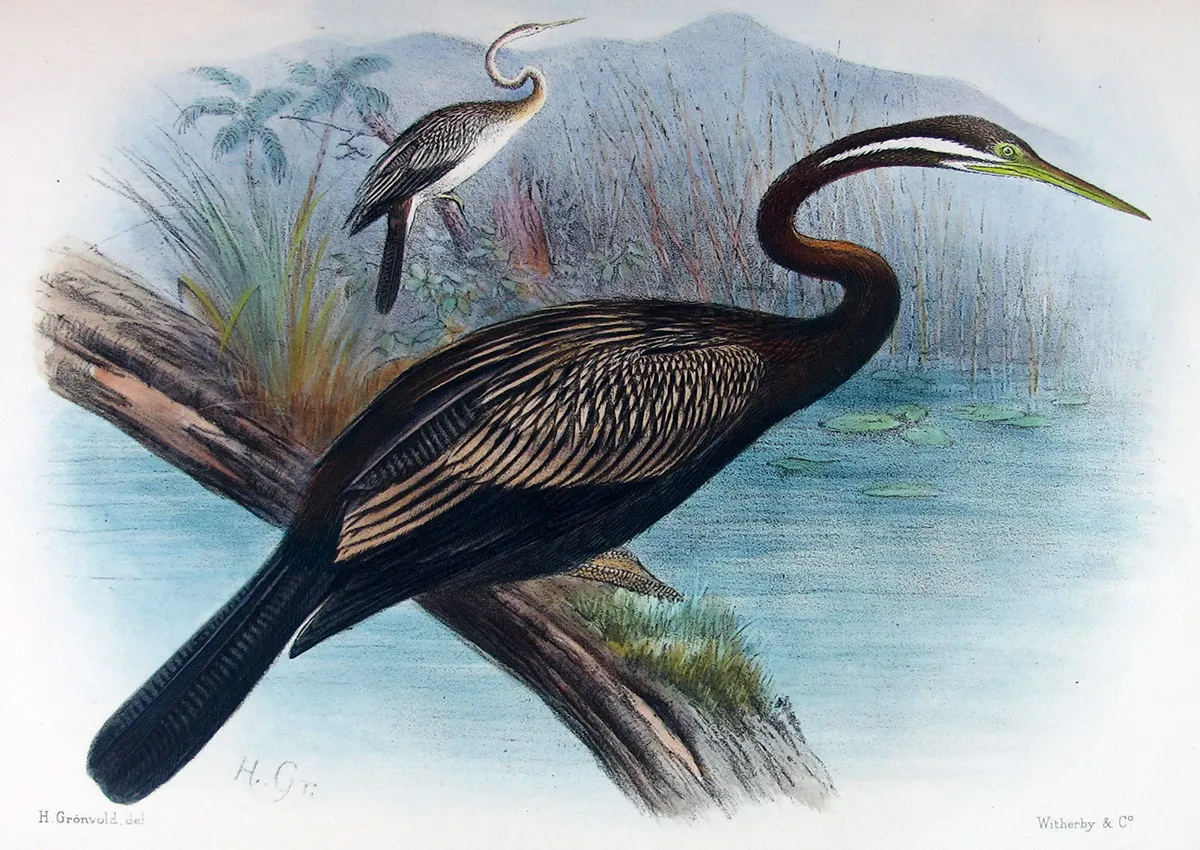 Henrik Grönvold: A Scandinavian Eye for Ornithological Grace
Henrik Grönvold (1858–1940) was a master of early 20th-century ornithological illustration, celebrated for his calm...Read more
Leave a comment