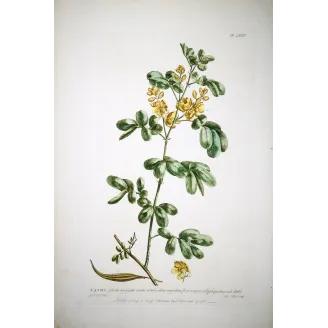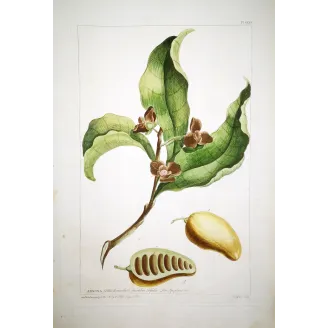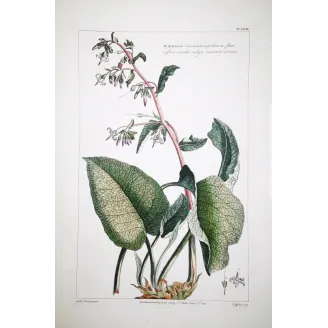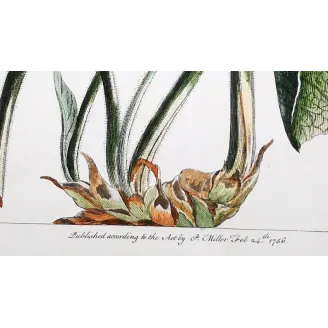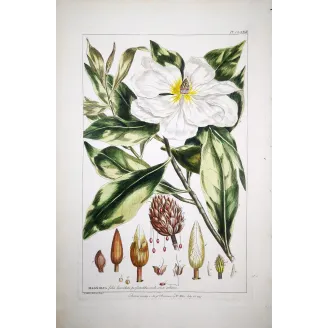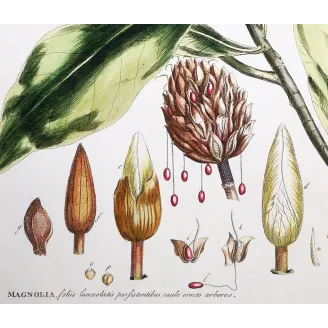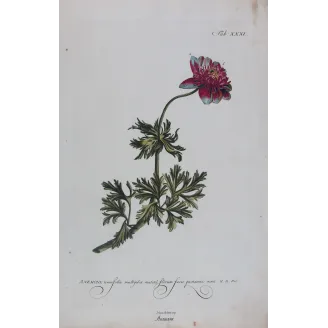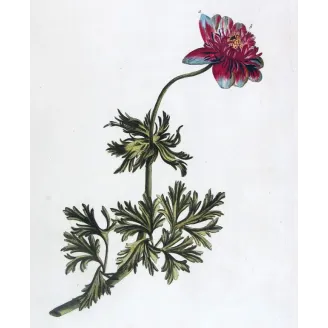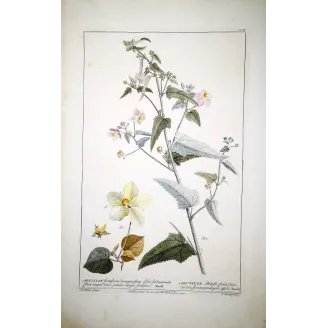
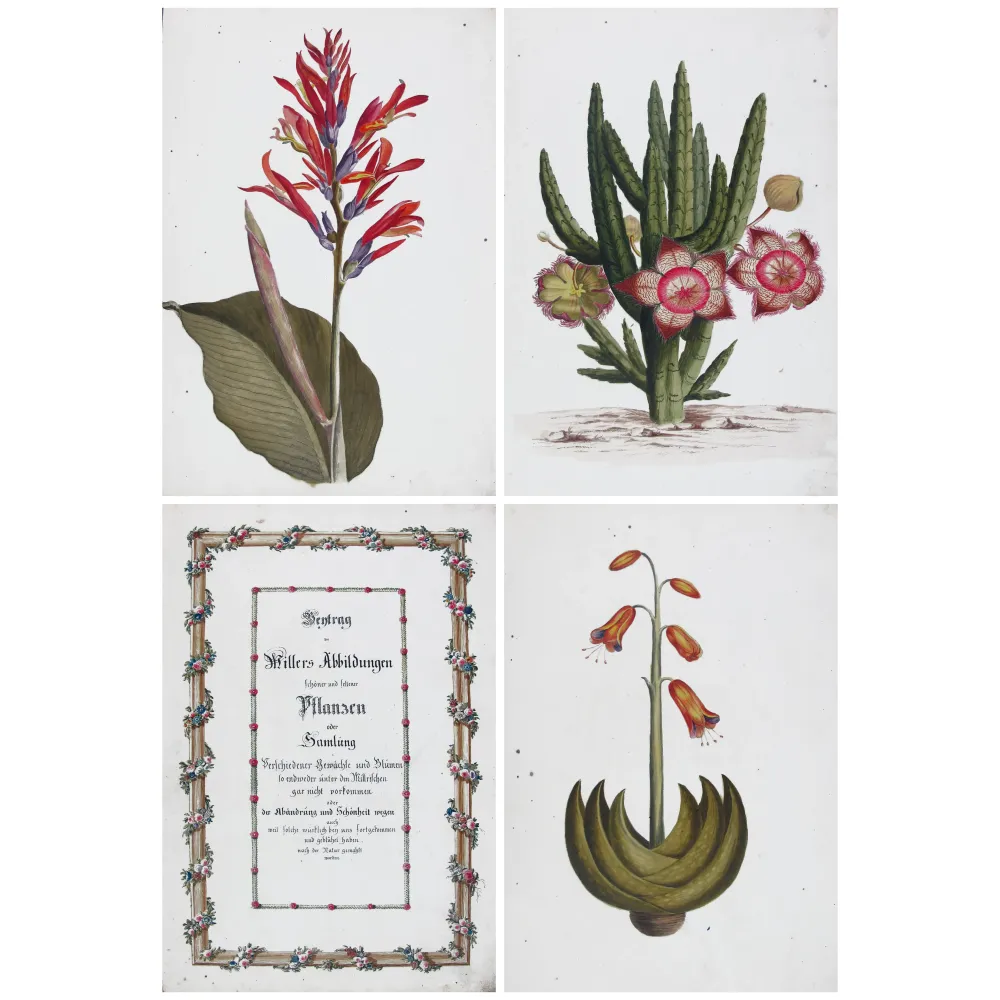
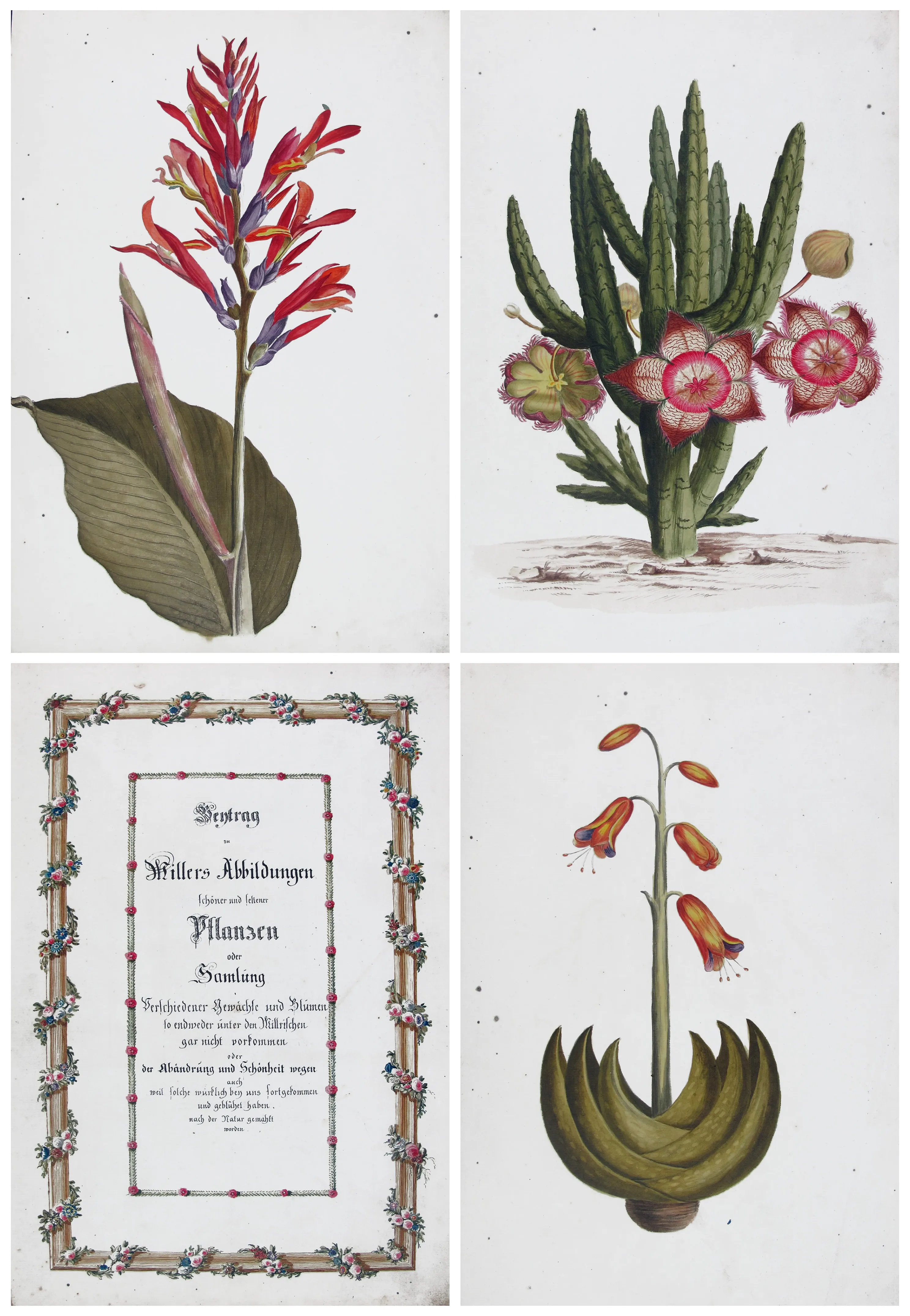
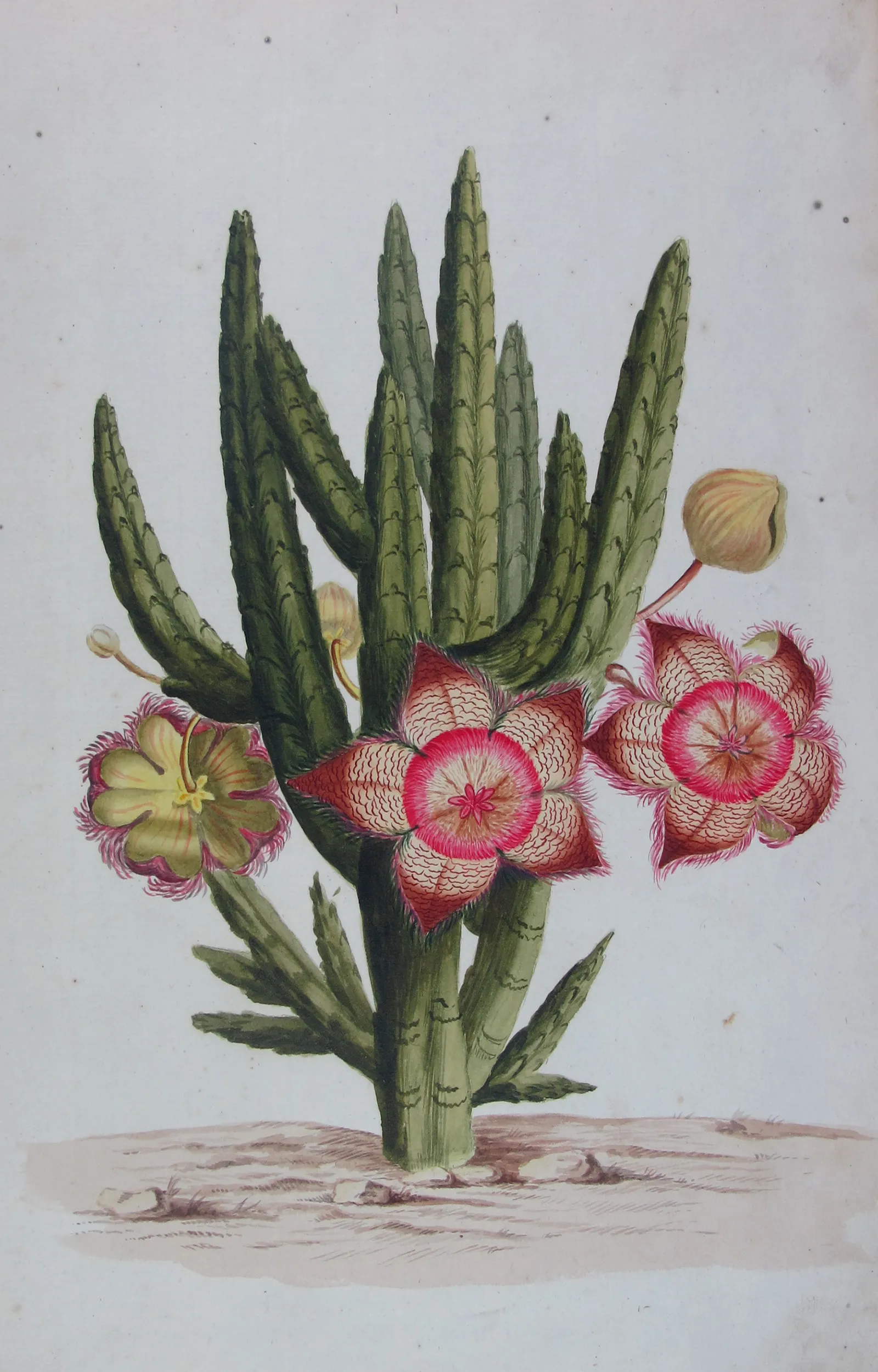
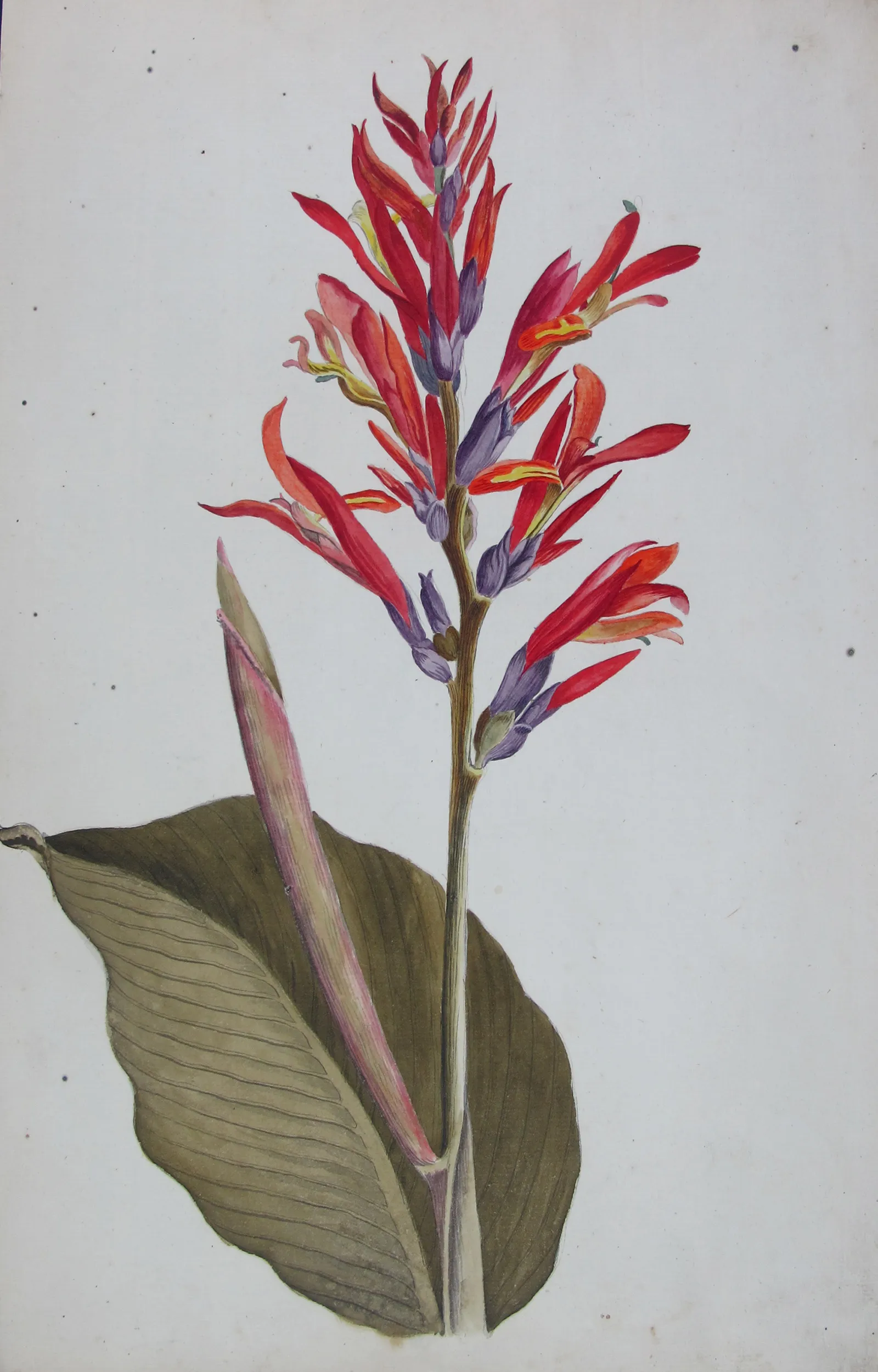
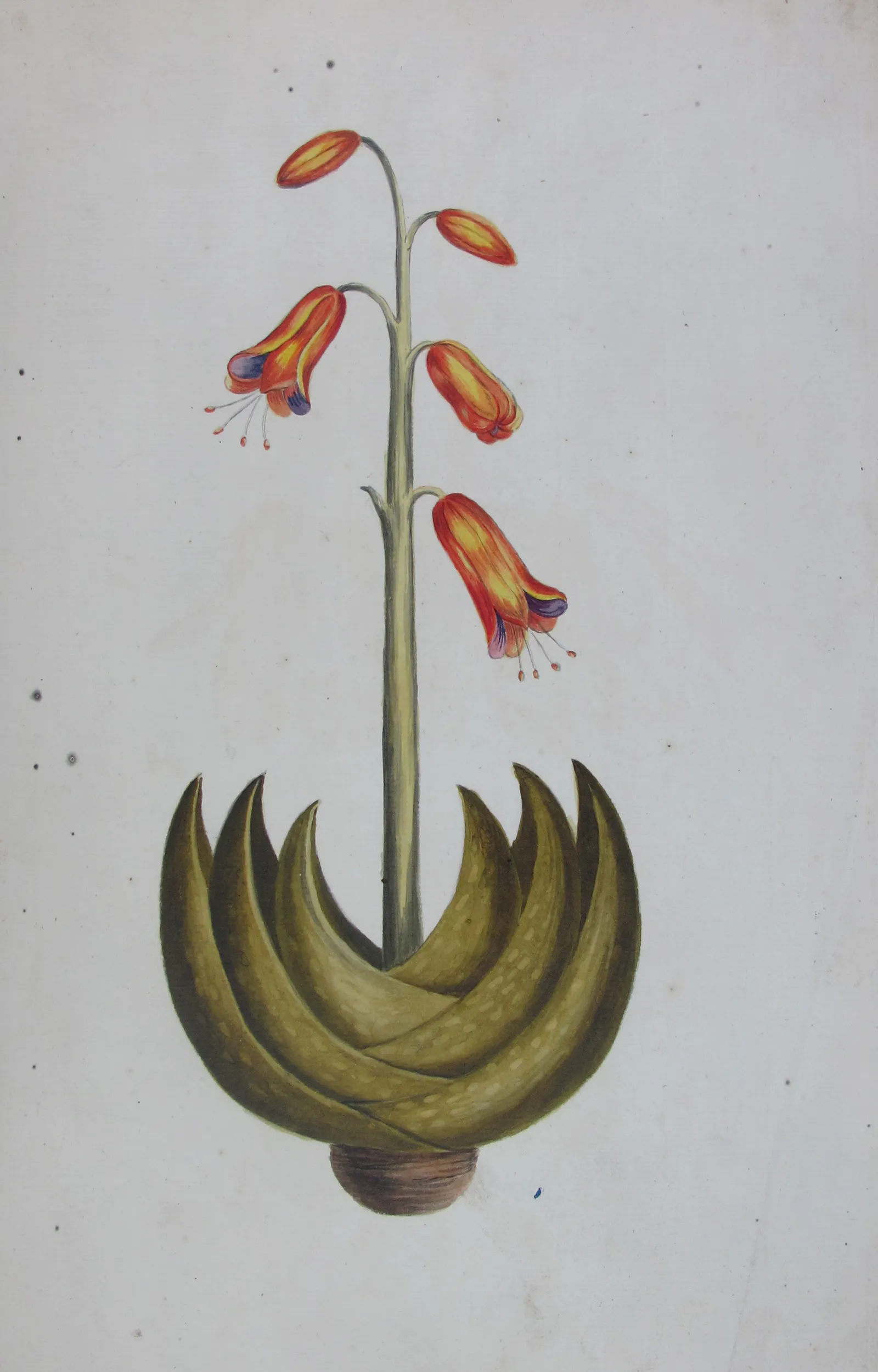
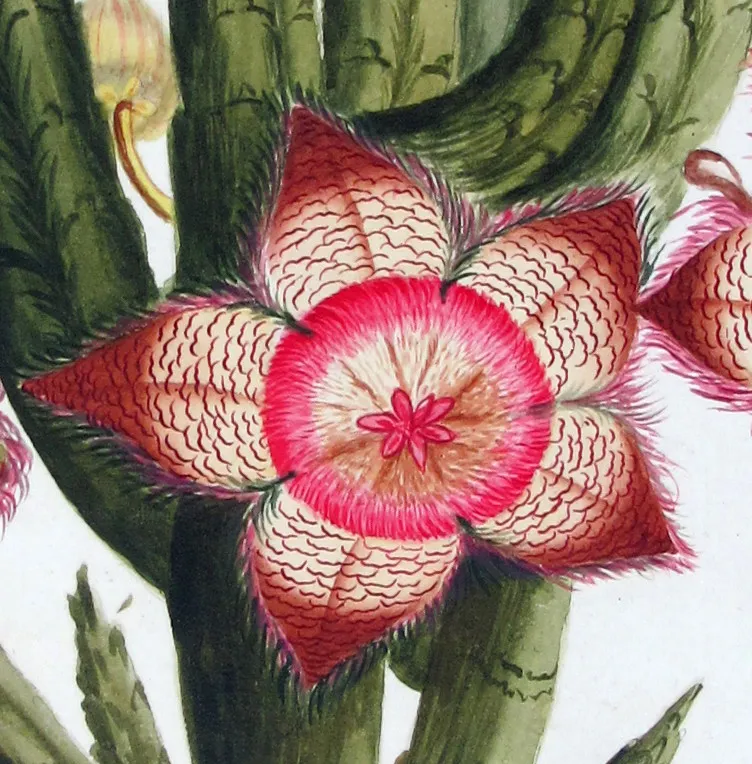
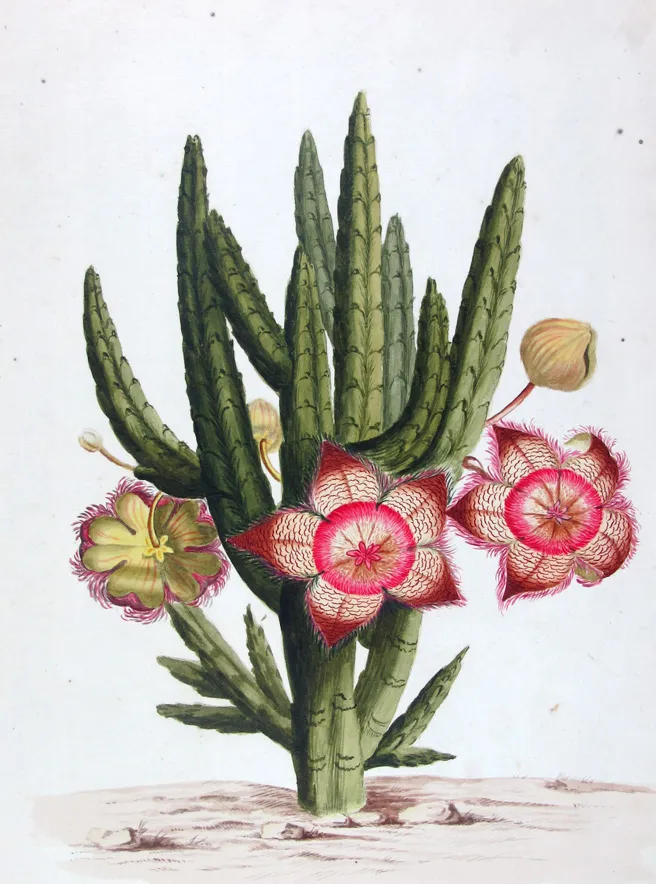
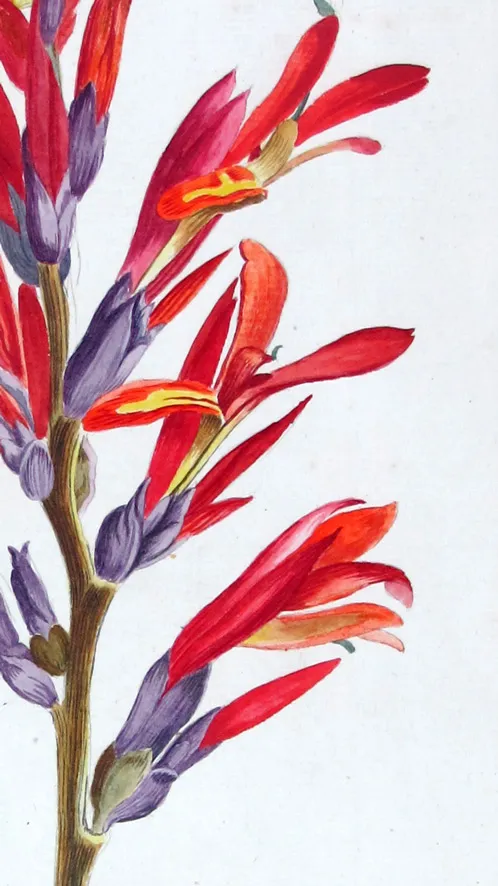
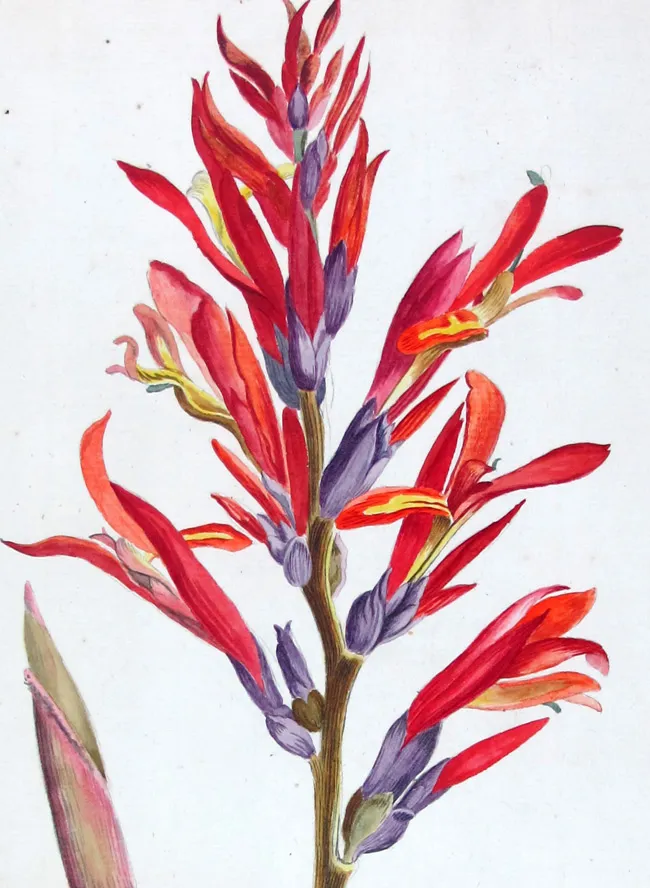
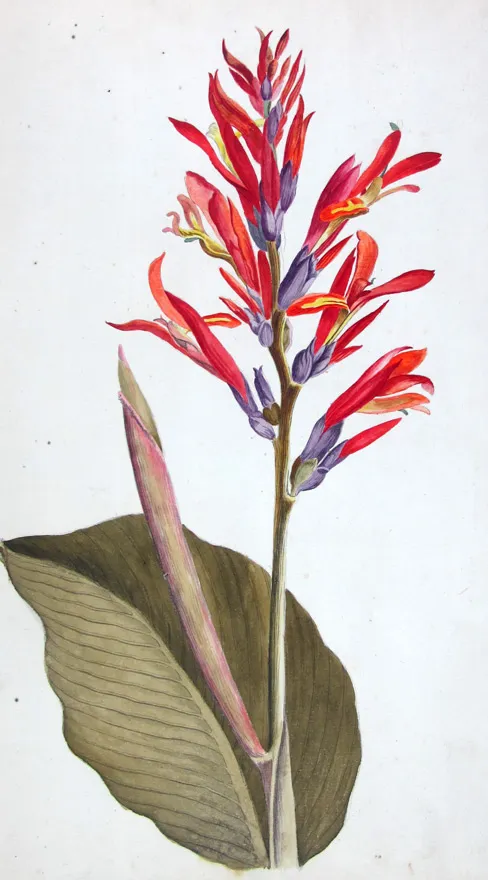
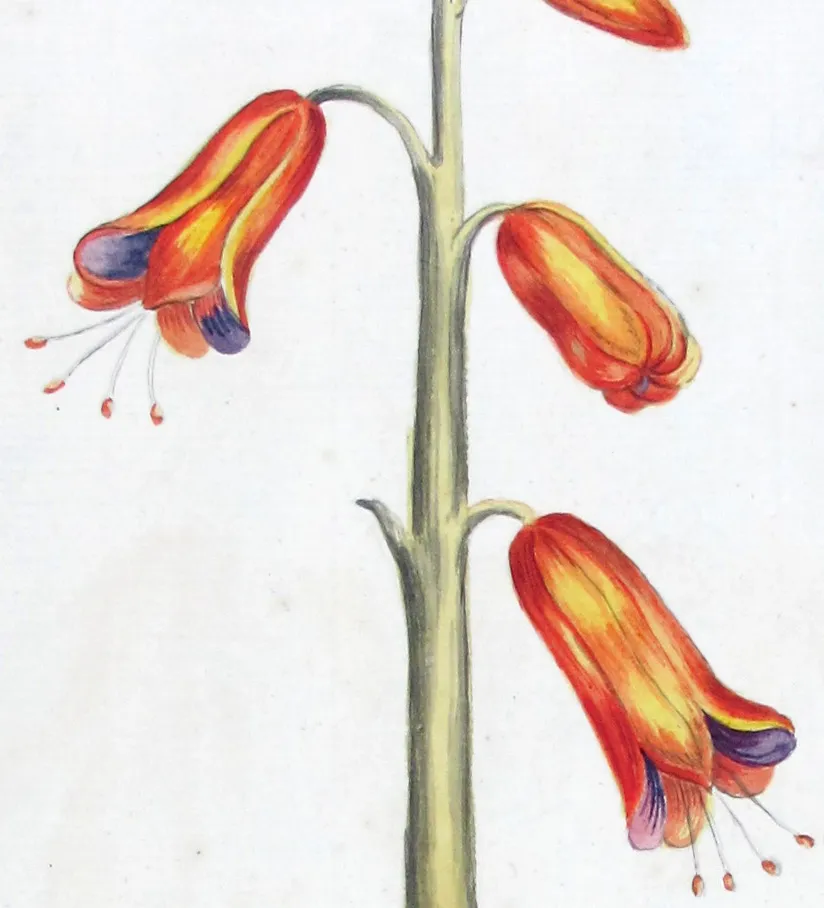
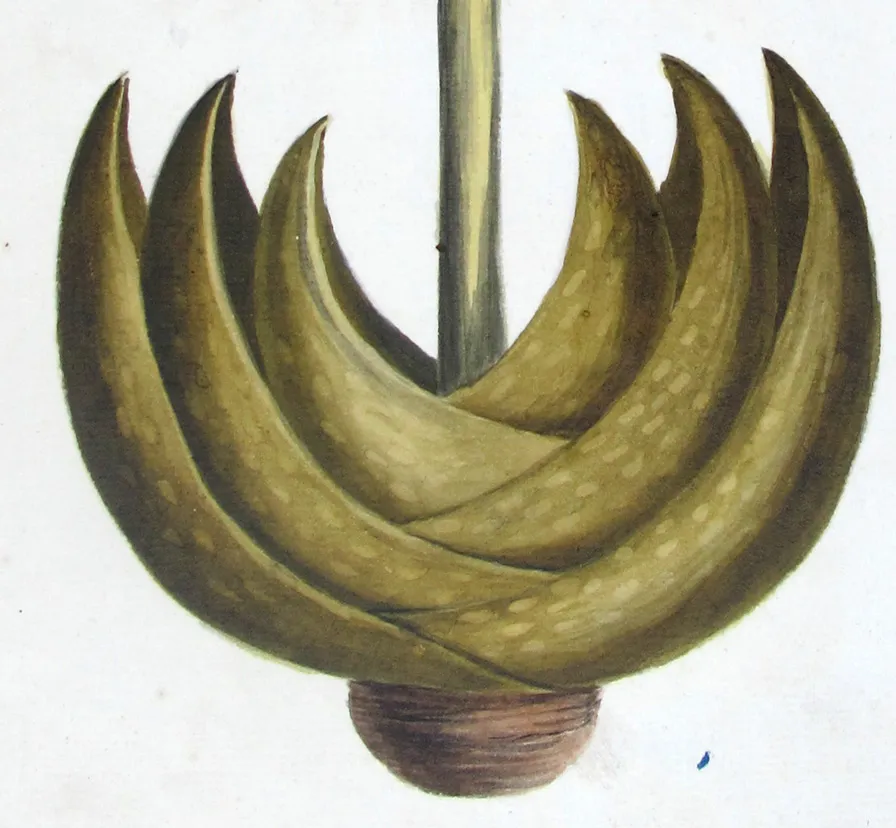
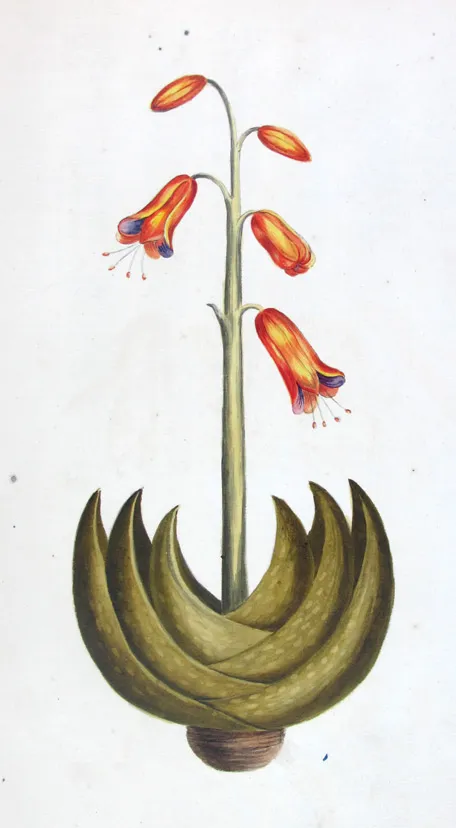
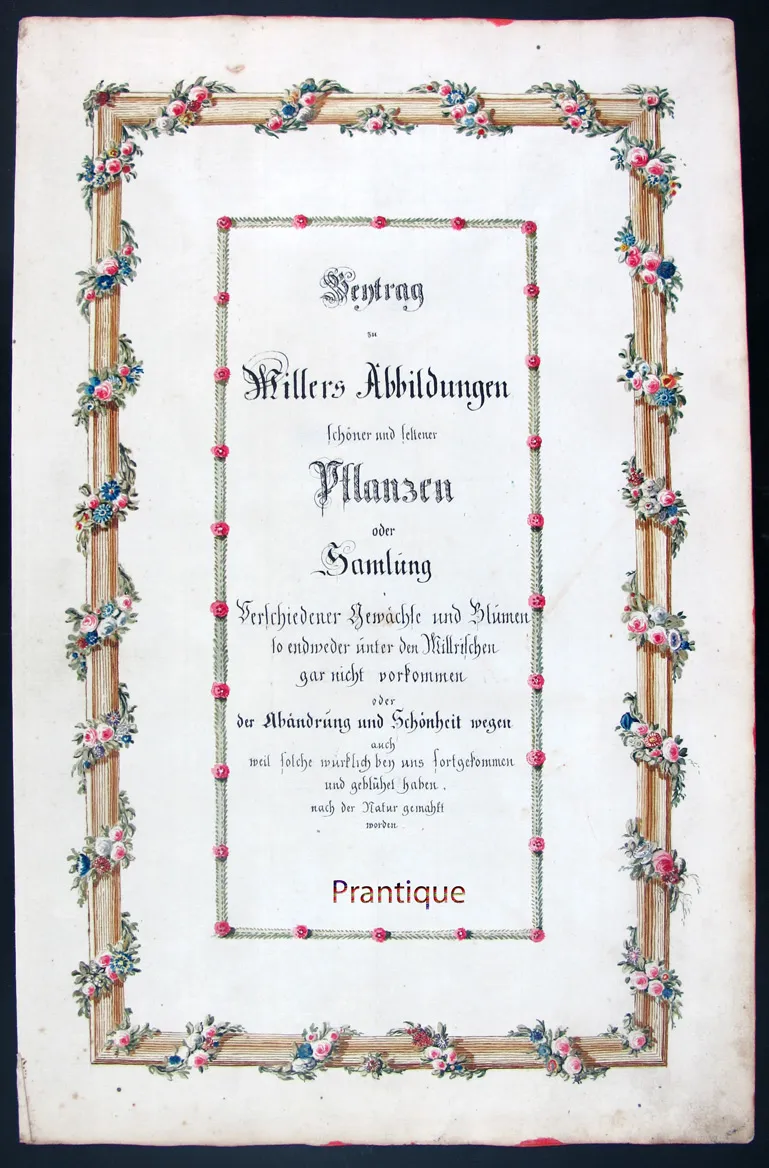
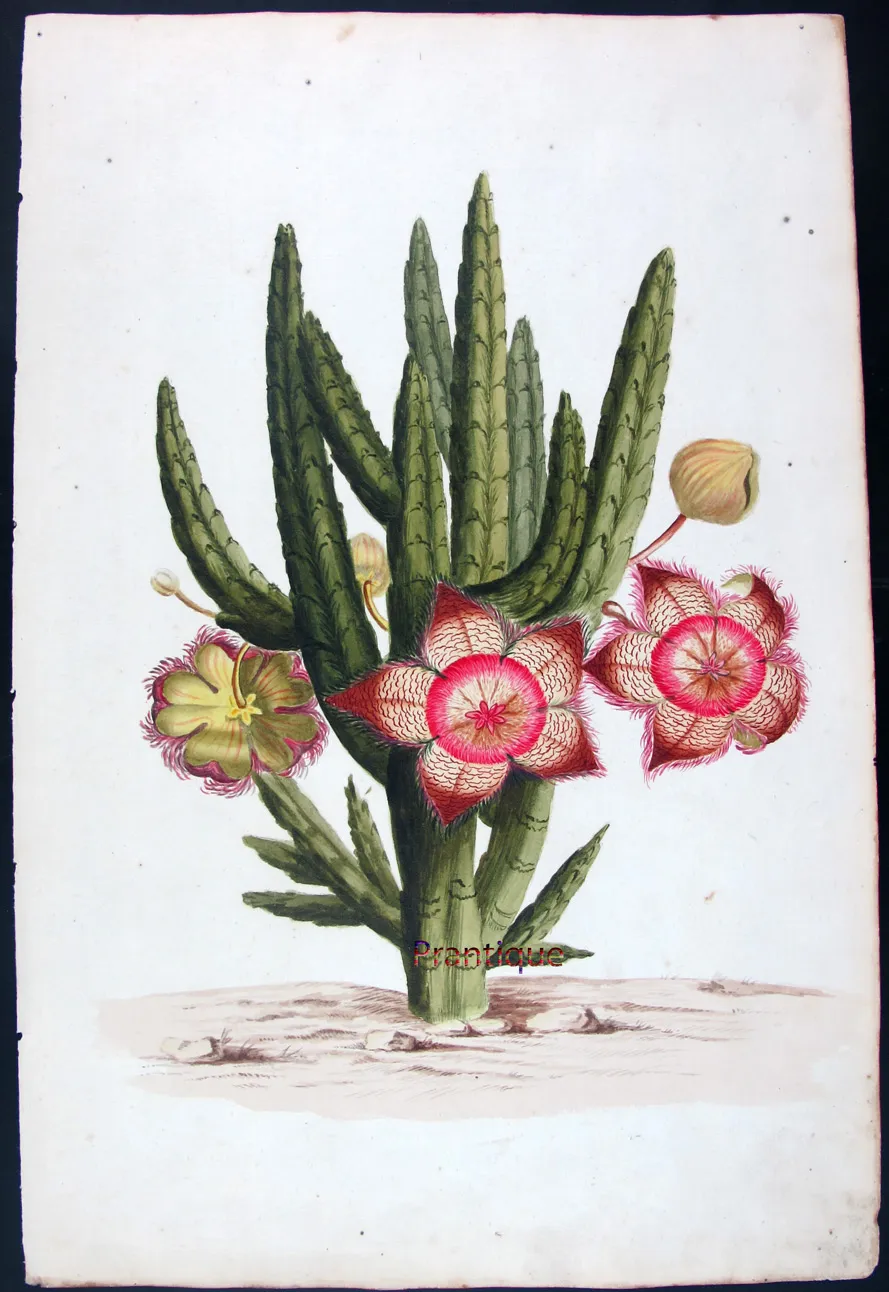
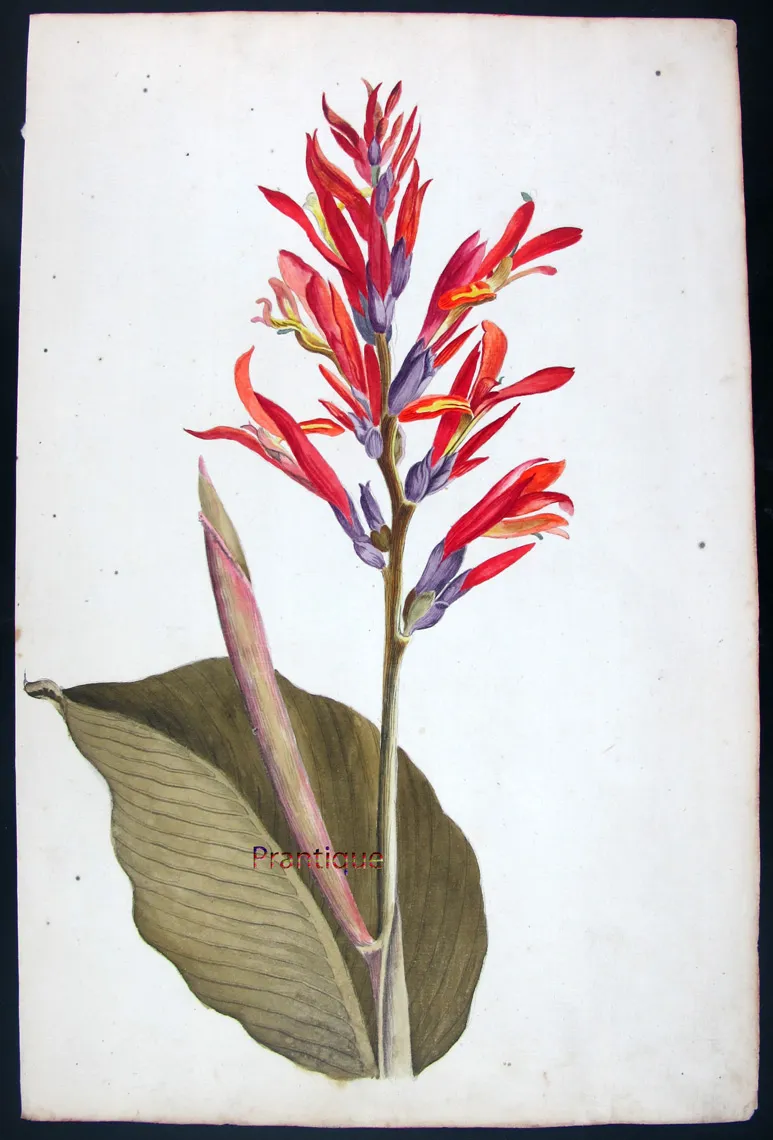
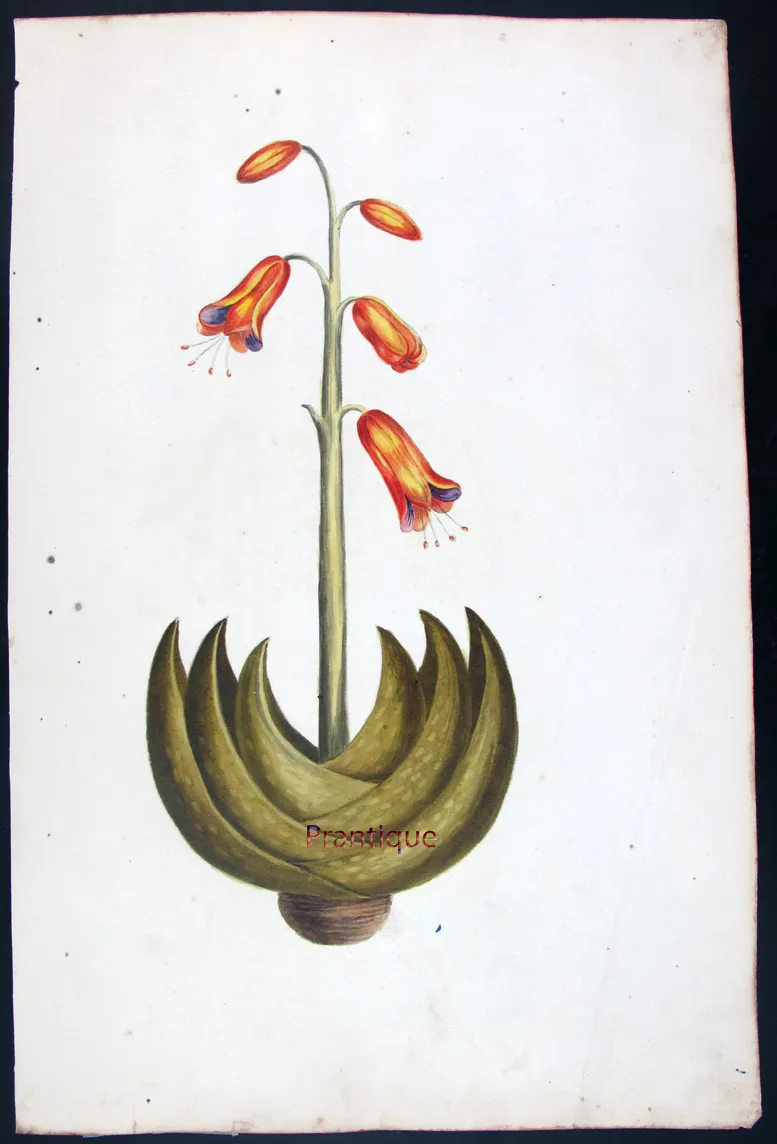
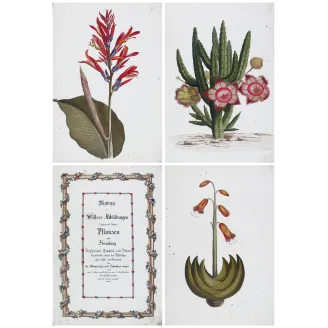
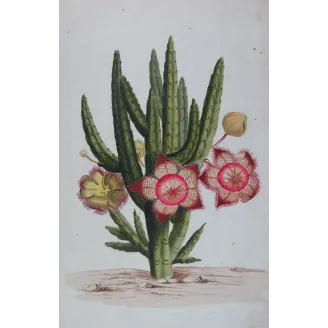
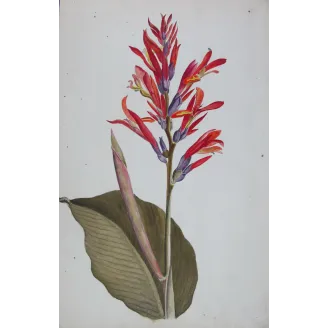
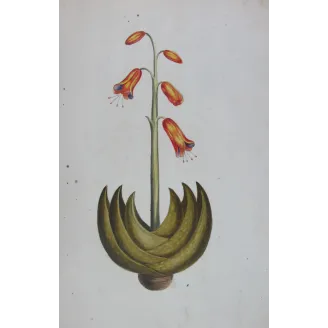
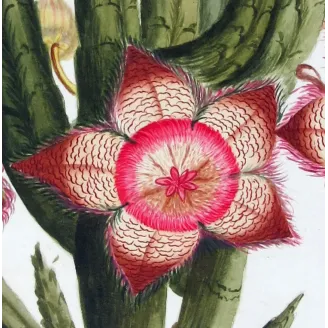
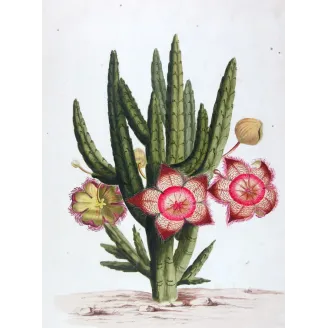
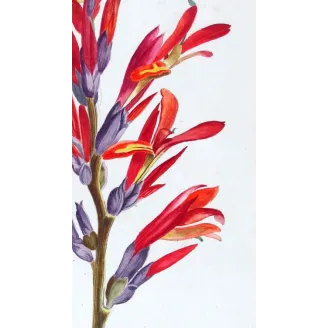
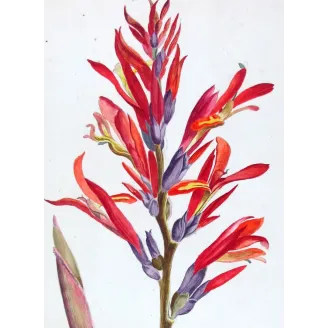
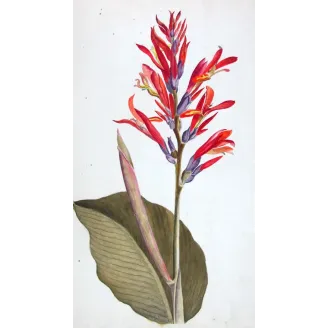
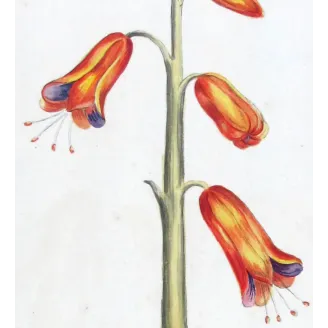
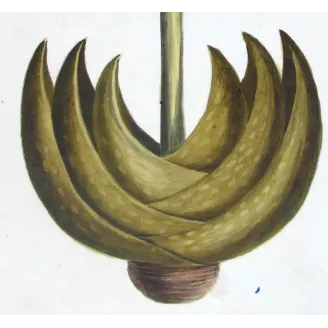
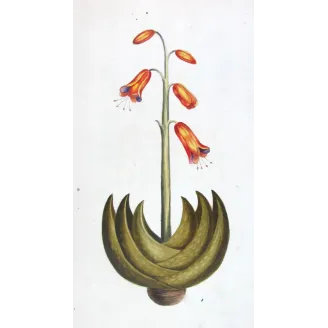
A rare set of four original 18th-century botanical watercolors, entirely hand-painted and rich in color and detail. A curated ensemble combining scientific observation with decorative elegance — perfect for refined interiors and collectors.
 Delivery policy
Your print will be carefully prepared and shipped worldwide via trusted couriers (UPS or similar).
 Authentic antique prints
Original engravings from the 17th–19th century.
This exceptional set of four original 18th-century botanical watercolors represents a rare and highly decorative ensemble, distinguished by its expressive color, refined execution, and strong visual presence.
Unlike engraved plates, these works are entirely hand-painted, revealing the immediacy and subtle variation of watercolor applied directly by the artist. Each sheet stands as a unique interpretation of botanical form, combining observation with artistic freedom.
— • —
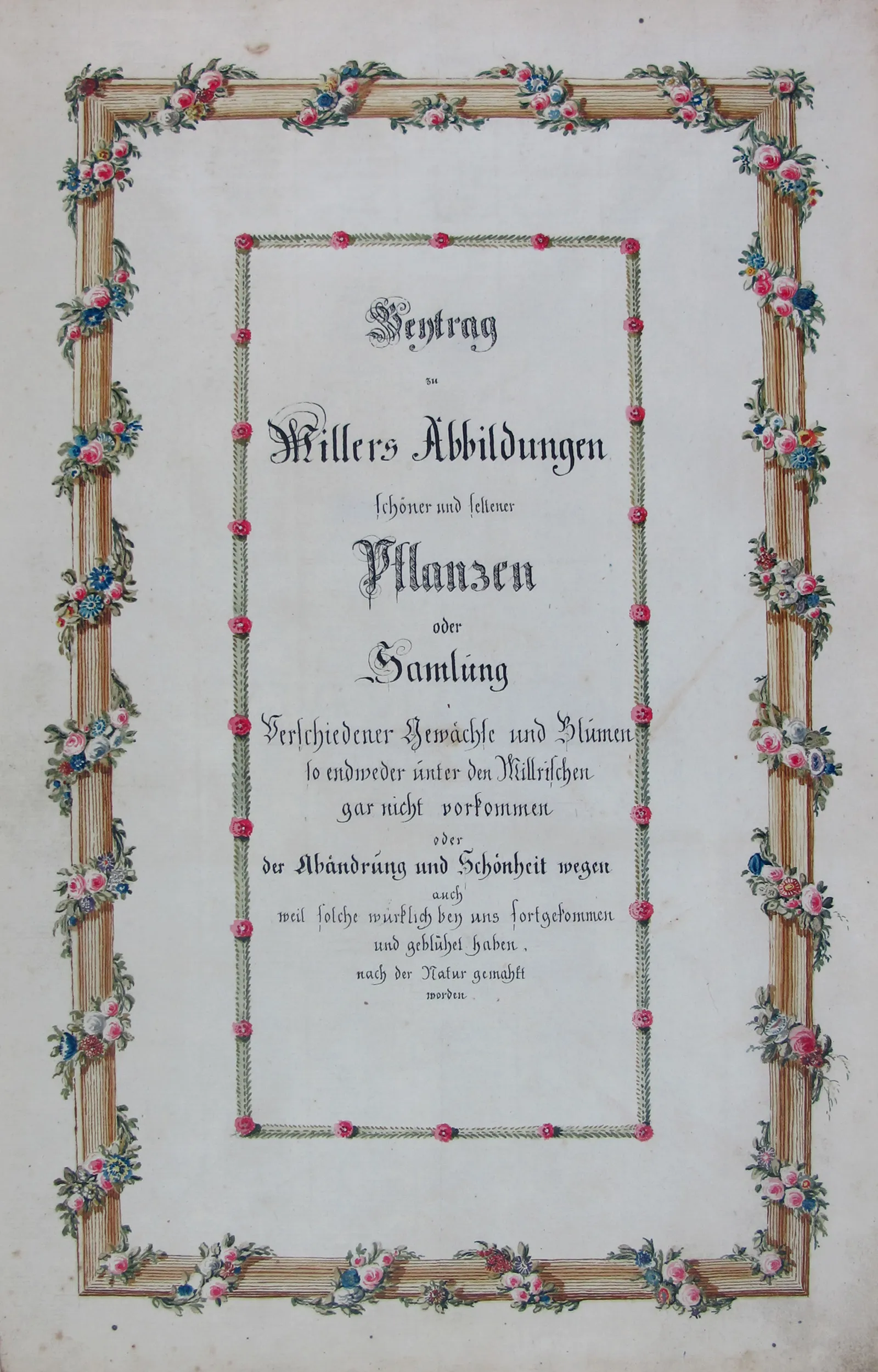
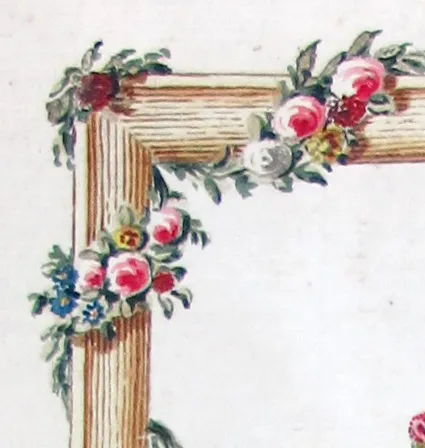
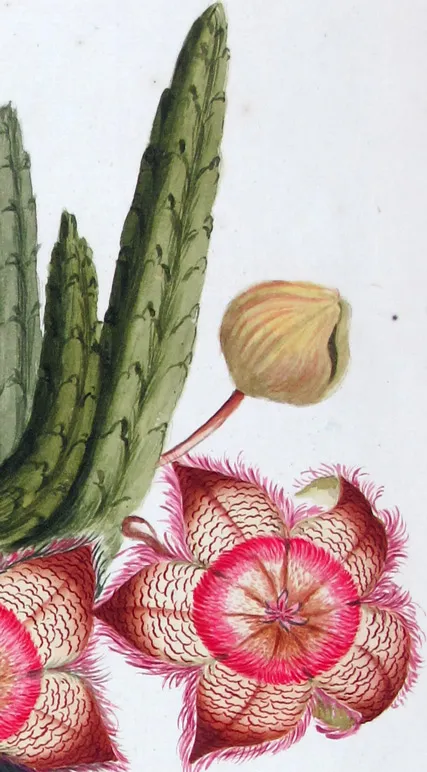
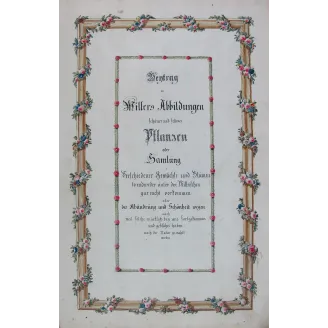
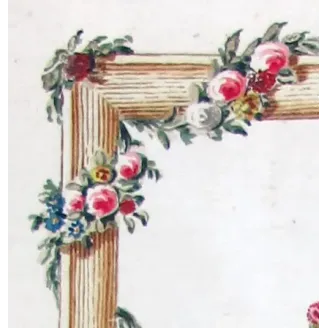
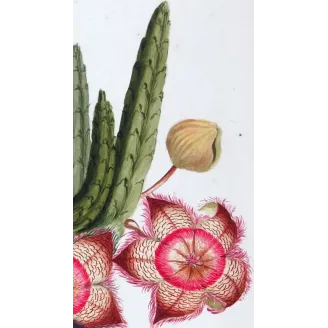
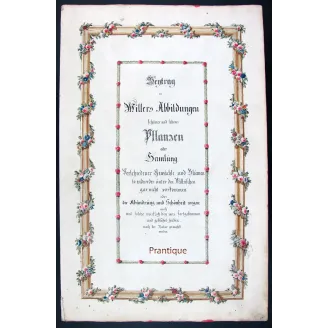
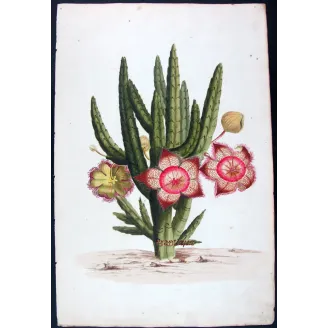
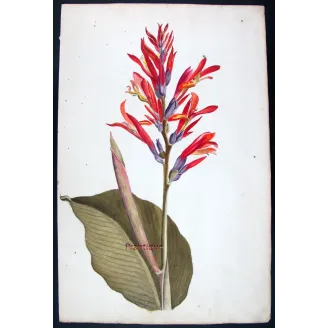
The group presents a striking interplay of forms and colors, from the delicate ornamental structure of the title page to the bold and sculptural presence of exotic species such as the cactus and tropical flowering stems.
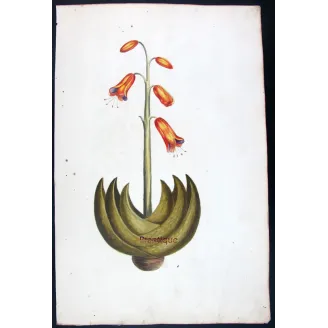
The palette is particularly vivid, with rich reds, greens, and warm tones applied in layered washes that give depth and luminosity to each composition. The absence of engraved outlines enhances the painterly quality, placing these works closer to original artworks than to printed plates.
Together, the four pieces create a visually cohesive yet varied ensemble, ideal for a refined and highly distinctive wall arrangement.
This set has been intentionally grouped to offer both visual harmony and contrast: ornamental framing, botanical structure, and exotic expression coexist within a unified 18th-century aesthetic language.
Such ensembles were historically appreciated not only for their scientific interest, but for their decorative value within cultivated interiors — a function these works still fulfill exceptionally well today.
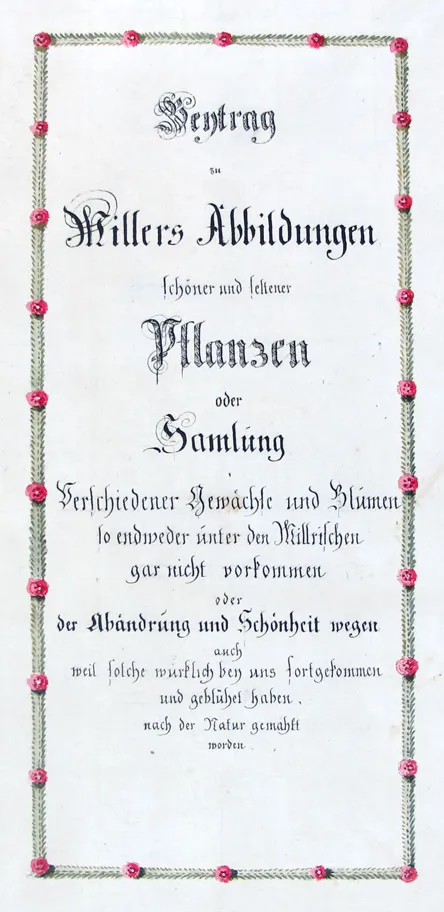
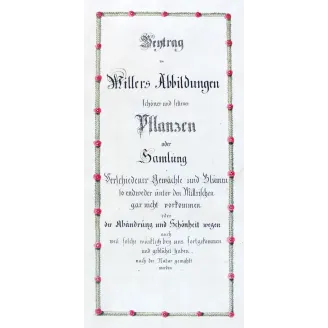
The accompanying title page describes this collection as a supplement to Miller’s illustrations of beautiful and rare plants, bringing together flowers and botanical subjects admired for their rarity, variation, and beauty.
It further emphasizes that these works were faithfully drawn from nature, after plants that had been successfully cultivated and brought into bloom — a detail that perfectly reflects the union of botanical observation and decorative refinement found throughout this set.
These watercolors belong to the visual culture surrounding 18th-century botanical publishing, where engraved works were sometimes complemented by hand-painted interpretations of exceptional decorative quality.
Executed on fine laid paper — in several cases bearing Dutch watermarks — these sheets reflect the circulation of high-quality materials across European artistic and scientific production.
Their painterly character and compositional freedom distinguish them from more formal engravings, placing them closer to cabinet artworks intended for display and aesthetic appreciation.
Explore the broader context in our editorial feature: Philip Miller — Botanical Science and the Art of Cultivation .
Overall in excellent antique condition. The sheets retain strong, fresh hand-coloring with only minor signs of age at the margins, as expected. Three of the four works show visible watermarks (either pictorial or with paper mill names), confirming the use of high-quality laid paper. One sheet presents no visible watermark. The ensemble is remarkably well preserved and visually consistent.
Perfect for framing as a coordinated gallery wall or as individual focal points in refined interior spaces.
Specific References
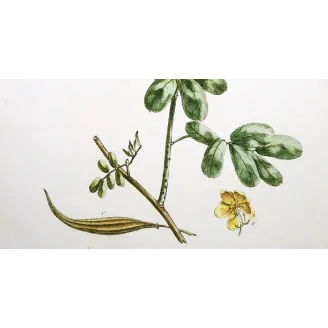
Original 18th-century hand-colored copper engraving depicts a species of Cassia (now commonly associated with the genus Senna)
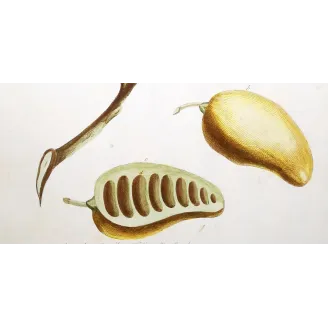
An original 18th-century hand-colored engraving depicting a Custard Apple (Annona sp.), from Philip Miller’s Figures of the Most Beautiful, Useful, and Uncommon Plants. Combining botanical precision with decorative clarity, the composition features both the plant and its distinctive fruit in sectional detail.
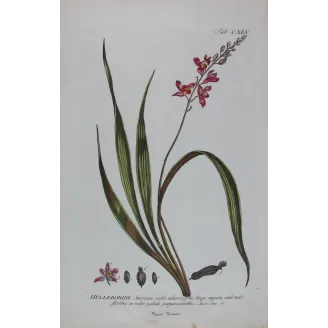
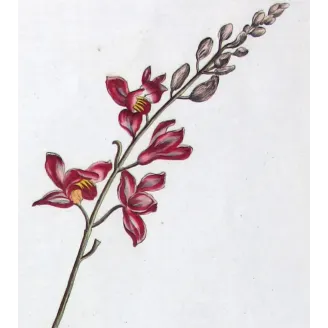
An elegant 18th-century botanical engraving depicting Helleborine, characterized by slender foliage and delicate pink blossoms. The refined vertical composition and original hand-coloring create a balanced and decorative botanical image.
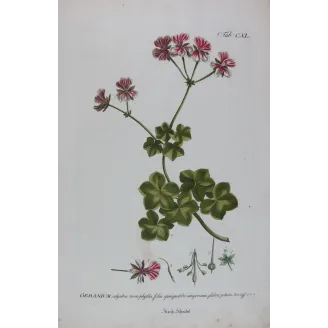
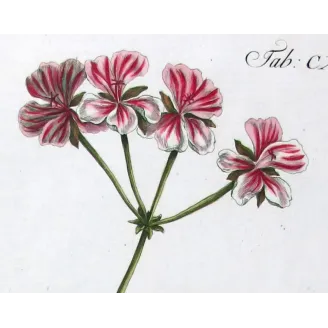
A refined 18th-century botanical engraving depicting Geranium, featuring distinctive rounded foliage and delicate pink blossoms. The balanced composition and original hand-coloring create a harmonious and decorative botanical print.
Borage Plant (Borrago sp.) – Antique Hand-Colored Engraving by Ehret (1756).
A refined Magnolia engraving by Johann Sebastian Mueller, combining botanical precision with elegant 18th-century composition.
A refined 18th-century botanical engraving depicting an Anemone (Anemone tenuifolia), distinguished by bold hand-coloring and a delicate, minimal composition. The vivid flower contrasts elegantly against the open background, creating a refined decorative presence.
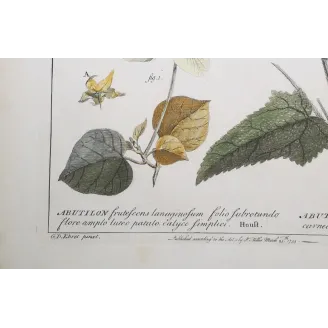
A refined botanical engraving depicting Abutilon, illustrating the balance between structural clarity and delicate floral detail in 18th-century botany.
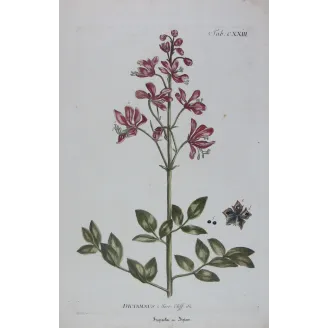
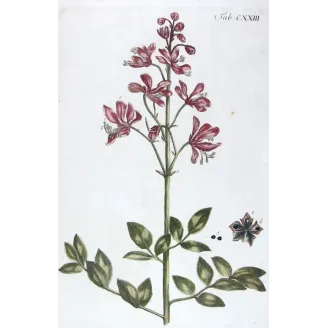
A refined 18th-century botanical engraving depicting Dictamnus albus, known for its elegant pink blossoms and structured foliage. The balanced composition and delicate hand-coloring make this a highly decorative and versatile botanical print.
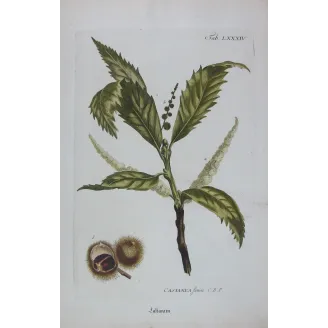
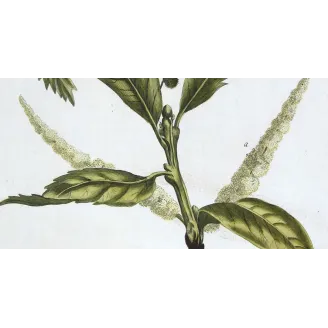
A refined 18th-century botanical engraving depicting the chestnut tree, featuring detailed foliage and characteristic fruit. The balanced composition and original hand-coloring create a visually rich and highly decorative natural history print.
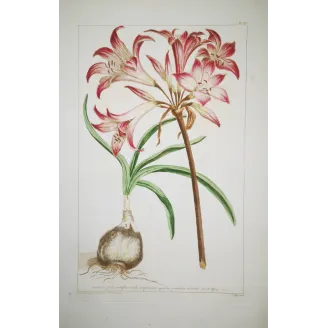
An elegant 18th-century botanical engraving of the Belladonna Lily (Amaryllis belladonna), published in Philip Miller’s Figures of the Most Beautiful, Useful, and Uncommon Plants. Presented in exceptional “like brand new” condition, this plate combines scientific clarity with refined decorative appeal, enhanced by fresh original hand-coloring.
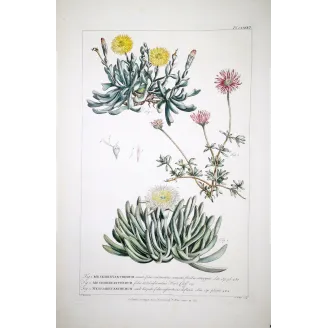
A refined engraving of Mesembryanthemum species by Ehret, combining sculptural succulent forms with delicate floral studies from Miller’s 18th-century work.
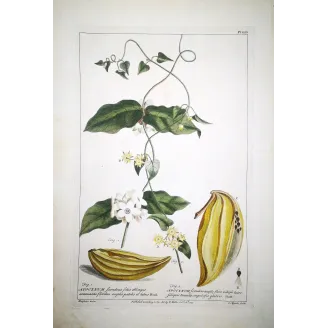
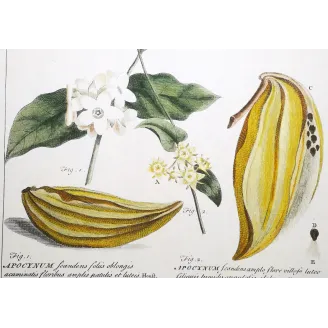
An original 18th-century hand-colored engraving depicting Apocynum scandens, published in Philip Miller’s Figures of the Most Beautiful, Useful, and Uncommon Plants. The composition combines delicate star-shaped flowers, elegant climbing stems, and striking striped seed pods, uniting botanical precision with refined decorative presence.
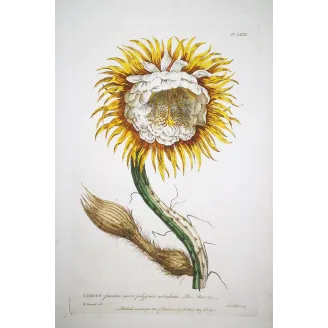
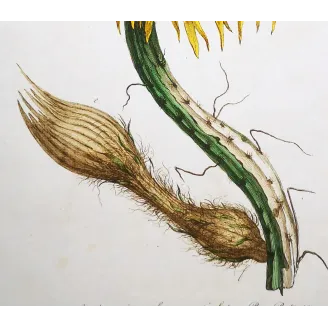
A dramatic Cereus engraving by Richard Lancake, featuring a luminous night-blooming flower from Miller’s celebrated 18th-century botanical work.
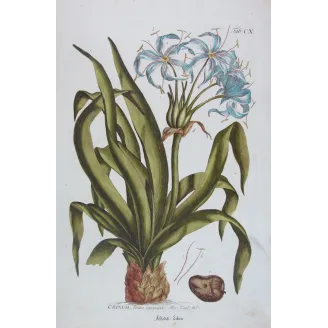
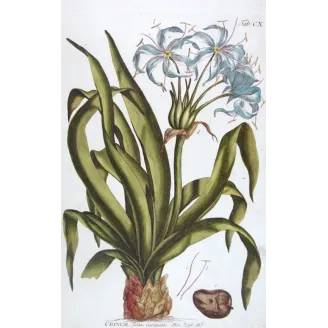
A striking 18th-century botanical engraving depicting a Blue Crinum Lily (Crinum sp.), distinguished by bold hand-coloring and an elegant vertical composition. The vivid blue blossoms and sculptural foliage exemplify the expressive character of German botanical illustration.
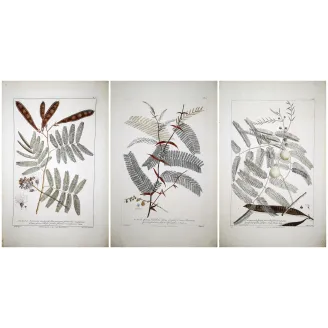
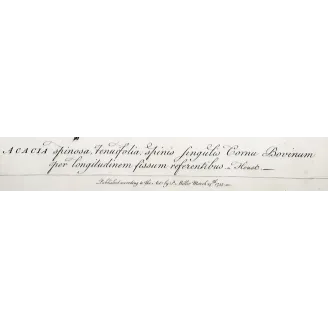
A curated group of three Acacia engravings by Georg Dionysius Ehret, offering a coherent botanical study of form and variation within the genus.
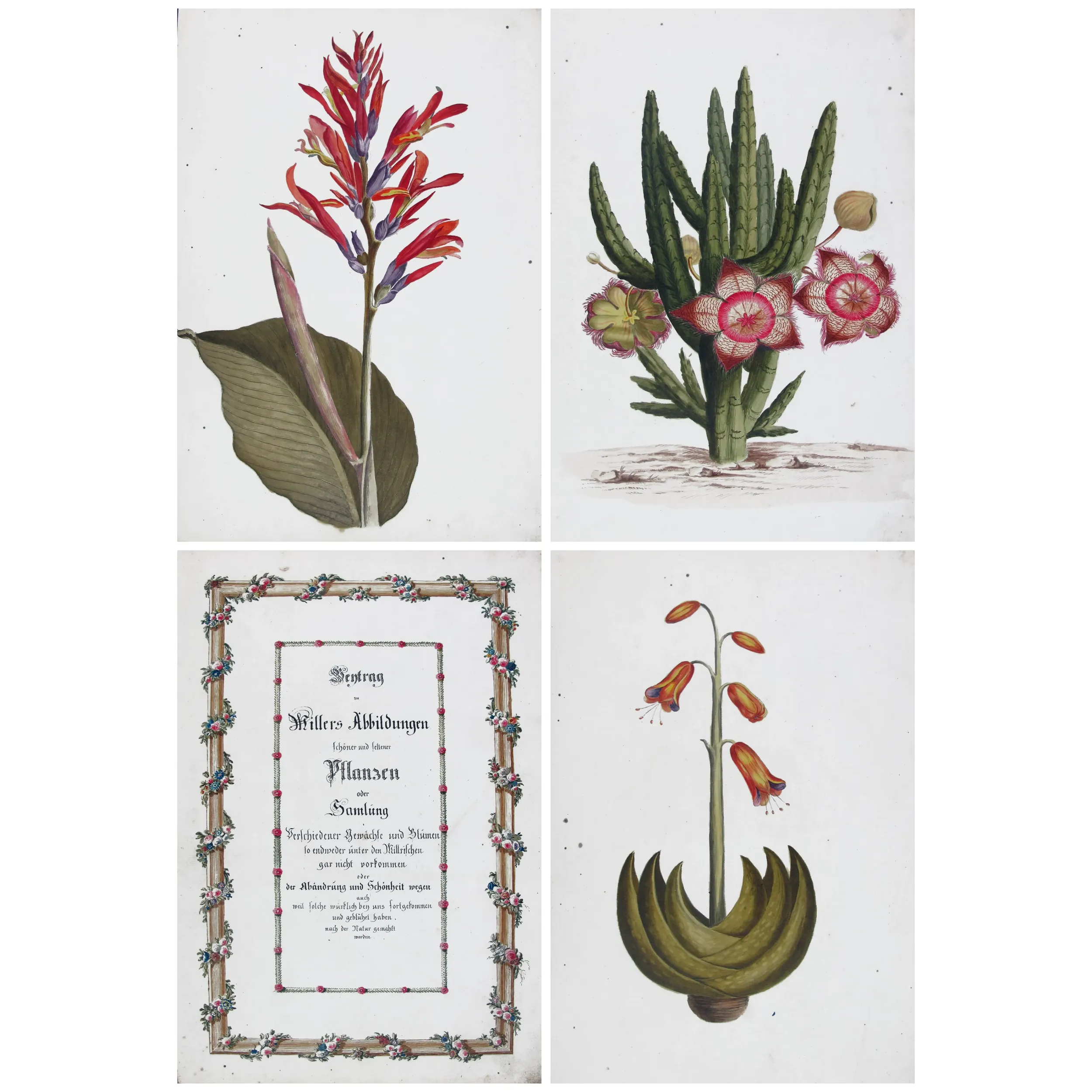
A rare set of four original 18th-century botanical watercolors, entirely hand-painted and rich in color and detail. A curated ensemble combining scientific observation with decorative elegance — perfect for refined interiors and collectors.