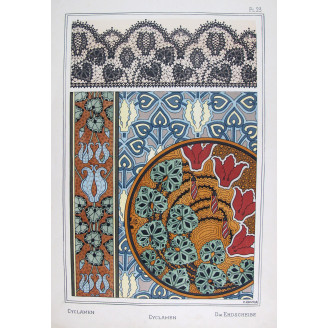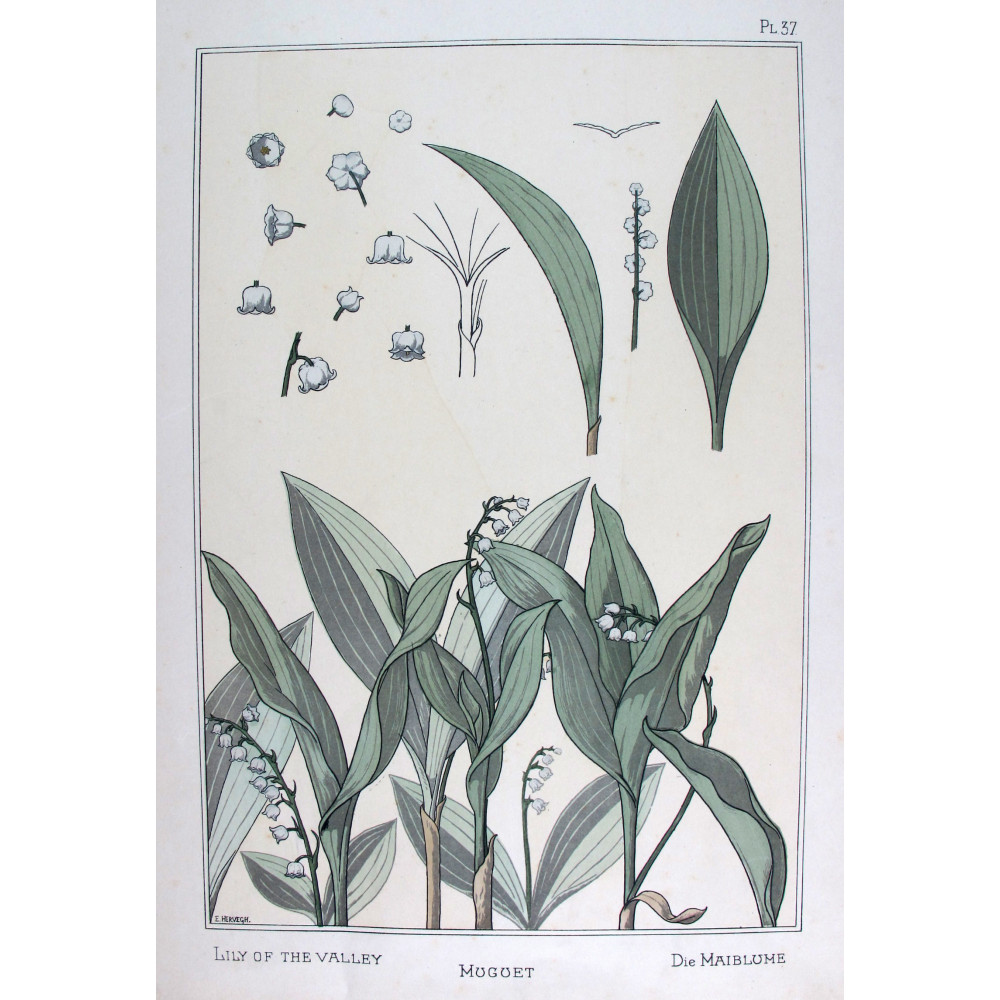
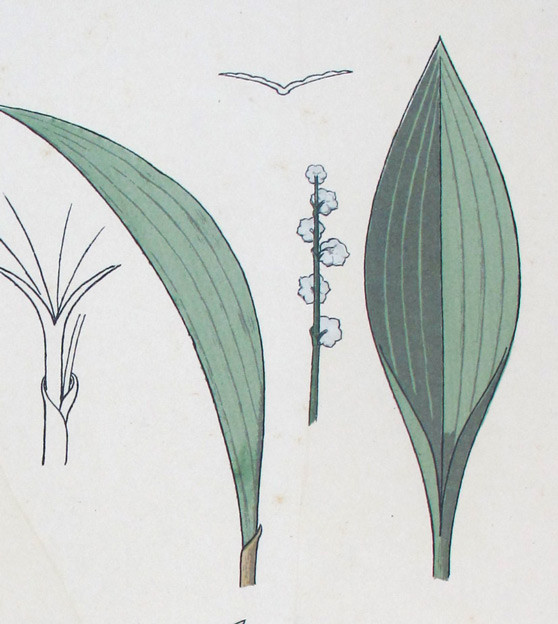
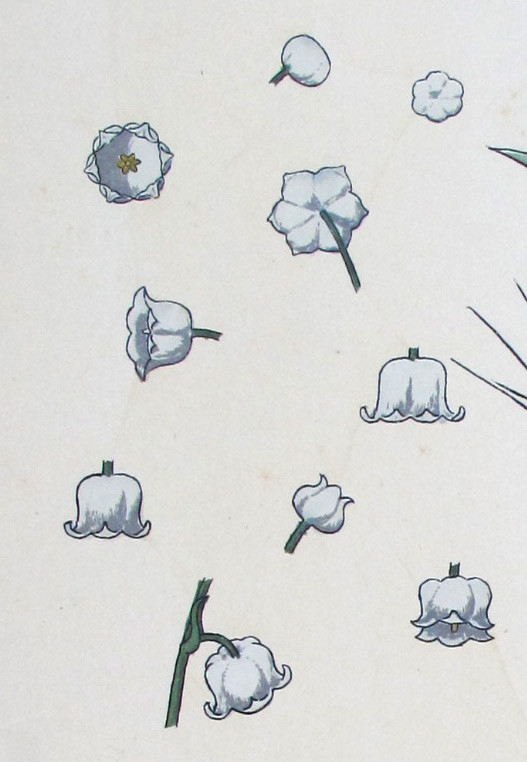
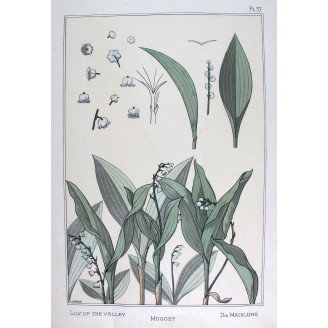
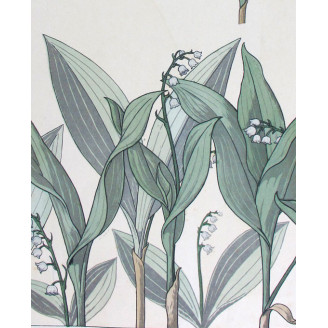
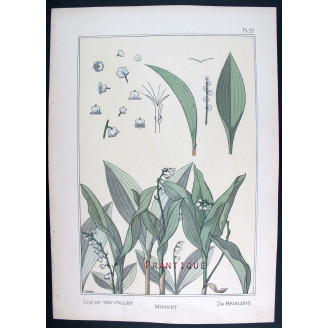
Delicate, fragrant, and full of symbolism, the Lily of the Valley (Muguet).
 Delivery policy
Your print will be carefully prepared and shipped worldwide via trusted couriers (UPS or similar).
 Authentic antique prints
Original engravings from the 17th–19th century.
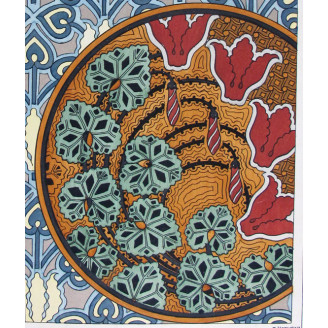
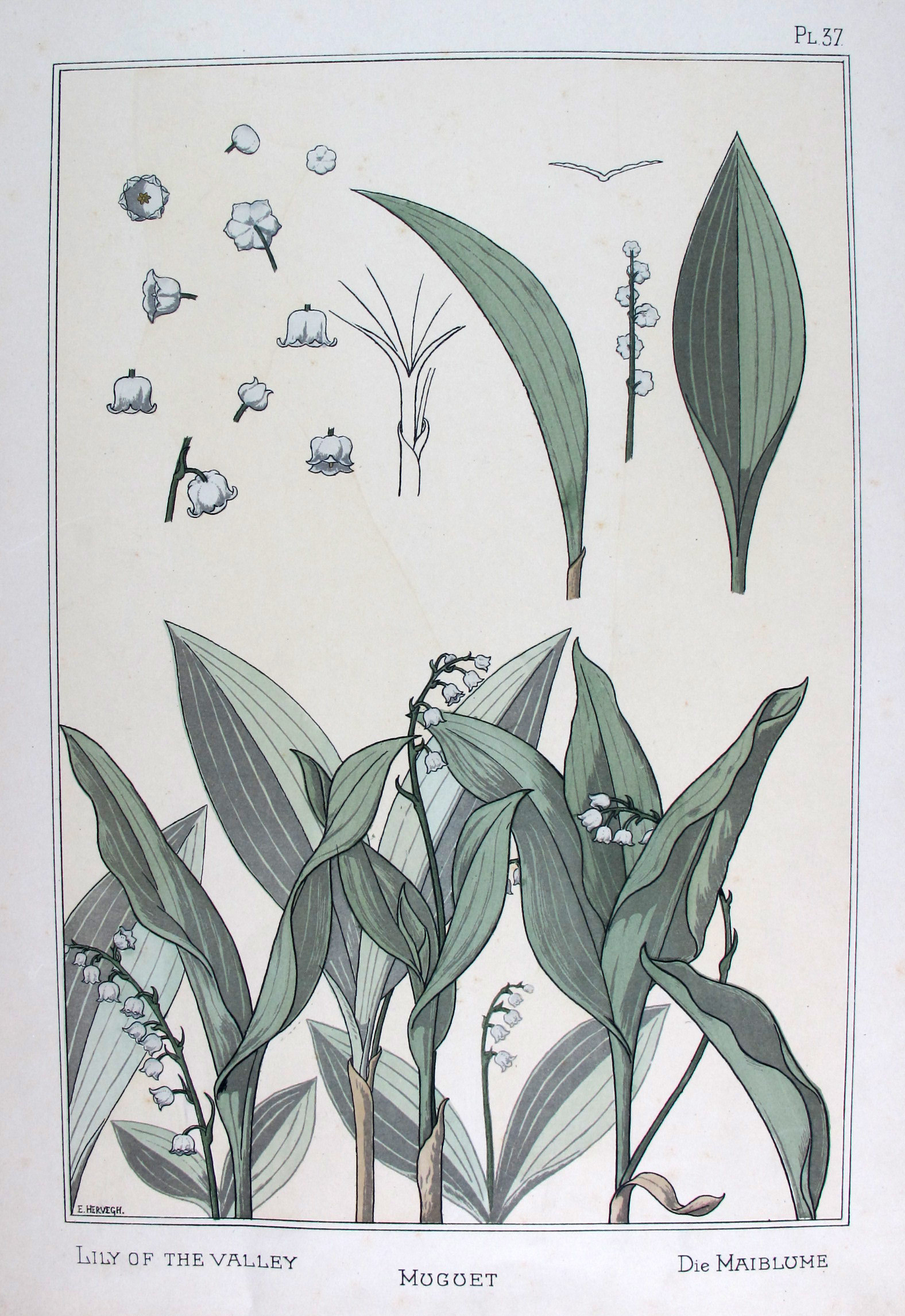
Delicate, fragrant, and full of symbolism, the Lily of the Valley (Muguet) is here transformed into a visual symphony. Grasset stylizes its arched stem and tiny bell-shaped flowers into graceful lines and lace-like patterns. The ornamental application evokes lacework, jewelry, or soft wallpaper motifs.
Traditionally a symbol of renewal, modesty, and happiness, this plate is among the most romantic and lyrical in the series — ideal for intimate spaces or symbolic gifting.
Artist: Eugène Grasset - Explore the story behind this plate on our blog
Title: Lily of the Valley (Muguet)
Plate Number: 37
Date: 1896
Technique: Original color lithograph
Size: ~45 × 32 cm
Condition: Fine - Please note there is a crease not visible when framed.
Edition: Original Charles Gillot, Paris
An elegant, fragrant tribute to innocence and springtime — an ideal piece for romantic and symbolic interiors.
Specific References
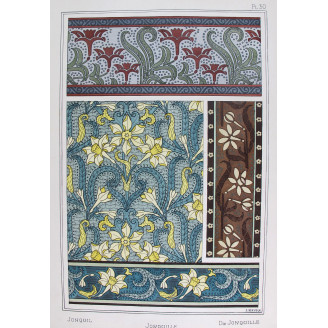
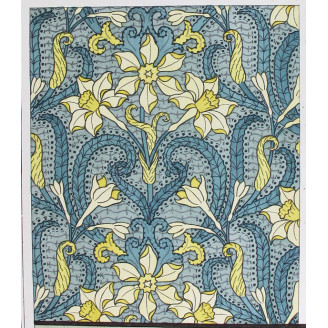
Bright and light, the jonquil (jonquille) is captured in a delicate interplay of upright stems and star-like blossoms.
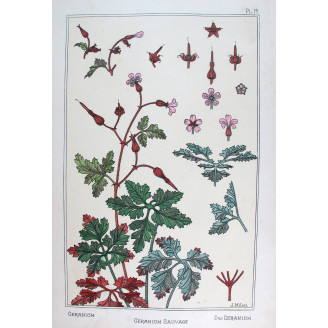
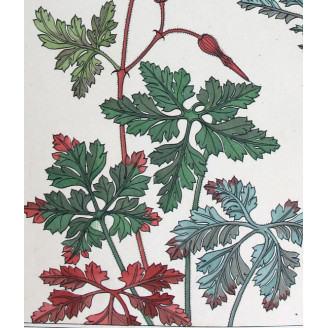
The wild geranium bursts forth with lightness and vitality. In this composition, Grasset uses its delicate petals and slender stems to create a lively decorative rhythm, suitable for textiles, embroidery, or wallpaper.
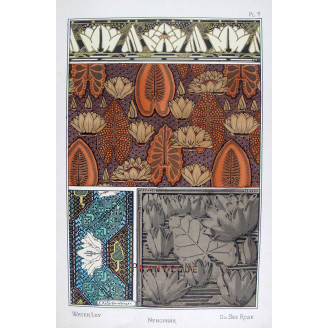
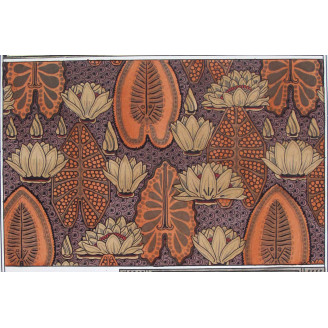
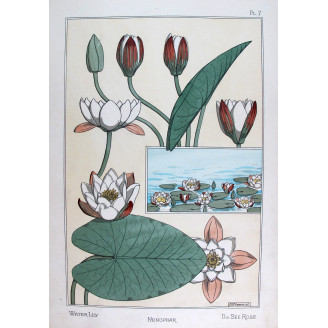
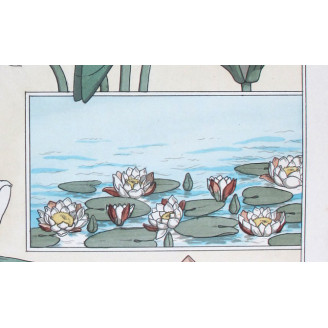
his extraordinary plate by Eugène Grasset features the water-lily (Nénuphar), rendered with both botanical accuracy and ornamental imagination.
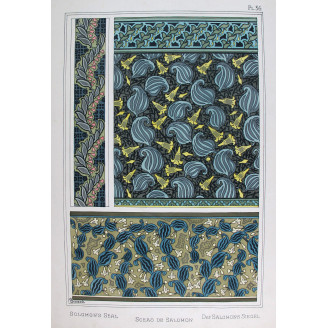
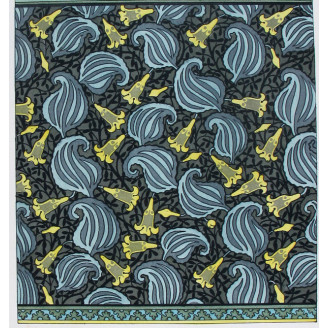
An emblem of wisdom and mystery, Solomon’s Seal is presented with refined elegance.
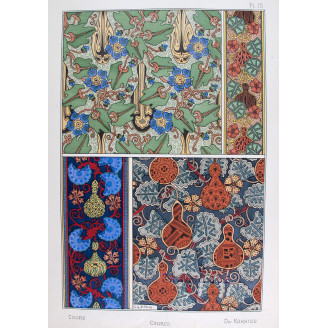
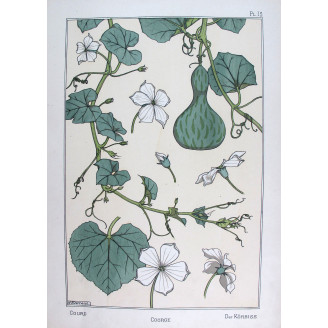
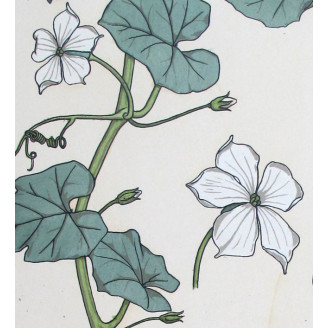
In this vibrant composition, Grasset elevates the humble gourd (courge) to an elegant decorative form.
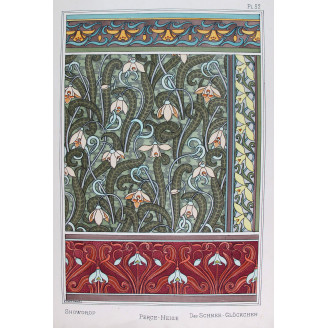
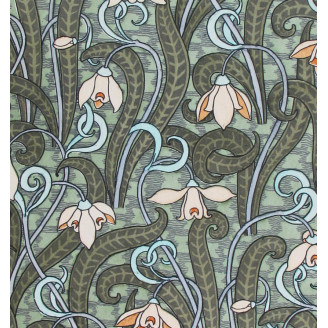
The snowdrop — the first sign of spring — is here celebrated with minimalism and grace.
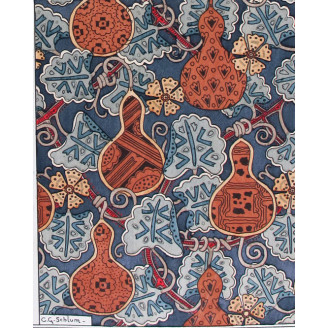
A companion to Plate 15, this second Gourd composition explores the same plant through a different visual logic. While the botanical study remains consistent, the ornamentation diverges — emphasizing asymmetry, contrast, and a playful yet sophisticated energy.
This second edition of the Water-Lily plate (No. 7) captures all the refined serenity of Plate 9, with slight variations in layout and ornamental balance.
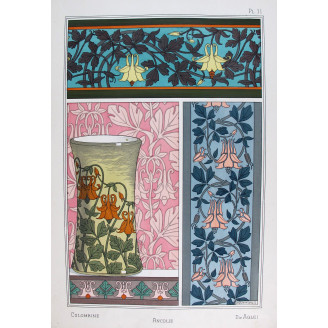
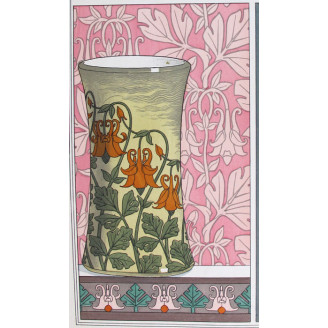
Graceful and enigmatic, the columbine (ancolie) is rendered here in flowing lines and soft complexity.
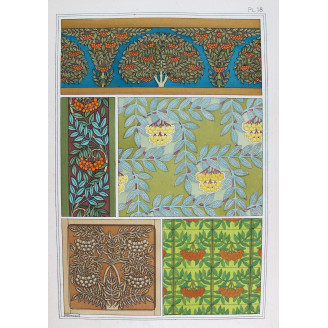
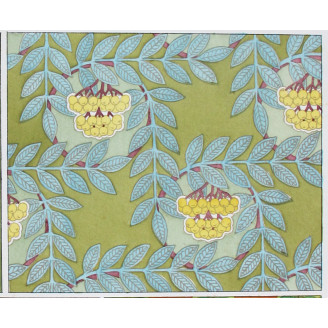
With its compound leaves and clusters of red berries, the sorb tree is rich in folk symbolism.
In this vibrant composition, Grasset elevates the humble gourd (courge) to an elegant decorative form.
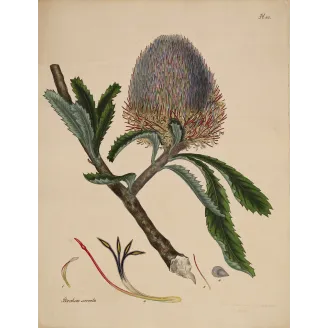
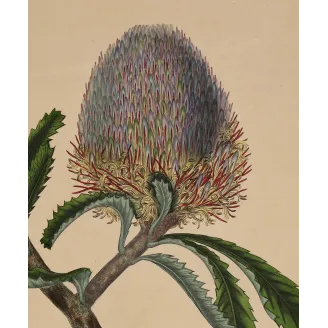
An original hand-coloured copper engraving depicting Banksia serrata, published by Henry Charles Andrews in The Botanist's Repository in 1799. Celebrated for its remarkable luminous flower head, delicate transparent watercolour and refined botanical observation.
18th-century hand-colored engraving of a Garden Cucumber by Elisabeth Blackwell, with curling tendrils and yellow blossoms.
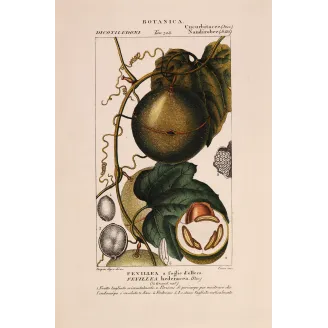
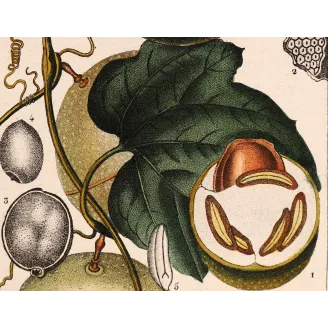
A coordinated pair of engravings depicting *Fevillea hederacea*, with intricate tendrils and elegant fruit structure, hand-colored with precision.
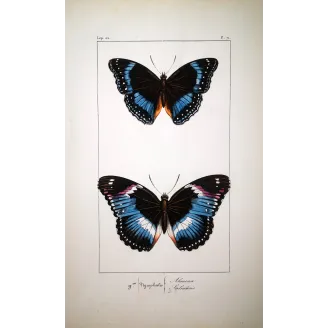
A vivid 19th-century hand-colored engraving depicting two striking tropical butterflies: the Blue-banded Eggfly (Hypolimnas alimena) and the Blue Diadem (Hypolimnas salmacis). Published in Hippolyte Lucas’s Exotic Butterflies (1835), the plate highlights their dramatic contrast of velvety black wings with electric blue bands and delicate white markings.
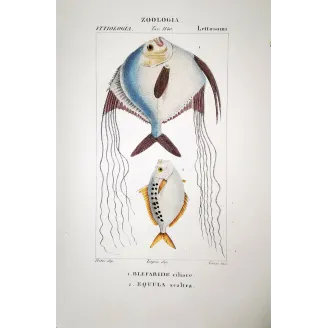
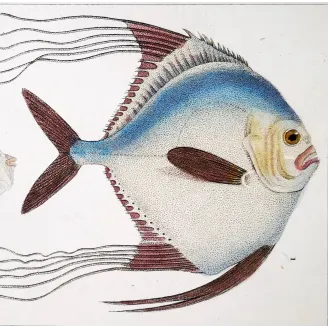
Delicate 19th-century hand-colored engraving of a ponyfish with companion species, ideal for marine-themed interiors and collectors.
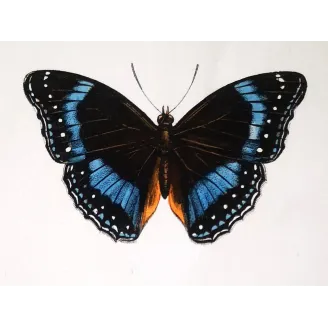
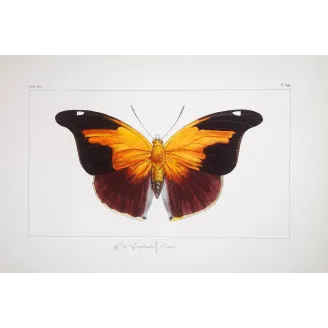
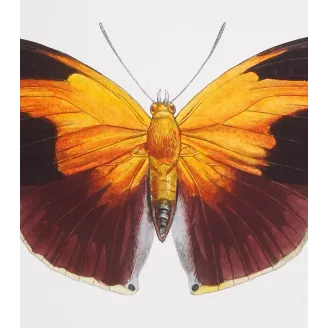
Original 1835 hand-colored engraving of Nymphalis orion, drawn and engraved by Pauquet under the scientific direction of Hippolyte Lucas for Exotic Butterflies.
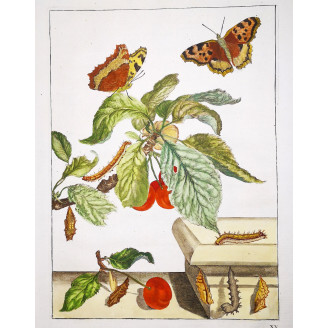
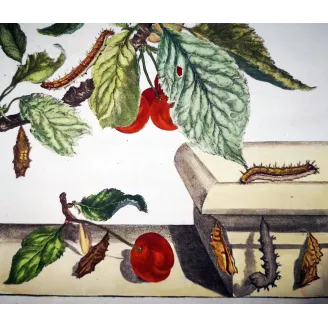
Original 1774 engraving by Jacob L'Admiral: Large Tortoiseshell on Sweet Cherry.
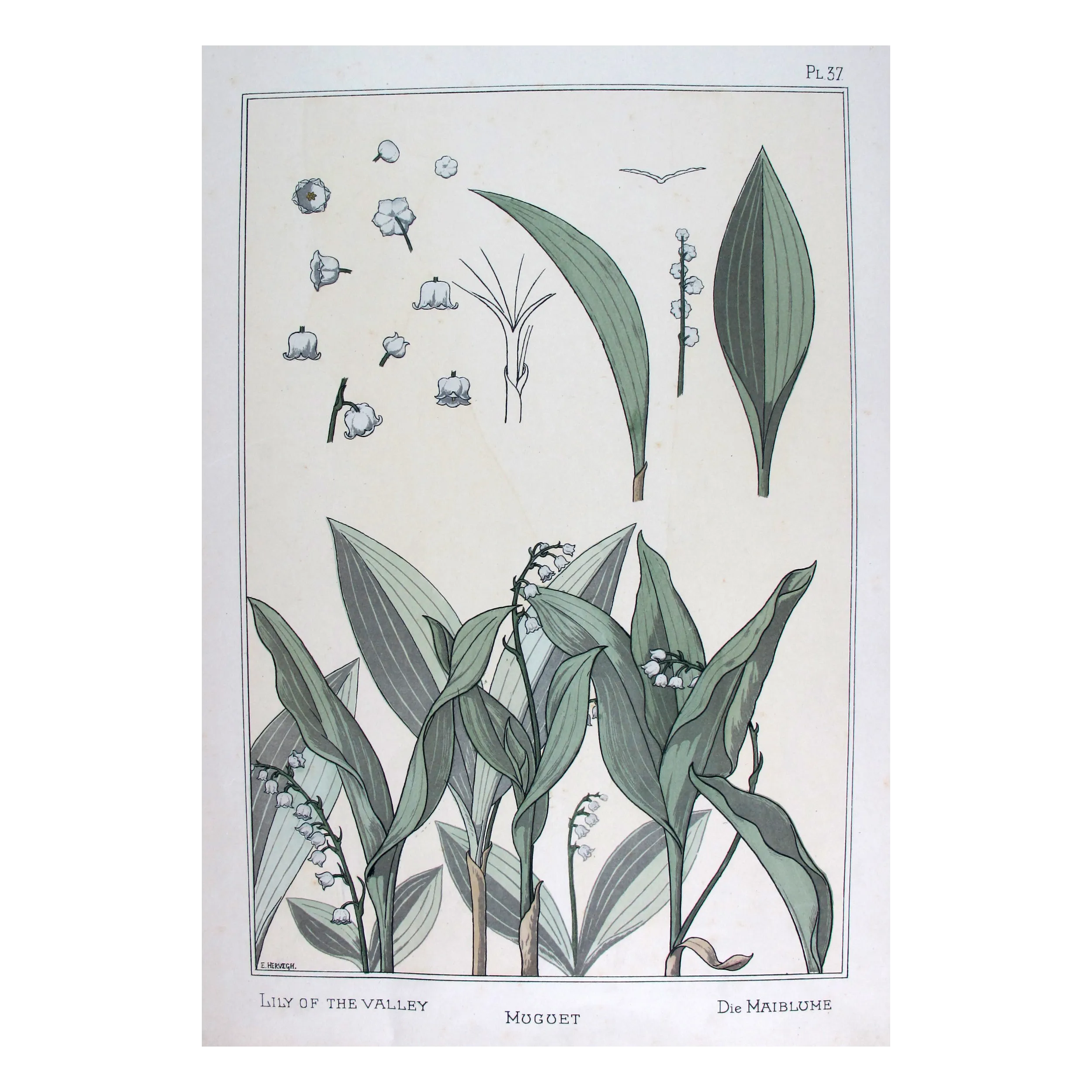
Delicate, fragrant, and full of symbolism, the Lily of the Valley (Muguet).