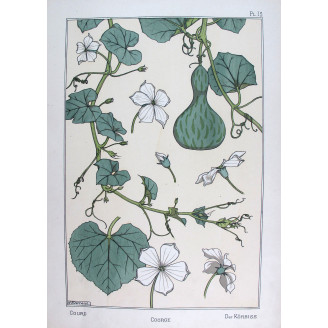
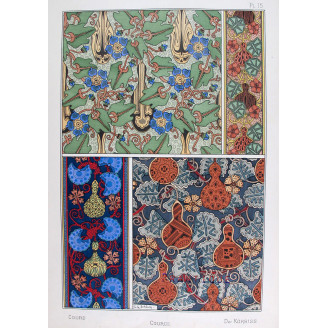
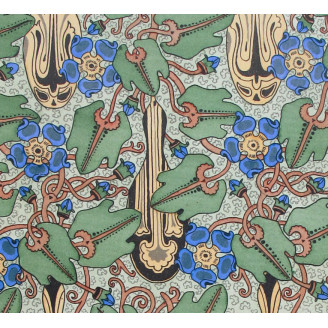
In this vibrant composition, Grasset elevates the humble gourd (courge) to an elegant decorative form.
 Delivery policy
Your print will be carefully prepared and shipped worldwide via trusted couriers (UPS or similar).
 Authentic antique prints
Original engravings from the 17th–19th century.
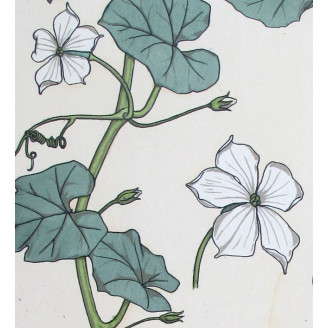
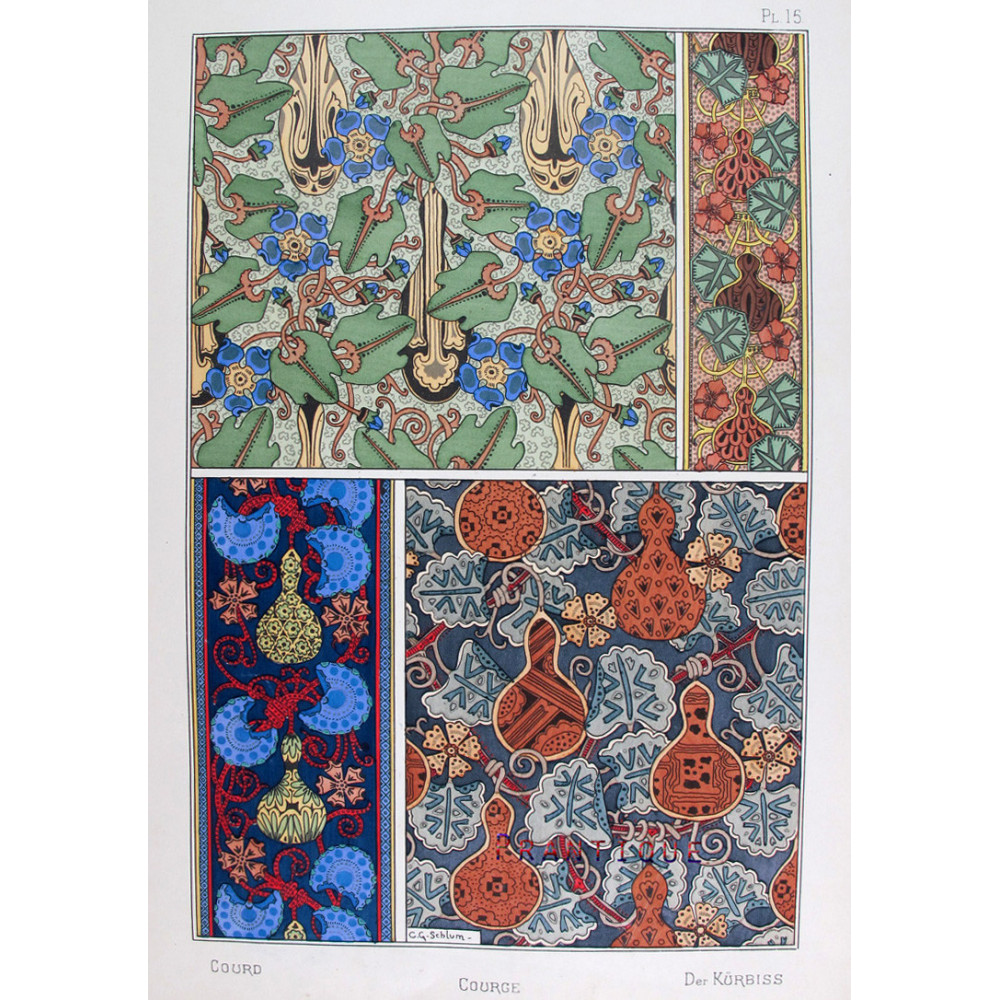
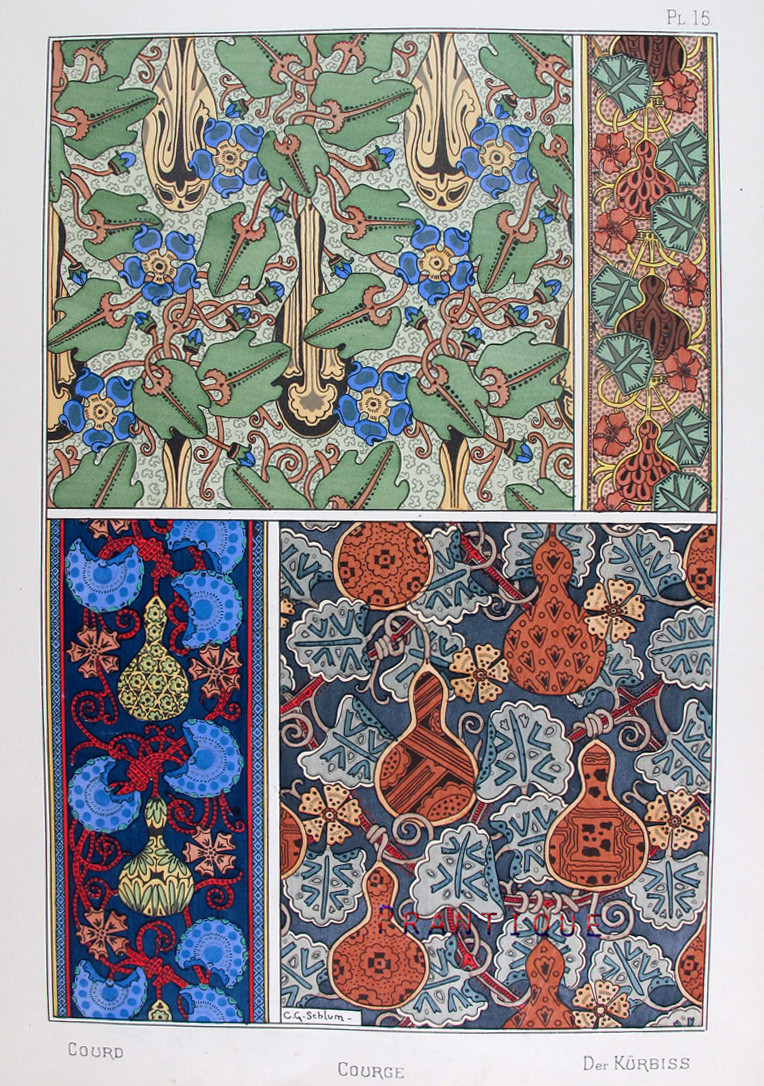
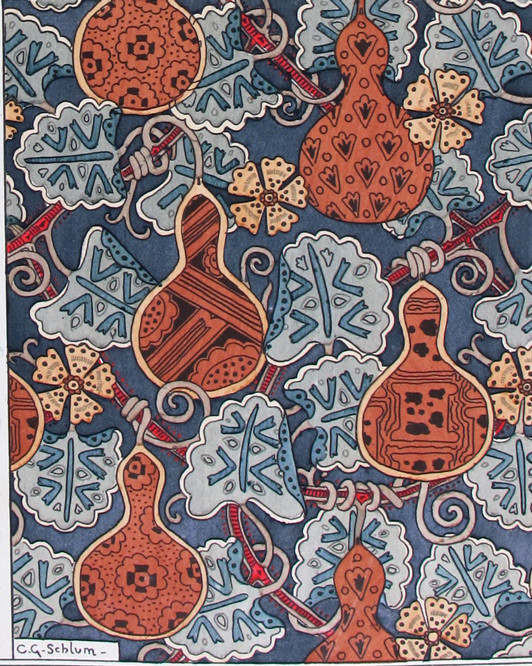
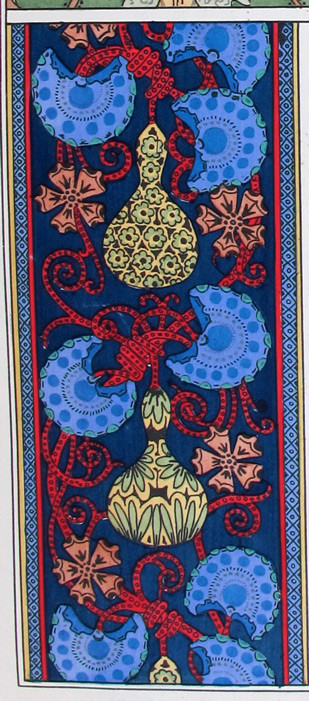
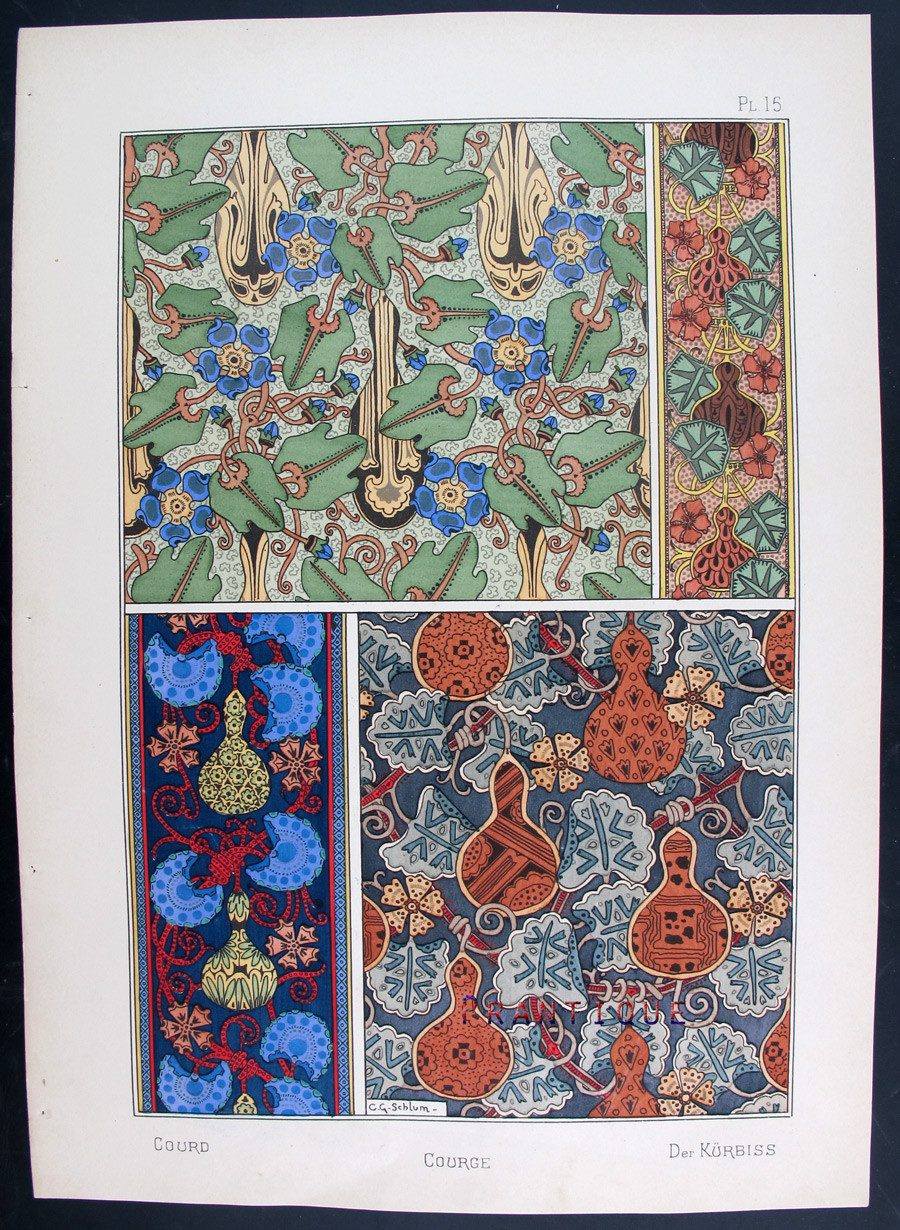
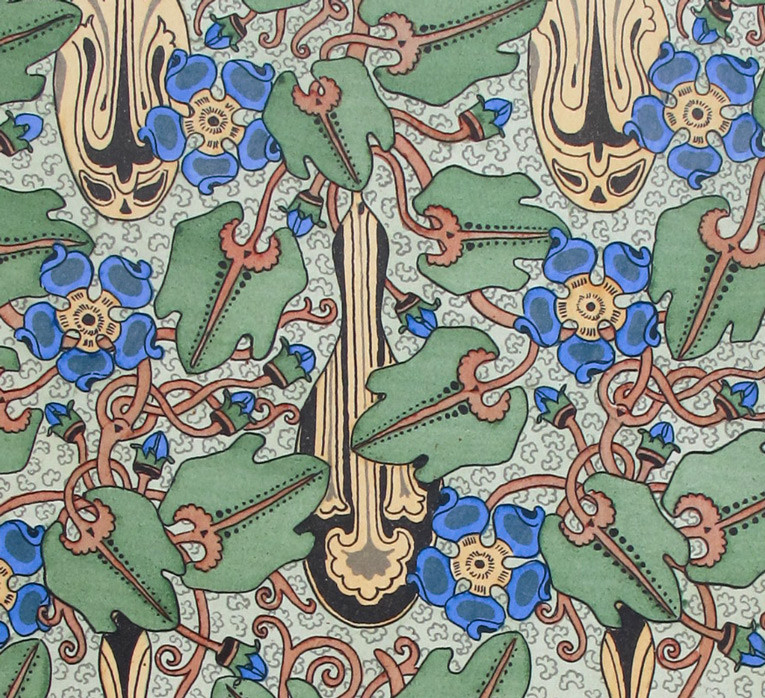
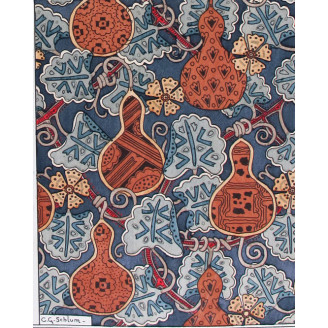
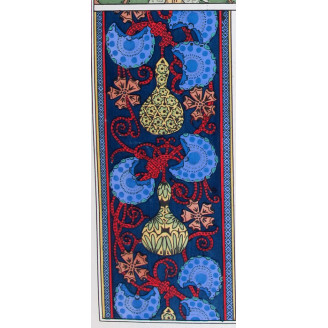
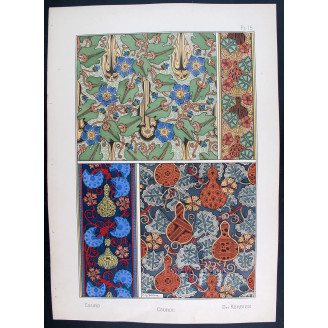
In this vibrant composition, Grasset elevates the humble gourd (courge) to an elegant decorative form. The botanical representation at the top reveals winding tendrils, lobed leaves, and robust fruits. Below, these elements evolve into rhythmic, almost baroque patterns, showcasing the potential of vegetable forms in ornamental design.
Traditionally linked to abundance and transformation, this plate expresses the Art Nouveau ideal of finding beauty in even the most utilitarian forms.
Artist: Eugène Grasset
Title: Gourd (Courge)
Plate Number: 15
Date: 1896
Technique: Original color lithograph
Size: 45 × 32 cm
Condition: Fine
Edition: Charles Gillot, Paris
A striking blend of geometry and nature, perfect for collectors of mystical or symbolic botanical themes.
Specific References
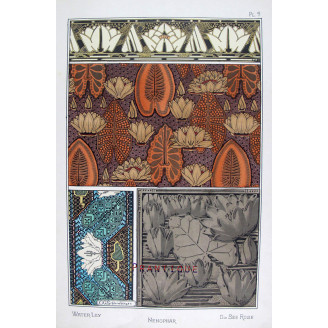
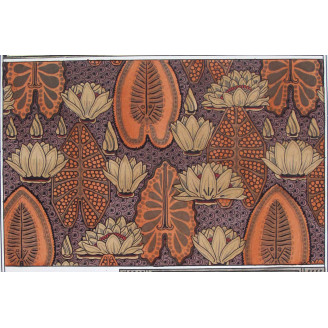
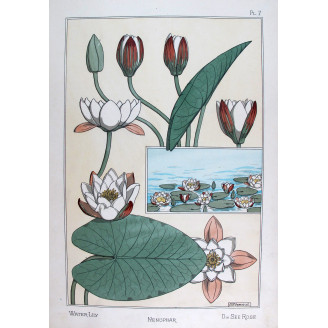
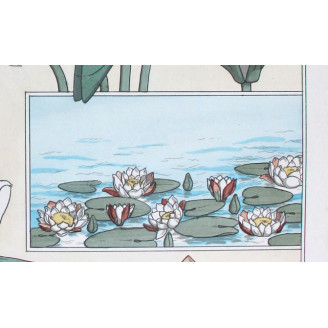
his extraordinary plate by Eugène Grasset features the water-lily (Nénuphar), rendered with both botanical accuracy and ornamental imagination.
This second edition of the Water-Lily plate (No. 7) captures all the refined serenity of Plate 9, with slight variations in layout and ornamental balance.
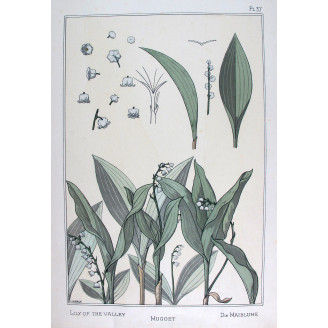
Delicate, fragrant, and full of symbolism, the Lily of the Valley (Muguet).
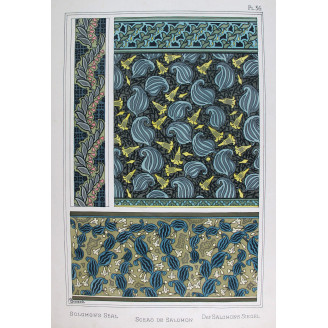
An emblem of wisdom and mystery, Solomon’s Seal is presented with refined elegance.
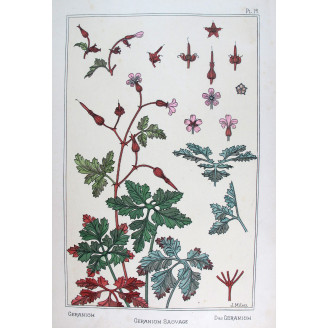
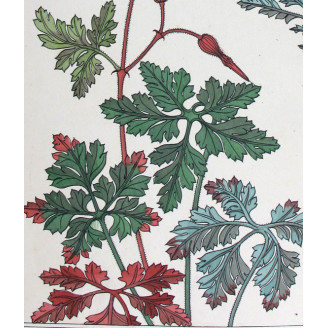
The wild geranium bursts forth with lightness and vitality. In this composition, Grasset uses its delicate petals and slender stems to create a lively decorative rhythm, suitable for textiles, embroidery, or wallpaper.
In this vibrant composition, Grasset elevates the humble gourd (courge) to an elegant decorative form.
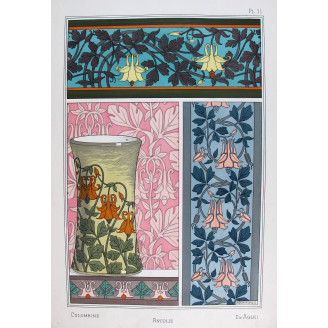
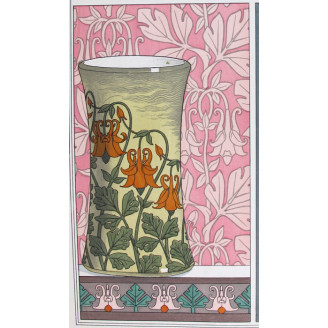
Graceful and enigmatic, the columbine (ancolie) is rendered here in flowing lines and soft complexity.
A companion to Plate 15, this second Gourd composition explores the same plant through a different visual logic. While the botanical study remains consistent, the ornamentation diverges — emphasizing asymmetry, contrast, and a playful yet sophisticated energy.
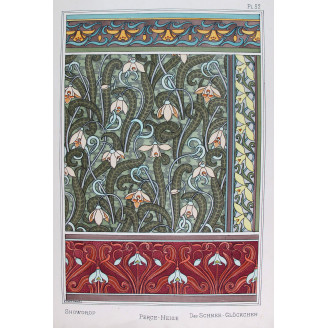
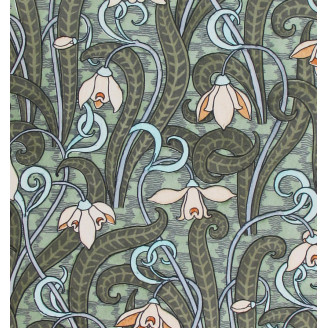
The snowdrop — the first sign of spring — is here celebrated with minimalism and grace.
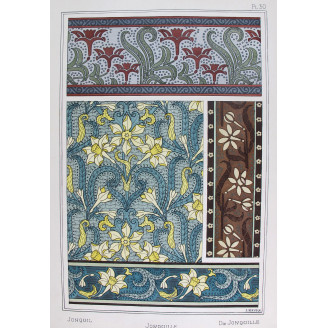
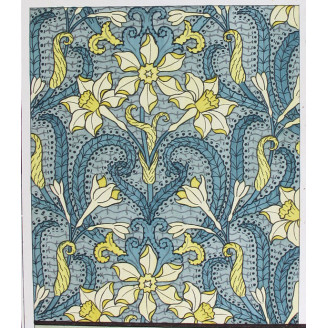
Bright and light, the jonquil (jonquille) is captured in a delicate interplay of upright stems and star-like blossoms.
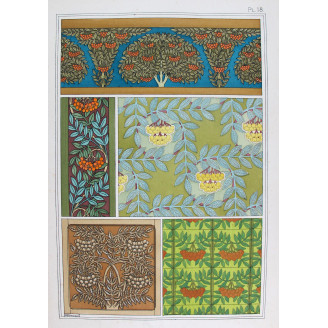
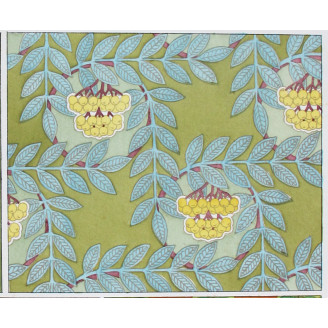
With its compound leaves and clusters of red berries, the sorb tree is rich in folk symbolism.
Fine hand-colored engraving of a Provence rose, rendered with soft shading and botanical charm, ideal for elegant décor.
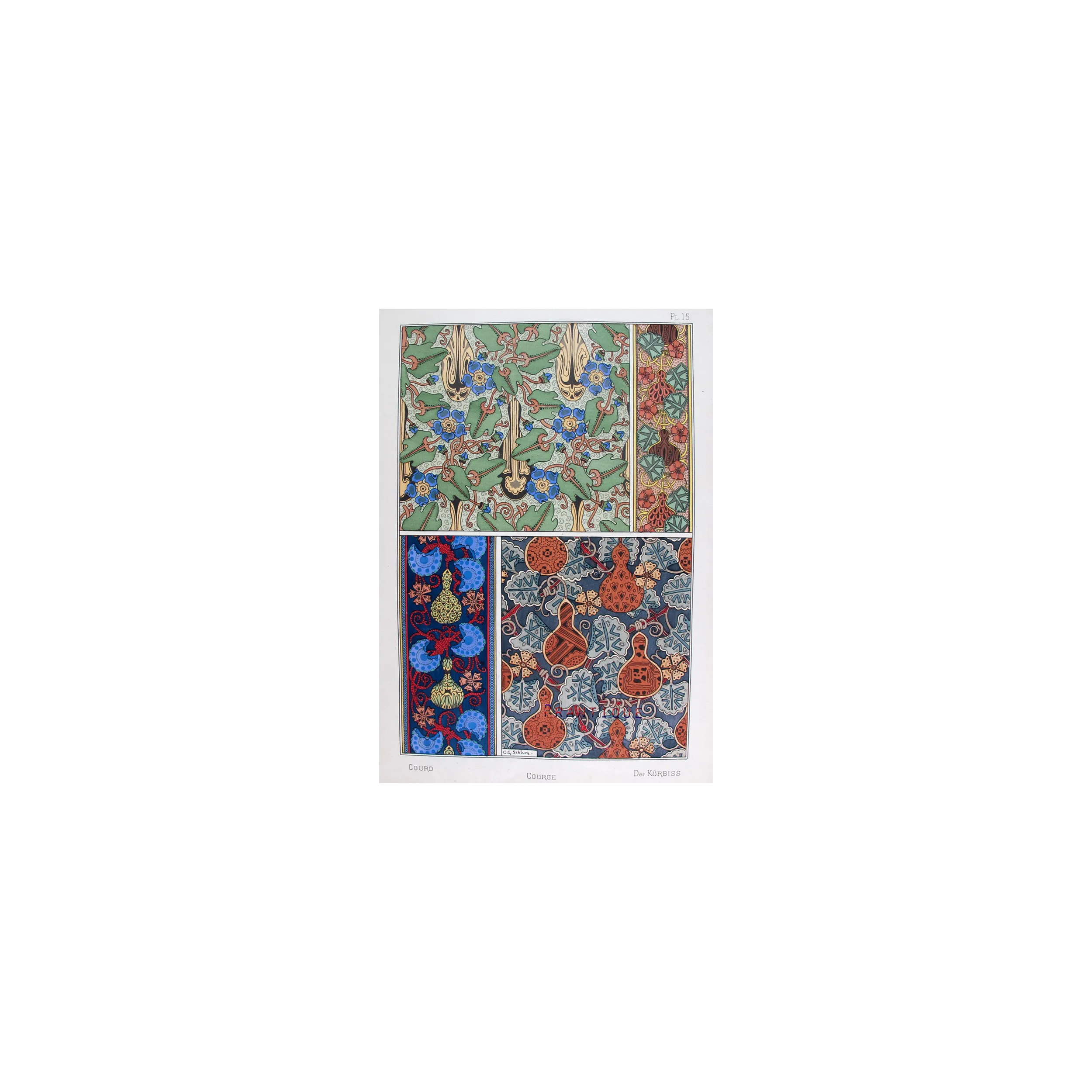
In this vibrant composition, Grasset elevates the humble gourd (courge) to an elegant decorative form.