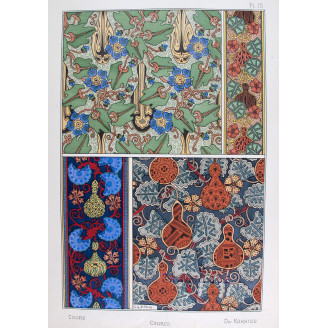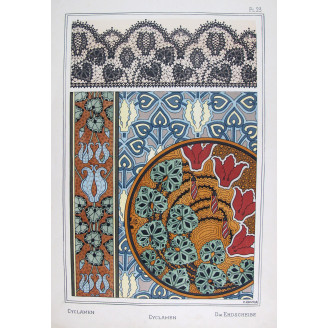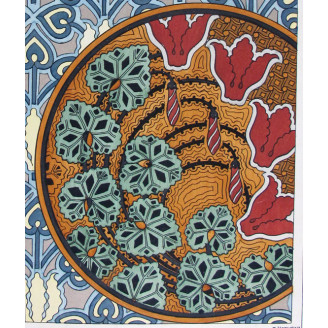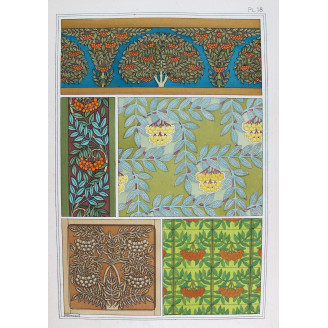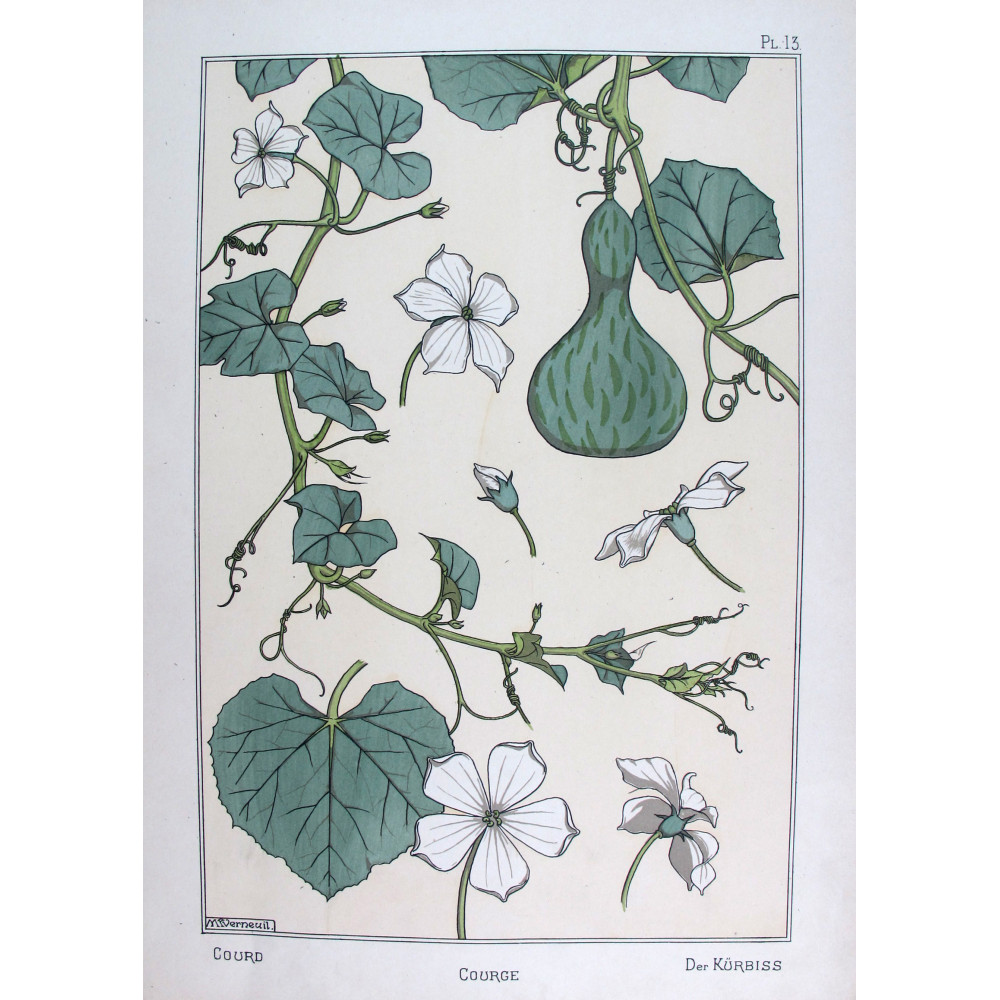
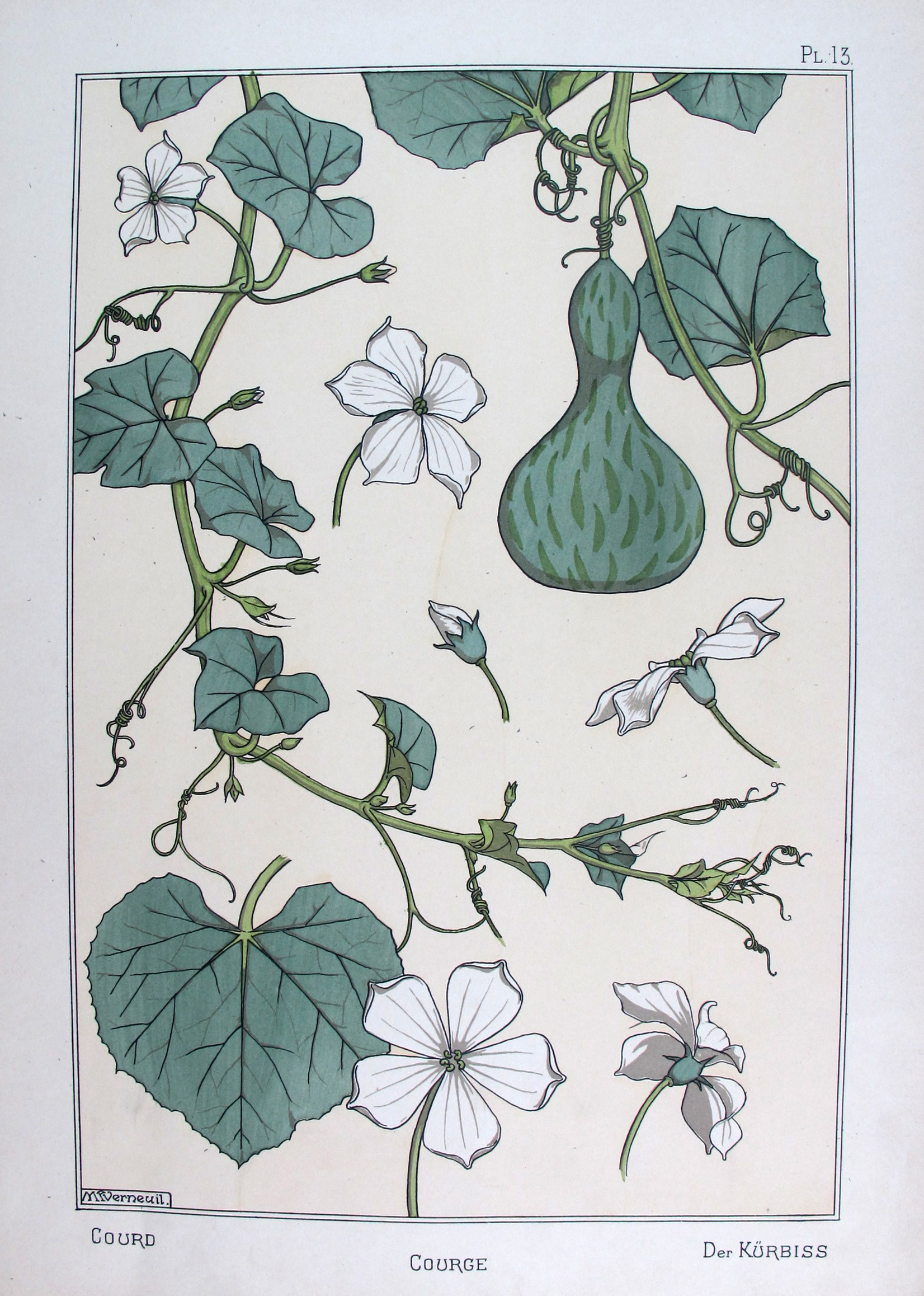
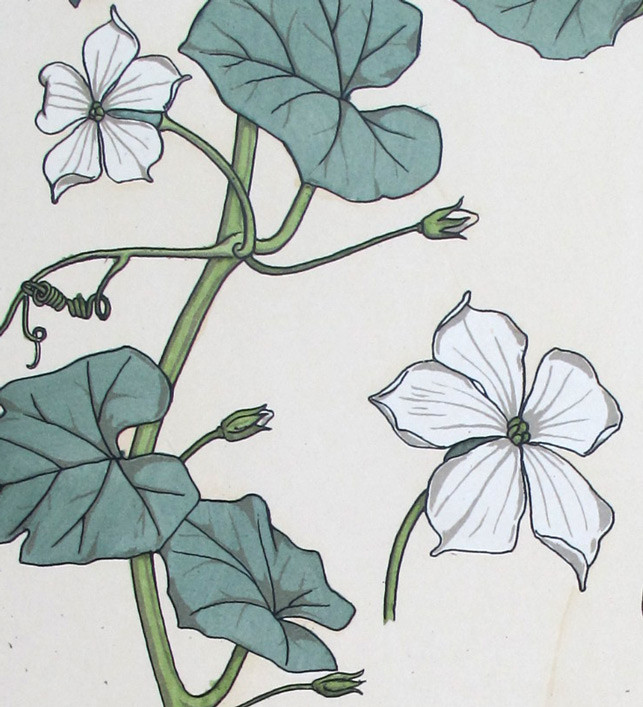
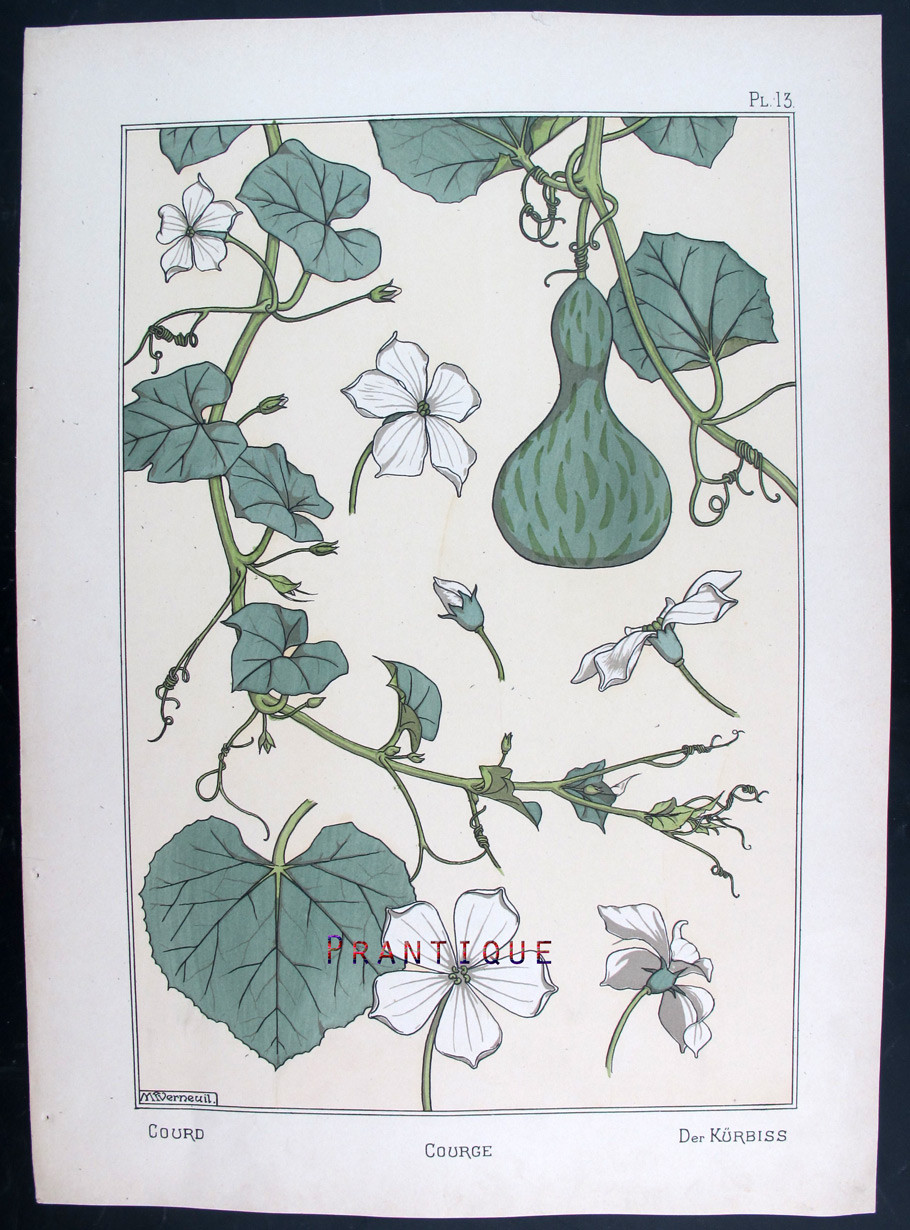
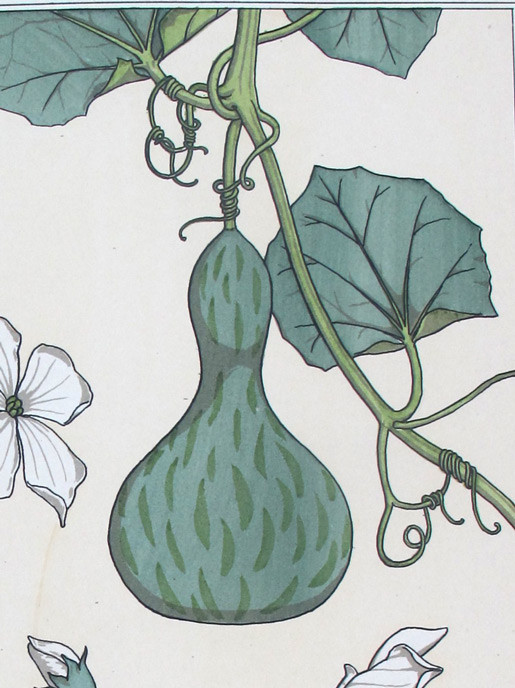
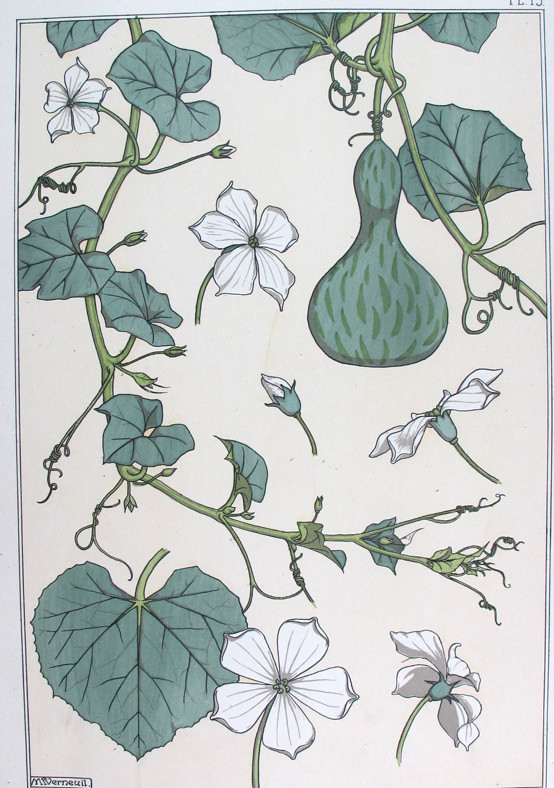
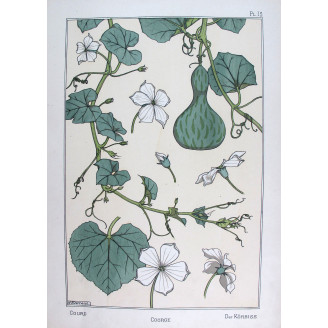
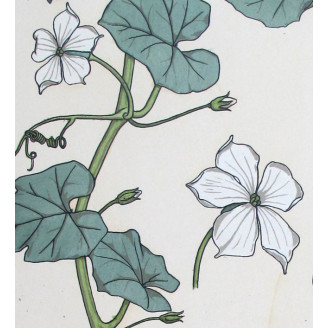
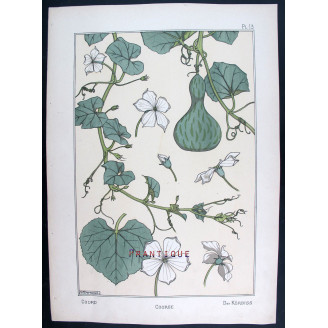
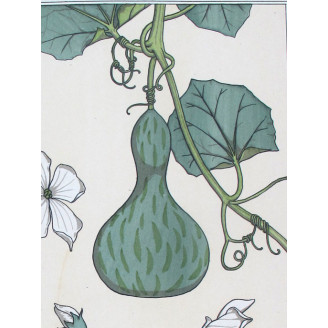
A companion to Plate 15, this second Gourd composition explores the same plant through a different visual logic. While the botanical study remains consistent, the ornamentation diverges — emphasizing asymmetry, contrast, and a playful yet sophisticated energy.
 Delivery policy
Your print will be carefully prepared and shipped worldwide via trusted couriers (UPS or similar).
 Authentic antique prints
Original engravings from the 17th–19th century.
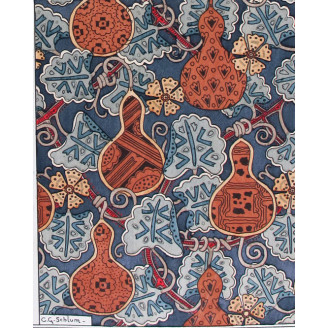
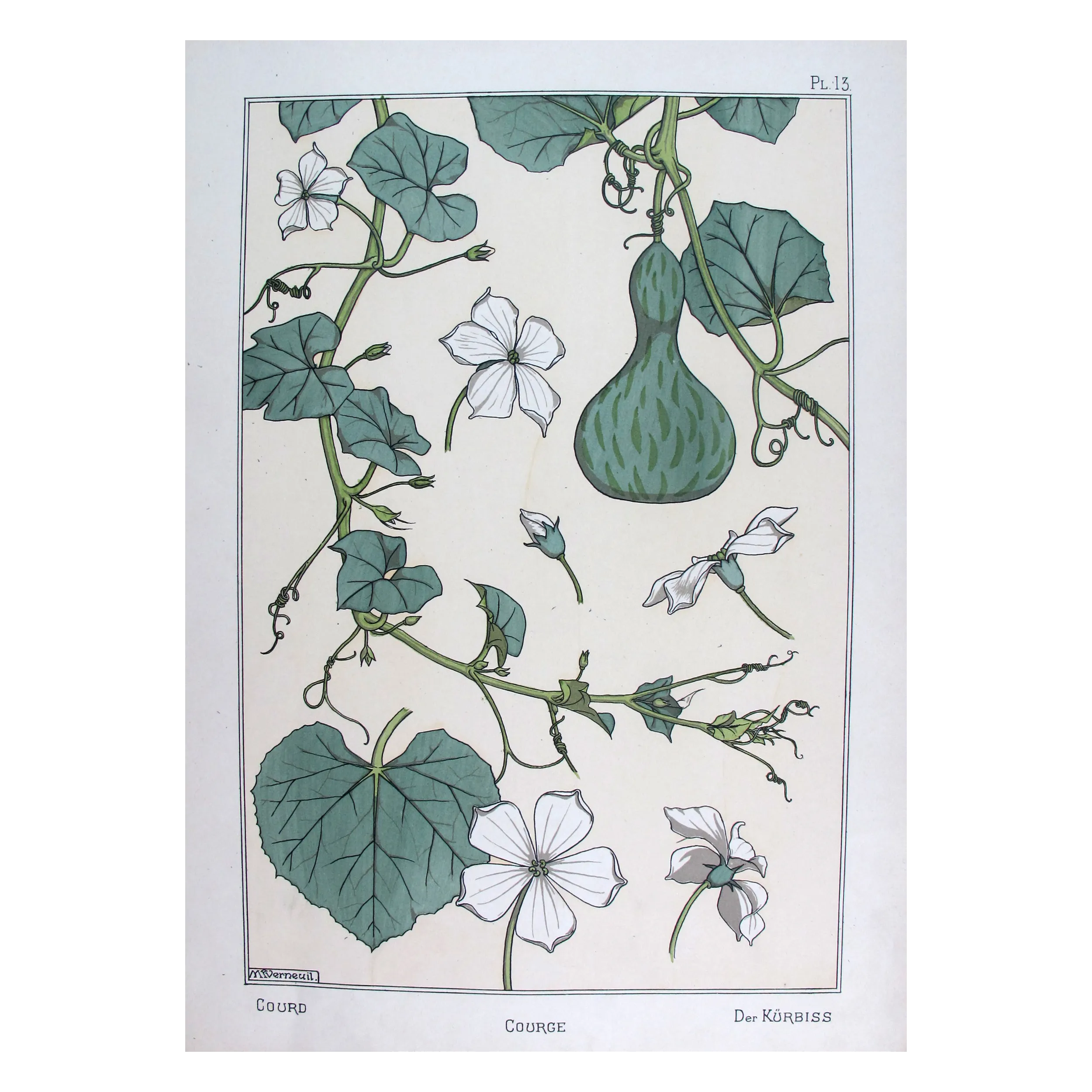
A companion to Plate 15, this second Gourd composition explores the same plant through a different visual logic. While the botanical study remains consistent, the ornamentation diverges — emphasizing asymmetry, contrast, and a playful yet sophisticated energy.
Its earthy character and connection to transformation make this plate ideal for warm interiors and naturalist themes.
Artist: Eugène Grasset-Explore the story behind this plate on our blog
Title: Gourd (Courge)
Plate Number: 13
Date: 1896
Technique: Original color lithograph
Size: 45 × 32 cm
Condition: Fine
Edition: Charles Gillot, Paris
A rich, organic plate full of ornamental movement — elegant and earthy at once.
Specific References
In this vibrant composition, Grasset elevates the humble gourd (courge) to an elegant decorative form.
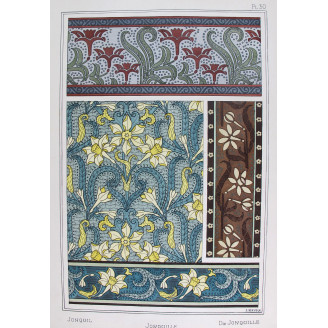
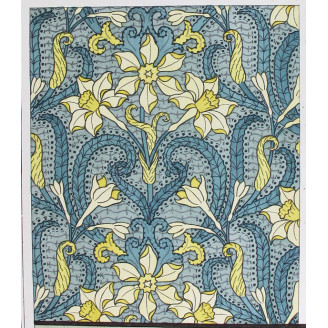
Bright and light, the jonquil (jonquille) is captured in a delicate interplay of upright stems and star-like blossoms.
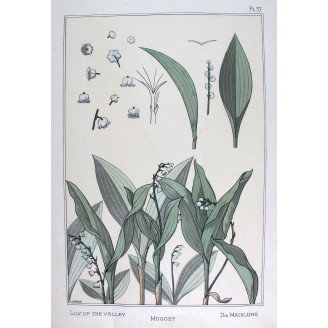
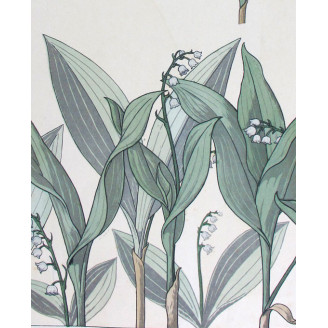
Delicate, fragrant, and full of symbolism, the Lily of the Valley (Muguet).
In this vibrant composition, Grasset elevates the humble gourd (courge) to an elegant decorative form.
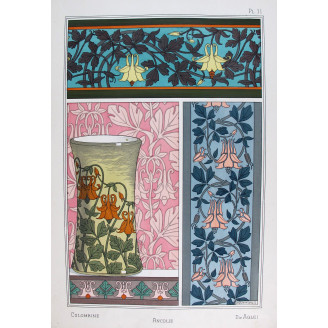
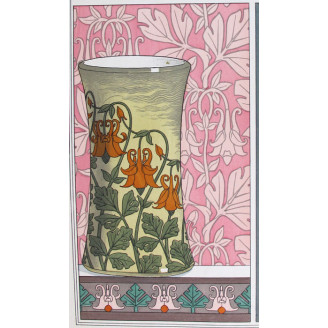
Graceful and enigmatic, the columbine (ancolie) is rendered here in flowing lines and soft complexity.
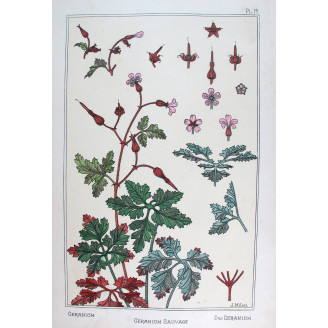
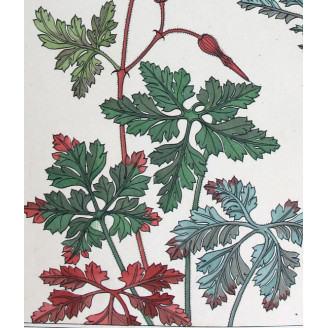
The wild geranium bursts forth with lightness and vitality. In this composition, Grasset uses its delicate petals and slender stems to create a lively decorative rhythm, suitable for textiles, embroidery, or wallpaper.
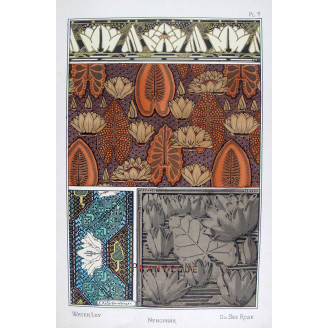
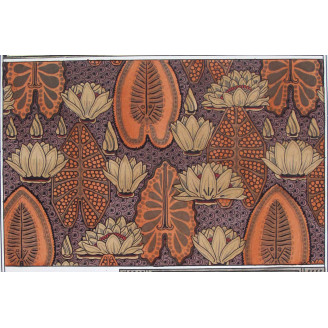
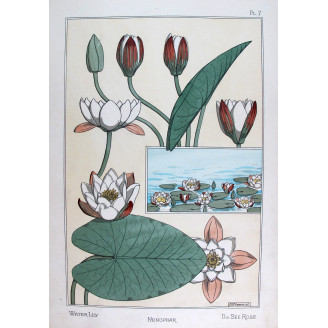
his extraordinary plate by Eugène Grasset features the water-lily (Nénuphar), rendered with both botanical accuracy and ornamental imagination.
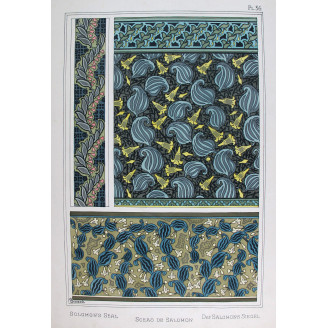
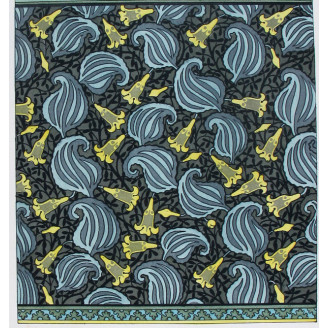
An emblem of wisdom and mystery, Solomon’s Seal is presented with refined elegance.
This second edition of the Water-Lily plate (No. 7) captures all the refined serenity of Plate 9, with slight variations in layout and ornamental balance.
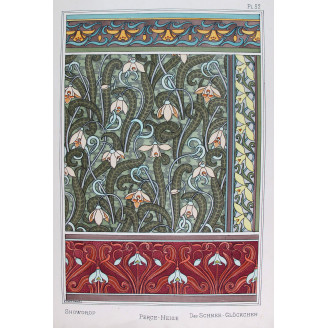
The snowdrop — the first sign of spring — is here celebrated with minimalism and grace.
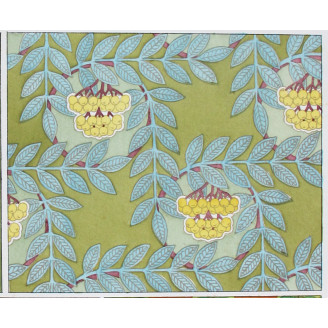
With its compound leaves and clusters of red berries, the sorb tree is rich in folk symbolism.
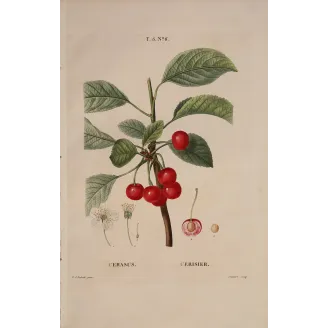
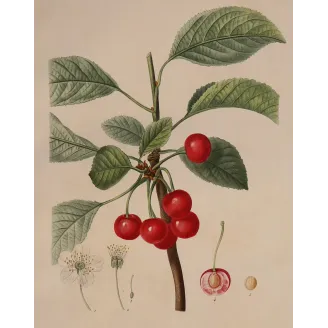
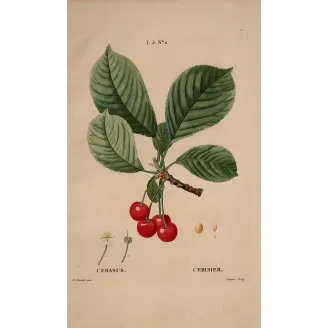
Rare Redouté botanical engraving of the cherry tree (Cerasus). Vivid red fruits and blossoms in exquisite detail.
Charming pear study by Redouté, showing delicate blossom and ripening fruit. Balanced and refined.
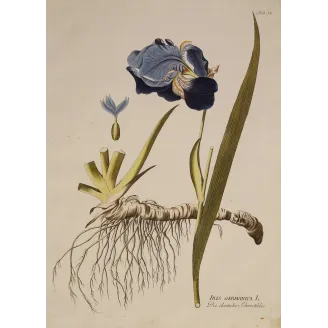
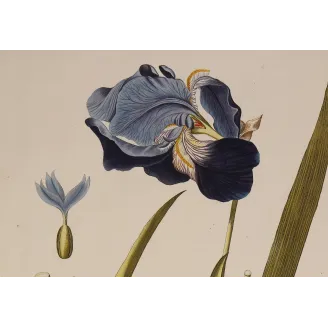
An original eighteenth-century botanical engraving depicting Iris germanica, published in Joseph Jacob von Plenck's celebrated Icones Plantarum Medicinalium. Printed on fine laid paper bearing the Honig watermark, the sheet combines scientific precision with the refined artistic craftsmanship of the Viennese botanical school.
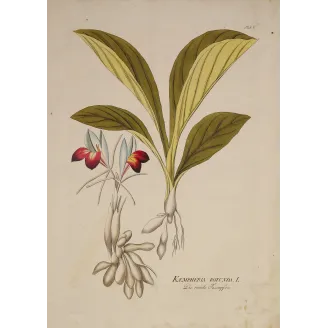
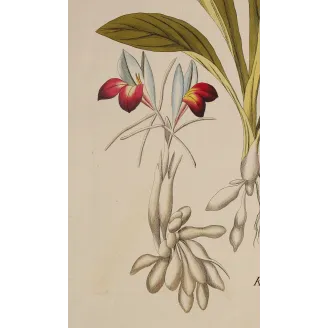
Original eighteenth-century botanical engraving depicting Kaempferia rotunda, published in Vienna by Joseph Jacob von Plenck for Icones Plantarum Medicinalium (Plate 5). The elegant composition combines broad architectural foliage, richly coloured crimson flowers and delicately modelled underground tubers, demonstrating the extraordinary refinement of Plenck's Viennese botanical school. Printed on fine Honig laid paper with visible "IV" watermark.
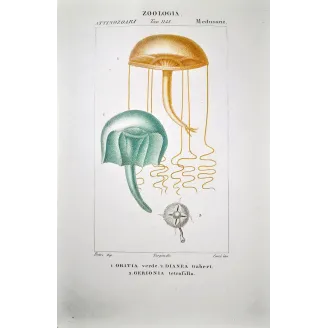
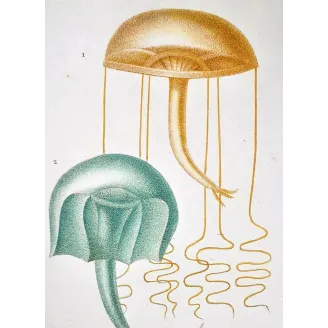
Trio of rare jellyfish types in soft tones, hand-colored lithograph by Prêtre.
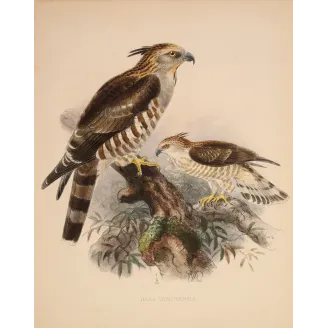
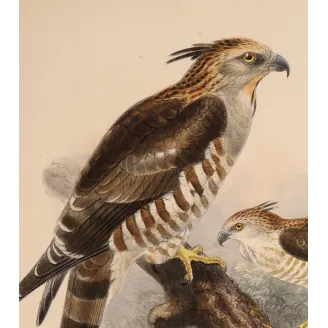
Original antique bird print depicting Baza ceylonensis (Ceylon Hawk-Eagle), illustrated by J.G. Keulemans for A History of the Birds of Ceylon. A striking Victorian ornithological lithograph featuring a refined pair of raptors with strong decorative presence.
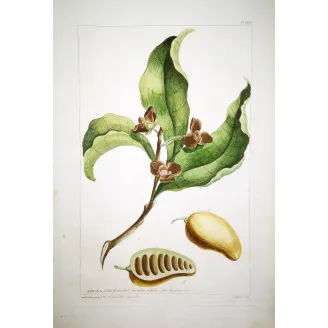
An original 18th-century hand-colored engraving depicting a Custard Apple (Annona sp.), from Philip Miller’s Figures of the Most Beautiful, Useful, and Uncommon Plants. Combining botanical precision with decorative clarity, the composition features both the plant and its distinctive fruit in sectional detail.
A companion to Plate 15, this second Gourd composition explores the same plant through a different visual logic. While the botanical study remains consistent, the ornamentation diverges — emphasizing asymmetry, contrast, and a playful yet sophisticated energy.