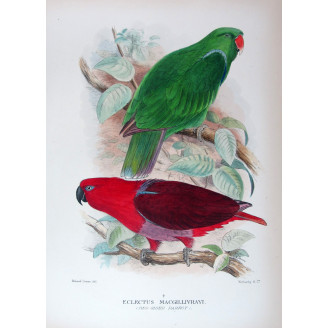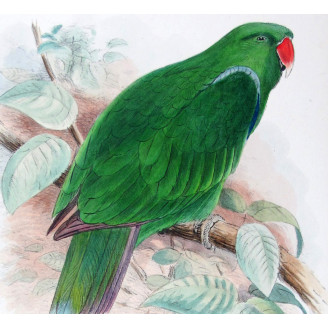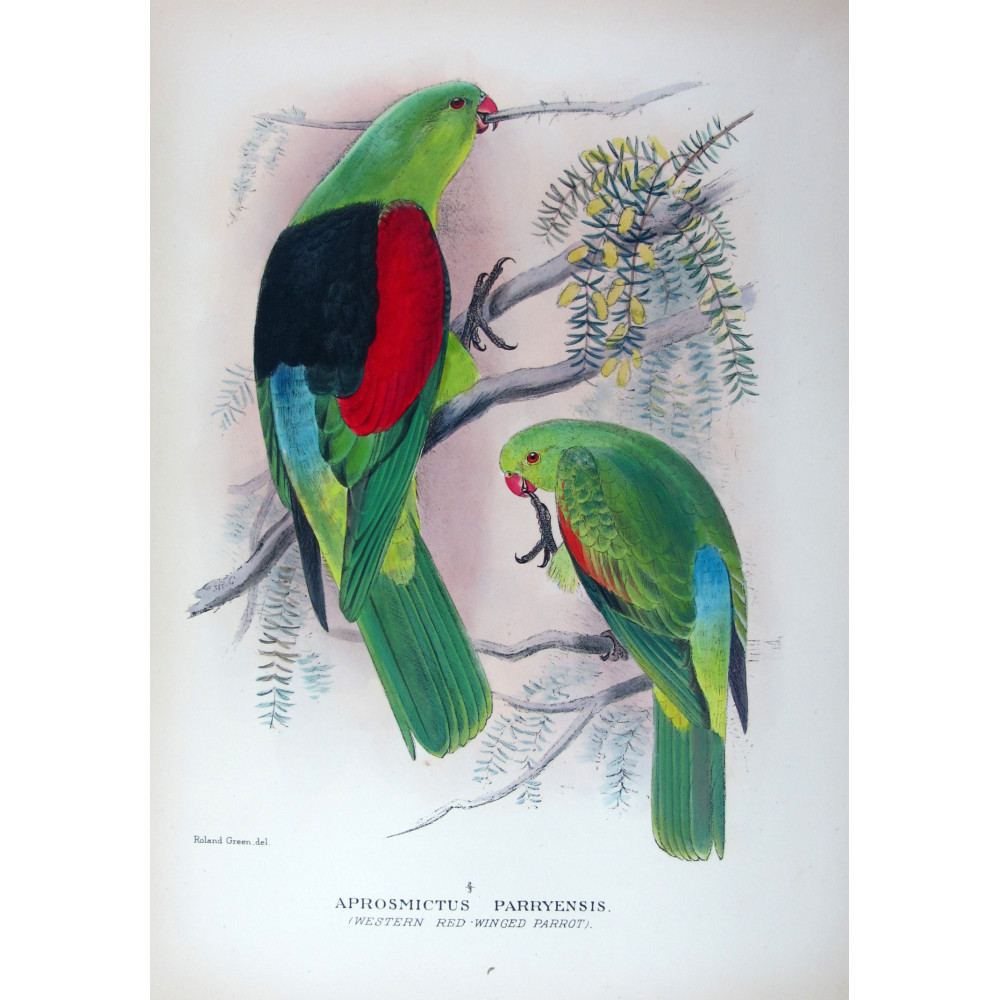
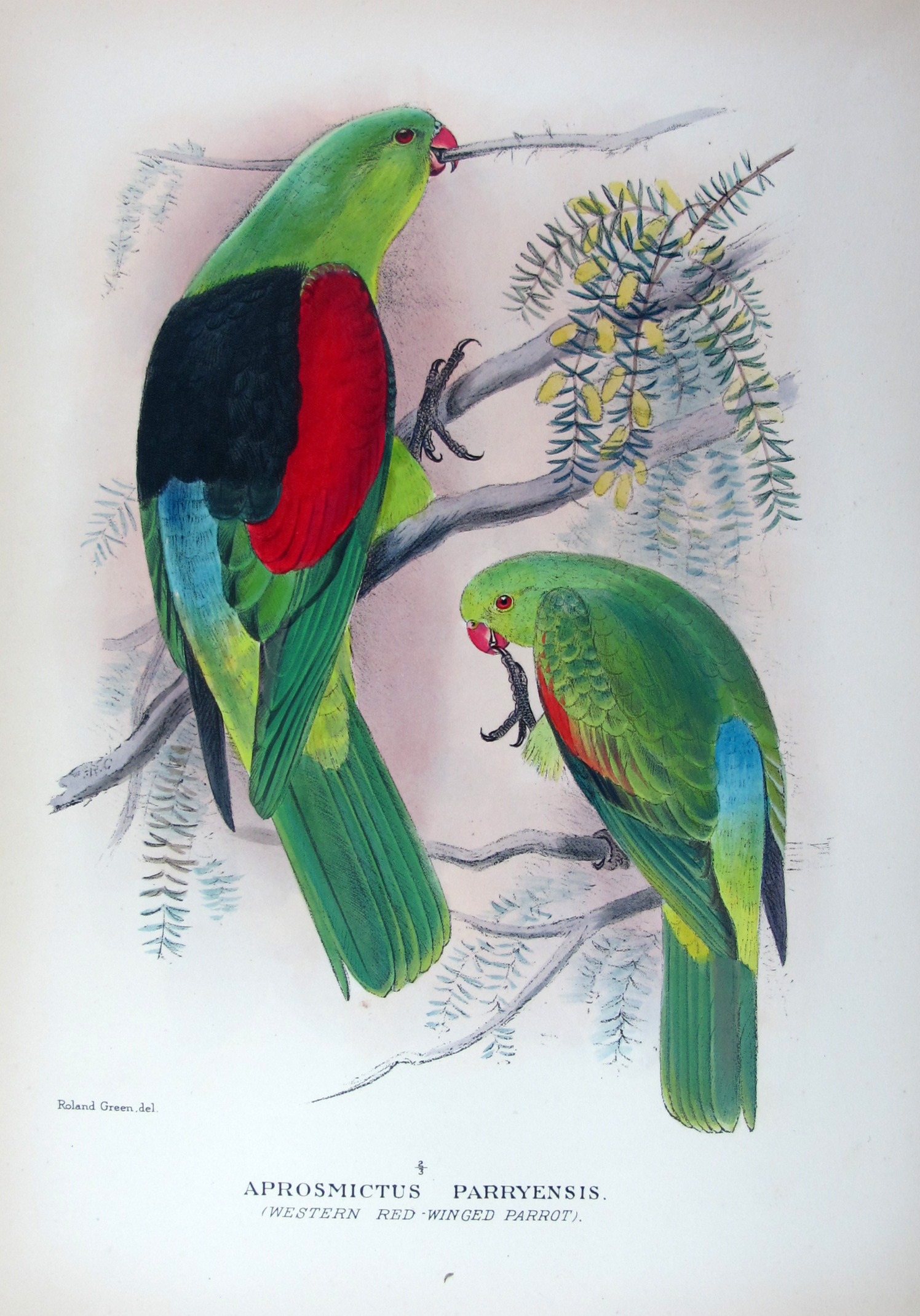
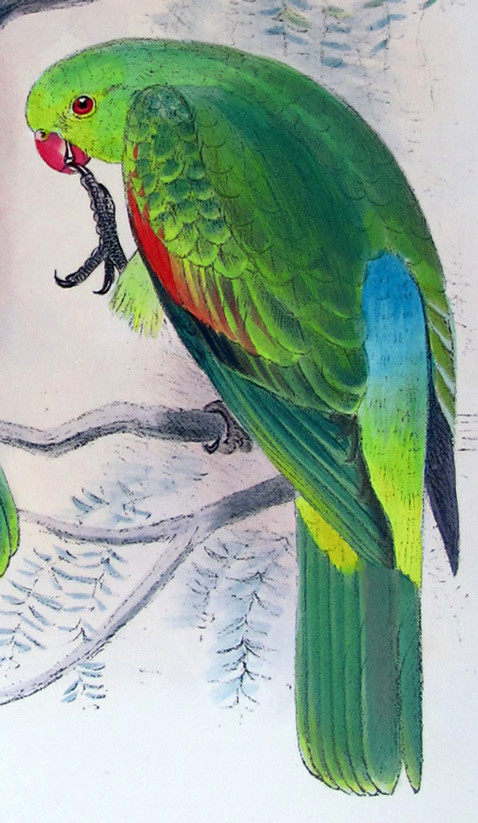
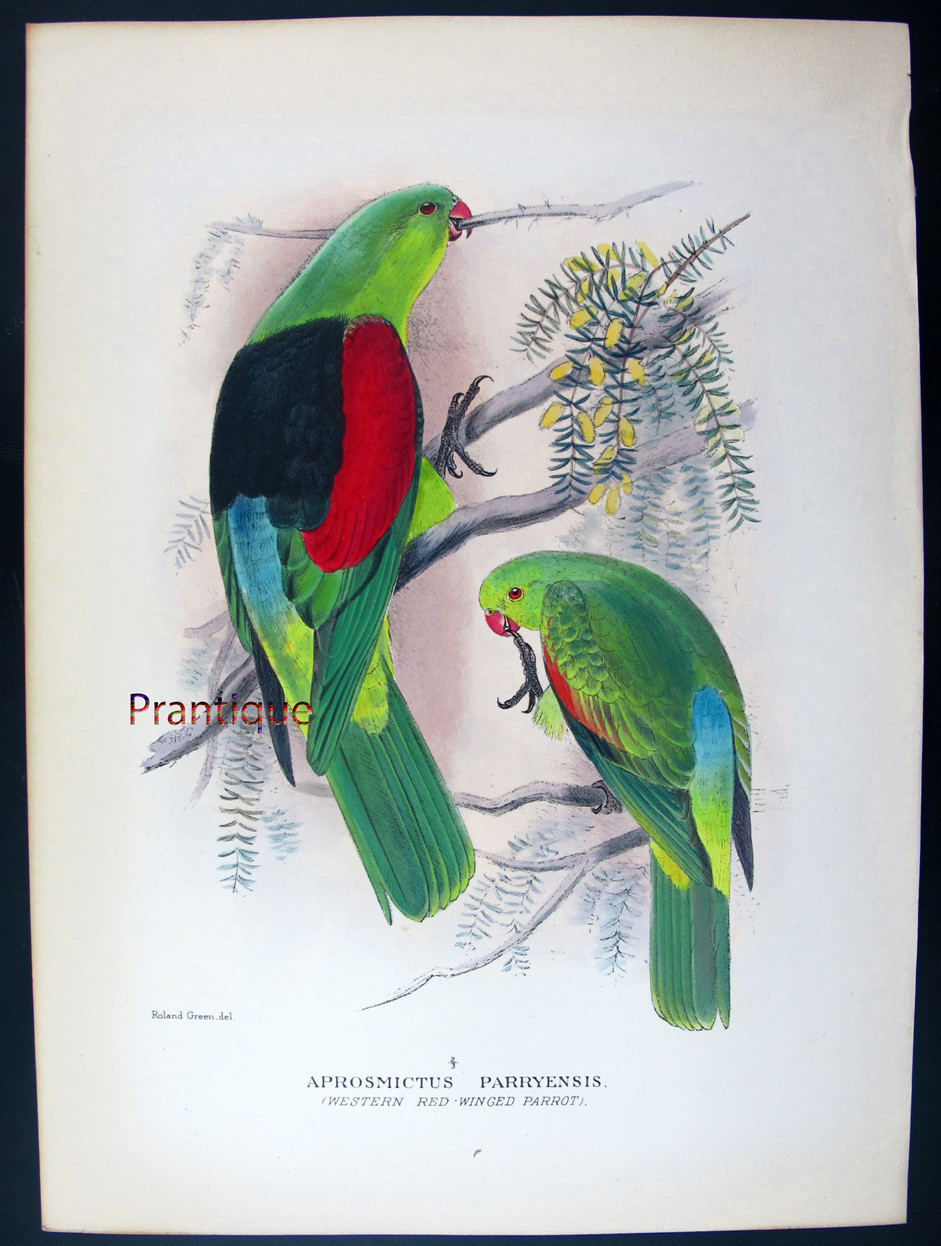
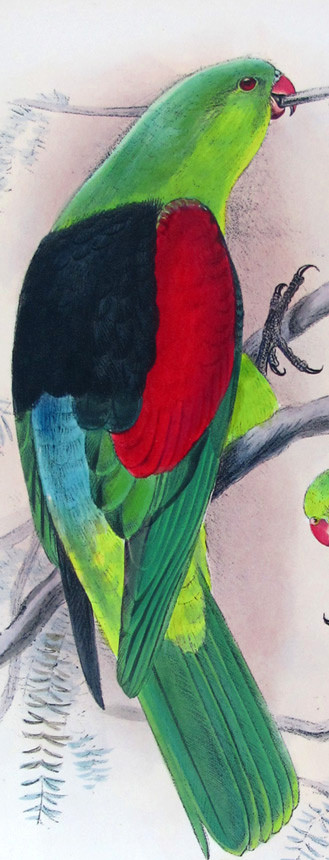
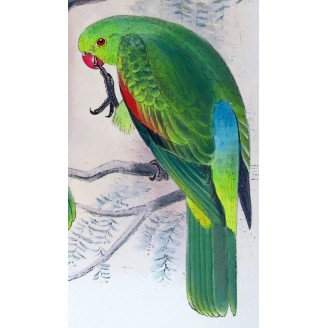
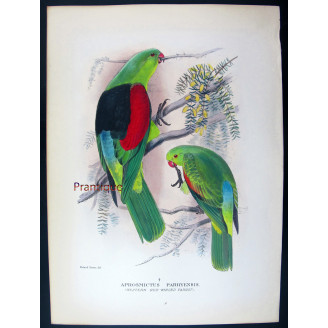
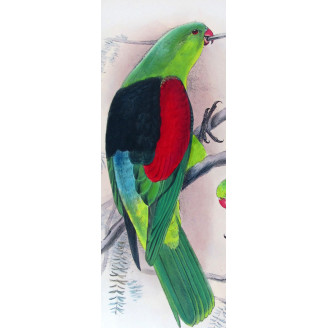
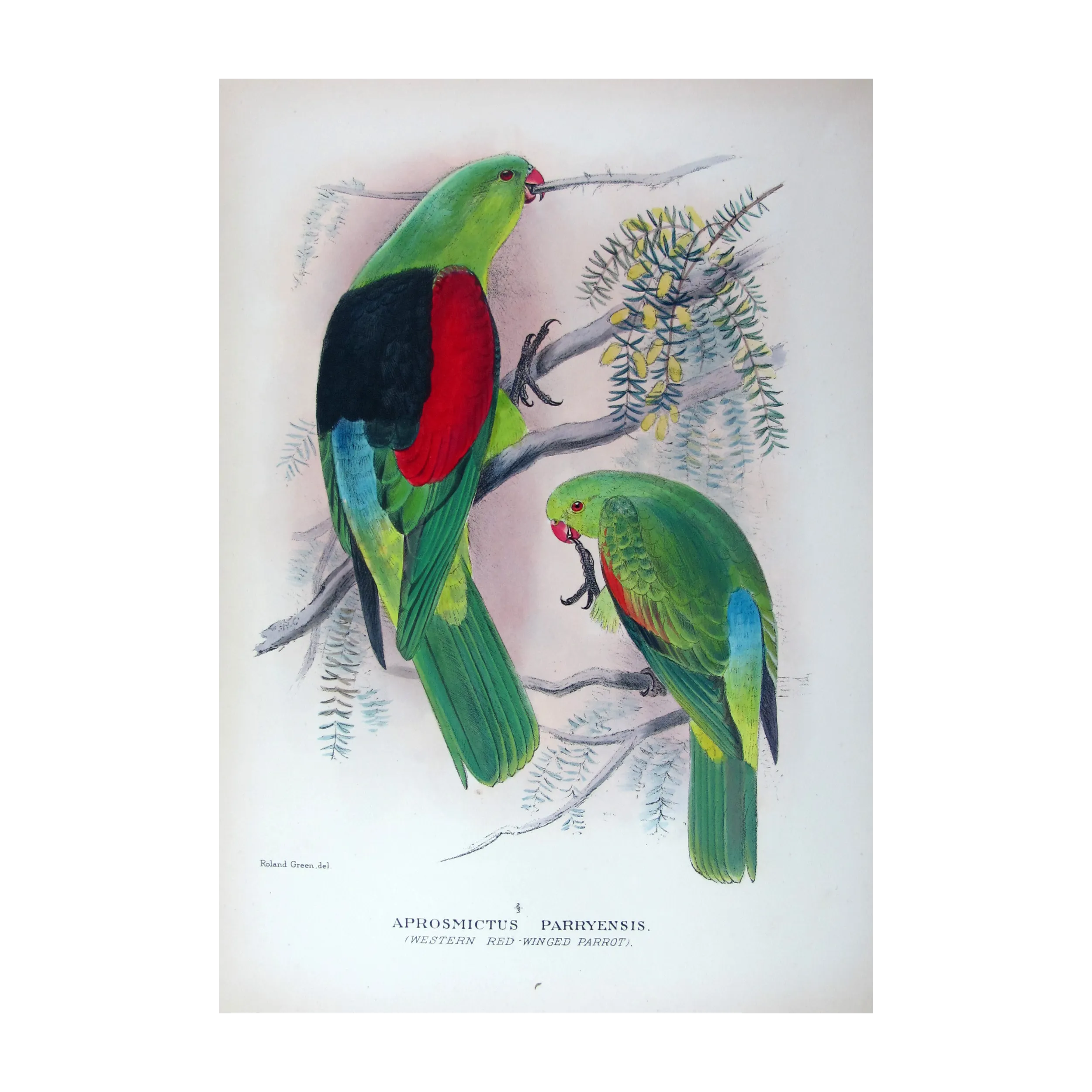
Antique lithograph of the Red-winged Parrot by Roland Green.
 Delivery policy
Your print will be carefully prepared and shipped worldwide via trusted couriers (UPS or similar).
 Authentic antique prints
Original engravings from the 17th–19th century.
This original early twentieth-century hand-colored lithograph depicts Aprosmictus erythropterus, the Western Red-winged Parrot. The plate forms part of The Birds of Australia, Gregory M. Mathews’ landmark ornithological publication, illustrated here by Roland Green.
Two individuals are presented across a branching eucalyptus structure, their vivid plumage creating one of the most dramatic chromatic contrasts within the series. The pairing enhances both taxonomic clarity and visual impact.
— • —
Green constructs the composition around bold tonal opposition. The saturated emerald bodies are punctuated by intense crimson wing panels and deep velvety black underwings. These areas of concentrated colour are carefully modulated to preserve feather articulation while delivering immediate visual authority.
The diagonal sweep of the branches and the variation in posture—one bird angled forward, the other elevated—introduce movement and spatial layering. The surrounding foliage is rendered in cooler tonal washes, ensuring that the red and green interplay remains the dominant visual statement.
Native to northern and western Australia, the Western Red-winged Parrot inhabits woodland and savannah environments. Its striking red wing panels distinguish it from related parrot species and contribute to its strong field identification profile.
Within Mathews’ early twentieth-century survey, such boldly marked species provided both scientific distinction and visual spectacle, reinforcing the extraordinary chromatic diversity of Australian avifauna.
This lithograph originates from The Birds of Australia, Gregory M. Mathews’ ambitious early twentieth-century ornithological enterprise. Designed as a definitive scientific record, the publication united rigorous taxonomy with the refined artistry of leading wildlife illustrators. Discover the broader historical vision in our editorial feature: Gregory M. Mathews and The Birds of Australia .
The plate was illustrated by Roland Green, whose disciplined structural approach and chromatic control are particularly evident in strongly contrasted species such as this.
Very good antique condition. Fresh original hand-coloring with strong lithographic impression. Printed on fine early twentieth-century wove paper. Minor age toning slightly more visible along the outer margins, consistent with age.
For further insight into Roland Green’s contribution to ornithological illustration: Roland Green – Dynamic Vision and Field-Born Precision in Bird Art
Specific References
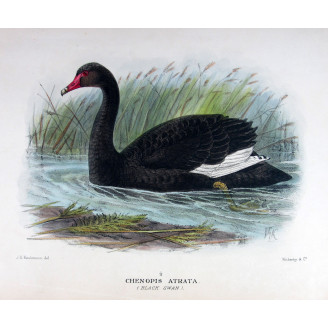
Original lithograph of the Black Swan by J.G. Keulemans (Chenopis atrata).
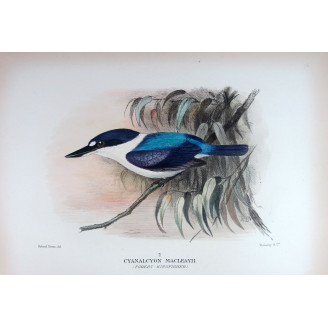
Original lithograph of the Forest Kingfisher (Cyanalcyon macleayii) by Roland Green
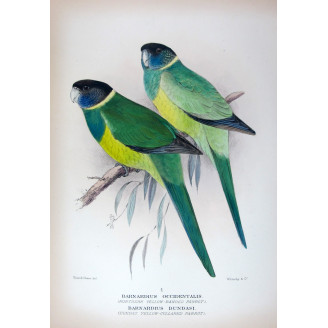
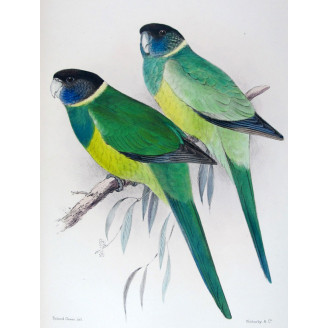
Antique lithograph of the Northern Yellow-banded Parrot & Dundas Yellow-collared Parrot by Roland Green.
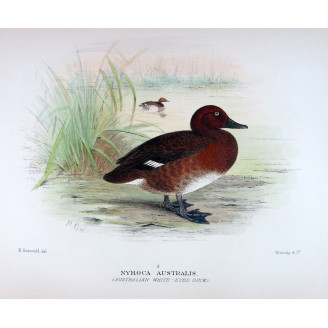
Australian White-eyed Duck (Nyroca australis) – Original antique bird print by H. Grønvold.
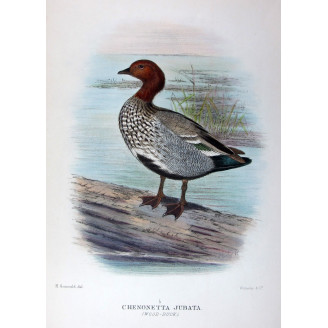
Original lithograph of the Wood Duck by H. Goodchild (Chenonetta jubata).
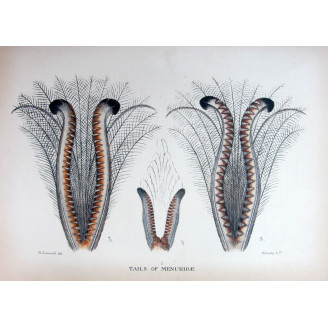
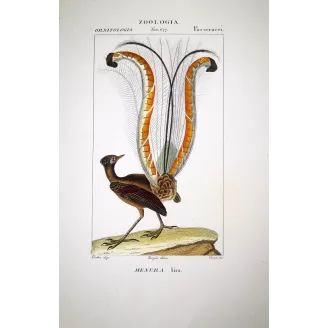
Original lithograph of the Lyrebird Tail Study (Tails of Menuridae) by Henrik Grønvold
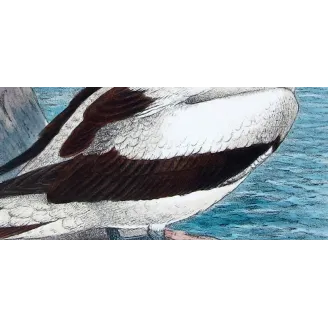
Eastern Frigate Bird from Mathews' Birds of Australia, drawn by Grönvold.
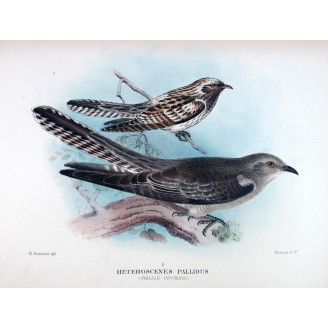
Pallid Cuckoo (Heteroscenes pallidus) – Original lithograph by Henrik Grønvold.
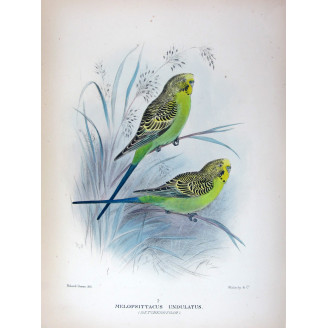
Original lithograph of the Budgerigar (Melopsittacus undulatus) by Roland Green.
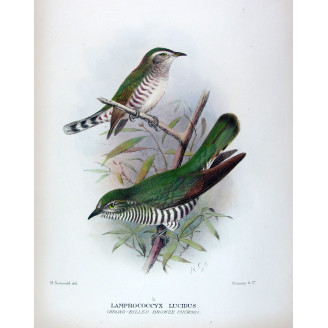
Broad-billed Bronze Cuckoo (Lamprococcyx lucidus) – Original lithograph by Henrik Grønvold.
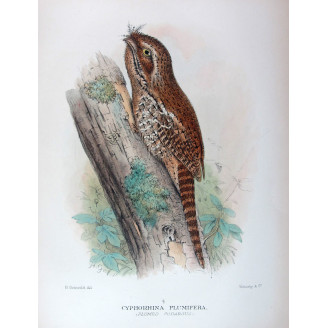
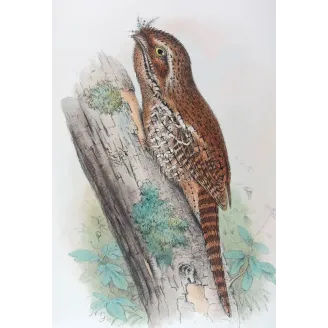
Original lithograph of the Plumed Podargus by H. Grönvold from Mathews' Birds of Australia.
Vibrant engraving of the melon fruit with botanical cross-section and climbing tendrils.
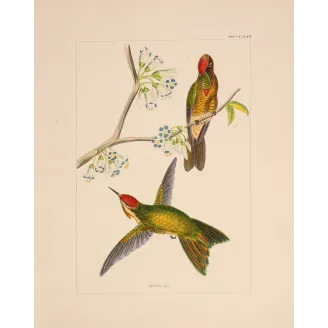
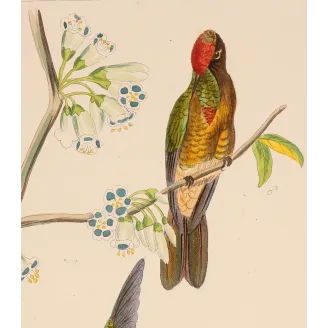
Original nineteenth-century hand-colored engraving from the rare Sylphae section associated with Ludwig Reichenbach's Trochilinarum Enumeratio. Plate 821 depicts two brilliantly coloured hummingbirds among delicate white blossoms.
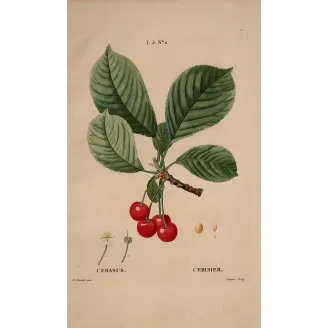
Charming pear study by Redouté, showing delicate blossom and ripening fruit. Balanced and refined.
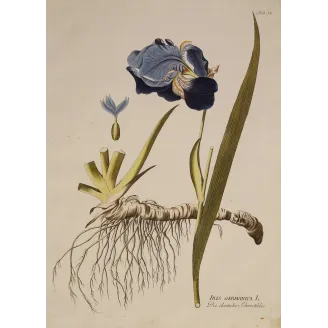
An original eighteenth-century botanical engraving depicting Iris germanica, published in Joseph Jacob von Plenck's celebrated Icones Plantarum Medicinalium. Printed on fine laid paper bearing the Honig watermark, the sheet combines scientific precision with the refined artistic craftsmanship of the Viennese botanical school.
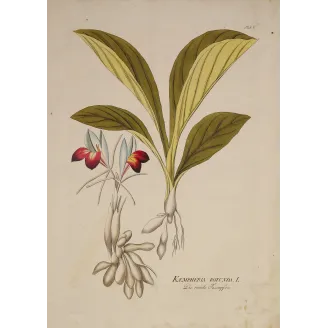
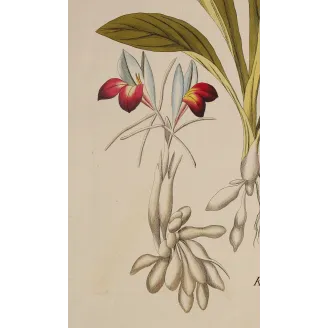
Original eighteenth-century botanical engraving depicting Kaempferia rotunda, published in Vienna by Joseph Jacob von Plenck for Icones Plantarum Medicinalium (Plate 5). The elegant composition combines broad architectural foliage, richly coloured crimson flowers and delicately modelled underground tubers, demonstrating the extraordinary refinement of Plenck's Viennese botanical school. Printed on fine Honig laid paper with visible "IV" watermark.
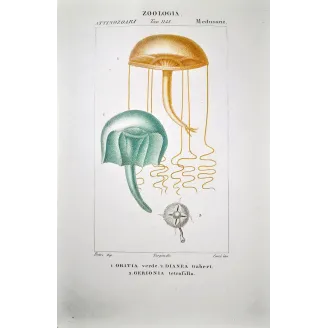
Trio of rare jellyfish types in soft tones, hand-colored lithograph by Prêtre.
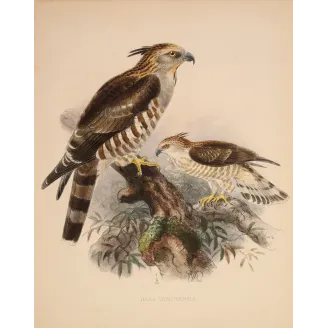
Original antique bird print depicting Baza ceylonensis (Ceylon Hawk-Eagle), illustrated by J.G. Keulemans for A History of the Birds of Ceylon. A striking Victorian ornithological lithograph featuring a refined pair of raptors with strong decorative presence.
Antique lithograph of the Red-winged Parrot by Roland Green.