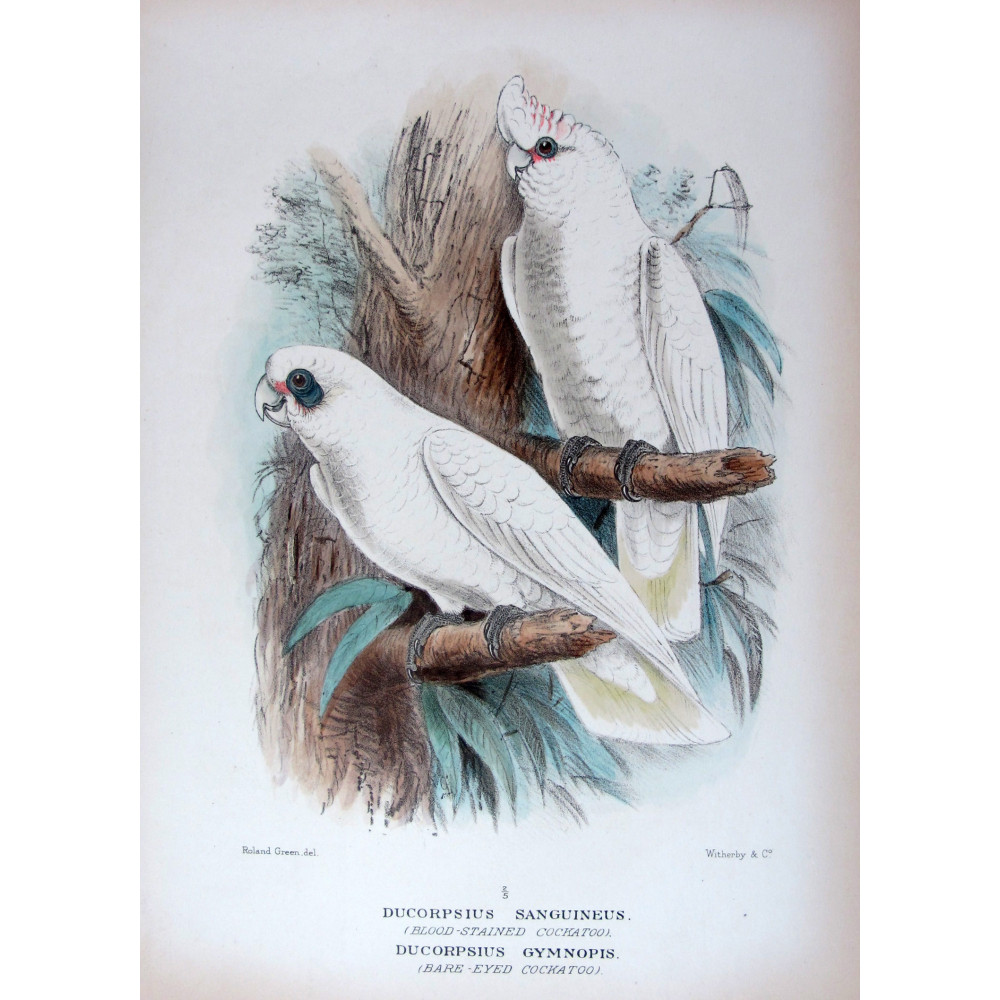
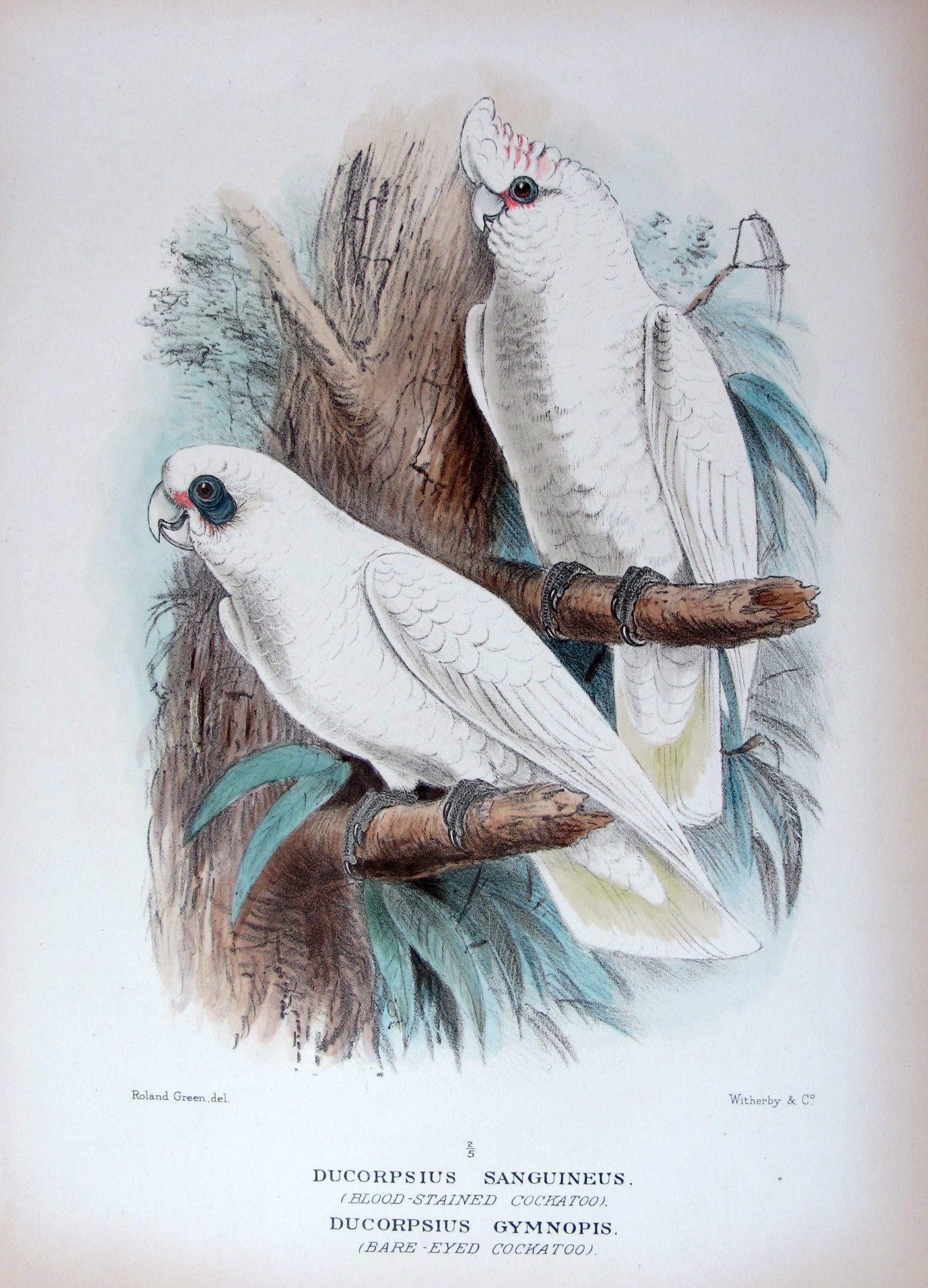
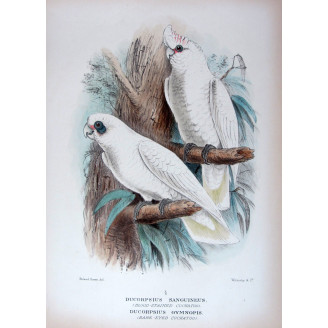
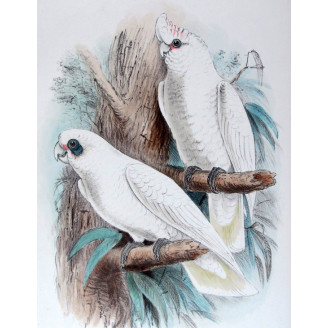
Antique lithograph of the Little Corella by Roland Green.
 Delivery policy
Your print will be carefully prepared and shipped worldwide via trusted couriers (UPS or similar).
 Authentic antique prints
Original engravings from the 17th–19th century.
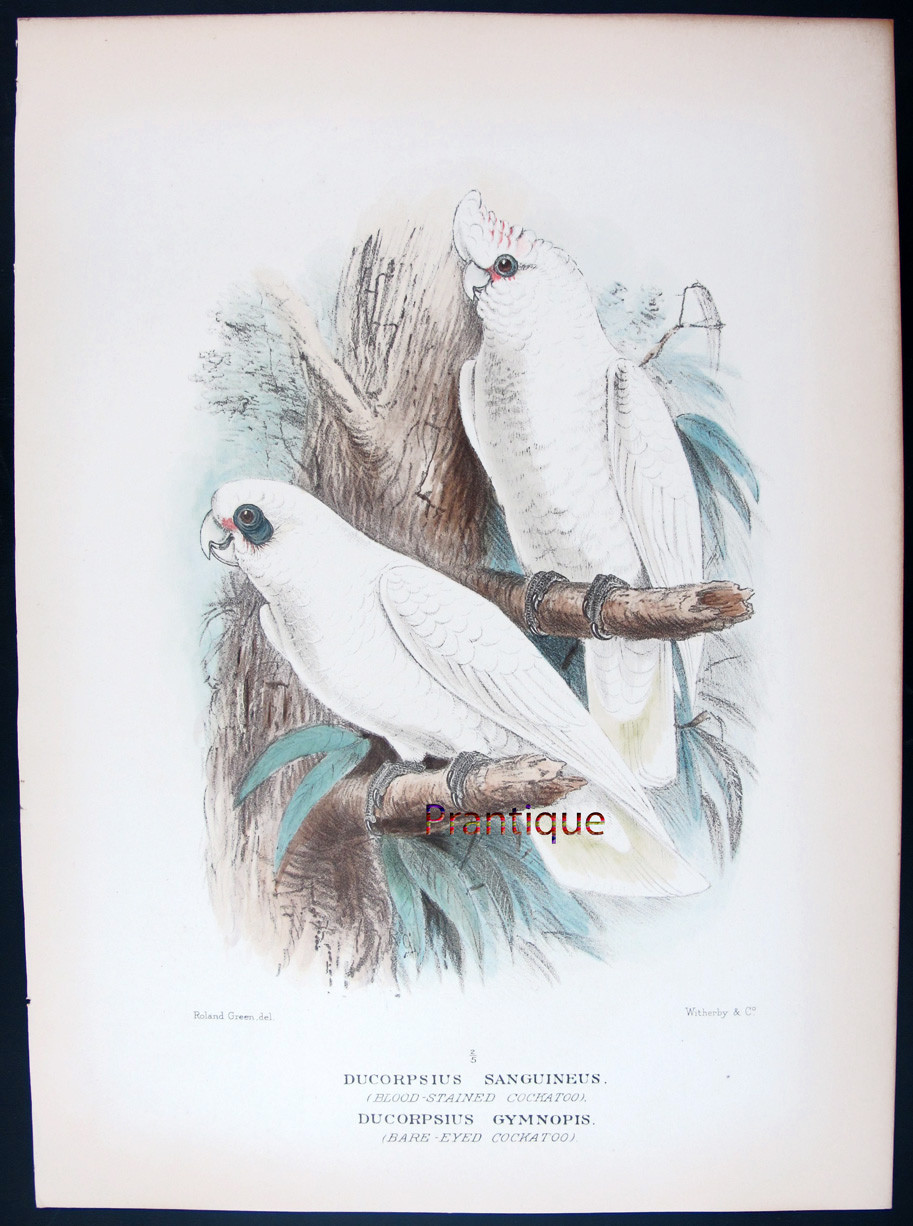
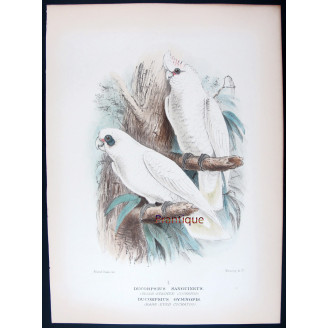
This original early twentieth-century hand-colored lithograph depicts Ducorpsius gymnopis, titled on the plate as the Bare-eyed Cockatoo. The sheet belongs to The Birds of Australia, Gregory M. Mathews’ monumental ornithological publication, illustrated here by Roland Green.
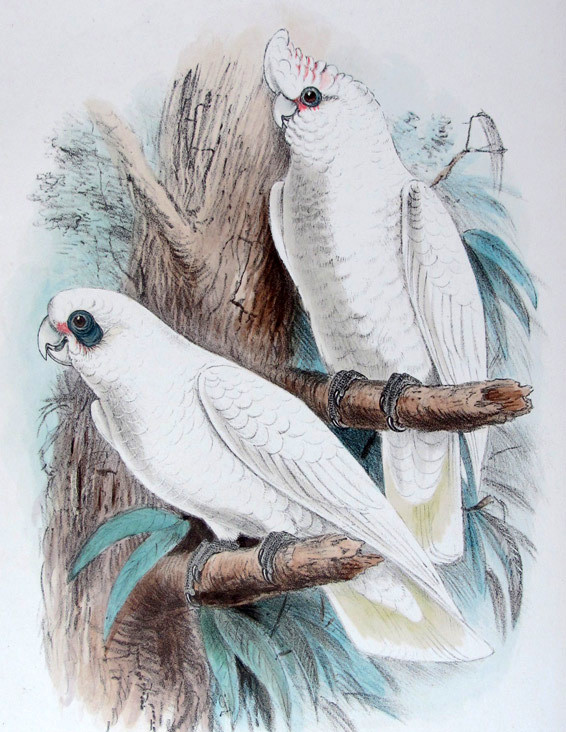
Two birds are arranged across a branching structure in a refined diagonal composition. Their pale plumage, carefully modelled rather than left flat, creates an image of restrained elegance—decorative, calm, and highly suited to sophisticated interiors.
— • —
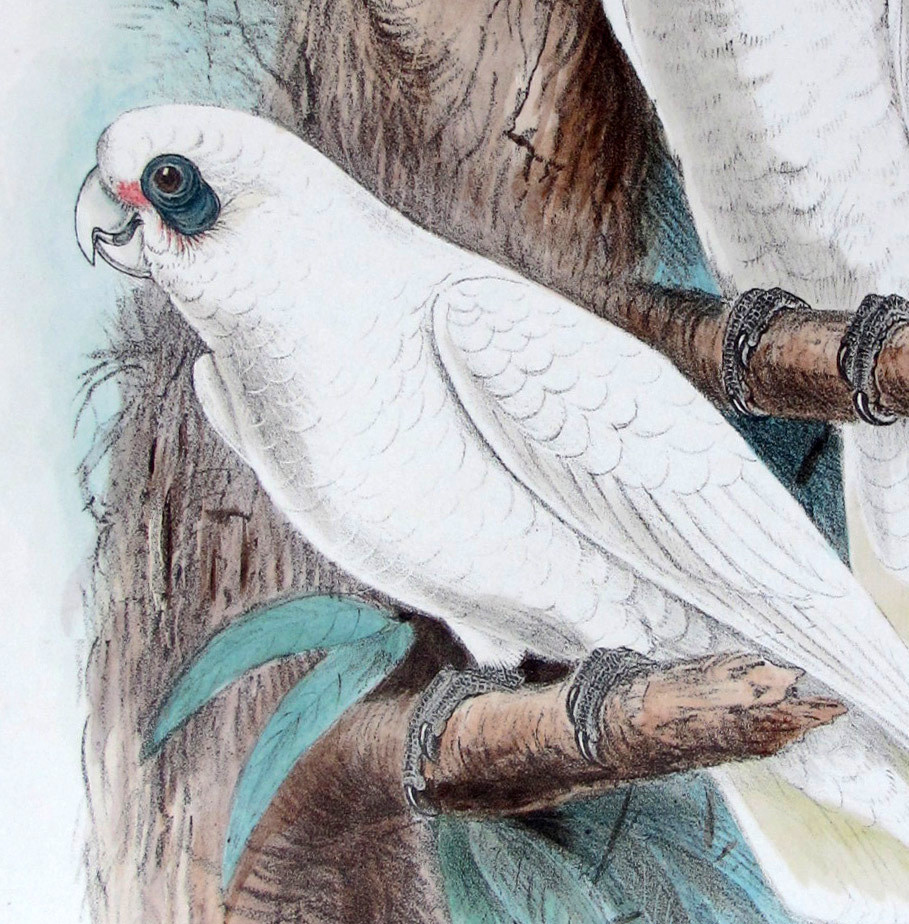
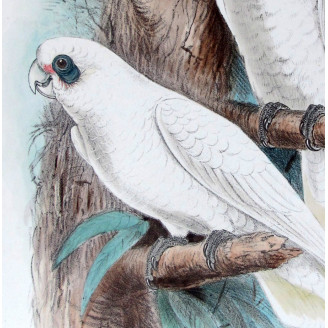
Roland Green builds this plate around subtle tonal contrasts. The cockatoos’ white plumage is shaded in gentle greys that preserve feather structure and volume, while small accents—cool blue-grey around the eye, a faint blush of pink, and a hint of warm yellow beneath the wing—introduce quiet complexity.
The birds are set against warm, textured wood and softened eucalyptus foliage in cool blue-green washes. This interplay of warm and cool tones gives depth without visual noise, creating a composition that feels both scientific and distinctly decorative.
Bare-eyed cockatoos are known for the lightly feathered facial skin around the eye, which gives the species its name. Their pale plumage and understated markings make them a study in refinement rather than flamboyance.
In early twentieth-century ornithological illustration, such species provided an important counterpoint to the more vividly colored parrots, demonstrating the breadth of Australian avifauna and the taxonomic ambition of Mathews’ landmark publication.
This lithograph originates from The Birds of Australia, Gregory M. Mathews’ ambitious early twentieth-century ornithological enterprise. Conceived as a definitive scientific record, the work united rigorous taxonomy with the refined artistry of leading wildlife illustrators, producing one of the most authoritative visual catalogues of Australian birdlife. Explore the broader historical scope in our editorial feature: Gregory M. Mathews and The Birds of Australia .
Within the series, plates like this demonstrate how tonal restraint and compositional balance can be as compelling as brilliant colour—especially when supported by Green’s disciplined structural rendering.
Very good antique condition. Fresh original hand-coloring with strong lithographic impression. Printed on fine early twentieth-century wove paper. Minor age toning slightly more visible along the outer margins, consistent with age.
For further insight into Roland Green’s contribution to ornithological illustration: Roland Green – Dynamic Vision and Field-Born Precision in Bird Art
Specific References
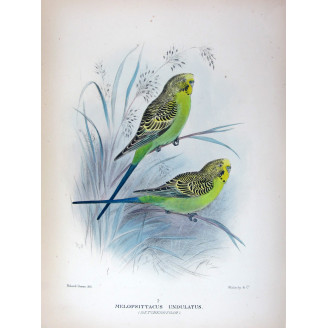
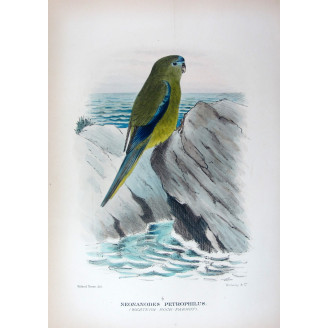
Original lithograph of the Budgerigar (Melopsittacus undulatus) by Roland Green.
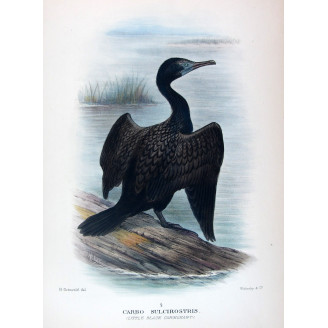
Little Black Cormorant (Carbo sulcirostris) – Original antique bird print by H. Grønvold
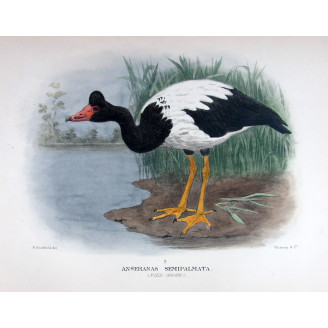
Original lithograph of the Pied Goose by H. Goodchild (Anseranas semipalmata).
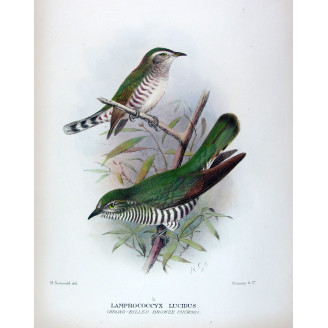
Broad-billed Bronze Cuckoo (Lamprococcyx lucidus) – Original lithograph by Henrik Grønvold.
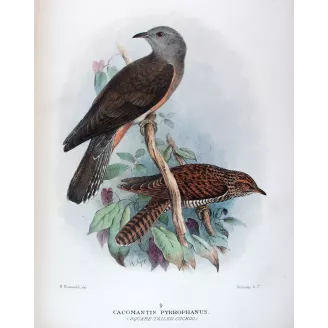
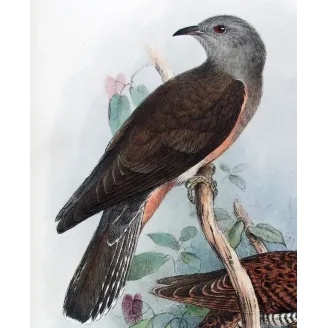
Square-tailed Cuckoo (Cacomantis pyrrophanus) – Original lithograph by Henrik Grønvold.
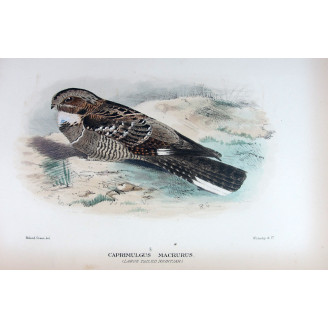
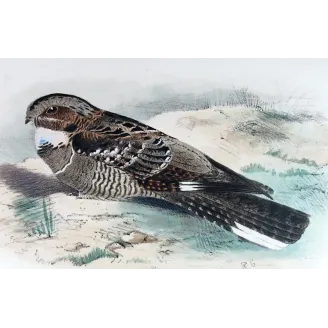
Original lithograph of the Large-tailed Nightjar by Roland Green from Mathews' Birds of Australia.
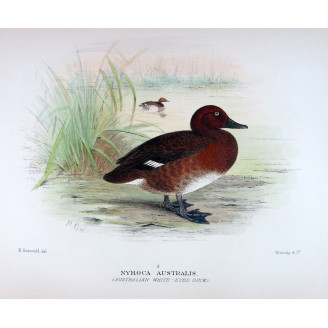
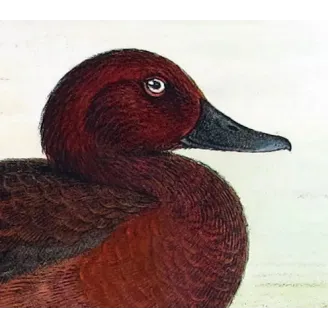
Australian White-eyed Duck (Nyroca australis) – Original antique bird print by H. Grønvold.
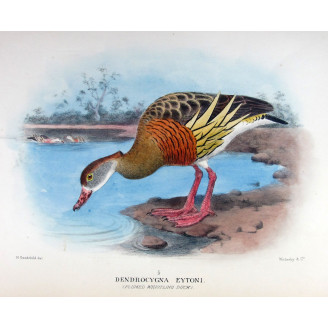
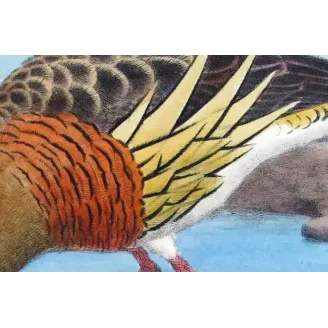
Original lithograph of the Plumed Whistling Duck by H. Goodchild (Dendrocygna eytoni).
Original lithograph of the Tawny Frogmouth by H. Grönvold from Mathews' Birds of Australia.
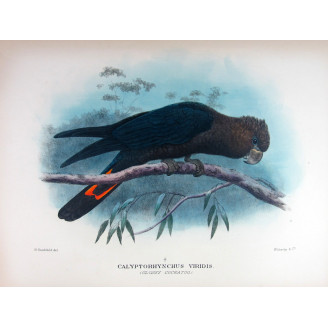
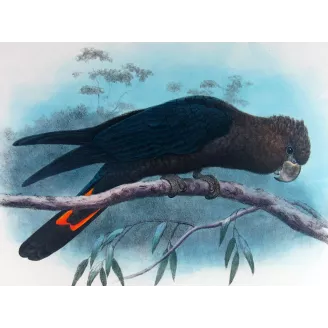
Glossy Cockatoo print by H. Goodchild, dark tones and rare presence on the plate
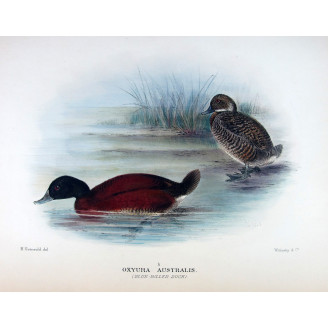
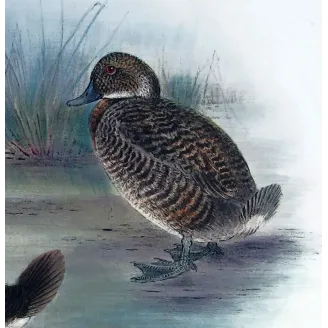
Blue-billed Duck (Oxyura australis) – Original antique bird print by H. Grønvold.
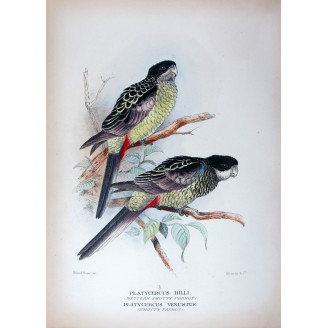
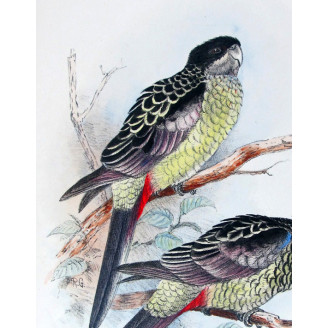
Antique lithograph of the Western Smutty Parrot & Smutty Parrot by Roland Green.
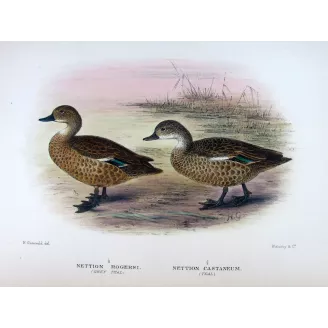
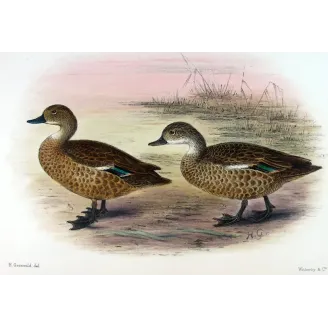
Teal (with Grey Teal) (Nettion castaneum & Nettion rogersi) – Original antique bird print by H. Grønvold.
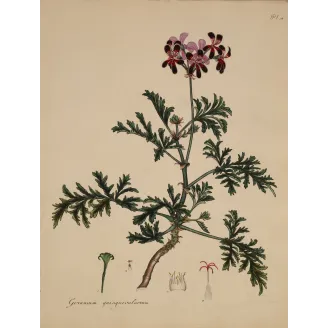
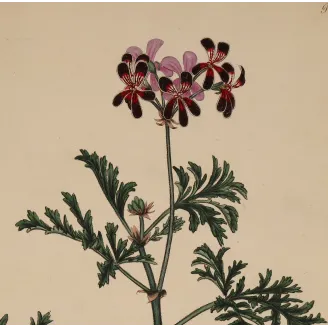
An original botanical engraving from Henry Andrews' celebrated The Botanist's Repository, depicting Geranium quinquevulnerum with richly coloured velvety flowers, transparent hand colouring and refined eighteenth-century botanical craftsmanship.
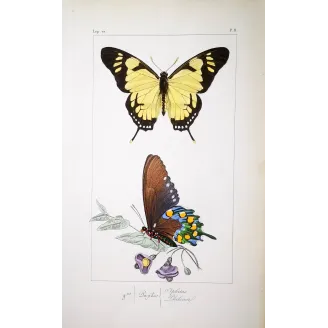
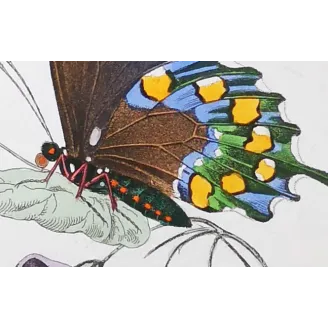
Yellow swallowtail and Pipevine butterfly (Papilio iphitas, Battus philenor) combining bold yellow-black contrast with iridescent blue and green tones. A highly decorative 1835 engraving, ideal as antique butterfly wall art.
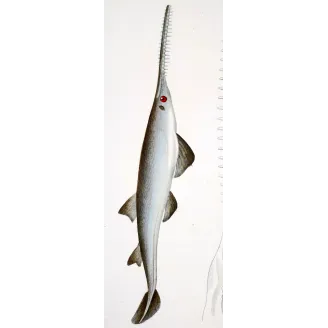
Exceptional 19th-century antique print by Pierre Antoine Prêtre depicting the majestic Sawfish with anatomical accuracy and rare charm.
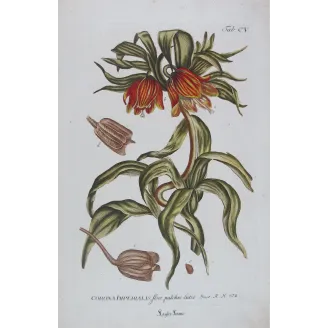
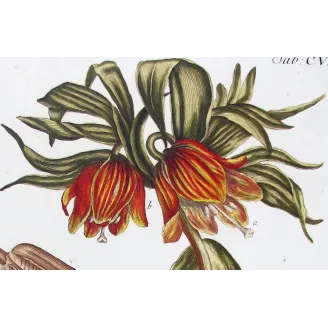
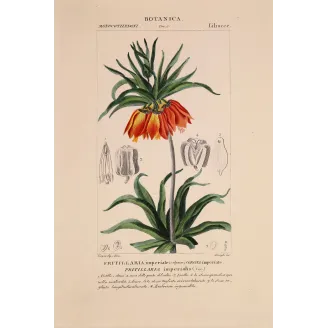
A striking 18th-century botanical engraving of Crown Imperial (Fritillaria imperialis), distinguished by unusually bold hand-coloring and a dynamic, flowing composition. This plate exemplifies the expressive character of German botanical illustration, combining strong visual presence with refined natural observation.
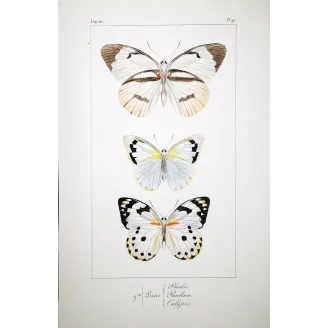
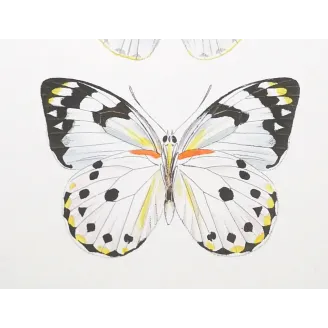
Delicate white butterflies with subtle yellow, orange, and black accents. A refined 1835 engraving with light and elegant decorative appeal.
Striking antique print of Fritillaria imperialis with bright orange crown flowers.
Elegant hand-colored botanical engraving of *Chrysobalanus icaco*, showing the round fruits and smooth glossy leaves in rich natural hues.
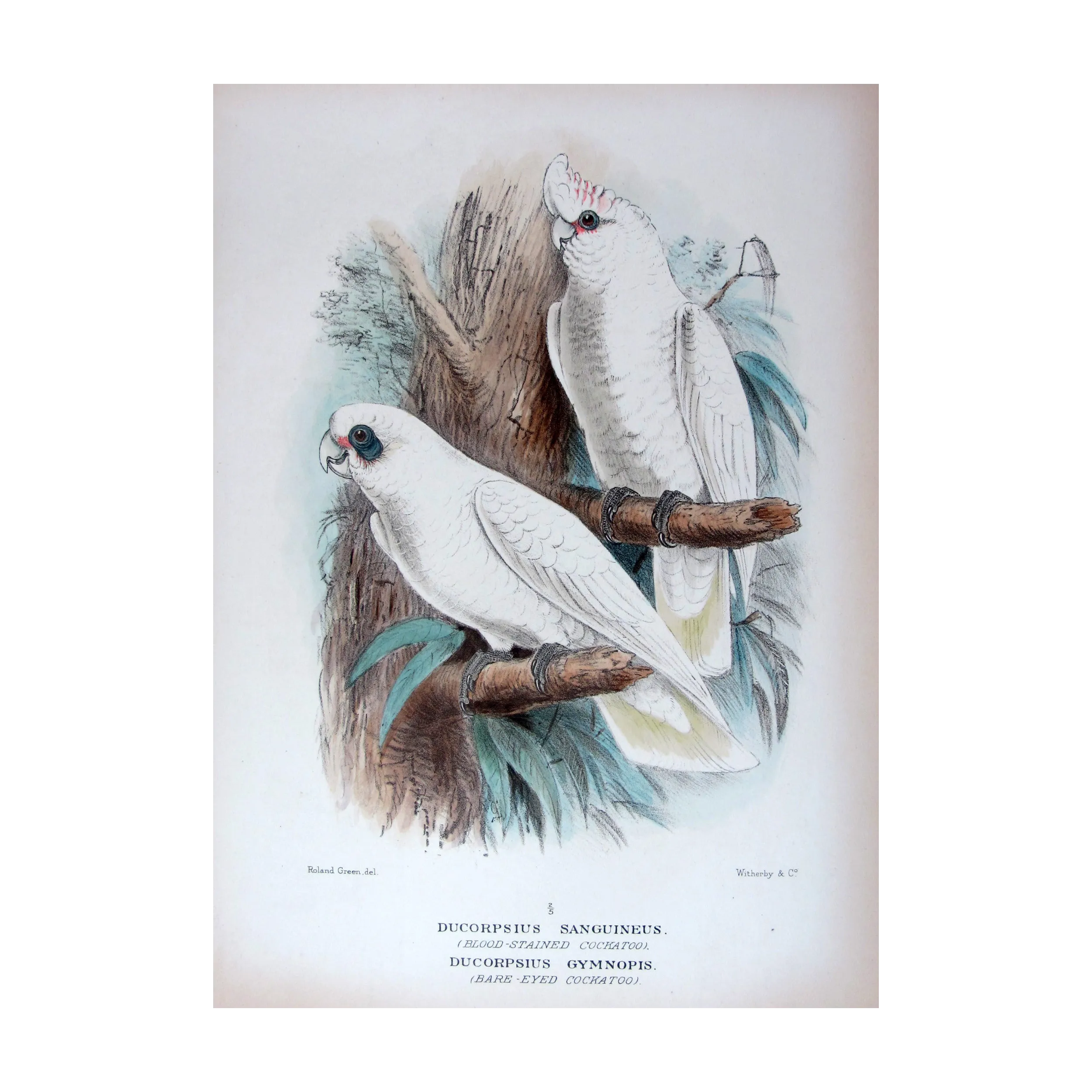
Antique lithograph of the Little Corella by Roland Green.