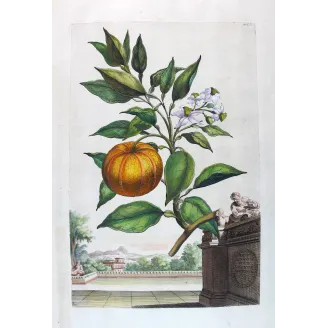
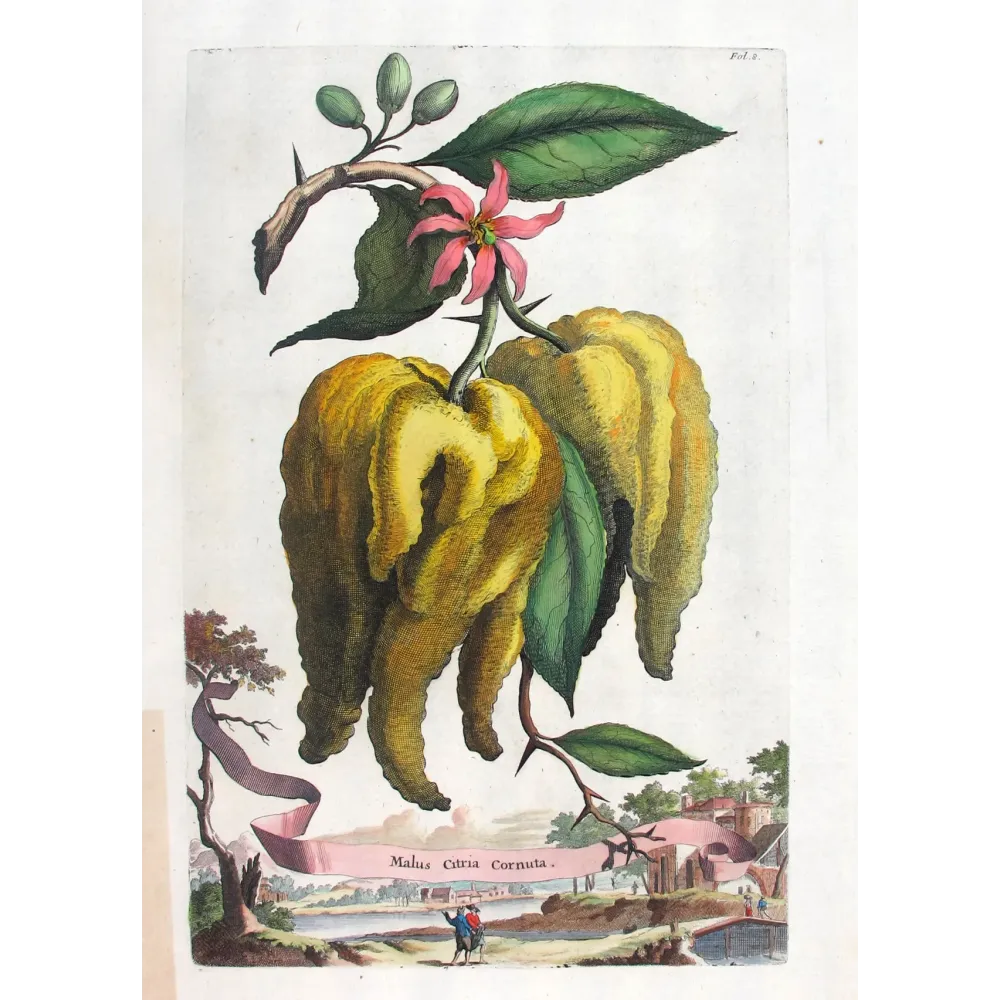
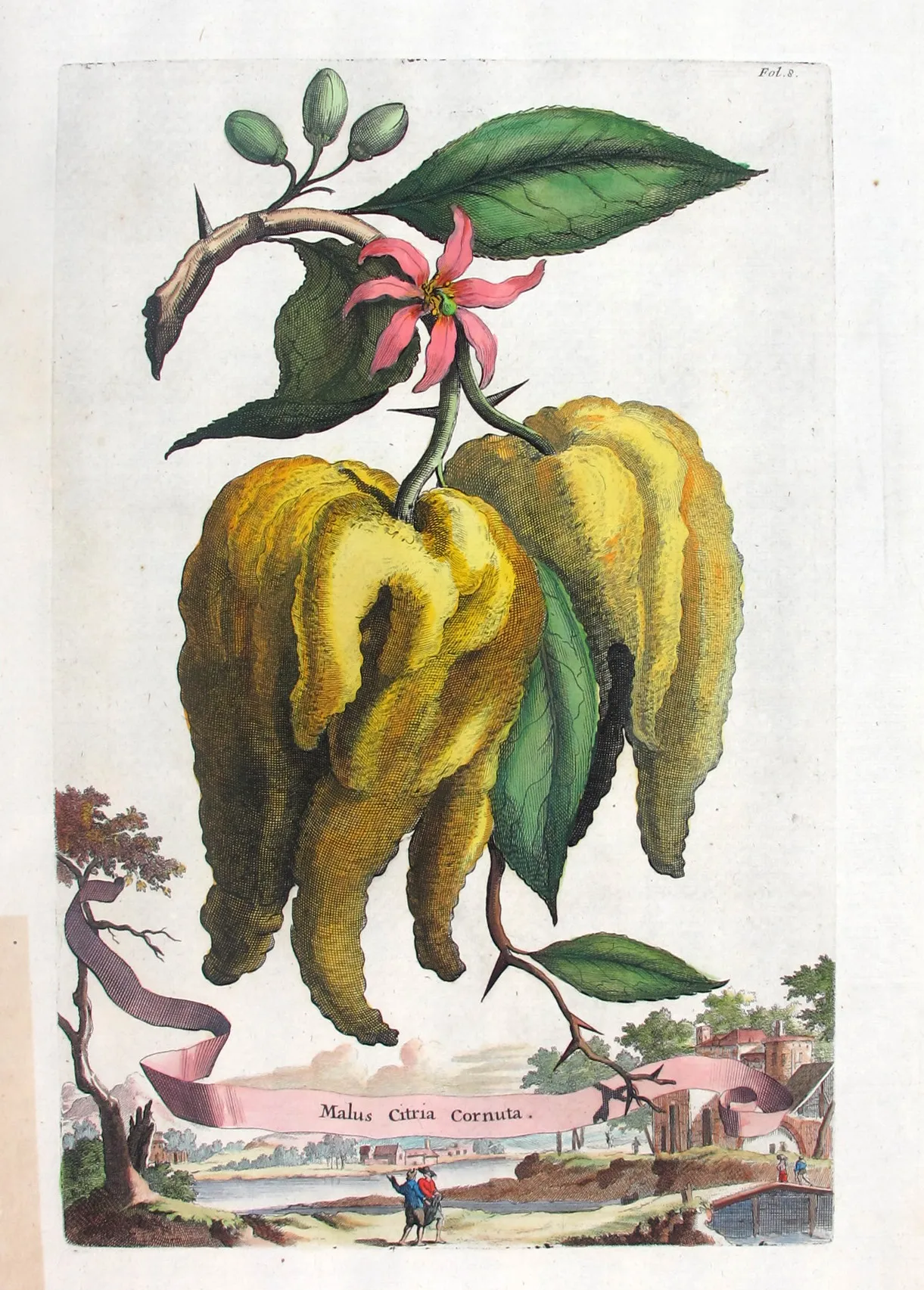
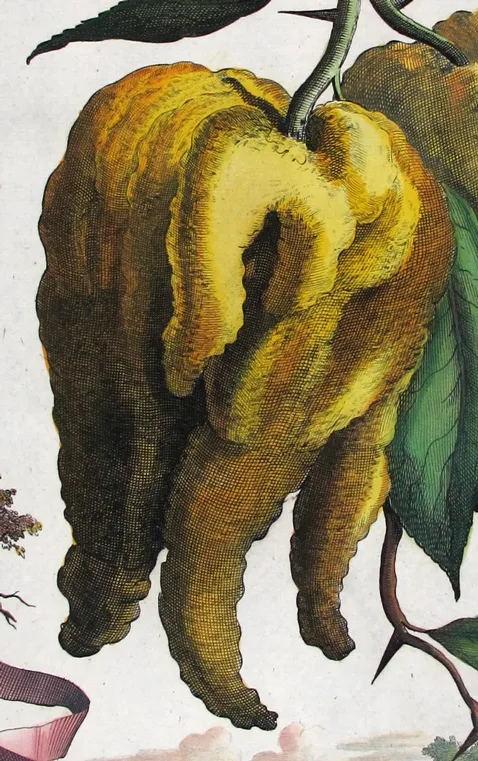
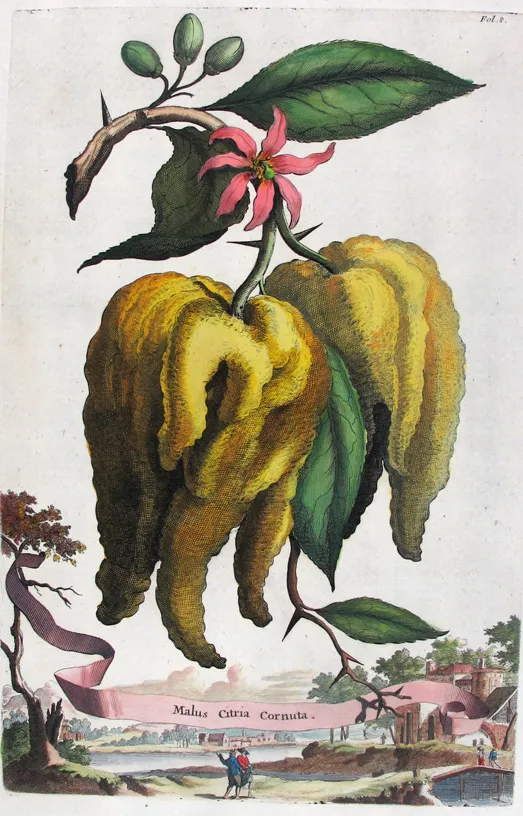
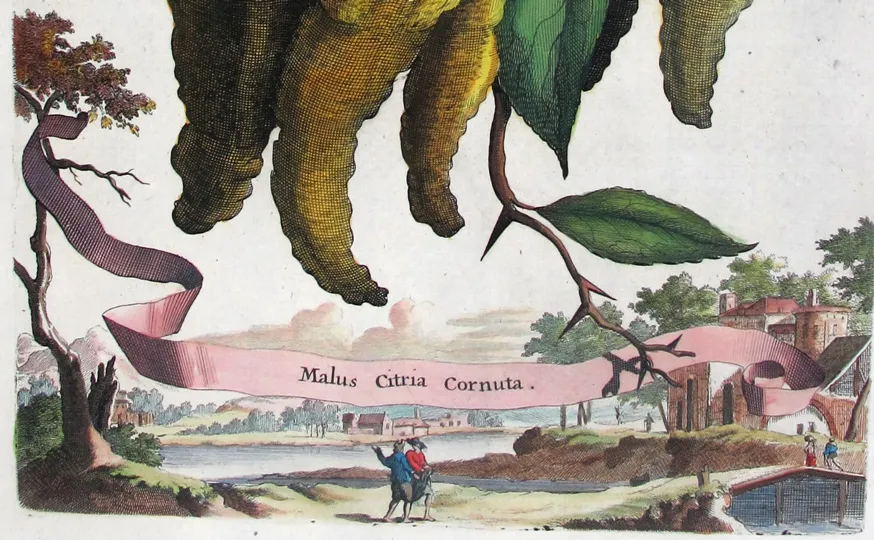
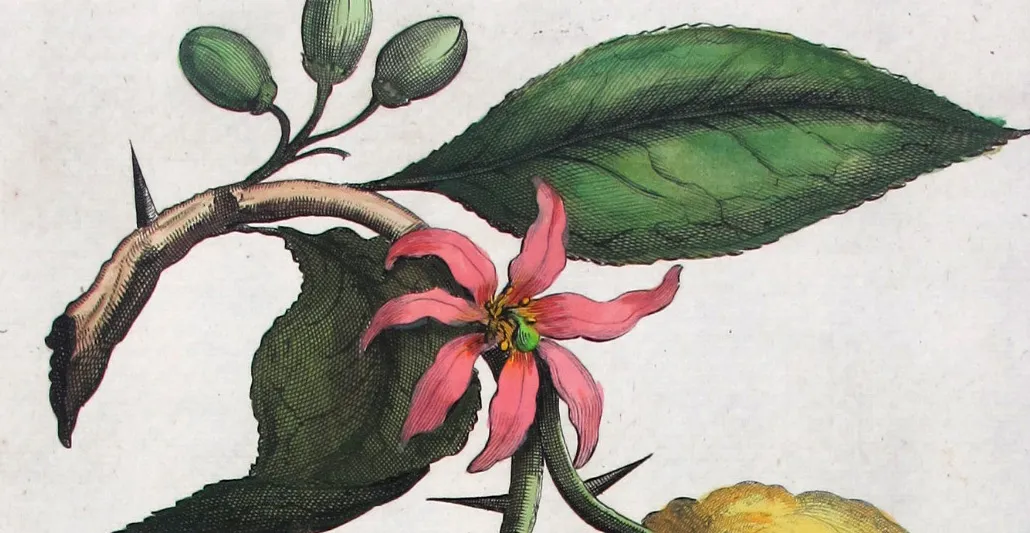
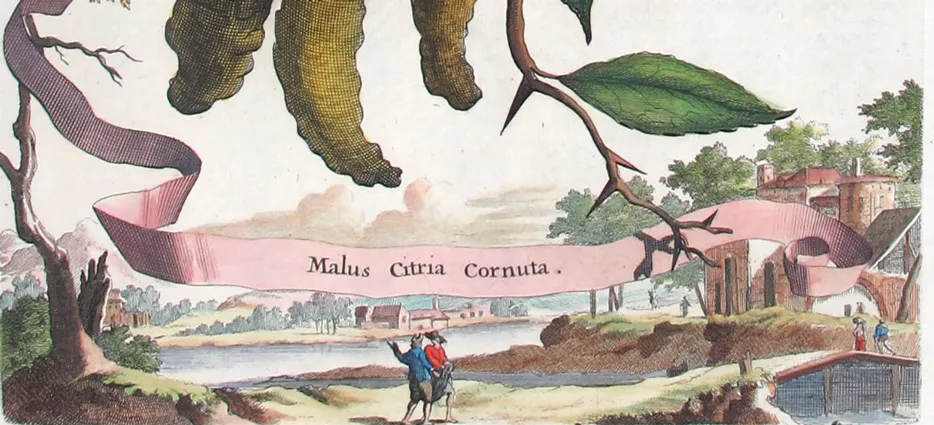
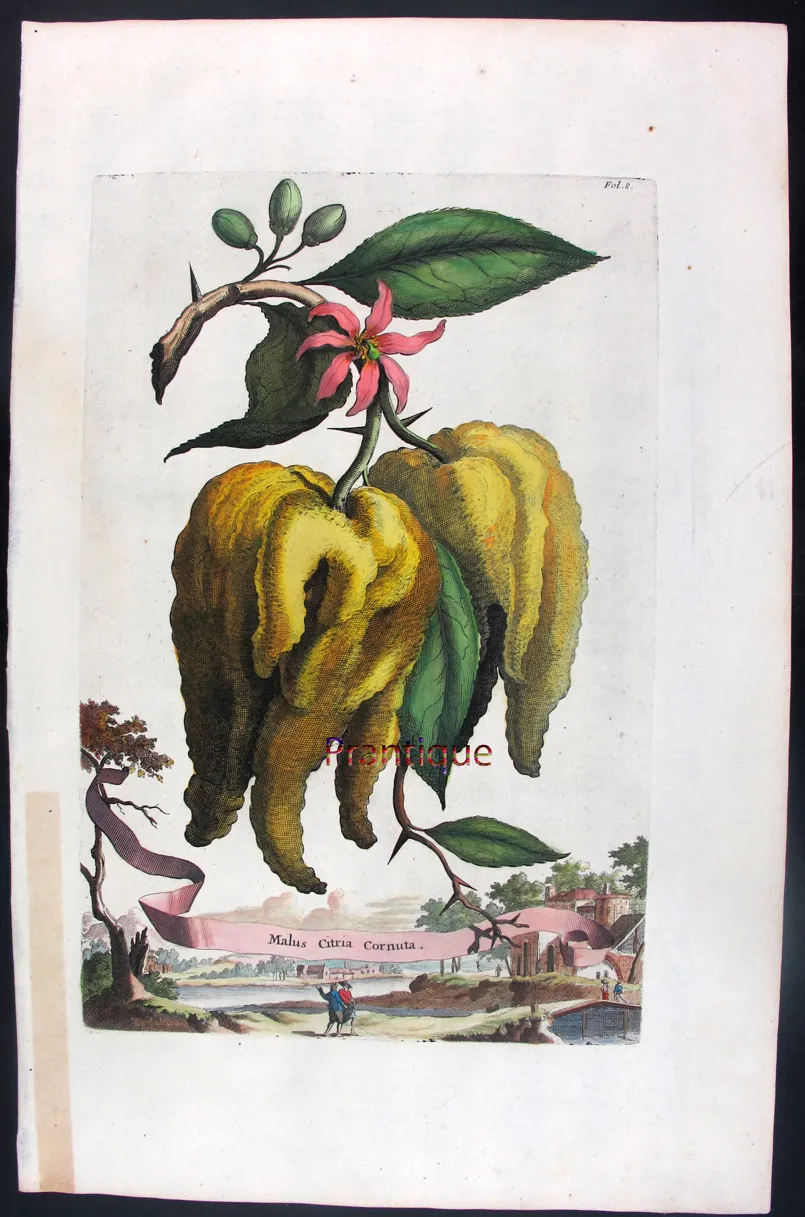
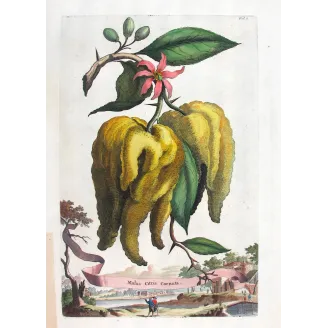
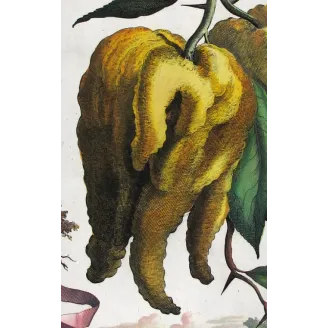
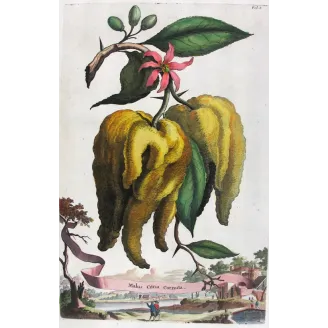
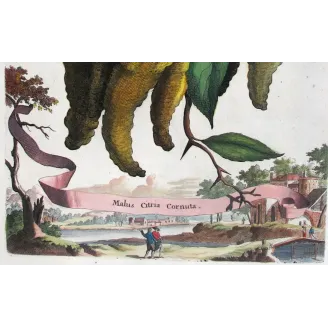
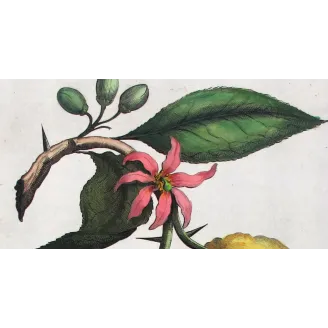
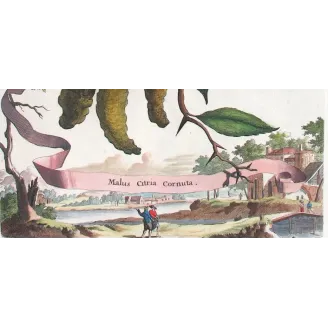
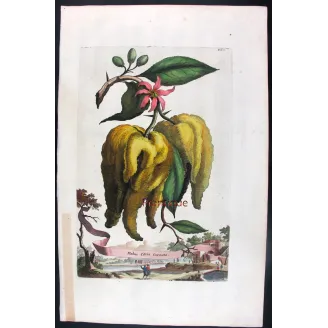
A rare 17th-century botanical engraving from Abraham Munting’s Nauwkeurige Beschryving der Aardgewassen, later known as Phytographia Curiosa, depicting the extraordinary horned citrus (Malus citria cornuta). A striking example of early botanical curiosity, combining unusual natural form with refined decorative composition.
 Delivery policy
Your print will be carefully prepared and shipped worldwide via trusted couriers (UPS or similar).
 Authentic antique prints
Original engravings from the 17th–19th century.
Specific References
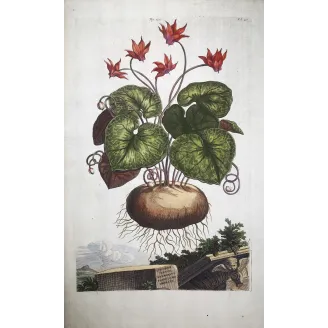
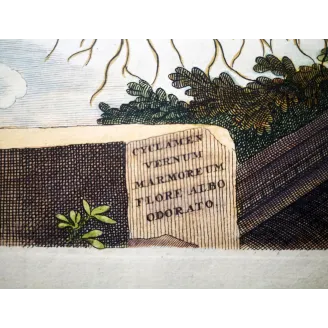
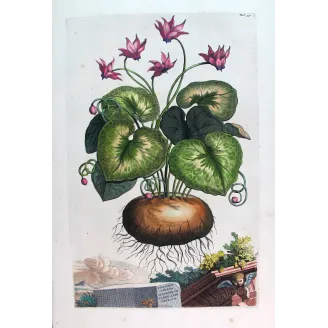
Original 17th-century hand-colored engraving of Cyclamen (Cyclamen europaeum) by Abraham Munting, featuring exposed root structure and elegant botanical composition.
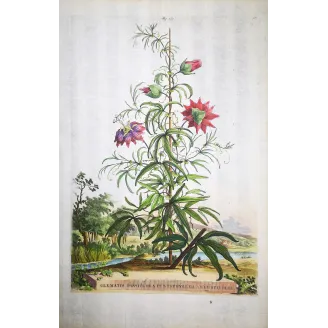
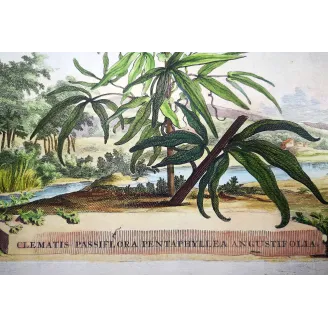
Original 17th-century hand-colored engraving of a Clematis vine by Abraham Munting, featuring vertical growth, vivid blossoms and refined botanical composition.
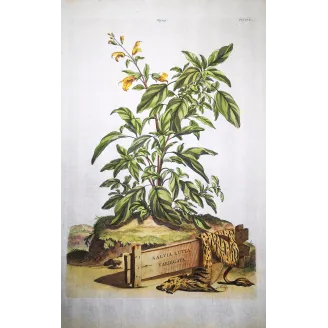
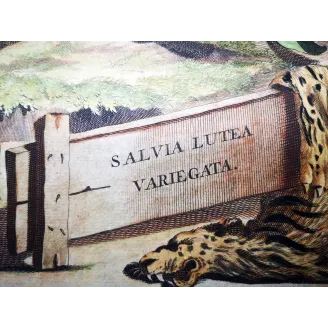
Original 17th-century hand-colored engraving of Salvia lutea by Abraham Munting, featuring variegated foliage and a striking cabinet of curiosities composition.
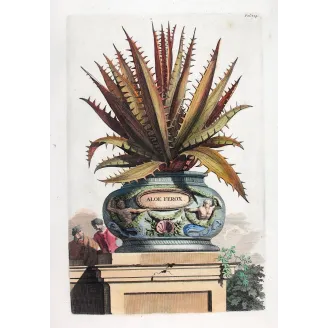
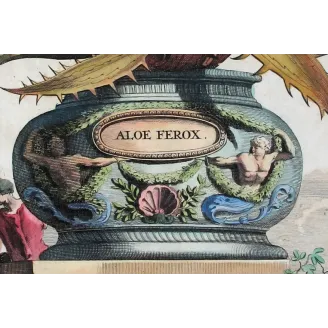
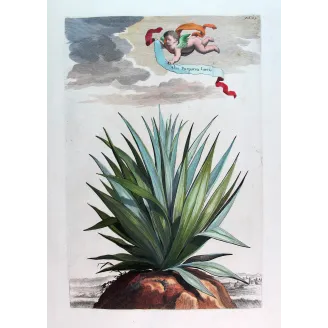
A striking 17th-century botanical engraving from Abraham Munting’s Nauwkeurige Beschryving der Aardgewassen, later known as Phytographia Curiosa, depicting Aloe ferox in an elaborate ornamental vase. A highly theatrical composition combining botanical rarity, sculptural form and strong decorative presence.
A rare 17th-century botanical engraving from Abraham Munting’s Nauwkeurige Beschryving der Aardgewassen - Phytographia Curiosa, featuring original contemporary hand-coloring and generous margins — a refined example of early botanical art where science, curiosity and decorative composition converge.
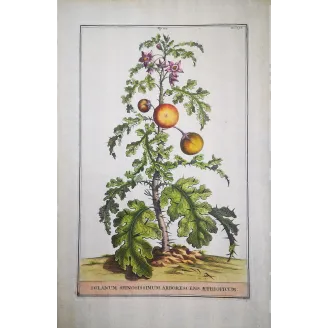
Original 17th-century hand-colored engraving of a spiny Solanum (Solanum aethiopicum) by Abraham Munting, featuring thorned stems, vivid fruit and striking botanical contrast.
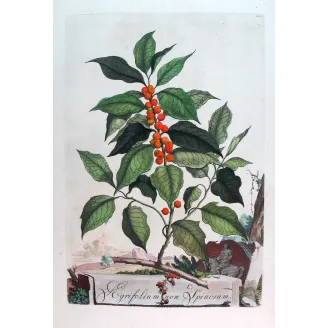
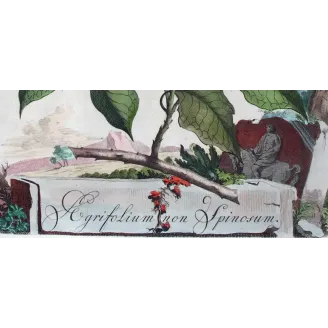
A refined 17th-century botanical engraving depicting non-spiny holly, notable for its elegant foliage and vivid berries. A balanced composition combining natural observation with early decorative botanical art.
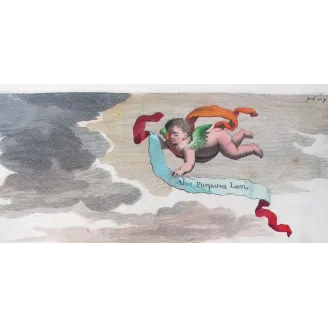
A striking 17th-century botanical engraving from Abraham Munting’s Nauwkeurige Beschryving der Aardgewassen - Phytographia Curiosa, depicting a monumental aloe with architectural structure and a decorative cartouche. A powerful example of early botanical art combining scientific observation with theatrical composition.
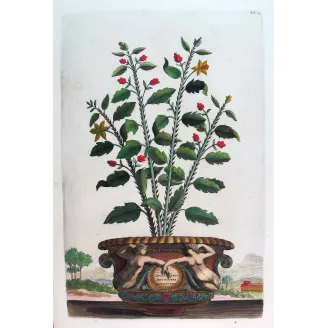
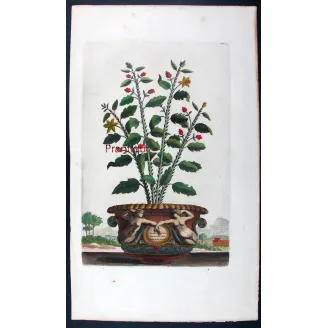
A refined 17th-century botanical engraving from Abraham Munting’s Nauwkeurige Beschryving der Aardgewassen - Phytographia Curiosa, depicting a flowering plant presented in an elaborate sculptural vessel with allegorical figures. A distinctive example of early botanical art where natural observation meets decorative imagination.
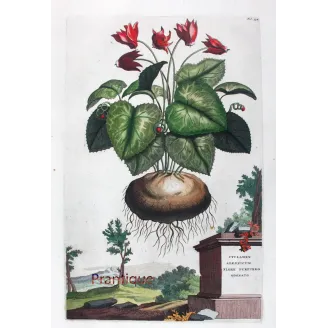
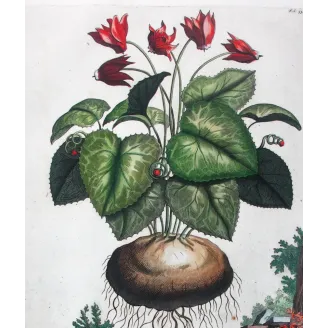
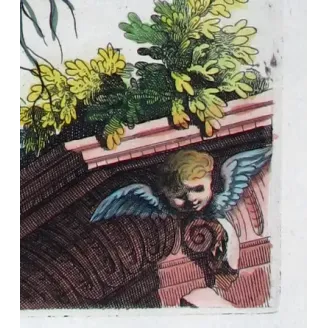
A striking 17th-century botanical engraving of cyclamen, featuring exposed tuber, marbled foliage and vivid flowers. A refined composition blending scientific observation with decorative balance.
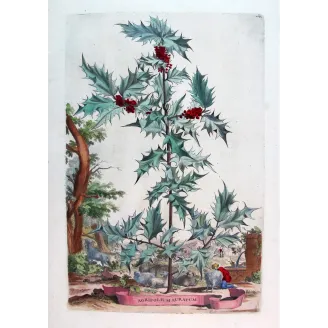
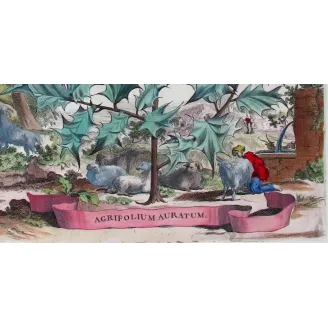
A striking 17th-century botanical engraving of golden holly, distinguished by its sculptural form and rare chromatic palette. A visually powerful composition blending natural history and decorative art.
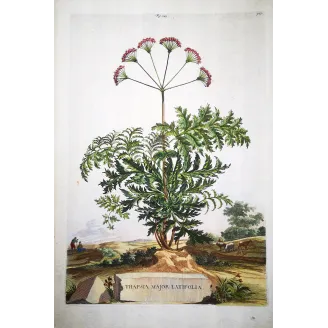
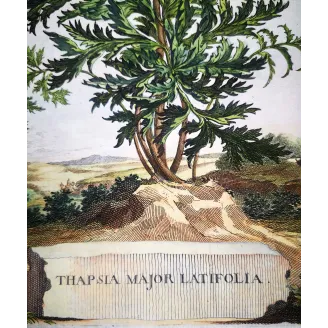
Original 17th-century hand-colored engraving of Thapsia major by Abraham Munting, featuring architectural form, radial flowering and a rich landscape setting.
A rare 17th-century botanical engraving from Abraham Munting’s Nauwkeurige Beschryving der Aardgewassen - Phytographia Curiosa, depicting a cyclamen plant with exposed tuber, delicate pink flowers and richly patterned leaves. An expressive example of early botanical art combining scientific curiosity with striking decorative presence.
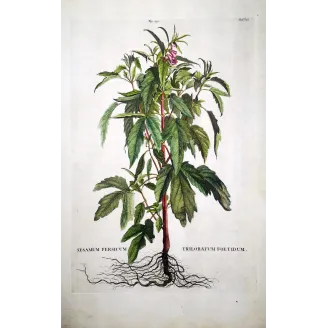
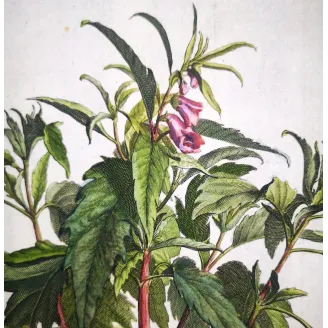
Original 17th-century hand-colored engraving of a sesame plant (Sesamum indicum) by Abraham Munting, featuring exposed roots and a refined botanical composition.
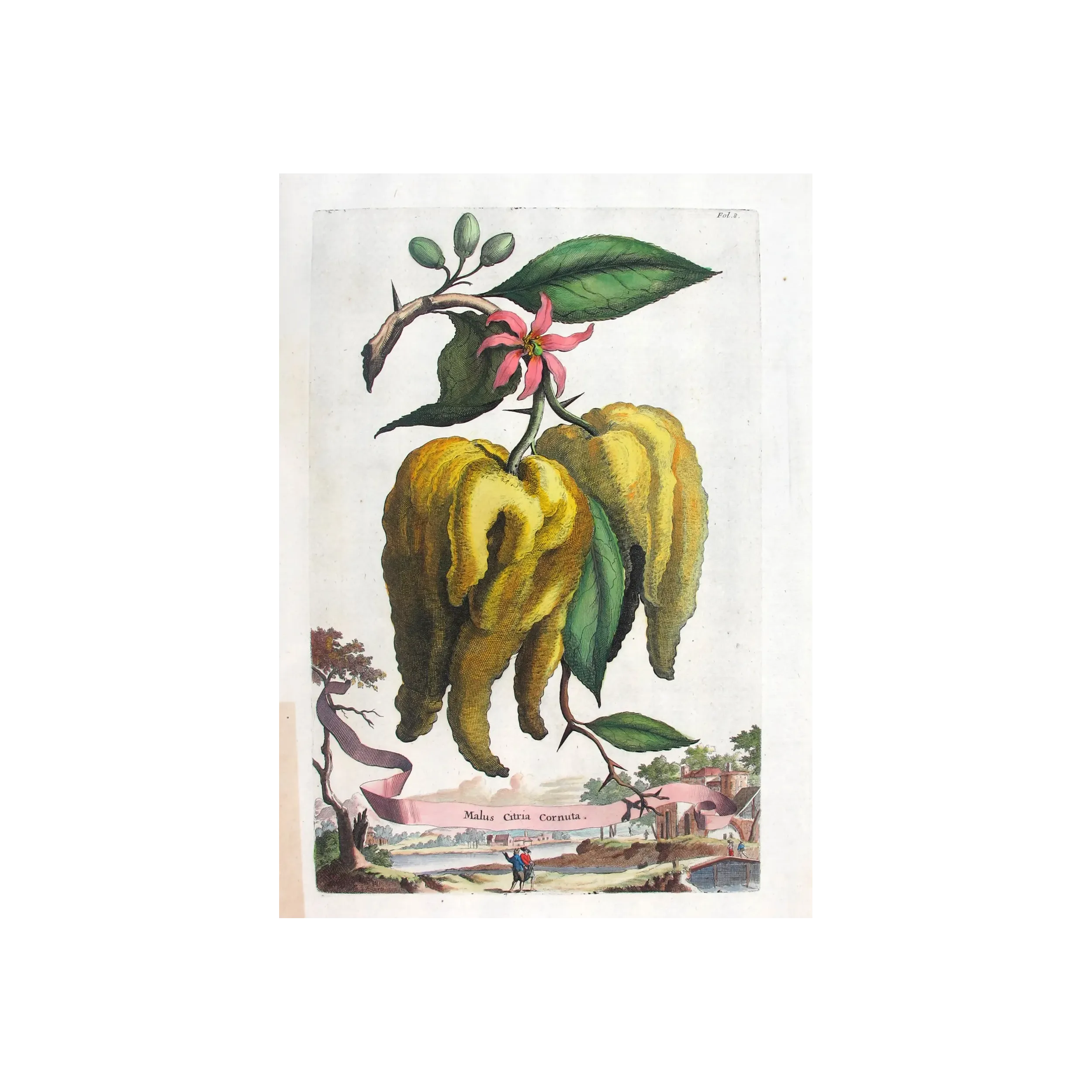
A rare 17th-century botanical engraving from Abraham Munting’s Nauwkeurige Beschryving der Aardgewassen, later known as Phytographia Curiosa, depicting the extraordinary horned citrus (Malus citria cornuta). A striking example of early botanical curiosity, combining unusual natural form with refined decorative composition.