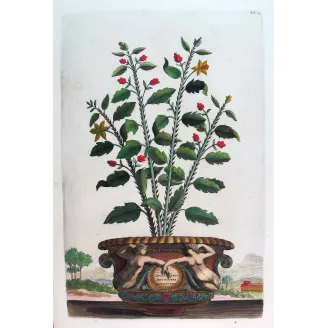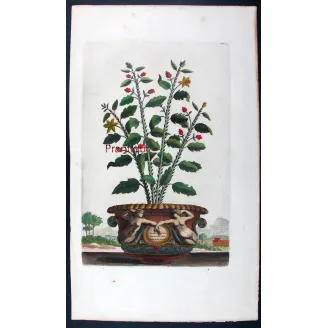
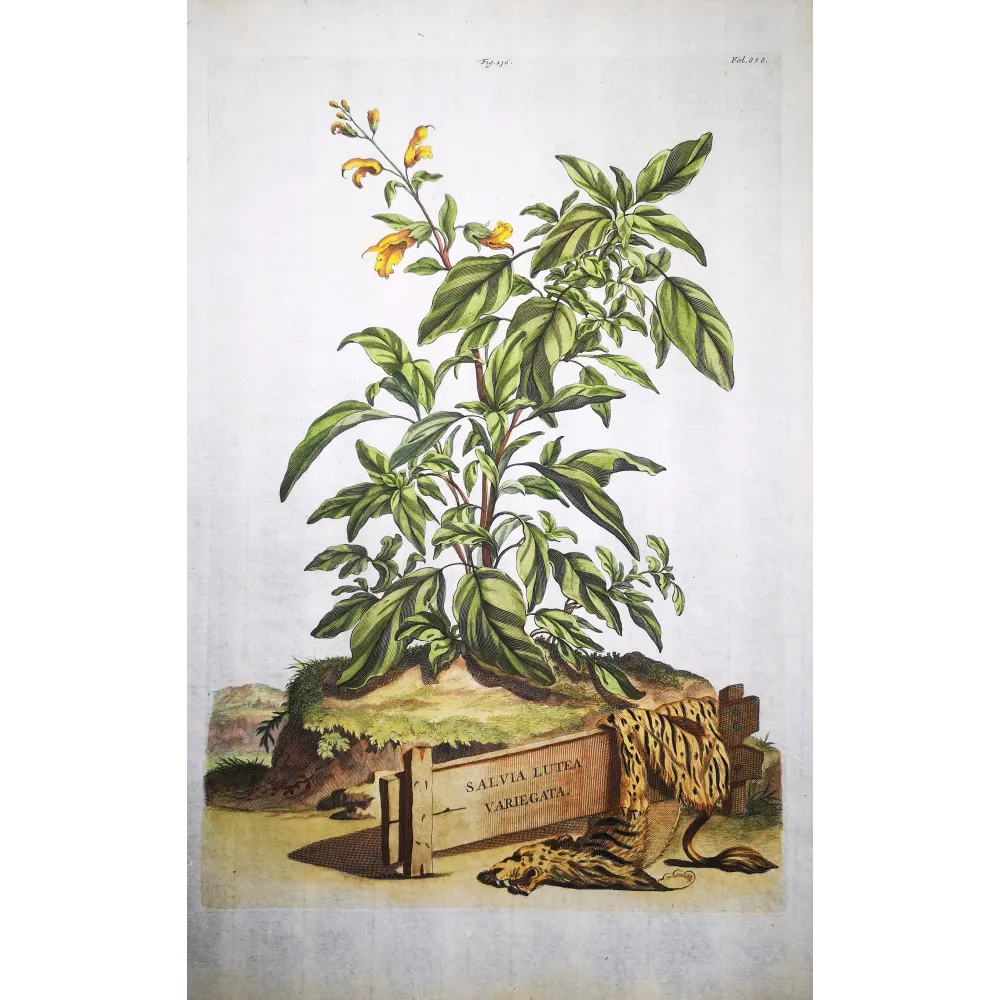
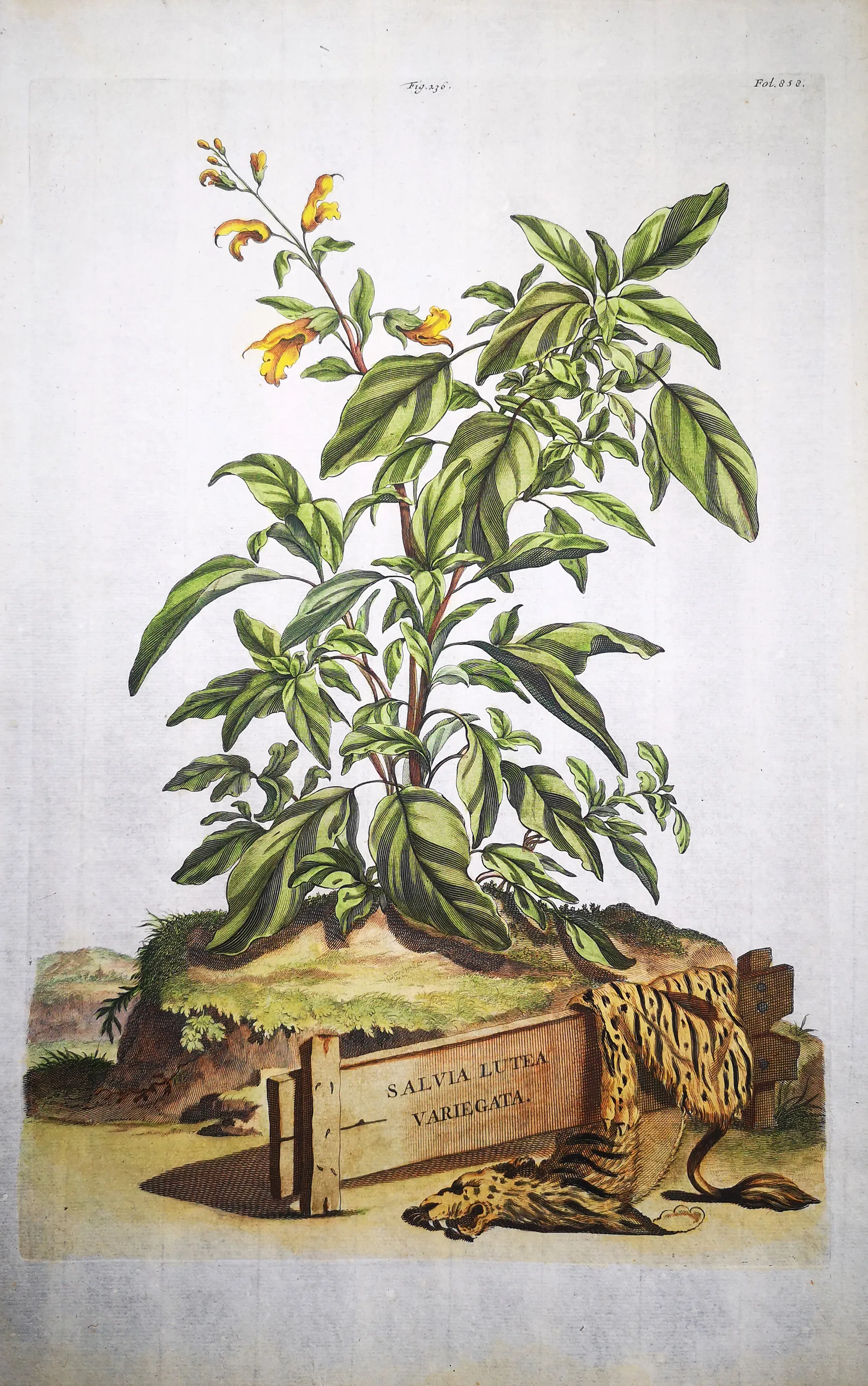
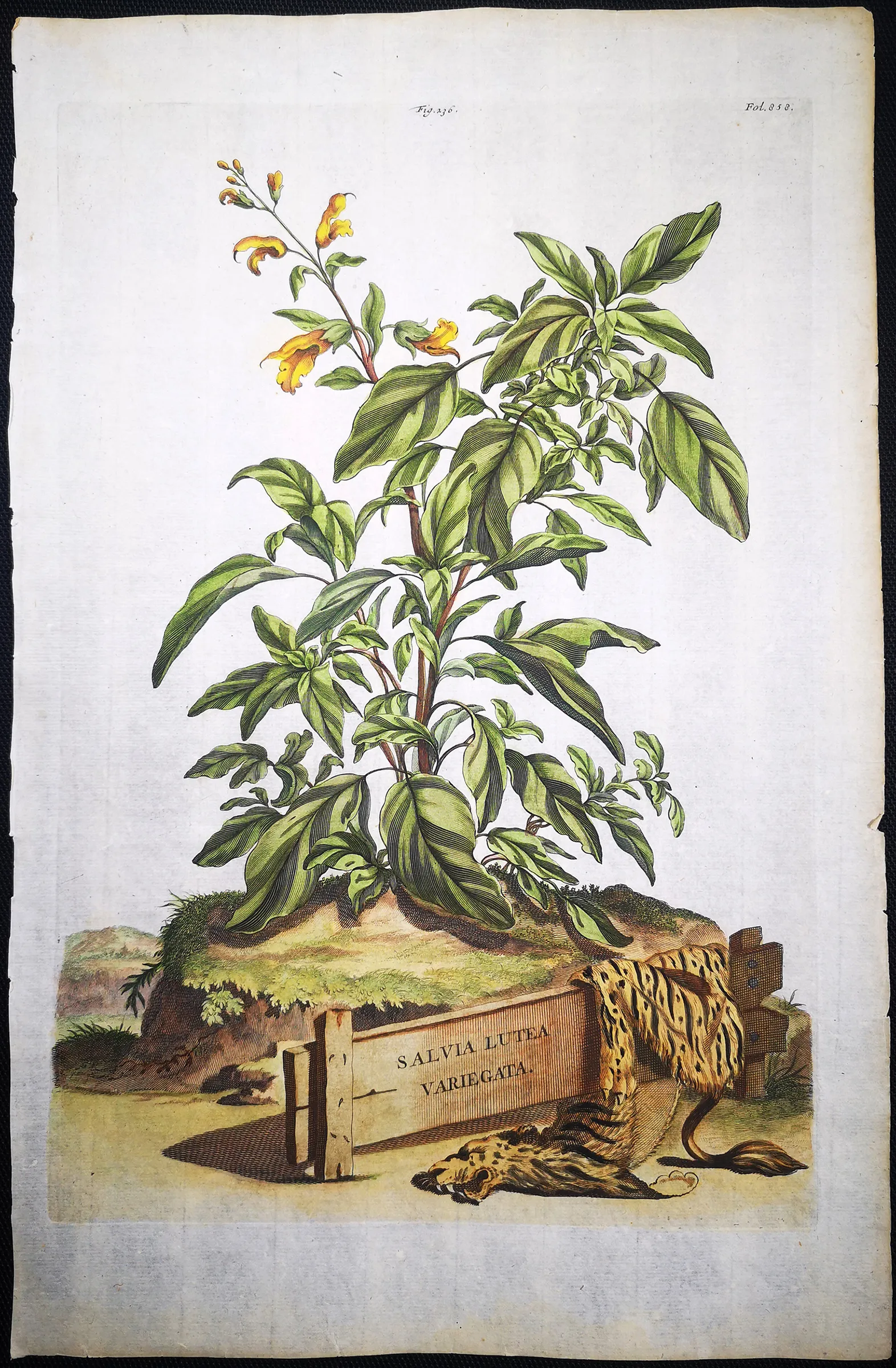
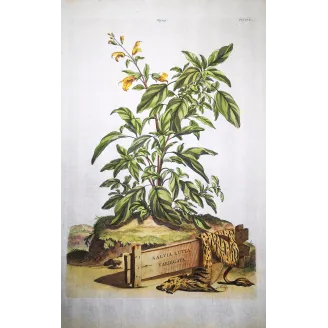
Original 17th-century hand-colored engraving of Salvia lutea by Abraham Munting, featuring variegated foliage and a striking cabinet of curiosities composition.
 Delivery policy
Your print will be carefully prepared and shipped worldwide via trusted couriers (UPS or similar).
 Authentic antique prints
Original engravings from the 17th–19th century.
This original late 17th-century hand-colored copper engraving depicts Yellow Sage, traditionally identified as Salvia lutea, from Abraham Munting’s Dutch work Nauwkeurige Beschryving der Aardgewassen, later known as Phytographia Curiosa, published in 1696.
Unlike later botanical illustration, Munting’s compositions present the plant as a complete organism and a staged subject — roots, stem, leaves and flowers arranged within a broader visual setting, transforming natural history into a refined form of botanical theatre.
— • —
The composition is defined by a graceful, branching structure that rises naturally from the ground, creating a balanced yet organic form. The elongated leaves display subtle tonal variations, giving the plant a refined visual texture.
Clusters of warm yellow blossoms emerge delicately at the upper sections, introducing a luminous chromatic accent that contrasts with the cooler greens of the foliage.
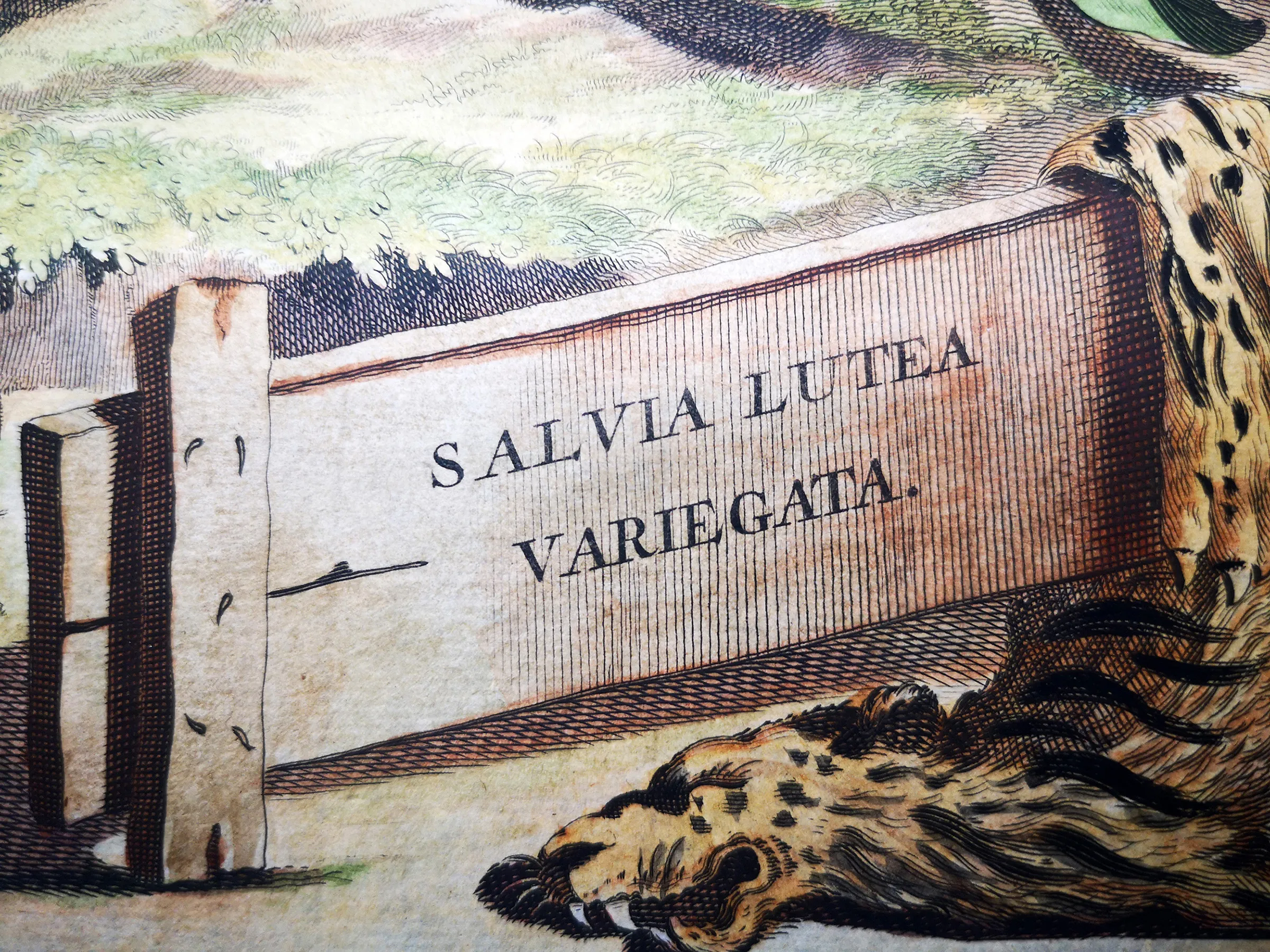
What distinguishes this engraving is the inclusion of a draped animal skin at the base — an unexpected and evocative element that transforms the composition into a staged scene rather than a simple botanical study.
This juxtaposition of plant and object reflects the intellectual culture of the cabinet of curiosities, where natural specimens were displayed alongside exotic materials, creating layered narratives that extended beyond scientific observation.
Salvia lutea was appreciated in early botanical collections for its distinctive foliage and ornamental flowering. As part of a diverse genus, it represented both medicinal interest and decorative value.
In the seventeenth century, such plants were often cultivated not only for practical use but for their ability to enrich collections of rare and curious specimens, reflecting the expanding botanical knowledge of the period.
This engraving belongs to Nauwkeurige Beschryving der Aardgewassen, later known as Phytographia Curiosa, published in 1696 by Abraham Munting — a work that captures a transitional moment in the history of botanical illustration, where science, collecting and visual culture were deeply intertwined.
Examples with original contemporary hand-coloring are particularly scarce. Many impressions encountered on the market today have been colored at a later date, whereas early colorings such as this preserve a more nuanced palette and a closer dialogue with the engraved line.
Explore the full collection of Munting botanical engravings: Munting – Botanical Prints
Discover more in our editorial feature: Abraham Munting — Botanical Curiosity and Early Natural Science
Very good antique condition. The original hand-coloring remains fresh and well balanced, with clear engraved detail throughout. Printed on fine original laid (vergé) paper. The sheet retains slightly reduced margins compared to larger examples, yet remains well proportioned and visually balanced. No watermark observed. A refined and highly decorative impression.
Specific References
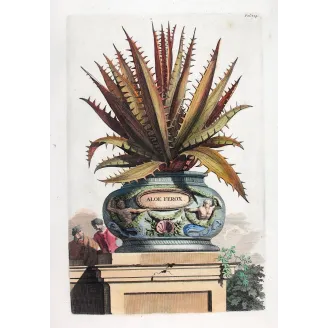
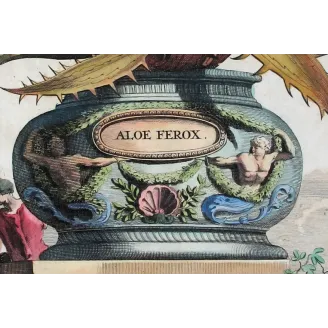
A striking 17th-century botanical engraving from Abraham Munting’s Nauwkeurige Beschryving der Aardgewassen, later known as Phytographia Curiosa, depicting Aloe ferox in an elaborate ornamental vase. A highly theatrical composition combining botanical rarity, sculptural form and strong decorative presence.
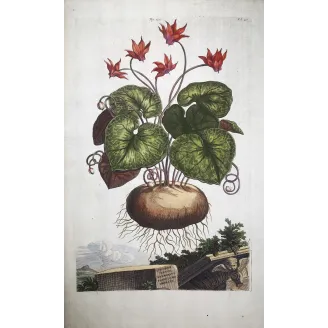
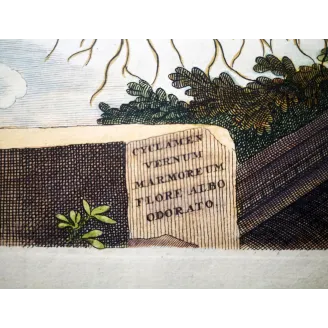
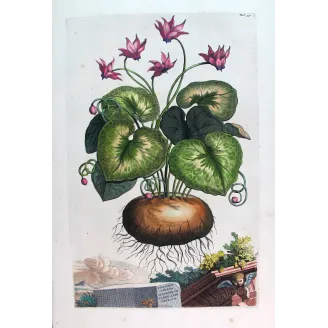
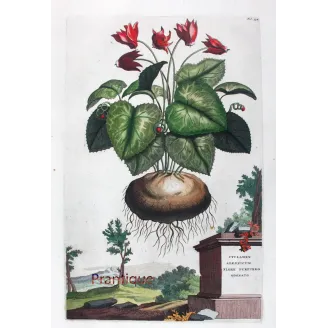
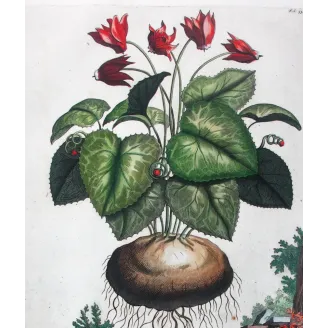
Original 17th-century hand-colored engraving of Cyclamen (Cyclamen europaeum) by Abraham Munting, featuring exposed root structure and elegant botanical composition.
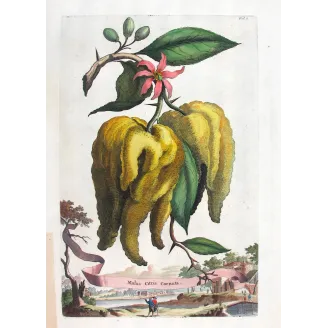
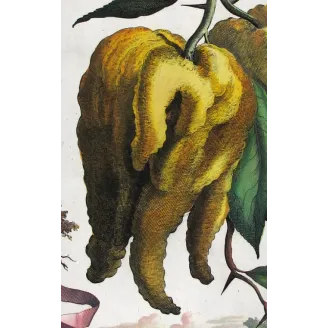
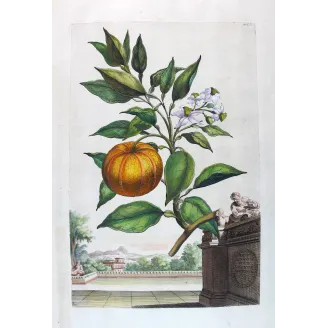
A rare 17th-century botanical engraving from Abraham Munting’s Nauwkeurige Beschryving der Aardgewassen, later known as Phytographia Curiosa, depicting the extraordinary horned citrus (Malus citria cornuta). A striking example of early botanical curiosity, combining unusual natural form with refined decorative composition.
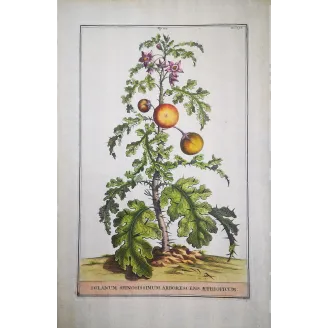
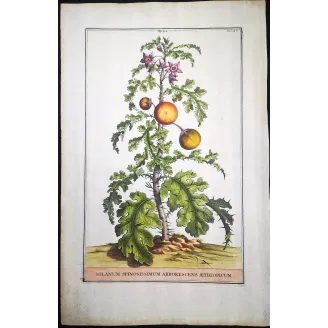
Original 17th-century hand-colored engraving of a spiny Solanum (Solanum aethiopicum) by Abraham Munting, featuring thorned stems, vivid fruit and striking botanical contrast.
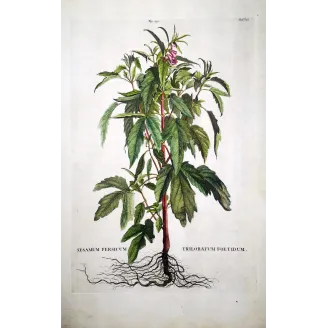
Original 17th-century hand-colored engraving of a sesame plant (Sesamum indicum) by Abraham Munting, featuring exposed roots and a refined botanical composition.
A refined 17th-century botanical engraving from Abraham Munting’s Nauwkeurige Beschryving der Aardgewassen - Phytographia Curiosa, depicting a flowering plant presented in an elaborate sculptural vessel with allegorical figures. A distinctive example of early botanical art where natural observation meets decorative imagination.
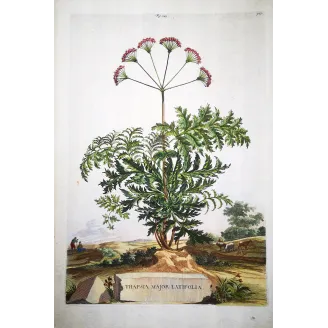
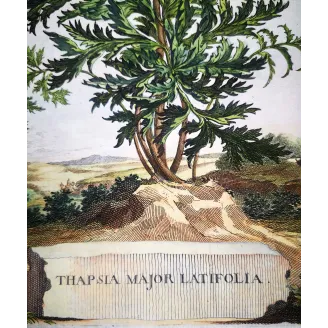
Original 17th-century hand-colored engraving of Thapsia major by Abraham Munting, featuring architectural form, radial flowering and a rich landscape setting.
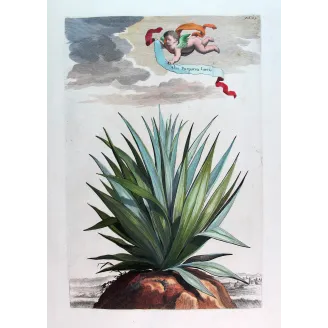
A striking 17th-century botanical engraving from Abraham Munting’s Nauwkeurige Beschryving der Aardgewassen - Phytographia Curiosa, depicting a monumental aloe with architectural structure and a decorative cartouche. A powerful example of early botanical art combining scientific observation with theatrical composition.
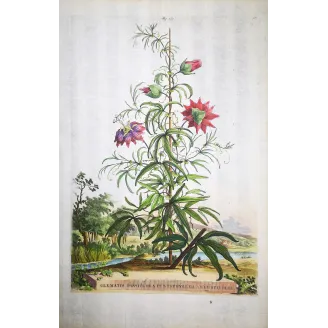
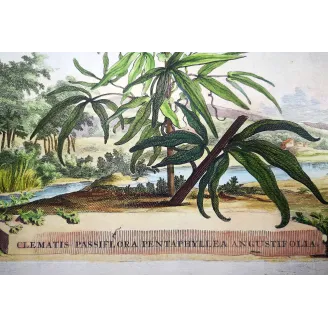
Original 17th-century hand-colored engraving of a Clematis vine by Abraham Munting, featuring vertical growth, vivid blossoms and refined botanical composition.
A rare 17th-century botanical engraving from Abraham Munting’s Nauwkeurige Beschryving der Aardgewassen - Phytographia Curiosa, featuring original contemporary hand-coloring and generous margins — a refined example of early botanical art where science, curiosity and decorative composition converge.
A rare 17th-century botanical engraving from Abraham Munting’s Nauwkeurige Beschryving der Aardgewassen - Phytographia Curiosa, depicting a cyclamen plant with exposed tuber, delicate pink flowers and richly patterned leaves. An expressive example of early botanical art combining scientific curiosity with striking decorative presence.
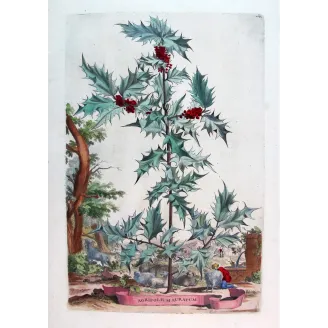
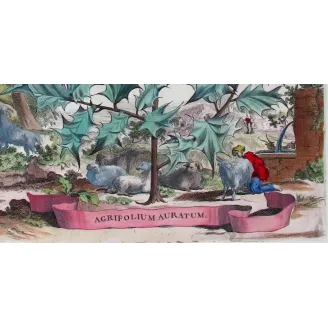
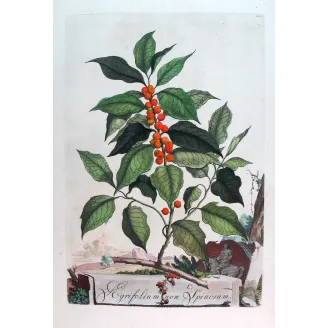
A striking 17th-century botanical engraving of golden holly, distinguished by its sculptural form and rare chromatic palette. A visually powerful composition blending natural history and decorative art.
A striking 17th-century botanical engraving of cyclamen, featuring exposed tuber, marbled foliage and vivid flowers. A refined composition blending scientific observation with decorative balance.
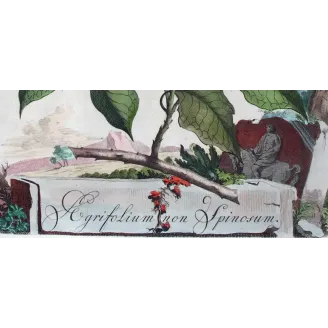
A refined 17th-century botanical engraving depicting non-spiny holly, notable for its elegant foliage and vivid berries. A balanced composition combining natural observation with early decorative botanical art.
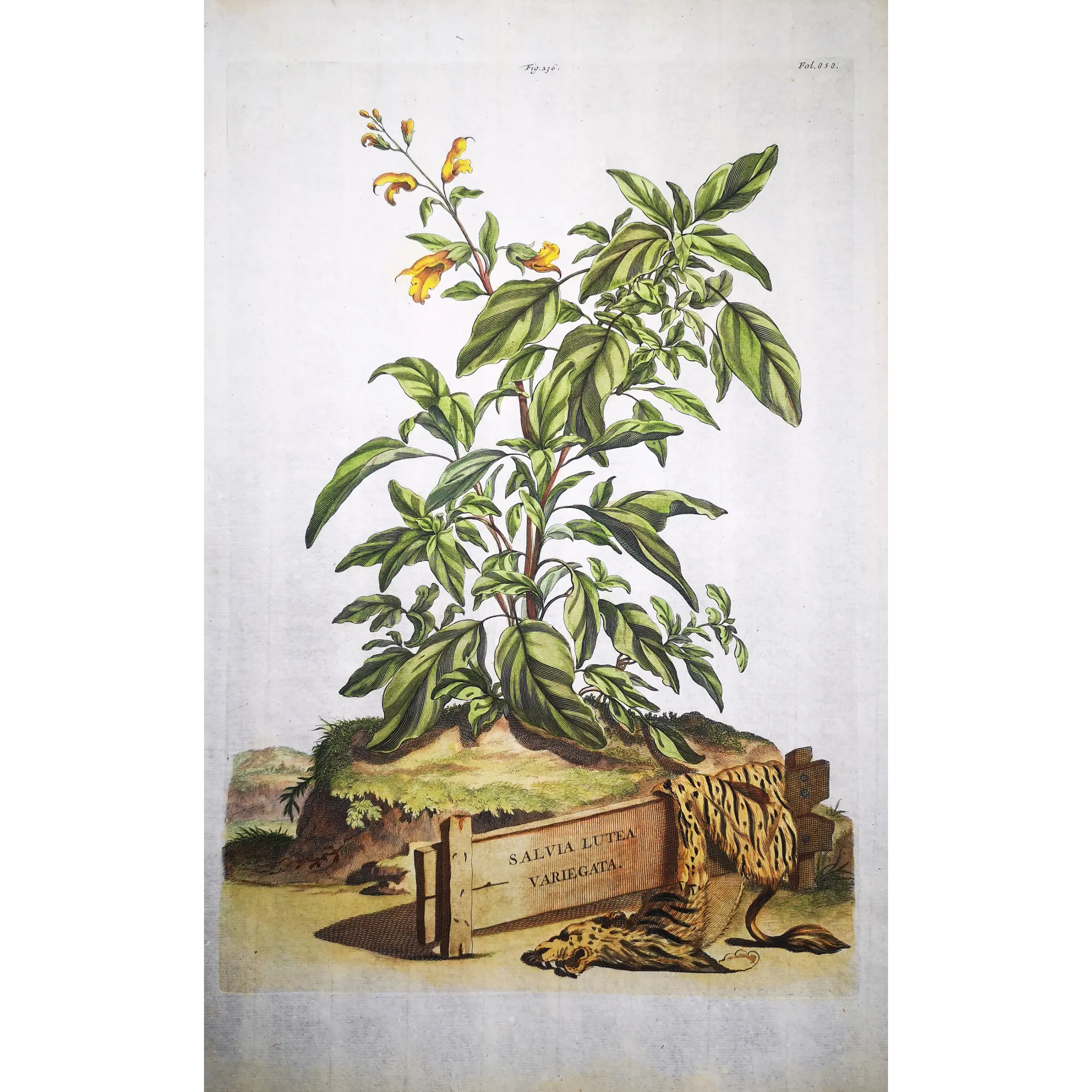
Original 17th-century hand-colored engraving of Salvia lutea by Abraham Munting, featuring variegated foliage and a striking cabinet of curiosities composition.