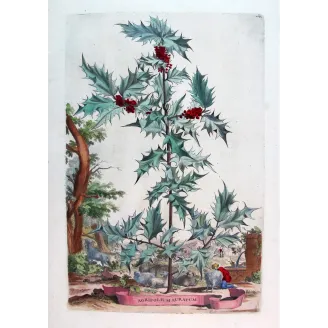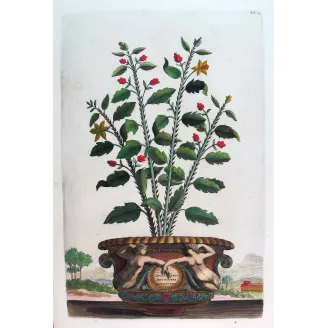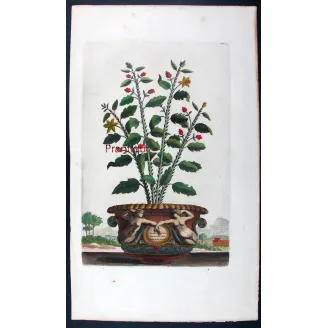
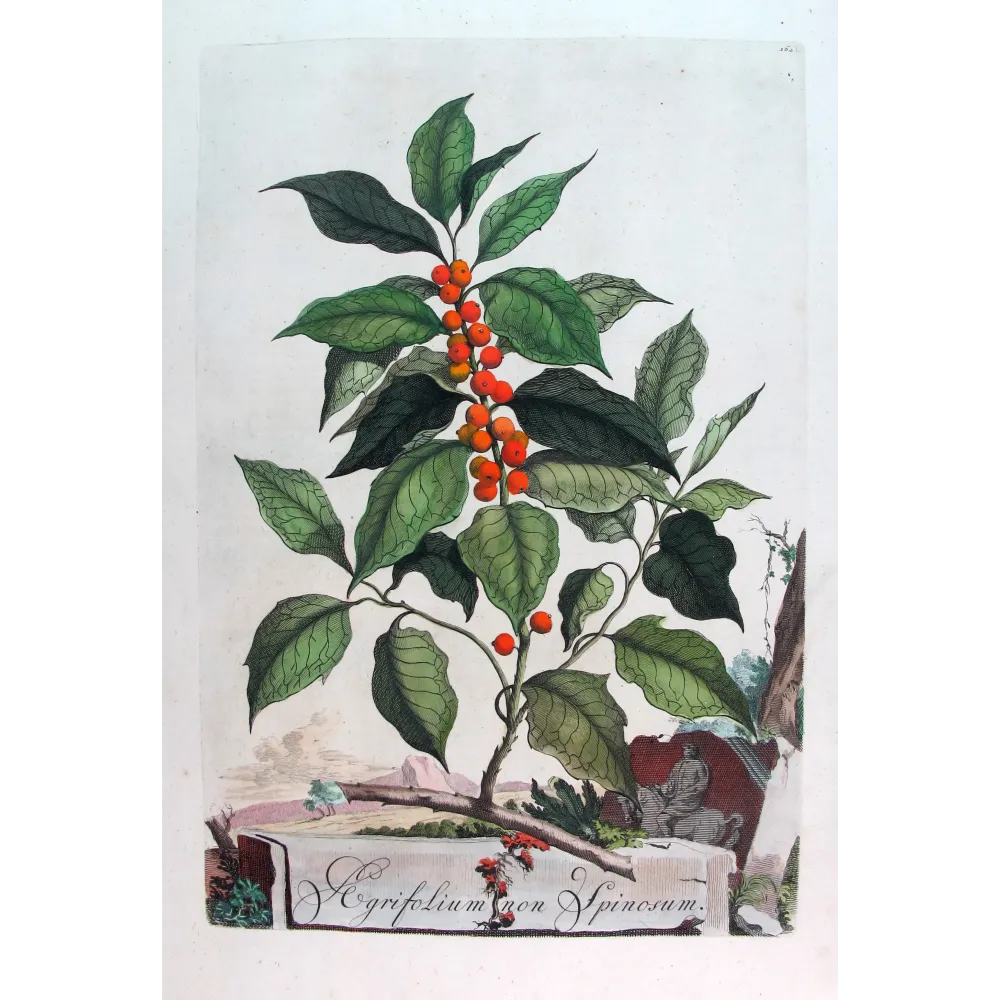
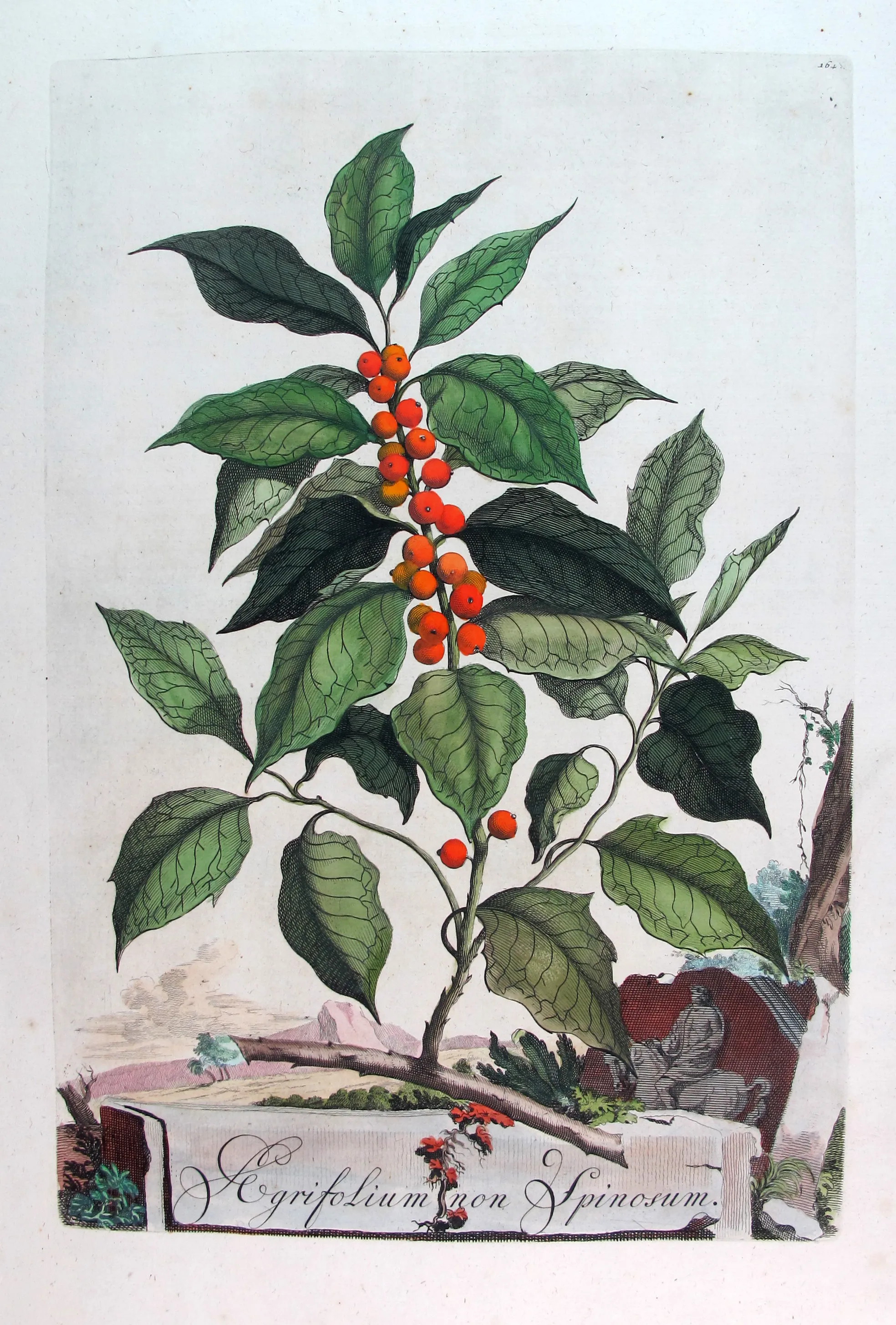
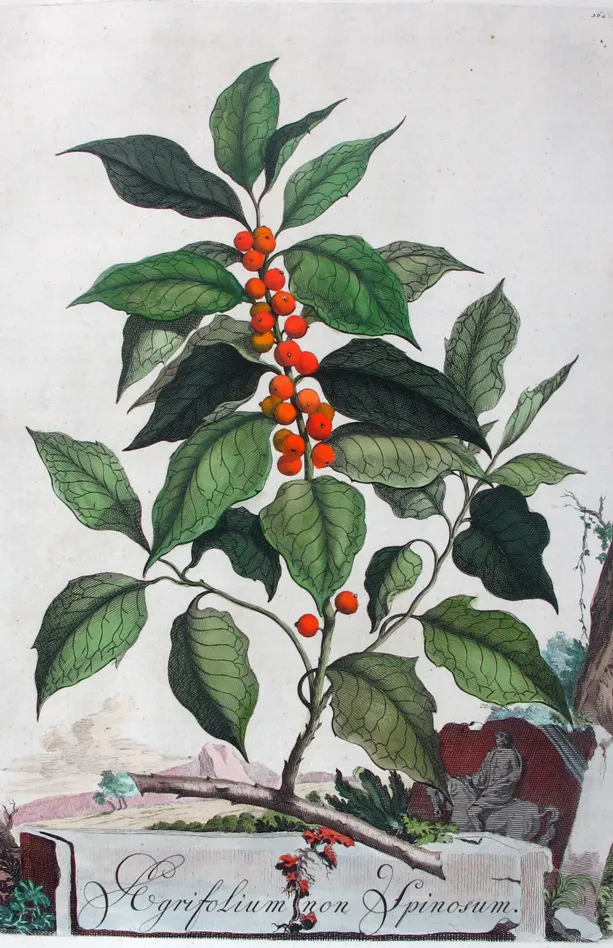
A refined 17th-century botanical engraving depicting non-spiny holly, notable for its elegant foliage and vivid berries. A balanced composition combining natural observation with early decorative botanical art.
 Delivery policy
Your print will be carefully prepared and shipped worldwide via trusted couriers (UPS or similar).
 Authentic antique prints
Original engravings from the 17th–19th century.
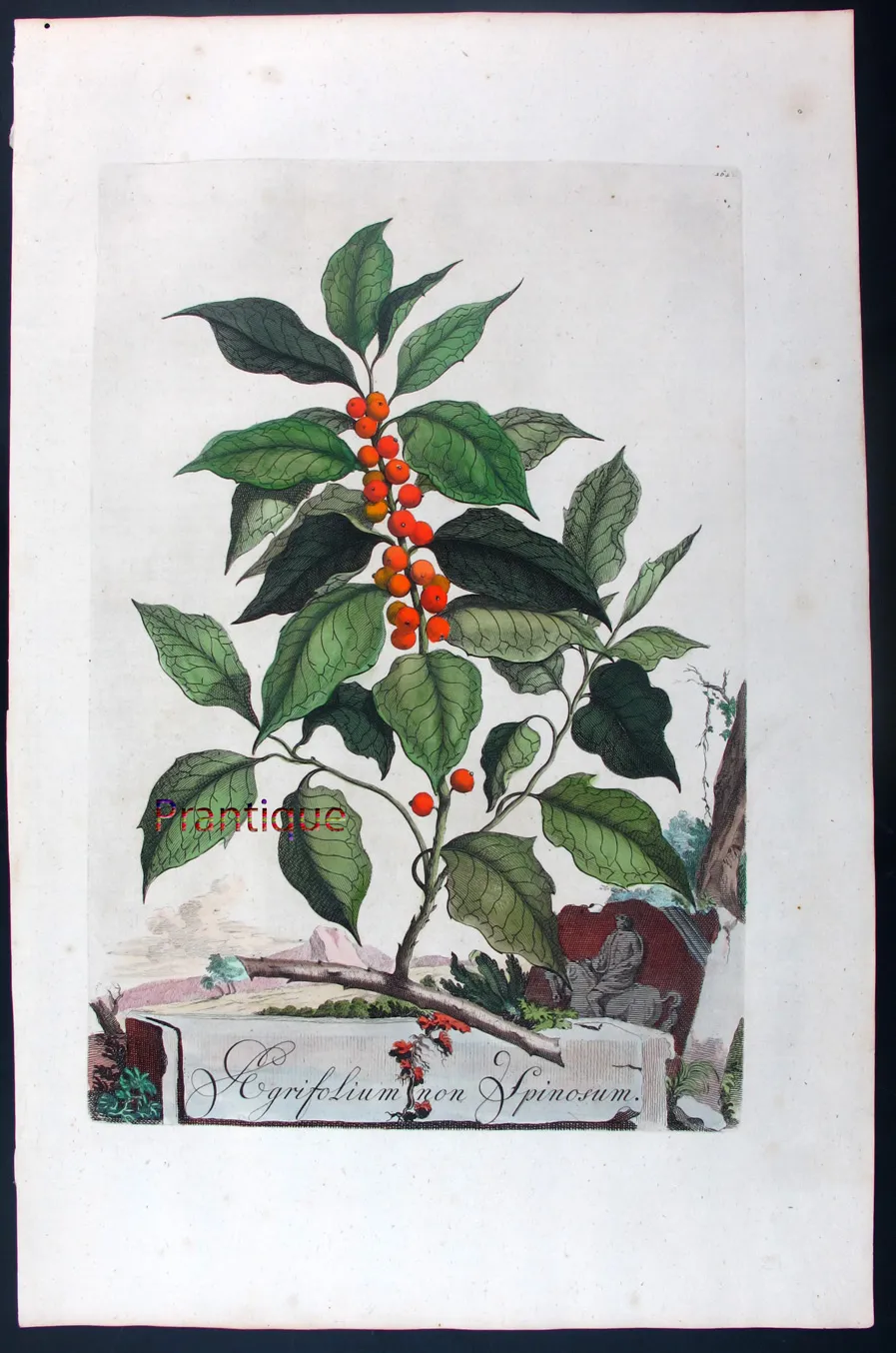
This original late 17th-century hand-colored copper engraving depicts a Non-Spiny Holly, identified with Ilex aquifolium in a rare smooth-leafed form, from Abraham Munting’s Nauwkeurige Beschryving der Aardgewassen, published in 1696. The work belongs to a period when botanical representation combined scientific curiosity with refined visual composition.
Unlike later analytical illustrations, Munting presents the plant as a complete and harmonious subject — leaves, berries and branches arranged with clarity and decorative intent, creating a composition both natural and visually balanced.
— • —
The composition is defined by a rhythmic arrangement of elongated green leaves, rendered in finely modulated tones that create depth and movement. The absence of sharp spines gives the foliage a softer, more fluid character compared to traditional holly depictions.
Clusters of vivid red berries punctuate the greenery, introducing a strong chromatic contrast that animates the plate. This interplay between green and red creates a striking yet balanced visual effect.
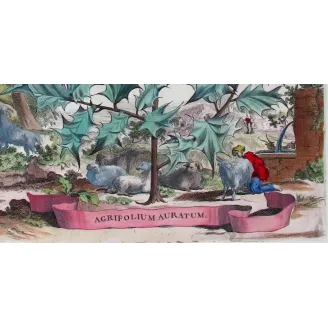
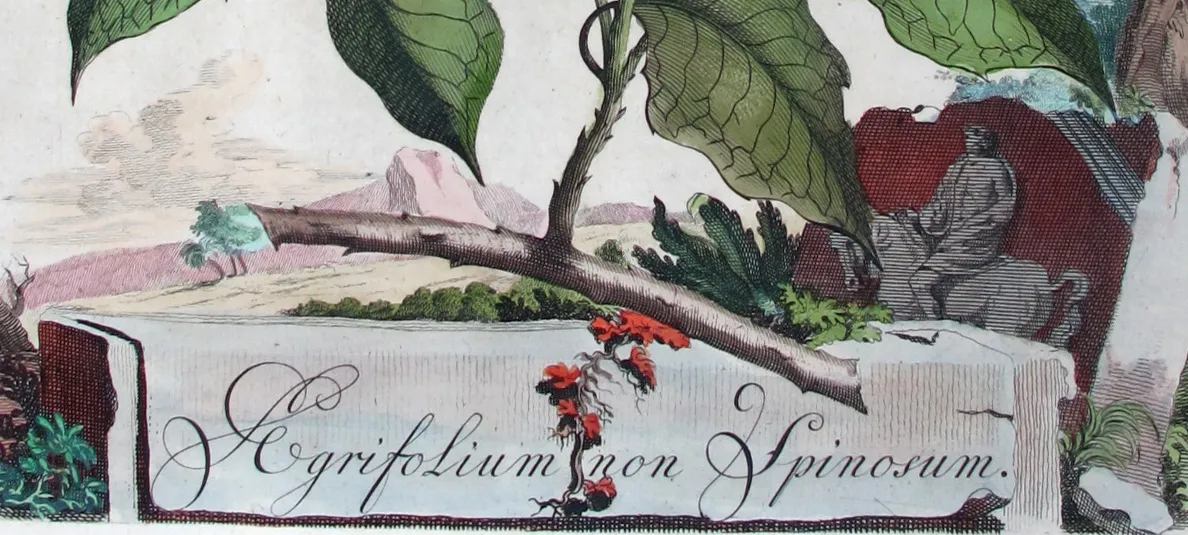
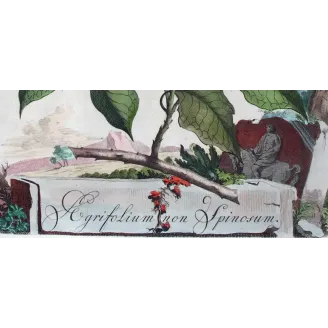
At the base, a subtle landscape vignette and architectural fragments provide context and depth, anchoring the botanical subject within Munting’s characteristic imaginative setting.
The large format and generous margins enhance the overall clarity and decorative presence of the engraving, making it particularly suitable for display.
Ilex aquifolium, commonly known as holly, has long been valued for its evergreen foliage and bright berries. Variants with reduced or absent spines were especially appreciated for their ornamental qualities.
In the seventeenth century, such botanical variations were of particular interest, reflecting the broader fascination with natural diversity and cultivated forms within early botanical collections.
This engraving belongs to Nauwkeurige Beschryving der Aardgewassen, published in 1696 by Abraham Munting — a work that reflects an early phase of botanical science shaped by curiosity, observation and visual display.
Examples with original contemporary hand-coloring are particularly scarce. Many impressions available today were colored later, while early colorings such as this preserve a more refined and historically accurate tonal balance.
Explore the full collection: Munting Botanical Prints.
Discover more in our editorial feature: Abraham Munting — Botanical Curiosity and Early Natural Science.
Excellent antique condition. Original hand-coloring remains fresh and vibrant with strong engraved definition. Printed on fine original laid (vergé) paper. The sheet retains generous original margins, clean and well balanced. No watermark observed.
Specific References
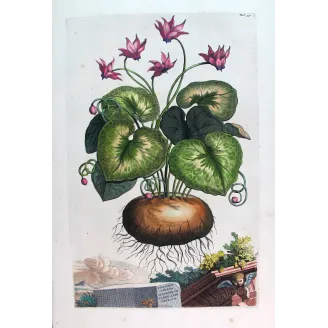
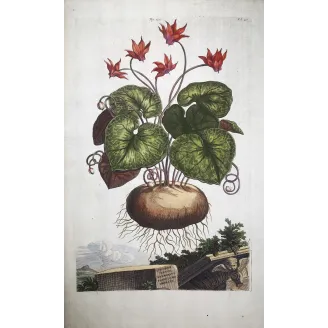
A rare 17th-century botanical engraving from Abraham Munting’s Nauwkeurige Beschryving der Aardgewassen - Phytographia Curiosa, depicting a cyclamen plant with exposed tuber, delicate pink flowers and richly patterned leaves. An expressive example of early botanical art combining scientific curiosity with striking decorative presence.
A rare 17th-century botanical engraving from Abraham Munting’s Nauwkeurige Beschryving der Aardgewassen - Phytographia Curiosa, featuring original contemporary hand-coloring and generous margins — a refined example of early botanical art where science, curiosity and decorative composition converge.
A striking 17th-century botanical engraving of golden holly, distinguished by its sculptural form and rare chromatic palette. A visually powerful composition blending natural history and decorative art.
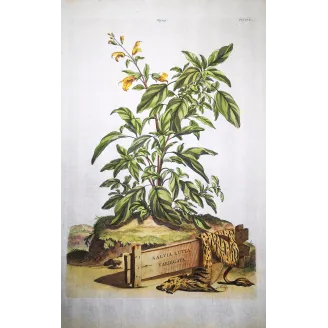
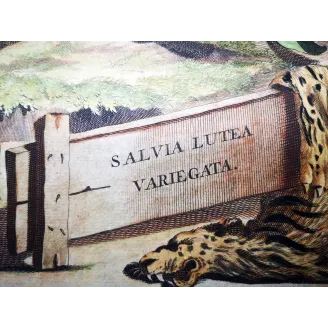
Original 17th-century hand-colored engraving of Salvia lutea by Abraham Munting, featuring variegated foliage and a striking cabinet of curiosities composition.
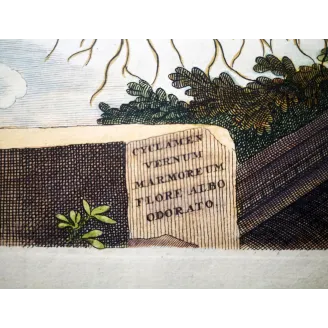
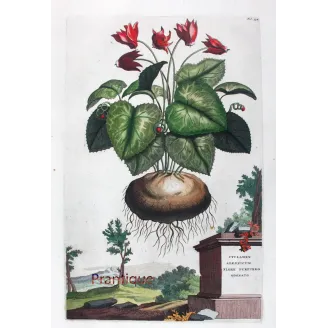
Original 17th-century hand-colored engraving of Cyclamen (Cyclamen europaeum) by Abraham Munting, featuring exposed root structure and elegant botanical composition.
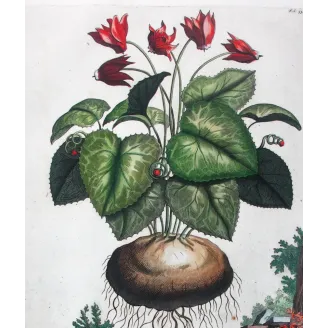
A striking 17th-century botanical engraving of cyclamen, featuring exposed tuber, marbled foliage and vivid flowers. A refined composition blending scientific observation with decorative balance.
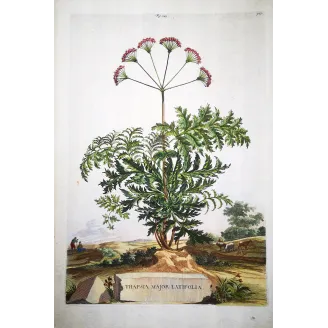
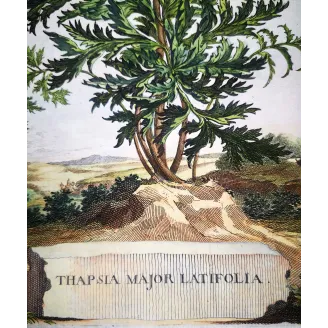
Original 17th-century hand-colored engraving of Thapsia major by Abraham Munting, featuring architectural form, radial flowering and a rich landscape setting.
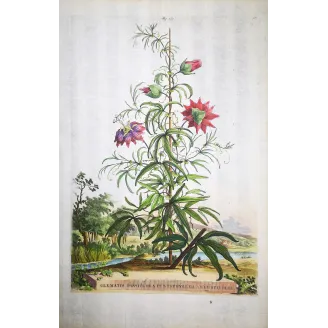
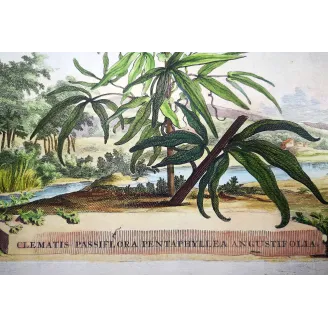
Original 17th-century hand-colored engraving of a Clematis vine by Abraham Munting, featuring vertical growth, vivid blossoms and refined botanical composition.
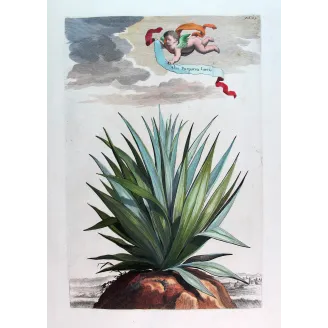
A striking 17th-century botanical engraving from Abraham Munting’s Nauwkeurige Beschryving der Aardgewassen - Phytographia Curiosa, depicting a monumental aloe with architectural structure and a decorative cartouche. A powerful example of early botanical art combining scientific observation with theatrical composition.
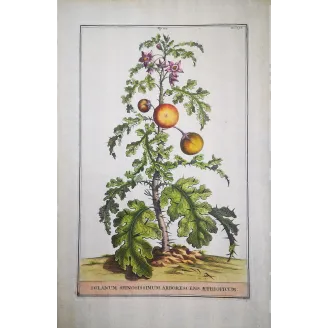
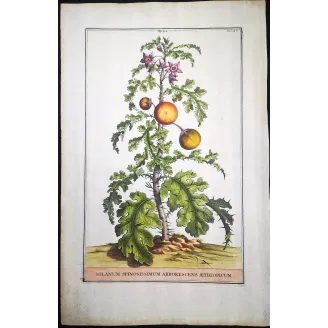
Original 17th-century hand-colored engraving of a spiny Solanum (Solanum aethiopicum) by Abraham Munting, featuring thorned stems, vivid fruit and striking botanical contrast.
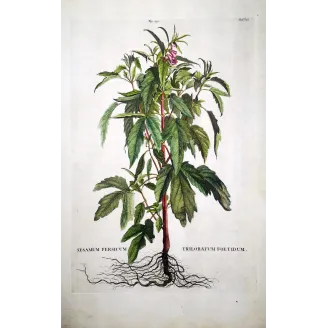
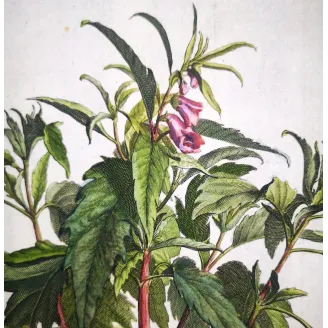
Original 17th-century hand-colored engraving of a sesame plant (Sesamum indicum) by Abraham Munting, featuring exposed roots and a refined botanical composition.
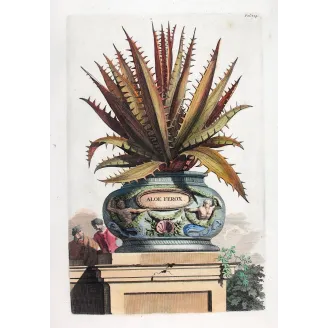
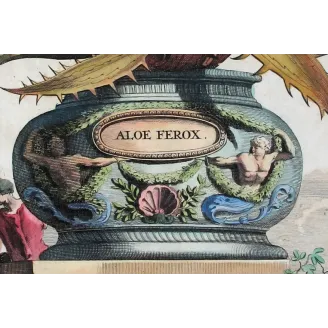
A striking 17th-century botanical engraving from Abraham Munting’s Nauwkeurige Beschryving der Aardgewassen, later known as Phytographia Curiosa, depicting Aloe ferox in an elaborate ornamental vase. A highly theatrical composition combining botanical rarity, sculptural form and strong decorative presence.
A refined 17th-century botanical engraving from Abraham Munting’s Nauwkeurige Beschryving der Aardgewassen - Phytographia Curiosa, depicting a flowering plant presented in an elaborate sculptural vessel with allegorical figures. A distinctive example of early botanical art where natural observation meets decorative imagination.
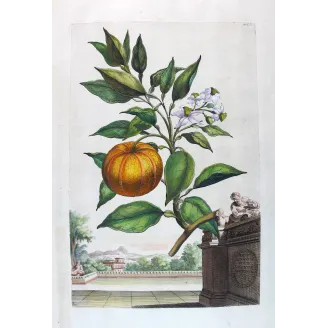
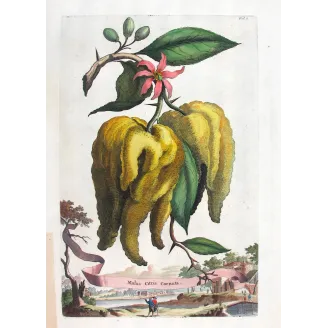
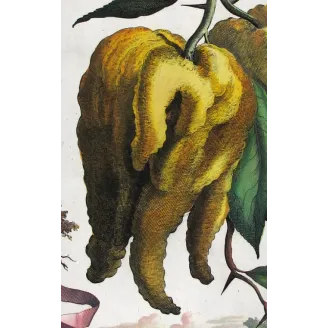
A rare 17th-century botanical engraving from Abraham Munting’s Nauwkeurige Beschryving der Aardgewassen, later known as Phytographia Curiosa, depicting the extraordinary horned citrus (Malus citria cornuta). A striking example of early botanical curiosity, combining unusual natural form with refined decorative composition.
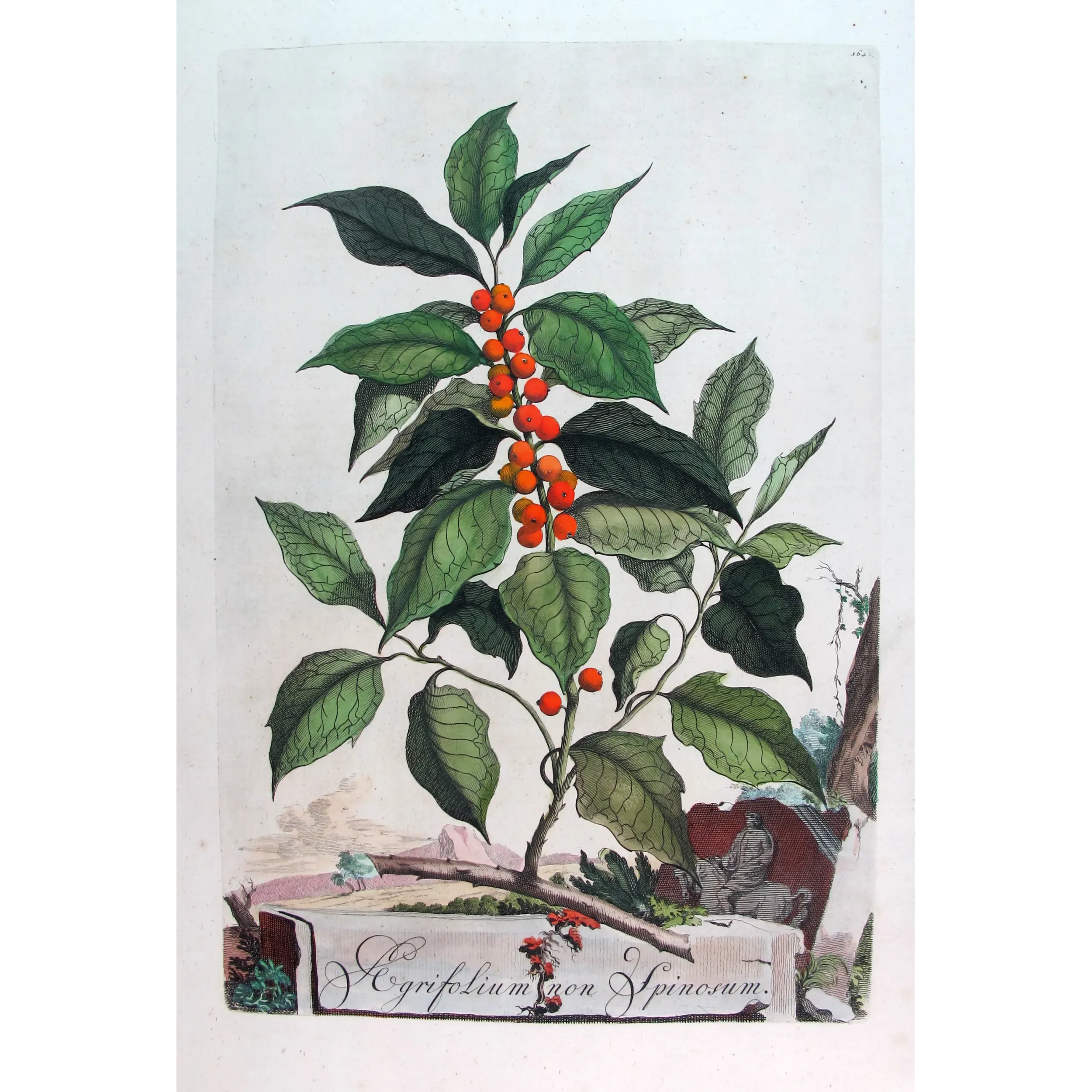
A refined 17th-century botanical engraving depicting non-spiny holly, notable for its elegant foliage and vivid berries. A balanced composition combining natural observation with early decorative botanical art.