
Creating a Focal Point in a Contemporary Interior
Creating a Focal Point in a Contemporary Interior
From Statement Artworks, Triptychs and Contemporary Works on Paper to Historically Coherent Study Sets
A focal point in a contemporary interior can take many forms.
A statement artwork, a photographic diptych, a triptych, contemporary works on paper, fiber art, mixed media or a sculptural wall piece can all bring presence and individuality to a room. A carefully curated group of artworks can create something different again: visual dialogue, character and the sense of an interior collected over time.
These solutions answer different design needs — visual authority, rhythm, materiality, originality, coherence and meaning.
But those qualities do not belong exclusively to contemporary art.
A historically coherent Museum Quality Study Set can answer many of the same needs through two or more original historical works whose relationship already existed before they entered the interior.
The works may share a publication, author, scientific project, sequence, subject or meaningful material characteristics. They are not simply coordinated because they look good together.
What if the works chosen for a contemporary interior already belonged together?
Creating a Focal Point: Statement Art or a Study Set?
A statement artwork is one of the most natural ways to create a focal point in a contemporary interior.
A significant painting, a large contemporary work, wall sculpture or other visually commanding object can anchor a room, establish scale and give the surrounding architecture a point of reference.
Historical works can answer the same need in more than one way.
A single large original historical work can create visual authority in its own right. Prantique presents selected large-format originals with this kind of presence as Statement Pieces.
But visual authority does not necessarily require one monumental work.
When the focal point is built instead through two, three or more related works, a historically coherent Study Set offers another possibility. Original historical works can operate together as a single focal point while remaining individually significant objects. Repetition and spacing create architectural presence; the relationship between the works gives the group identity.
The objective is not to imitate a large painting with several smaller objects. It is a different way of creating presence.
A Statement Piece concentrates visual authority in one original historical work. A Study Set can create visual authority through the relationship between several original works.
Creating Rhythm: Diptych, Triptych, Series — or a Historically Coherent Study Set?
A diptych or triptych is often chosen because two or three works create rhythm across a wall.
Repetition introduces architectural order. Similar dimensions establish continuity. The space between the works becomes part of the composition.
The same principle explains the appeal of works by the same contemporary artist or from the same series: a shared visual language helps the eye read several individual pieces as a coherent whole.
A historically coherent Study Set can answer the same design requirement differently.
Original historical works may share dimensions, paper, printing techniques and visual conventions because they belonged to the same publication, author, scientific series or intellectual project.
Their relationship was not necessarily created for display.
It may have existed for centuries before the works reached the wall.
A contemporary triptych can create a relationship. A historically coherent Study Set can preserve one.
Looking for Materiality: Fiber Art, Mixed Media — or Historical Works on Paper?
Fiber art, textiles, plaster reliefs, ceramics, mixed media and sculptural wall pieces are natural choices when a contemporary interior calls for material presence.
Texture, depth, shadow and irregular surfaces introduce another physical layer into clean architectural space.
But materiality does not have to mean three-dimensionality.
Original historical works on paper possess a quieter material vocabulary. Laid or wove paper, plate marks, printing impressions, hand-applied colour, watermarks, typography and traces of manufacture and age are physical characteristics of the objects themselves.
Within a Study Set, materiality can also become part of the relationship between the works. Sheets originating from the same historical publication may share format, paper, printing methods or production characteristics. Variation remains visible, but a common material language connects the group.
The texture has not been added to create an effect. The paper has not been aged to suit the room.
The material history already exists.
Explore why historical works on paper belong in contemporary interiors →
Looking for Originality: Limited Editions, One-Off Works — or Original Historical Objects?
When an interior calls for something individual rather than predictable or mass-produced, originality becomes an important part of the decision.
A unique contemporary artwork, a one-off work, limited-edition photography or a piece by an emerging artist can answer that need directly.
But originality does not necessarily mean novelty.
An original seventeenth-, eighteenth- or nineteenth-century engraving is not a newly manufactured interpretation of an old image. It is an object produced in its own historical period. Its paper, impression, printing technique, colour and evidence of manufacture belong to the object itself.
A reproduction can reproduce the image. It cannot reproduce the history of the sheet.
A Museum Quality Study Set extends this principle from the individual object to the group. Each component is an original historical work, while the relationship between the works can itself carry historical meaning.
Original historical objects with a relationship that is itself historically meaningful.
Creating a Collected Interior: Curated Today or Historically Coherent?
A sophisticated contemporary interior often feels collected rather than simply decorated.
Furniture, art and objects from different moments can create a layered, personal environment that appears to have developed over time rather than having been assembled all at once.
A carefully curated group of artworks can achieve this beautifully. Works may be brought together through colour, scale, subject, period, contrast or the personal interests of the collector. Objects that were never historically related can acquire a new relationship within the room.
But there is another possibility.
The relationship between the works can precede the interior itself.
A historically coherent Study Set may bring together original works connected through the same publication, author, scientific project, sequence or material history.
The contemporary interior does not create that relationship. It becomes its latest setting.
The collector or designer still determines framing, spacing, scale and placement. What they do not need to invent is the reason the works belong together.
A curated group creates a relationship between works. A historically coherent Study Set begins with a relationship that already exists.
Same Artist, Same Series — or Same Historical Origin?
When several works share a wall, some form of relationship usually helps the composition.
In contemporary art, choosing works by the same artist or from the same series is a natural solution. The works may share a visual language, concept, technique or period of production.
Historical works offer a parallel possibility.
Same contemporary artist → same series.
Same historical author → same publication.
Same scientific project → related sequence of original works.
This is one reason historically coherent groups can work particularly well in a contemporary interior. The visual dialogue between the works is supported by something beyond appearance. Their relationship may be bibliographical, scientific, material or historical.
Visual coherence and historical coherence can exist at the same time.
A Study Set Is Not a Coordinated Set of Prints
The distinction is important.
Three original antique prints may share similar colours, dimensions or subjects. They may look excellent together, and matching frames or careful spacing can turn them into an elegant composition.
But if they originate from unrelated publications and were selected because they coordinate visually, their relationship has been created today.
A historically coherent Study Set begins somewhere else.
The works belong together for a reason that can be historically explained. They may originate from the same publication, form part of the same scientific sequence, share an author or illustrator, represent related subjects within a larger project or preserve meaningful shared material characteristics.
Their decorative compatibility can be valuable, but it is not what defines the group.
A coordinated set is assembled because the works look as though they belong together.
A Study Set begins with works whose relationship already exists.
What If the Works Already Belonged Together?
A contemporary interior can create a focal point in many ways.
A statement artwork can provide visual authority.
A diptych or triptych can provide rhythm.
Contemporary works on paper can provide graphic clarity.
Fiber art, mixed media and relief can provide materiality.
Limited-edition or one-off works can provide originality.
A curated group can provide personality and visual dialogue.
Historical works offer alternatives across this same design vocabulary. A single large original can act as a Statement Piece, while a historically coherent Museum Quality Study Set offers another answer when the composition is built through several related works.
A Study Set can create presence through several significant works; rhythm through repetition and shared format; materiality through original paper, printing and colour; originality through period-produced objects rather than reproductions; and visual dialogue through works that share an author, publication, scientific project or sequence.
And it can bring the character of a collection into a contemporary interior without inventing the relationship between the works for the purpose of decoration.
The room is contemporary. The objects are historical.
Their relationship came first.
with an artwork created for the present.
Sometimes the most meaningful composition
begins with objects whose relationship
already belongs to history.
The Prantique Network
Choosing an original antique print is often part of a wider conversation about how it will live in your home. The Prantique Network brings together trusted conservation framers and interior design studios in different parts of the world, whose work we consider well suited to projects involving original historical prints.
Tell us about your print, your plans and your location. We can suggest a relevant contact from our network where one is available in your area.
Conservation framing
An original work on paper deserves framing that protects it while allowing it to be enjoyed. We can introduce you to a specialist experienced in the conservation and presentation of historical prints.
Interior design
A single print can transform a room; a carefully chosen group can shape an entire space. If you are planning an interior project, we can introduce you to a design studio whose approach suits your home and the works you have in mind.
Explore Museum Quality Study Sets
Prantique's Museum Quality Study Sets bring together original historical works whose relationship derives from publication, author, subject, scientific sequence or meaningful material characteristics. Each group is considered both as a collection of individual historical objects and as a coherent composition for contemporary interiors.
Explore Museum Quality Study Sets →
Continue exploring how original historical works can create presence in contemporary interiors.
Related posts
-
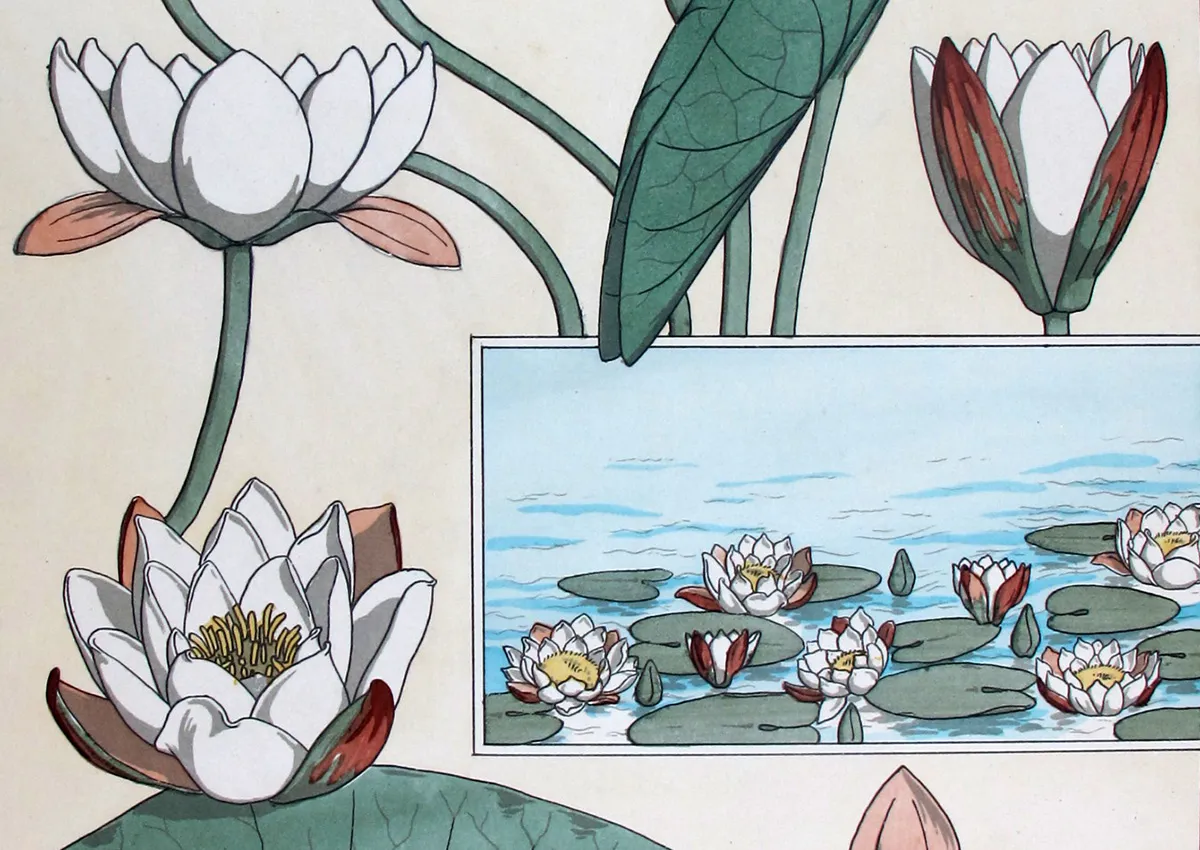 Pochoir or Lithograph? Understanding the True Technique Behind Grasset’s La Plante
In the world of antique print collecting, the difference between pochoir and color lithography is more than a...Read more
-
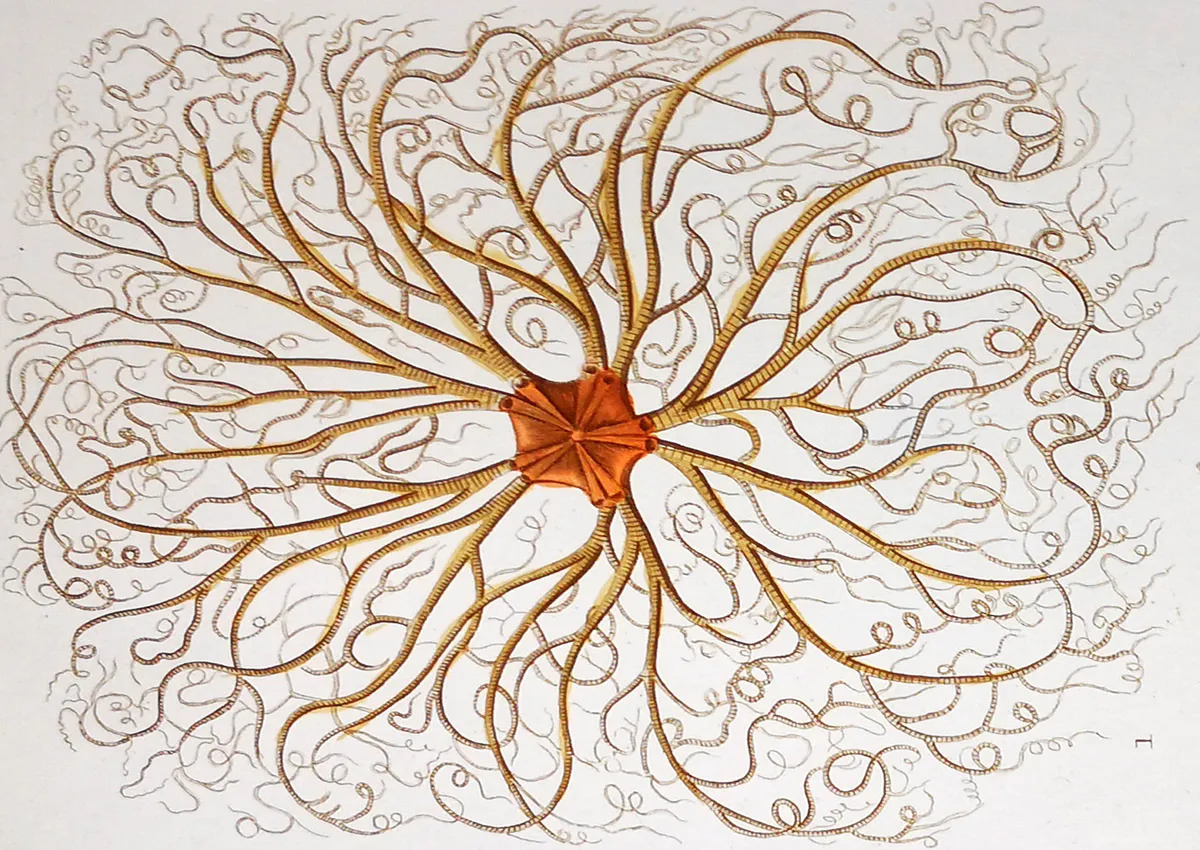 The Hidden Nobility of Natural History Prints: From the Sacchetti Collection
The Hidden Nobility of Nature Prints In the vast and fascinating world of antique natural history prints, there are...Read more
-
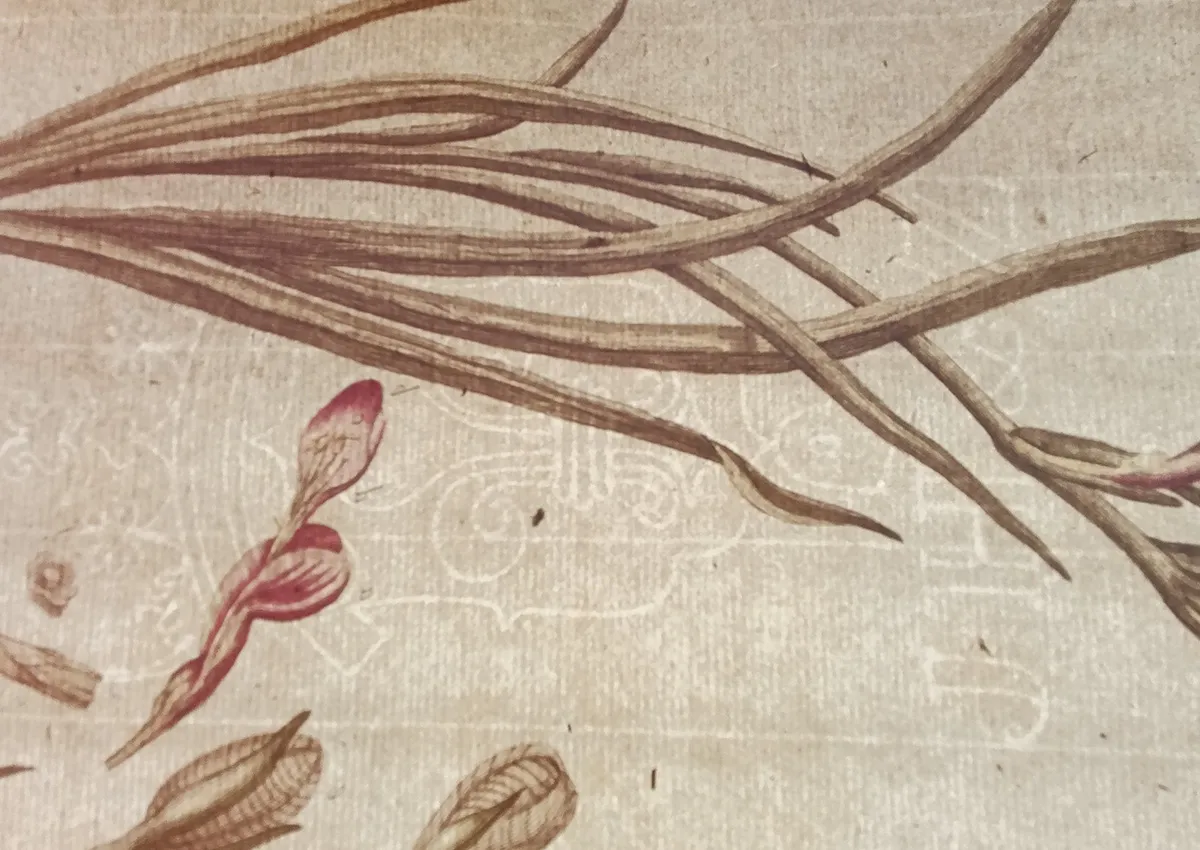 Paper in Antique Prints: Laid, Wove & Watermarks
An overview of laid and wove paper in antique prints, with a focus on watermarks as material evidence for dating,...Read more
-
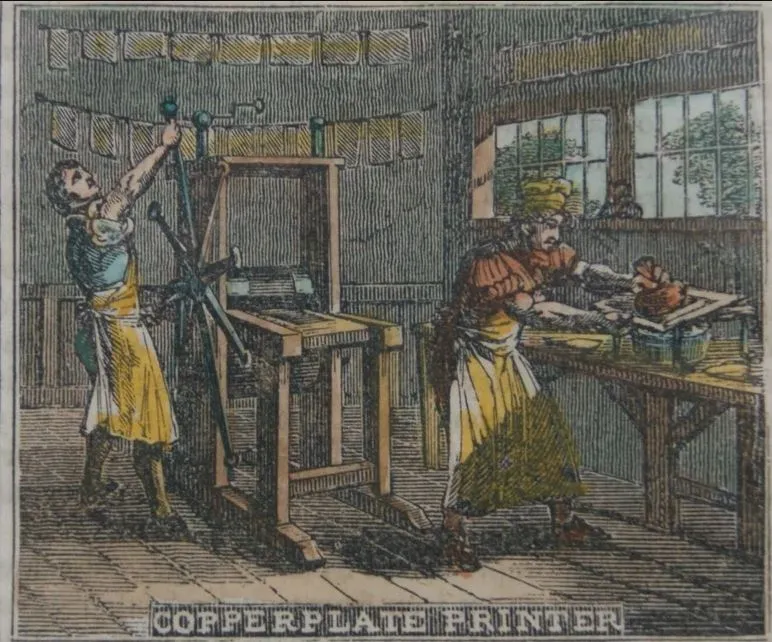 Plate Marks in Antique Prints: Reading the Printed Impression
Plate marks are subtle physical traces left by the printing process itself. This article explores how plate...Read more
-
 Why Antique Prints Feel Different — And Why They Quietly Transform a Room
A reflective essay on why antique botanical and natural history prints transform interiors not only through their...Read more
Leave a comment