
Antique Prints in Contemporary Interiors
Antique Prints in Contemporary Interiors
Why Historical Works on Paper Belong in the Modern Home
Original antique prints bring something distinctive to modern and contemporary interiors: history, material character and visual individuality within the clarity of present-day architectural space.
When an important wall calls for something more individual than mass-produced decoration, the usual choices are not the only ones. Contemporary painting, photography and abstract works may be natural starting points, but original historical works on paper offer another possibility — one that combines visual presence with authenticity, material character and a history that already exists.
Placed within contemporary architecture, a seventeenth-, eighteenth- or nineteenth-century botanical engraving, natural history plate or scientific illustration establishes a dialogue between different periods. Aged paper meets stone, glass, timber and restrained furniture; historical craftsmanship meets contemporary design.
The print remains exactly what it is: an original historical object, with its own paper, printing technique, colour, imperfections and visual identity.
They do not need to be made contemporary. They already belong there.
Old Paper, Modern Space
One of the most distinctive qualities of an antique print is its physical presence.
Paper tone, impressions left by the printing process, hand colouring, typography, plate marks and the subtle irregularities created by age distinguish an original historical sheet from an image produced simply to fill a wall.
Contemporary interiors provide an unusually effective setting in which these characteristics can be appreciated. Against quiet architecture and restrained materials, the complexity remains within the artwork itself. Natural stone, timber, concrete, glass and neutral surfaces provide visual space around the sheet rather than competing with it.
The relationship can be particularly compelling with botanical and natural history prints in modern homes and contemporary interiors. Organic forms, colour and close observation enter spaces defined by clean architectural lines, while the age and material character of the sheet introduce another layer of texture into the room.
It is the encounter between historical material and contemporary space.
Antique Natural History Prints in Modern and Contemporary Interiors
When choosing original art for a modern or contemporary interior, antique botanical and natural history prints are still less frequently considered than contemporary painting, photography or abstract works. Yet many of the qualities valued in present-day interiors are already present within historical works on paper: strong composition, generous negative space, organic form, natural colour and remarkable graphic precision.
Their individuality does not come from being designed to appear unusual. It comes from the opposite: these works were created for entirely different purposes, in another century, using the materials, techniques and visual language of their own time. Within a contemporary room, that independence from present-day decorative trends can make them an unexpectedly relevant choice.
Botanical engravings, zoological plates and scientific illustrations can therefore occupy a distinctive position within modern homes. From a distance, their composition and visual rhythm interact with the architecture; at closer range, paper, printing technique, hand colouring and evidence of age reveal the historical object itself.
This relationship is also being rediscovered within contemporary interior design. Recent projects featured by leading design publications show antique botanical and natural history prints integrated into carefully considered rooms, where historical works on paper provide contrast, individuality and material depth without requiring the surrounding space to become traditional.
A recent House & Garden feature on a Dorset interior by VSP Interiors, for example, shows hand-coloured bird prints and antique botanical prints incorporated within deliberately restrained rooms — a useful example of how naturally historical natural history imagery can coexist with contemporary design.
Original antique natural history prints belong to the wider conversation about choosing original art for modern and contemporary interiors.
The Frame Should Not Become the Story
Framing determines much of the relationship between an antique print and the room around it. Our preference is deliberately restrained.
Simple frames in natural timber, dark wood or fine metal profiles allow the historical sheet to remain the focus. A generous neutral mount can create breathing space around smaller works, while larger sheets can establish a stronger architectural presence of their own.
Where conservation requirements and the individual sheet permit it, displaying more of the original paper can reveal characteristics that belong to the object itself: its proportions, margins, plate marks, variations in tone and traces of manufacture and age.
The frame belongs to the interior. The print belongs to history.
One Print, a Pair, or a Collection?
The number of works changes their relationship with the architecture.
A single large botanical or natural history plate can have the presence of an independent artwork, particularly when surrounded by sufficient empty wall. Two related works create a quieter dialogue. A diptych introduces repetition and architectural order while allowing each image to remain clearly readable.
On a large wall, scale does not necessarily require a single oversized contemporary artwork. A group of two, three or four related historical works can establish substantial architectural presence while preserving the individuality of each sheet. Some historical botanical publications were themselves produced in large folio formats, giving individual works a scale and physical presence that can be particularly striking in generous contemporary spaces.
Three or four related prints can occupy a much larger wall and create a stronger composition. But simply placing several antique prints in identical frames does not necessarily make them a coherent group.
Prints may share similar colours or dimensions while originating from different publications, periods or visual systems. Frames can impose external order, but they cannot create the historical relationship between the objects.
When works share an historical origin, their coherence existed before they reached the wall.
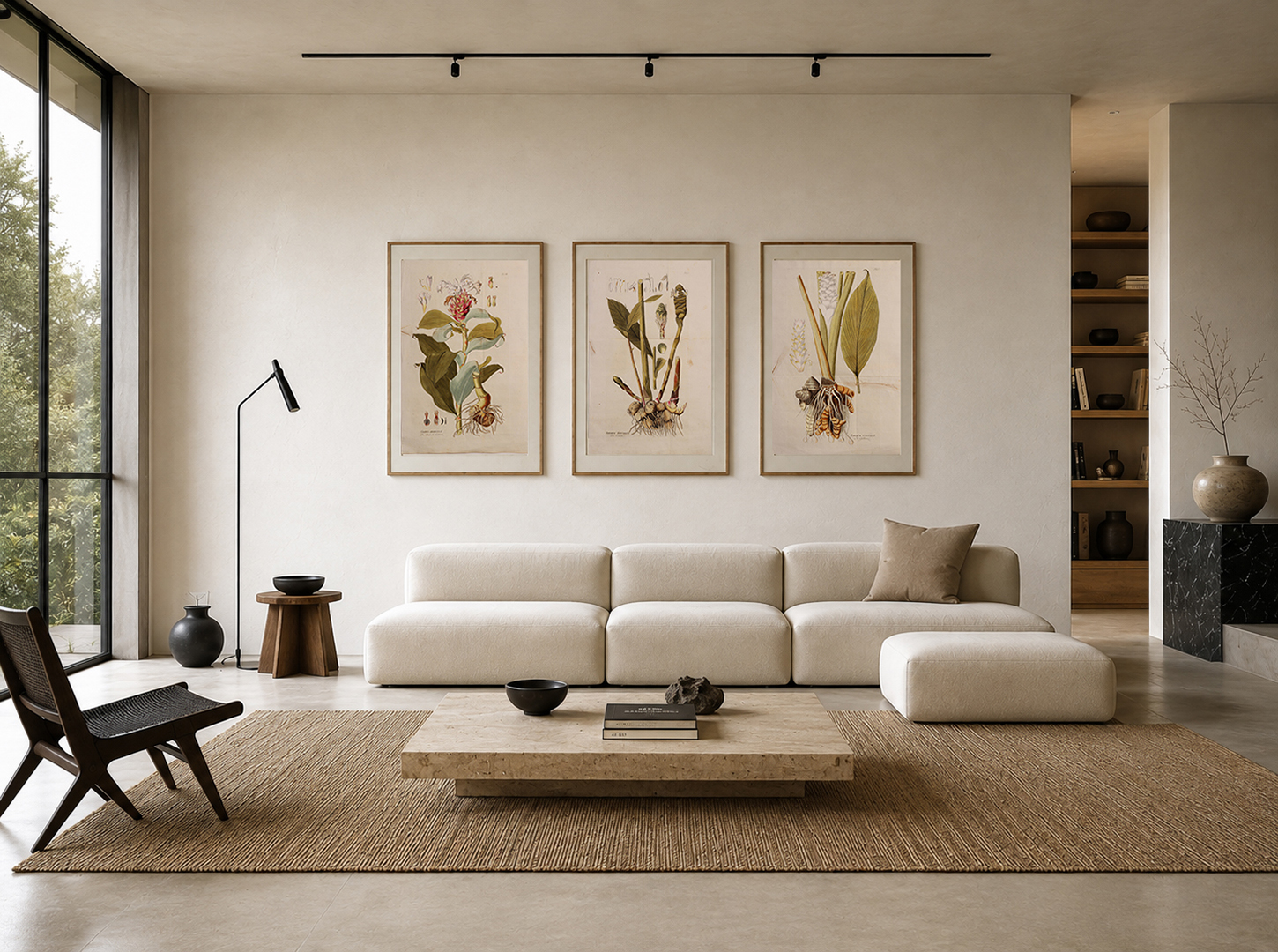
Original Joseph Jacob von Plenck botanical engravings from the Prantique collection presented in a contemporary interior. Interior visualization featuring photographs of the original works.
When Historical Coherence Becomes Visual Coherence
Botanical and natural history publications were frequently conceived as sequences rather than as collections of unrelated images.
Individual plates shared dimensions, paper, printing techniques, typography and visual conventions because they belonged to the same publication and were created within the same intellectual and material project.
When several surviving plates from such a sequence remain together, their original relationship can also become remarkably effective within an interior. Their dimensions establish rhythm. Their paper creates continuity. Their printing technique provides a common surface and visual language. Differences between individual specimens introduce variation without disrupting the composition.
This is one reason Prantique identifies and preserves certain coherent groups as Museum Quality Study Sets. They are not modern decorative sets assembled retrospectively because their colours happen to match. They are groups of original historical works whose relationship derives from their publication, subject, sequence or material characteristics.
They are collected objects first, interior compositions second.
Antique Prints Can Be Surprisingly Modern
Historical natural history illustration encompasses a far wider visual world than traditional botanical imagery alone.
Some nineteenth-century scientific publications produced compositions that appear remarkably modern when placed within contemporary architecture. The work of Ernst Haeckel provides an exceptional example.
Complex biological structures, geometric organisms, unusual colour fields and precisely organised scientific forms can initially be read from across a room almost as modern graphic compositions. Only closer examination reveals something entirely different: nineteenth-century scientific images created to investigate and describe the natural world.
Botanical engravings create another kind of relationship. Their plants are immediately recognisable, but engraved lines, historical paper and hand-applied colour introduce something fundamentally different from contemporary botanical decoration.
The modernity comes from the dialogue between artwork and architecture. Nothing needs to be done to the historical object itself.
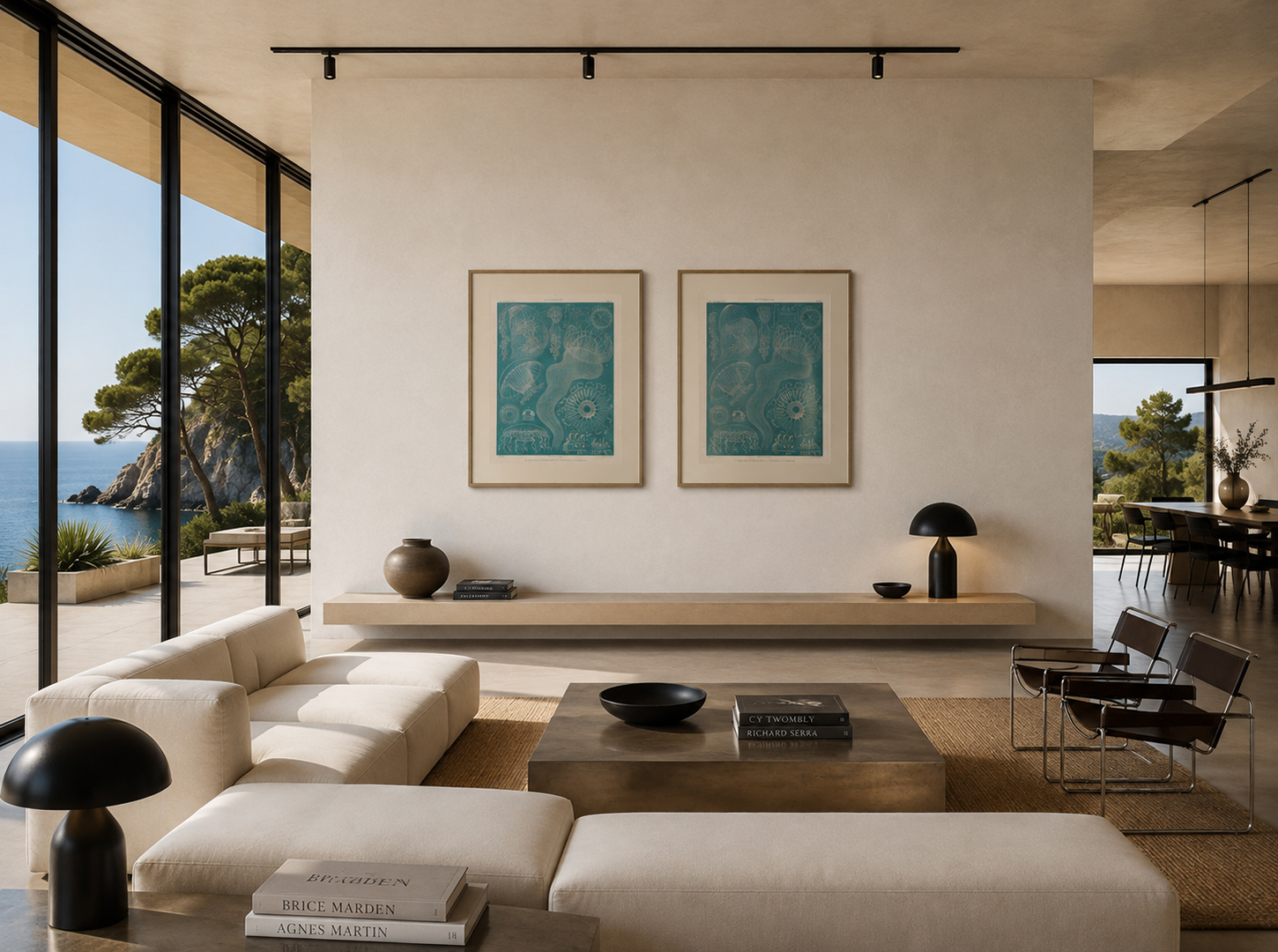
Original Ernst Haeckel Medusae prints from the Prantique collection presented as a diptych in a contemporary Mediterranean interior. Interior visualization featuring photographs of the original works.
Designing with What Already Exists
Working with original antique prints reverses one of the assumptions of conventional interior decoration.
The objects already exist.
Their dimensions were established by books, atlases and scientific publications decades or centuries before the room in which they will eventually hang. Their colours were determined by printers, artists and colourists. Their paper has acquired its own tone and material character through time.
Rather than modifying those objects to fit a predetermined decorative scheme, an interior can respond to what is already there. A warm eighteenth-century sheet can establish a subtle relationship with natural timber or stone. Restrained botanical greens can introduce colour into a neutral room. A vivid scientific plate can become a precise chromatic accent within otherwise quiet architecture.
Scale, repetition, spacing and contrast become more important than exact colour matching. The objective is not perfect coordination. It is meaningful visual dialogue.
Seeing the Work Before It Reaches the Wall
Selecting antique prints for an interior benefits from something particularly important when working with unique historical objects: the ability to examine them carefully before acquisition.
Detailed professional photography allows proportions, colours, paper tone, condition and visual density to be considered in relation to a specific design project. Different possibilities can be compared according to format, scale, period, subject, colour, visual character and historical context.
This becomes especially useful when building pairs, triptychs or larger groups. Individual works can be evaluated together before they ever share a physical wall, allowing different arrangements and visual directions to be considered wherever the project is located.
The question becomes not simply where to find an antique print, but which historical object — or group of objects — belongs in a particular space.
Original, Not Reproduced
There is a fundamental distinction between decorating with the image of an antique print and living with the antique print itself.
An original antique print is a period-produced work on paper, not a modern reproduction of an antique image.
A modern reproduction can replicate subject, colour and composition. What it cannot reproduce is the physical history of the original sheet: its paper, printing process, hand colouring, impressions, irregularities and evidence of age.
For modern and contemporary interiors conceived around authentic materials — stone, timber, metal, glass, ceramics and textiles — an original work on paper introduces another genuine material layer.
From across the room: composition.
Closer: subject.
Closer still: paper, engraving, colour and history.
This progressive discovery is one of the qualities that makes an original historical work fundamentally different from modern wall decoration reproducing the same image.
It also gives the object a form of lasting interest that extends beyond its immediate decorative effect. Composition may be what first attracts the eye, but subject, craftsmanship, paper, publication and history continue to reveal themselves through time.
Building a Coherent Group
Finding several original antique prints that genuinely work together is not always straightforward.
Compatible dimensions are only the beginning. Paper tone, printing technique, visual density, colour, period and historical origin can all affect the relationship between individual works.
Prantique's Museum Quality Study Sets offer one approach: coherent groups of original botanical and natural history prints in which a meaningful material, historical or scientific relationship between the individual works already exists.
Those who prefer to create their own arrangement can instead explore our historical Collections, where works from individual artists and publications provide a natural starting point for compositions adapted to the architecture, scale and character of a particular interior.
Start with the objects, understand why they belong together, and then give them space.
Historical Objects, Contemporary Lives
Antique prints have survived because they were printed, collected, studied, preserved and passed from one generation to another.
Their next setting does not need to reproduce the world in which they were created.
A seventeenth-century botanical engraving can live beside contemporary furniture. An eighteenth-century medicinal plant can hang above a minimalist sofa. A nineteenth-century scientific illustration can become part of a modern apartment or Mediterranean architectural interior.
The historical identity of each object remains intact. Only its context changes.
We don't make antique prints decorative. We show why they belong in contemporary interiors.
It preserves centuries of wonder for the natural world,
careful observation and patient craftsmanship,
thanks to the care of those who chose
to preserve the values it embodies.
The Prantique Network
Choosing an original antique print is often part of a wider conversation about how it will live in your home. The Prantique Network brings together trusted conservation framers and interior design studios in different parts of the world, whose work we consider well suited to projects involving original historical prints.
Tell us about your print, your plans and your location. We can suggest a relevant contact from our network where one is available in your area.
Conservation framing
An original work on paper deserves framing that protects it while allowing it to be enjoyed. We can introduce you to a specialist experienced in the conservation and presentation of historical prints.
Interior design
A single print can transform a room; a carefully chosen group can shape an entire space. If you are planning an interior project, we can introduce you to a design studio whose approach suits your home and the works you have in mind.
Explore Antique Prints for Modern and Contemporary Interiors
Prantique's Botanical and Natural History Collections bring together original seventeenth- to nineteenth-century works across artists, publications, subjects, formats and visual languages. Explore individual prints, coherent historical groups and different possibilities for building a collection around a modern or contemporary space.
Explore the Prantique Collections →
Explore Museum Quality Study Sets →
Continue exploring how original antique prints can be collected, combined and displayed in modern and contemporary interiors.
Creating a Focal Point with Historical Study Sets →
Why Antique Prints Quietly Transform a Room →
A Guide to Collecting and Decorating with Antique Botanical Prints →
A Guide to Collecting and Decorating with Antique Bird Prints →
Related posts
-
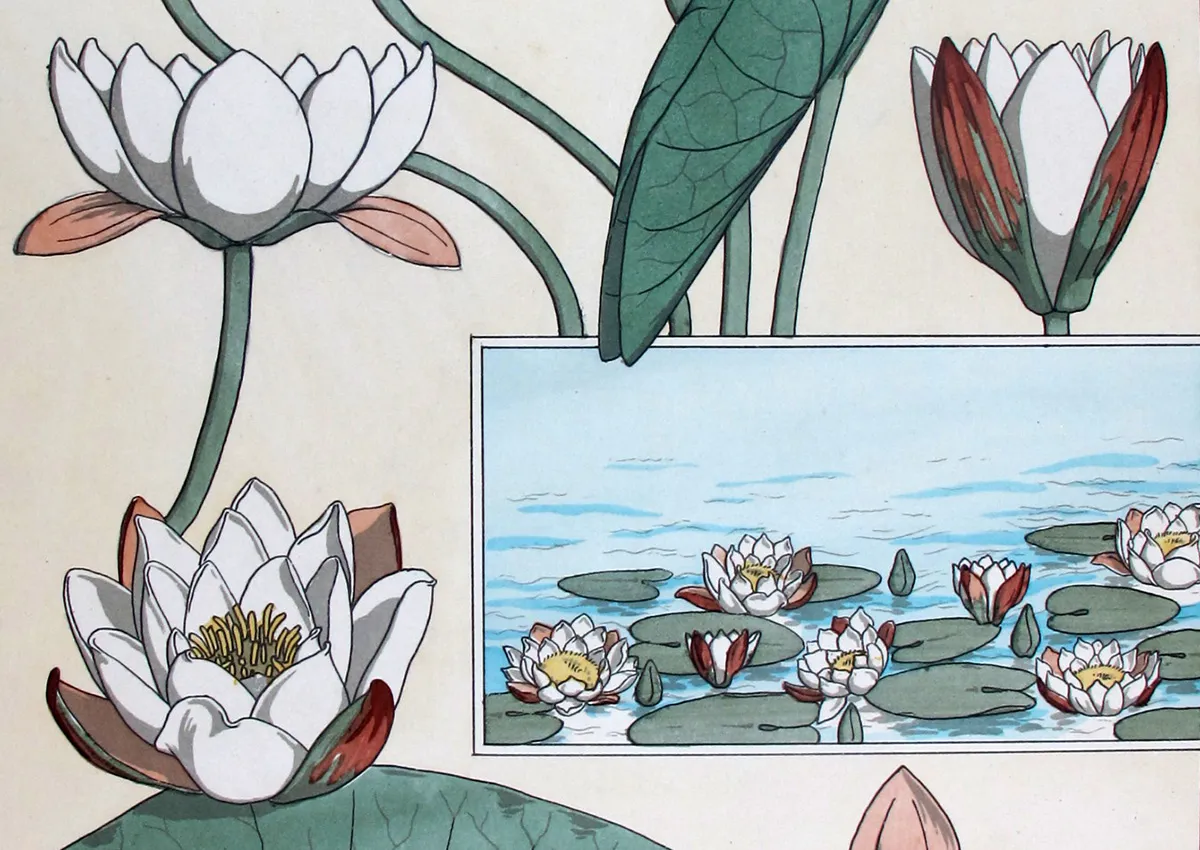 Pochoir or Lithograph? Understanding the True Technique Behind Grasset’s La Plante
In the world of antique print collecting, the difference between pochoir and color lithography is more than a...Read more
-
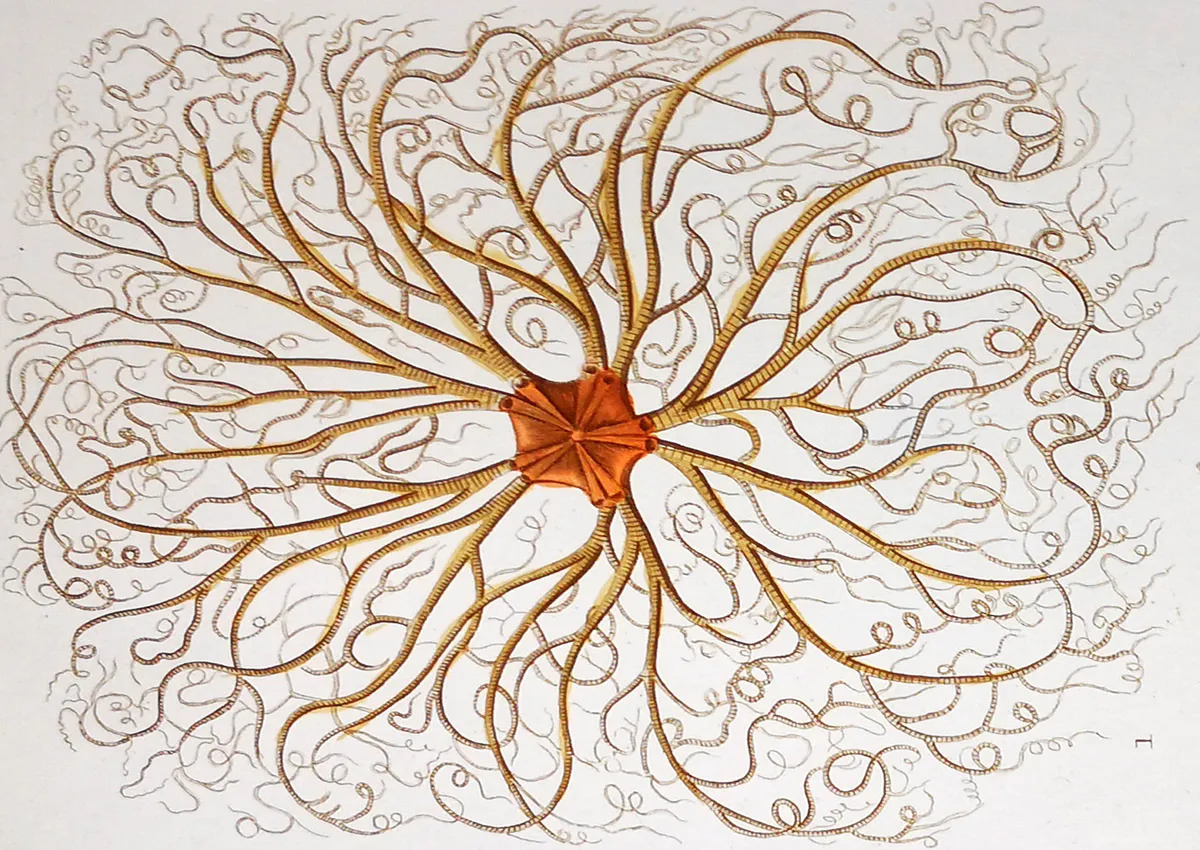 The Hidden Nobility of Natural History Prints: From the Sacchetti Collection
The Hidden Nobility of Nature Prints In the vast and fascinating world of antique natural history prints, there are...Read more
-
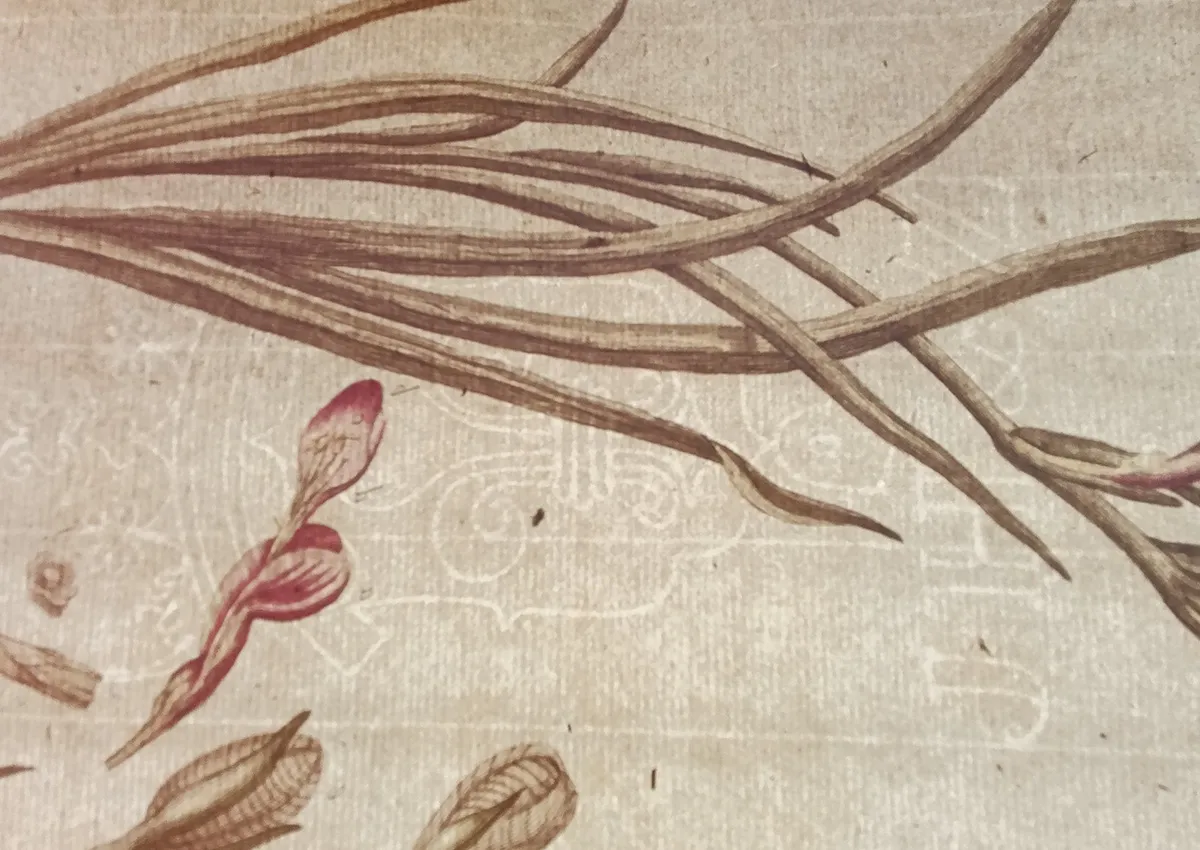 Paper in Antique Prints: Laid, Wove & Watermarks
An overview of laid and wove paper in antique prints, with a focus on watermarks as material evidence for dating,...Read more
-
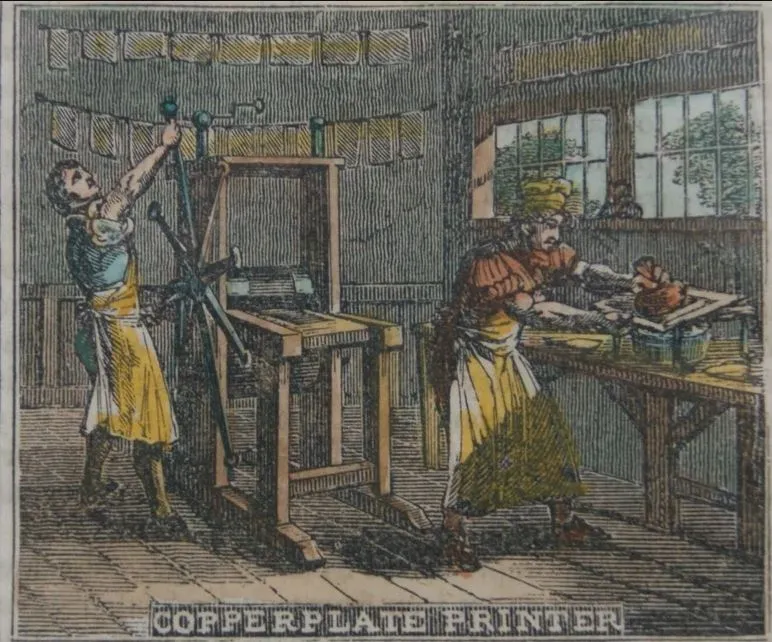 Plate Marks in Antique Prints: Reading the Printed Impression
Plate marks are subtle physical traces left by the printing process itself. This article explores how plate...Read more
-
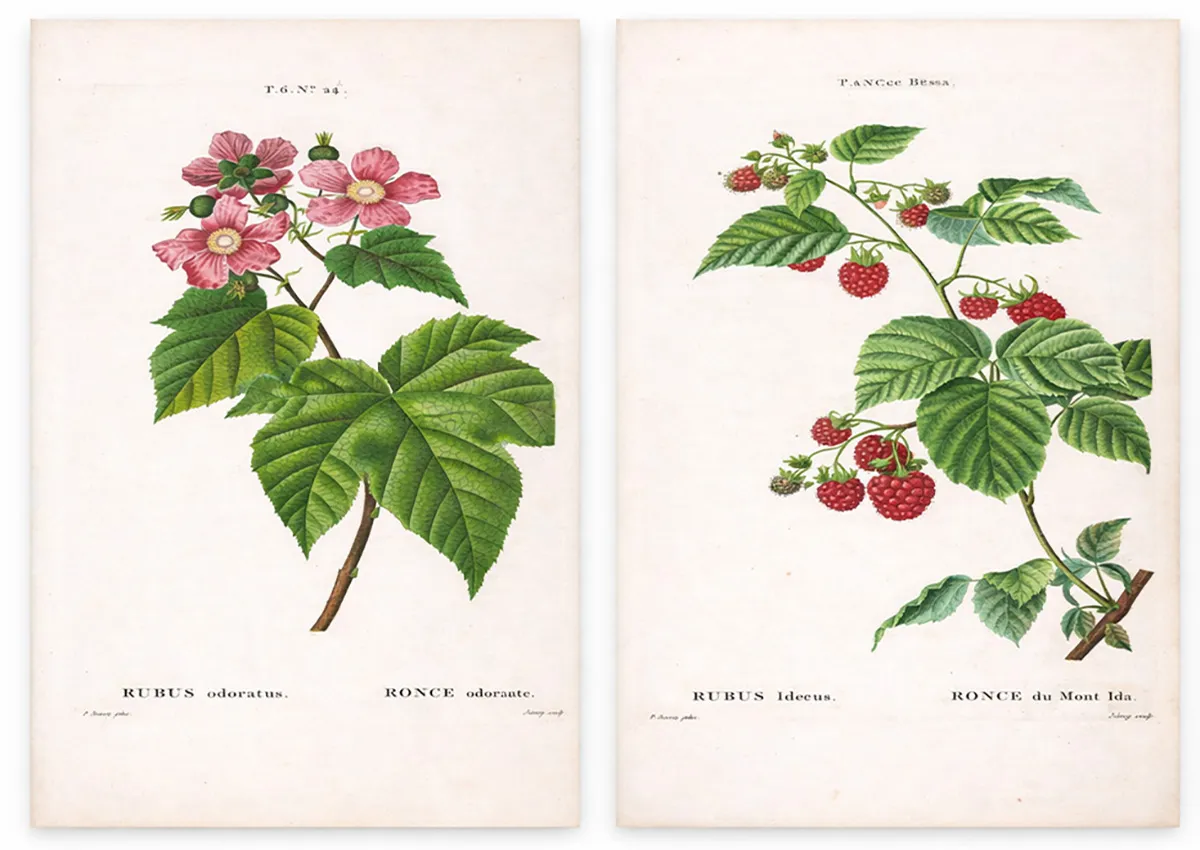 Why Antique Prints Feel Different — And Why They Quietly Transform a Room
A reflective essay on why antique botanical and natural history prints transform interiors not only through their...Read more
Leave a comment