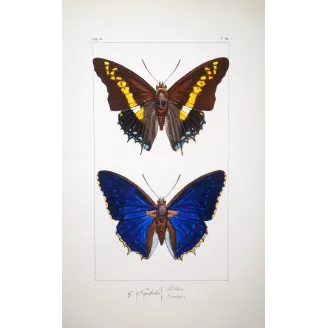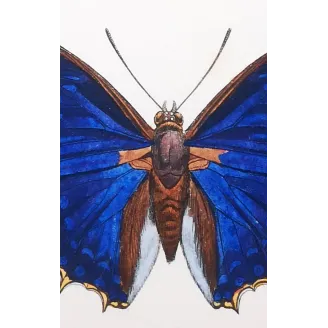
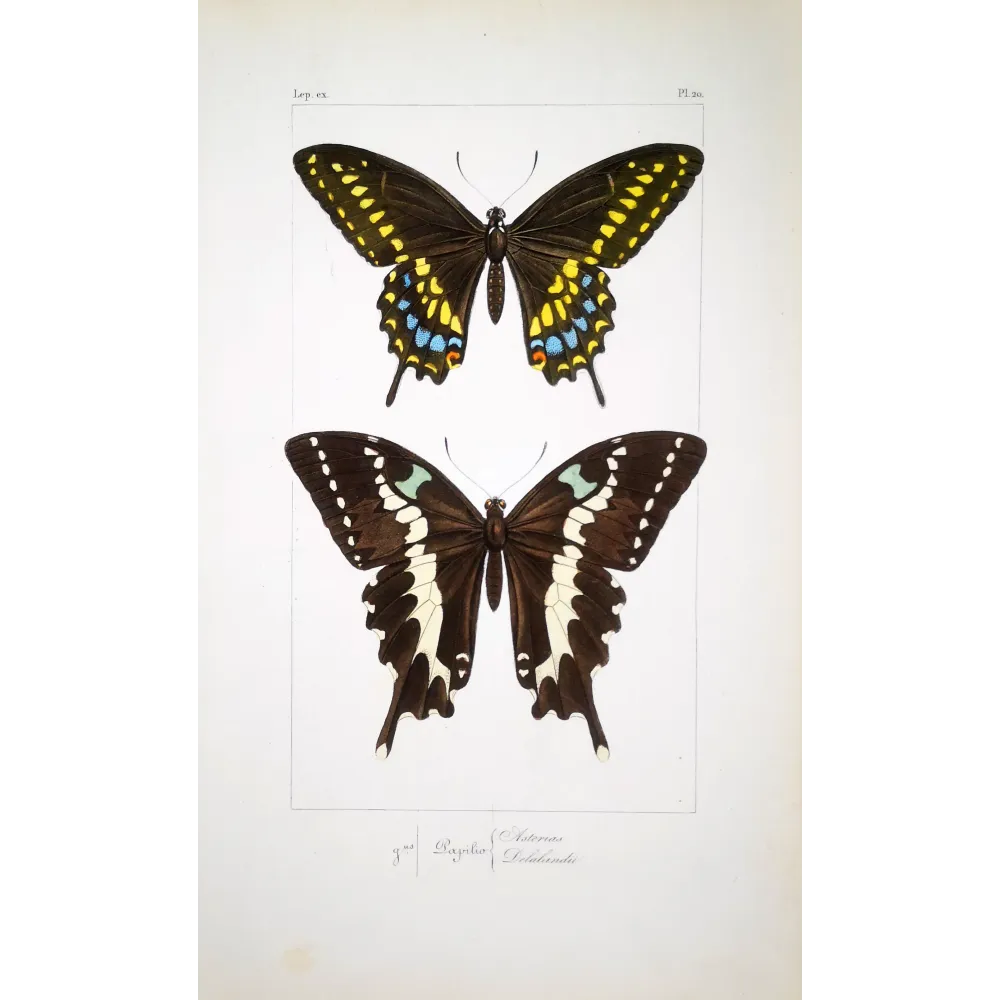
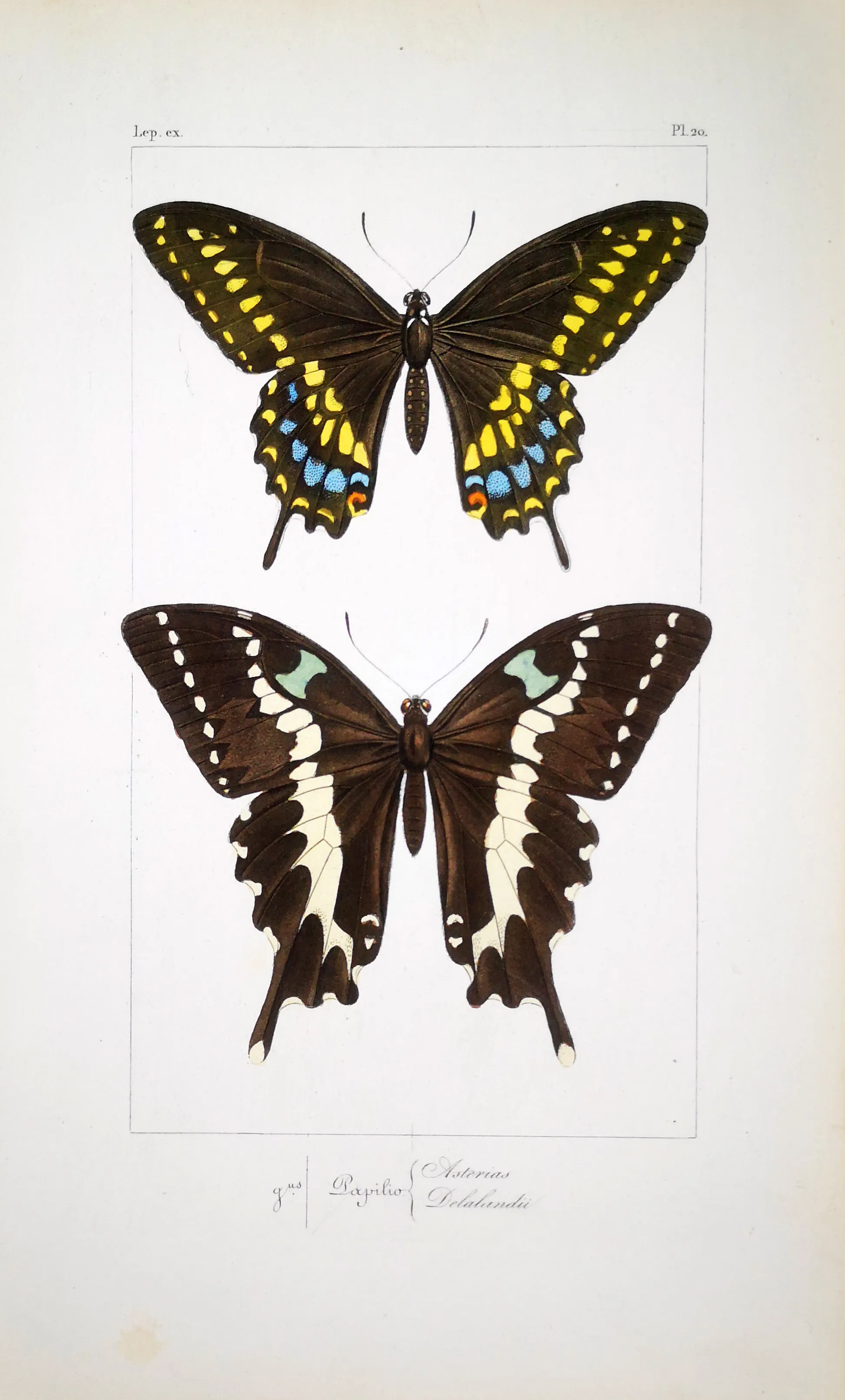
Elegant Asian swallowtail butterflies with yellow, blue, and ivory patterns on deep brown wings. A refined 1835 engraving, ideal as antique butterfly wall art.
 Delivery policy
Your print will be carefully prepared and shipped worldwide via trusted couriers (UPS or similar).
 Authentic antique prints
Original engravings from the 17th–19th century.
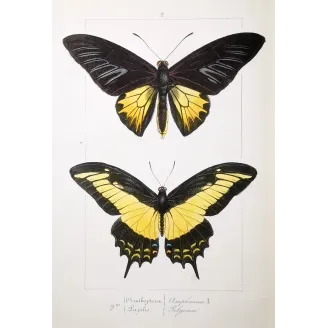
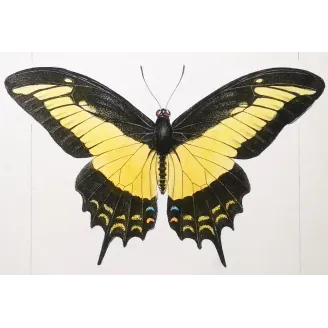
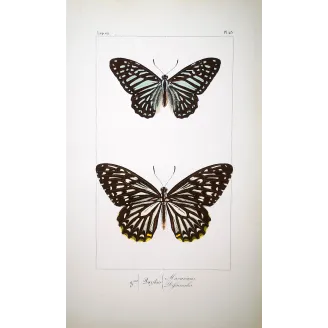
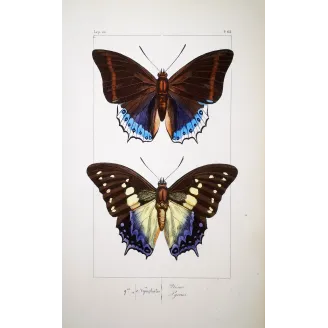
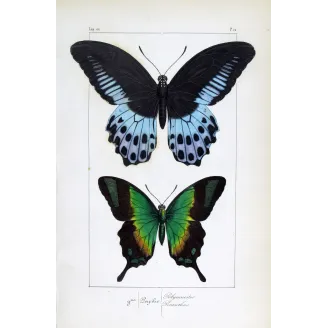
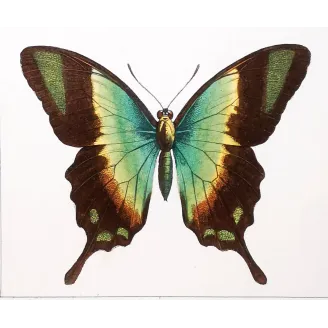
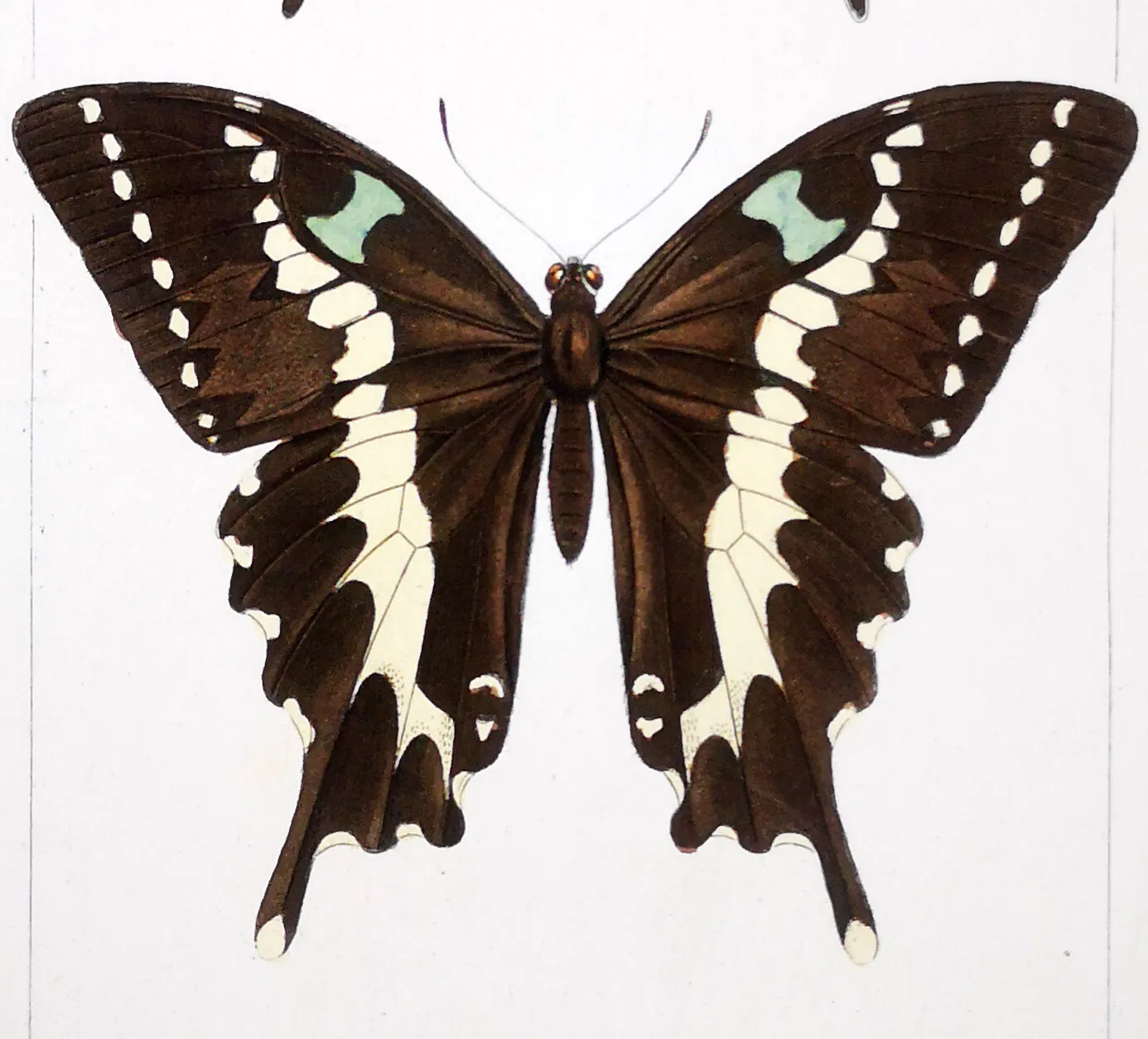
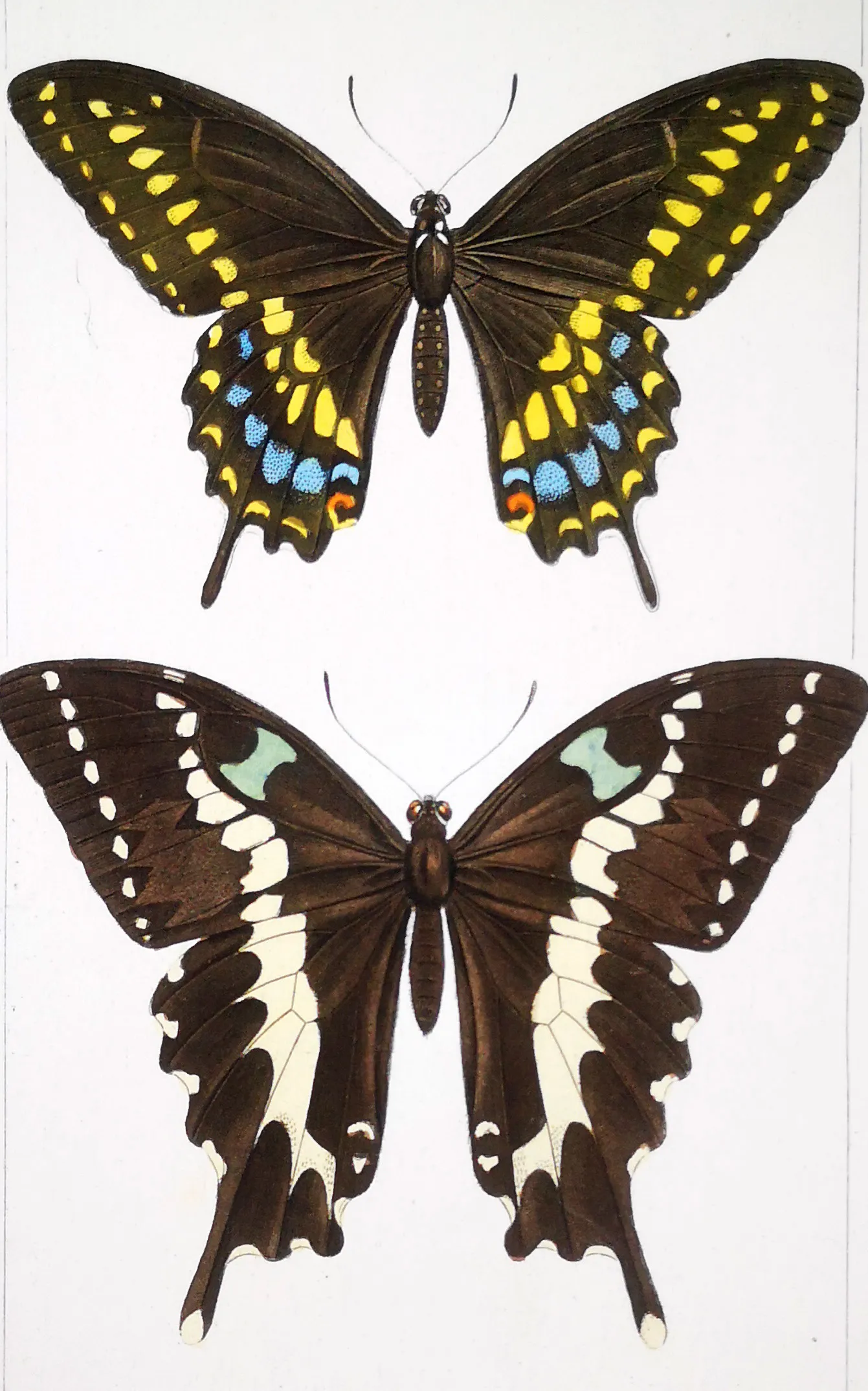
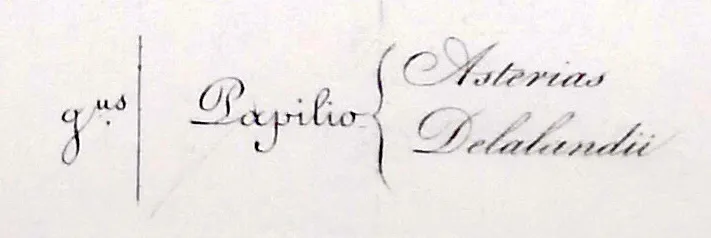
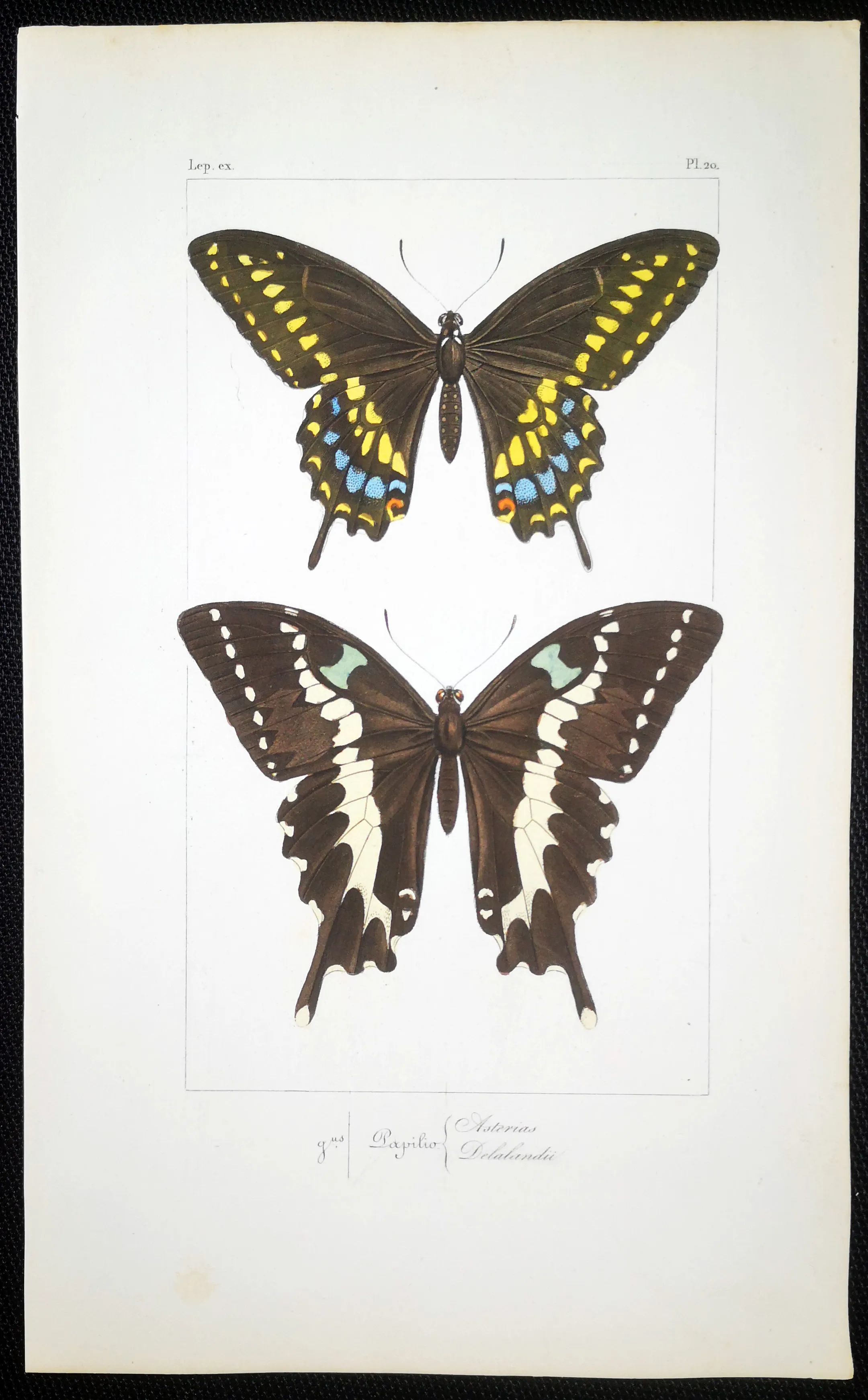
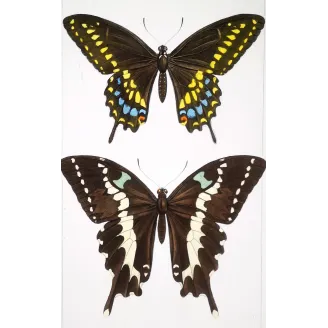
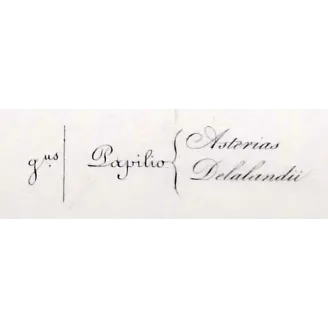
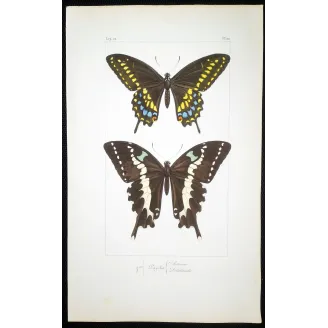
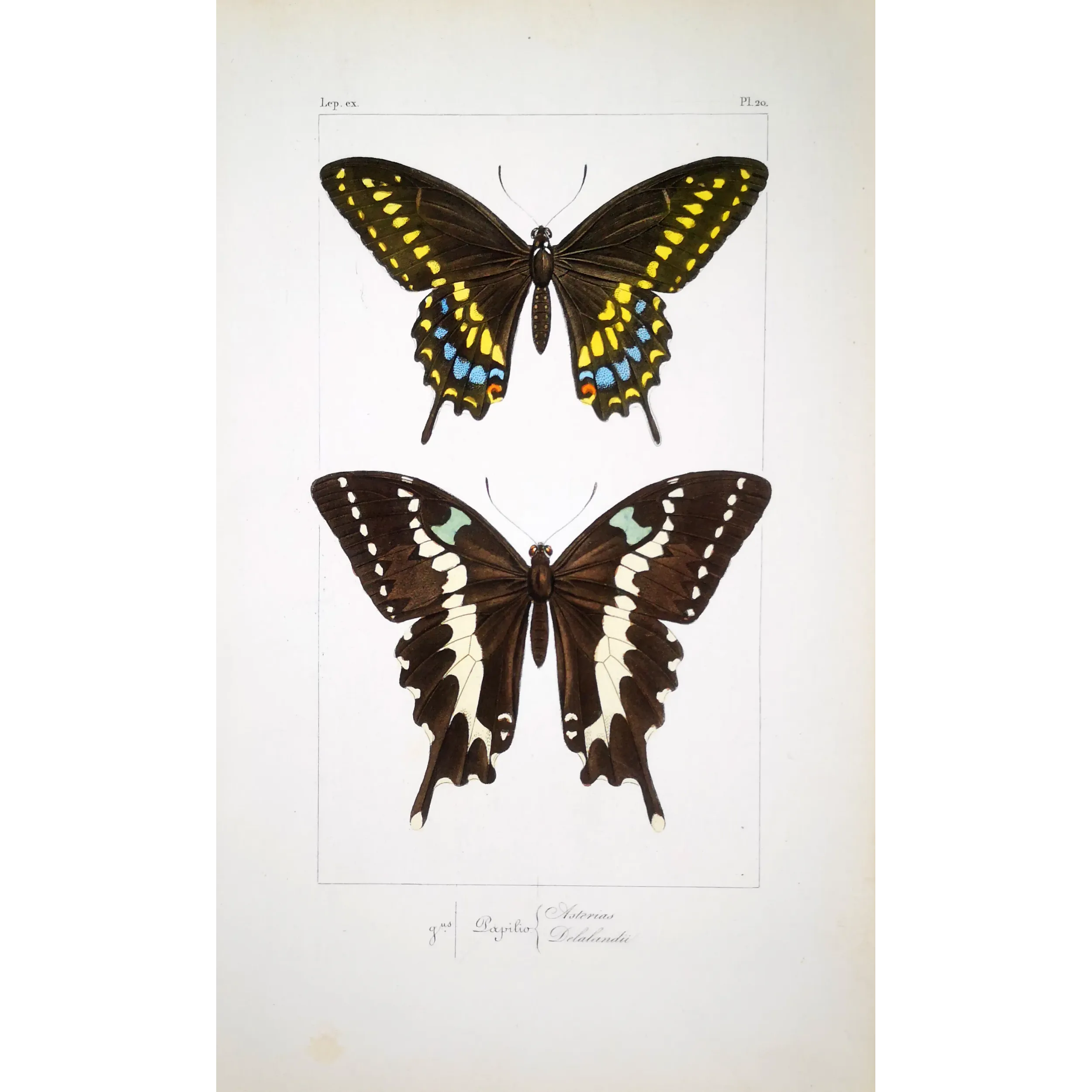
This original 1835 hand-colored copper engraving depicts two refined swallowtail butterflies belonging to the Papilio polytes group, a complex of Asian species admired for their variation and striking wing patterns. The plate forms part of Exotic Butterflies, produced under the scientific direction of Hippolyte Lucas and engraved by Pauquet. On the original plate, the butterflies appear under historical names such as Papilio asterias and Papilio delalandi.
Arranged in a balanced vertical composition, the engraving presents two contrasting interpretations of swallowtail beauty. The upper specimen introduces vivid colour accents, while the lower butterfly displays a more restrained and architectural pattern. This duality reflects the refined visual language of nineteenth-century natural history illustration, where scientific observation and decorative intent were closely intertwined.
The combination of deep brown tones with luminous yellow, soft blue, and ivory markings creates a composition of remarkable elegance. This engraving stands out as a sophisticated piece of antique butterfly wall art, particularly suited to interiors that favour contrast, balance, and subtle colour variation.
— • —
The upper butterfly displays a lively interplay of deep brown wings punctuated by bright yellow spots and iridescent blue accents along the hindwings. The rhythmic distribution of these markings creates movement and visual energy, while the delicate tail extensions reinforce the classic swallowtail silhouette.
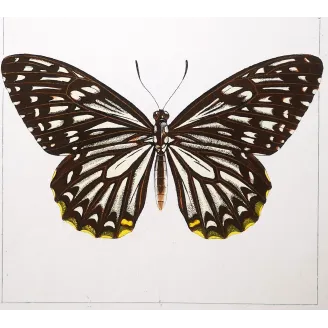
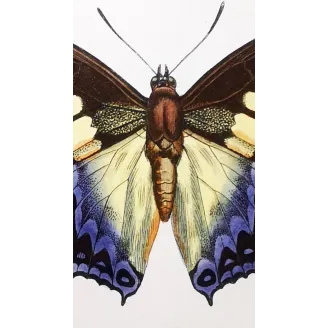
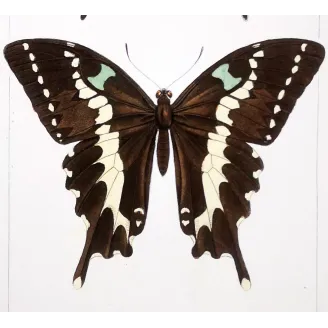
Below, the second specimen offers a more restrained and architectural composition. Its broad brown wings are structured by bold ivory patches and subtle pale blue highlights, producing a refined contrast that feels both balanced and timeless. The result is a composition that blends decorative clarity with natural elegance.
Butterflies of the Papilio polytes group are among the most fascinating in entomology due to their remarkable mimicry. Females, in particular, can imitate the appearance of toxic butterfly species, a survival strategy that intrigued nineteenth-century naturalists and continues to be studied today.
These swallowtails are native to South and Southeast Asia, where their adaptability and variation have made them emblematic of tropical biodiversity. Plates such as this one helped introduce these complex species to European audiences, transforming them into enduring examples of antique butterfly engraving and refined natural history art.
This engraving forms part of the celebrated series Lucas – Exotic Butterflies , published in 1835 under the scientific direction of Hippolyte Lucas — a period when nature was explored, classified, and artistically interpreted through monumental illustrated works.
Explore the historical context in our editorial feature: Hippolyte Lucas and the Golden Age of Exotic Butterflies .
The plate was engraved by Pauquet, whose refined technique translated natural specimens into images of exceptional clarity and lasting beauty: Pauquet, Engraver of Exotic Butterflies .
Very good antique condition. Fresh and vibrant original hand-coloring with strong engraved impression. Printed on fine original nineteenth-century paper. Minor age toning consistent with the 1835 publication. Such well-preserved examples are increasingly difficult to find, especially with this level of color freshness and paper integrity.
Specific References
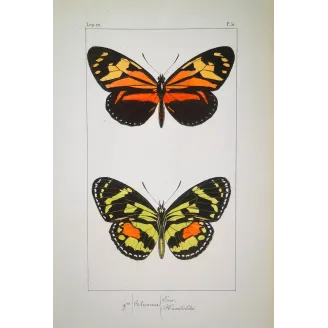
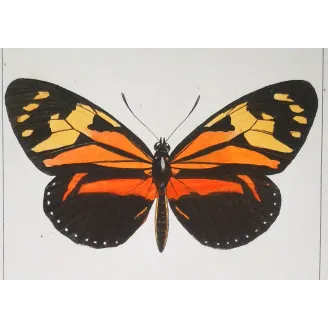
Original 1835 hand-colored copper engraving depicting the butterflies Pollux and Eurilochus. A visually striking double-specimen plate from Hippolyte Lucas’ celebrated Exotic Butterflies, engraved by Pauquet, with strong appeal as natural history art and antique butterfly wall art.
Elegant yellow butterflies with soft brown and natural tones. A refined 1835 engraving with balanced and decorative appeal.
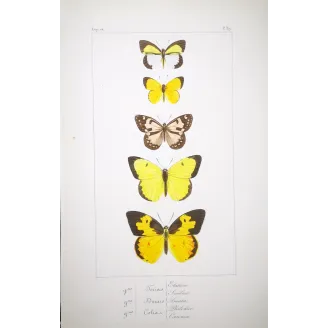
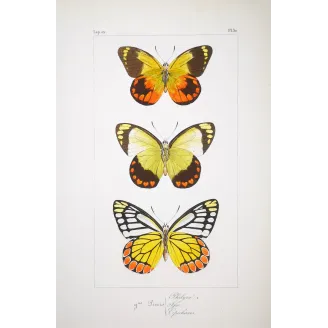
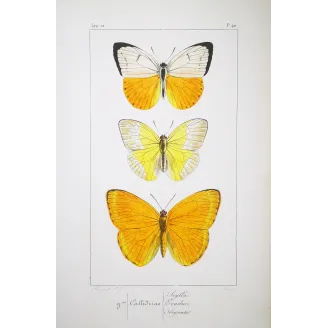
Sulphur Butterflies (Pieris philyra, Pieris jase, Pieris epicharis) – Antique Hand-Colored Engraving (1835).
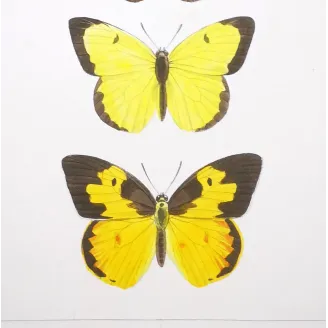
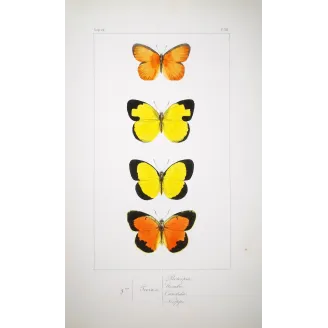
Sulphur Butterflies (Terias hecabe, candida, nicippe) – Antique Hand-Colored Engraving (1835)
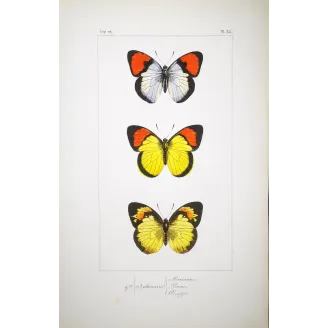
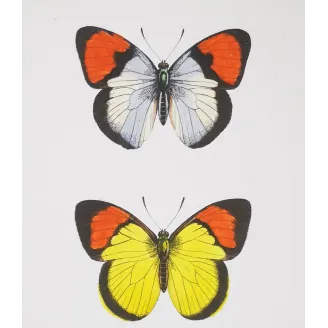
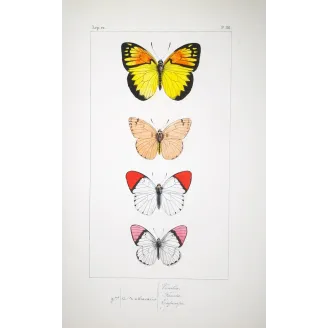
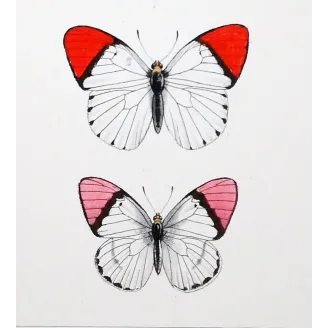
Elegant butterflies with vivid red tips and bright yellow tones. A refined 1835 engraving balancing delicacy and bold contrast.
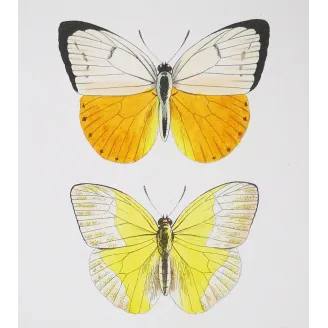
Luminous yellow and white butterflies with warm golden tones. A refined 1835 engraving with bright and elegant decorative appeal.
Golden Birdwing butterflies with bold yellow and black contrast and elegant swallowtail forms. A striking 1835 engraving, ideal as antique butterfly wall art.
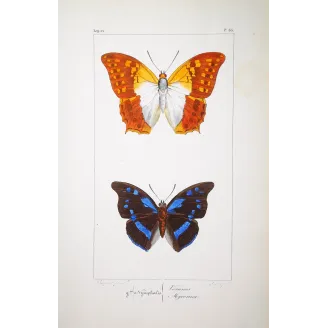
A vivid pairing of Lacewing (Cethosia cyane) and Erycina butterflies, combining fiery orange tones with electric blue accents. A striking piece of antique butterfly wall art with strong decorative contrast.
Bright yellow and white butterflies with vivid orange and pink tips. A refined 1835 engraving with strong decorative contrast.
A finely detailed 19th-century hand-colored engraving depicting two forms of the Clipper Butterfly (Parthenos sylvia). Published in Hippolyte Lucas’s Exotic Butterflies (1835), the plate highlights the species’ elegant network of white markings across dark wings, creating a striking geometric pattern characteristic of tropical Asian butterflies.
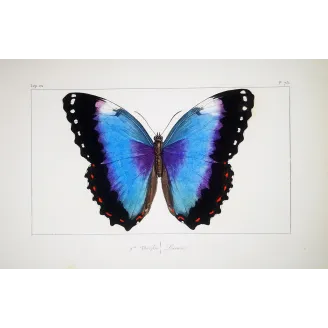
An original 19th-century hand-colored engraving of Morpho leonte, the striking Blue Morpho butterfly, drawn and engraved by Pauquet under the scientific direction of Hippolyte Lucas.
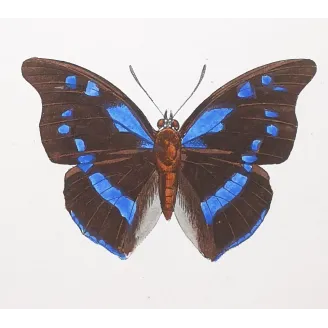
Deep brown butterflies with electric blue bands and eye-spot patterns, characteristic of Prepona-type species. A refined and highly decorative 1835 engraving, ideal as antique butterfly wall art.
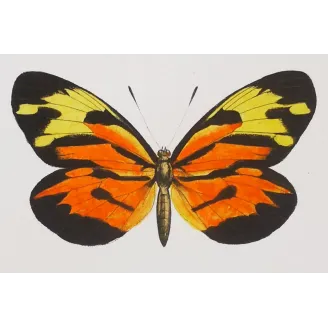
Striking black butterflies with vivid orange and yellow bands. A bold 1835 engraving with strong contrast and exceptional decorative impact.
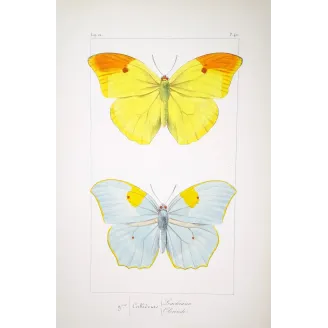
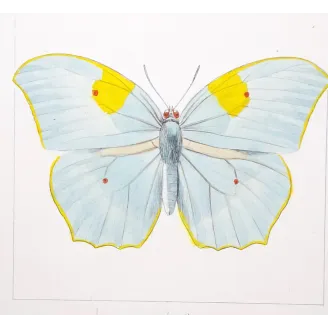
Soft yellow and pale blue butterflies with delicate orange accents. A refined 1835 engraving with elegant tones and subtle decorative appeal.
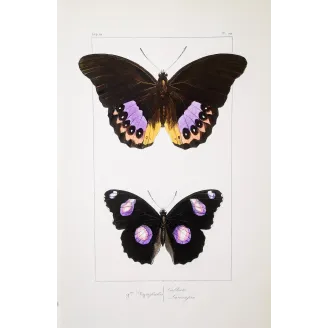
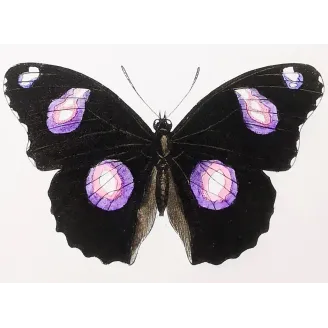
A striking 19th-century hand-colored engraving depicting two tropical pansy butterflies: the Golden Pansy (Junonia callista) and the Purple Pansy (Junonia laomedia). Published in Hippolyte Lucas’s Exotic Butterflies (1835), the plate highlights their dramatic wing contrasts and luminous violet eye-spots.
Elegant Asian swallowtail butterflies with yellow, blue, and ivory patterns on deep brown wings. A refined 1835 engraving, ideal as antique butterfly wall art.