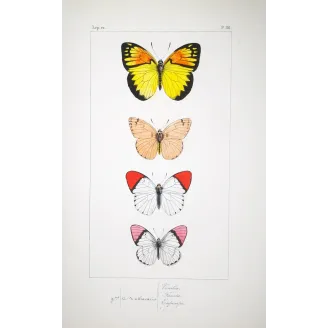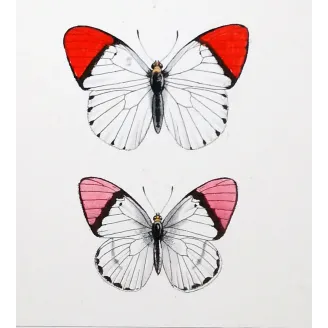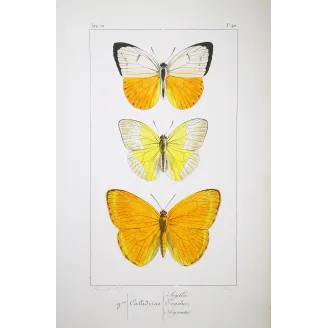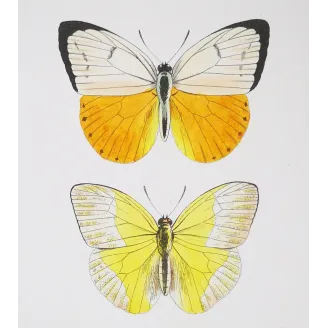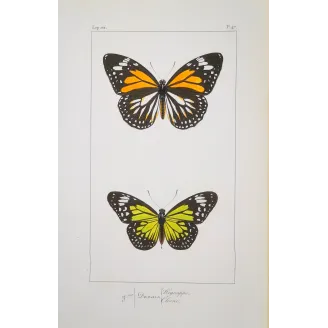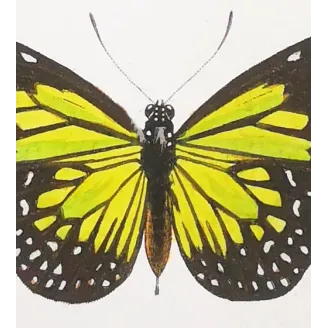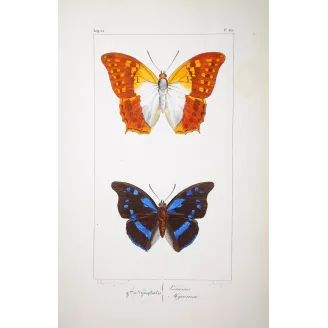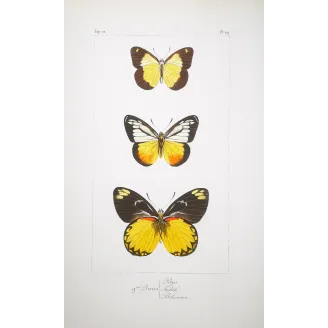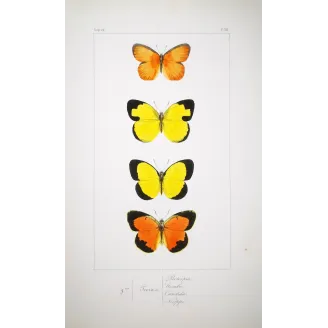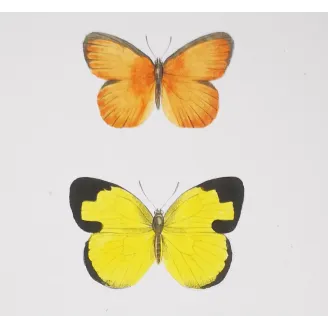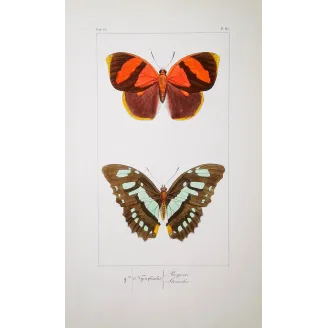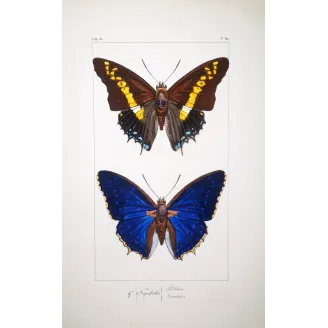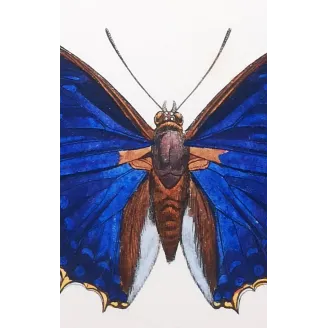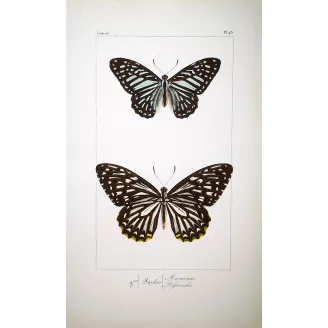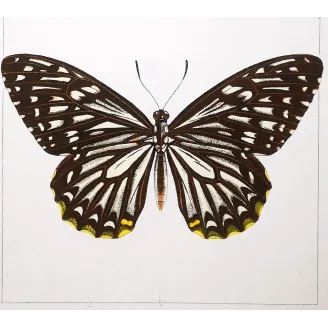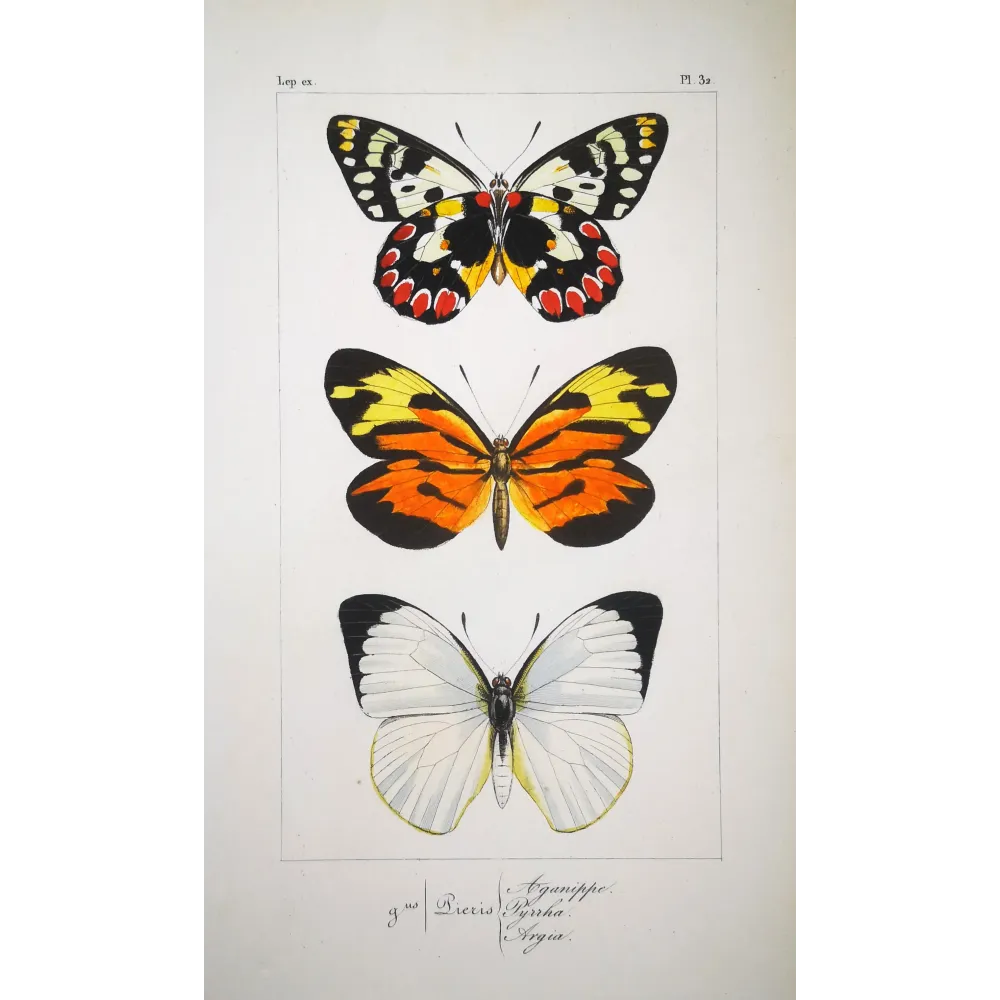
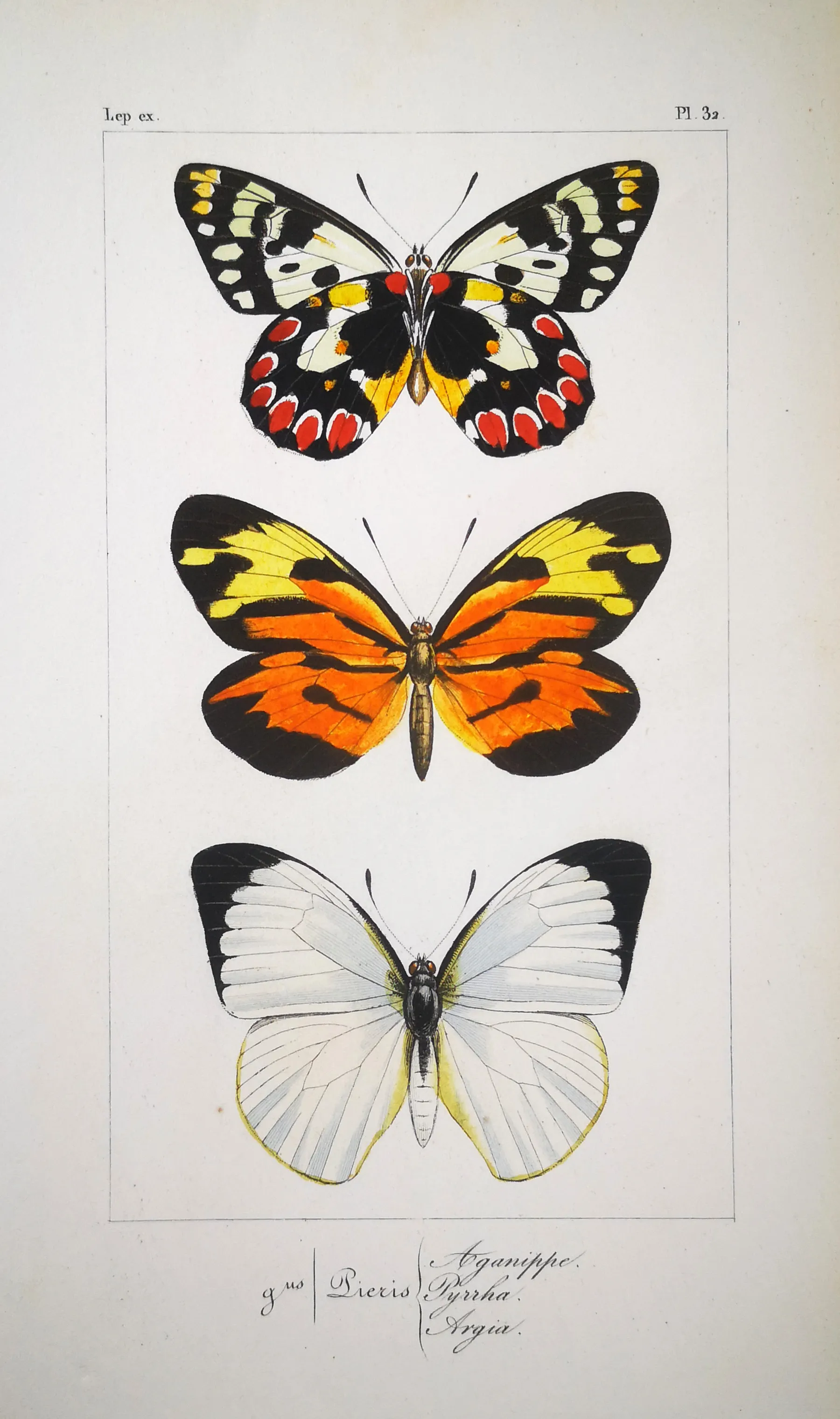
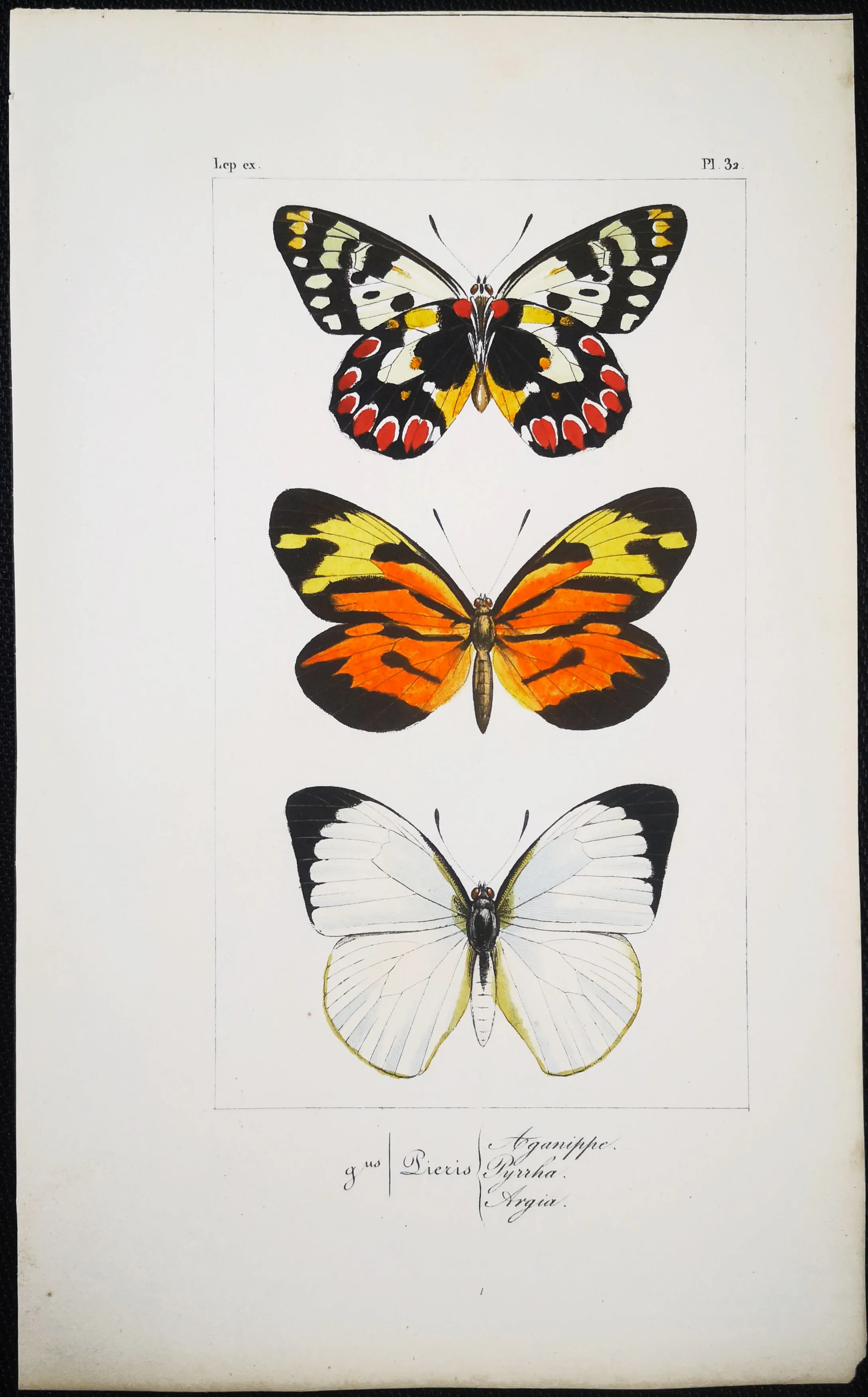
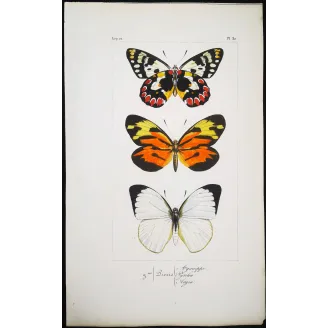
Elegant butterflies combining bright orange, yellow, and white tones. A refined 1835 engraving with strong visual contrast and balance.
 Delivery policy
Your print will be carefully prepared and shipped worldwide via trusted couriers (UPS or similar).
 Authentic antique prints
Original engravings from the 17th–19th century.
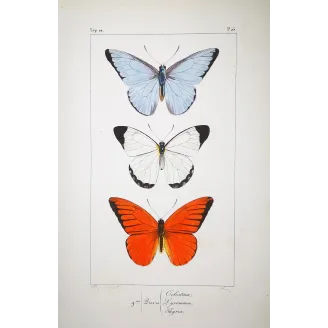
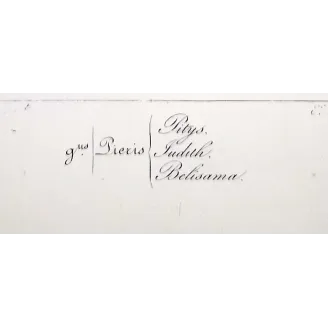
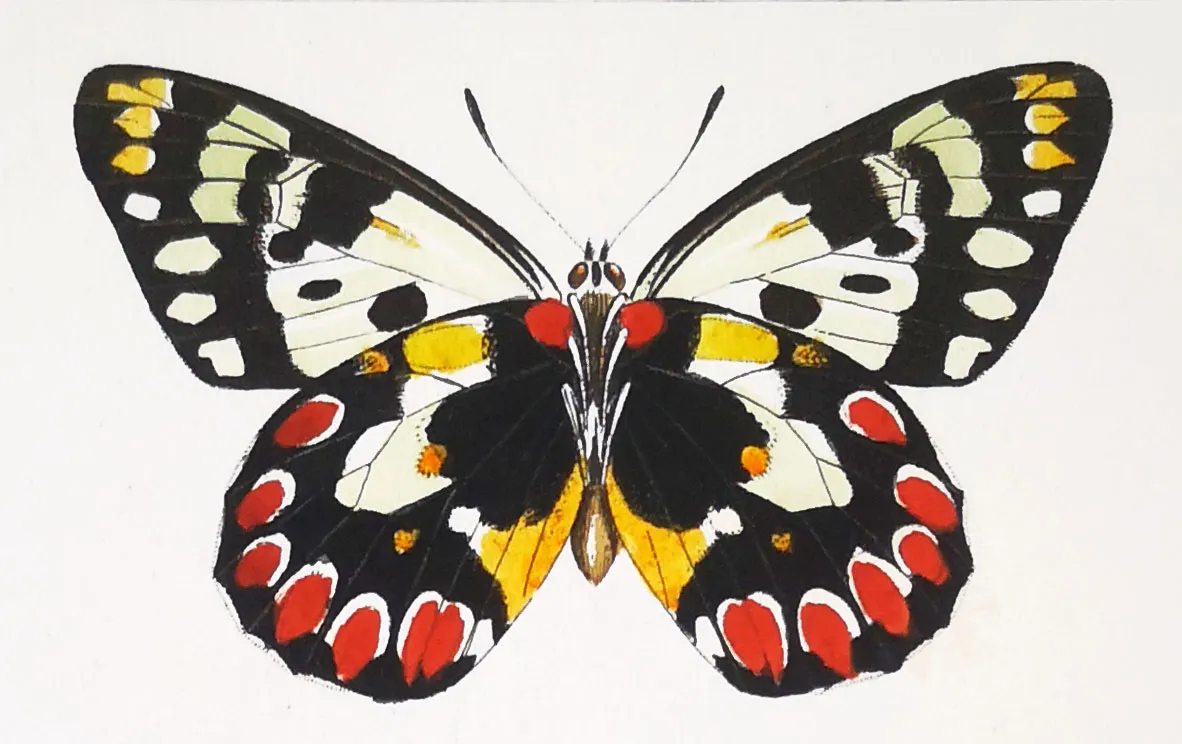
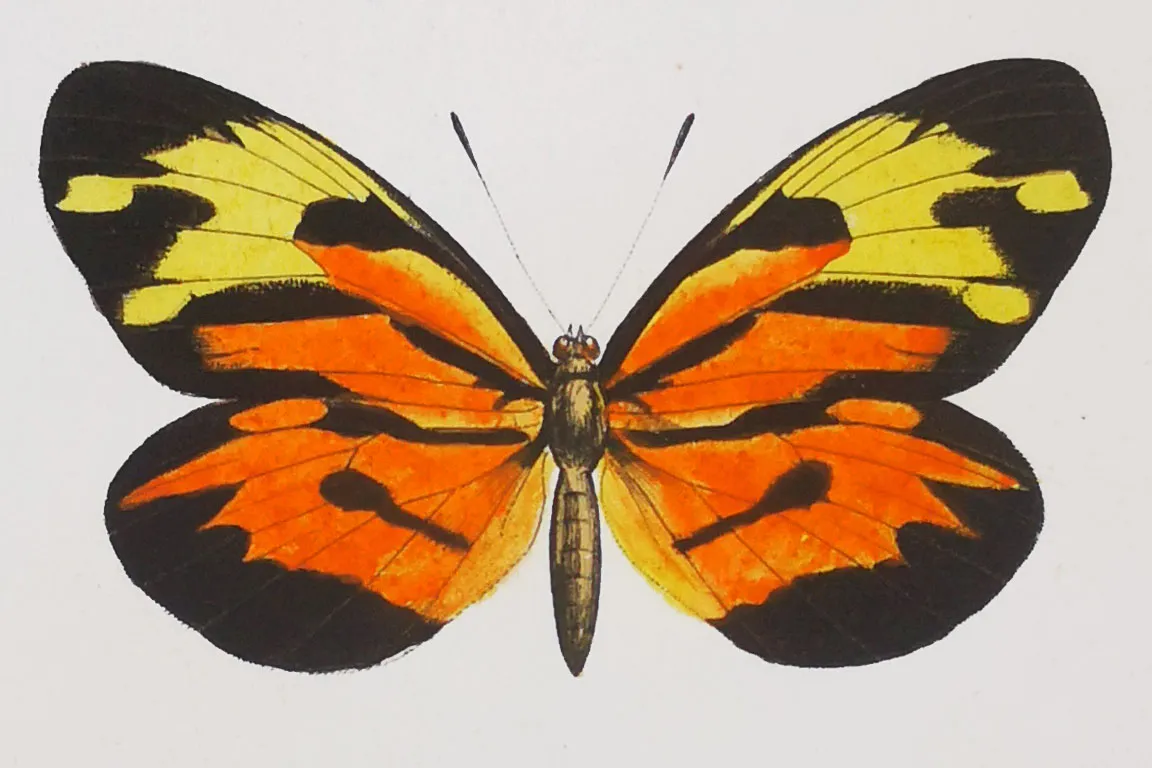
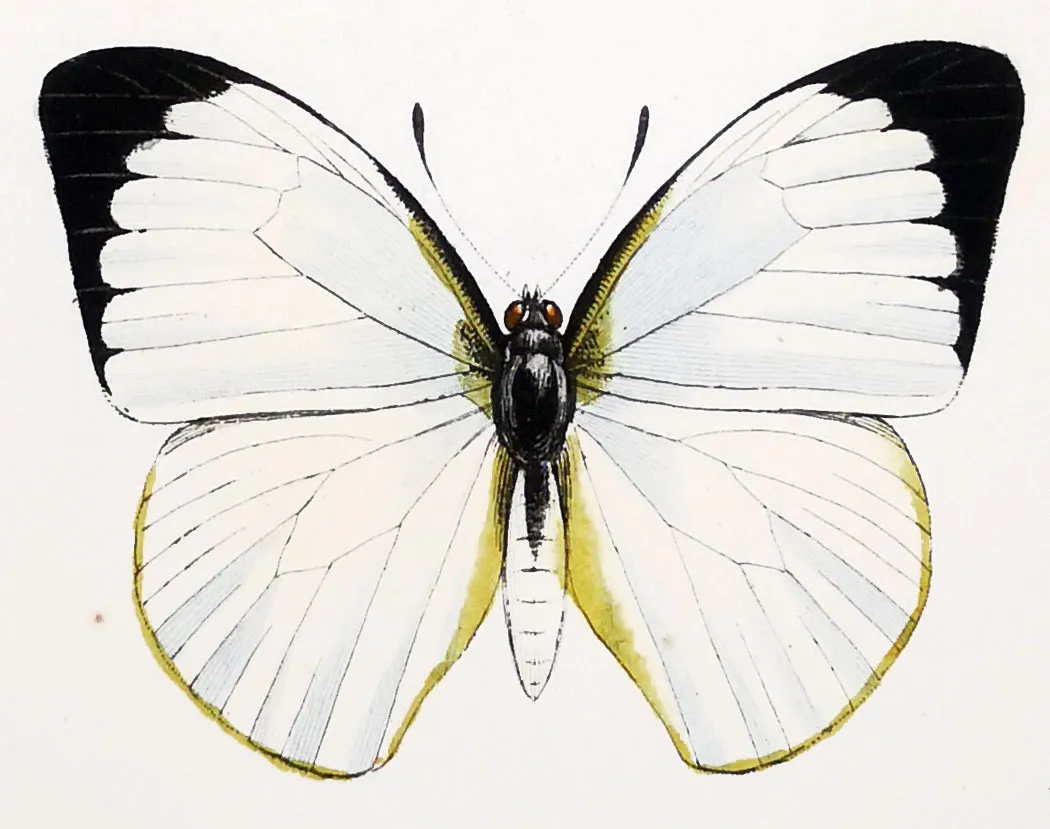
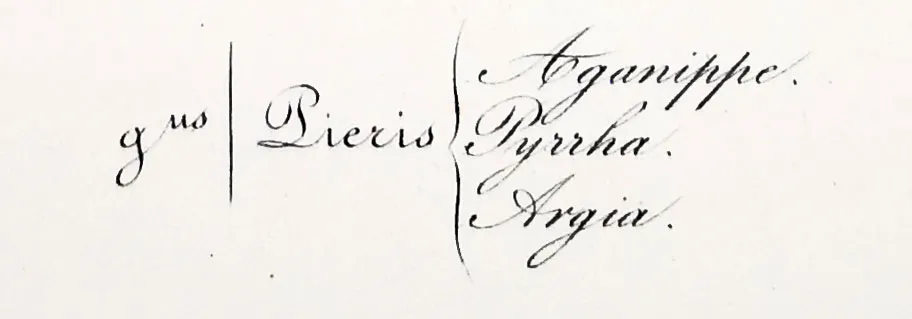
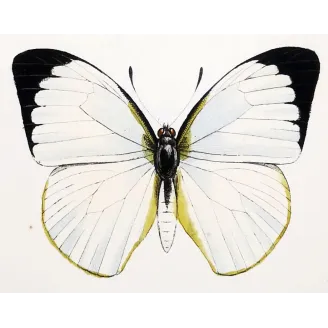
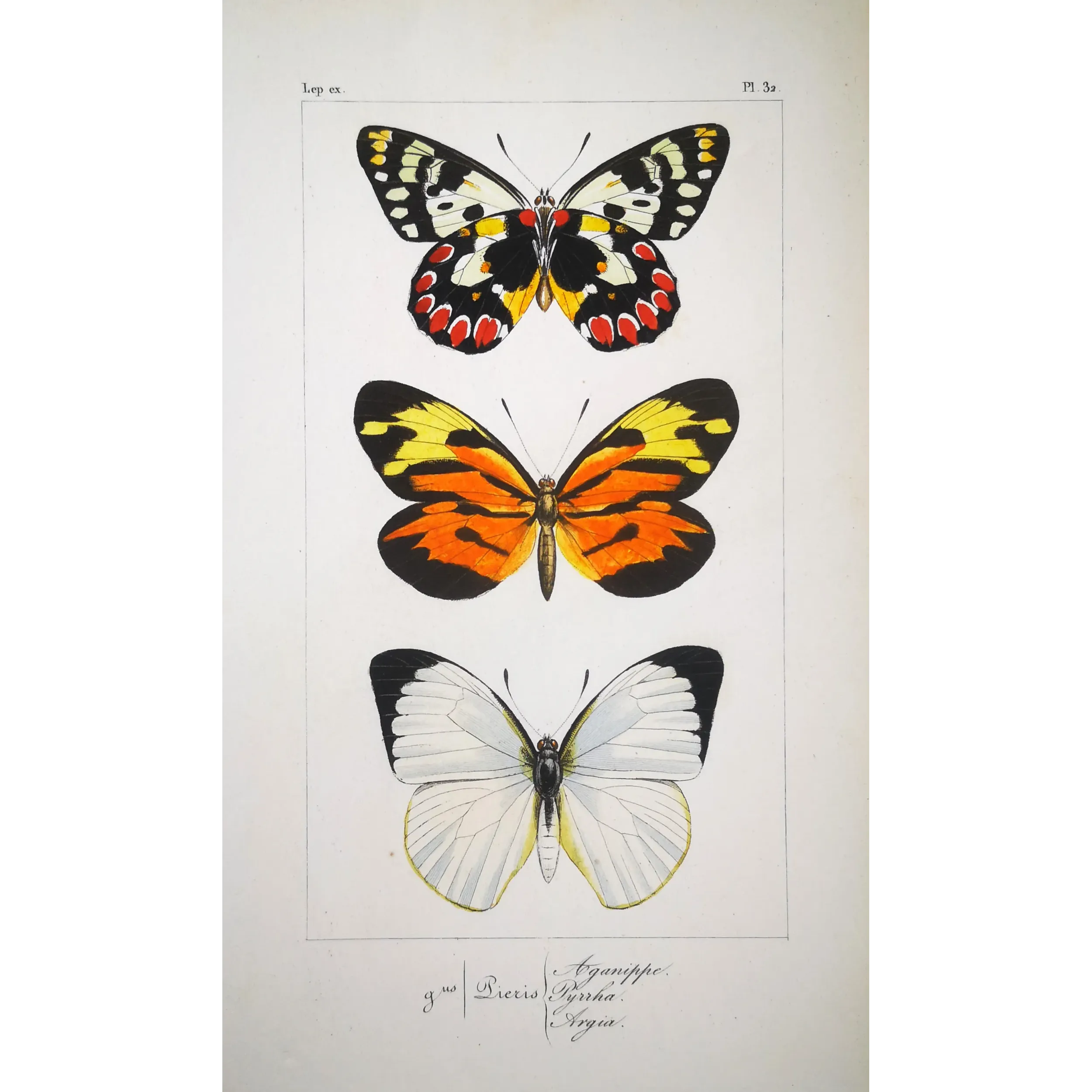
This original 1835 hand-colored copper engraving depicts three elegant butterflies historically associated with Pieris, including Pieris aganippe, Pieris pyrrha, and Pieris argia. The plate belongs to the celebrated Exotic Butterflies series directed by Hippolyte Lucas and engraved by Pauquet.
The composition is defined by a dynamic interplay of bright orange and yellow tones contrasted with deep black and soft white wings, creating a vibrant yet balanced visual effect.
With its strong chromatic contrasts and refined structure, this engraving is particularly suited as antique butterfly wall art, offering both decorative energy and elegance.
— • —
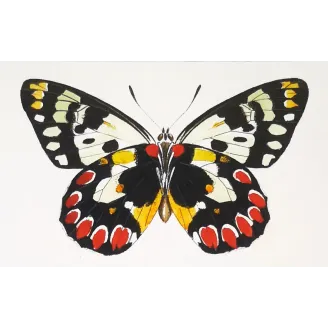
The upper butterfly presents a richly patterned composition combining white, black, red, and yellow details, creating an intricate and highly decorative effect.
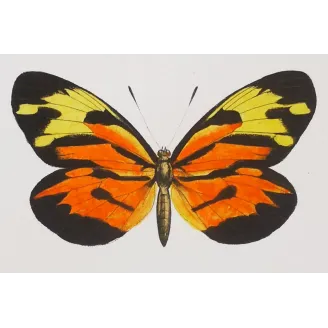
The central specimen introduces bold orange wings with strong black accents, forming the visual core of the engraving.
The lower butterfly softens the composition with luminous white wings edged in black, providing balance and visual clarity.
Butterflies of the genus Pieris are known for their clean wing structures and striking contrasts between light and dark tones.
Their visual clarity and color variation made them particularly valued subjects in nineteenth-century natural history illustration.
This engraving reflects that diversity, presenting multiple chromatic expressions within a unified and harmonious composition.
This engraving is part of the renowned Lucas – Exotic Butterflies series, published in 1835 during the golden age of natural history illustration.
Learn more in our article: Hippolyte Lucas and Exotic Butterflies .
The engraving was executed by Pauquet, whose refined technique allowed vivid contrasts and intricate patterns to be rendered with exceptional precision: Pauquet: Master Engraver .
Very good antique condition. Bright, well-preserved hand-coloring with vivid orange, yellow, and white tones. Printed on original nineteenth-century paper. Minor age toning consistent with age. Examples with such balanced contrast and visual clarity are increasingly difficult to find.
Specific References
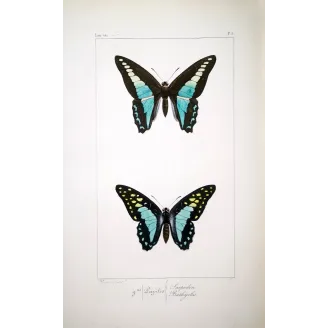
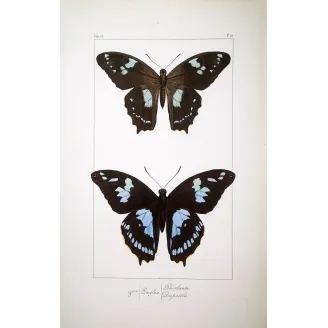
A vivid 19th-century hand-colored engraving depicting two striking Asian swallowtail butterflies: the Common Bluebottle (Papilio sarpedon) and the Spotted Bluebottle (Papilio bathycles). Published in Hippolyte Lucas’s Exotic Butterflies (1835), the plate highlights their elegant turquoise wing bands set against deep black wings.
Peacock Pansy (Junonia almana) and Grey Pansy (Junonia atlites) with distinctive eye-spots and soft tonal contrasts. A refined 1835 engraving, ideal as antique butterfly wall art.
Bright yellow and white butterflies with vivid orange and pink tips. A refined 1835 engraving with strong decorative contrast.
Luminous yellow and white butterflies with warm golden tones. A refined 1835 engraving with bright and elegant decorative appeal.
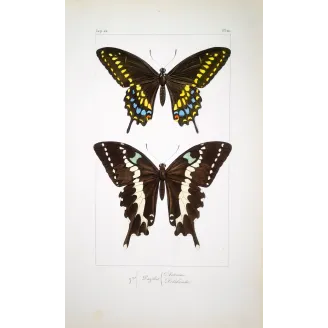
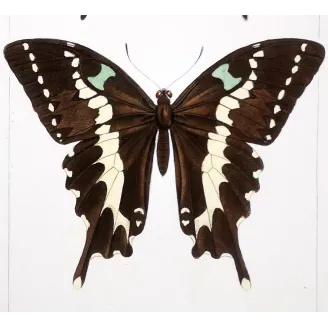
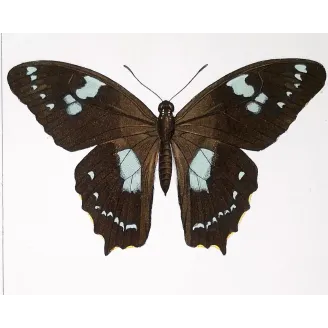
Elegant Asian swallowtail butterflies with yellow, blue, and ivory patterns on deep brown wings. A refined 1835 engraving, ideal as antique butterfly wall art.
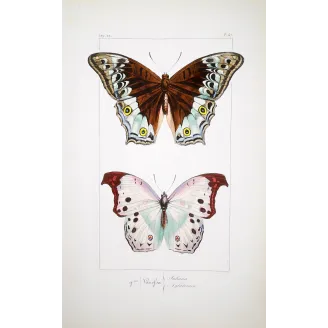
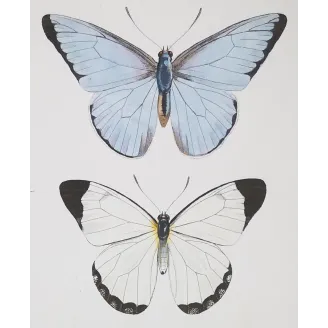
Delicate blue, white, and vivid red butterflies arranged in a refined vertical composition. An elegant 1835 engraving with balanced decorative appeal.
A refined 19th-century hand-colored engraving depicting two forms of the La Réunion Swallowtail (Papilio phorbanta). Published in Hippolyte Lucas’s Exotic Butterflies (1835), the plate captures the striking contrast between deep velvety wings and luminous pale blue markings characteristic of this Indian Ocean species.
A vivid pairing of Lacewing (Cethosia cyane) and Erycina butterflies, combining fiery orange tones with electric blue accents. A striking piece of antique butterfly wall art with strong decorative contrast.
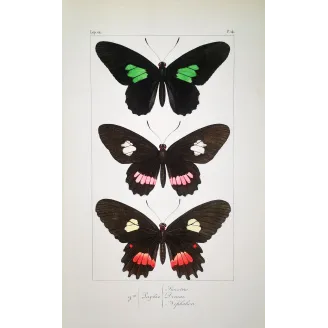
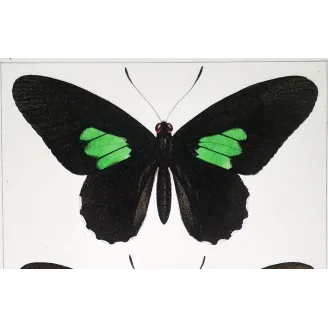
Striking black butterflies with vivid green, pink, and red accents. A dramatic 1835 engraving with strong contrast and bold decorative appeal.
Bright yellow butterflies with bold black and white contrasts. A refined 1835 engraving with strong decorative appeal.
Sulphur Butterflies (Terias hecabe, candida, nicippe) – Antique Hand-Colored Engraving (1835)
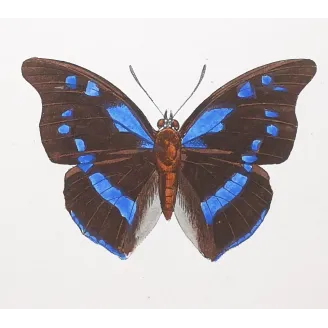
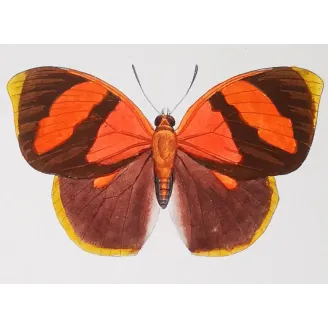
This vivid 1835 hand-colored engraving presents two striking tropical butterflies: the intensely colored Agrias rogeri, with its brilliant red and orange wings, and the elegant Adelpha stenele, known for its intricate pattern and pale blue markings. The strong chromatic contrast between the two species creates a visually compelling composition, making this piece a refined example of antique butterfly wall art and natural history illustration.
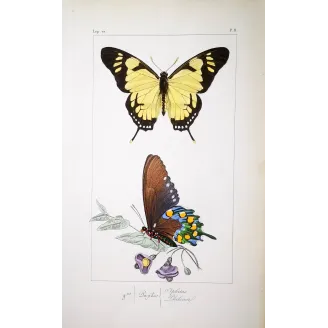
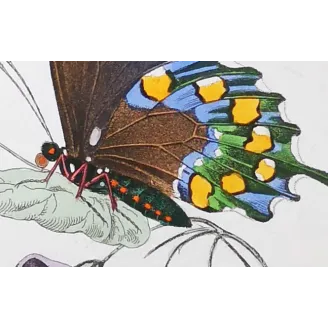
Yellow swallowtail and Pipevine butterfly (Papilio iphitas, Battus philenor) combining bold yellow-black contrast with iridescent blue and green tones. A highly decorative 1835 engraving, ideal as antique butterfly wall art.
Original 1835 hand-colored copper engraving depicting the butterflies Pollux and Eurilochus. A visually striking double-specimen plate from Hippolyte Lucas’ celebrated Exotic Butterflies, engraved by Pauquet, with strong appeal as natural history art and antique butterfly wall art.
A finely detailed 19th-century hand-colored engraving depicting two forms of the Clipper Butterfly (Parthenos sylvia). Published in Hippolyte Lucas’s Exotic Butterflies (1835), the plate highlights the species’ elegant network of white markings across dark wings, creating a striking geometric pattern characteristic of tropical Asian butterflies.
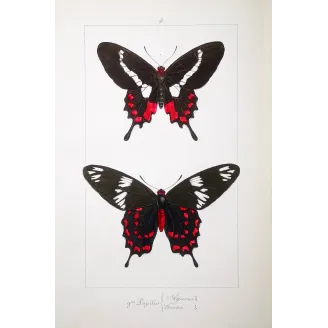
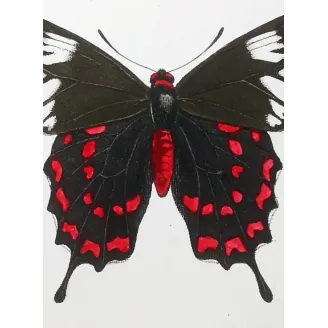
Crimson Rose swallowtails with deep black wings and vivid red markings. A dramatic 1835 engraving, perfect as bold antique butterfly wall art.
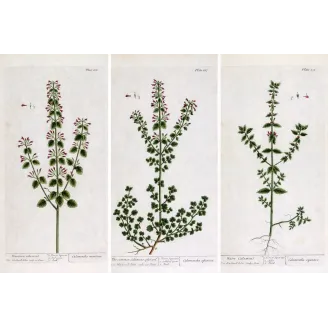
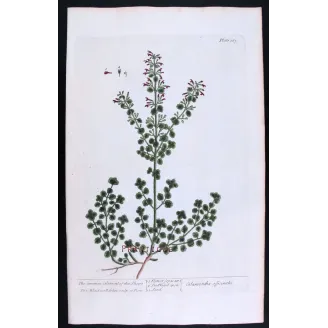
A curated botanical trio illustrating three closely related Calamintha species — officinalis, montana, and aquatica — as engraved and hand-colored by Elisabeth Blackwell for A Curious Herbal (1737–1739). Presented together, these plates offer a rare comparative view of medicinal, habitat-specific, and morphological variation within a single genus, reflecting early modern botanical practice and apothecary knowledge.
Bright yellow and white butterflies with vivid orange and pink tips. A refined 1835 engraving with strong decorative contrast.
An elegant original nineteenth-century hand-colored engraving from Ludwig Reichenbach's Trochilinarum Enumeratio, depicting Ramond's Hummingbird among the scarlet blossoms of Lemoinea spectabilis. A beautifully balanced composition celebrating the harmony between hummingbirds and tropical flowers.
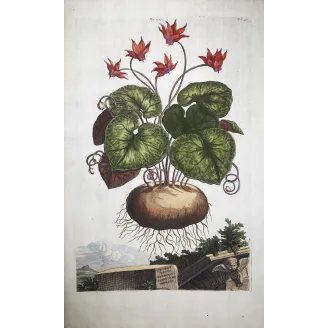
Original 17th-century hand-colored engraving of Cyclamen (Cyclamen europaeum) by Abraham Munting, featuring exposed root structure and elegant botanical composition.
Elegant butterflies combining bright orange, yellow, and white tones. A refined 1835 engraving with strong visual contrast and balance.