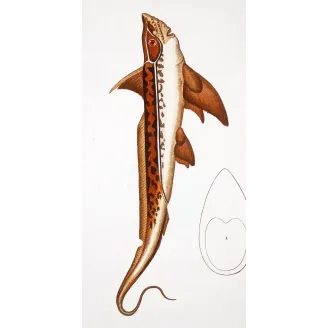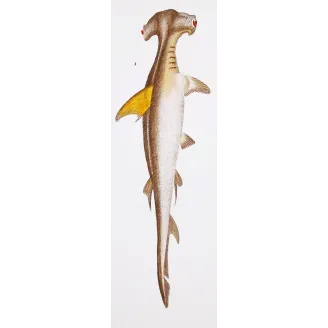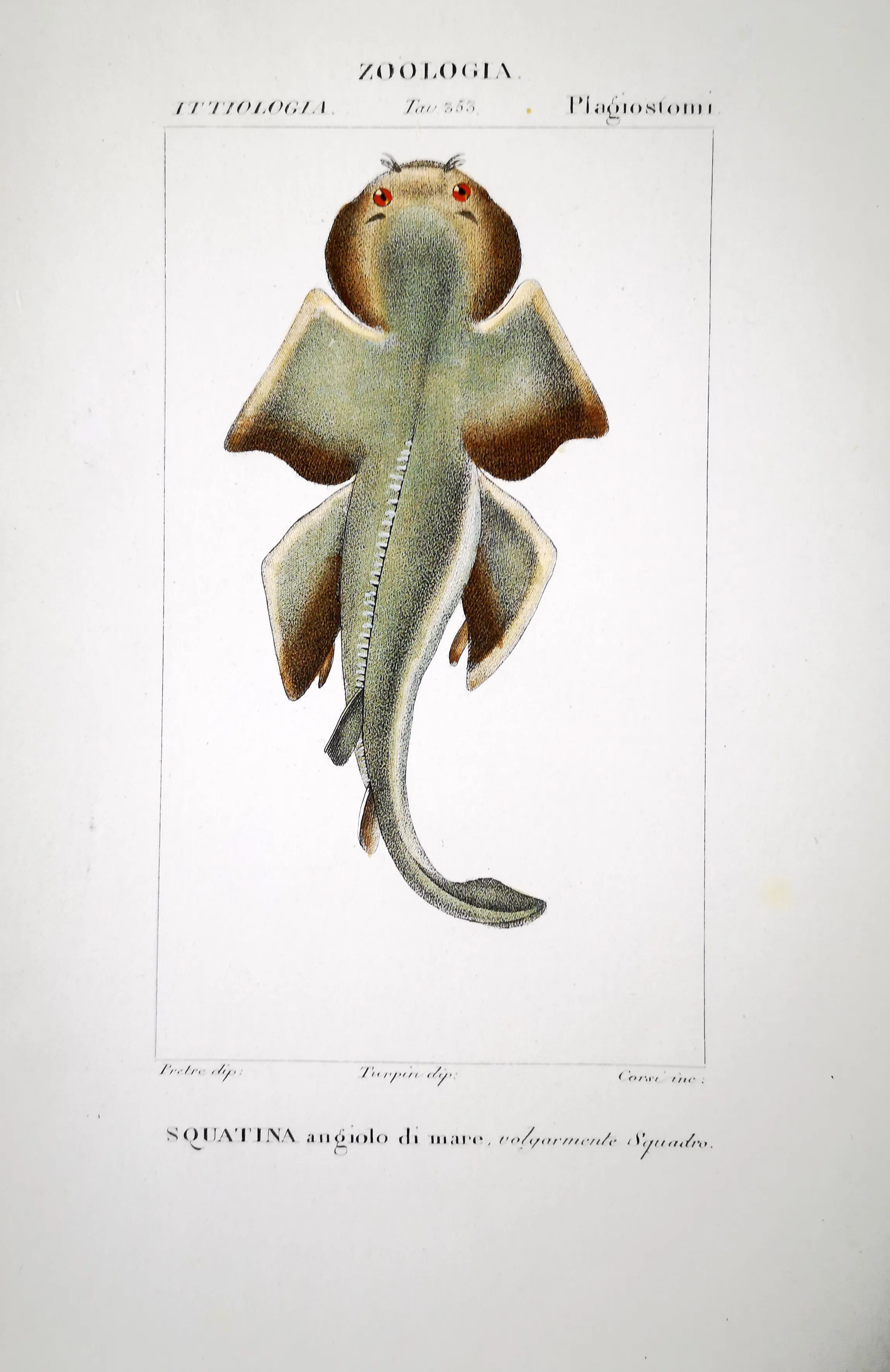
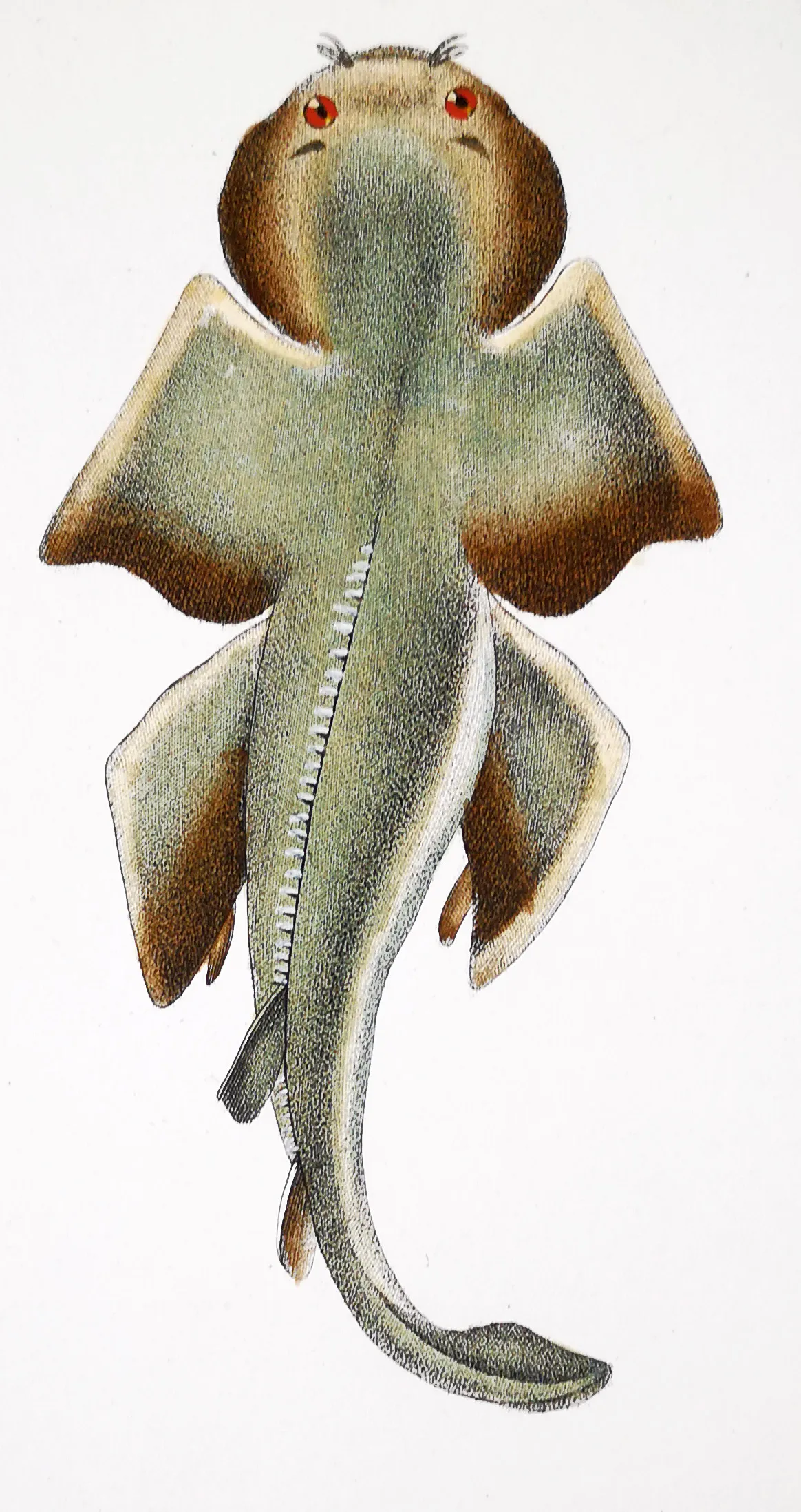
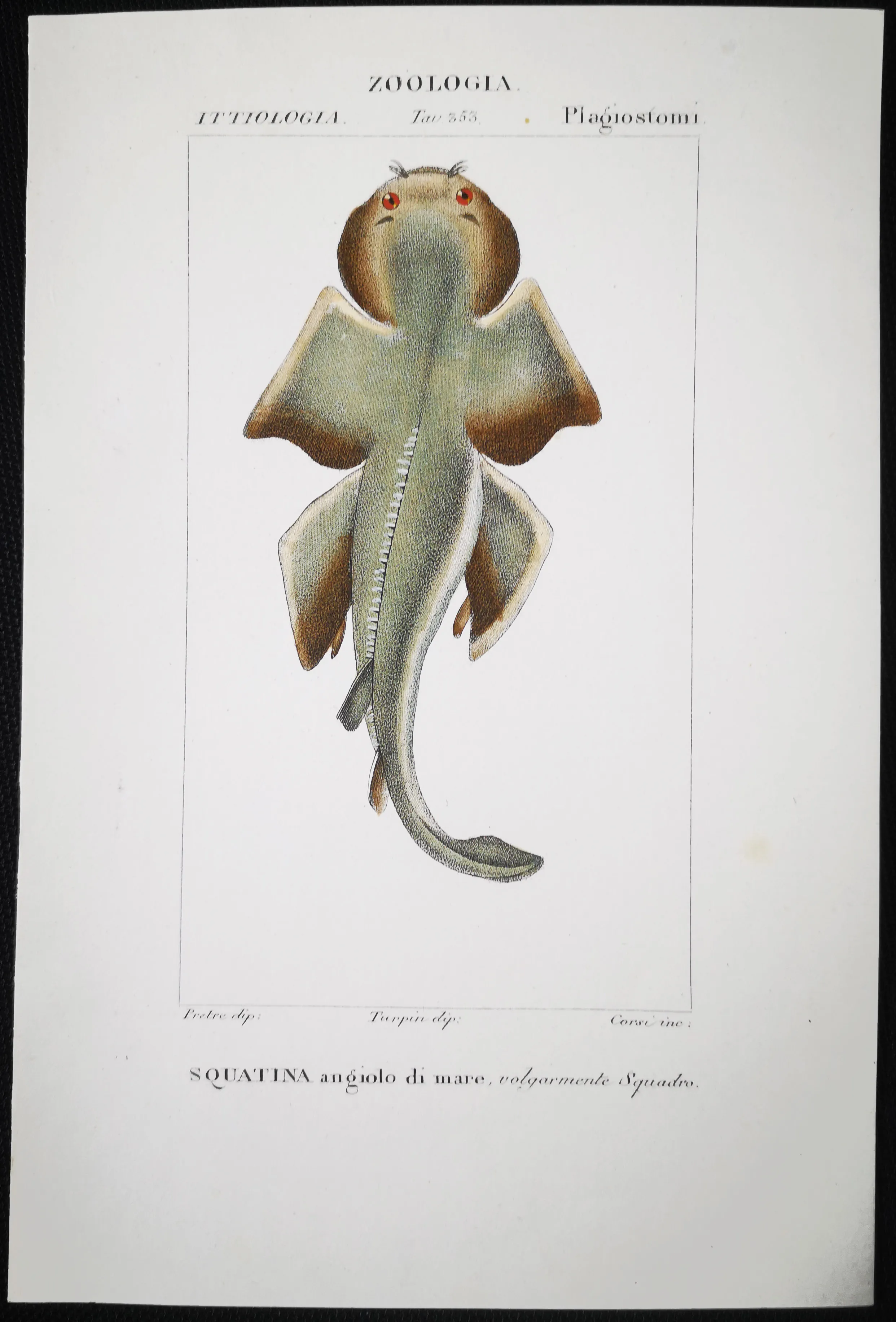



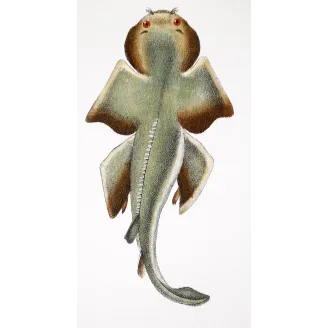
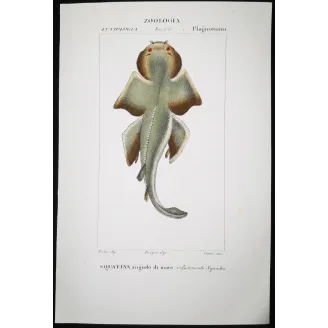
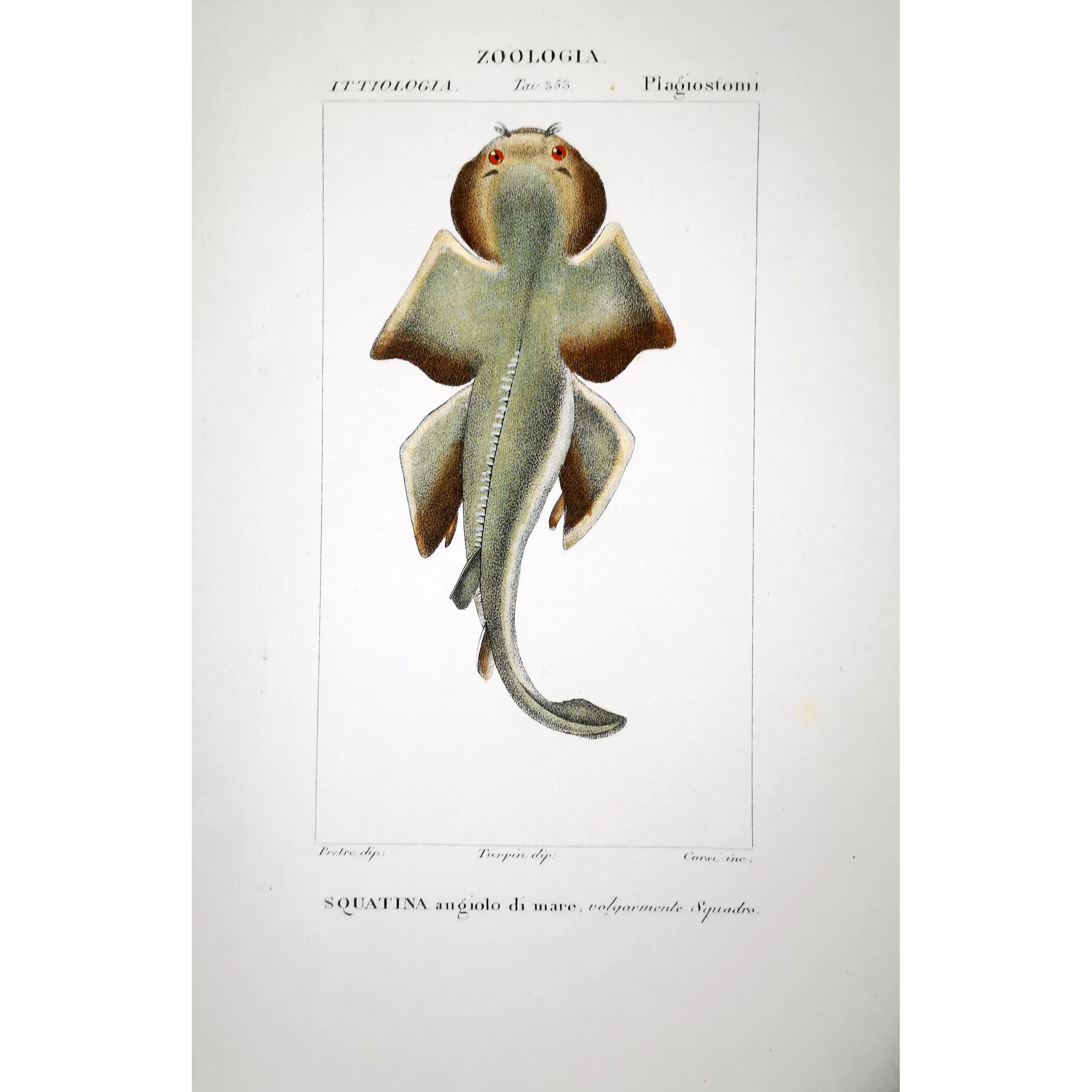
Graceful 19th-century engraving of the Angelshark by Pierre Antoine Prêtre, rich in soft tones and fine anatomical accuracy.
 Delivery policy
Your print will be carefully prepared and shipped worldwide via trusted couriers (UPS or similar).
 Authentic antique prints
Original engravings from the 17th–19th century.
This original hand-colored engraving depicts the Angelshark (Squatina squatina), presented in a striking frontal symmetry that feels almost architectural. Flattened, winged, and quietly imposing, the animal occupies the page like a living emblem — neither ray nor conventional shark, but something in-between, perfectly adapted to vanish into sand and shadow.
The composition is unusually intimate: rather than a distant profile, Prêtre gives us the creature’s full “mask,” with the body widening like a cloak and the tail tapering into a soft curve. The effect is calm, museum-like, and faintly uncanny — a rare instance where scientific illustration becomes pure presence.
The plate belongs to the Italian edition of the Dizionario di Scienze Naturali (Florence, Battelli press), a monumental publication in which Pierre Antoine Prêtre’s zoological subjects stand out for their refinement and display quality.
— • —
The palette is restrained and mineral: muted greens, soft ochres, and quiet greys build the illusion of a creature made from the seabed itself. A delicate halo of warm tone along the outer edge suggests texture and thickness, while the central ridge reads like a backbone traced under skin.
The eyes — small, precise points of amber — provide the only sharp punctuation, anchoring the plate’s gaze. The wide pectoral “wings” create an elegant silhouette that feels simultaneously biological and decorative, turning a bottom-dweller into a composed work of graphic design.
The Angelshark was long admired in nineteenth-century natural history because it challenged easy classification: a shark that rests like a ray, ambushing prey from concealment rather than pursuing it in open water. In encyclopedic works, such forms carried particular prestige — they represented nature’s ingenuity, a body engineered for invisibility. The very name “angel” reflects the era’s habit of pairing the unfamiliar with poetic titles, turning a stealth predator into a creature of paradox: gentle in name, formidable in design.
This engraving forms part of the historic Dizionario di Scienze Naturali, preserved today in the Sacchetti Collection. These works are nearly two centuries old, created in an era when nature was celebrated through monumental publishing projects — ambitious enterprises that are now practically unachievable.
For the wider context of this noble provenance and its cultural value, we invite you to read “Not Just Another Print”.
The engraving is in excellent antique condition, with clean margins and a fresh, well-preserved hand-coloured surface. Printed on original smooth wove paper (non-laid), consistent with Italian scientific editions of the period. No watermark has been observed. The impression is clear and the colour remains vibrant, with no visible losses.
For further context on Pierre Antoine Prêtre and his contribution to nineteenth-century zoological illustration, see our editorial feature:
Pierre Antoine Prêtre – Illustrator of Natural Science and Marine Life
Looking for: angelshark engraving, Squatina squatina print, antique shark illustration, hand-colored marine life engraving.
Specific References
Rare 19th-century engraving of the Golden Chimaera by Pierre Antoine Prêtre, featuring warm tones and elegant anatomy.
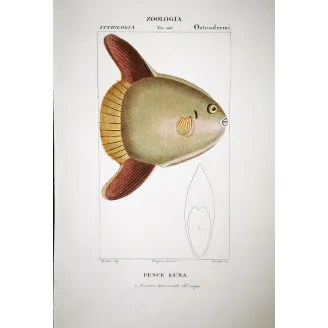
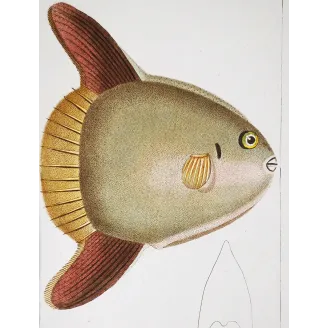
Ocean Sunfish illustrated with refined color balance and elegant detail.
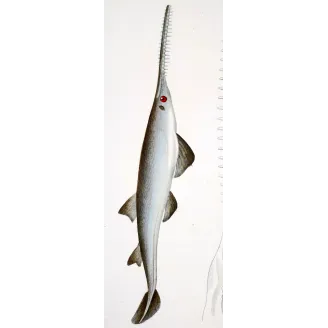
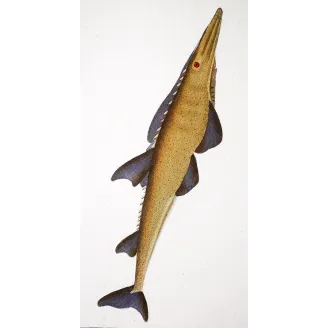
Exceptional 19th-century antique print by Pierre Antoine Prêtre depicting the majestic Sawfish with anatomical accuracy and rare charm.
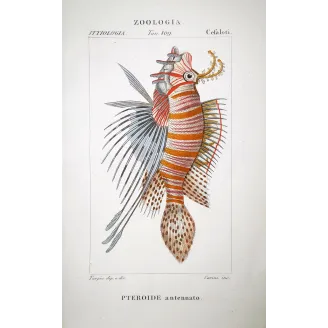
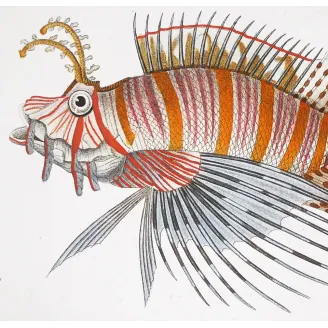
Striking depiction of the Antennata Lionfish with vivid red and orange fins, full of exotic elegance.
Silver and golden marine pair with crisp scales; a balanced 19th-century composition for refined coastal interiors.
Iconic plate: dramatic anglerfish with lure and a spiny companionbold textures and collector appeal, a standout Antique Print.
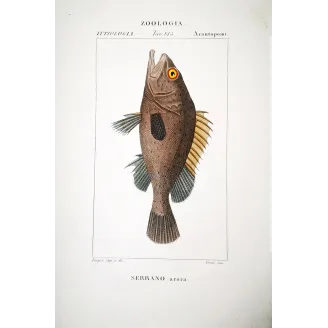
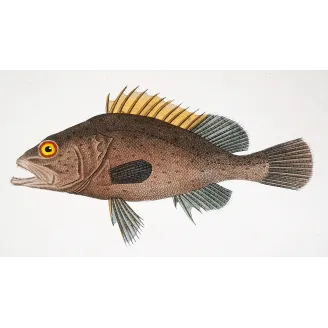
Robust Brown Grouper illustrated with fine detail and earthy, natural tones.
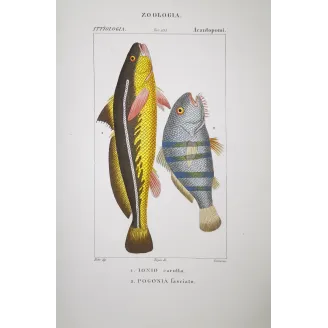
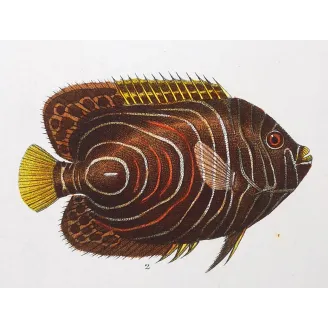
Graphic pairing with bold yellow stripe and banded companion; vibrant hand-coloring and clear natural history styling.
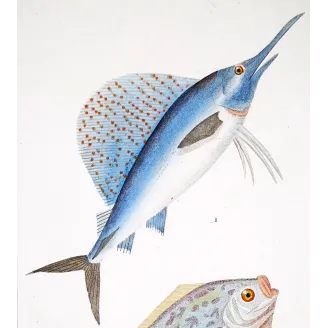
Elegant 19th-century antique print by Pierre Antoine Prêtre with Sailfish and Moonfish, luminous blues and refined detailing.
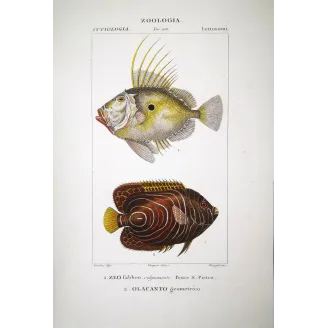
Iconic plate with the celebrated John Dory and a striking angelfishsuperb color contrasts and collector appeal.
Charming 19th-century engraving of the Smooth Guitarfish by Pierre Antoine Prêtre, highlighting elegant form and serene coloration.
Vibrant 19th-century antique print by Pierre Antoine Prêtre depicting a Hammerhead Shark and Smoothhound, remarkable for color contrast and composition.
Vivid dual composition featuring the Flying Gurnard and Striped Wrasse, blending blue and golden hues.
Classic natural history pairingsilver argentine and spotted troutclean composition and fine stippling for timeless appeal.
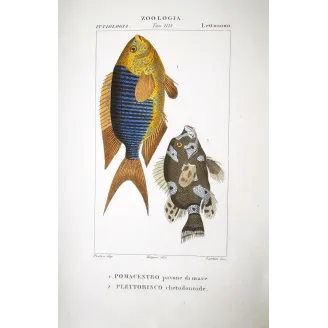
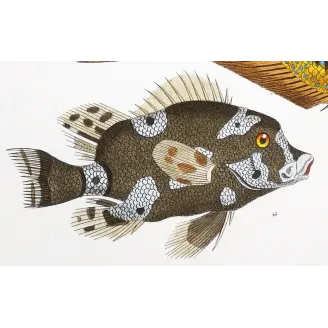
Two contrasting species in one plate: a delicate Damselfish and a robust Triggerfish, rich in color and texture.
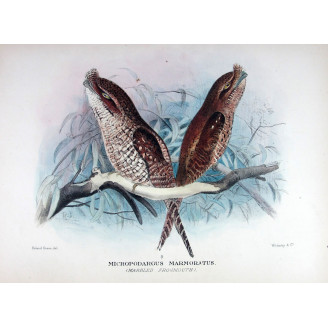
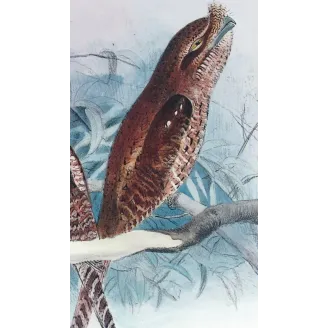
Original lithograph of the Marbled Frogmouth by Roland Green from Mathews' Birds of Australia.
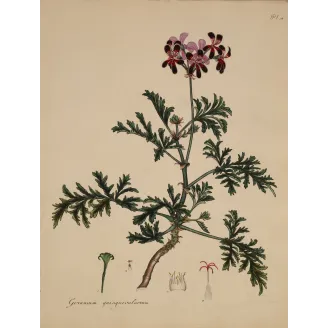
An original botanical engraving from Henry Andrews' celebrated The Botanist's Repository, depicting Geranium quinquevulnerum with richly coloured velvety flowers, transparent hand colouring and refined eighteenth-century botanical craftsmanship.
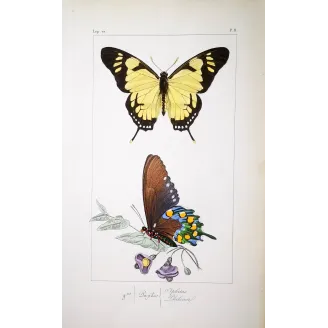
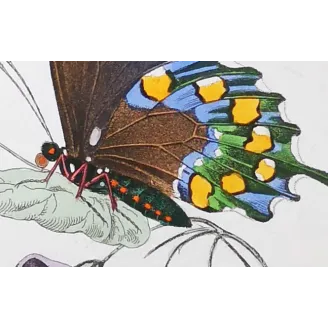
Yellow swallowtail and Pipevine butterfly (Papilio iphitas, Battus philenor) combining bold yellow-black contrast with iridescent blue and green tones. A highly decorative 1835 engraving, ideal as antique butterfly wall art.
Exceptional 19th-century antique print by Pierre Antoine Prêtre depicting the majestic Sawfish with anatomical accuracy and rare charm.
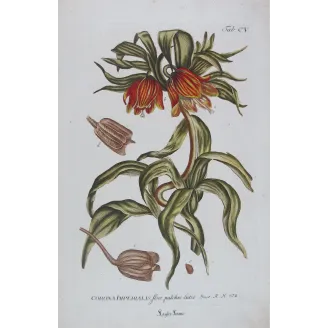
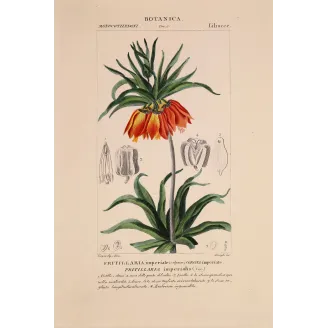
A striking 18th-century botanical engraving of Crown Imperial (Fritillaria imperialis), distinguished by unusually bold hand-coloring and a dynamic, flowing composition. This plate exemplifies the expressive character of German botanical illustration, combining strong visual presence with refined natural observation.
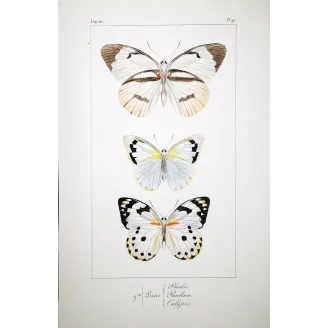
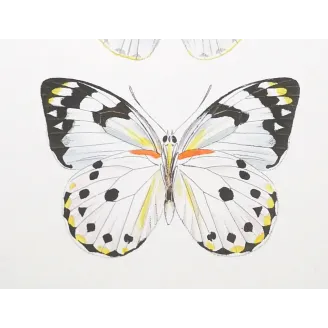
Delicate white butterflies with subtle yellow, orange, and black accents. A refined 1835 engraving with light and elegant decorative appeal.
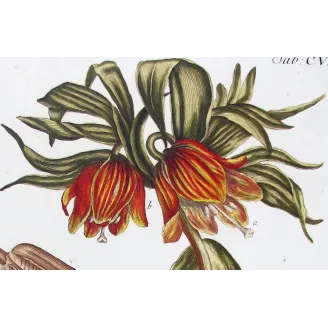
Striking antique print of Fritillaria imperialis with bright orange crown flowers.
Graceful 19th-century engraving of the Angelshark by Pierre Antoine Prêtre, rich in soft tones and fine anatomical accuracy.