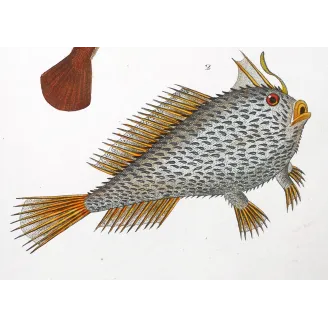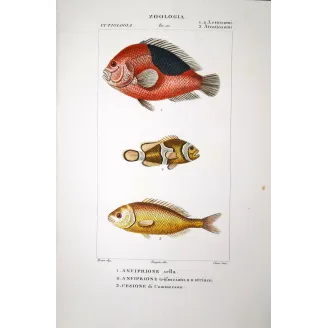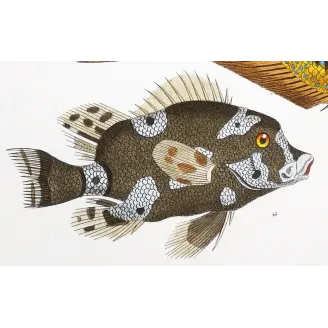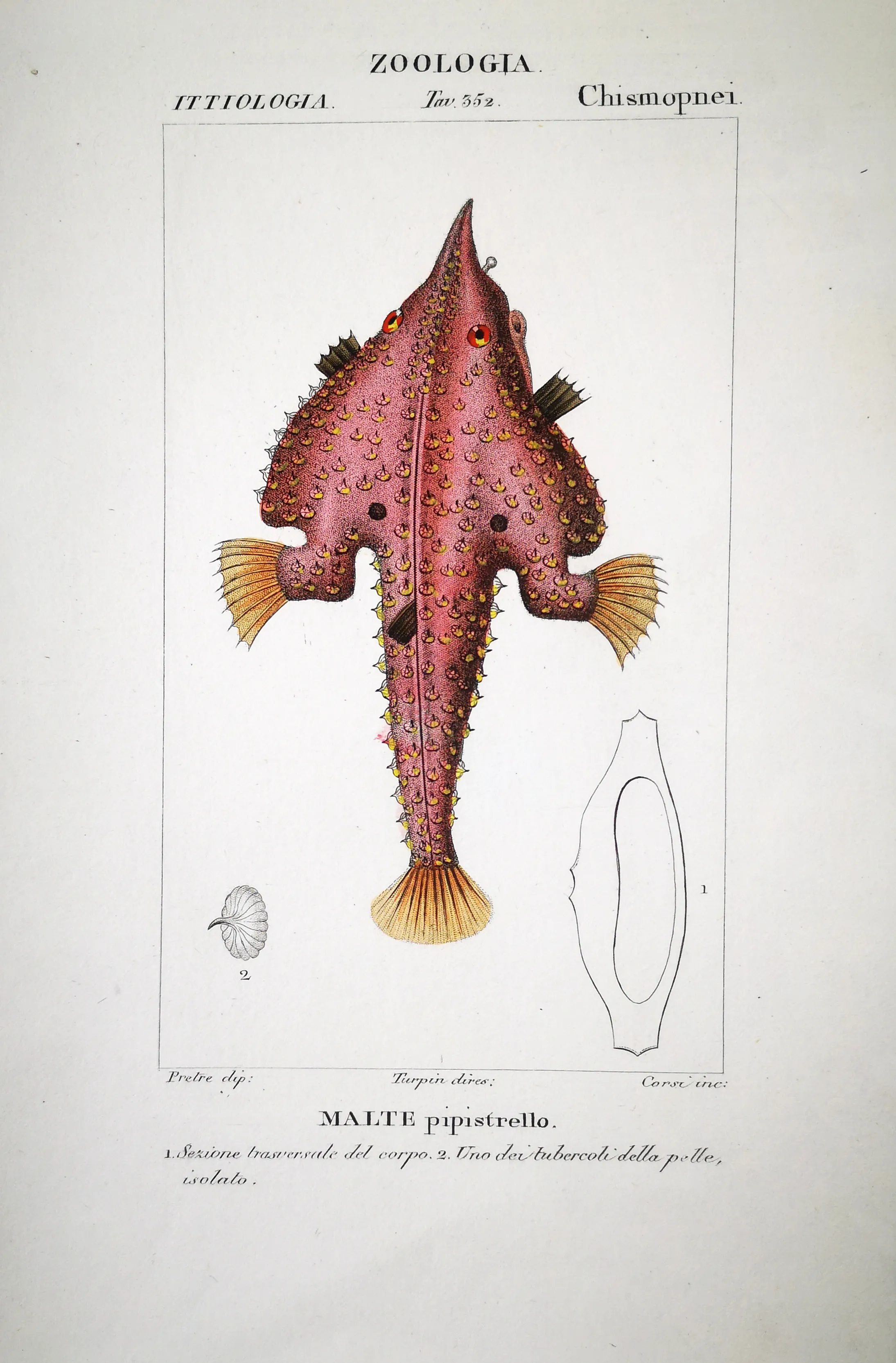
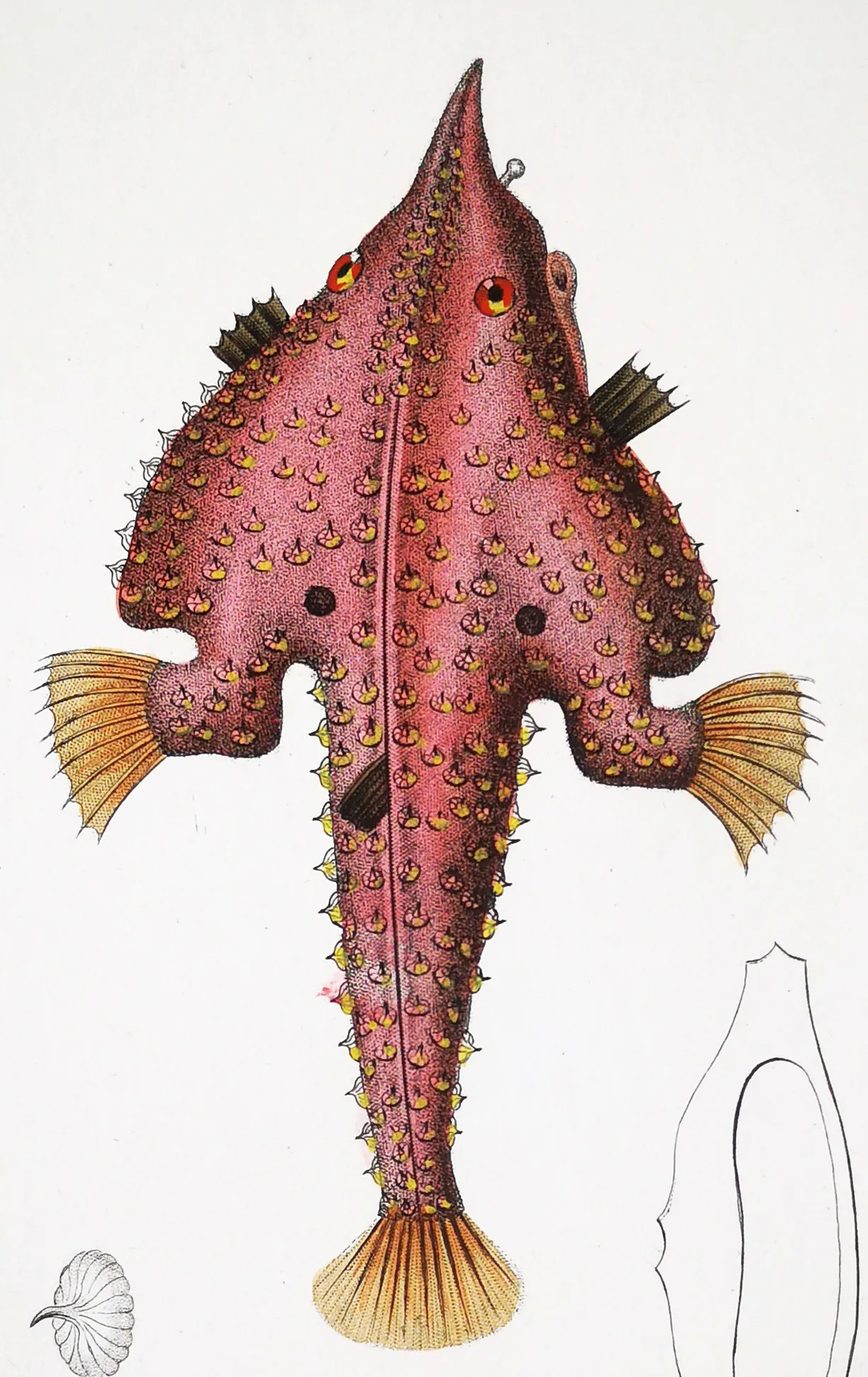
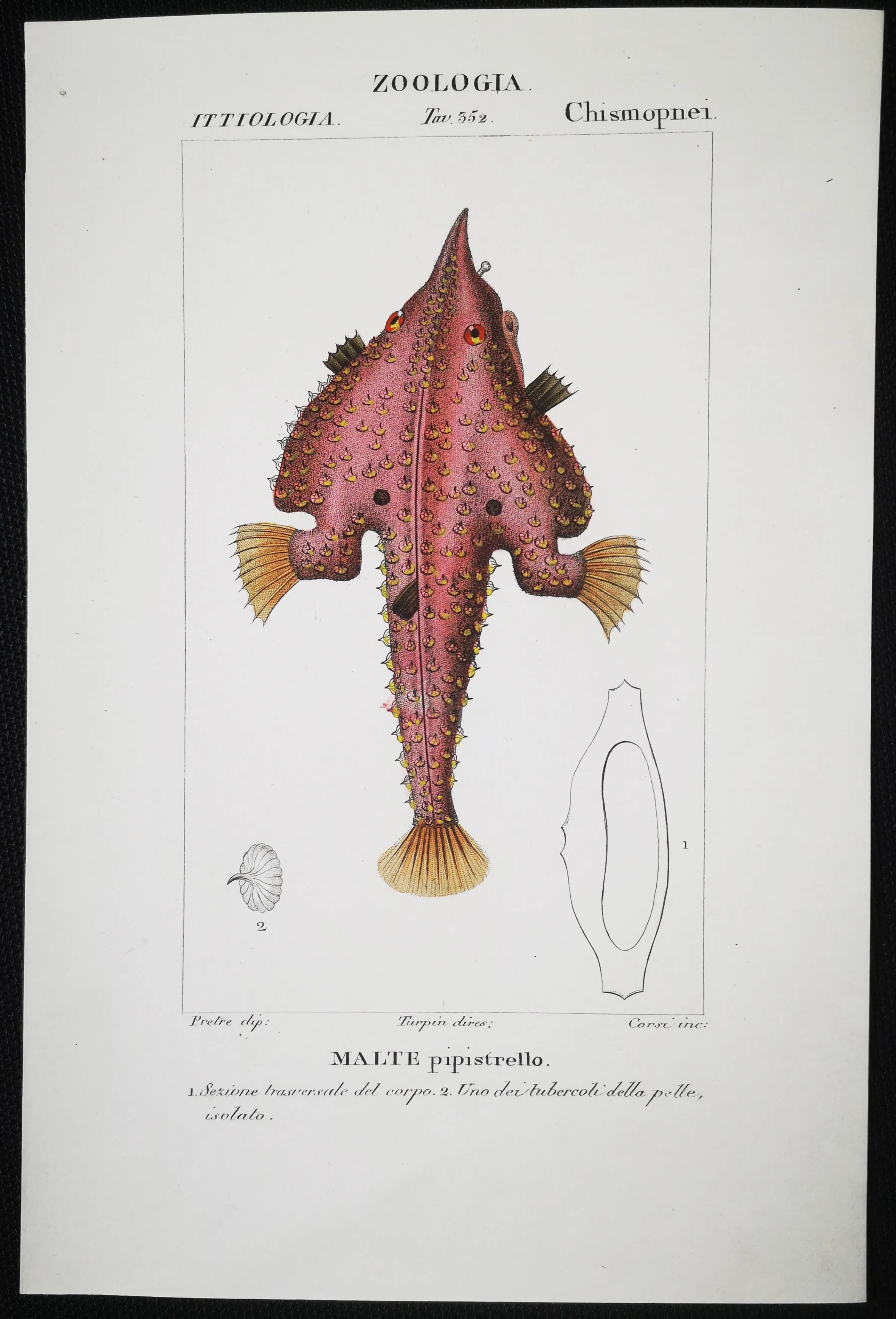



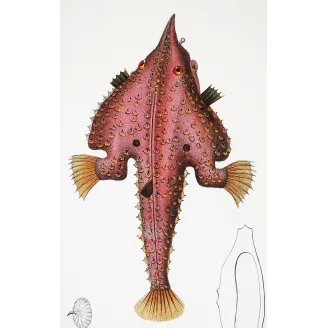
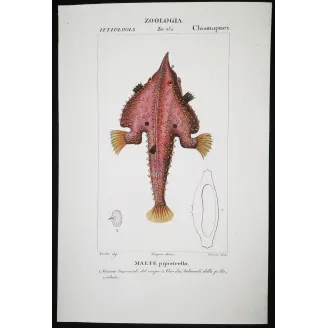

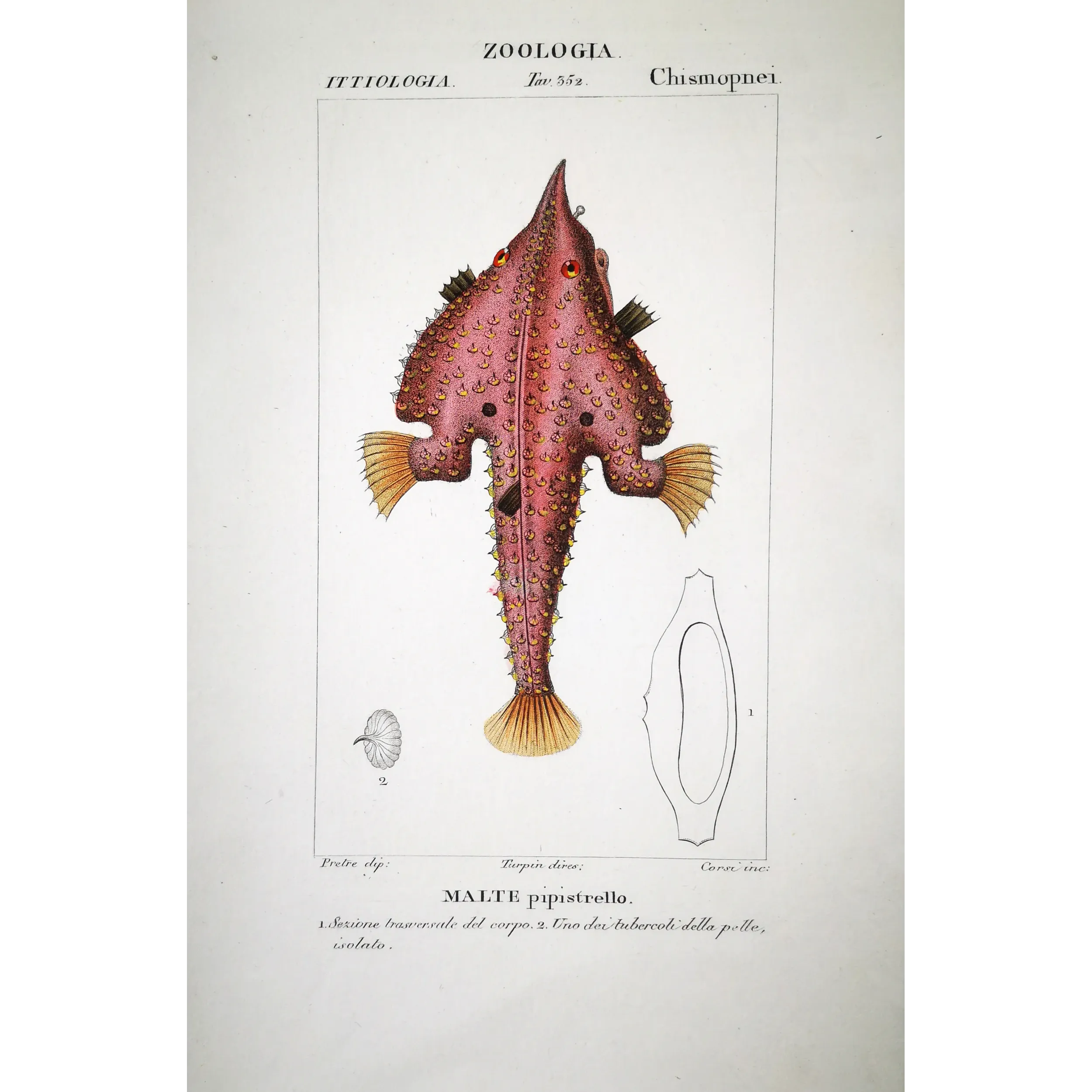
Exceptional 19th-century engraving of the Batfish by Pierre Antoine Prêtre, with rare pink tones and textured surface detail.
 Delivery policy
Your print will be carefully prepared and shipped worldwide via trusted couriers (UPS or similar).
 Authentic antique prints
Original engravings from the 17th–19th century.
This original hand-colored engraving depicts the batfish, a sea-bottom oddity rendered with remarkable decorative force. Seen from above, the animal becomes a compact, triangular emblem — its surface covered with raised tubercles that read like beading on a ceremonial object. The palette intensifies the effect: warm coral-pink shifting into deeper tones, with luminous highlights that make the creature feel almost sculpted.
It is a plate that rewards close viewing. Beyond the central figure, a small detail study signals the encyclopedic purpose of the work, while the main subject remains unmistakably “displayable” — a natural specimen that looks designed.
The plate belongs to the Italian edition of the Dizionario di Scienze Naturali (Florence, Battelli press), a monumental publication in which Pierre Antoine Prêtre’s zoological subjects stand out for their refinement and display quality.
— • —
The composition is frontal and iconic: a symmetrical body, fins spread like small wings, and a crisp central ridge that guides the eye downward. The tubercles are painted with tiny highlights, each one articulated as a tactile point, creating a surface texture rare in most fish plates.
The colour is the plate’s surprise — a vivid, almost theatrical pink balanced by muted shadows and warm ochre fin tones. Against the clean white field, the batfish reads like a cameo object, the kind of natural history print that can hang comfortably as contemporary graphic art.
Batfishes are among the sea’s most distinctive bottom-dwellers, shaped less for speed than for presence and adaptation to the seafloor. Their unusual “armoured” texture and compact silhouette made them prized subjects for nineteenth-century illustrators: they offered instant recognisability, and they expanded the viewer’s idea of what a “fish” could look like. In a cabinet context, such plates were conversation pieces — scientific, yes, but also marvels of form.
This engraving forms part of the historic Dizionario di Scienze Naturali, preserved today in the Sacchetti Collection. These works are nearly two centuries old, created in an era when nature was celebrated through monumental publishing projects — ambitious enterprises that are now practically unachievable.
For the wider context of this noble provenance and its cultural value, we invite you to read “Not Just Another Print”.
The engraving is in excellent antique condition, with clean margins and a fresh, well-preserved hand-coloured surface. Printed on original smooth wove paper (non-laid), consistent with Italian scientific editions of the period. No watermark has been observed. The impression is clear and the colour remains vibrant, with no visible losses.
For further context on Pierre Antoine Prêtre and his contribution to nineteenth-century zoological illustration, see our editorial feature:
Pierre Antoine Prêtre – Illustrator of Natural Science and Marine Life
Looking for: batfish antique engraving, Malthe vespertilio print, Prêtre rare fish illustration, 19th-century marine natural history plate.
Specific References
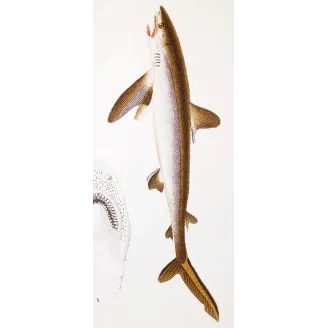
Detailed 19th-century engraving of the Small-Spotted Catshark by Pierre Antoine Prêtre, combining elegance and scientific accuracy.
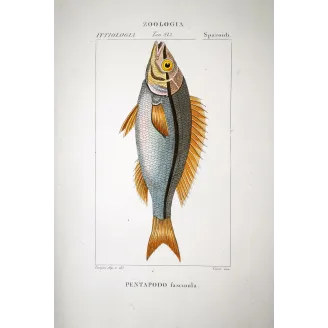
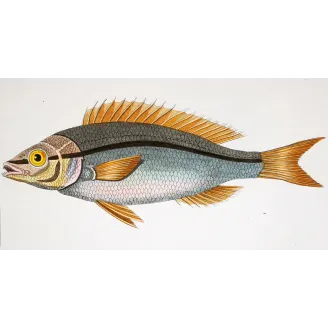
Elegant Pentapodus fish with shimmering orange-silver tones and refined aquatic poise.
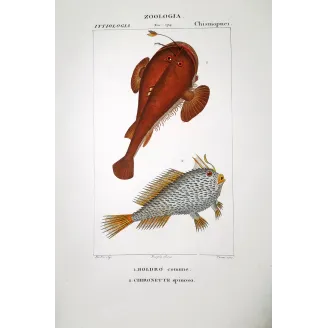
Iconic plate: dramatic anglerfish with lure and a spiny companionbold textures and collector appeal, a standout Antique Print.
Vivid dual composition featuring the Flying Gurnard and Striped Wrasse, blending blue and golden hues.
Distinctive composition with streamlined forms and the famous remora disktechnical curiosity with refined aesthetics.
Striking plate with long, elegant cornetfish and trumpetfish, hand-colored with vivid reds and tealsbold marine decor statement.
Classic natural history pairingsilver argentine and spotted troutclean composition and fine stippling for timeless appeal.
Silver and golden marine pair with crisp scales; a balanced 19th-century composition for refined coastal interiors.
Charming clownfish with companion reef species, crisp colors and coral-reef appeal in a classic 19th-century plate.
Ocean Sunfish illustrated with refined color balance and elegant detail.
Two contrasting species in one plate: a delicate Damselfish and a robust Triggerfish, rich in color and texture.
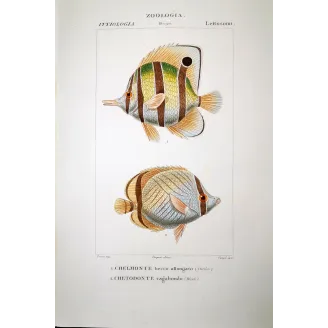
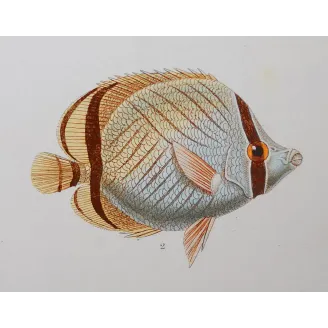
Iconic Antique Print with two vivid butterflyfishes, finely hand-coloredstriking geometry and coral-reef charm for collectors.
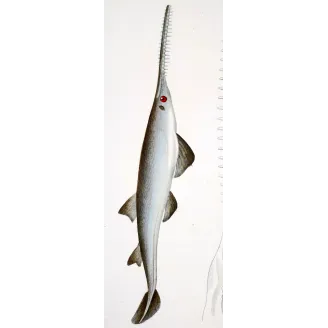
Exceptional 19th-century antique print by Pierre Antoine Prêtre depicting the majestic Sawfish with anatomical accuracy and rare charm.
Spectacular 19th-century antique print of the Basking Shark by Pierre Antoine Prêtre, capturing monumental scale and serene presence.
Vivid hand-colored Antique Print of a leafy seahorse with a slender pipefishan iconic duo for marine art lovers and collectors.
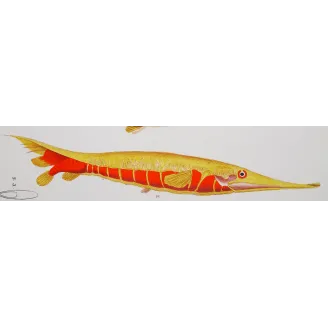
Vivid coral-pink snipefish with golden pipefish; long elegant silhouettes, striking color contrast for refined marine decor.
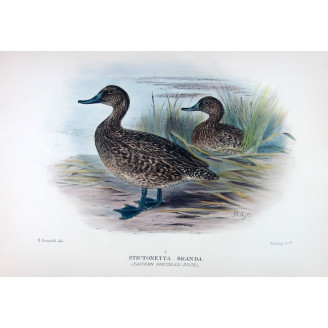
Eastern Freckled Duck (Stictonetta naevosa) – Original antique bird print by H. Grønvold.
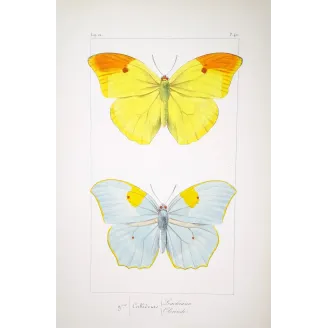
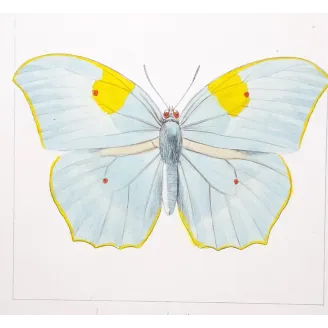
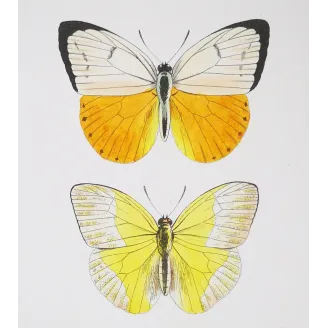
Soft yellow and pale blue butterflies with delicate orange accents. A refined 1835 engraving with elegant tones and subtle decorative appeal.
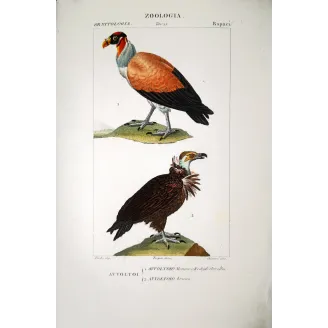
Original early 19th-century hand-colored engraving depicting King Vulture and Brown Vulture from the Dizionario di Scienze Naturali.
Original lithograph of the Large Podargus by Roland Green from Mathews' Birds of Australia.
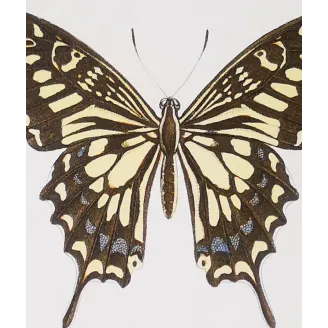
Elegant Mormon swallowtail butterflies (Papilio polytes group) featuring bold black and cream contrast with soft blue and orange accents. A refined 1835 engraving, ideal as antique butterfly wall art.
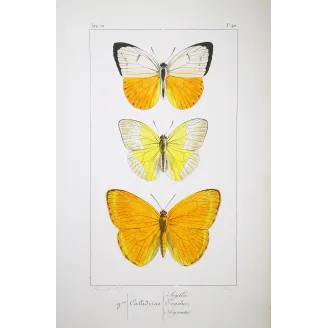
Luminous yellow and white butterflies with warm golden tones. A refined 1835 engraving with bright and elegant decorative appeal.
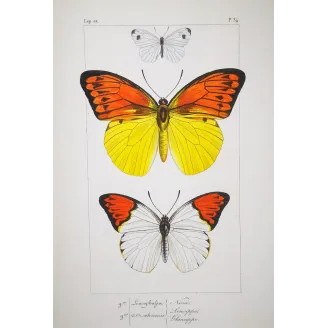
Bright orange and yellow butterflies with striking contrast against white wings. A vivid 1835 engraving with strong decorative and visual impact.
Exceptional 19th-century engraving of the Batfish by Pierre Antoine Prêtre, with rare pink tones and textured surface detail.