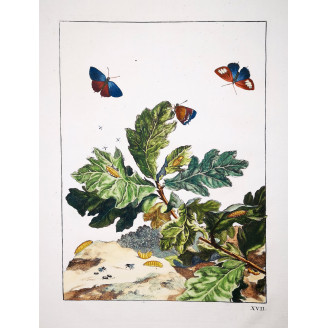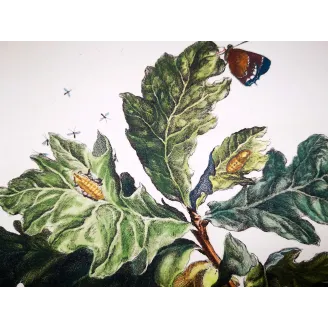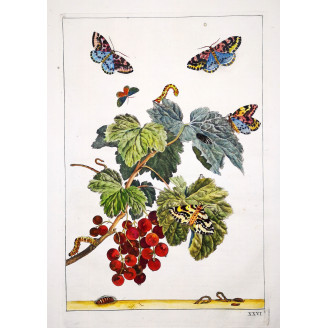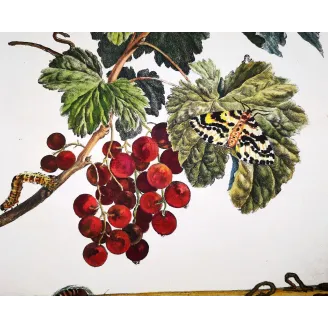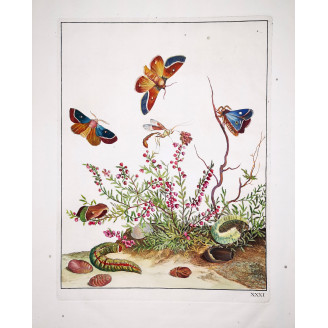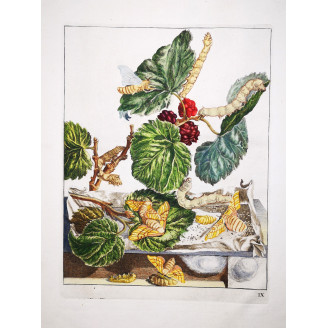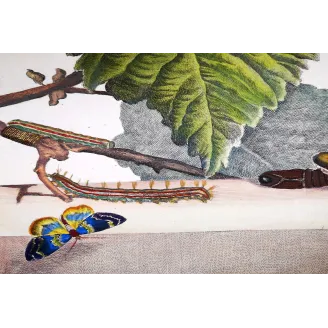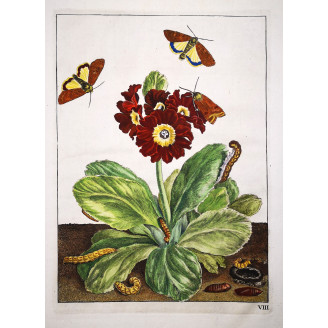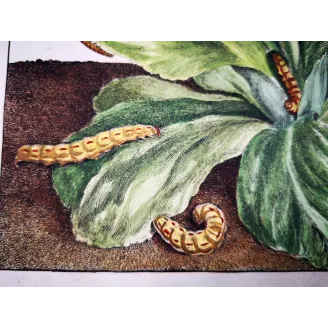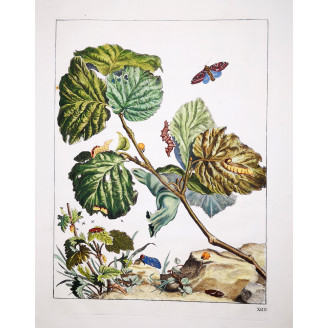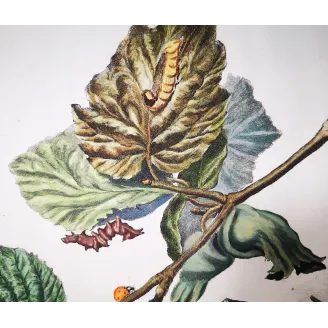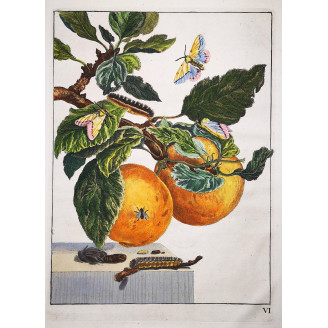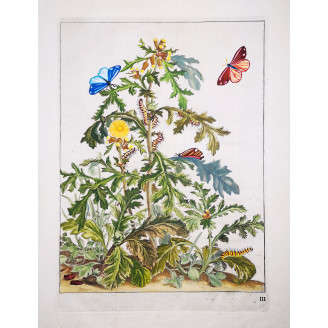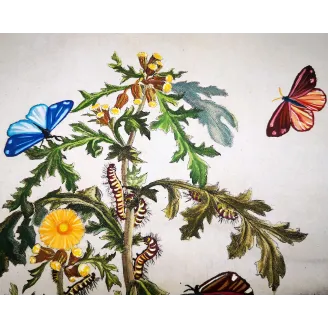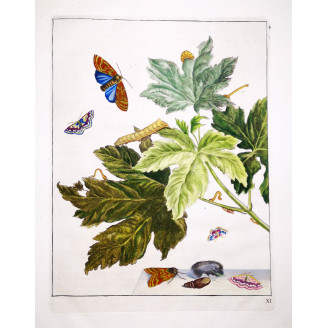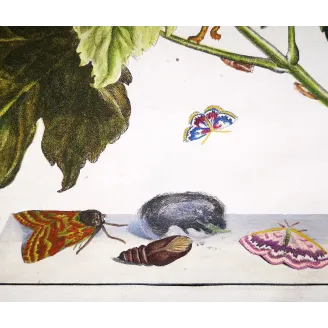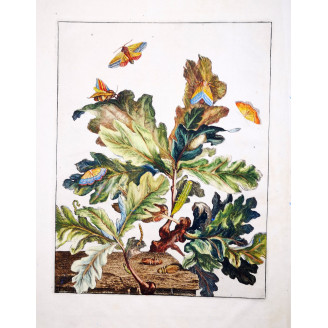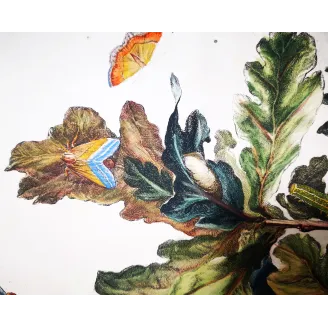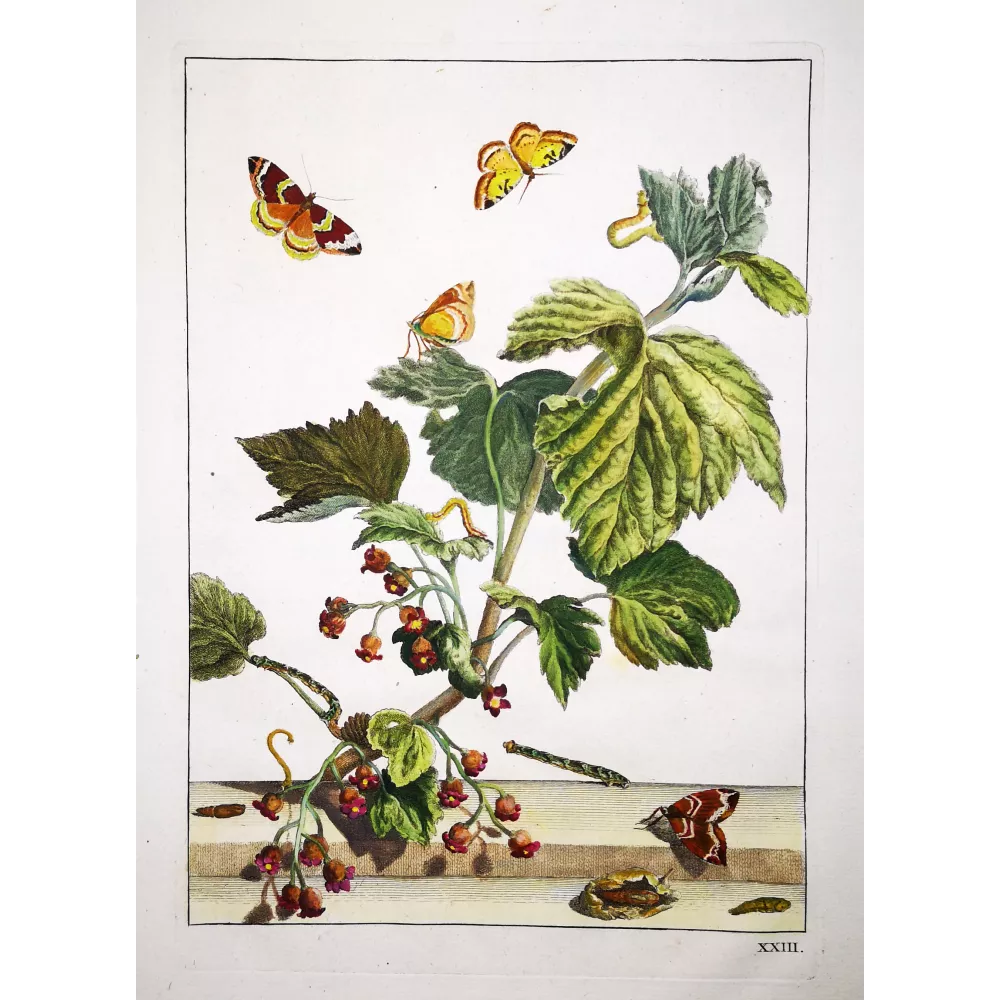
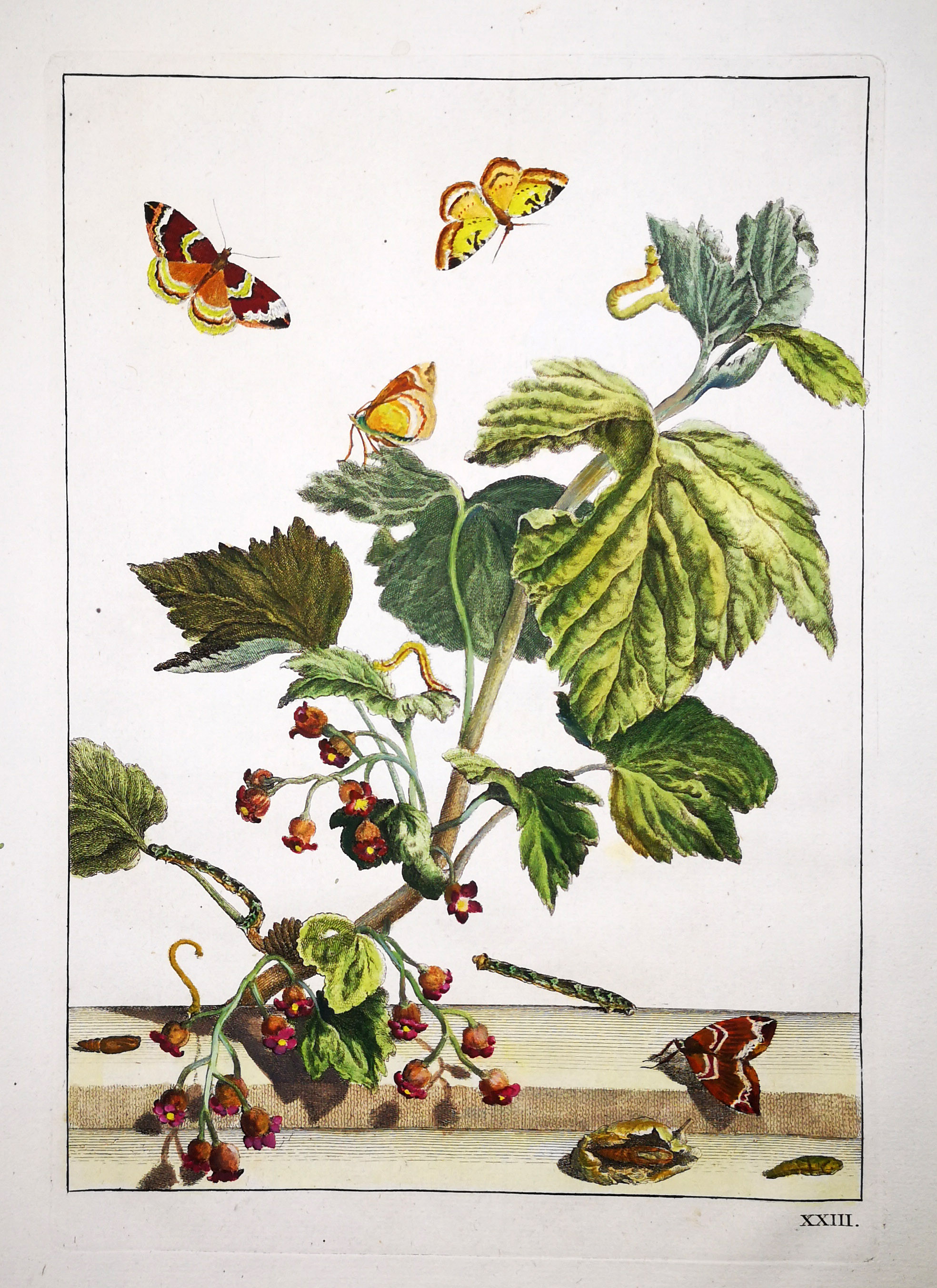
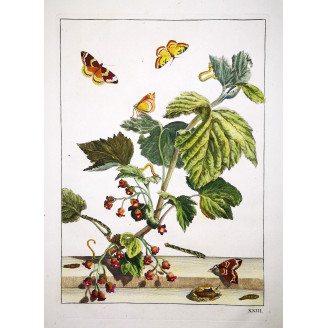
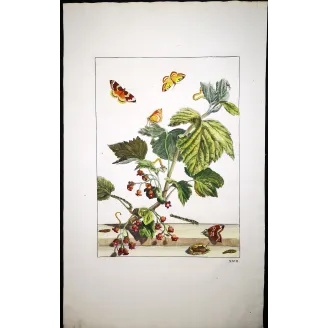
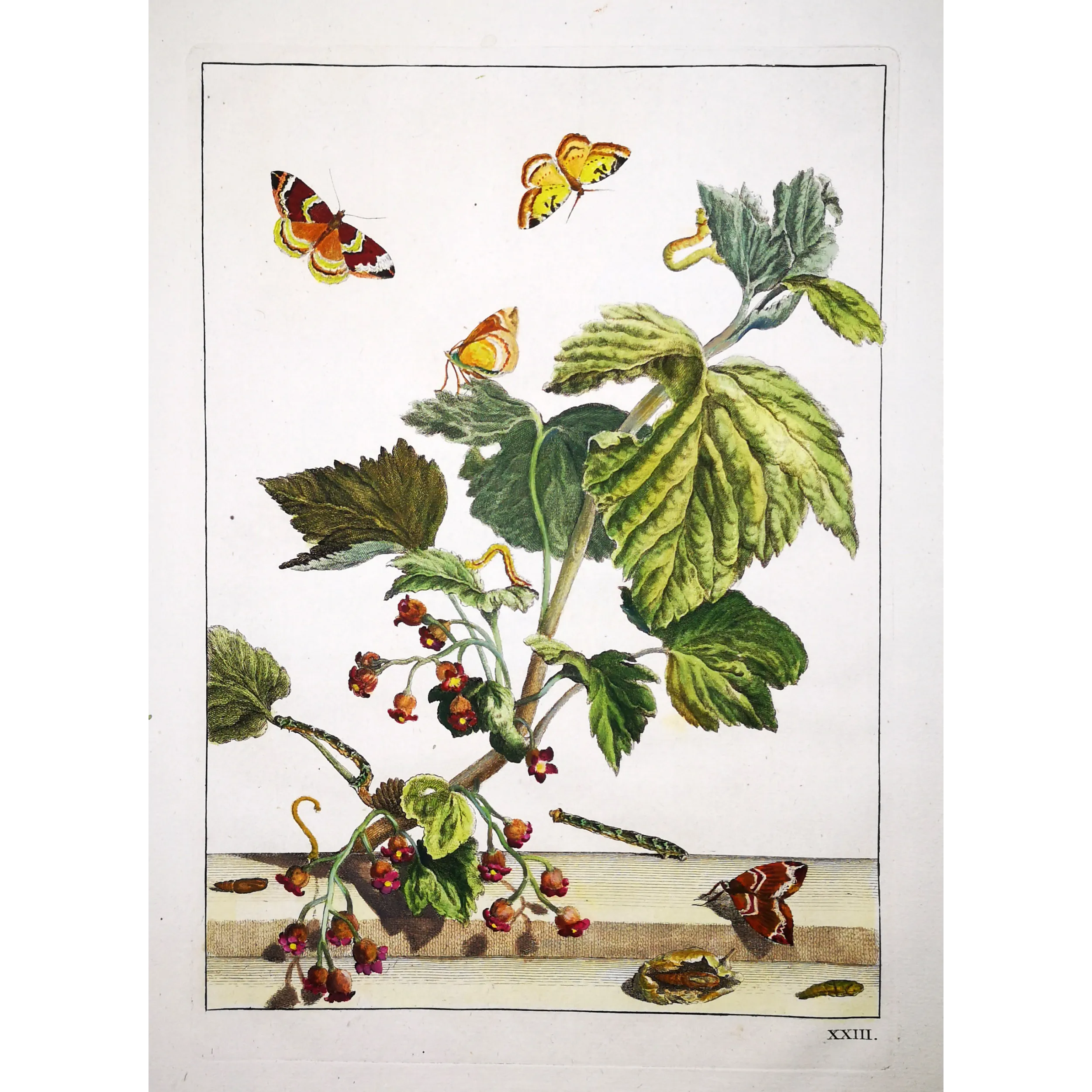
Original 1774 engraving by Jacob L'Admiral: Phoenix Moth.
 Delivery policy
Your print will be carefully prepared and shipped worldwide via trusted couriers (UPS or similar).
 Authentic antique prints
Original engravings from the 17th–19th century.
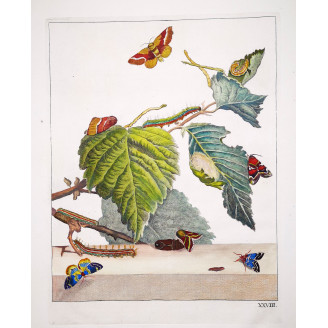
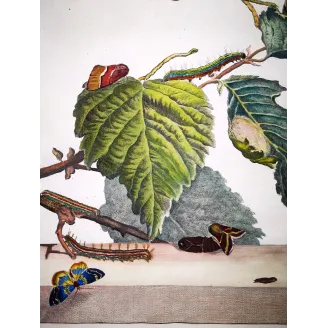
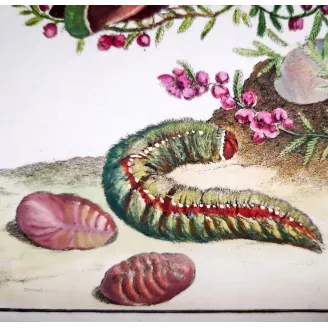
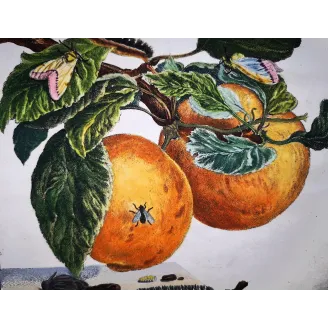
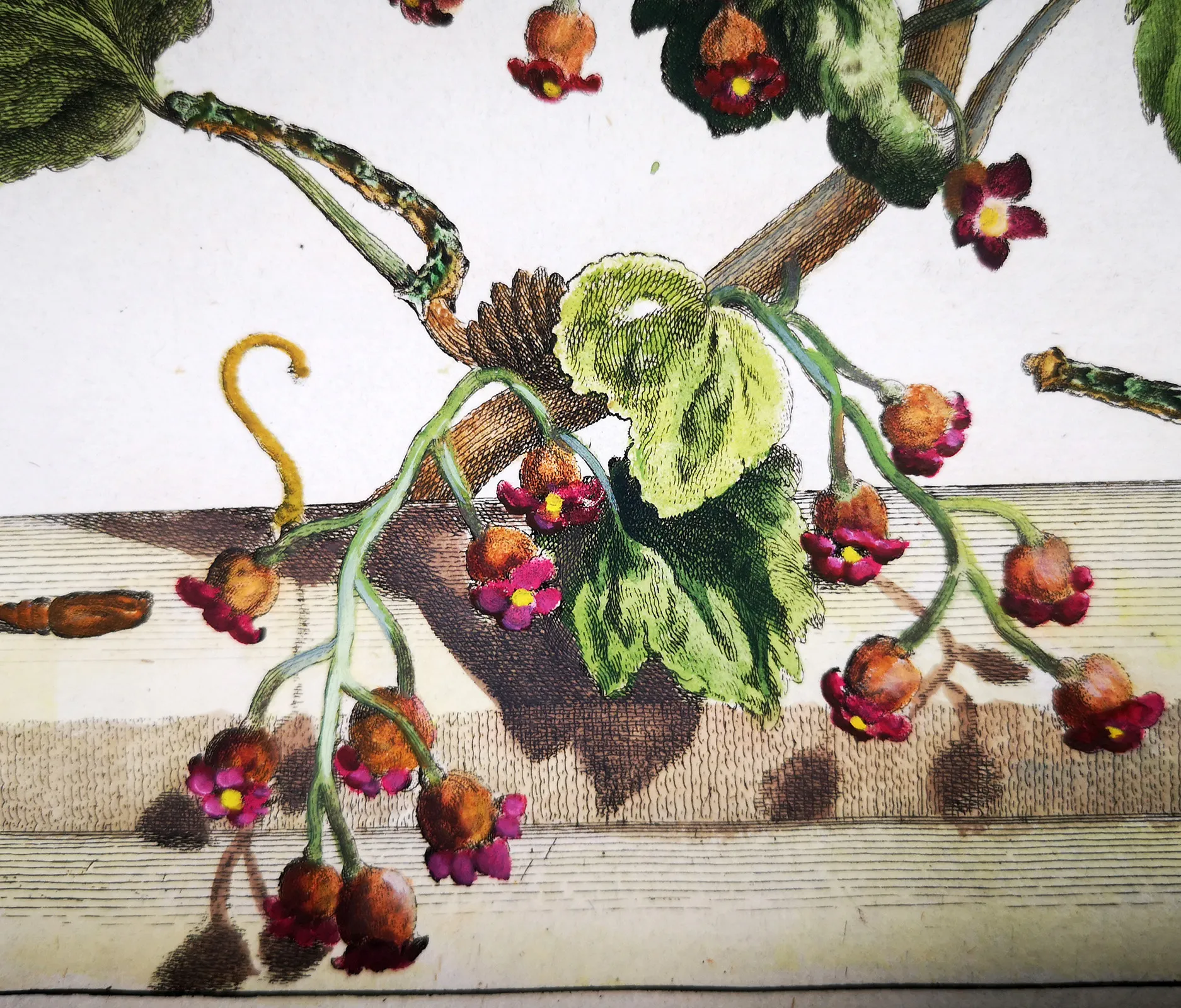
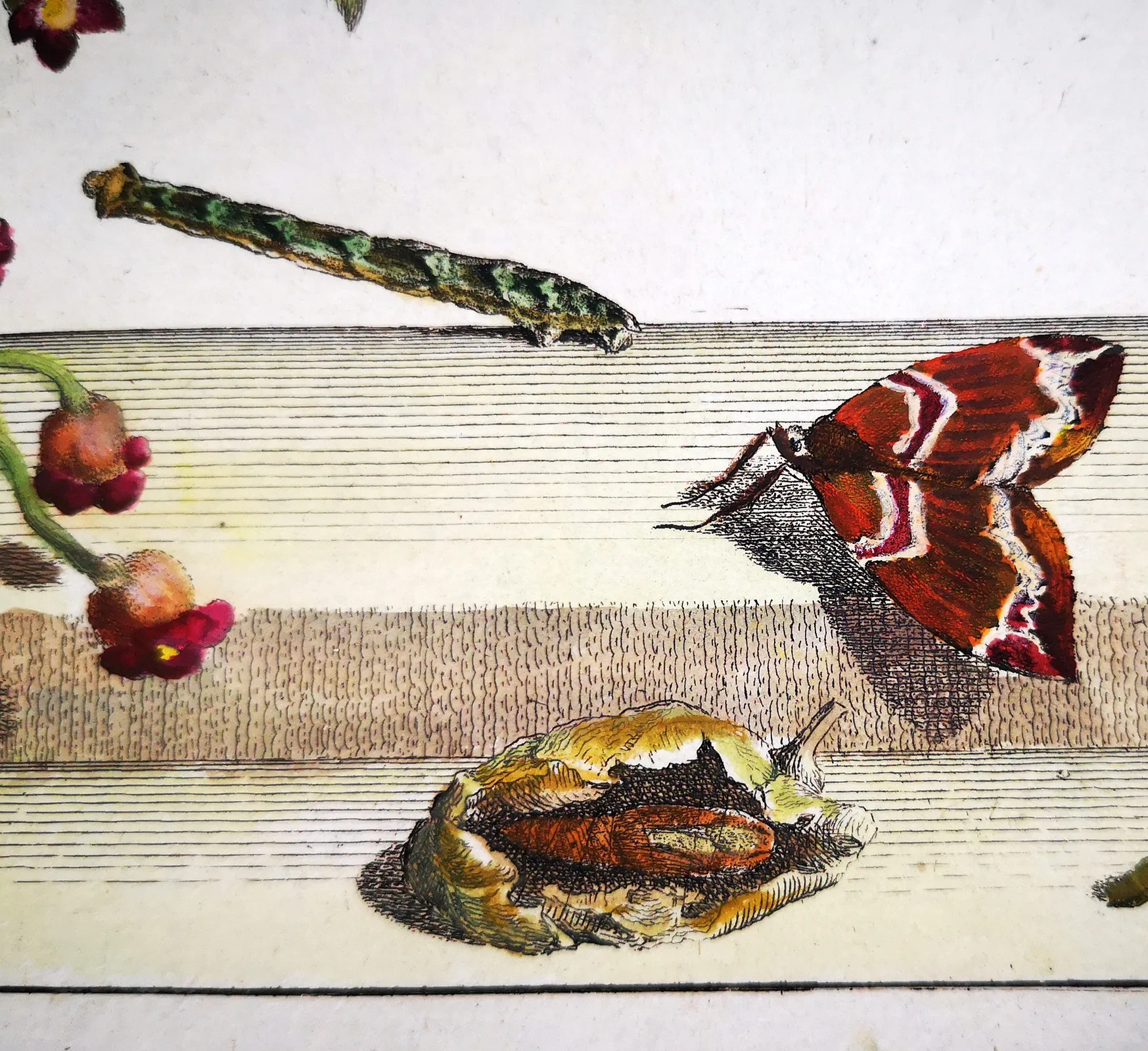
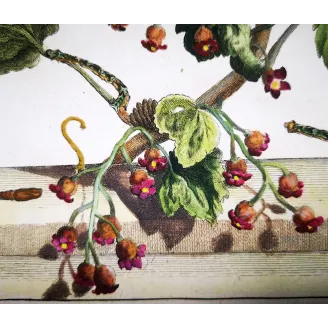
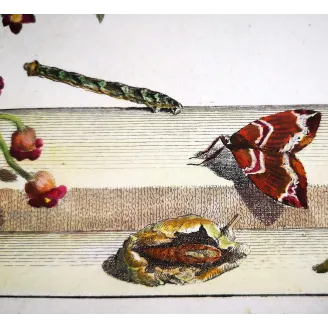
This original 1774 hand-colored engraving by Jacob L’Admiral presents the Phoenix Moth (Eulithis prunata) in its various life stages upon its host plant. The composition balances flowering branch, developing larvae, chrysalis, and hovering adults within a calm yet structured botanical setting.
The palette is refined and harmonious: warm ochres and burnished reds of the moths contrast softly with layered greens of the foliage. The arrangement feels spacious and measured, allowing each biological stage to be observed without visual congestion.
L’Admiral’s methodical presentation transforms natural observation into quiet visual architecture.
— • —
The vertical plant structure anchors the composition, while the suspended moths introduce lightness and rhythm. The engraving line is delicate and precise, giving clarity to leaf veining and wing patterning alike.
The generous white field enhances the luminous effect of the hand-applied pigments, creating a refined balance between scientific illustration and decorative elegance.
Eulithis prunata, commonly known as the Phoenix Moth, is associated with currant and gooseberry plants. Eighteenth-century naturalists were particularly attentive to species connected with cultivated shrubs due to their agricultural relevance.
By depicting larval, pupal, and adult forms within a single plate, L’Admiral reflects the Enlightenment commitment to systematic biological documentation and lifecycle study.
This engraving originates from Jacob L’Admiral’s landmark 1774 work dedicated to insect metamorphosis—an important contribution to Dutch Enlightenment natural history. Printed from copperplate and delicately hand-colored on original laid paper, each sheet embodies the fusion of empirical science and artistic refinement.
Explore the historical context in our editorial feature: Jacob L’Admiral and the Metamorphosis of Insects.
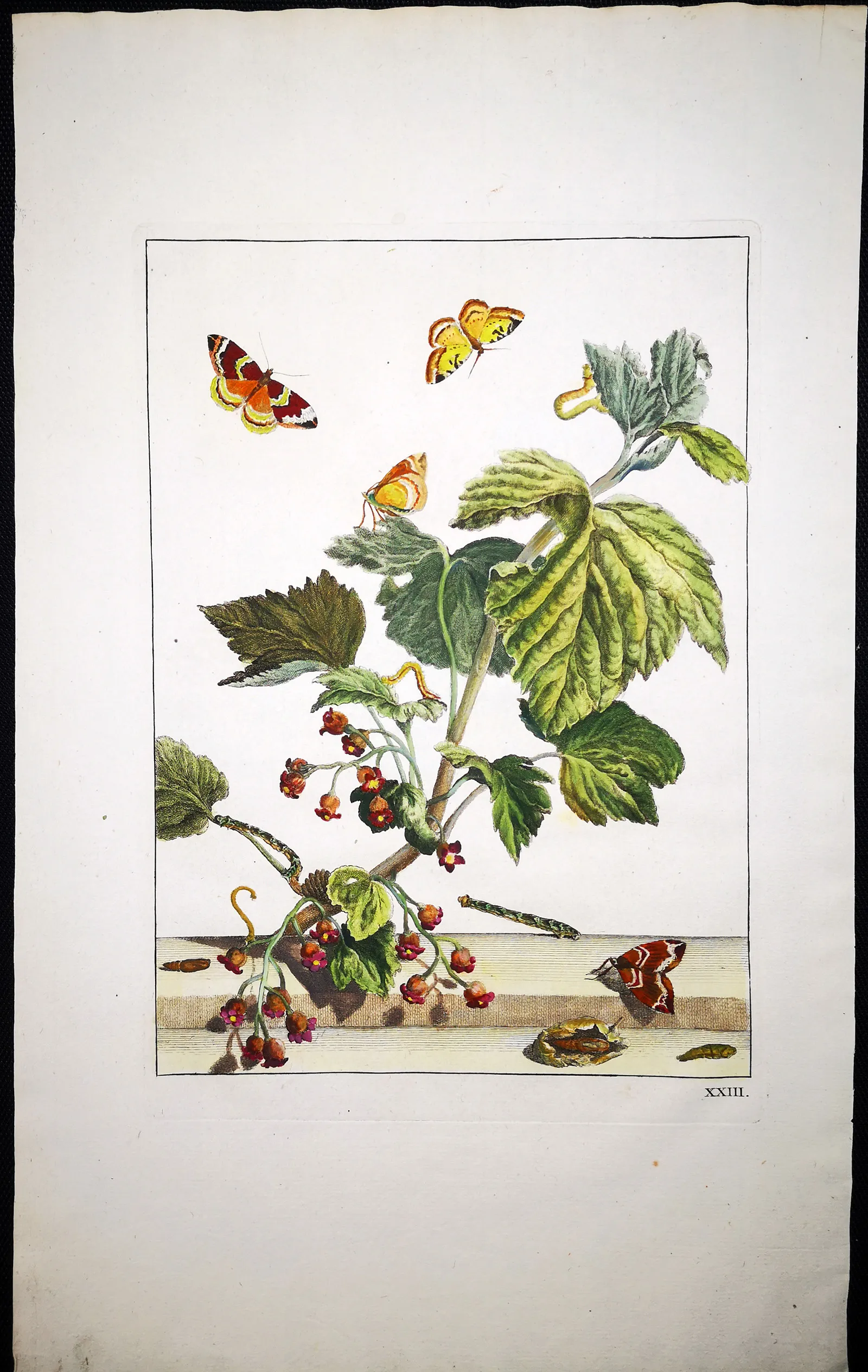
Printed on original eighteenth-century laid paper with visible chain lines. The sheet retains strong margins and a crisp impression. Hand-coloring remains fresh and balanced. A watermark with paper mill initials is visible, consistent with eighteenth-century production. Dated 1774.
Specific References
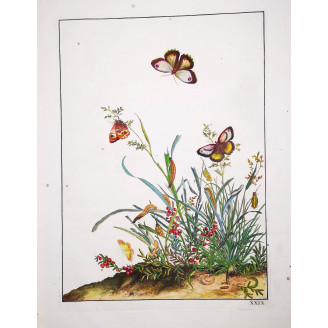
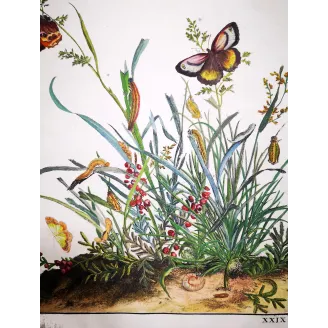
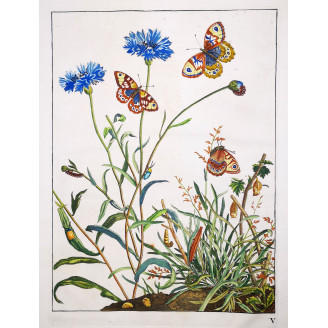
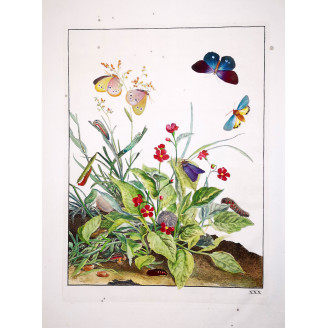
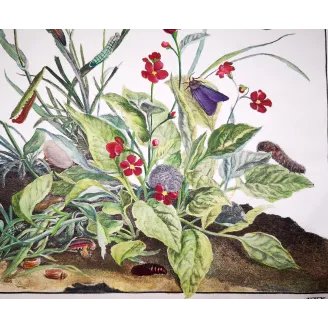
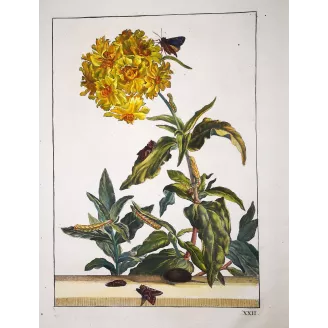
Original 1774 engraving by Jacob L'Admiral: Colorful Insects on Flowering Stalk.
Original 1774 engraving by Jacob L'Admiral: Early Moth Stage among Willow Leaves.
Antique entomological engraving by Jacob L’Admiral, featuring *Lymantria dispar *, and *Malus*.
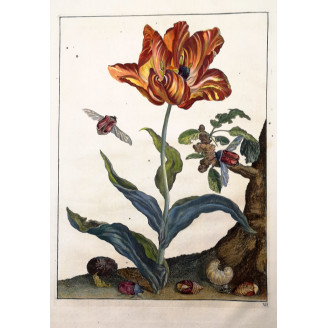
Original 1774 engraving by Jacob L'Admiral: Rose Chafer beetle with Pupae Stages and Tulip.
Original 1774 engraving by Jacob L'Admiral: Red Butterflies on Flowering Stem.
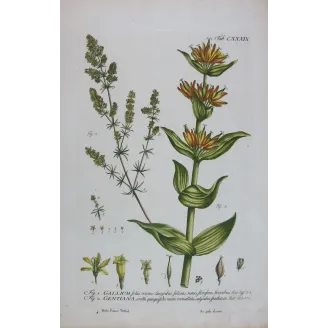
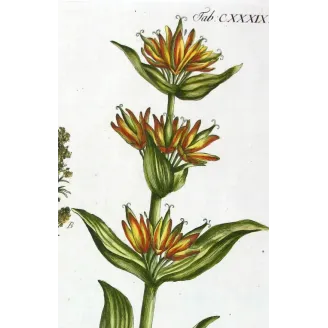
An elegant 18th-century botanical engraving depicting Gentian and Bedstraw, combining structured vertical growth with delicate botanical detail. The vivid hand-coloring and dual composition create a refined and visually engaging natural history print.
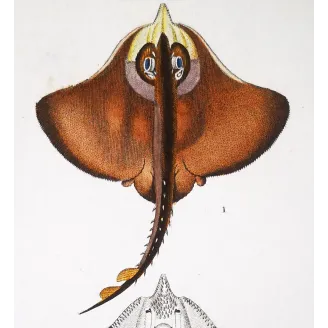
Elegant 19th-century hand-colored engraving of the Brown Ray by Pierre Antoine Prêtre, featuring graceful symmetry and refined marine tones.
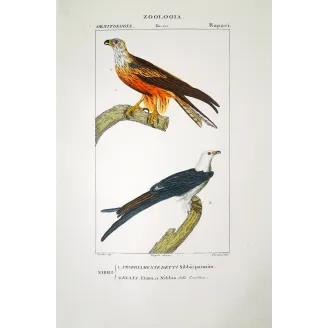
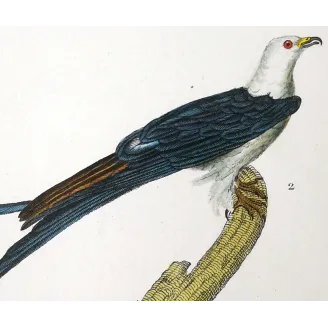
Parasitic Kite & Elanus (Milvus sp. & Elanus sp.) – Original Hand-Colored Engraving by Prêtre, Antique Print.
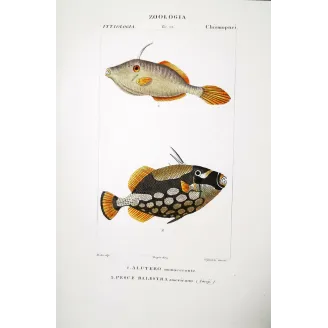
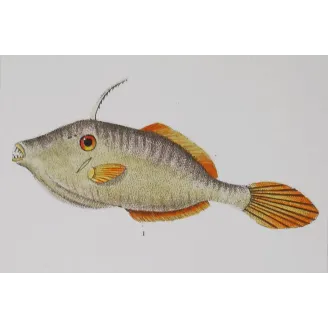
Geometric patterns and bold contrasts; elegant plate featuring a refined filefish with a dramatic American triggerfish.
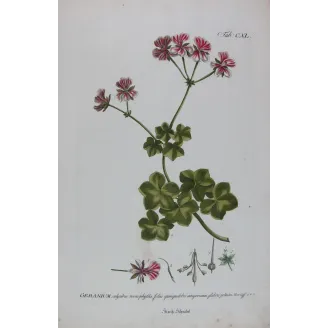
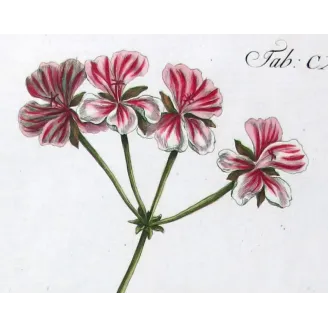
A refined 18th-century botanical engraving depicting Geranium, featuring distinctive rounded foliage and delicate pink blossoms. The balanced composition and original hand-coloring create a harmonious and decorative botanical print.
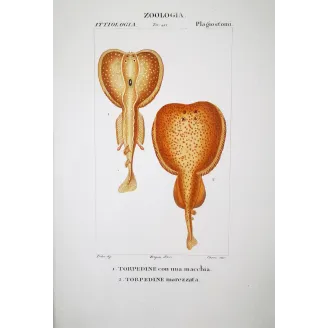
Spectacular electric rays with mottled patterns and sculptural forms; a rare and dramatic Antique Print for collectors.
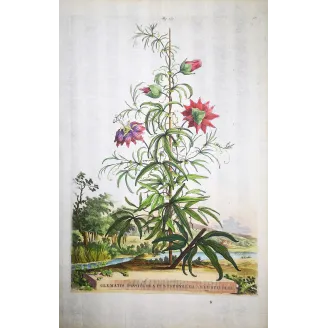
Original 17th-century hand-colored engraving of a Clematis vine by Abraham Munting, featuring vertical growth, vivid blossoms and refined botanical composition.
Impressive antique engraving of the Southern Cassowary, a striking flightless bird from New Guinea and northern Australia.
Original 1774 engraving by Jacob L'Admiral: Phoenix Moth.