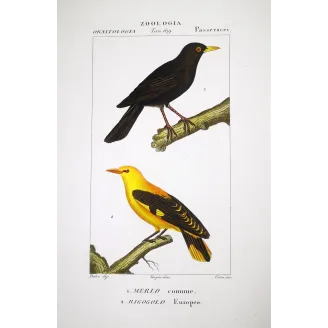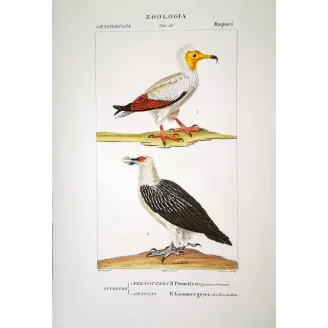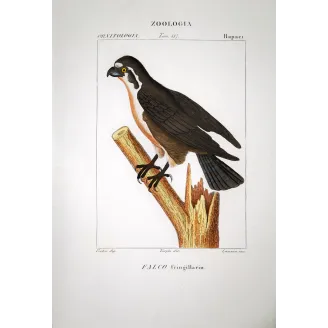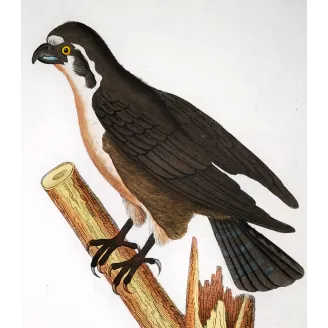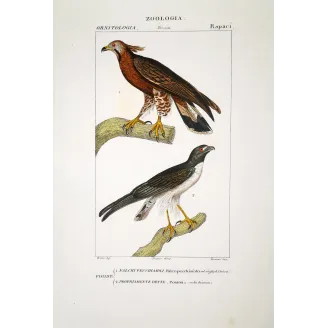
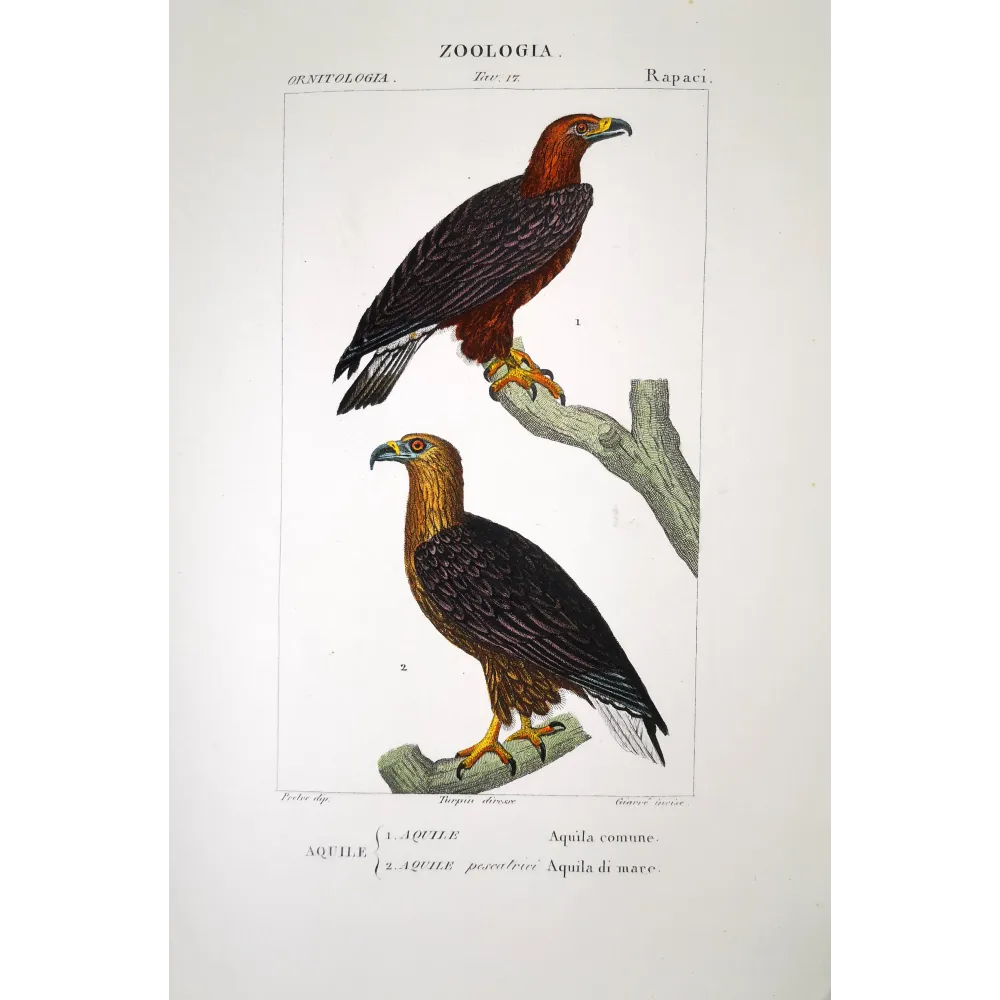
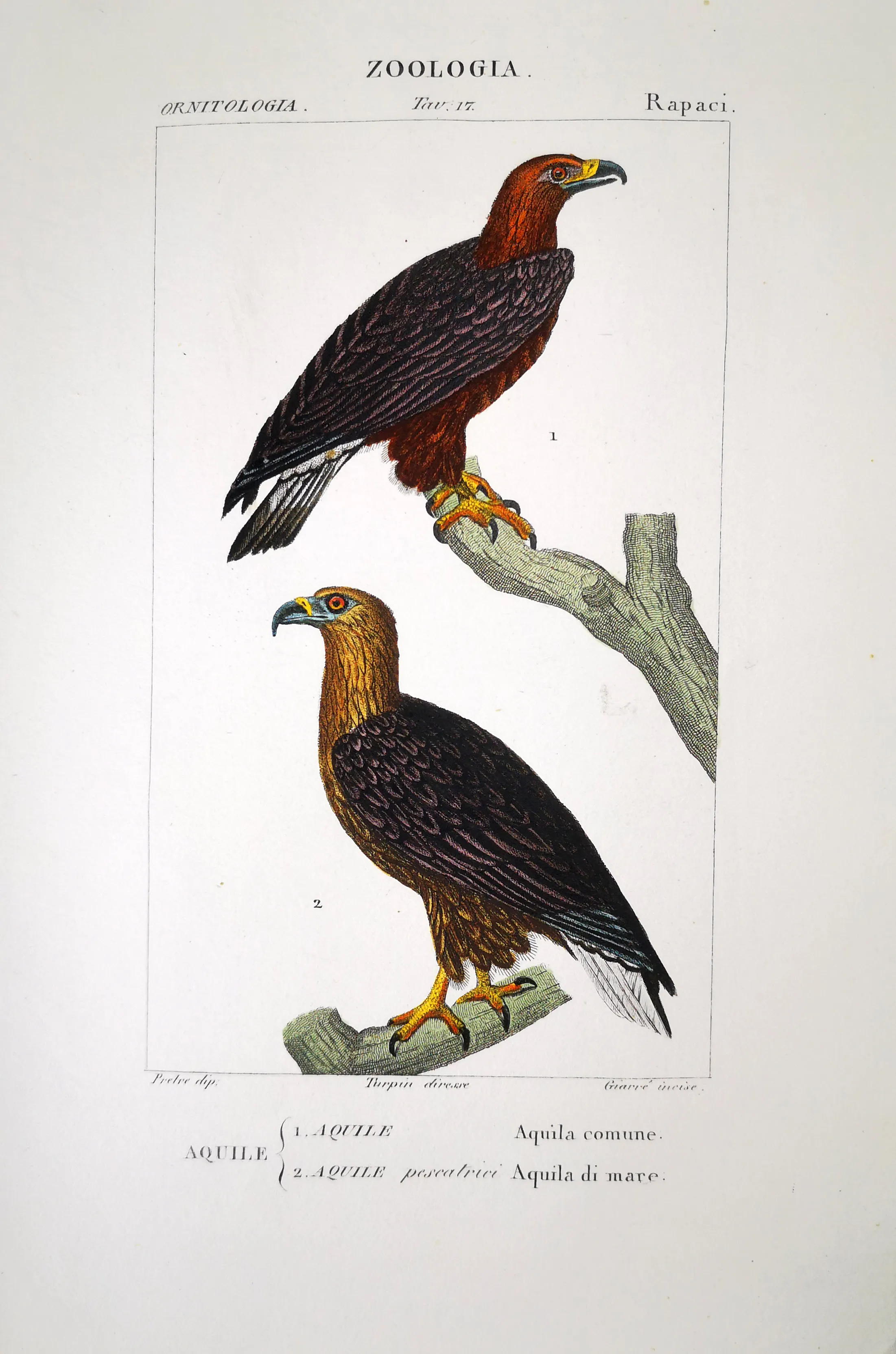
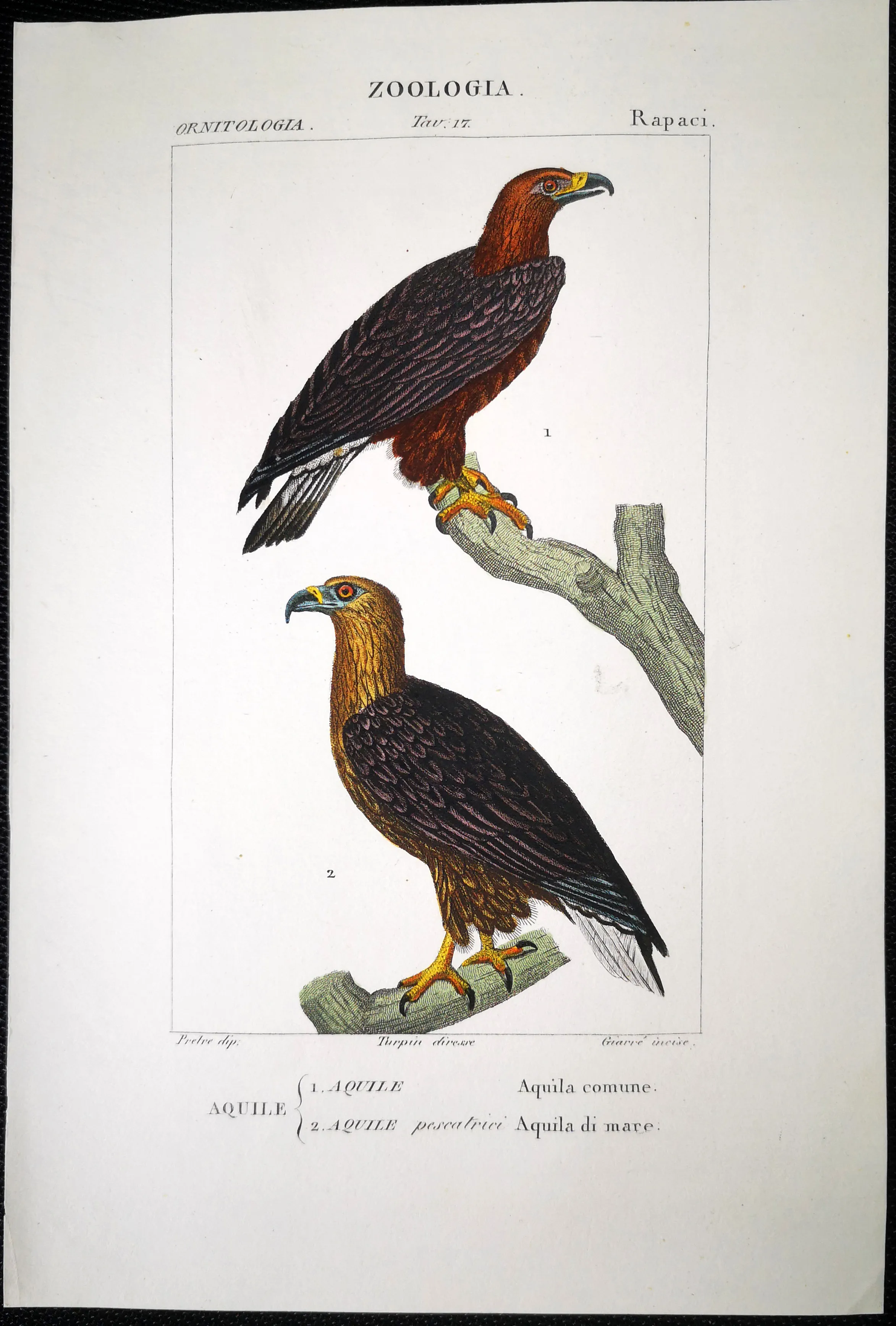


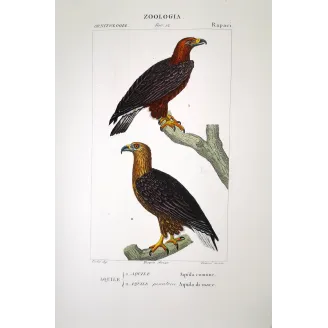
Impressive pairing of two majestic eagles, captured with remarkable precision and power.
 Delivery policy
Your print will be carefully prepared and shipped worldwide via trusted couriers (UPS or similar).
 Authentic antique prints
Original engravings from the 17th–19th century.
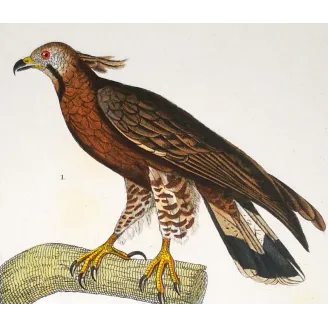
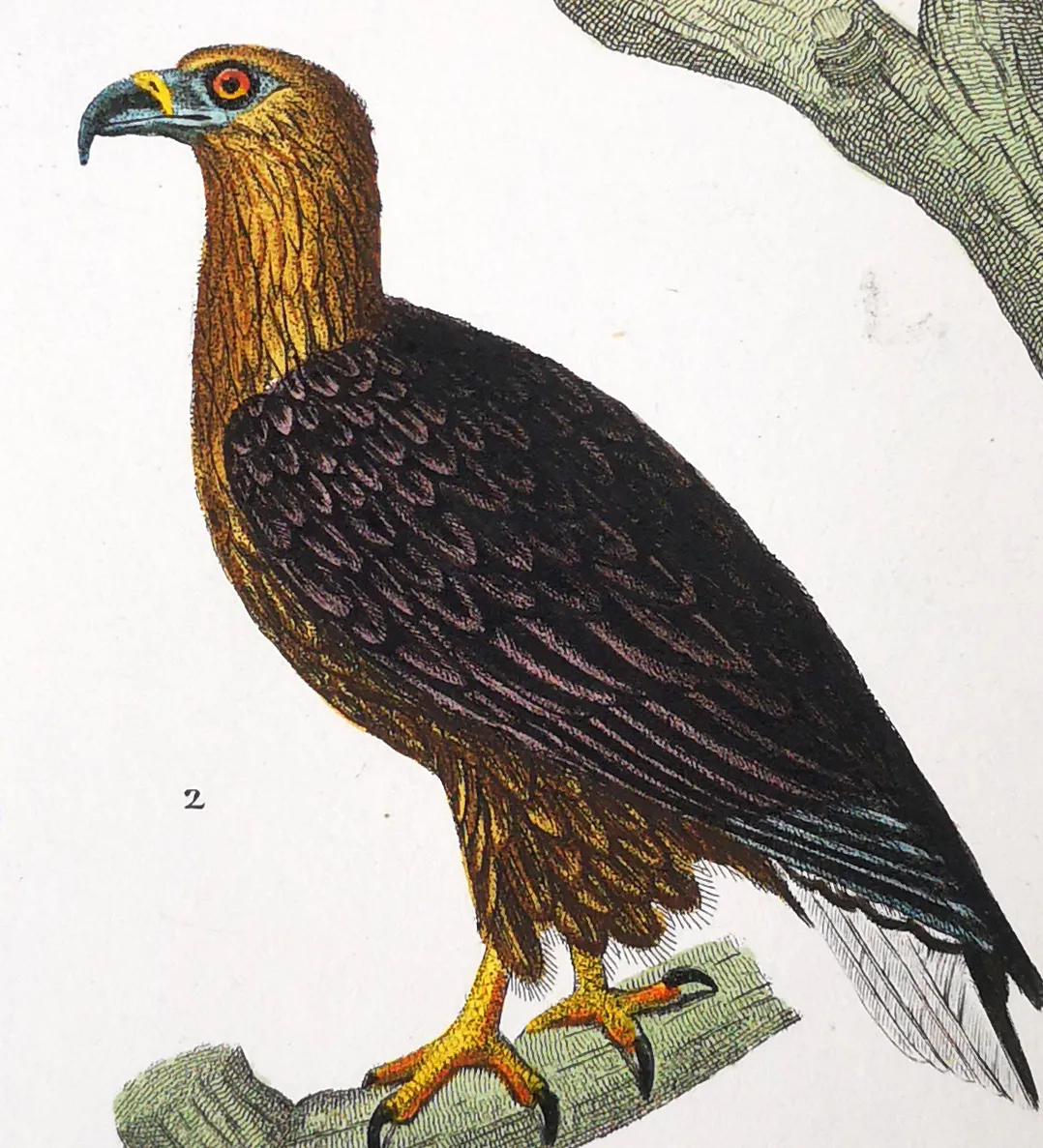
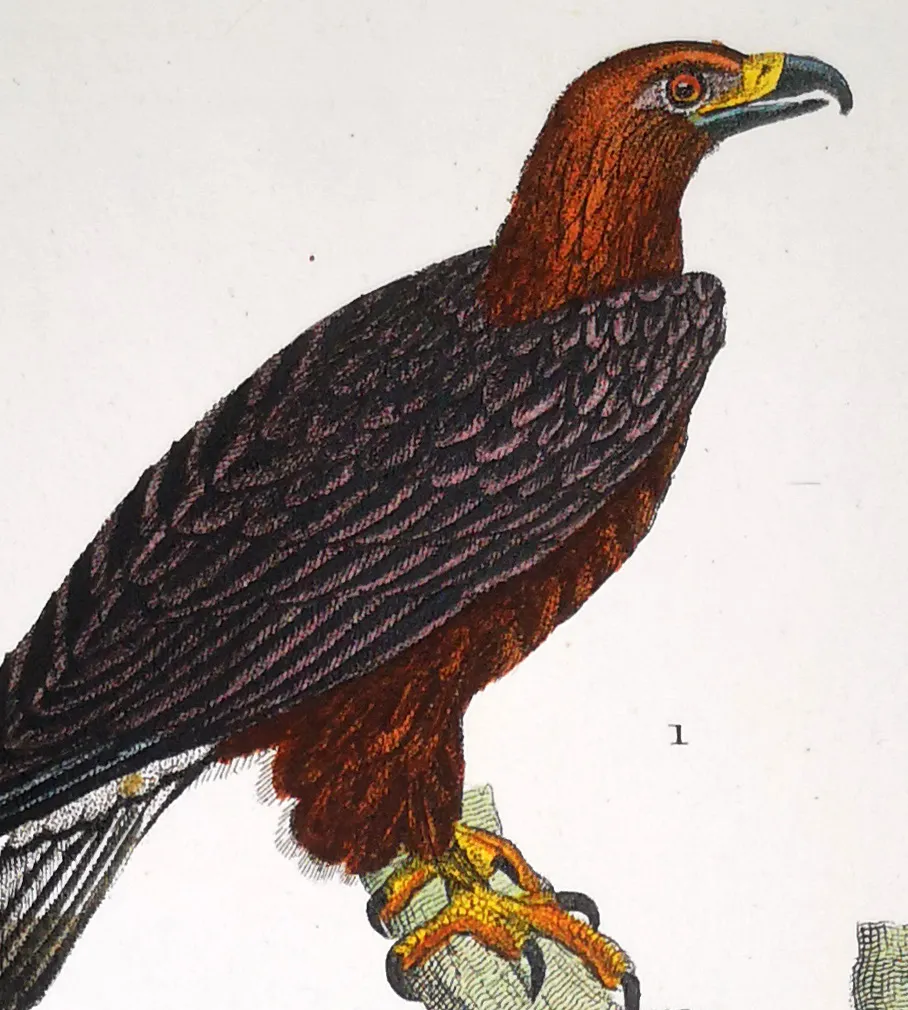
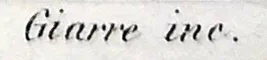
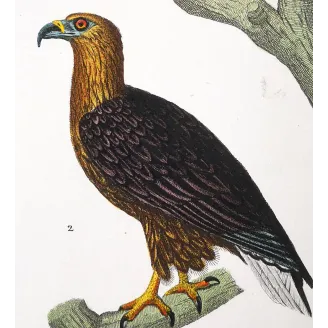
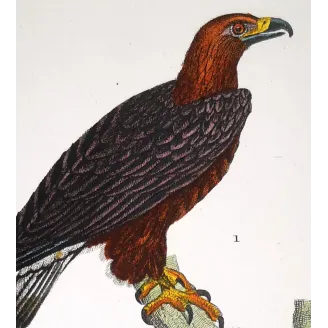
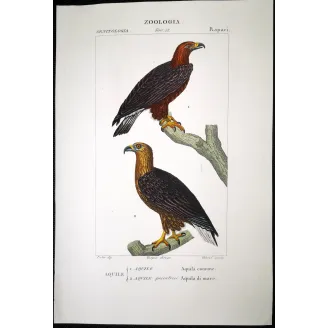
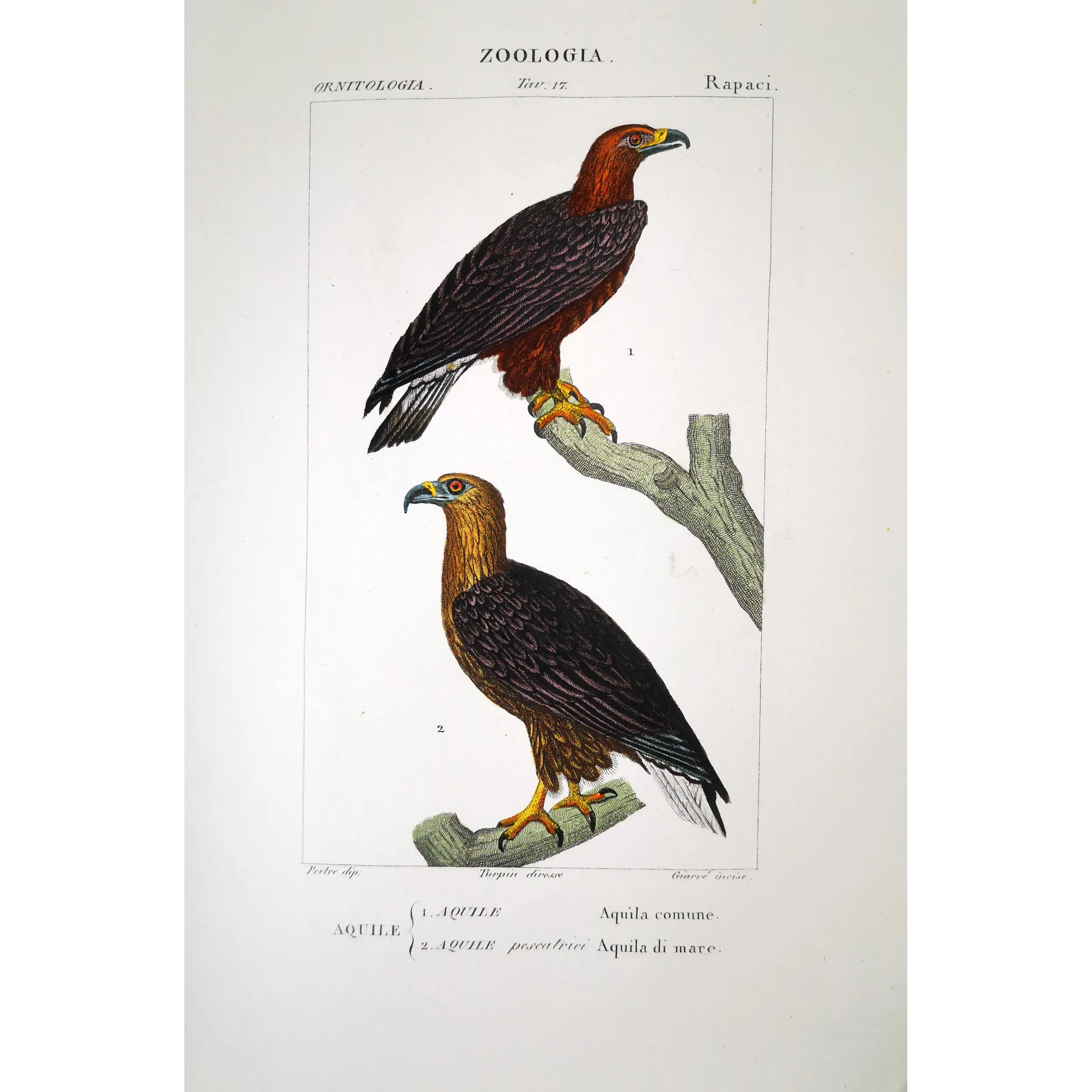
This striking ornithological engraving presents two majestic raptors identified in the plate as Aquila comune and Aquila pescatrice (Aquila di mare). The sheet belongs to the ornithological section of the Dizionario di Scienze Naturali, where Pierre Antoine Prêtre renders birds of prey with monumental compositional authority.
The upper eagle stands alert upon a branch, while the lower figure introduces variation in plumage tone and posture, forming a powerful vertical dialogue between two sovereign species of the skies.
— • —
The chromatic structure is built upon deep chestnut and umber tonalities, contrasted with luminous golden highlights around the head and talons. The careful articulation of feather layering produces tactile density without sacrificing scientific clarity.
The diagonal branches anchor the composition while the upright stance of both birds reinforces vertical monumentality. The restrained background preserves the scientific austerity typical of early nineteenth-century natural history engraving, allowing the symbolic force of the aquila to dominate the field.
The term Aquila refers to large eagles within the family Accipitridae. The “Aquila comune” is associated with the Golden Eagle (Aquila chrysaetos), while the “Aquila pescatrice” corresponds to sea-eagle or fish-eagle types, commonly identified with Haliaeetus species.
Throughout history, the eagle has symbolized sovereignty, military authority, and imperial identity. Its presence in nineteenth-century scientific works reflects not only zoological classification but also the enduring cultural weight of this raptor as emblem of power and vigilance.
This engraving forms part of the historic Dizionario di Scienze Naturali, a monumental early nineteenth-century encyclopedic enterprise once preserved within a noble library and today housed in the Sacchetti Collection. Each plate reflects a period in which scientific ambition was matched by exceptional artisanal execution — from disciplined copperplate linework to luminous hand-applied color.
These works represent a moment when natural history illustration achieved both scientific rigor and aesthetic refinement. To discover the full story behind these rare prints and their noble provenance, we invite you to read our editorial feature “Not Just Another Print”.
The engraving is in very good antique condition. The impression is sharp and well-preserved, with original hand-colouring intact. The paper is smooth early nineteenth-century wove paper (non-laid), consistent with Italian scientific editions of the period. No watermark has been observed. Minor age toning, if present, remains consistent with its age and does not affect decorative impact.
For further context on Pierre Antoine Prêtre and his contribution to nineteenth-century zoological illustration, see our editorial feature:
Pierre Antoine Prêtre – Illustrator of Natural Science and Marine Life
Specific References
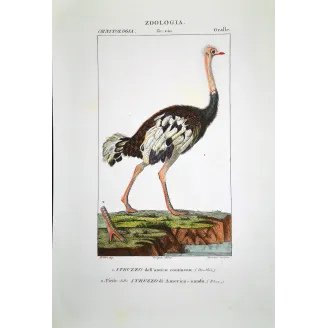
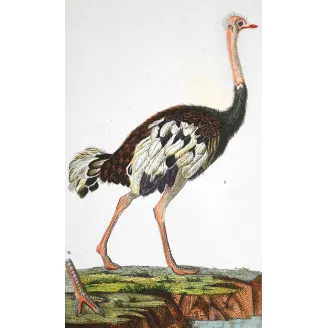
Imposing rendering of the Old World Ostrich and anatomical study of a Rhea foot.
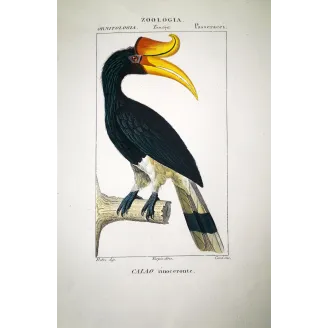
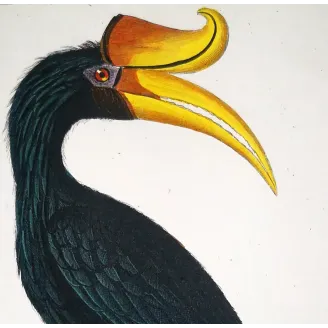
Beautiful 19th century illustration of the Buceros rhinoceros, commonly known as the Rhinoceros Hornbill.
Two striking hawks from Australia, finely illustrated with warm natural tones.
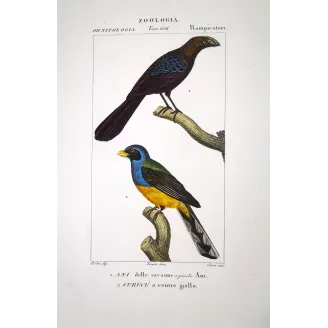
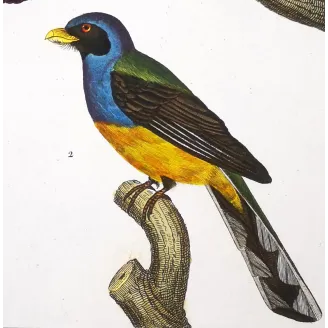
Colorful engraving of two exotic birds: the Ani and the vibrant Yellow-bellied Curuçu.
Majestic raptor captured in perfect hunting pose with detailed feathers.
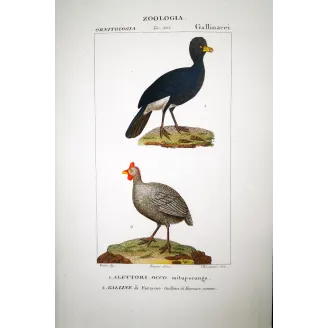
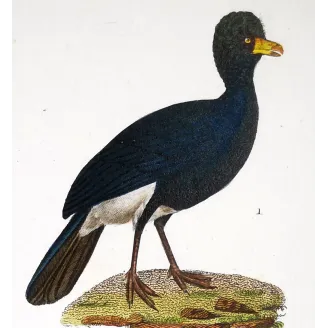
Elegant engraving of a guinea fowl and a Mituporanga, with rich textures and natural posture.
Two vibrant Jacamar birds with metallic plumage and long sharp beaks on stylized branches.
Striking contrast between the dark Imperial Crow and the vividly patterned Common Magpie.
Finely drawn buzzards with a harmonious and naturalistic composition.
Exquisite depiction of the ornate Greater Bird-of-Paradise alongside the striking Common Hill Myna.
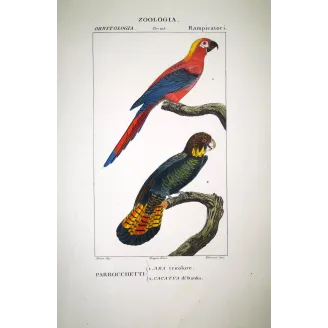
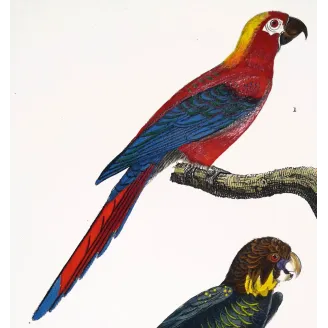
Vibrant parakeets perched on branches: a scarlet macaw and a black cockatoo with yellow and red highlights.
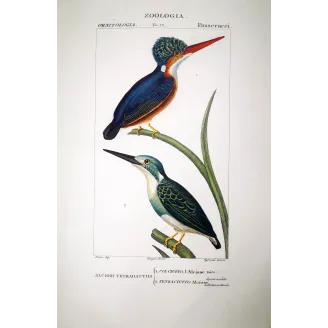
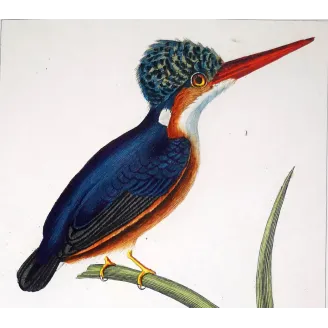
Refined old print with two specimens of South American halcyons: one crested and one with a green-blue livery.
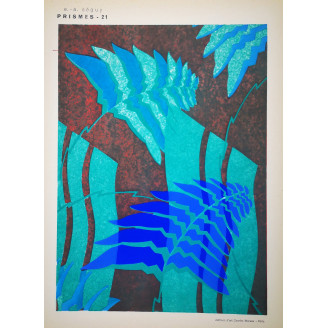
Original 1931 pochoir print by Émile-Allain Séguy. From the rare portfolio *Prismes*.
Impressive pairing of two majestic eagles, captured with remarkable precision and power.