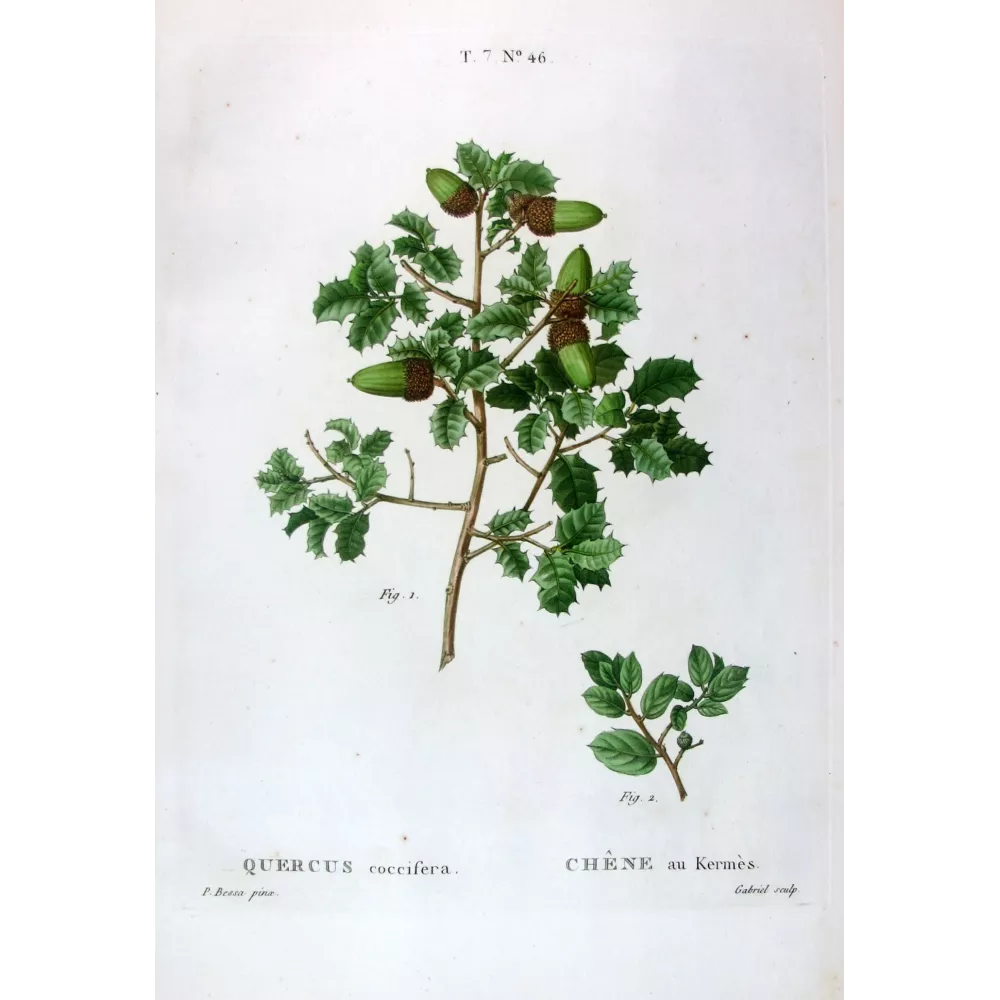
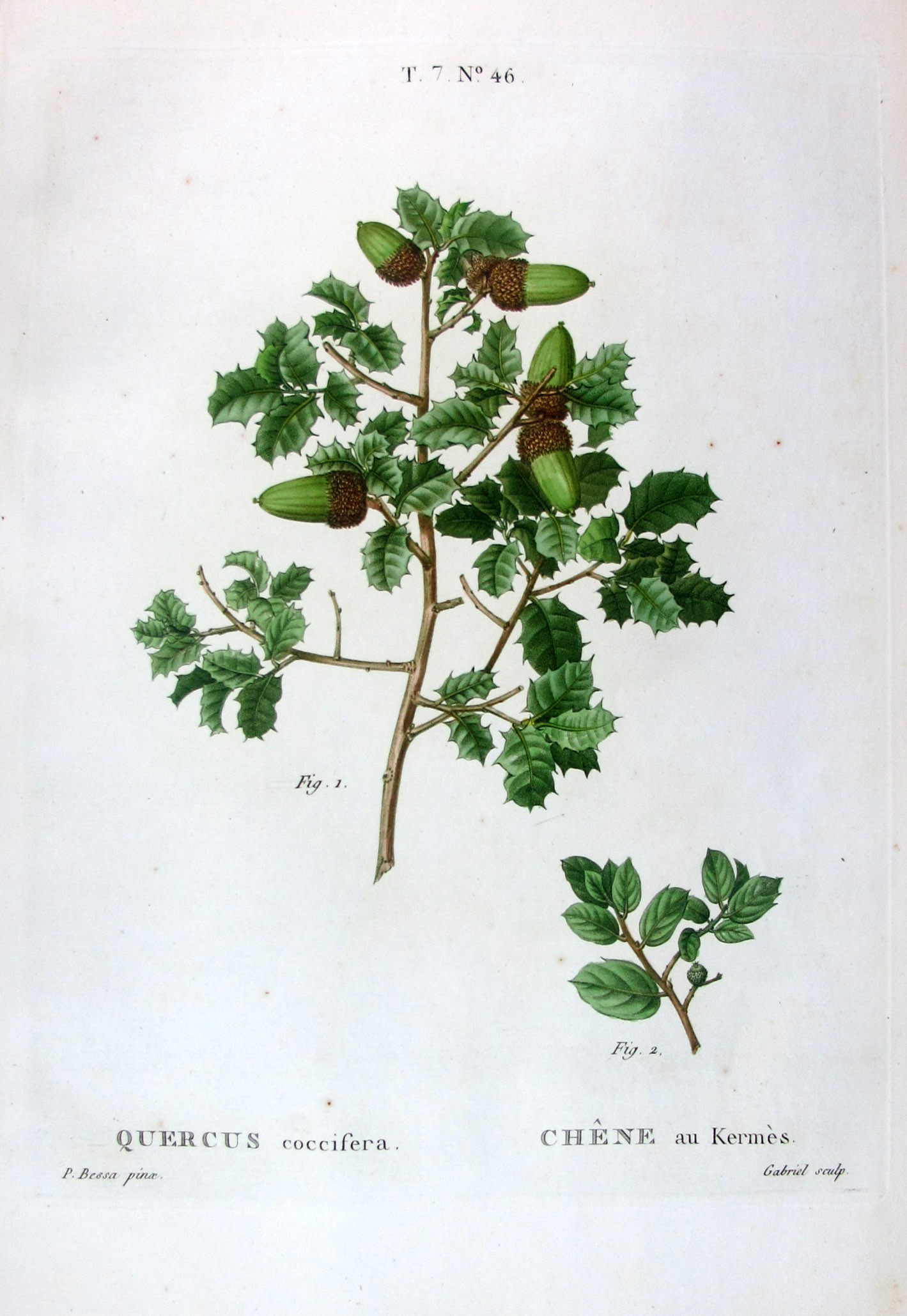
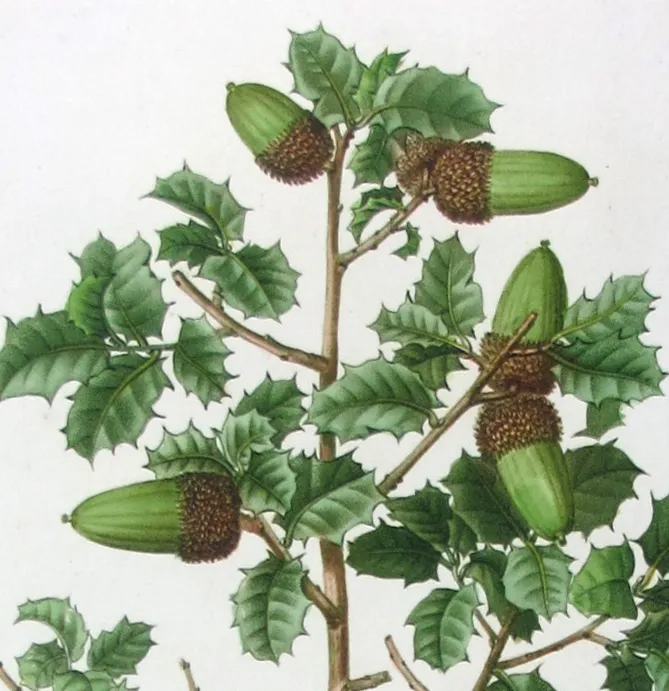
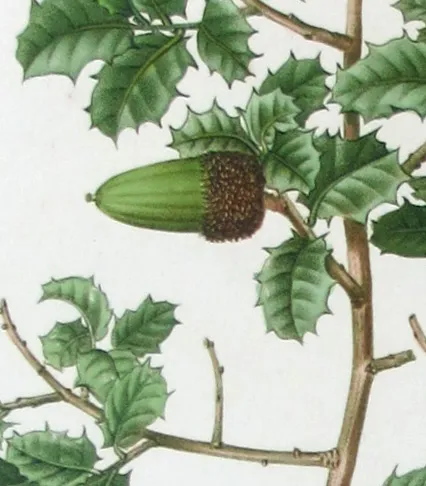
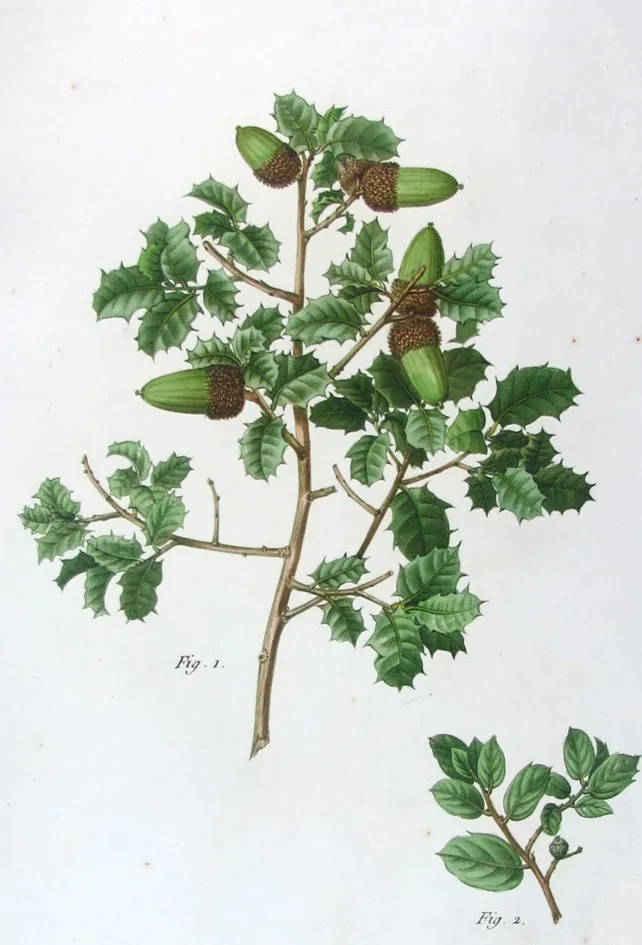
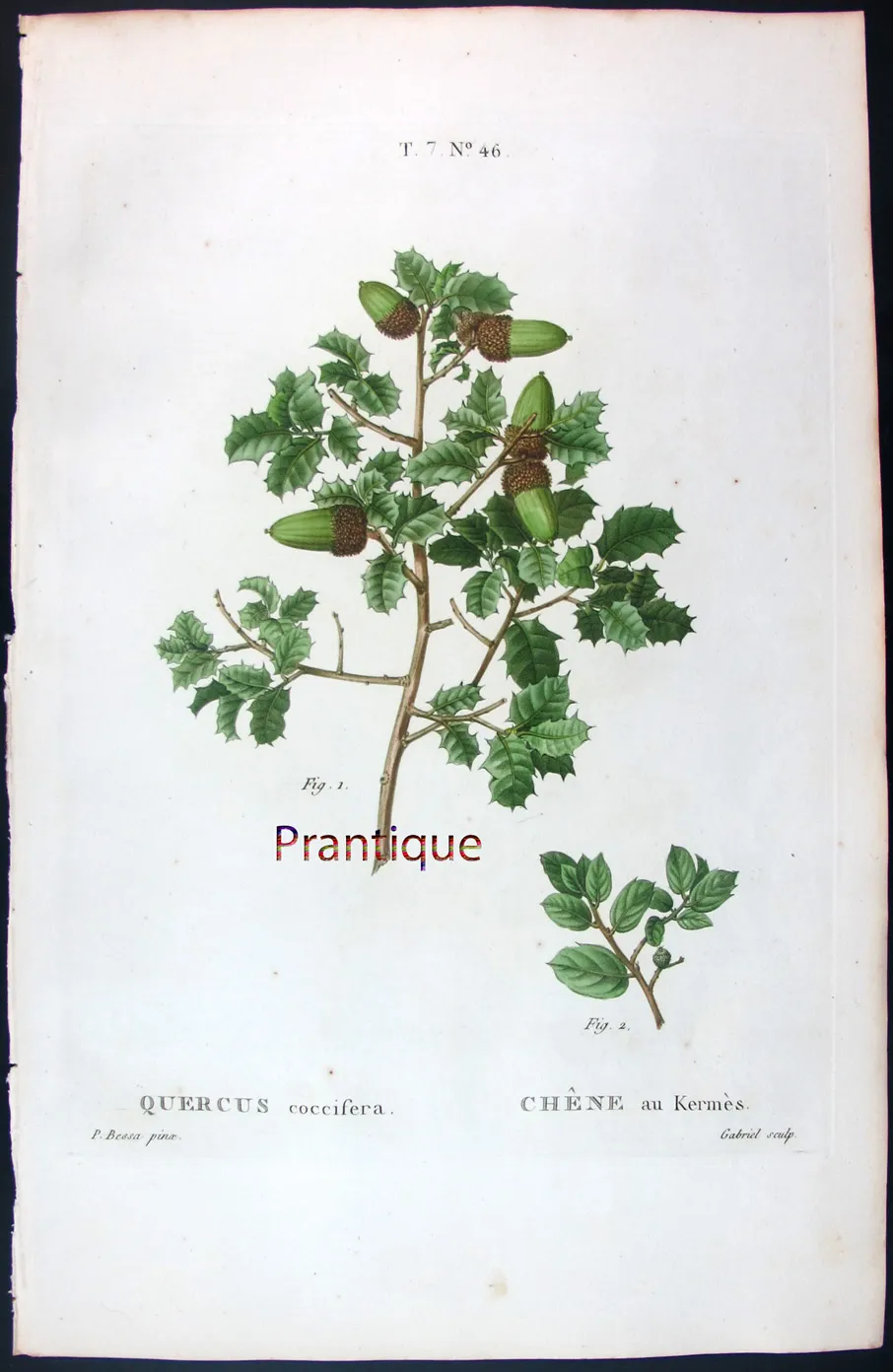
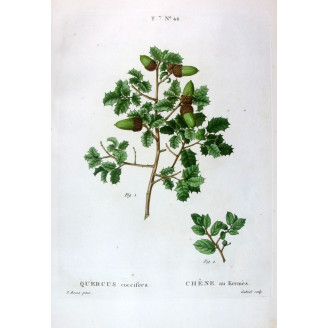


Antique print of the kermes oak by Pancrace Bessa.
 Delivery policy
Your print will be carefully prepared and shipped worldwide via trusted couriers (UPS or similar).
 Authentic antique prints
Original engravings from the 17th–19th century.
This original engraving depicts Quercus coccifera, known in French as Chêne au Kermès, a Mediterranean evergreen oak distinguished by its sharply serrated leaves and compact acorns. The plate isolates the branching structure with clarity, presenting a species whose botanical character is both resilient and sculptural.
The composition balances a fuller upper branch, heavy with acorns, against a smaller analytical study below. The dense, spiny foliage creates a rhythmic silhouette, while the acorn cups are rendered with textured precision, their warm brown tones contrasting elegantly with the cool greens of the leaves.
The name “Kermes” carries a particularly fascinating historical resonance. This oak hosted the scale insect Kermes vermilio, from which a brilliant crimson dye was extracted for centuries before the rise of cochineal. The colour “crimson” itself traces linguistic roots to this source. Thus, this plate records not only a tree, but a chapter in the history of European textiles and colour production.
— • —
The foliage is rendered with crisp stipple and controlled tonal gradation, emphasising the rigidity and evergreen density of the species. The serrated margins appear almost defensive in character, reinforcing the hardy Mediterranean identity of the tree.
The acorns, elongated and confidently modelled, provide a warm chromatic counterpoint. Their textured cups are engraved with precision, demonstrating the technical skill of Gabriel, whose line work preserves botanical accuracy while maintaining decorative balance within the sheet.
Quercus coccifera is native to the Mediterranean basin and is adapted to dry, rocky environments. Beyond its ecological resilience, it played a pivotal role in pre-modern dye industries through its association with the kermes insect. Long before synthetic pigments, this oak contributed indirectly to the production of luxurious red textiles worn by nobility and clergy, linking the species to cultural and economic history.
The engraving is in Like Brand New condition. The sheet remains clean and well preserved, with fresh original hand-colouring and a balanced, even paper tone. No watermark has been observed. The engraved credits confirm the original drawing by Pancrace Bessa and the engraving executed by Gabriel, verifying its authenticity as an original early nineteenth-century plate.
For further context on Pancrace Bessa and his distinctive contribution to French botanical illustration, see our editorial feature:
Specific References
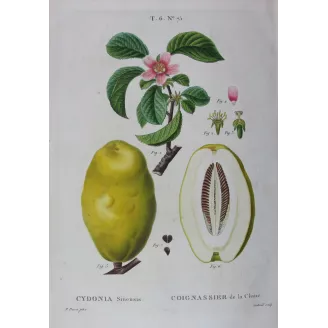
Chinese Quince Coignassier de la Chine Original hand-colored botanical engraving by Pancrace Bessa.
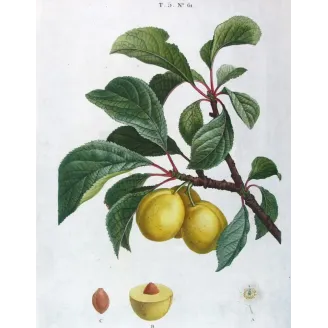
Botanical illustration of the Saint Catherine plum, a delicate fruit-bearing tree, by Pancrace Bessa.
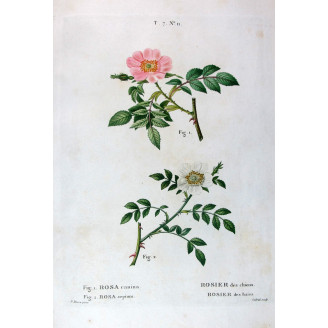
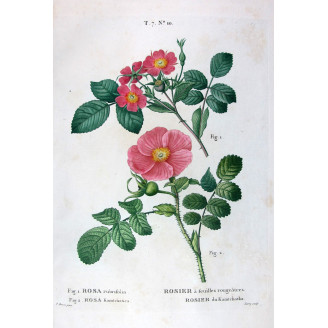
Dog Rose & Hedge Rose Rosier des chiens & Rosier des haies Original hand-colored botanical engraving by Pancrace Bessa.
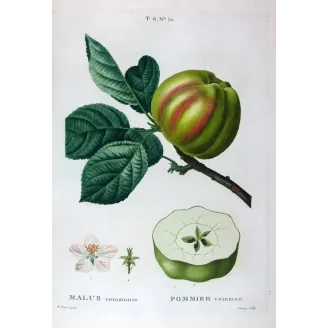
A finely executed early 19th-century botanical engraving illustrating a cultivated apple variety (Malus communis), drawn by Pancrace Bessa for Arbres et Arbustes. The composition combines precise botanical observation with refined decorative balance, presenting fruit and foliage with clarity and quiet elegance. Exceptional hand-colouring and careful modelling reflect the sophistication of French pomological illustration at its height.
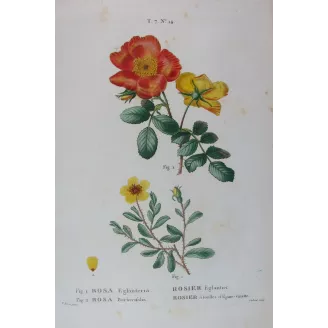
Eglantine & Berberis-leaved Rose Rosier à feuilles d'Épine-vinette Original hand-colored botanical engraving by Pancrace Bessa.
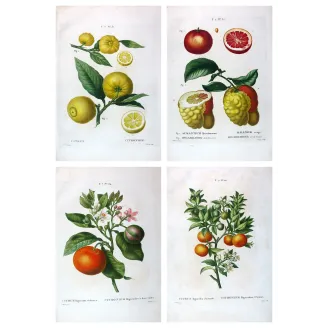
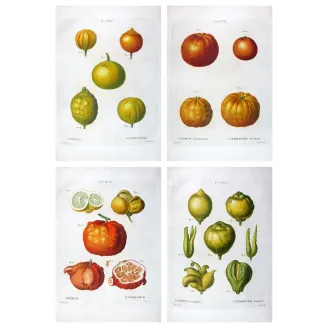
A coherent ensemble of eight original orange and bigarade engravings by Pancrace Bessa, reflecting the cultivated discipline of French orangeries in the Napoleonic era. Botanical precision and architectural composure unite in a refined citrus portfolio preserved as a complete series.
Elegant depiction of a rich purple Muscat grape variety by Pancrace Bessa.
Kamchatka Rose Rosier du Kamchatka Original hand-colored botanical engraving by Pancrace Bessa.
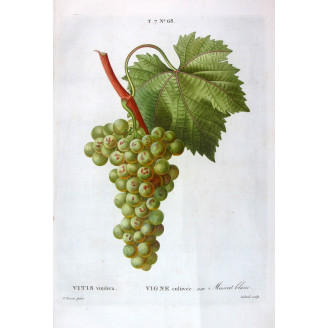
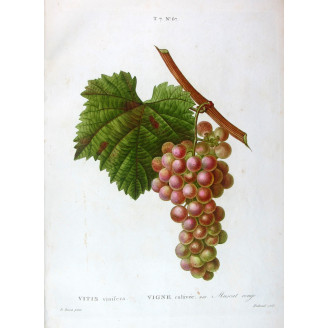
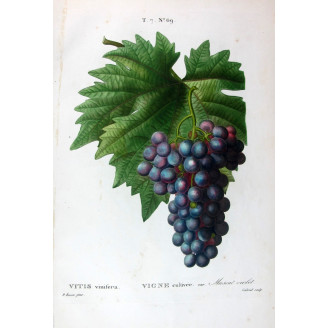
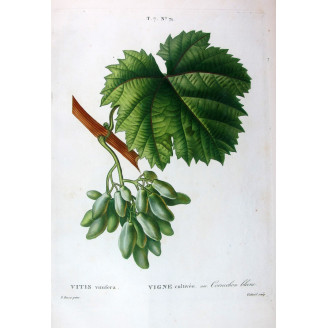
Original antique print of the common grape vine, Vitis vinifera, illustrated by Pancrace Bessa.
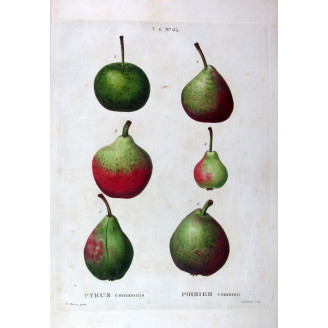
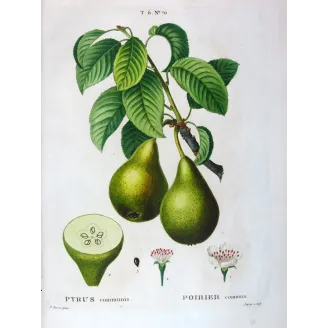
A refined early 19th-century botanical engraving depicting cultivated pear varieties (Pyrus communis), drawn by Pancrace Bessa and engraved for Arbres et Arbustes. Executed with restraint and clarity, the plate exemplifies the elegance of French pomological illustration, uniting scientific precision with a calm, decorative sensibility. The harmonious composition and subtle hand-colouring make it a timeless and highly collectible work.
Monthly Rose Rosier de tous les mois Original hand-colored botanical engraving by Pancrace Bessa.
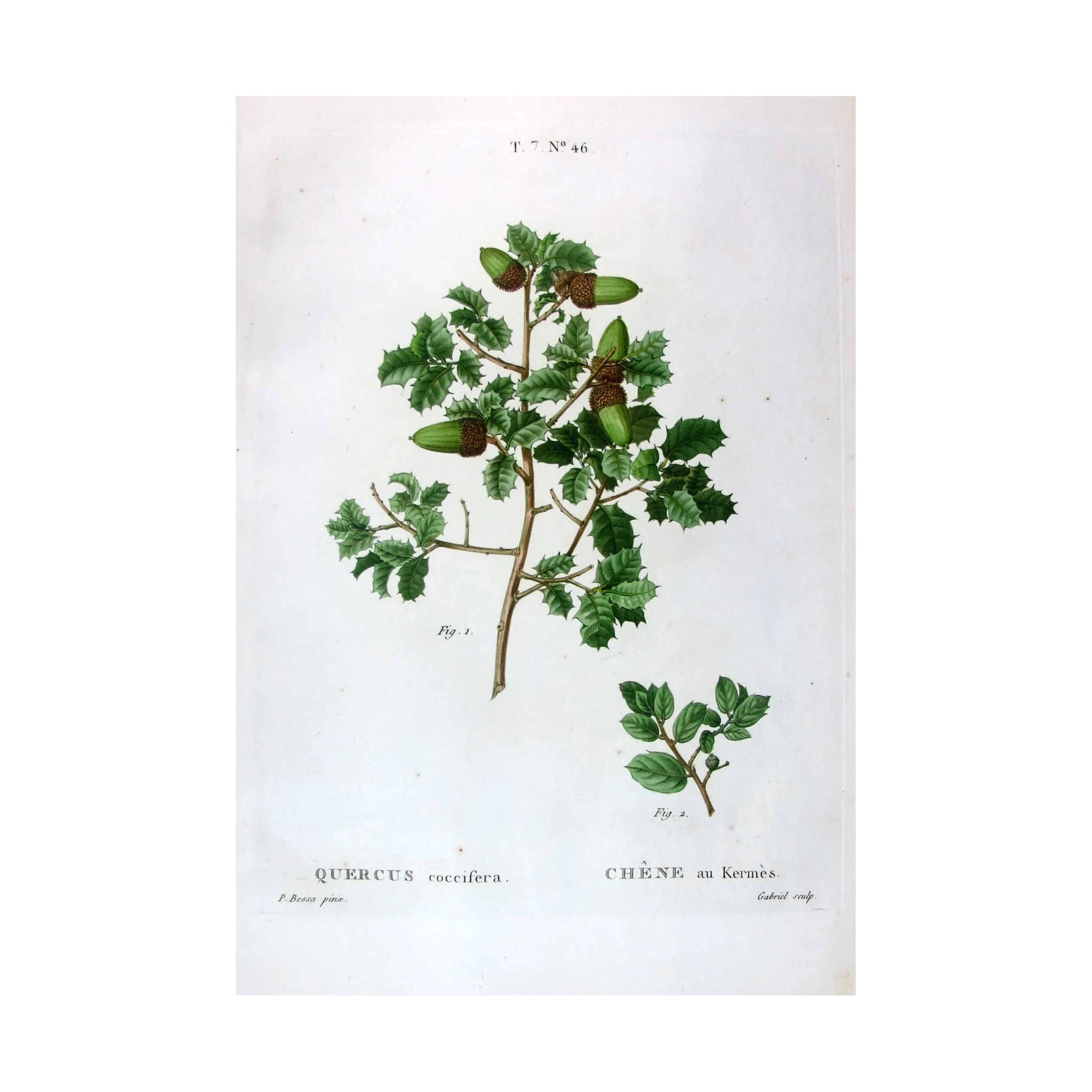
Antique print of the kermes oak by Pancrace Bessa.