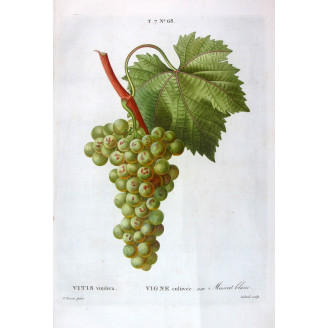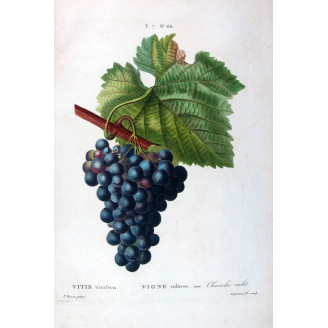
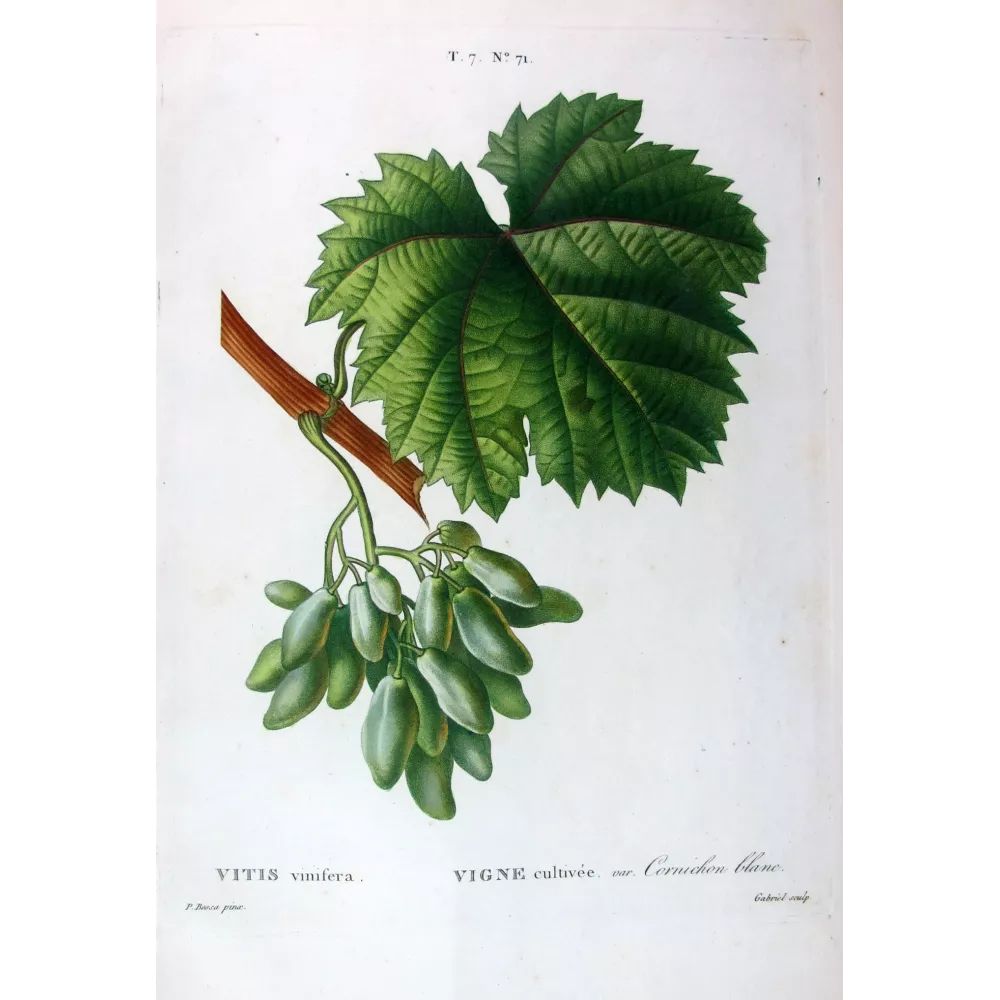
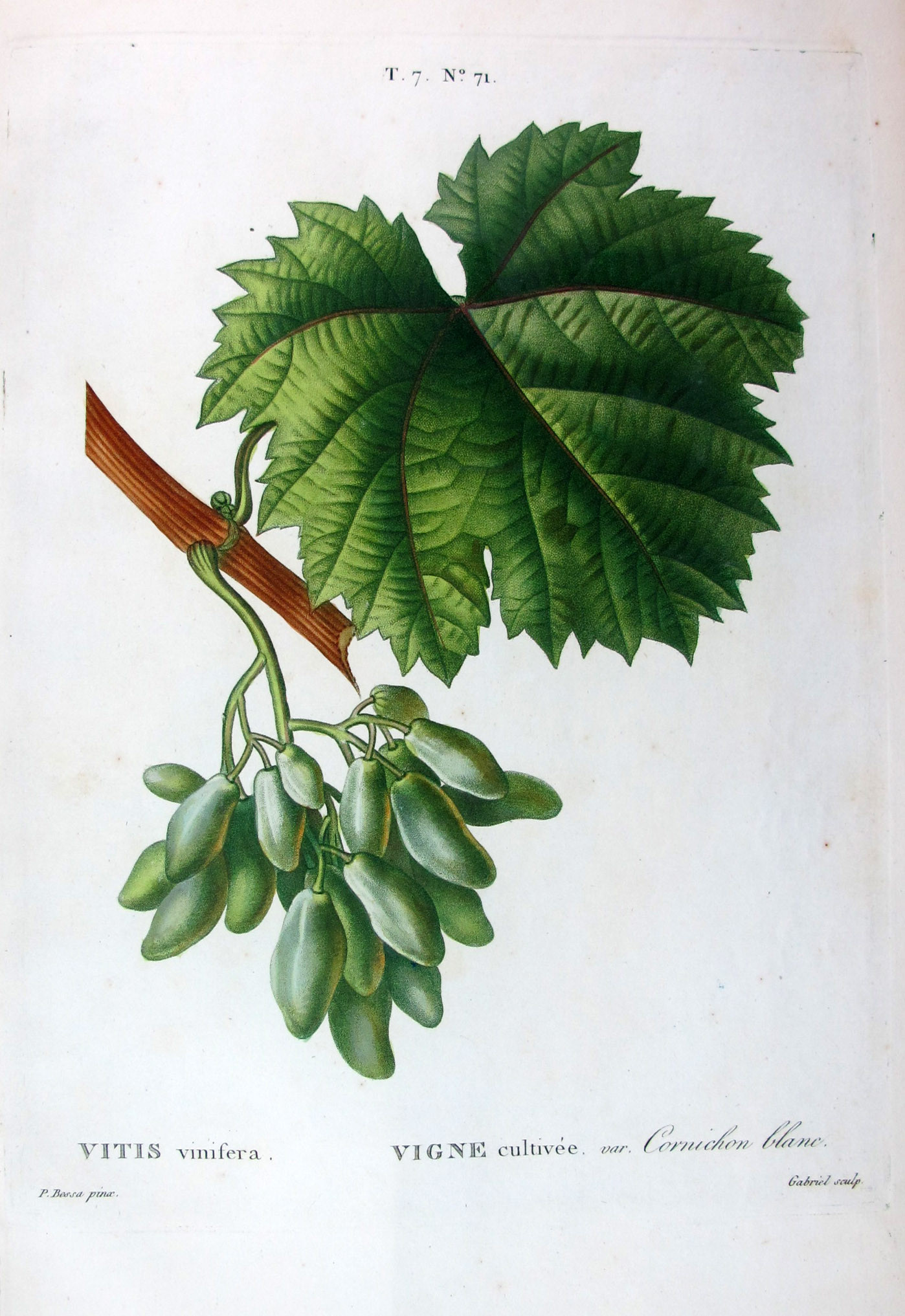
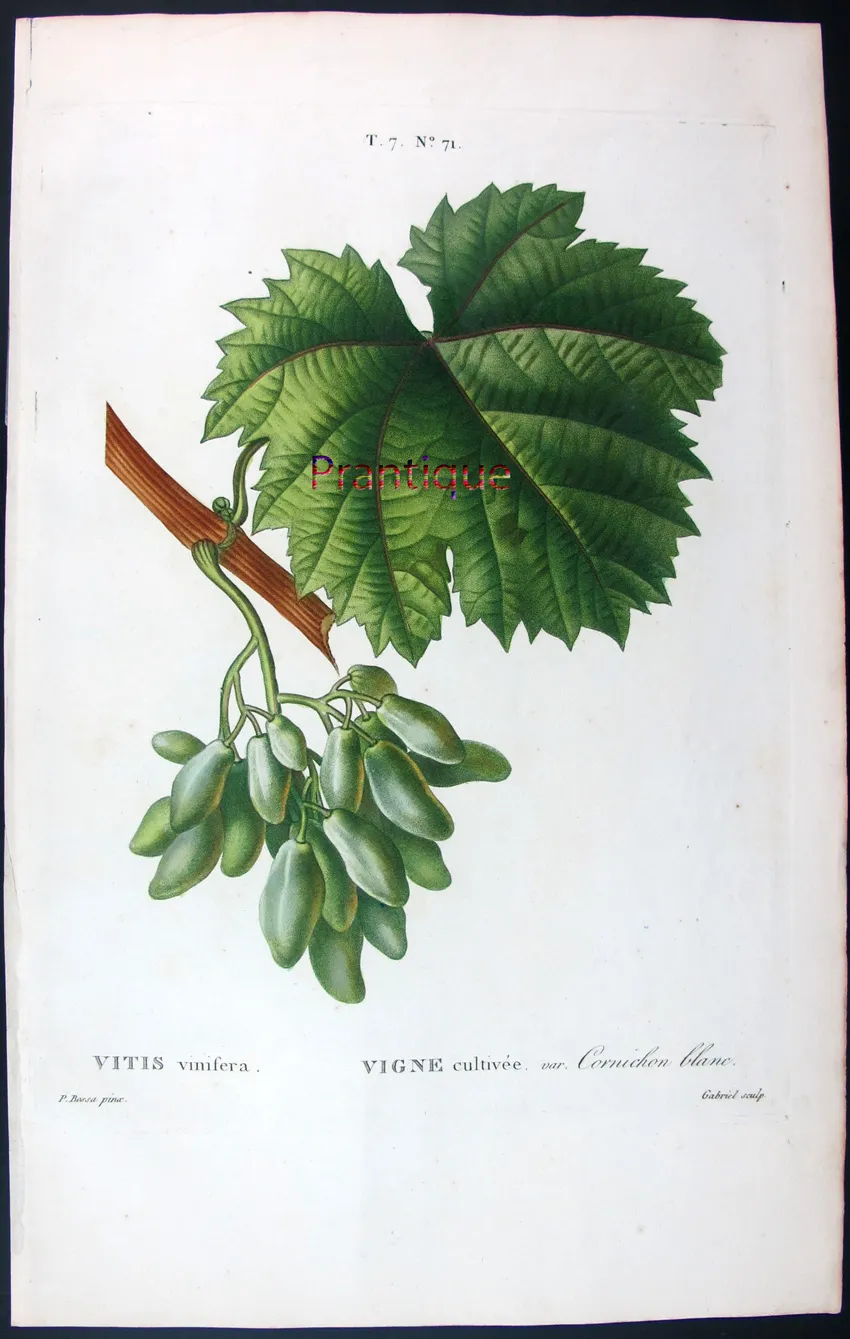
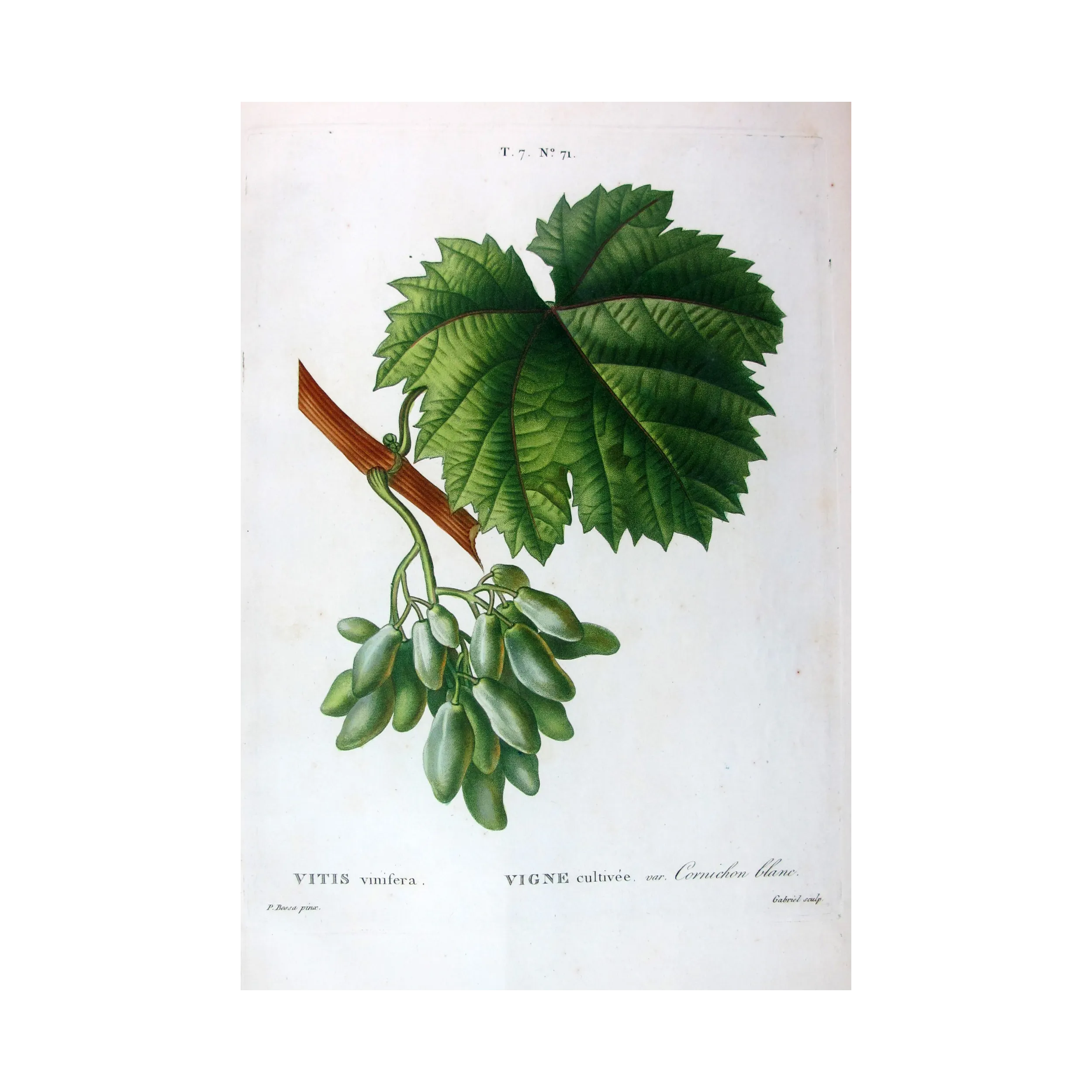
Original antique print of the common grape vine, Vitis vinifera, illustrated by Pancrace Bessa.
 Delivery policy
Your print will be carefully prepared and shipped worldwide via trusted couriers (UPS or similar).
 Authentic antique prints
Original engravings from the 17th–19th century.
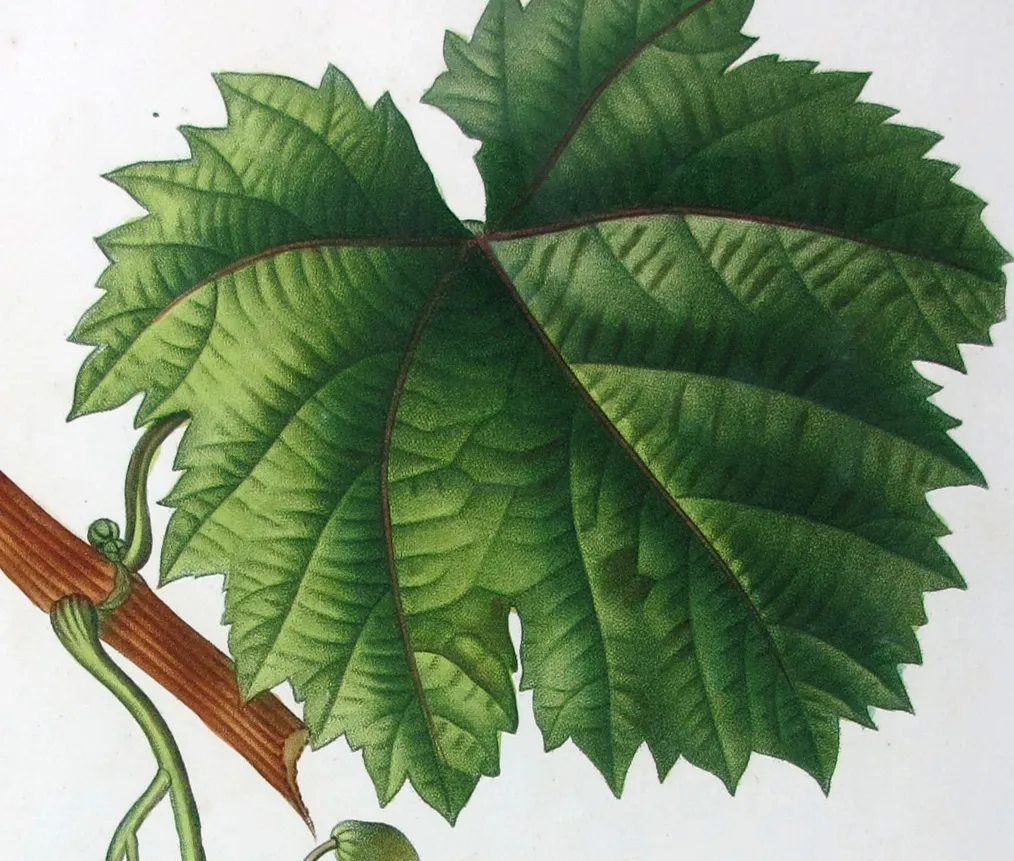
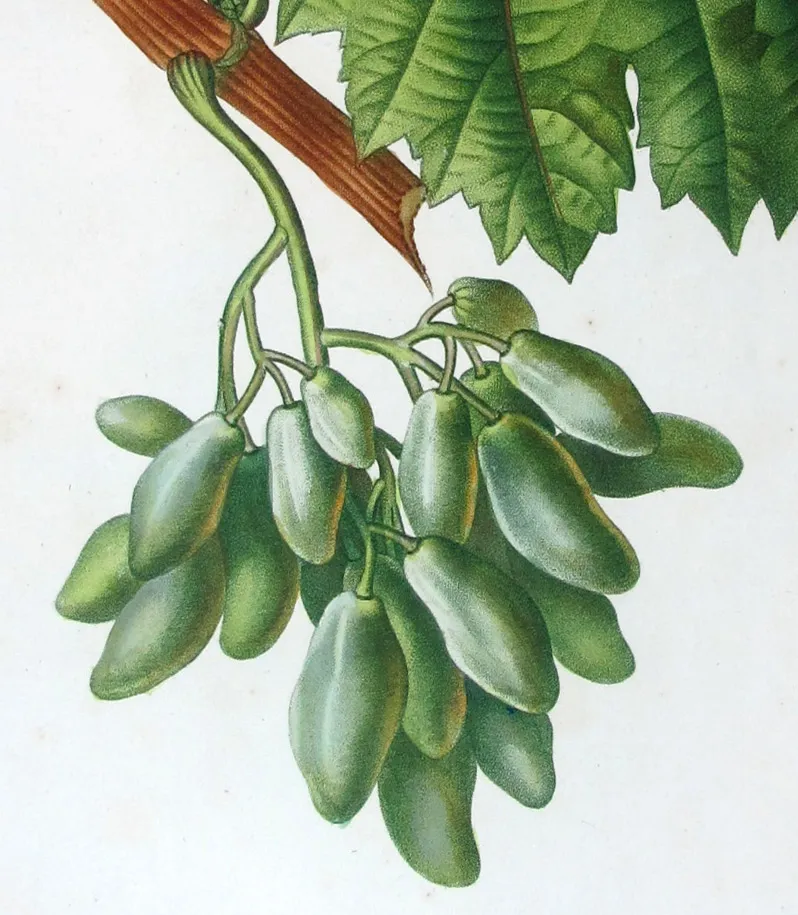
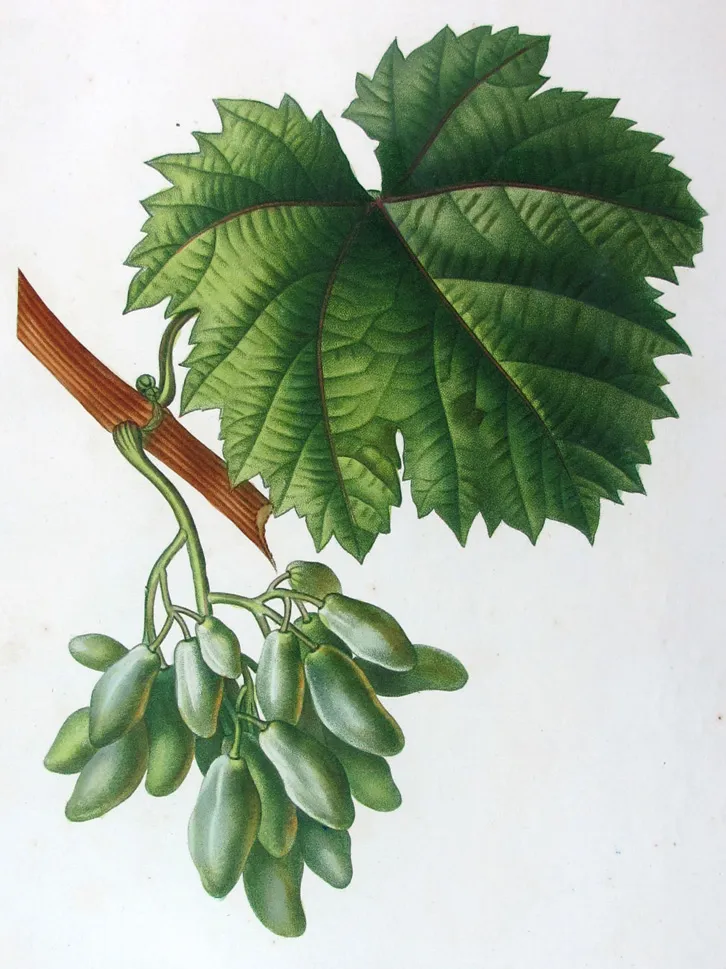
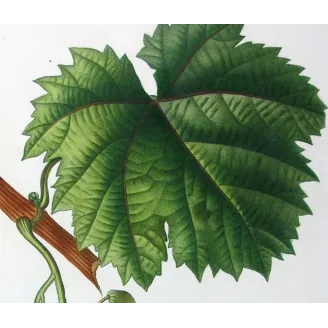
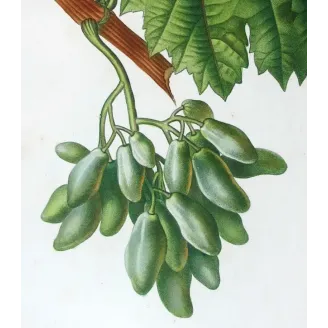
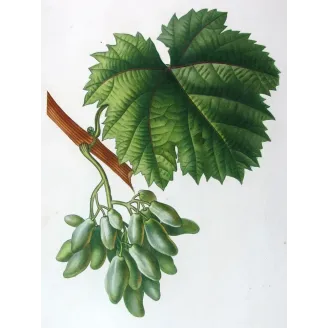
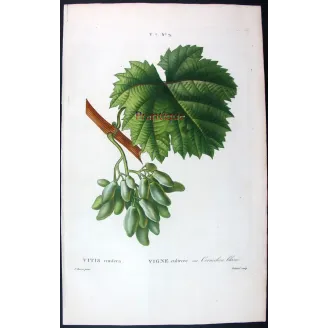
This original early 19th-century botanical engraving depicts Vitis vinifera as a cultivated French variety identified in the plate as Cornichon blanc. The composition presents a distinctive cluster of elongated grapes suspended beneath a broad, finely veined vine leaf, arranged with clarity against a luminous field of white space.
Unlike rounder Muscat or Chasselas varieties, the Cornichon blanc is characterised by its unusual, almost cylindrical fruit. Bessa renders these elongated berries with exceptional finesse, modelling each form through soft green tones and gentle highlights that emphasise freshness and translucency rather than weight.
Issued as part of Arbres et Arbustes, this plate stands out for its exploration of form as much as variety, documenting a cultivated grape whose visual identity is immediately recognisable and botanically precise.
— • —
The composition is structured around a graceful contrast between the broad, lobed leaf and the slender, pendant cluster below. The elongated grapes introduce a vertical rhythm that feels lighter and more graphic than the rounded masses seen in other vineyard plates.
Fine stipple engraving and exceptionally clean hand-colouring give the fruit a crisp, almost porcelain-like surface. The restrained green palette—touched with pale yellow undertones—enhances the sense of freshness and makes this plate particularly striking in bright, contemporary interiors.
The plate is identified in the original publication as a cultivated grapevine variety:
The Cornichon blanc was cultivated for its distinctive shape and fresh character, and this plate records the variety with clarity, restraint, and an emphasis on morphological uniqueness.
The engraving is in exceptional antique condition, effectively like brand new. The original hand-colouring is remarkably fresh and clean, with no visible toning or defects. No watermark has been observed. The engraved credits “P. Bessa pinx.” and “Gabriel sculp.” are present.
For insight into Pancrace Bessa’s distinctive hand-colouring techniques, see our editorial feature on Pancrace Bessa:
Specific References
Original antique print of the cultivated Chasselas grape vine, Vitis vinifera, by Pancrace Bessa.
Velvet Rose & Pompon Centifolia Rosier velu & Rosier à cent feuilles, Pompon Original hand-colored botanical engraving by Pancrace Bessa.
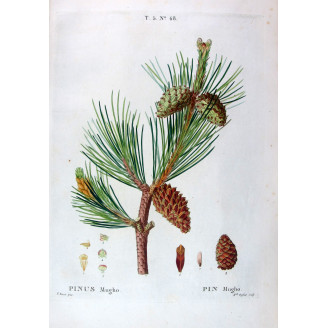
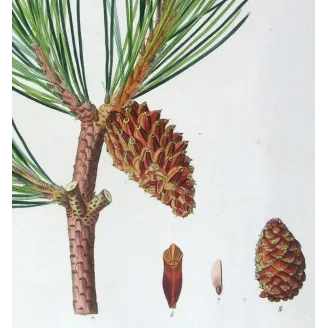
Antique engraving of Pinus Mugho by Bessa, rich in botanical detail.
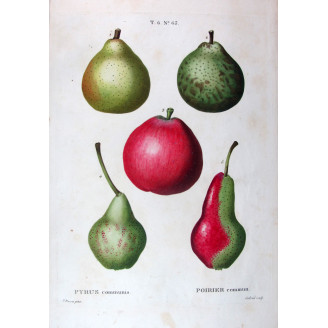
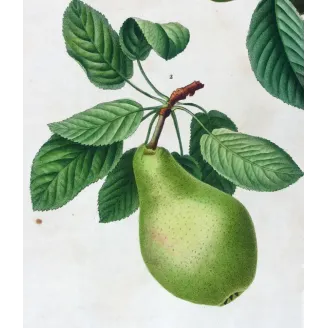
A refined study of French cultivated pear varieties, distinguished by subtle chromatic contrasts and carefully modelled forms. This hand-colored engraving reflects Pancrace Bessa’s ability to elevate orchard subjects through balance, restraint, and quiet visual authority.
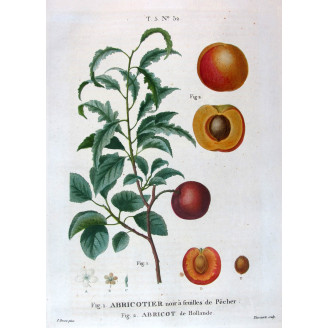
Dutch Apricot Abricot de Hollande Original hand-colored botanical engraving by Pancrace Bessa.
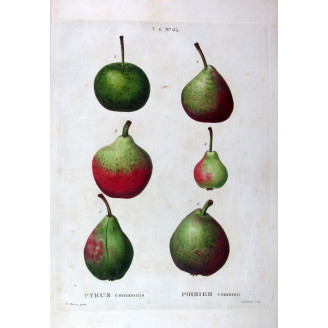
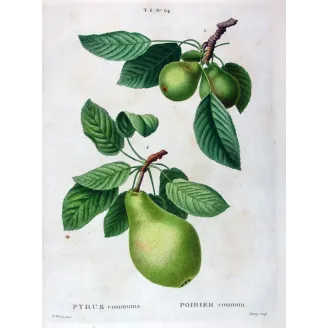
A refined early 19th-century botanical engraving depicting cultivated pear varieties (Pyrus communis), drawn by Pancrace Bessa and engraved for Arbres et Arbustes. Executed with restraint and clarity, the plate exemplifies the elegance of French pomological illustration, uniting scientific precision with a calm, decorative sensibility. The harmonious composition and subtle hand-colouring make it a timeless and highly collectible work.
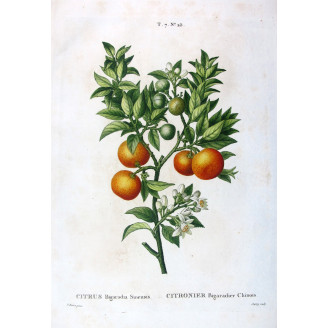
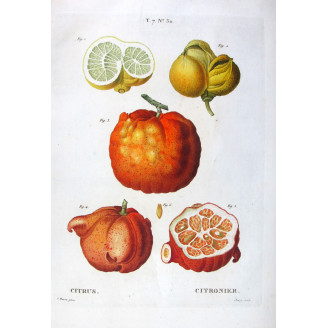
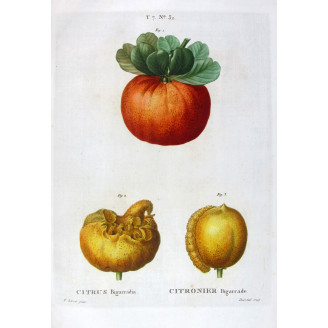
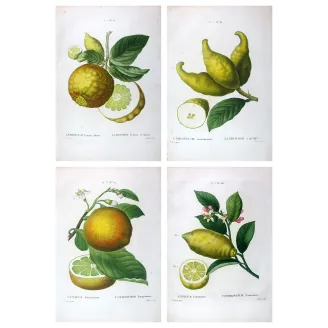
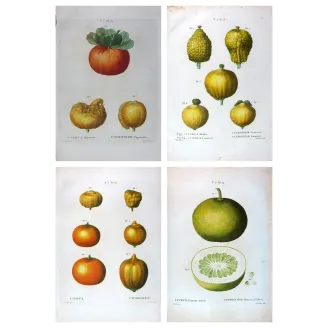
Nine original citrus engravings by Pancrace Bessa, uniting rare cedrats, sculptural lemons, and monumental Pomme d’Adam varieties into a coherent Napoleonic-era ensemble. Botanical study and refined color harmonize in a portfolio conceived to be read as a whole.
Original antique print of the common grape vine, Vitis vinifera, illustrated by Pancrace Bessa.