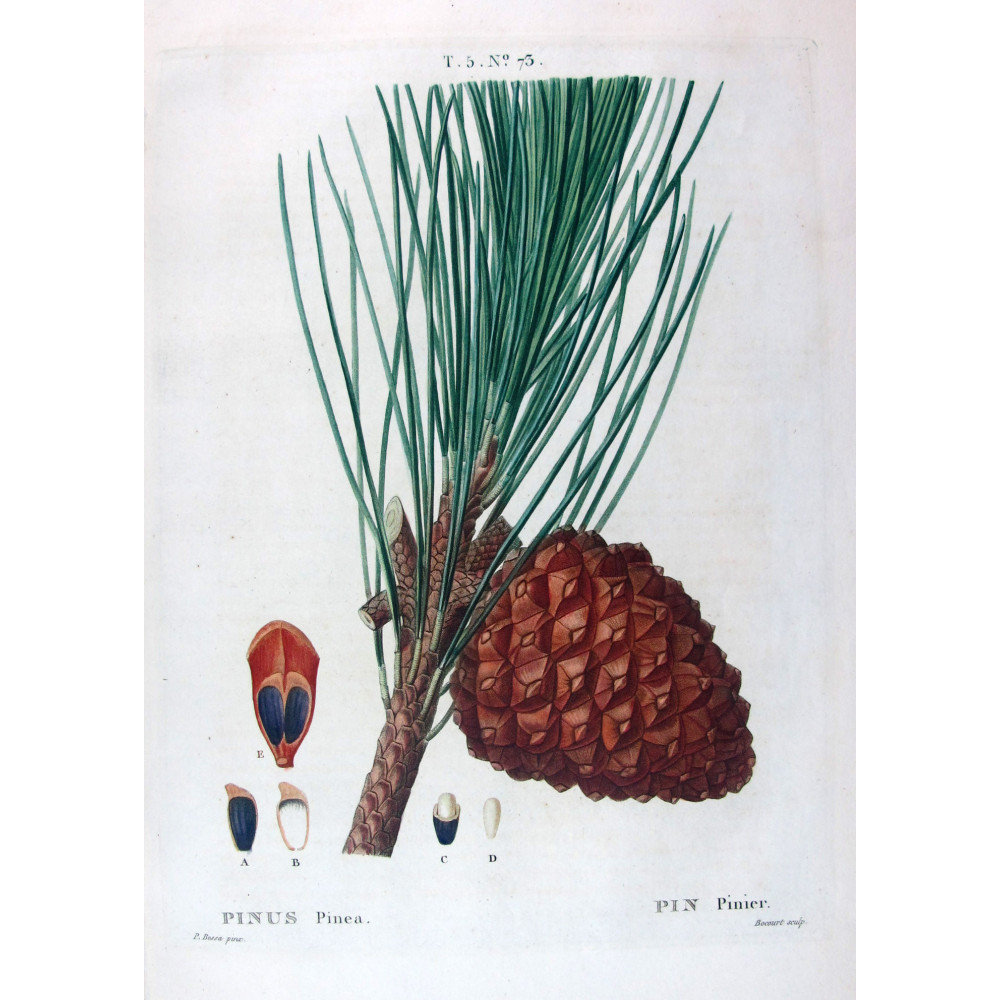
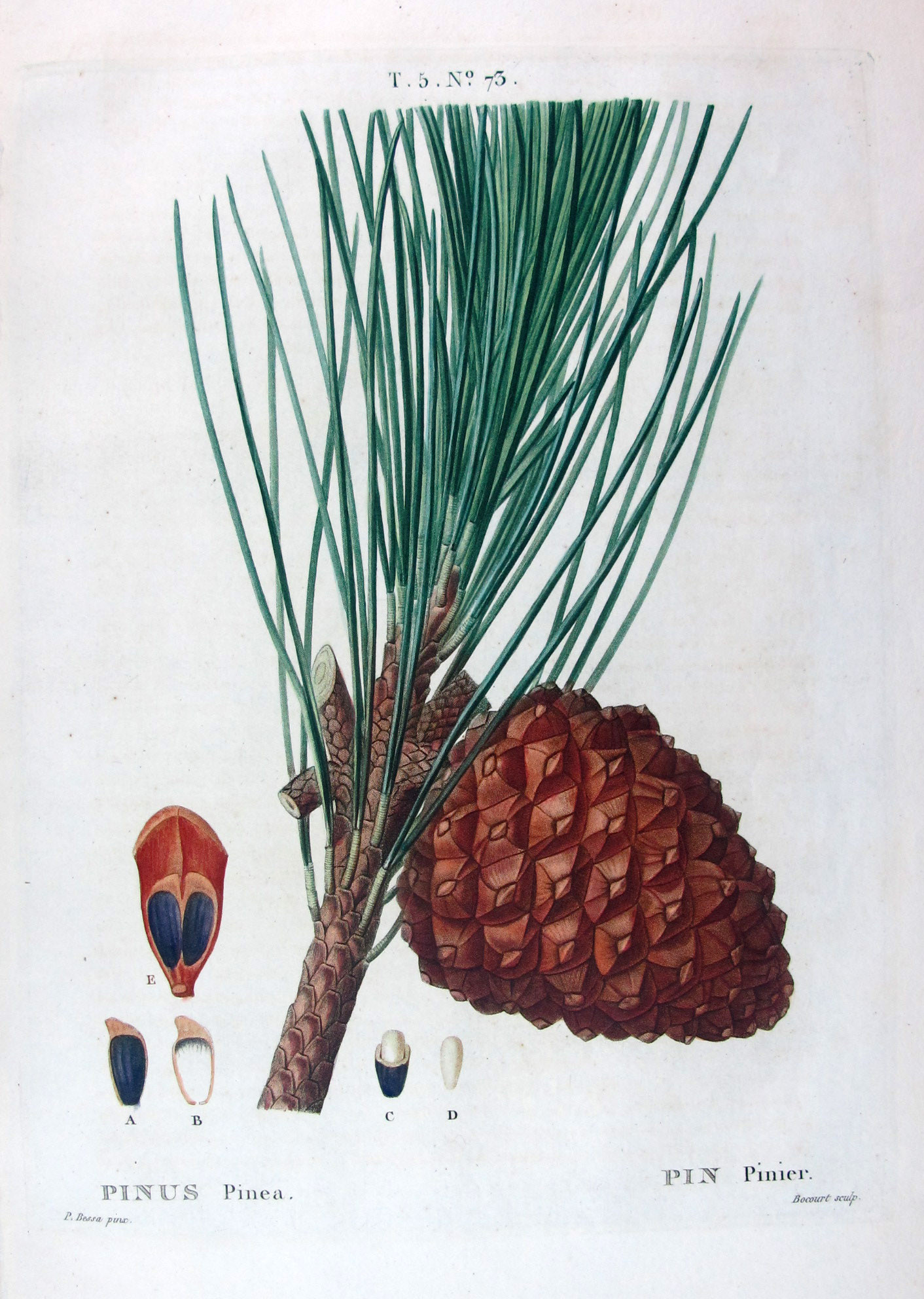
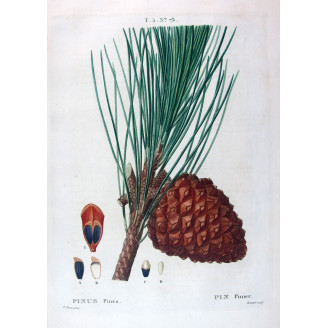

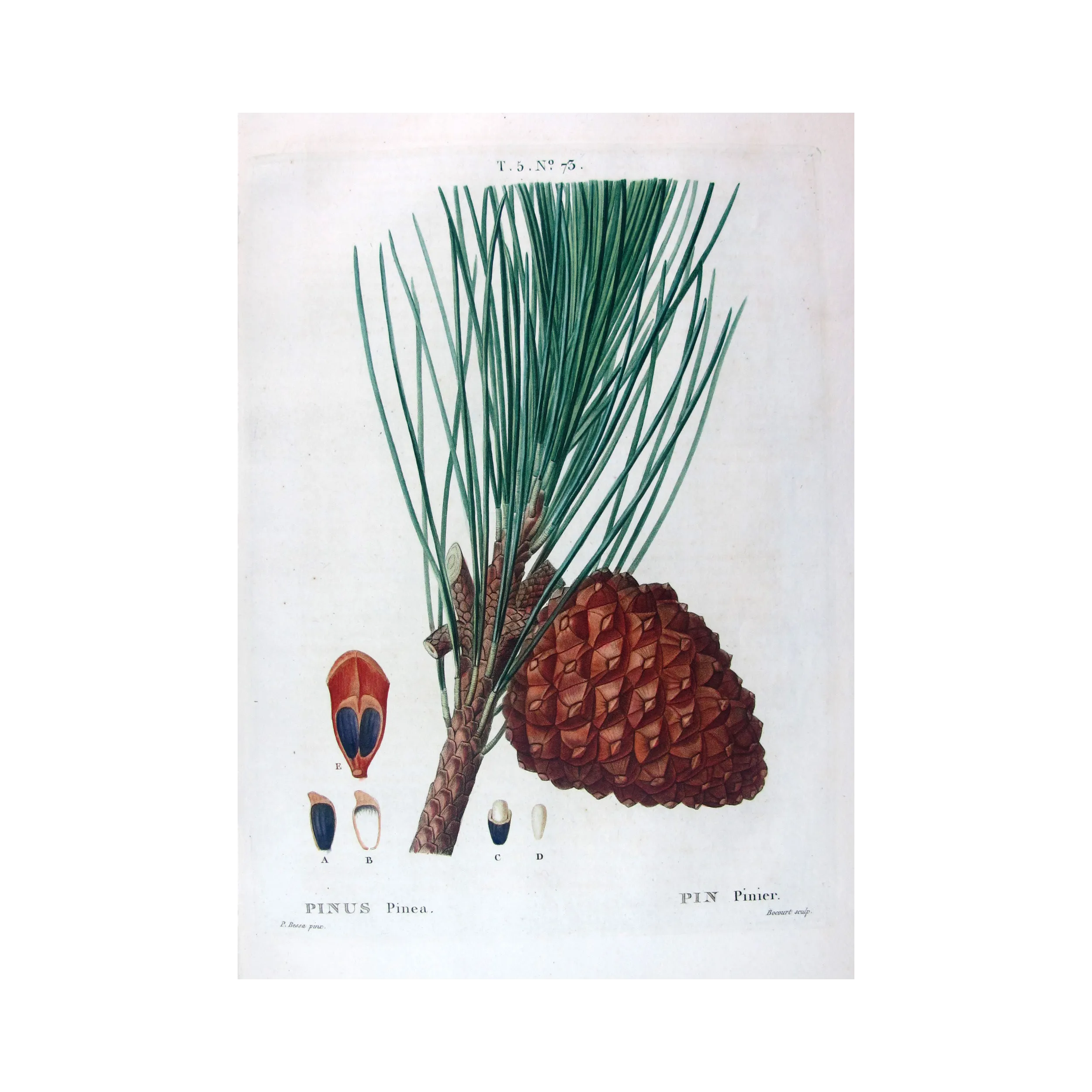
Stately hand-colored print of the umbrella pine.
 Delivery policy
Your print will be carefully prepared and shipped worldwide via trusted couriers (UPS or similar).
 Authentic antique prints
Original engravings from the 17th–19th century.
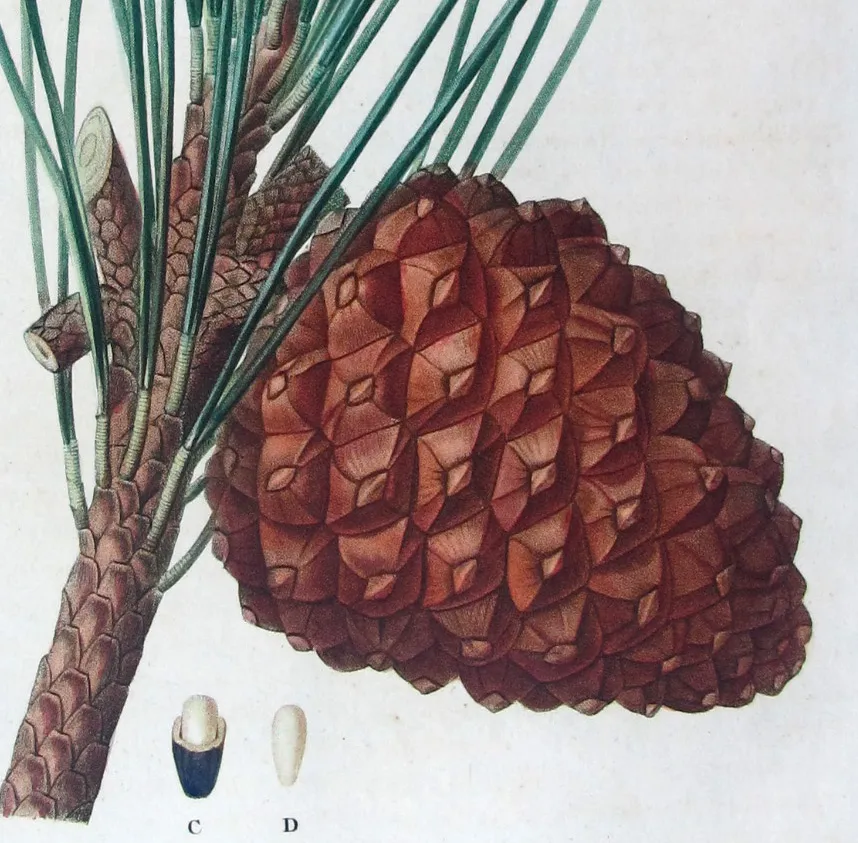
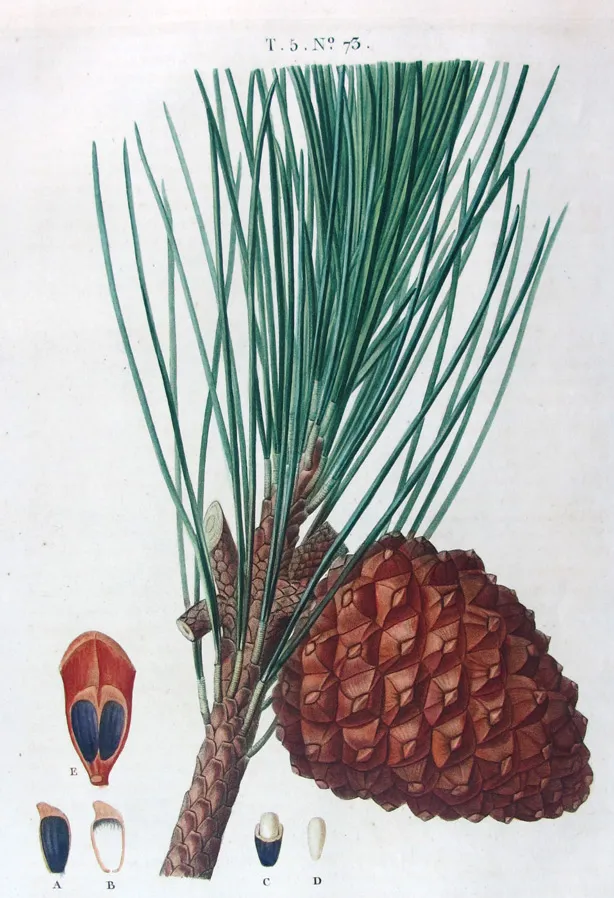
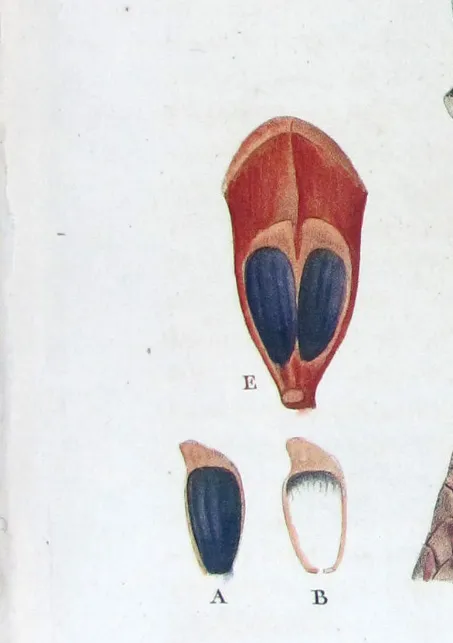
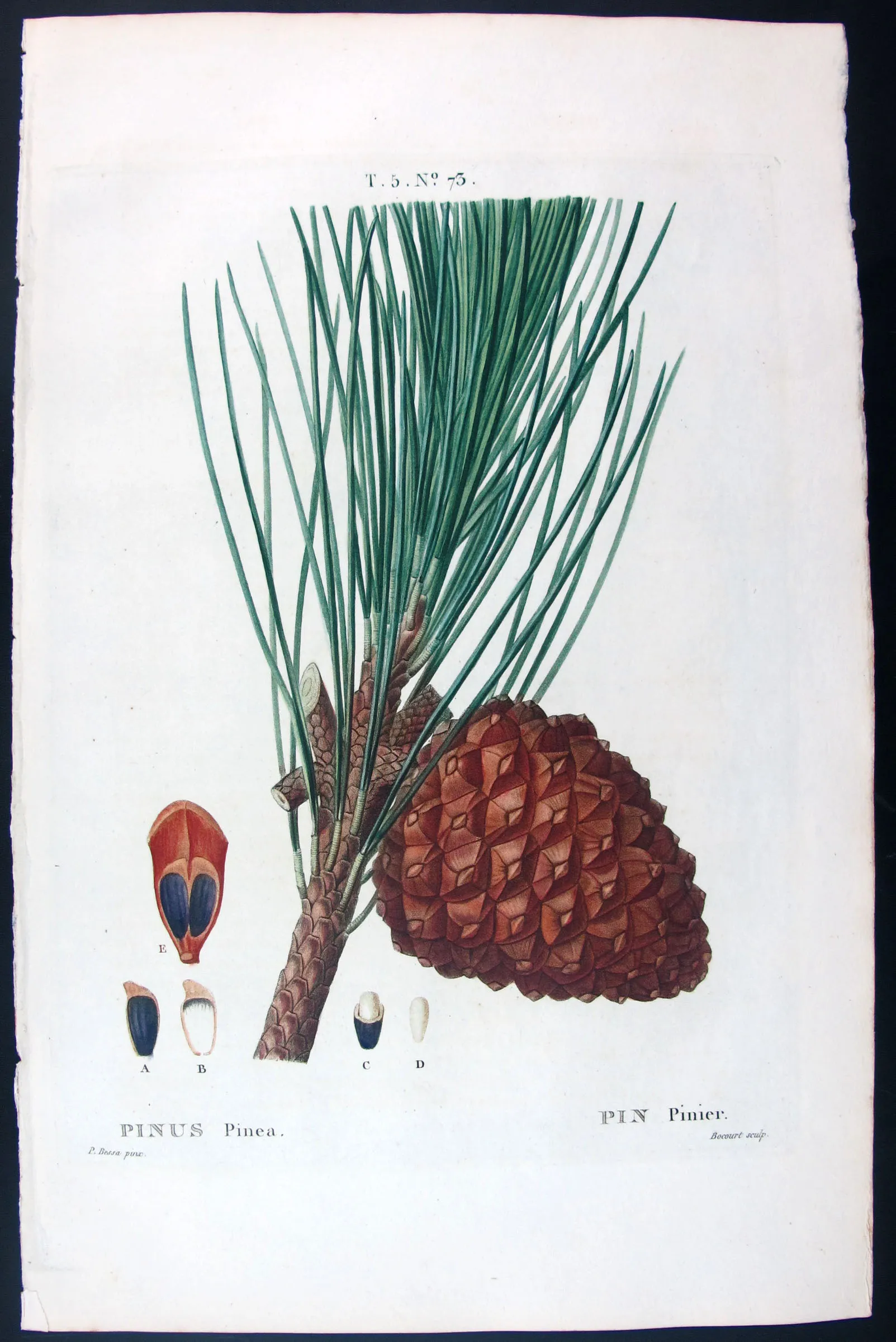
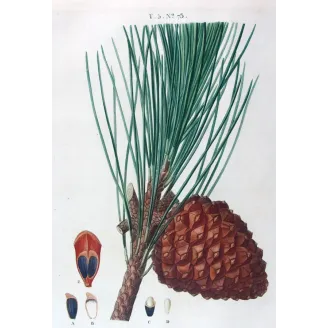
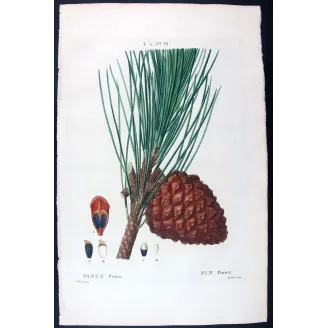
This original engraving presents Pinus pinea, the Mediterranean Stone Pine, rendered with striking clarity and compositional authority. The plate centres on a fully developed pine cone of substantial scale, accompanied by a study of needles and sectional details of the seed, creating a synthesis of botanical precision and sculptural presence.
The vertical cluster of elongated needles frames the richly modelled cone, whose layered scales are articulated through warm tonal gradations. The contrast between the slender foliage and the architectural weight of the cone produces an image that feels both monumental and refined — a botanical form elevated to near emblematic status.
More than a botanical specimen, Pinus pinea is inseparable from Mediterranean identity. Its seeds — the pine nuts — have been harvested since antiquity and remain central to regional culinary traditions, from Roman kitchens to modern Italian and Provençal cuisine. This plate therefore captures not only the structure of a tree, but a species deeply embedded in landscape, agriculture, and cultural memory.
— • —
The pine cone dominates the composition with sculptural confidence, its scales engraved with careful stipple and subtle shading that convey mass and dimensionality. The warm browns of the cone are balanced by the cool vertical rhythm of the needles, generating a chromatic harmony that enhances the plate’s visual authority.
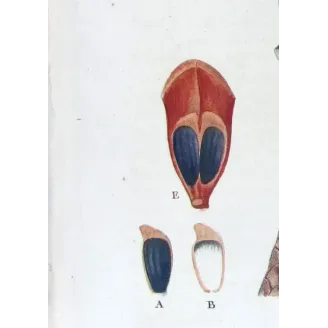
The inclusion of sectional seed studies beneath the principal branch introduces analytical precision without disturbing compositional balance. This interplay between macro form and internal structure exemplifies the refined synthesis of science and artistry characteristic of Bessa’s contribution to Arbres et Arbustes.
Pinus pinea is native to the Mediterranean basin and is renowned for its distinctive umbrella-shaped canopy in maturity. Cultivated since classical antiquity for its edible seeds, it supplied pine nuts prized in Roman gastronomy and later in Renaissance and modern Mediterranean cuisine — including traditional preparations such as pesto and confectionery.
Its cones, among the largest within the pine genus, require several years to mature before yielding the valuable seeds within. This slow development cycle further reinforces the association of the species with longevity and enduring Mediterranean landscapes.
The engraving is in Like Brand New – Top condition. The sheet remains exceptionally clean and well preserved, with vivid original hand-colouring and a strong, even paper tone. No watermark has been observed. The engraved credits confirm the original drawing by Pancrace Bessa and the engraving executed by Bouvier, verifying its authenticity as an original early nineteenth-century plate.
For further context on Pancrace Bessa and his distinctive contribution to French botanical illustration, see our editorial feature:
Specific References
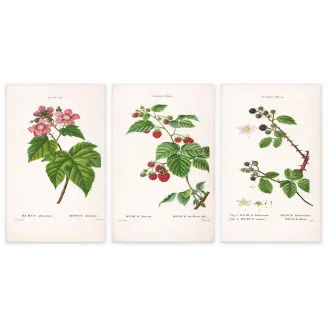
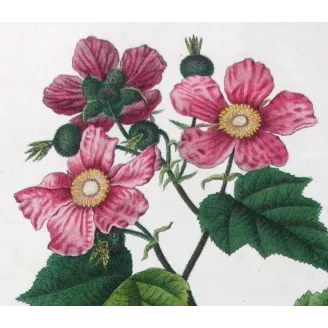
Illustration of the sweet-scented flowering bramble, Rubus odoratus, in full bloom.
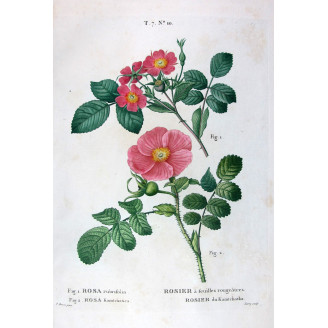
Kamchatka Rose Rosier du Kamchatka Original hand-colored botanical engraving by Pancrace Bessa.
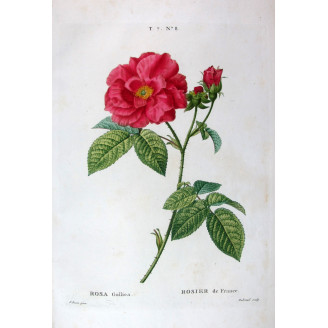
French Rose Rosier de France Original hand-colored botanical engraving by Pancrace Bessa.
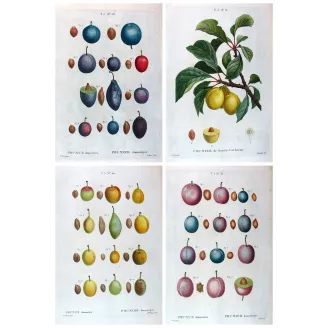
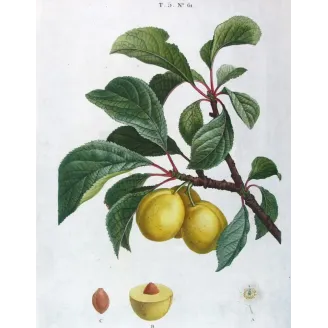
Botanical illustration of the Saint Catherine plum, a delicate fruit-bearing tree, by Pancrace Bessa.
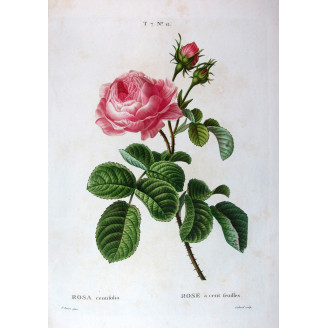
Hundred-petaled Rose Rose à cent feuilles Original hand-colored botanical engraving by Pancrace Bessa.
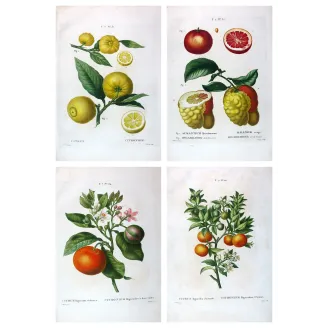
A coherent ensemble of eight original orange and bigarade engravings by Pancrace Bessa, reflecting the cultivated discipline of French orangeries in the Napoleonic era. Botanical precision and architectural composure unite in a refined citrus portfolio preserved as a complete series.
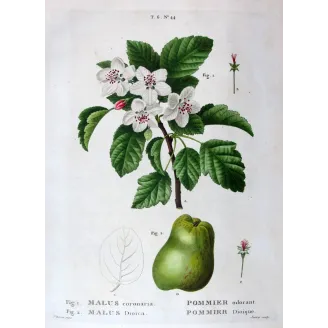
A finely executed early 19th-century botanical engraving illustrating a cultivated apple variety (Malus communis), drawn by Pancrace Bessa for Arbres et Arbustes. The composition combines precise botanical observation with refined decorative balance, presenting fruit and foliage with clarity and quiet elegance. Exceptional hand-colouring and careful modelling reflect the sophistication of French pomological illustration at its height.
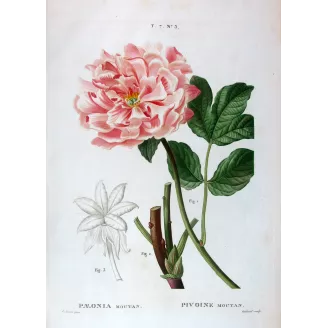
Tree Peony Pivoine moutan Original hand-colored botanical engraving by Pancrace Bessa.
Elegant depiction of a rich purple Muscat grape variety by Pancrace Bessa.
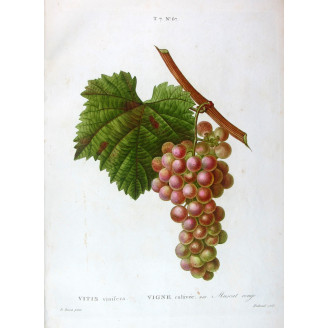
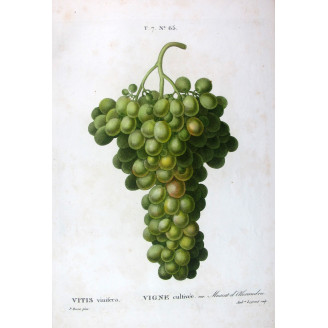
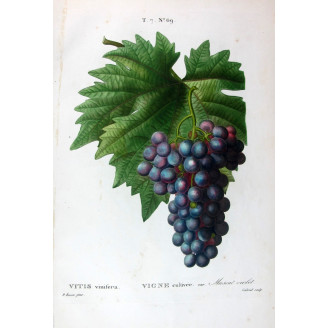
Original antique print of the cultivated Chasselas grape vine, Vitis vinifera, by Pancrace Bessa.
Stately hand-colored print of the umbrella pine.