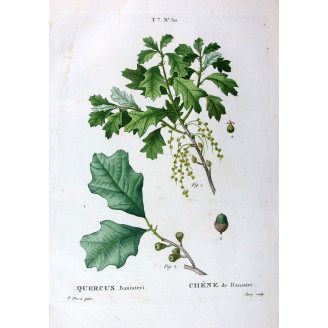
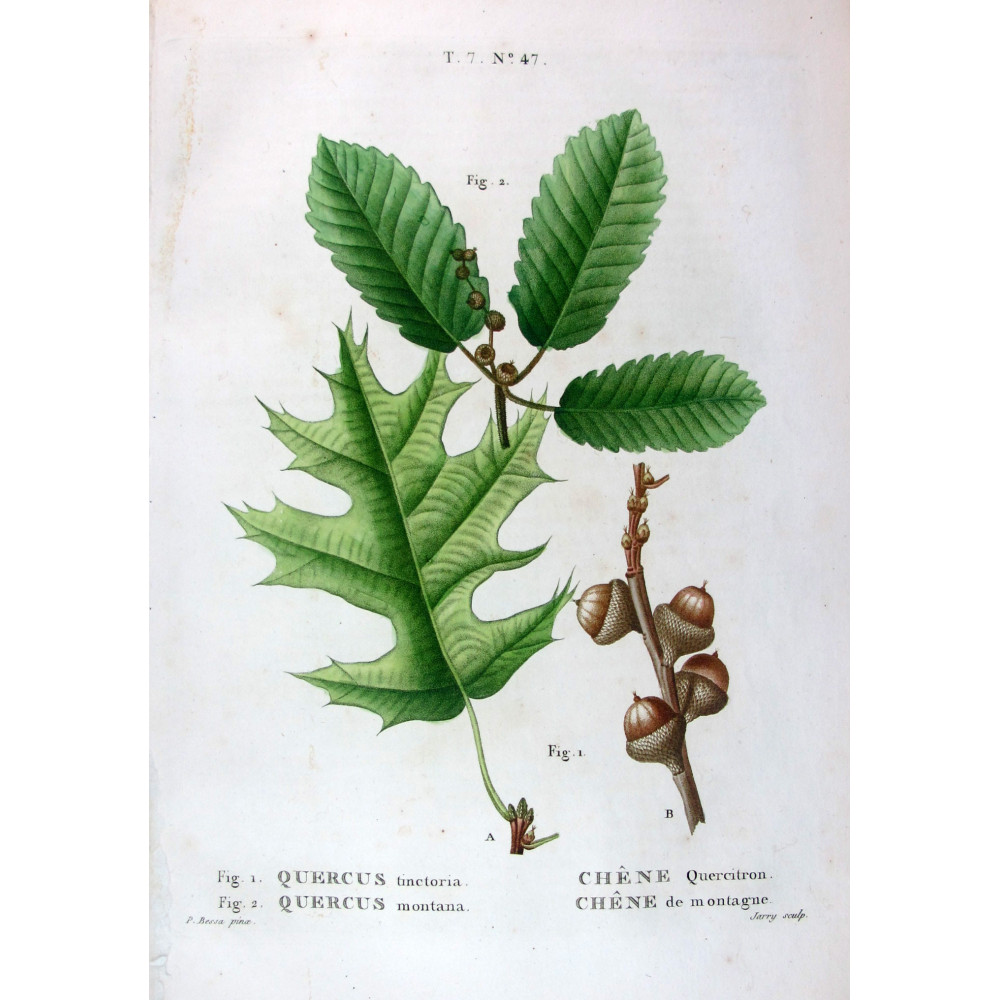
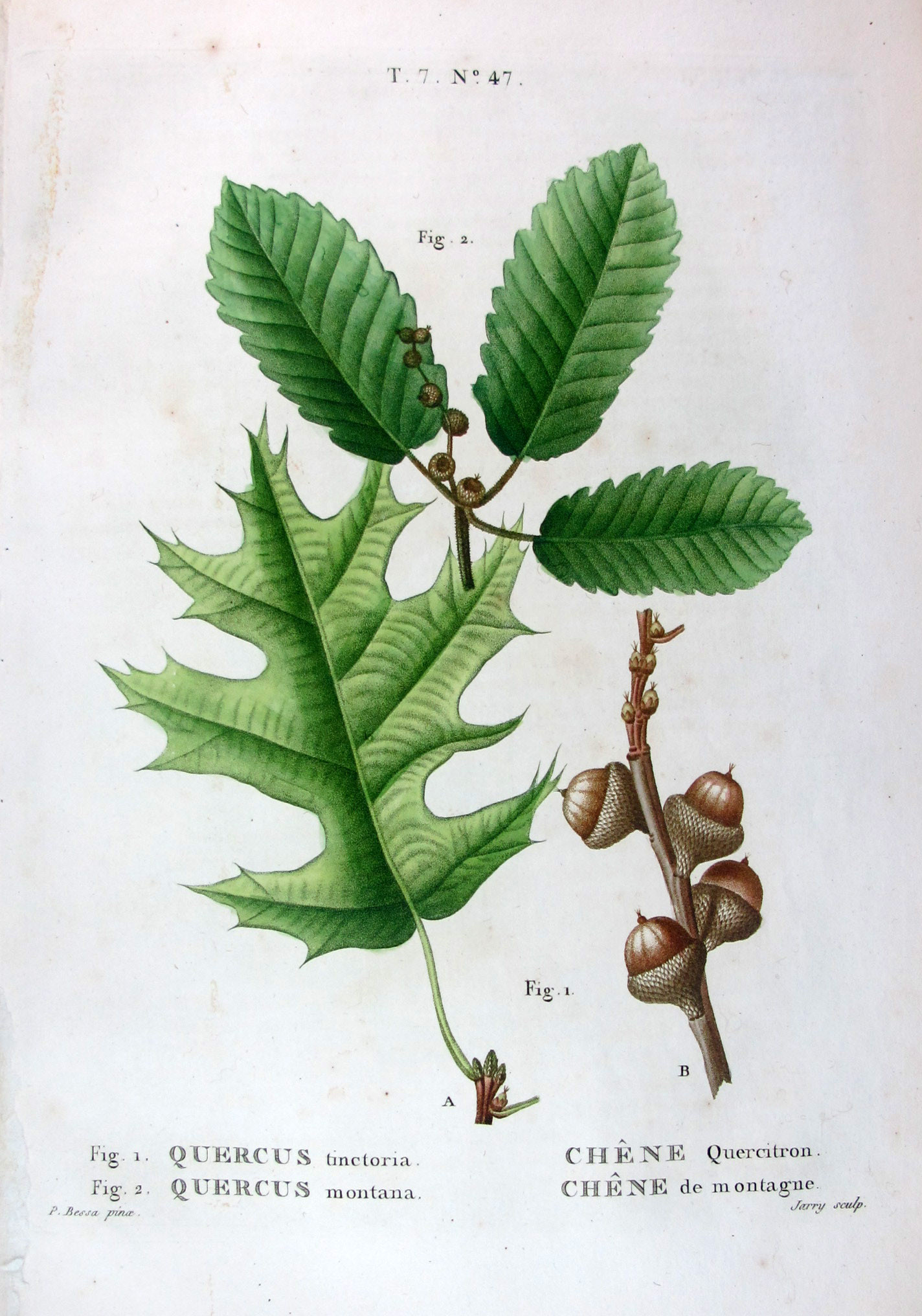
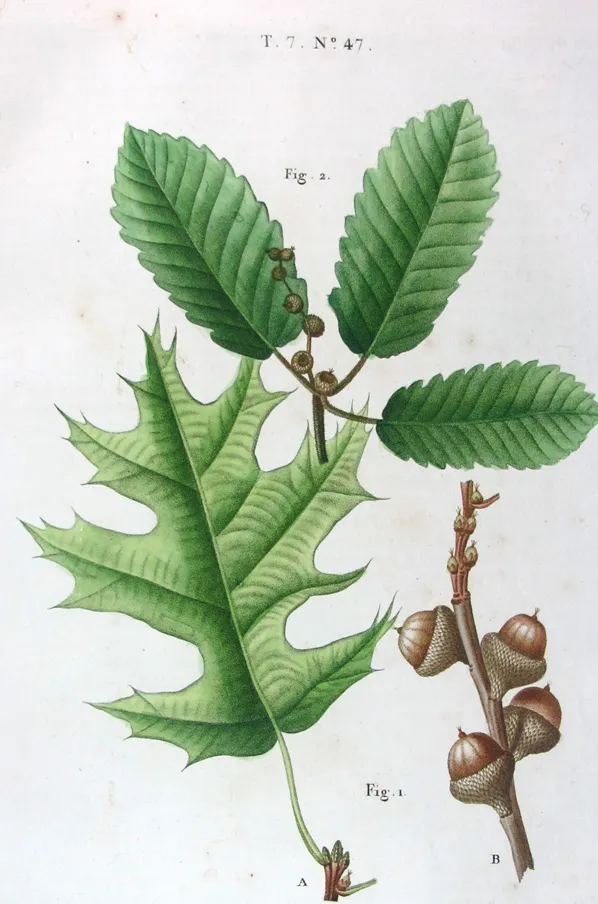
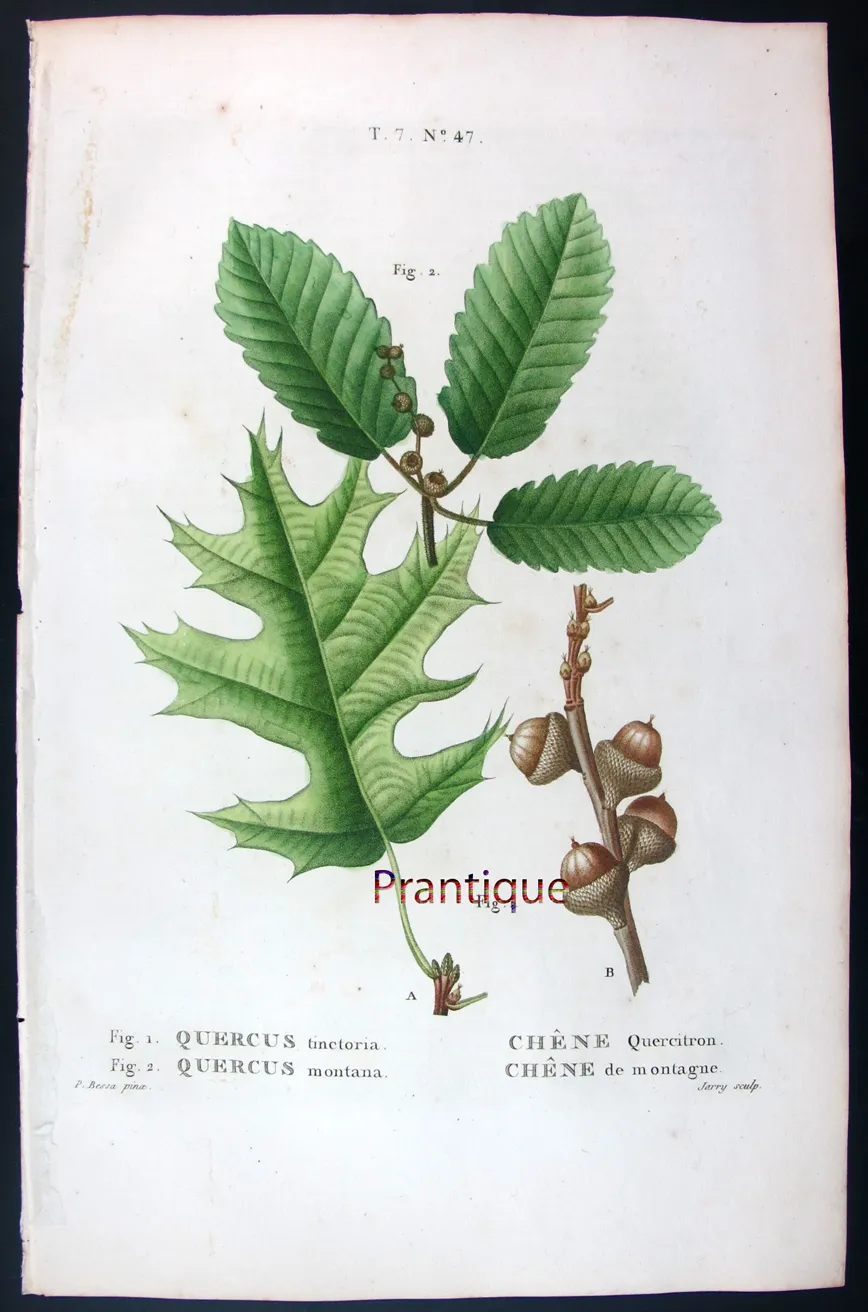


Two majestic oak leaves and acorns in classic naturalist style.
 Delivery policy
Your print will be carefully prepared and shipped worldwide via trusted couriers (UPS or similar).
 Authentic antique prints
Original engravings from the 17th–19th century.
This original botanical engraving presents Quercus tinctoria and Quercus montana, two North American oaks distinguished through leaf morphology and acorn structure. The composition contrasts the deeply lobed foliage of the former with the elongated, chestnut-like leaves of the latter, offering a clear visual dialogue between species.
Bessa’s arrangement isolates each specimen with compositional discipline. The large, sculptural leaf of tinctoria commands the centre, while the acorn-bearing branch of montana introduces a vertical counterpoint. The tonal modelling of the greens is deliberate and controlled, reinforcing the solidity traditionally associated with oak imagery.
A particularly compelling historical detail lies in Quercus tinctoria, commonly known as the Quercitron Oak. Its bark was a primary source of a vivid yellow dye — “quercitron” — widely used in textile production during the eighteenth and nineteenth centuries. This plate therefore records not only botanical form, but a species of considerable industrial and economic importance.
— • —
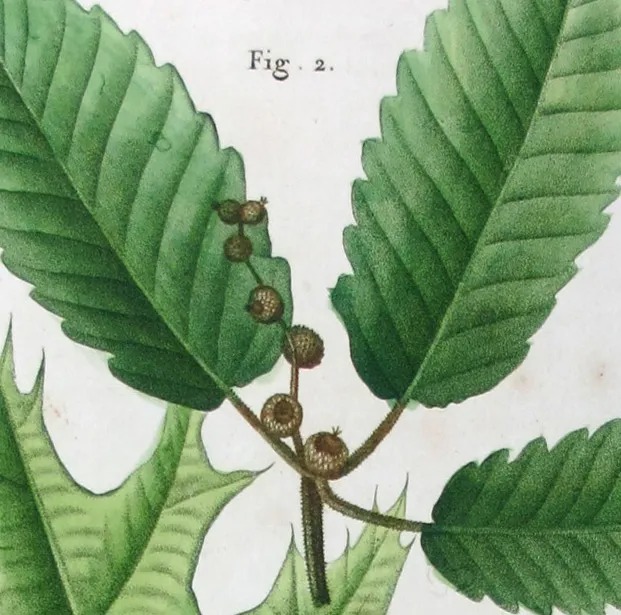
The deeply incised lobes of Quercus tinctoria create a dramatic silhouette, almost architectural in presence. In contrast, Quercus montana displays elongated, gently serrated leaves that soften the overall composition. The juxtaposition enhances the visual rhythm of the plate while maintaining scientific clarity.
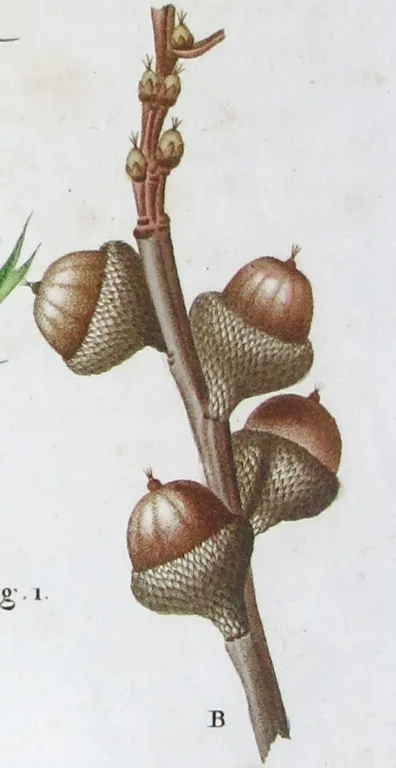
The acorns are rendered with careful stipple engraving, their textured cups and rounded forms modelled with subtle tonal shifts. This controlled application of colour and line demonstrates the balance between botanical documentation and refined decorative presentation characteristic of Bessa’s work in Arbres et Arbustes.
Quercus tinctoria (Black Oak or Quercitron Oak) and Quercus montana (Chestnut Oak) are native to eastern North America. The former gained particular recognition for its dye-producing bark, which played a significant role in pre-synthetic dye industries. The latter is valued for its durable wood and adaptation to mountainous terrain. Together, they represent both economic utility and ecological resilience within the diverse Quercus genus.
The engraving is in Like Brand New condition. The sheet remains clean and well preserved, with fresh original hand-colouring and a strong, even paper tone. No watermark has been observed. The engraved credits confirm the original drawing by Pancrace Bessa and the engraving executed by Jarry, verifying its authenticity as an original early nineteenth-century plate.
For further context on Pancrace Bessa and his distinctive contribution to French botanical illustration, see our editorial feature:
Specific References
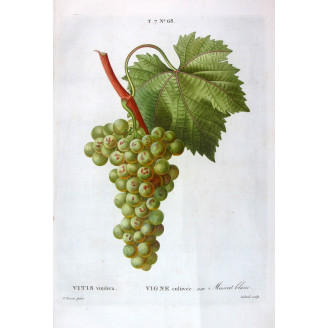
Depiction of golden grapes with vivid green leaves in fine detail.
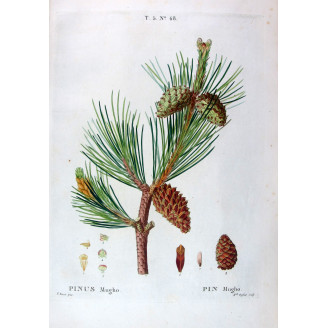
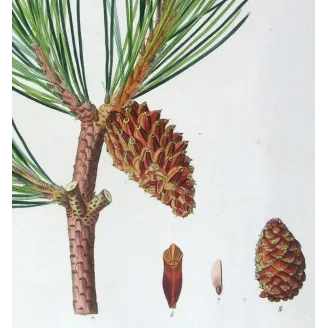
Antique engraving of Pinus Mugho by Bessa, rich in botanical detail.
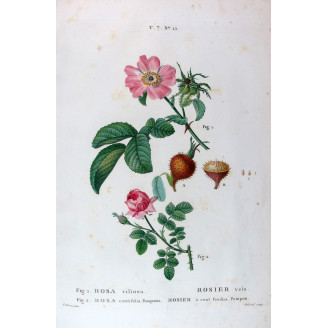
Velvet Rose & Pompon Centifolia Rosier velu & Rosier à cent feuilles, Pompon Original hand-colored botanical engraving by Pancrace Bessa.
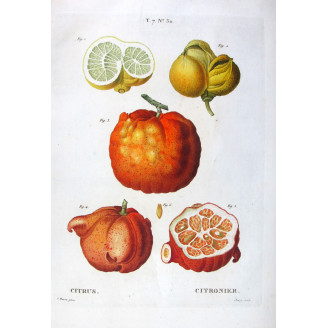
A sculptural study of cultivated fruit, defined by rounded volumes and restrained modelling, rendered with quiet elegance and visual balance.
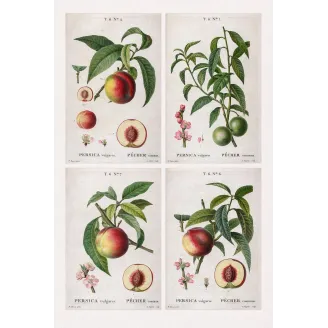
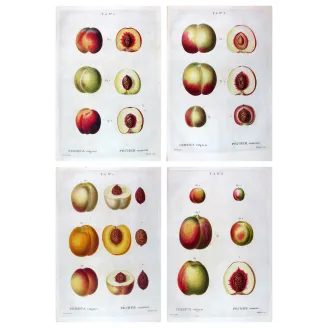
Original pochoir print of the peach tree, Prunus persica, with detailed flowering and fruit.
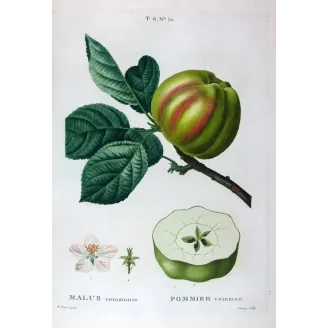
A finely executed early 19th-century botanical engraving illustrating a cultivated apple variety (Malus communis), drawn by Pancrace Bessa for Arbres et Arbustes. The composition combines precise botanical observation with refined decorative balance, presenting fruit and foliage with clarity and quiet elegance. Exceptional hand-colouring and careful modelling reflect the sophistication of French pomological illustration at its height.
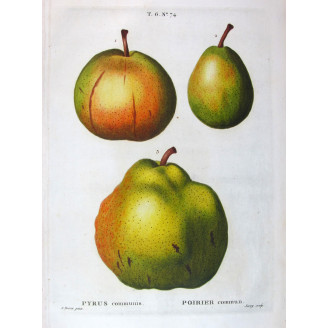
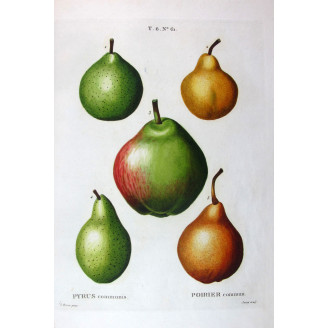
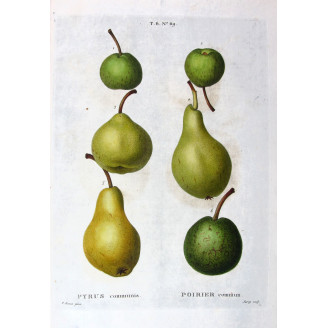
A refined study of five historic pear cultivars, combining varietal precision with sculptural balance and luminous hand-colouring.
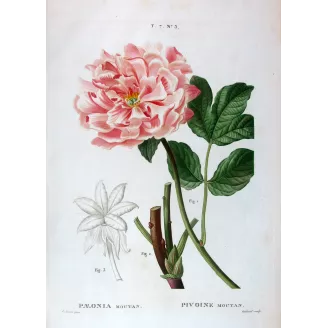
Tree Peony Pivoine moutan Original hand-colored botanical engraving by Pancrace Bessa.
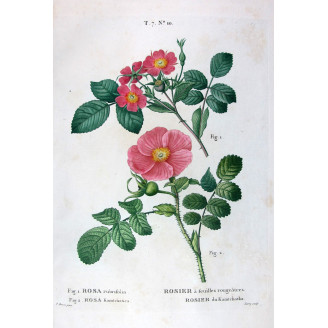
Kamchatka Rose Rosier du Kamchatka Original hand-colored botanical engraving by Pancrace Bessa.
Original antique print of the common grape vine, Vitis vinifera, illustrated by Pancrace Bessa.
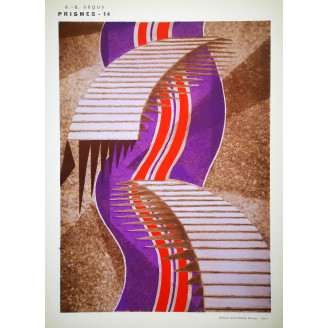
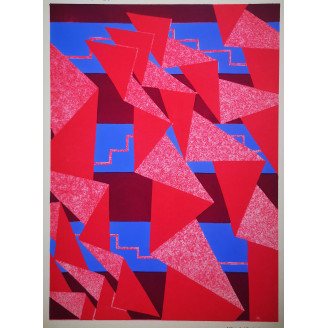
Original 1931 pochoir print by Émile-Allain Séguy. Plate No. 14, from the rare portfolio *Prismes*.
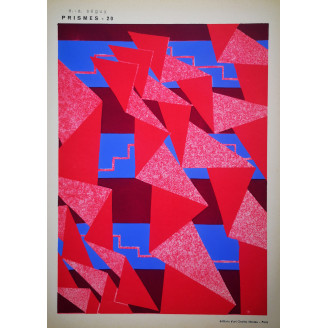
Original 1931 pochoir print by Émile-Allain Séguy. Plate No. 20, from the rare portfolio *Prismes*.
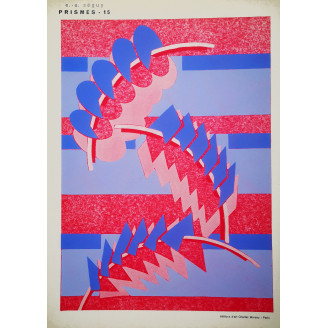
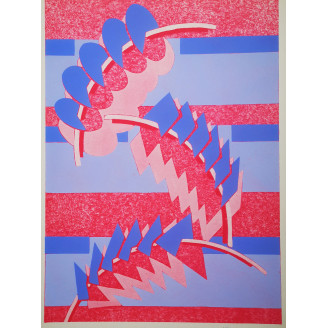
Original 1931 pochoir print by Émile-Allain Séguy. Plate No. 15, from the rare portfolio *Prismes*.
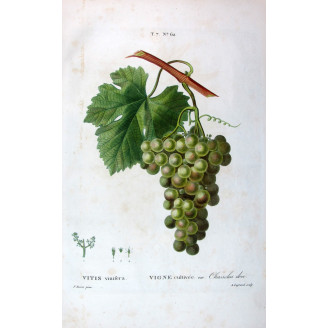
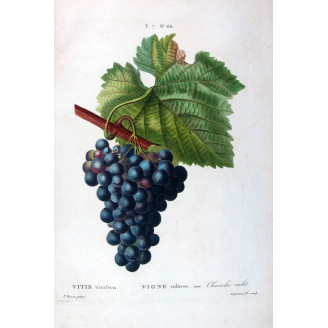
Original antique print of the cultivated Chasselas grape vine, Vitis vinifera, by Pancrace Bessa.
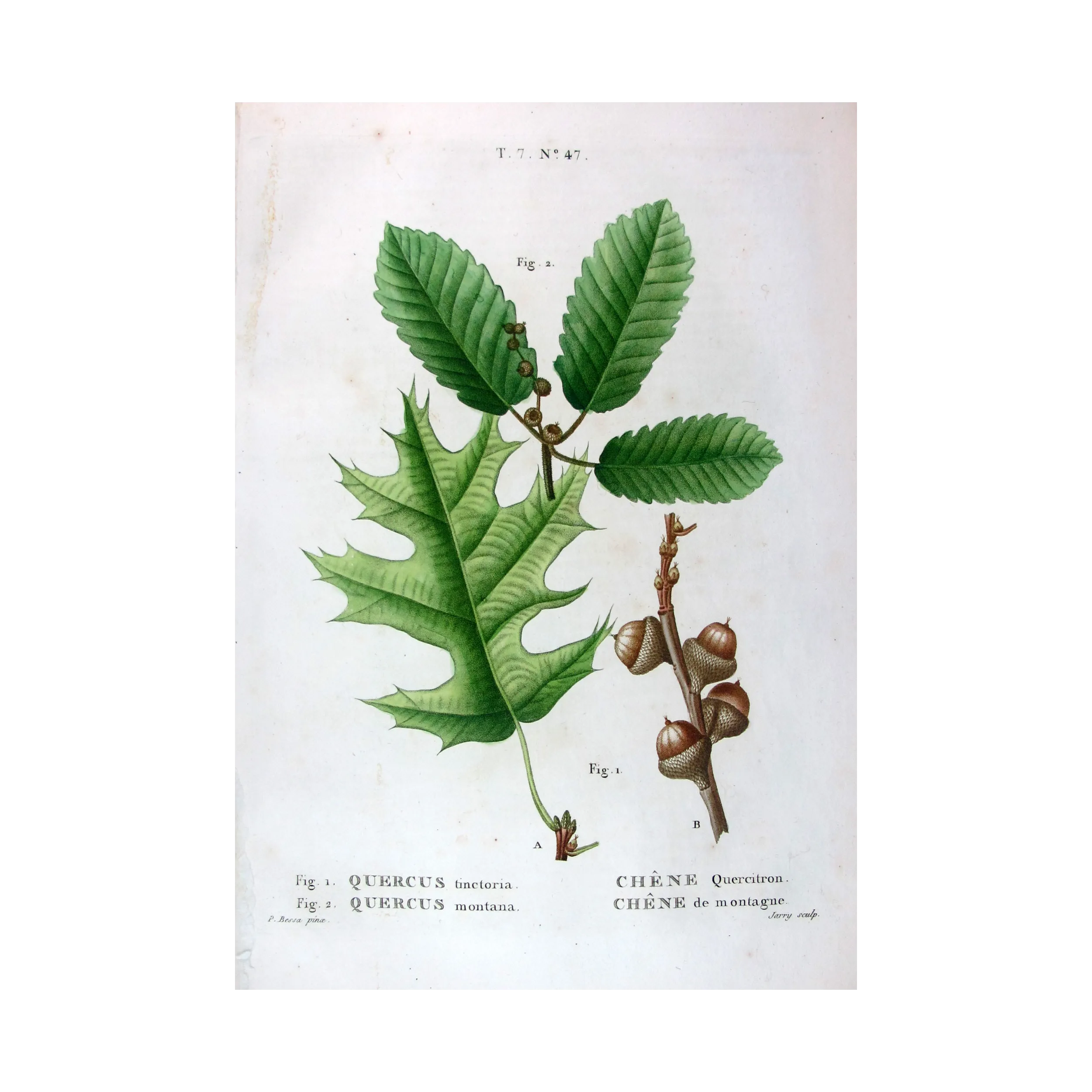
Two majestic oak leaves and acorns in classic naturalist style.