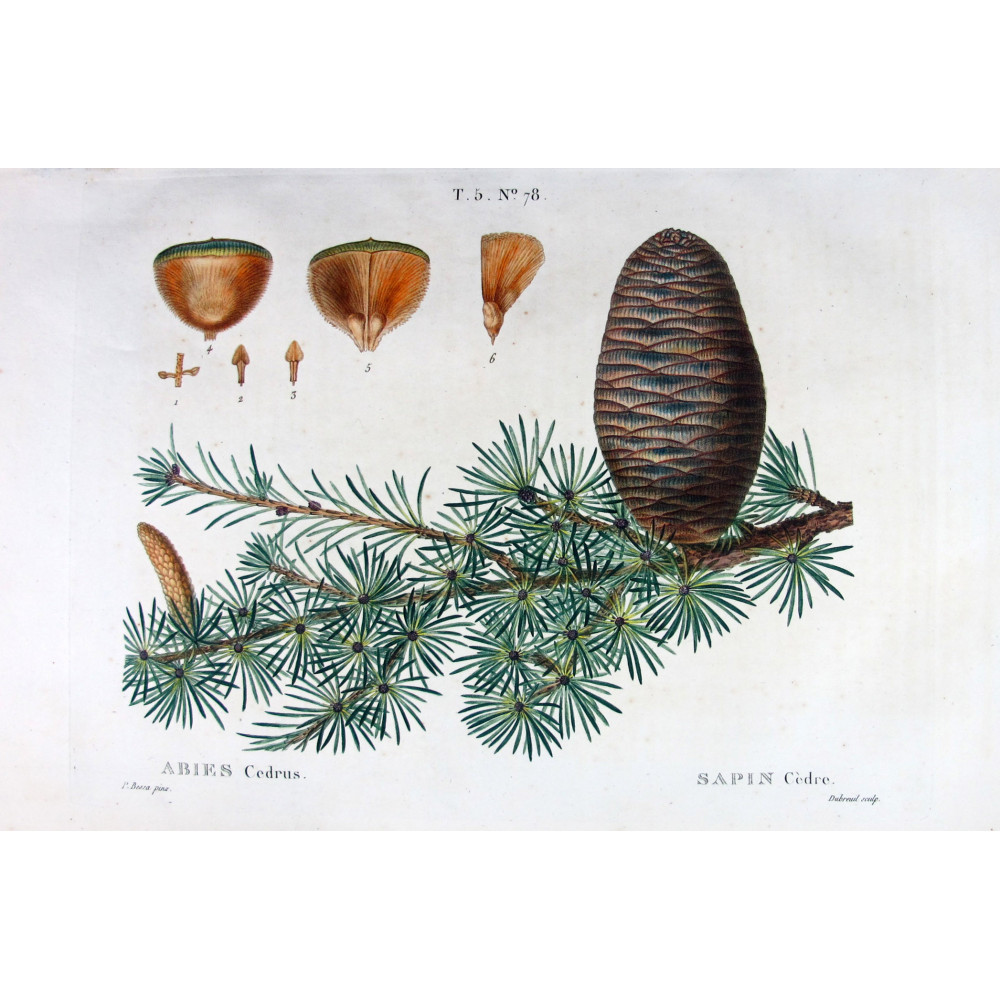
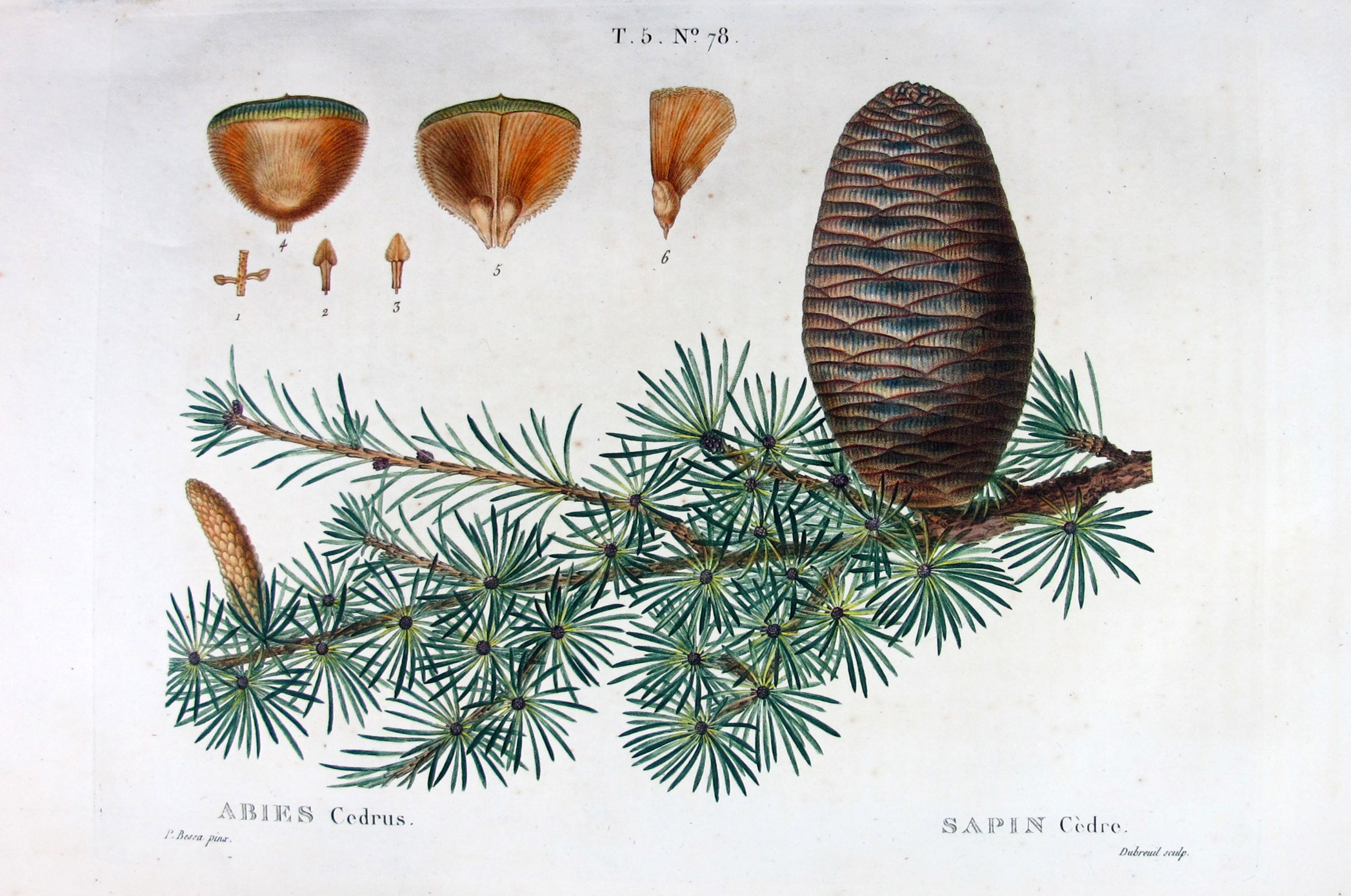
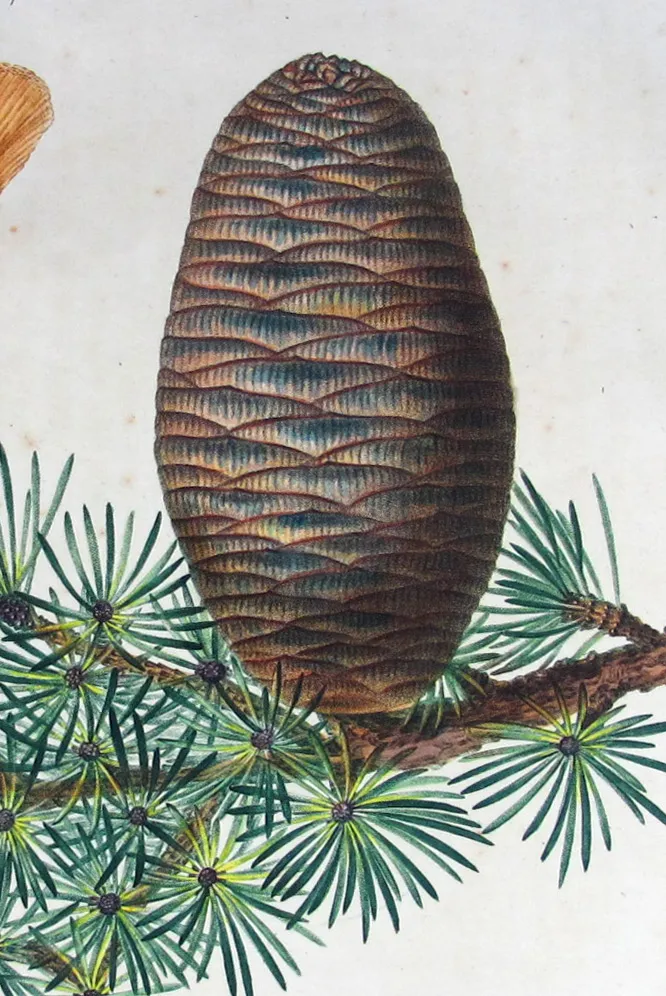
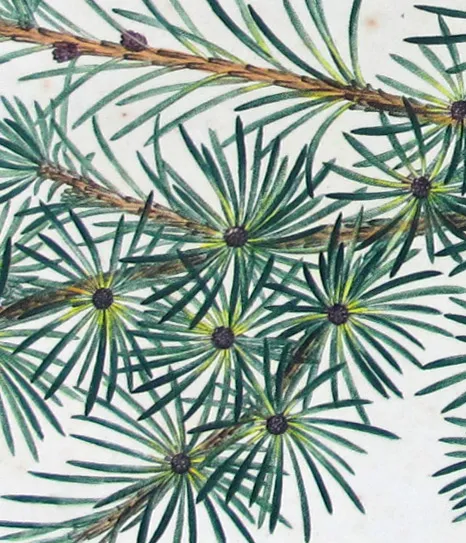
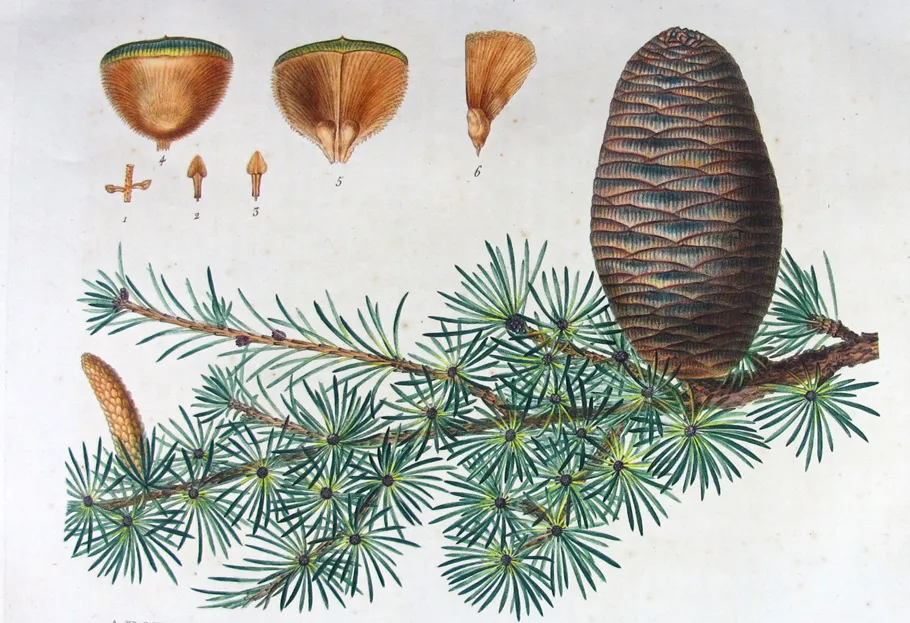
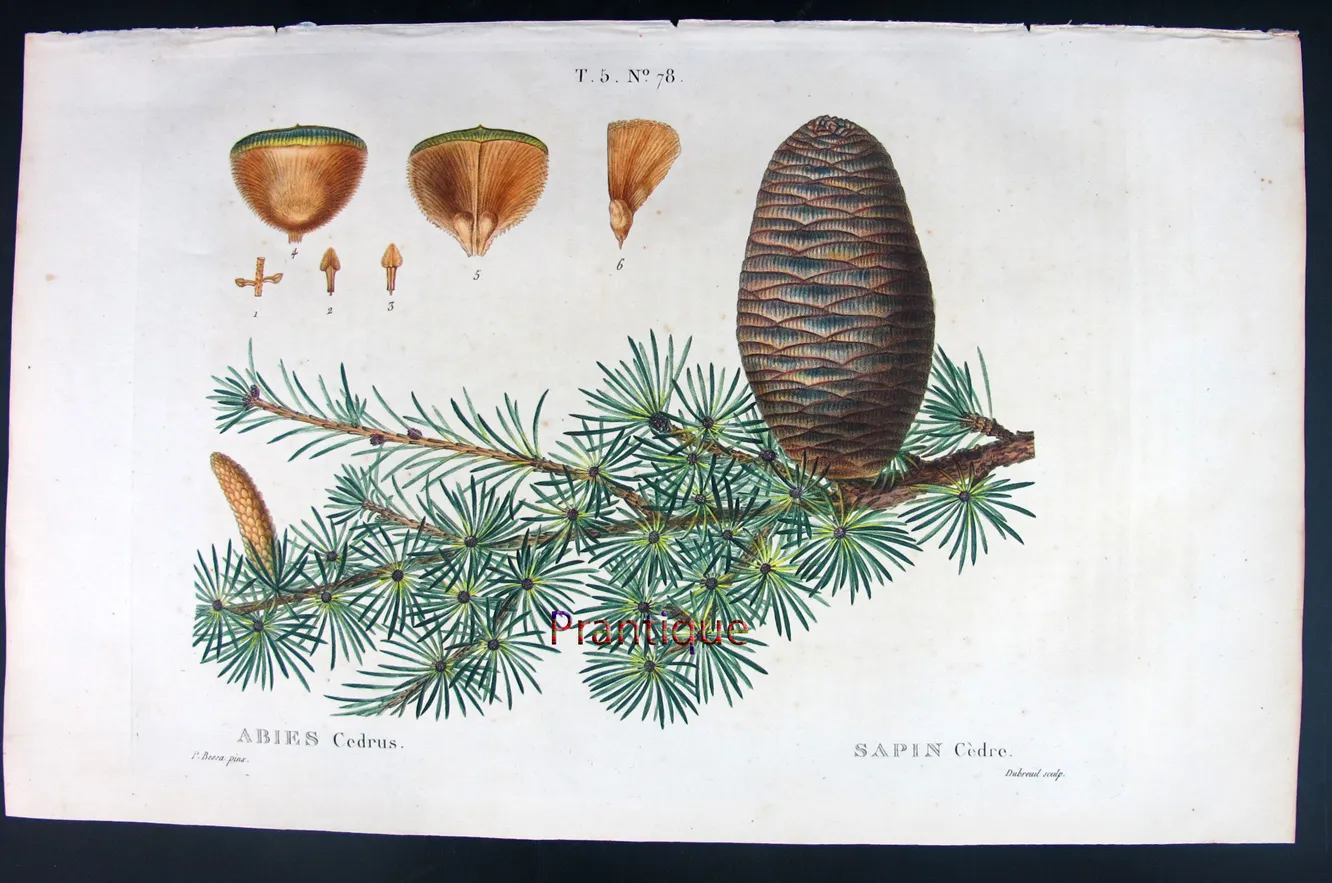
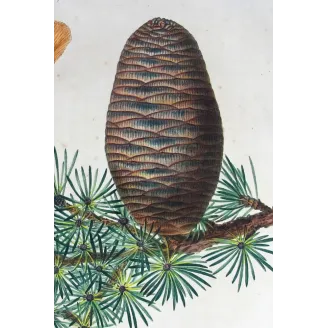

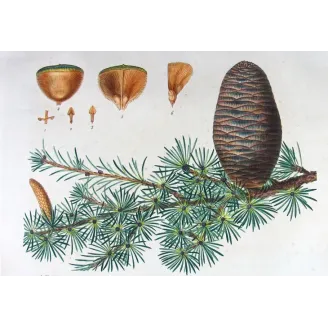
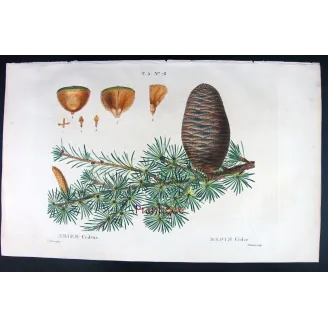
Rare hand-colored print of the Cedar fir by Bessa.
 Delivery policy
Your print will be carefully prepared and shipped worldwide via trusted couriers (UPS or similar).
 Authentic antique prints
Original engravings from the 17th–19th century.
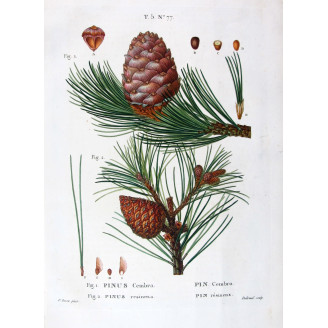
This original engraving depicts Pinus mugo, commonly known as the Mountain Pine, rendered through a balanced composition that combines mature cones, developing structures, and fine botanical details. The plate captures the compact strength characteristic of this high-altitude conifer.
The principal branch rises vertically, supporting a richly scaled cone whose warm reddish-brown tones contrast with the elongated green needles. Smaller analytical studies positioned beneath the main form introduce clarity and scientific precision without disturbing the compositional harmony of the sheet.
Unlike the towering Mediterranean pines, Pinus mugo is adapted to Alpine environments, often growing in low, dense, wind-resistant forms. Its compact architecture is not incidental but evolutionary — a response to snow load, strong winds, and rocky terrain. This plate therefore illustrates a botanical strategy of survival shaped by altitude and climate.
— • —
The cone is engraved with controlled stipple and delicate shading, each scale articulated with precision. The chromatic interplay between the reddish-brown cone and the cool greens of the needles provides a measured visual contrast that enhances depth and dimensionality.
The supporting branch structure is rendered with restrained linear clarity, allowing the viewer to observe growth pattern and needle arrangement. The overall composition feels compact yet strong — mirroring the ecological character of the species itself.
Pinus mugo is native to mountainous regions of Central and Southern Europe, particularly the Alps and Carpathians. Its low-growing habit and flexible branching system enable it to withstand harsh climatic conditions at high elevation. Historically valued for its resin and aromatic properties, it remains emblematic of Alpine landscapes and subalpine forestry.
The engraving is in Like Brand New condition. The sheet remains clean and well preserved, with fresh original hand-colouring and a strong, even paper tone. No watermark has been observed. The engraved credits confirm the original drawing by Pancrace Bessa and the engraving executed by Dubreuil, verifying its authenticity as an original early nineteenth-century plate.
For further context on Pancrace Bessa and his distinctive contribution to French botanical illustration, see our editorial feature:
Specific References
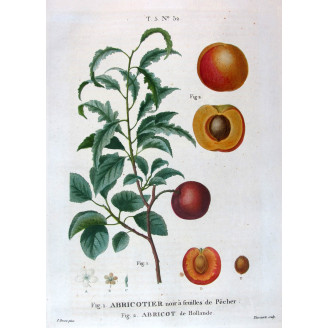
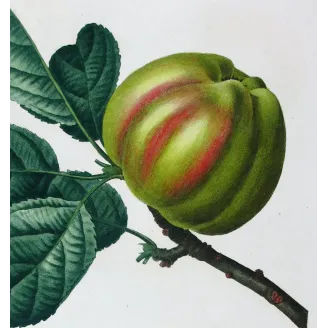
Dutch Apricot Abricot de Hollande Original hand-colored botanical engraving by Pancrace Bessa.
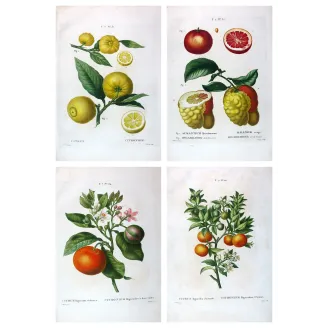
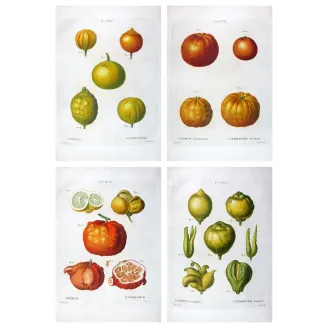
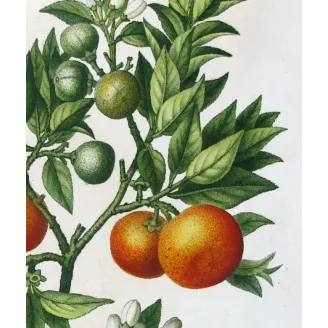
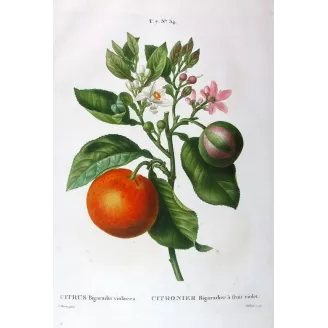
A coherent ensemble of eight original orange and bigarade engravings by Pancrace Bessa, reflecting the cultivated discipline of French orangeries in the Napoleonic era. Botanical precision and architectural composure unite in a refined citrus portfolio preserved as a complete series.
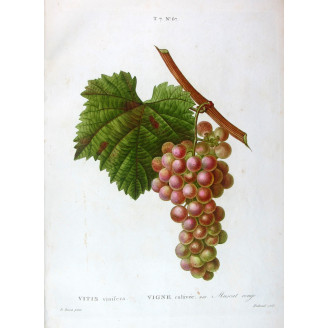
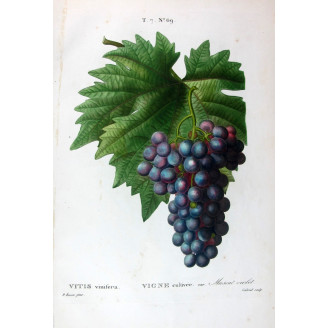
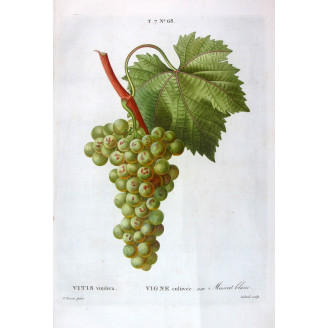
Elegant depiction of a rich purple Muscat grape variety by Pancrace Bessa.
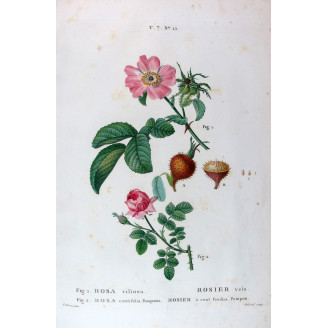
Velvet Rose & Pompon Centifolia Rosier velu & Rosier à cent feuilles, Pompon Original hand-colored botanical engraving by Pancrace Bessa.
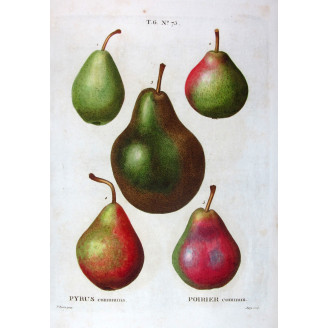
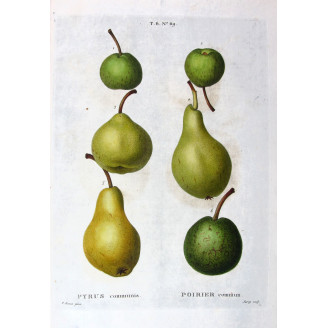
A refined study of cultivated pears, presenting five distinct fruit forms arranged in a balanced and harmonious composition. Subtle variations in shape, colour, and surface texture create a quiet visual rhythm, reflecting Pancrace Bessa’s ability to transform orchard subjects into works of enduring elegance.
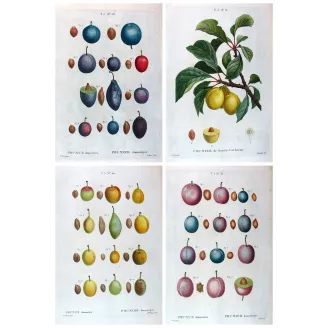
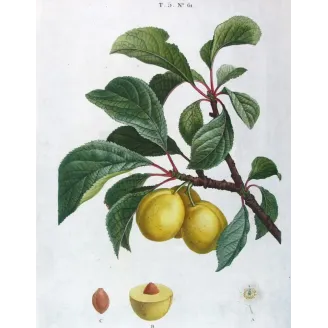
Botanical illustration of the Saint Catherine plum, a delicate fruit-bearing tree, by Pancrace Bessa.
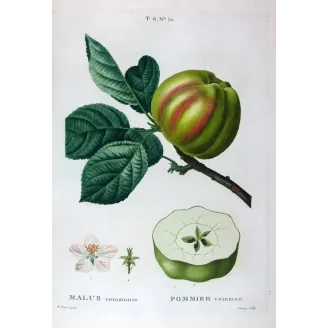
A finely executed early 19th-century botanical engraving illustrating a cultivated apple variety (Malus communis), drawn by Pancrace Bessa for Arbres et Arbustes. The composition combines precise botanical observation with refined decorative balance, presenting fruit and foliage with clarity and quiet elegance. Exceptional hand-colouring and careful modelling reflect the sophistication of French pomological illustration at its height.
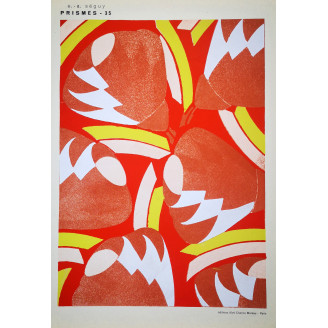
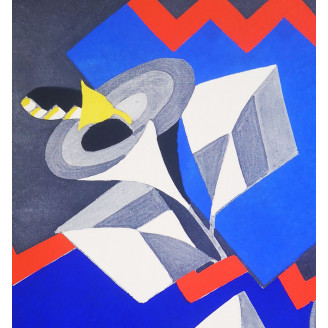
Original 1931 pochoir print by Émile-Allain Séguy. Plate No. 35, from the rare portfolio *Prismes*.
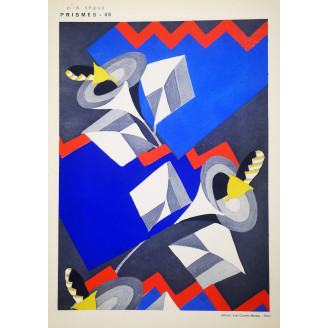
Original 1931 pochoir print by Émile-Allain Séguy. Plate No. 40, from the rare portfolio *Prismes*.
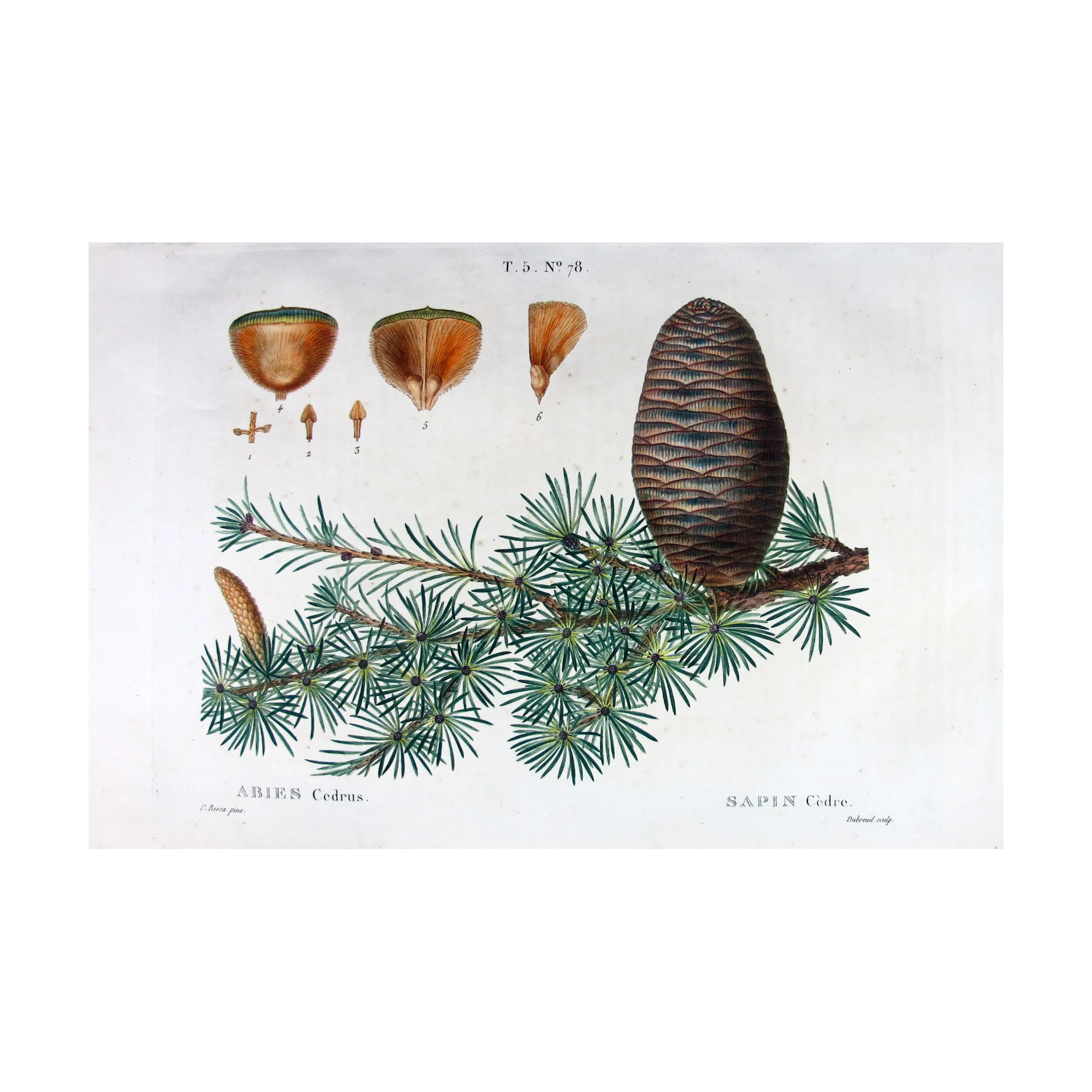
Rare hand-colored print of the Cedar fir by Bessa.