

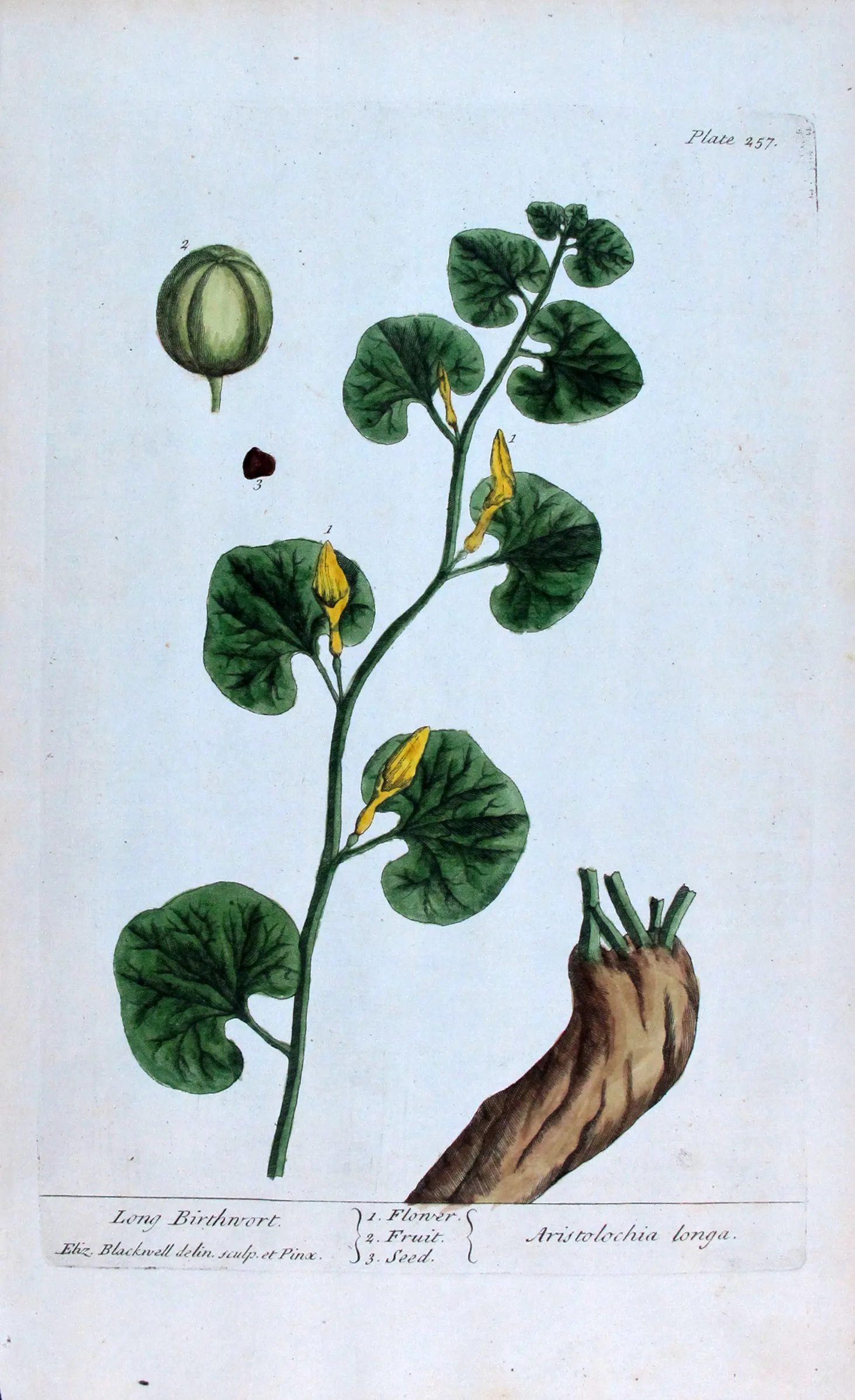
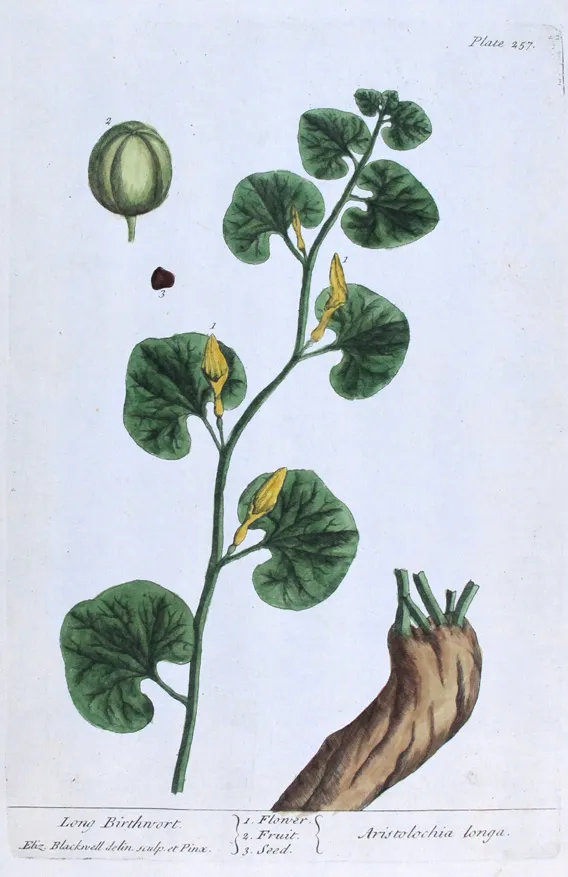
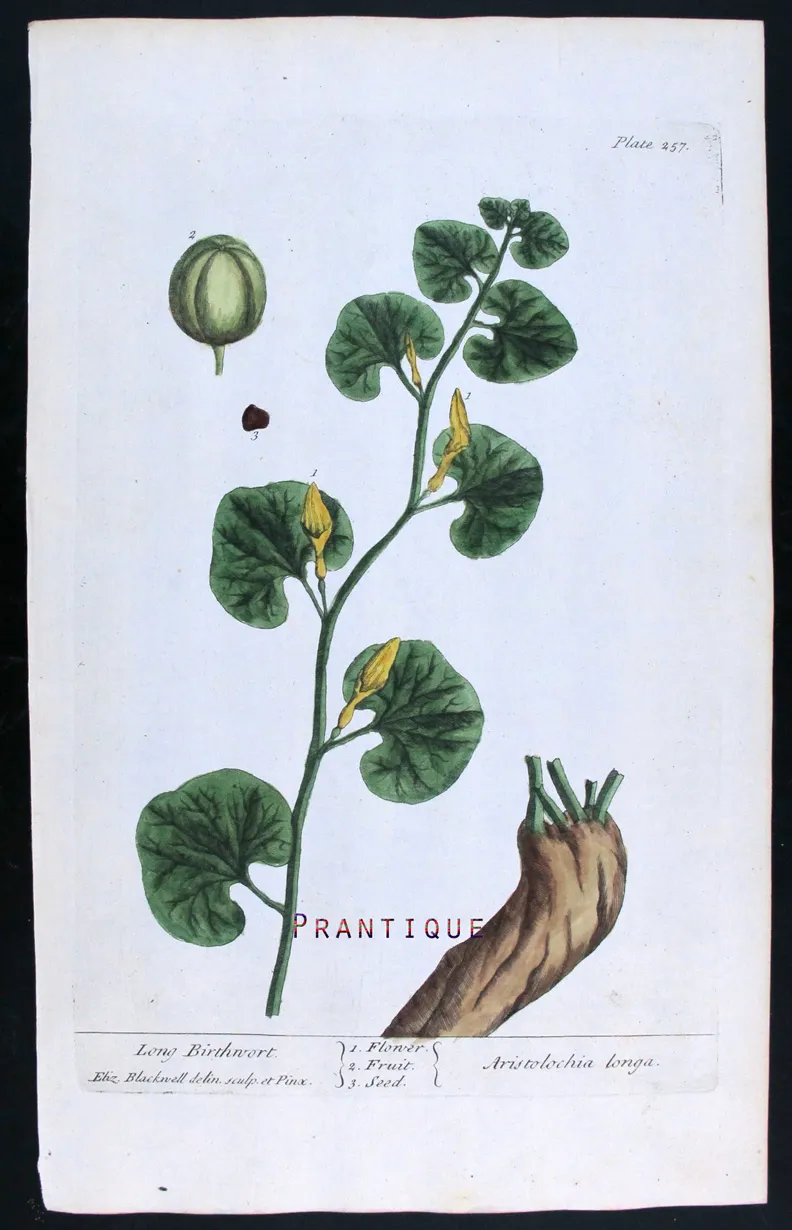


Graceful vertical stem with rounded leaves and yellow blossoms, paired with a prominent root study.
 Delivery policy
Your print will be carefully prepared and shipped worldwide via trusted couriers (UPS or similar).
 Authentic antique prints
Original engravings from the 17th–19th century.
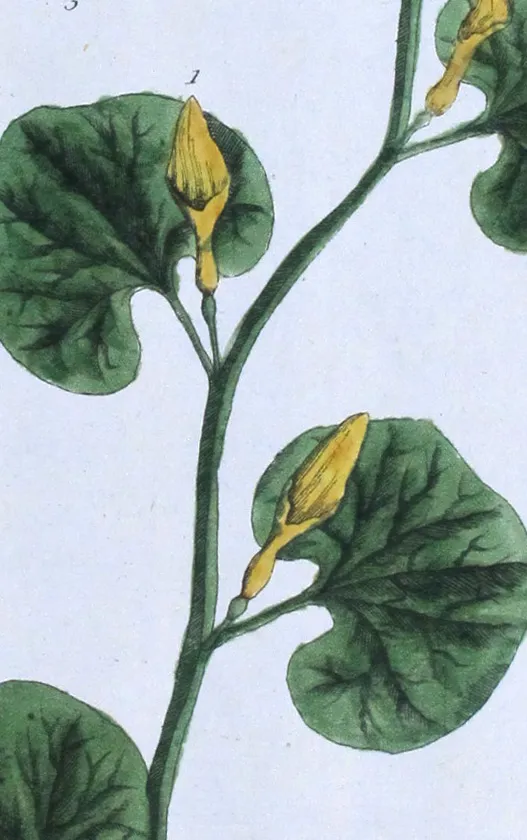
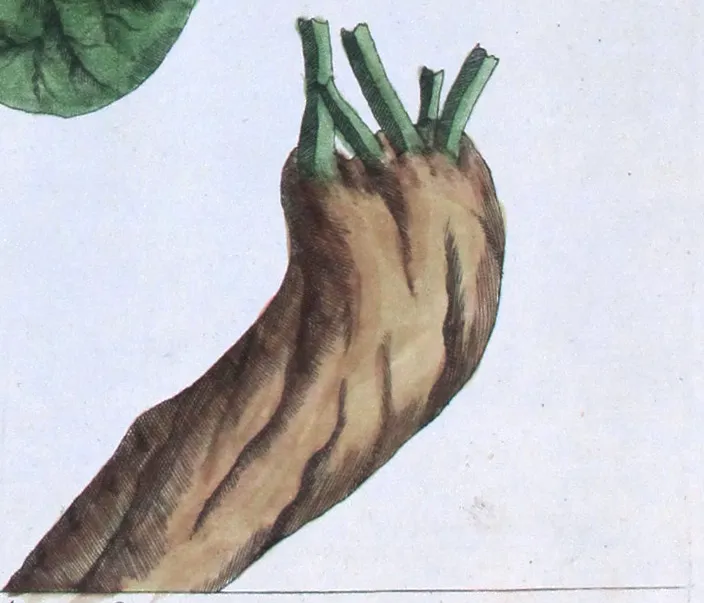
This refined botanical engraving depicts the Long Birthwort (Aristolochia longa), presenting a slender climbing stem with rounded, heart-like leaves, accompanied by a detailed rendering of its characteristic elongated root.
The composition emphasizes legibility through separation of essential elements: the leafy stem is shown with clear spacing between nodes, while the thick, sculptural root is isolated at the lower right, functioning as both diagnostic feature and visual anchor. Blackwell’s restrained approach privileges identification, balancing botanical clarity with an elegant economy of form.
Created in the early eighteenth century, this plate forms part of A Curious Herbal, a landmark work in which drawing, copper engraving, and hand-colouring were executed by Elisabeth Blackwell herself—an exceptionally unified process that gives the series its distinctive coherence and authority.
— • —
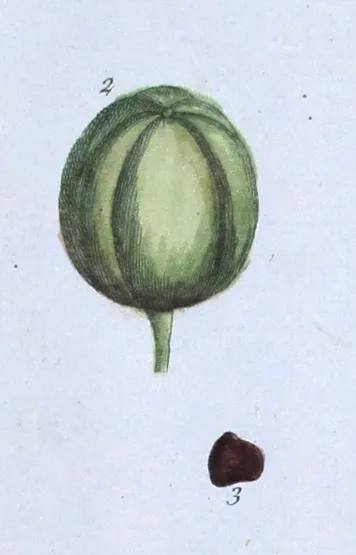
The plant rises along a gentle diagonal, with broad leaves arranged at intervals that create a calm, rhythmic progression. The negative space around the foliage enhances readability, while the isolated fruit and seed details (set apart above) reinforce the plate’s analytical intent.
A muted palette of deep greens and soft yellow-green tones models the leaves with subtle depth, while the root is rendered in warm browns that introduce weight and contrast. The result is a composed image in which line, proportion, and restraint convey both scientific precision and quiet decorative presence.
Long birthwort (Aristolochia longa) belongs to a group of plants historically valued in European and Mediterranean materia medica, chiefly for their roots. In early herbal practice, these roots were associated with “warming” and stimulating preparations and were discussed in contexts that included childbirth and cleansing remedies. Because the genus contains multiple visually similar species, accurate depiction of leaf shape, growth habit, and especially the distinctive root structure was essential for identification in apothecary use.
Today, Aristolochia species are also notable for the complex and sometimes troubling history of their medicinal reputation, as later knowledge clarified significant toxicity concerns. For collectors and historians, Blackwell’s engravings preserve an authentic record of how such plants were once documented, handled, and understood—making this plate as important culturally as it is botanically.
The engraving is in exceptionally fine antique condition, printed on original handmade laid paper typical of early 18th-century botanical publications. A period watermark is visible on the sheet, consistent with contemporary papermaking practices. The surface remains fresh and stable, with no notable defects. The hand-colouring is well preserved, and the impression is crisp and fully legible throughout. The engraved credit “Eliz. Blackwell delin. sculp. et pinx.” is present and clear, confirming the unified authorship of the plate.
This plate belongs to a rare micro-group of Aristolochia subjects illustrated by Elisabeth Blackwell—plants once central to practical medicine and later reassessed as knowledge advanced. For a close comparative companion within the same genus, see:
Creeping Birthwort (Aristolochia clematitis) — Companion Plate from A Curious Herbal
For further context on Elisabeth Blackwell and the medical-botanical framework of A Curious Herbal, see our editorial feature:
Specific References
Fine 18th-century engraving of the Cornel Tree by Elisabeth Blackwell, with red fruit and delicate foliage.
Elegant 18th-century hand-colored engraving of a Raspberry Bush by Elisabeth Blackwell, with ripe fruit and soft blossom.
Delicate pea stems with curling tendrils and soft green pods, elegantly hand-colored.
Lively Hawthorn branch with crisp green leaves and clusters of rich red berries, a classic countryside motif for warm, welcoming interiors.
Striking composition of the Pitch Tree with tall central stem and large cones, bringing strong graphic presence to botanical displays or rustic interiors.
18th-century hand-colored engraving of the Wilding or Crab Tree by Elisabeth Blackwell, with blossom and fruit details.
18th-century hand-colored engraving of a Garden Cucumber by Elisabeth Blackwell, with curling tendrils and yellow blossoms.
Light, airy branching with soft yellow flowers and delicately cut bluish-green foliage.
A graceful hand-colored engraving of Marshmallow (Althaea officinalis) with soft pink flowers and expressive root study.
18th-century hand-colored engraving of Rhapontic with broad leaves and sculptural root, ideal for botanical décor.
Fine 18th-century engraving of the Medlar Tree by Elisabeth Blackwell, featuring fruit, blossom, and botanical detail.
Hand-colored engraving of Water Figwort (Scrophularia aquatica), featuring vertical stems, red blossoms and a caterpillar study.
Elegant botanical engraving of the Bean plant with pods and seed details.
Broad heart-shaped leaves with yellow tubular blooms, beautifully rendered in subtle tones.
Graceful 18th-century botanical engraving of the Female Fern by Elizabeth Blackwell, with airy fronds and exposed root, beautiful in minimalist or nature-focused spaces.
Elegant Silver Fir with upright cones and finely spaced needles, a refined forest motif for sophisticated interiors and collectors of conifer imagery.
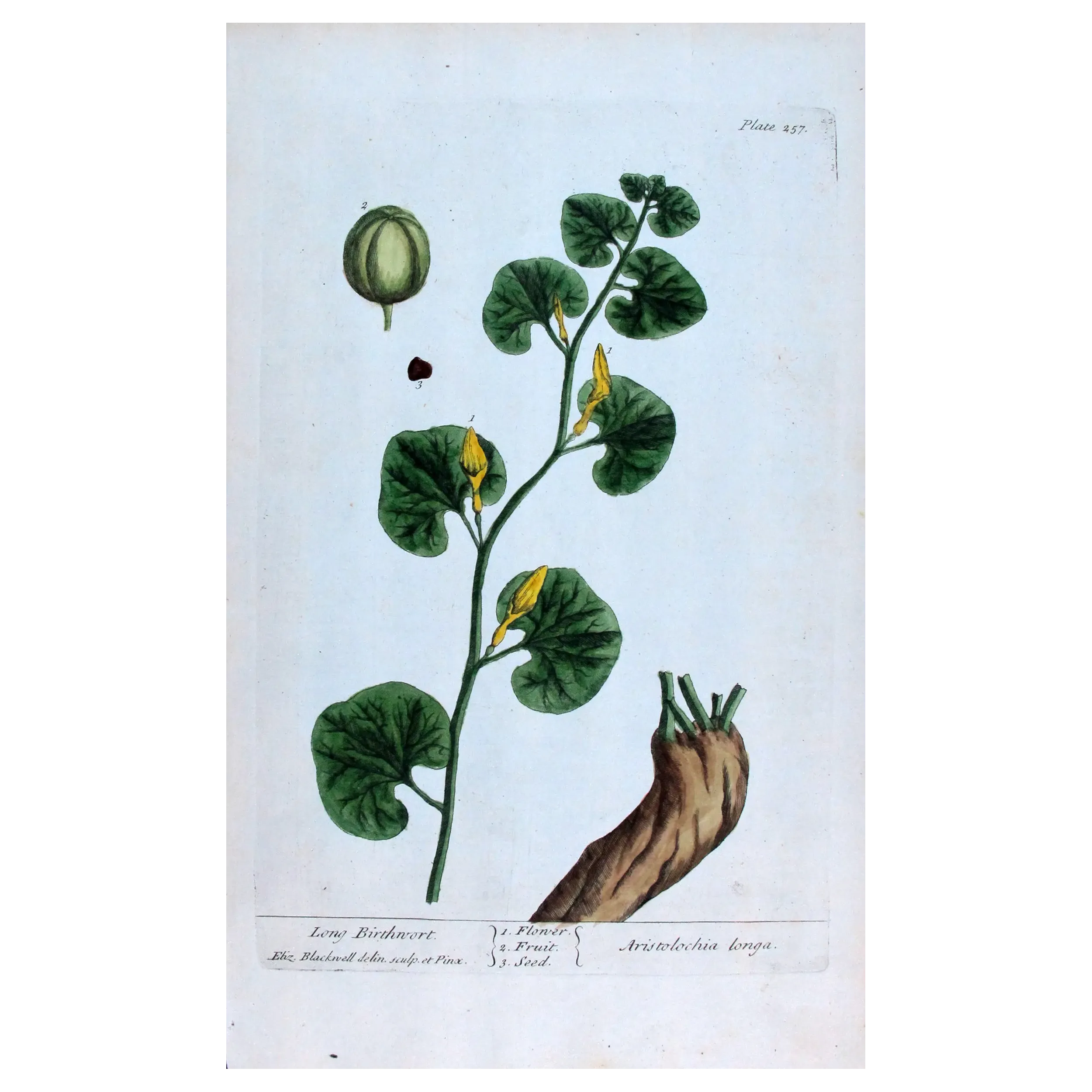
Graceful vertical stem with rounded leaves and yellow blossoms, paired with a prominent root study.


