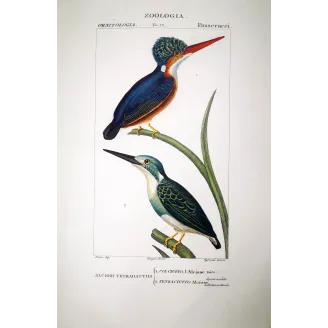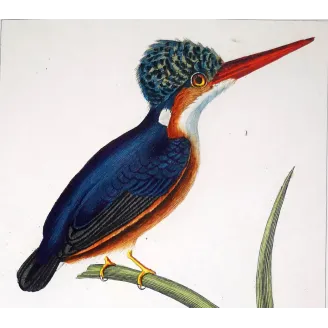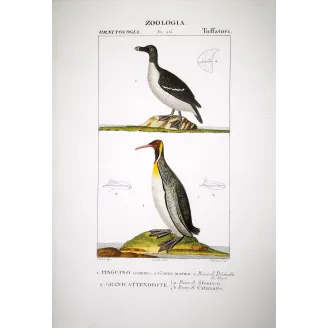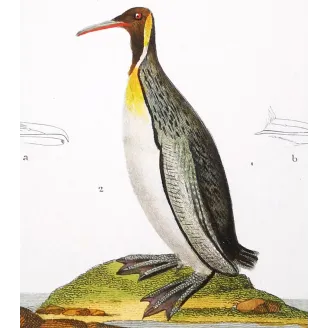
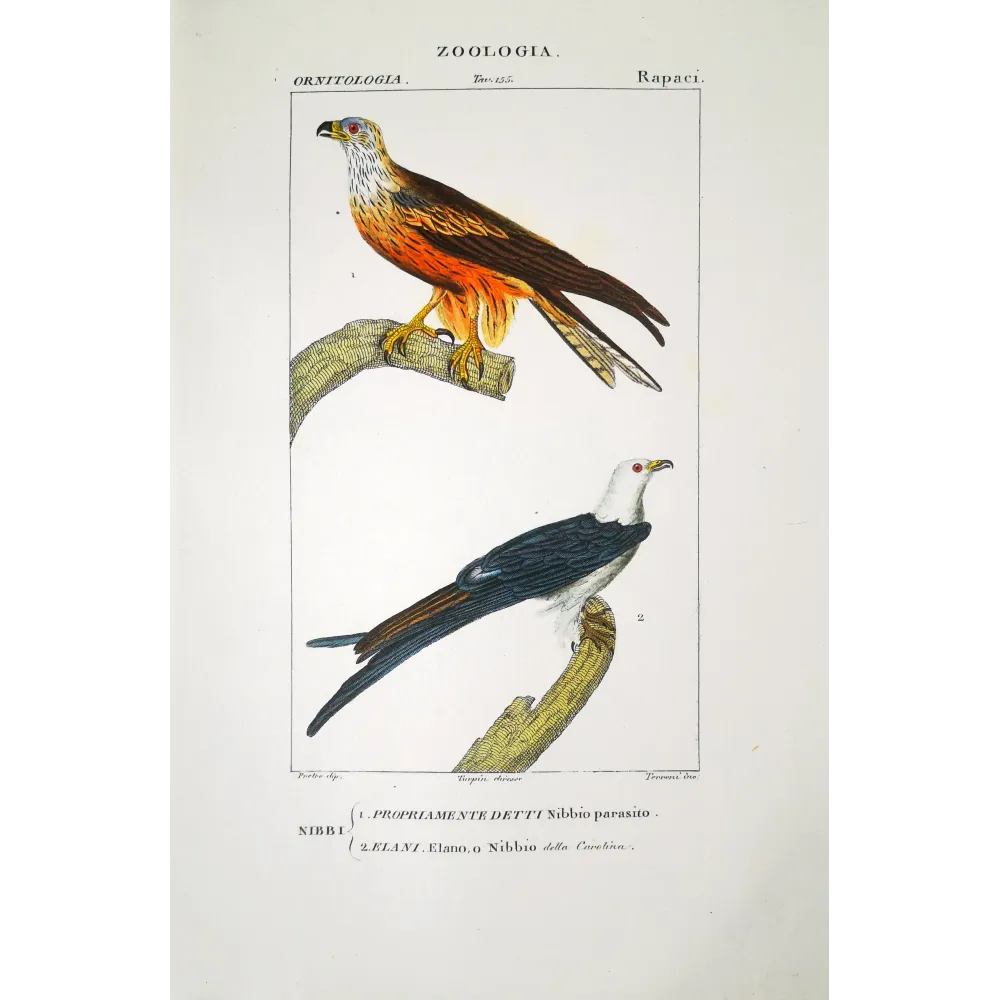
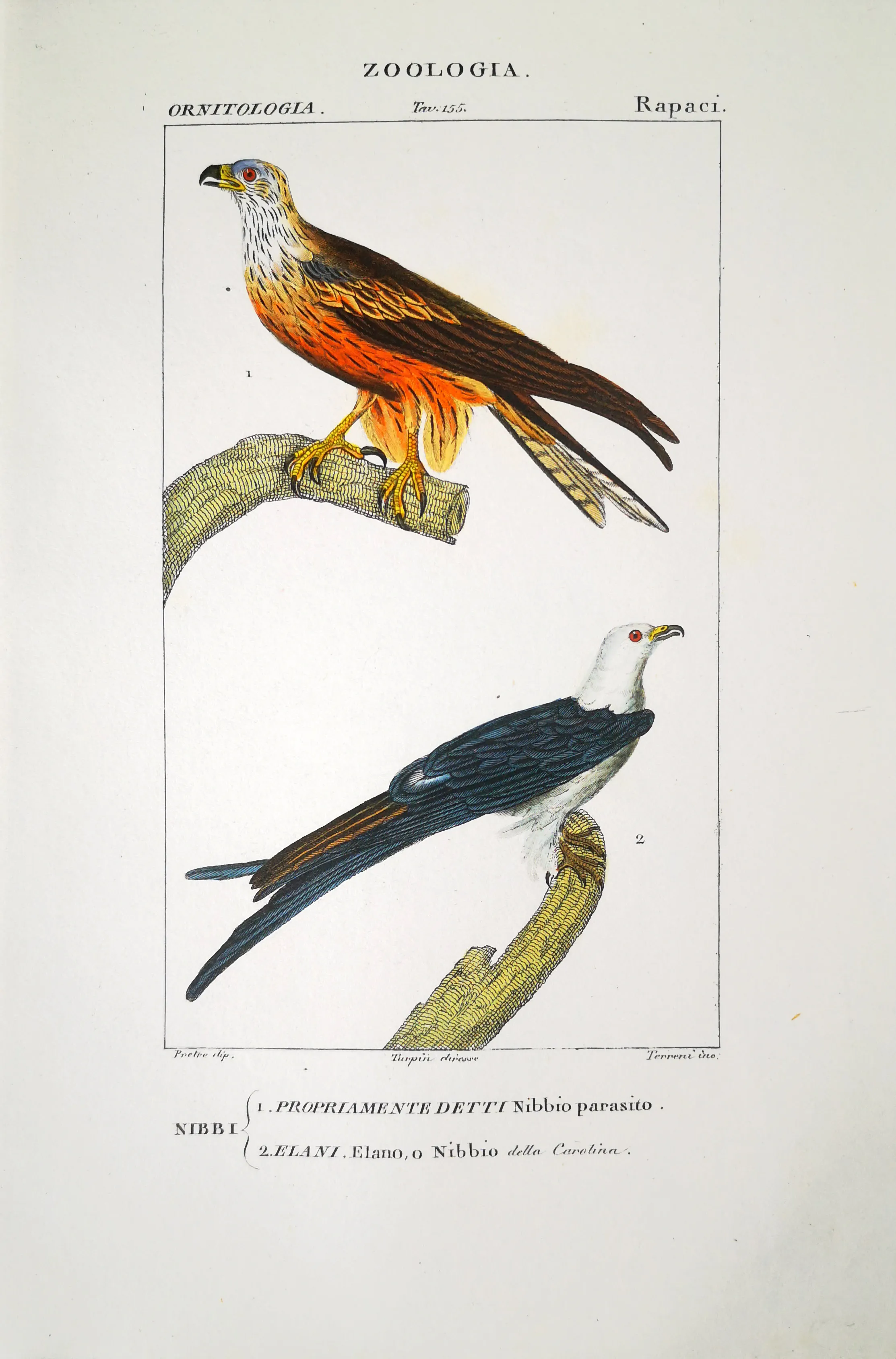


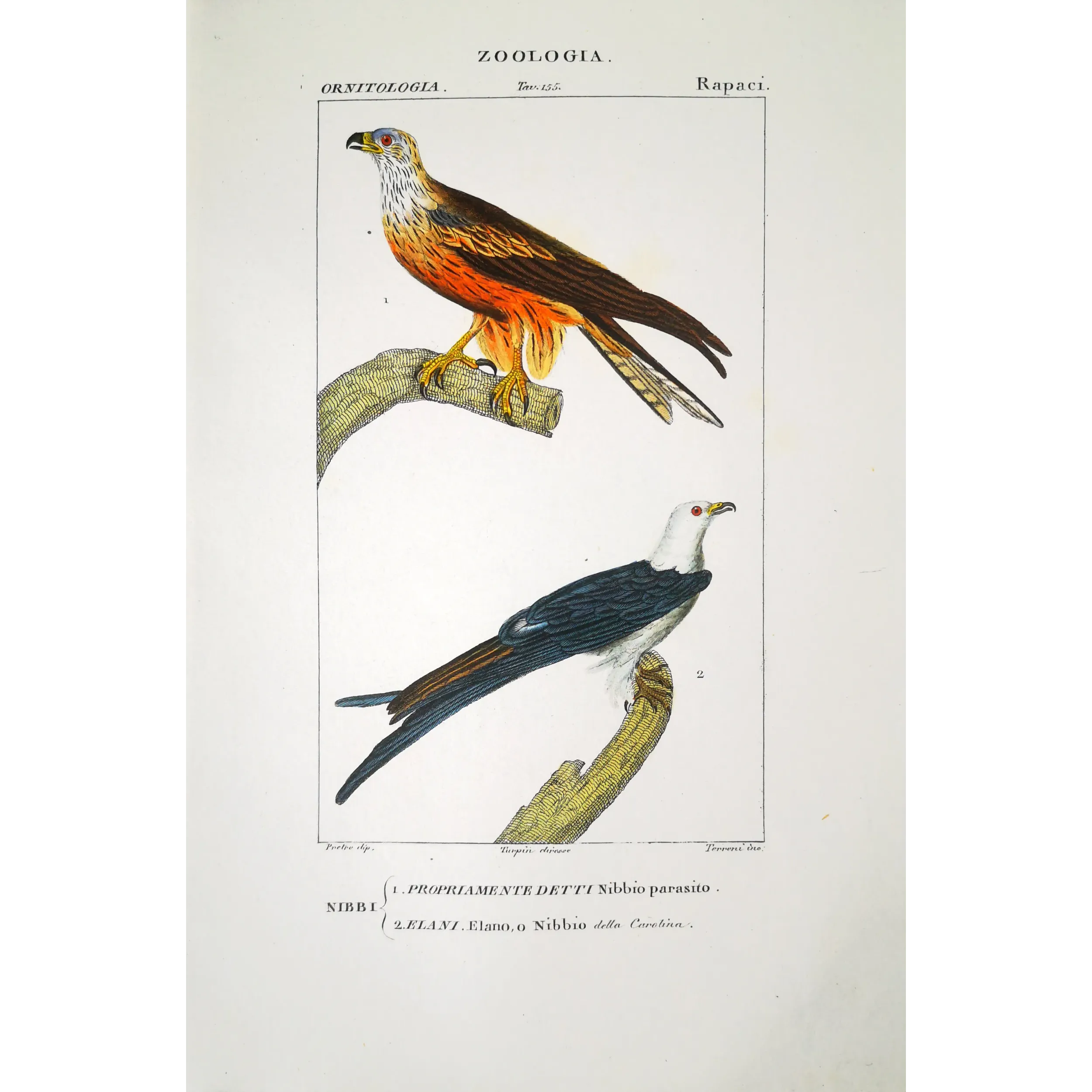
Parasitic Kite & Elanus (Milvus sp. & Elanus sp.) – Original Hand-Colored Engraving by Prêtre, Antique Print.
 Delivery policy
Your print will be carefully prepared and shipped worldwide via trusted couriers (UPS or similar).
 Authentic antique prints
Original engravings from the 17th–19th century.
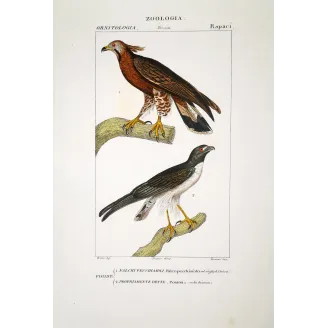
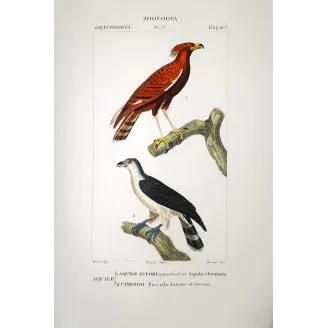
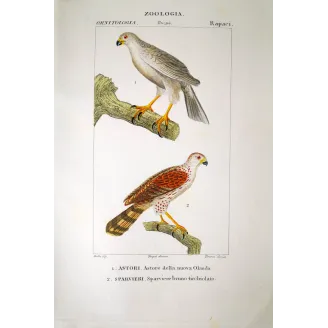
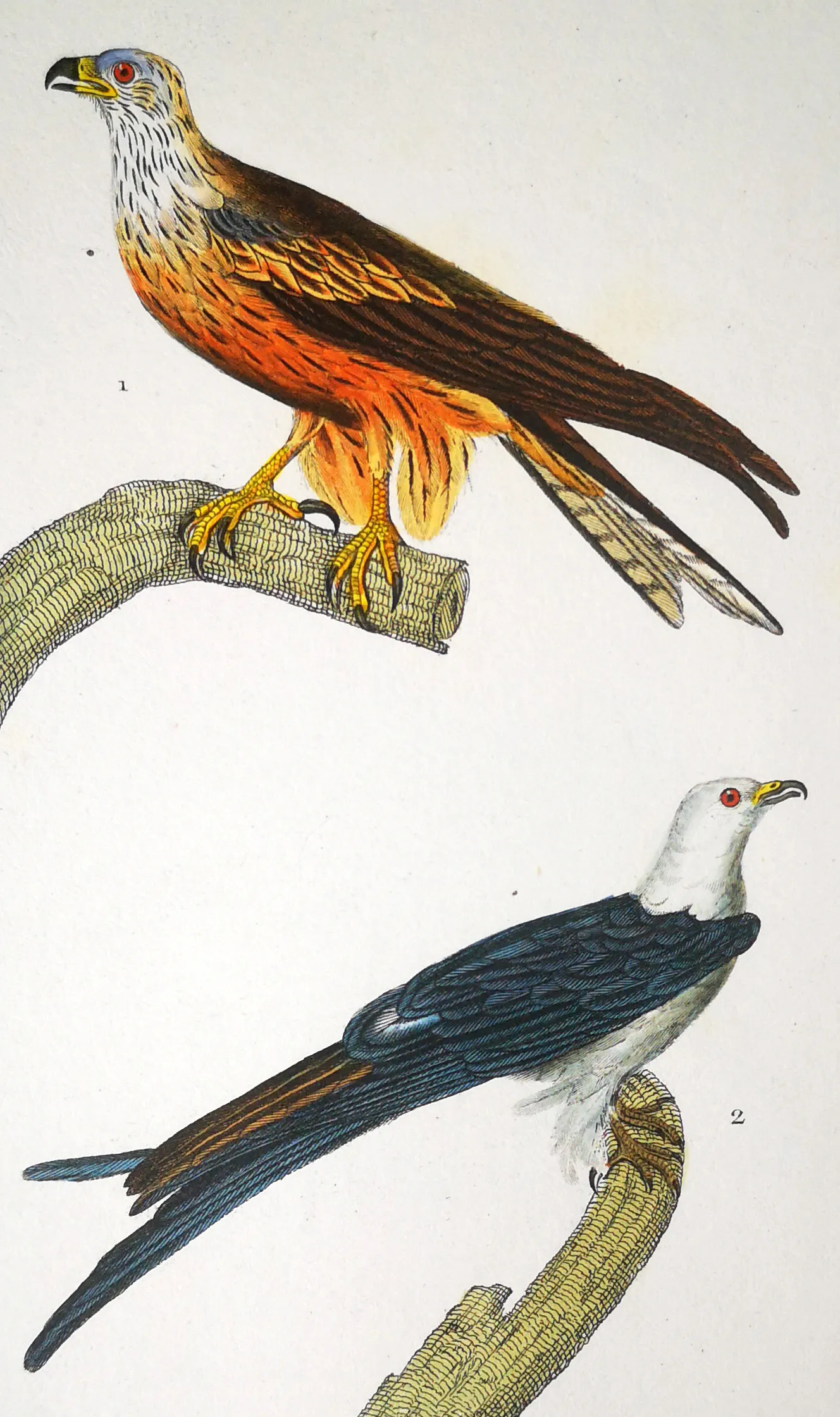
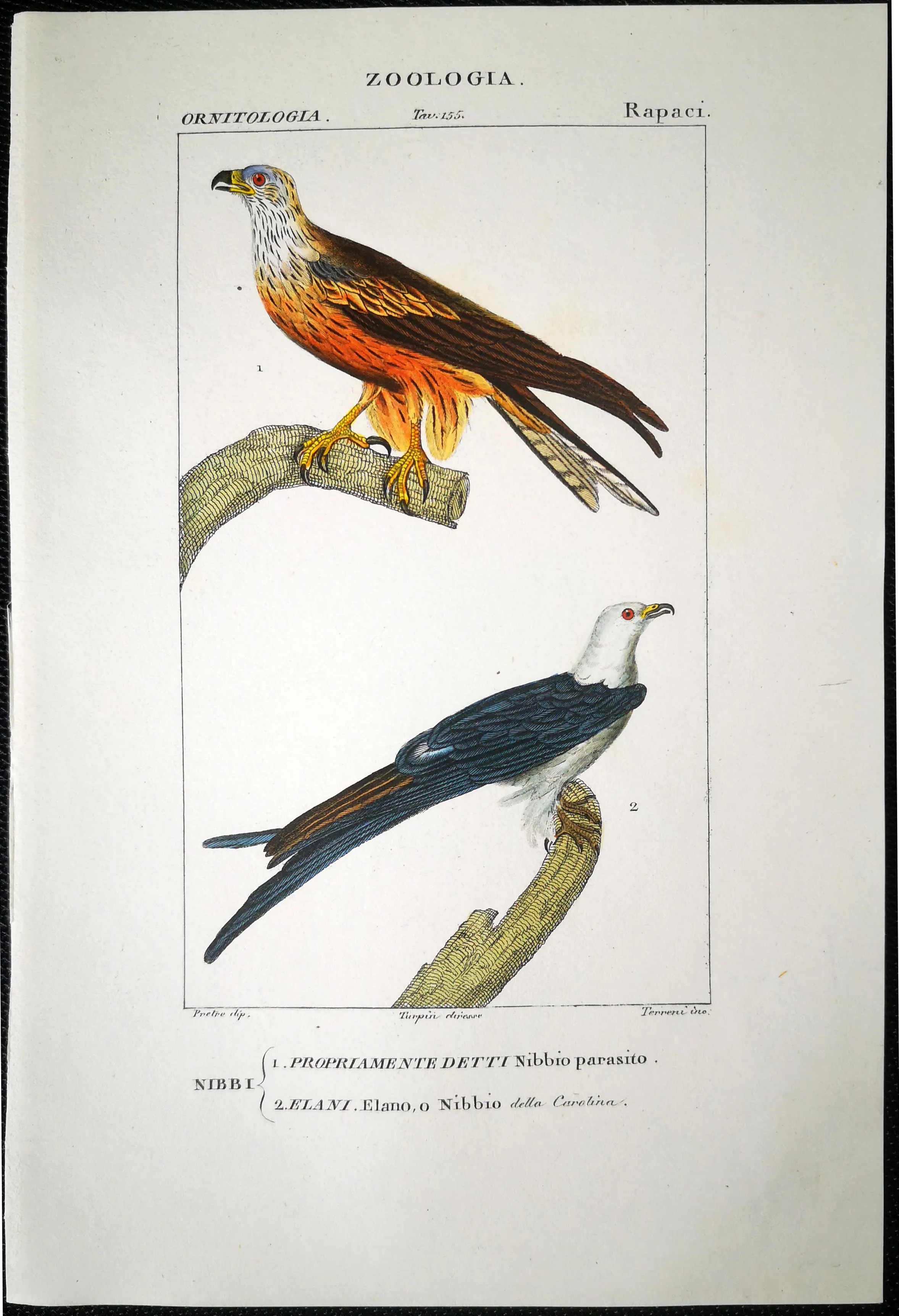
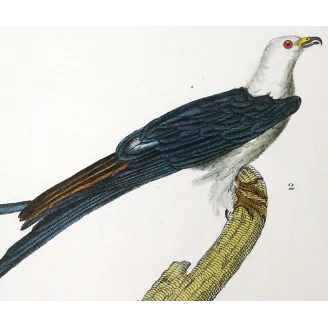
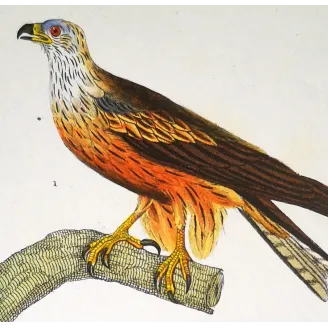
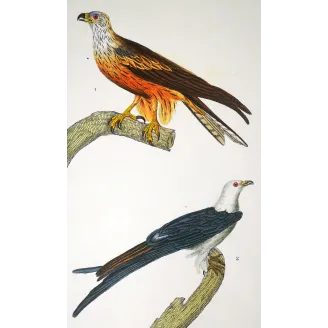
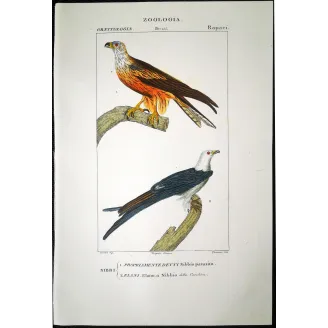
This original early nineteenth-century hand-colored engraving depicts two refined raptors identified in the plate as Nibbio parassito and Elano, o Nibbio della Carolina. The sheet belongs to the ornithological section of the Dizionario di Scienze Naturali, illustrated by Pierre Antoine Prêtre under the scientific direction of Turpin.
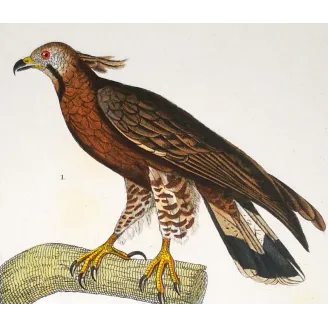
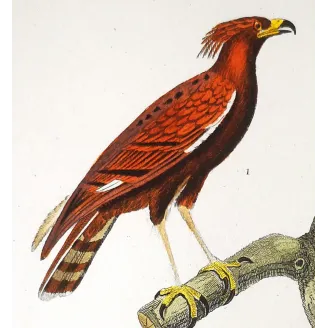
The upper kite, rendered in luminous copper and amber tones, contrasts with the cooler blue-grey plumage of the Elanus below, creating a harmonious chromatic dialogue across the vertical composition.
— • —
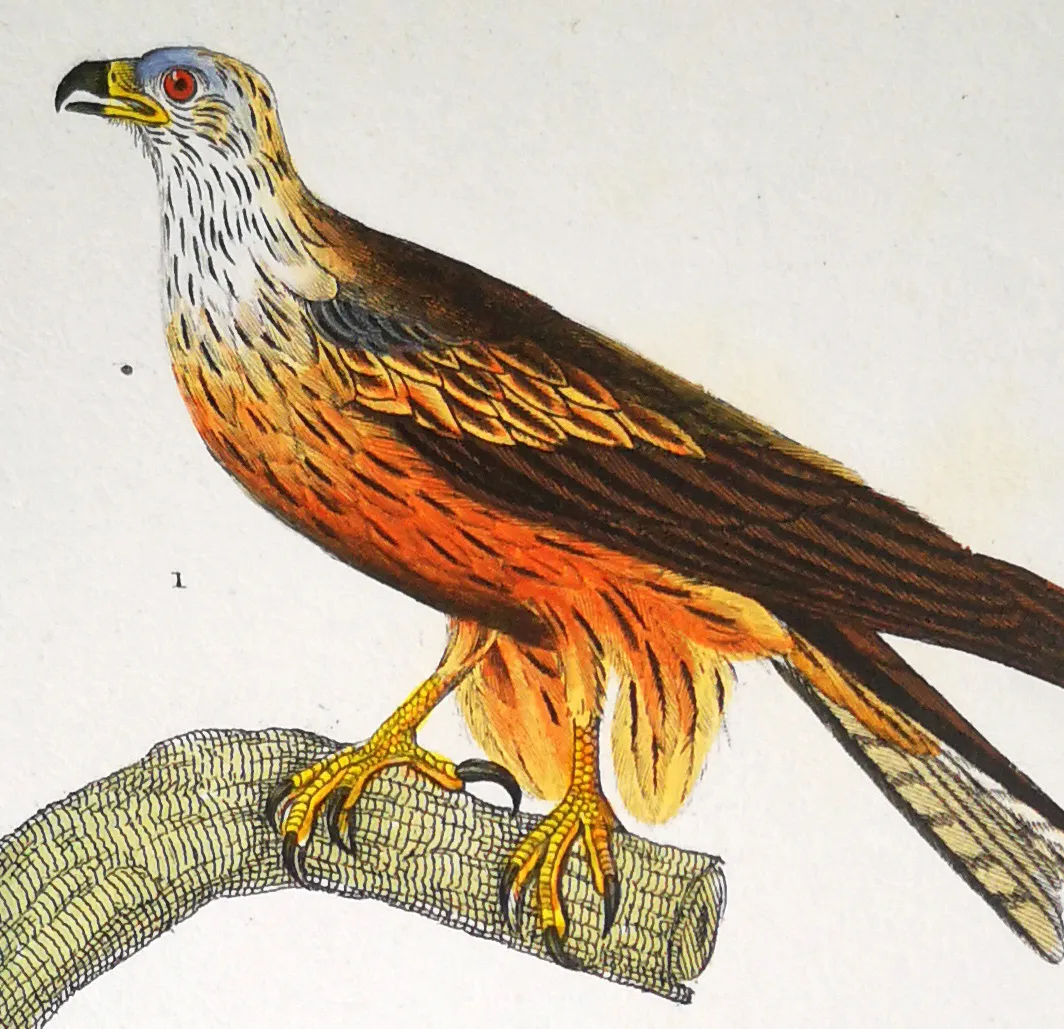
The Parasitic Kite (associated with Milvus species) is portrayed with layered warm plumage, finely articulated feathers, and a poised stance. The copperplate engraving technique preserves clarity while enhancing decorative depth.
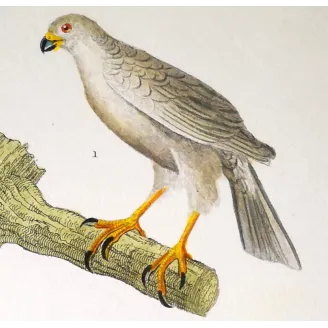
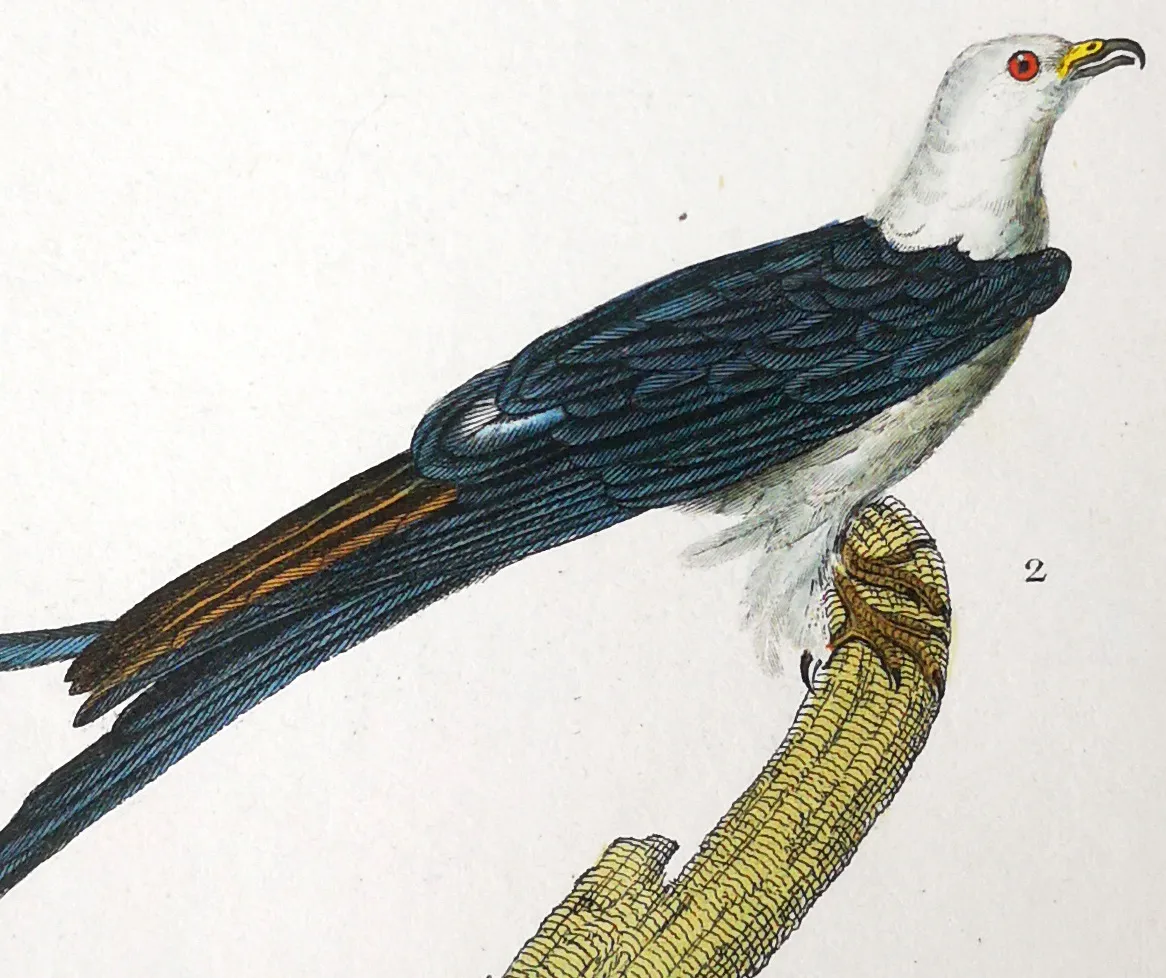
The Elanus, associated with Elanus species such as the White-tailed Kite, introduces a refined palette of steel blue and soft grey. The elongated tail and aerodynamic posture convey elegance and lightness.
Kites are slender raptors known for their gliding flight and forked tails. During the nineteenth century, European naturalists documented both Old World and New World species, reflecting expanding zoological exploration.
The Carolina kite reference suggests early classification linked to North American fauna, demonstrating the global scope of the scientific enterprise behind this monumental publication.
This engraving originates from the Dizionario di Scienze Naturali, preserved within a noble Roman library and today part of the Sacchetti Collection. The project embodies the intersection of scientific ambition and refined artisanal engraving in early nineteenth-century Italy.
Learn more about this extraordinary provenance in our editorial feature: Not Just Another Print – The Sacchetti Collection .
Very good antique condition. Sharp impression and well-preserved original hand-coloring. Printed on smooth early nineteenth-century wove paper. No watermark observed. Minor age toning consistent with age.
For further insight into Pierre Antoine Prêtre’s contribution to zoological illustration: Pierre Antoine Prêtre – Illustrator of Natural Science
Specific References
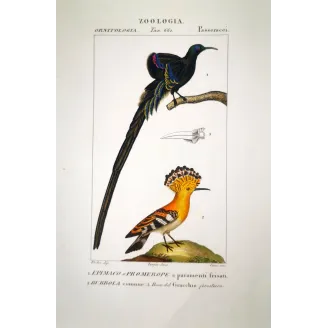
A long-tailed Promerops and a vivid Hoopoe bird, both perched and richly colored against a clean background.
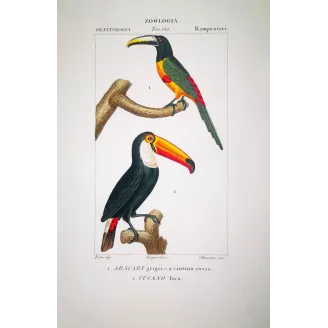
Colored illustration depicting two South American toucans: the Toco and the Red-belted Aracari.
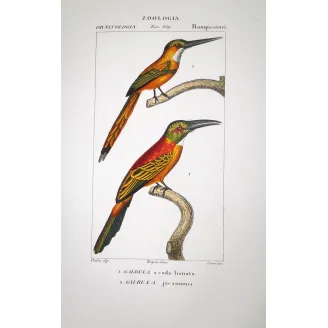
Two vibrant Jacamar birds with metallic plumage and long sharp beaks on stylized branches.
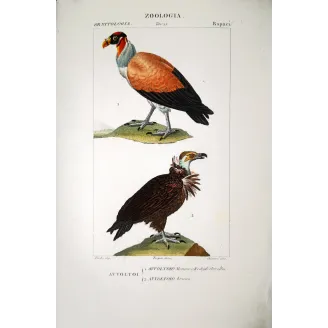
Original early 19th-century hand-colored engraving depicting King Vulture and Brown Vulture from the Dizionario di Scienze Naturali.
Finely drawn buzzards with a harmonious and naturalistic composition.
Exquisite depiction of the ornate Greater Bird-of-Paradise alongside the striking Common Hill Myna.
Refined old print with two specimens of South American halcyons: one crested and one with a green-blue livery.
Charming illustration of two aquatic birds with accurate anatomical and marine details.
A lively contrast between a fiery red hawk-eagle and a smaller black-and-white goshawk.
Elegant depiction of a Scythrope and a vividly colored red-and-green Trogon perched on branches.
Beautiful engraving combining sacred symbolism and elegant coastal shapes.
Impressive antique engraving of the Southern Cassowary, a striking flightless bird from New Guinea and northern Australia.
Two striking hawks from Australia, finely illustrated with warm natural tones.
Beautiful 19th century illustration of the Buceros rhinoceros, commonly known as the Rhinoceros Hornbill.
Imposing rendering of the Old World Ostrich and anatomical study of a Rhea foot.
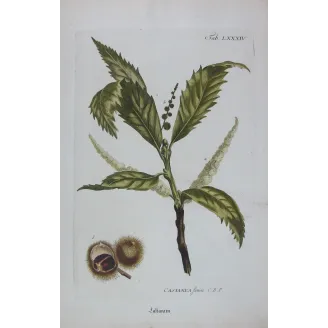
A refined 18th-century botanical engraving depicting the chestnut tree, featuring detailed foliage and characteristic fruit. The balanced composition and original hand-coloring create a visually rich and highly decorative natural history print.
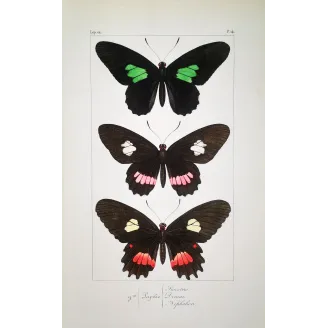
Striking black butterflies with vivid green, pink, and red accents. A dramatic 1835 engraving with strong contrast and bold decorative appeal.
Parasitic Kite & Elanus (Milvus sp. & Elanus sp.) – Original Hand-Colored Engraving by Prêtre, Antique Print.